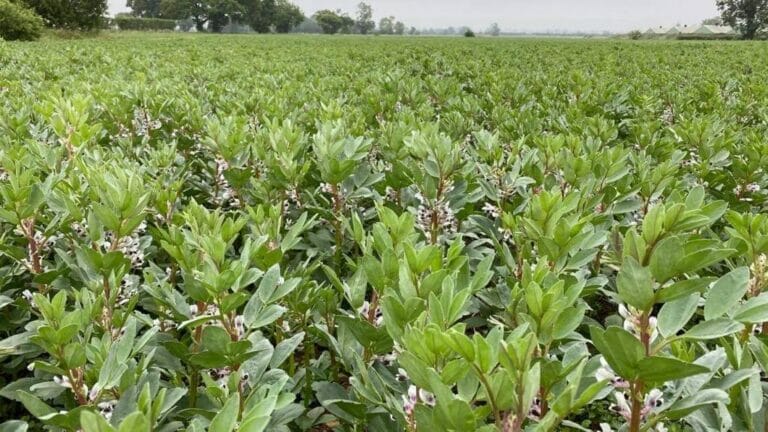
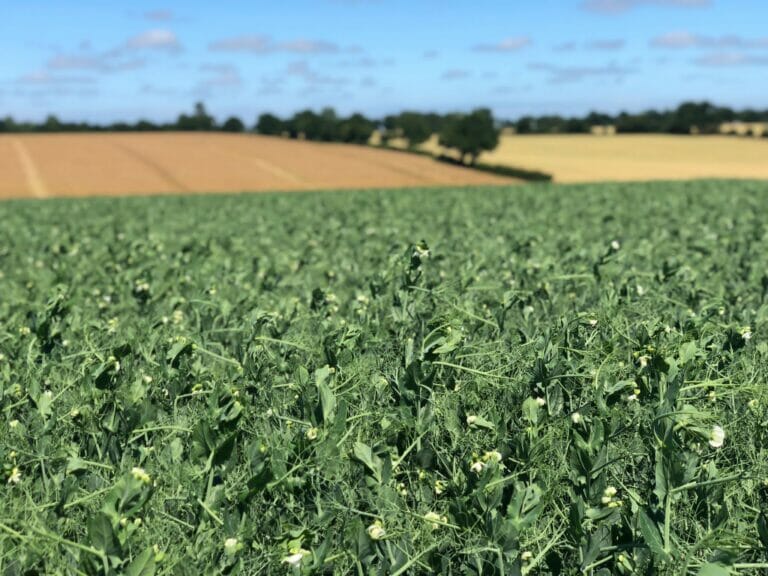
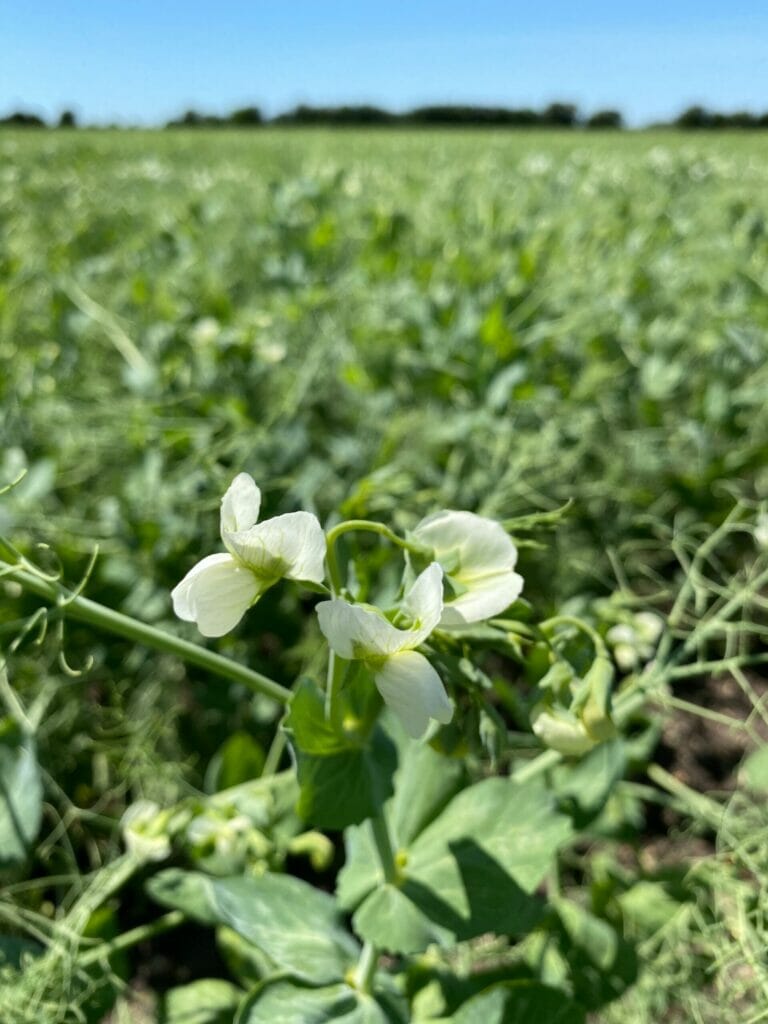
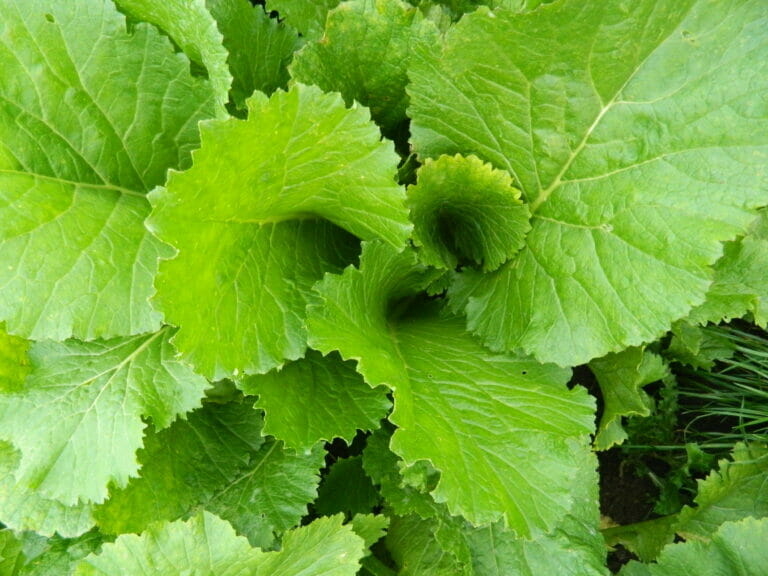



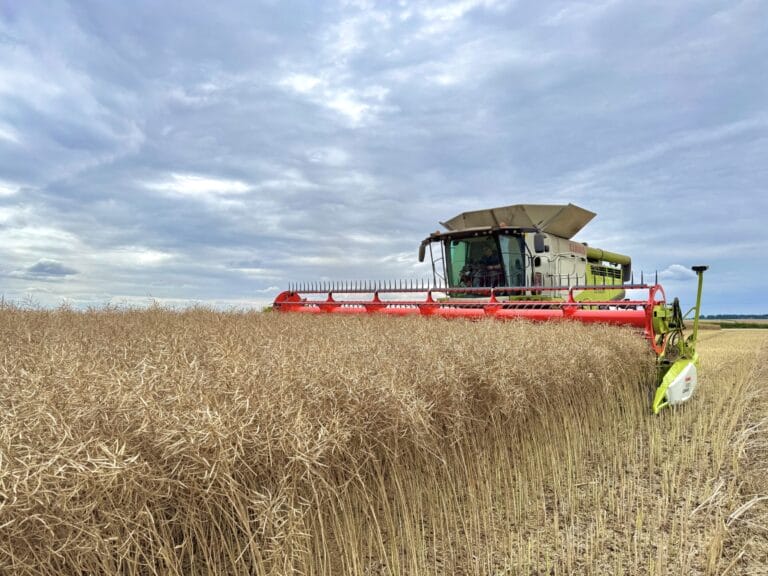
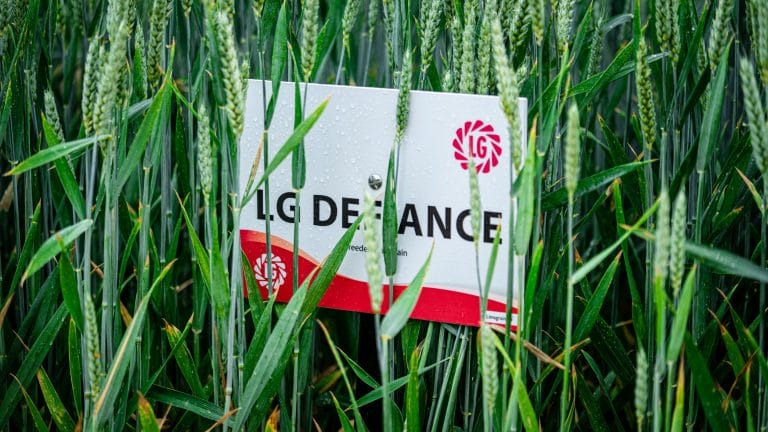



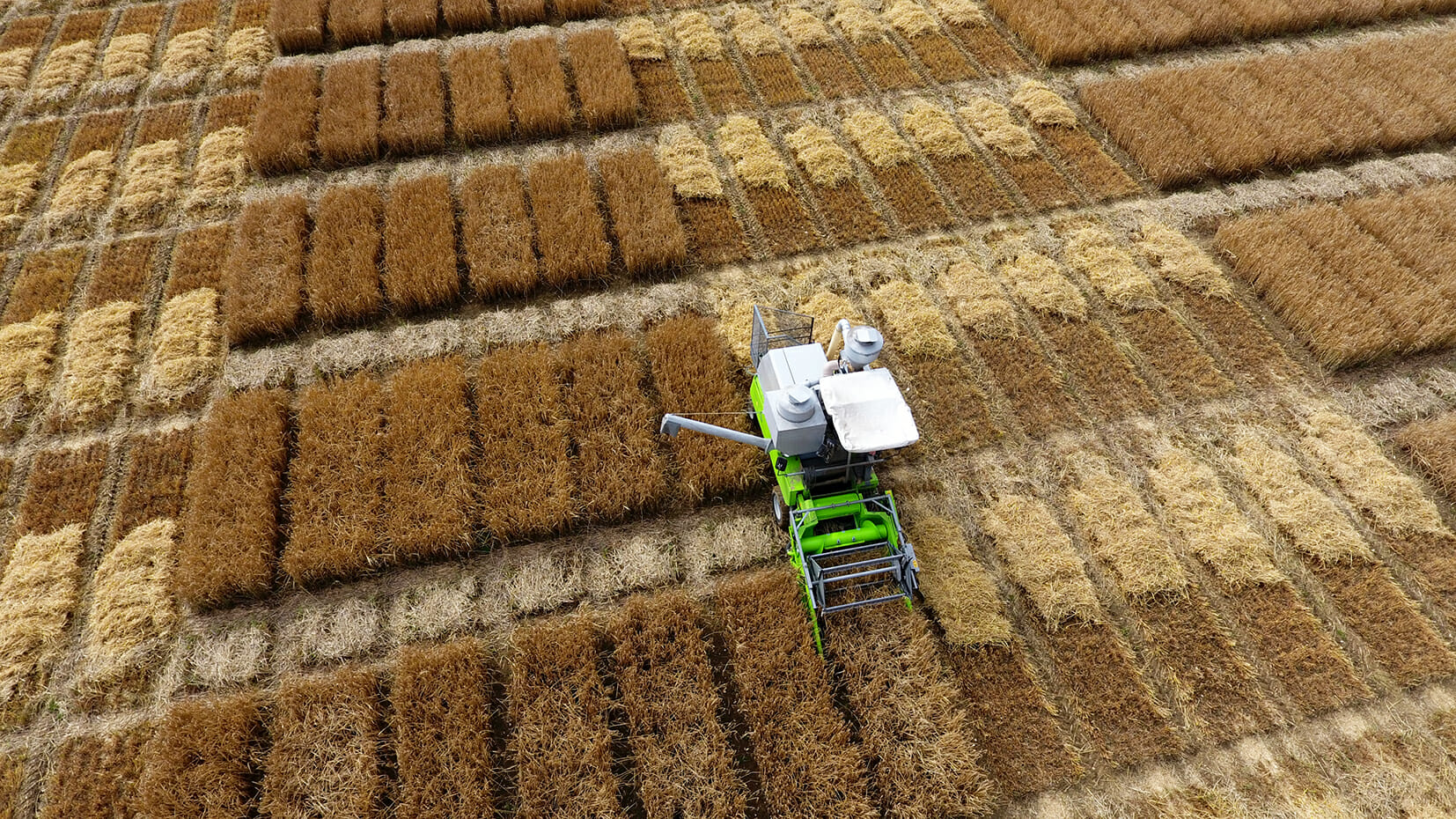

Download your essential guide to oilseeds, winter wheat and winter barley – this year’s guide is jam packed with brand new market-leading varieties, plus a wealth of technical articles from our team!
This brochure covers the key agronomic attributes of individual varieties for securing yield potential. The data is taken from the AHDB RL with additional Limagrain data sets, offering you added insight when it comes to selecting the best variety for your farming system.

This latest guide includes articles from our technical team – Ron Granger and Liam Wilkinson on variety suitability on farm, and also a handy ‘6 tips for barley grain and straw yield’, something which could be really important this year.
We’ve also included articles from the OSR team – Product Manager Florentina Petrescu writes about how OSR has made a fantastic comeback this year, and highlights some stand-out varieties from the LG breeding programme.
As always, if there is anything else you would like to know, please don’t hesitate to get in touch!
Oilseed Rape Gaining MomentumThere is now more positivity than ever for oilseed rape as a crop around the UK, as 2025 was a much stronger year for it.
Harvest results indicate average yields have increased to 3.76 t/ha for 2025 harvest – a significant increase on the 2.8 t/ha recorded in 2024.

Florentina Petrescu, Oilseed Rape Product Manager
The recovery comes along with new confidence in the crop and improved establishment across much of the country, with 2026 crops looking very promising.
Market conditions have also provided a welcome boost. Commodity prices were on average £20-£40/tonne ahead of last year, and are holding strong currently, helping farmers restore margins and strengthen the crop’s position in rotations.
Area figures confirm this trend, with an average of 14% increase on last year’s grown area.
Seed market dynamics also underline the crop’s renewed strength. Despite heavy competition, LG varieties have maintained good market share, keeping LG firmly in the number 1 position for this crop group. This has been boosted by the introduction of LG Adapt – the highest yielding variety with pod shatter resistance, and the only cabbage stem flea beetle resilient variety in the market – LG Avenger.
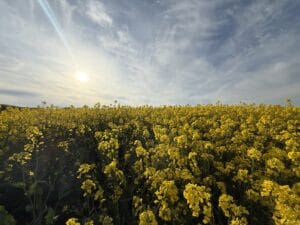 2025 harvest has also made a first for LG oilseed rape varieties, as Lincolnshire farmer, Tim Lamyman, has broken the world record for oilseed rape with LG Avenger, achieving a massive 7.52 t/ha crop.
LG Adapt is making headlines of its own, with it leading the field for oil content in the UK in 2025, having the highest oil yield out of over 35 varieties tested – giving farmers an advantage for higher oil bonuses.
Varieties like LG Armada, LG Academic and LG Adeline, are holding strong, with good performance on the AHDB 26/27 RL, showing consistency of the varieties across regions and seasons. This year’s list also marks the introduction of LG Calvin CL – the highest yielding Clearfield® variety on the RL.
Overall, the data suggests that oilseed rape is regaining ground. With improved genetics, stronger industry collaboration and a more favourable market, the crop is once again demonstrating its value as a resilient and profitable break crop for UK farmers.
Florentina Petrescu
Oilseed Rape Product Manager, Limagrain UK
Limagrain Takes Trials Beyond the Plot with New Farmer‑Led Demo Farm NetworkBook onto our Demo Days!
Suffolk Summer Demo Day – Thursday 4th June 2026
Staffordshire Summer Demo Day – Monday 22nd June 2026
Limagrain Field Seeds is taking variety trials beyond the plot with the launch of a new UK farmer-led Demonstration Farm network.
The initiative is designed to give growers a clearer, more practical view of how varieties perform in real farming systems, moving away from purely small-plot data and into field-scale reality. Instead of relying solely on trial sites and headline figures, the network will showcase Limagrain genetics under the pressures that shape day-to-day farm decisions, including soil type, rotation, cultivation and input strategy.
Nicolle Hamilton, marketing director at Limagrain, says the aim is to give growers a different perspective. “We want to offer growers a more meaningful way of looking at our varieties, through a farmer lens,” she says. “That means taking them out of controlled conditions and putting them into real farming systems, managed by farmers making commercial decisions every day. While she stresses that formal trials and the AHDB Recommended List remain important benchmarks, she says they do not always reflect the realities of commercial farming.
“This is not about replacing trials, it’s about adding another layer,” she says. “Farmers want to know how varieties establish, how they cope with different soils and how they perform under lower inputs or after cover crops. That is where this approach adds value.”
“It’s about working with farmers, listening to them and learning from them.”
Heather Oldfield, Limagrain cereals product manager, says the strength of the network lies in its farmer-led approach. “This is about genuine collaboration,” she says. She adds the focus is not on identifying a single standout variety, but on understanding where different genetics fit. “There is no perfect variety,” she says.
“Success comes from putting the right variety in the right place. What works on one farm may not work on another. These Demo Farms help us show those differences in a way that is much more relevant to growers.”
The Farmers
The first two farms in the network are based in Suffolk and Staffordshire, offering two contrasting systems. Ryan McCormack hosts the East Anglian site at Dennington Hall Farms, while Rob Atkin farms over in Staffordshire. Together, they provide a broad snapshot of how varieties perform across different soils, climates and management approaches.
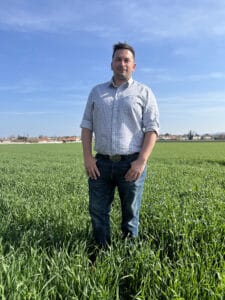
Ryan McCormack is testing Limagrain varieties in systems that include reduced tillage, cover crops, and livestock to understand what works best under these conditions
At Dennington Hall Farms, Ryan McCormack is running a highly integrated system combining arable, livestock and environmental management. The farm operates a 12-year rotation and places strong emphasis on soil health, with cover cropping, minimal cultivation and livestock grazing all playing a role. “I’m farming for margin, but also for my soils,” he says. “That means I need varieties that can cope with reduced tillage, cover crops and lower inputs. The only way to understand that is to test them in those conditions.” His trials include comparing multiple varieties under different establishment systems within the same field, giving a clear view of how genetics respond to management.
In contrast, Rob Atkin’s Staffordshire farm operates across a wide range of soil types, from heavy clay to high-organic-matter silt. The mixed farm includes combinable crops alongside beef and sheep, with a growing focus on soil health and cost control. “I still need yield to pay the bills,” he says. “But I want varieties that work on farm, not just in perfect plots. I want to know how they perform under pressure.” For Mr Atkin, the value of the network lies in its honesty. “It’s about seeing what works, what doesn’t and why, that’s far more useful than just looking at figures.”
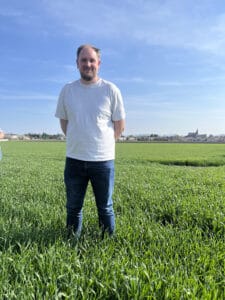
Rob Atkin believes that seeing varieties in real situations helps him make better decisions
To help growers follow crops through the season, Limagrain Field Seeds is supporting the Demo Farm initiative with on‑farm demonstration days. These demonstration days offer the opportunity to see varieties in the field, discuss results with farmers and Limagrain experts, and gain practical insight into real‑world performance.
More information and registration details can be found below:
Limagrain Field Seeds UK is proud to be the market leader in the oilseed rape market, over the last 5 years. This is largely due to its continued commitment to innovation in oilseed rape, and investment in its UK based breeding programme, whilst also collaborating with the wider LG European breeding network.
“During our time as the UK’s leading oilseed rape breeder, market conditions have changed massively, with the loss of neonicotinoids and the decline in the oilseed rape area, due to establishment issues,” comments Liam Wilkinson, Head of Technical for Limagrain Field Seeds UK.
“However, our constant innovation has meant that we have done as much to genetically derisk growing oilseed rape as we can, through our fully loaded hybrids approach – with Pod Shatter and TuYV resistance being staple inclusions in all of our varieties,” Liam continues.
“As a result, we have seen our varieties perform with consistency, both on-farm and in trials, despite changing seasons and other challenges.”

Our breeders are advancing the genetics behind Limagrain’s fully loaded hybrids
The LG European breeding network offers Limagrain Field Seeds UK the chance to screen oilseed rape varieties under the highest pest and environmental pressures, whether that be testing winter hardiness in Northern Europe, Sclerotinia in Hungary or Light Leaf Spot and Verticillium in the UK. This means that, whilst varieties must perform under UK conditions, Limagrain Field Seeds UK can be secure in knowing that its varieties will stand up to the challenges faced.
“These latest innovations have seen us bring varieties such as LG Avenger into the UK market, which has shown resilience to Cabbage Stem Flea Beetle (CSFB), in both independent and internal trials. Whilst only part of the solution to CSFB, we are committed to helping growers overcome the challenge, whether this be through variety choice or helping with agronomic advice around our varieties.
“LG Adapt has shown its performance across AHDB Recommended List (RL) trial sites in 2025, where it had the highest gross output of all varieties – but key, is that it had one of the lowest variabilities across sites, meaning that growers can be confident in its ability to perform. LG Adapt also has the highest oil content on the RL, allowing its consistency to be capitalised on, with market bonus.”
The LG breeding programme is dedicated to increasing genetic performance of oilseed rape on UK farms, and whilst yield is a key driver, LG’s commitment to securing yield on farm, means that they will only bring varieties to market which contain Pod Shatter and TuYV resistance, to turn the investment in your oilseed rape crop, into harvestable yield.
Find out more about our oilseed rape varieties here.
Top Tips for Managing Forward Oilseed Rape Crops This SpringSpring management key for forward oilseed rape crops
A mild autumn delivered excellent establishment conditions for oilseed rape (OSR) crops across much of the UK. While many crops are entering spring with large, forward canopies, careful management will be essential to ensure this strong start is converted into yield rather than lost through lodging or inefficient canopy structure.
Liam Wilkinson, head of technical at Limagrain Field Seeds UK, says that although big crops look encouraging, they can be counter-productive if not actively managed.
“From our own work, we know that the optimal OSR plant population is around 25–40 plants/m²,” he explains. “In previous seasons, growers often compensated for establishment losses by increasing seed rates. This year, however, losses have been far lower, meaning many crops are carrying plant populations well above the optimum.”
Without intervention, these dense, forward canopies can limit light interception, increase competition between plants and raise the risk of lodging, ultimately capping yield potential.
Tailoring spring management
Mr Wilkinson stresses that large crops require a different approach to thinner stands seen in recent years. “These crops need to be managed to control canopy size and structure, reduce lodging risk and maximise light penetration to the lower branches – which are the most productive in terms of pod set,” he says.
Varietal growth habit should also be considered when prioritising treatments: “Some varieties, such as LG Avenger, have faster stem extension and are more likely to benefit from early canopy management. “Others, like LG Adapt, extend later and may be less of a priority in early spring. Soil temperature is another factor – where soils are warmer, the urgency for early treatment is reduced.”
Nitrogen management: measure before you apply
Work from AHDB project PR447 has shown that adjusting nitrogen (N) applications according to canopy size can increase yields by up to 0.36 t/ha in crops that would otherwise have lodged under traditional management.
“The key message is that OSR canopies already contain significant amounts of nitrogen, which can be remobilised by the plant,” says Mr Wilkinson.
“Ignoring this risks over-application early in the season, driving excessive stem elongation and canopy shading.”
To help growers get the most from forward crops this spring, Limagrain highlights five key management principles:
1. Measure and quantify the canopy
You can’t manage what you don’t measure. Tools such as GAI apps or satellite imagery can be used, where 1 GAI equates to around 50 kg N/ha in the canopy. Alternatively, cutting and weighing 1 m² of above-ground biomass can provide a guide – 1 kg fresh weight is approximately equivalent to 55 kg N/ha.
2. Reduce the first split of nitrogen
High early N rates encourage rapid stem extension, increasing shading and plant competition. This often leads to the loss of lower branches, which have the greatest yield potential. Early assessment of biomass variation also allows nitrogen rates to be reduced in thicker areas and increased where crops are thinner.
3. Target a GAI of 3.5 at flowering
This equates to around 175 kg N/ha in the canopy. Knowing how much nitrogen is already present can help avoid unnecessary inputs. AHDB PR447 suggests that only around 60% of spring-applied nitrogen is taken up by the crop, so application rates should be adjusted accordingly.
4. Ensure timely sulphur supply
Reducing nitrogen rates also reduces sulphur when using combined products such as double top. Sulphur deficiency can limit yield by slowing leaf and tissue development, reducing nitrogen use efficiency, lowering stress tolerance and decreasing oil content. Choose a product supplying around 40–75 kg/ha of SO₃.
5. Apply micronutrients early
Boron is particularly important in forward crops. Deficiency during rapid spring growth can lead to stem splitting, increasing disease risk. Boron also plays a key role in pollination and stress tolerance, supporting yield and crop resilience.
“With the right approach, these forward crops offer a real opportunity,” concludes Mr Wilkinson. “By measuring canopies and tailoring inputs, growers can manage risk, improve efficiency and make the most of the strong establishment we’ve seen this season.”
How LG Avenger Delivered a World Record Oilseed Rape Yield
Earlier this year, Lincolnshire farmer Tim Lamyman set a new World Record for oilseed rape of 7.52 t/ha with Cabbage Stem Flea Beetle Resilient Variety LG Avenger.
Mr Lamyman grew LG Avenger for the first time last season and mentioned that his main reason for choosing it was its fantastic autumn vigour. He wanted a variety that could be sown later to help mitigate flea beetle risk, and that would get away quickly and establish a strong canopy going into winter.
Supporting the vigour of LG Avenger with a comprehensive nutrition programme is essential to building a big biomass crop and high yield potential, Mr Lamyman believes.
Given the exceptional performance of LG Avenger last season, Mr Lamyman has sown it again across an area of 90 ha.
LG Calvin CL: The UK’s Top Clearfield Hybrid Variety
The Agriculture and Horticulture Development Board (AHDB) Recommended List brings new varieties in focus and on the oilseed rape side, LG Calvin CL is newly recommended for the UK as the highest yielding Clearfield hybrid variety, with good autumn vigour, turnip yellow virus (TUYV) and pod shatter (POSH) resistance.
Capitalise on Your Oilseed Rape CropWith the mild autumn and good establishment, oilseed rape crops are looking good across the country. However, while forward or large canopies can seem beneficial, if not properly managed they can limit yields and leave the advantage of good establishment underutilised.
Here are 5 top tips for how you can capitalise on a forward oilseed rape crop:
1. Measure and quantify the canopy. You can manage what you can’t measure. An oilseed rape canopy contains nitrogen which can be remobilised by the plant. Using GAI apps or satellites, you can measure the green leaf area in relation to the ground. 1 GAI is equal to 50 kg/ha of nitrogen. Or, cut 1 m² of above-ground biomass; 1 kg equals 55 kg N/ha.
2. Reduce the first split of nitrogen. High doses of early nitrogen encourage rapid stem elongation, causing shading and plant competition. This leads to lower branches aborting—branches that have the capacity to hold the most pods and yield.
3. Aim for a GAI of 3.5 at flowering. This is equivalent to 175 kg of N/ha in the canopy. Using knowledge of what is already in the crop can help save on nitrogen input. AHDB report PR447 suggests only 60% of spring-applied nitrogen is utilised by the crop, so adjust rates accordingly.
4. Don’t delay sulphur availability. If using products such as DoubleTop®, reducing nitrogen also reduces sulphur. Lack of sulphur can be yield-limiting: slowing leaf and tissue development, reducing nitrogen-use efficiency, lowering stress tolerance, and reducing oil content. Pick a product that applies 40–75 kg/ha of SO₃.
5. Apply micronutrients early. In particular, Boron, as low levels can result in stem splitting during rapid spring growth, allowing potential entry for disease. Boron is also key for good pollination and stress tolerance.
The exceptionally dry season proved challenging for many crops this harvest, and although some yields did suffer, others fared much better, with some stand-out performers, as the LG Legends explain.
The LG Legends are a group of farmers from around the UK, working with diverse situations on-farm. They share their honest and practical on-farm experiences, from variety selection and husbandry, to harvest results and everything in between.
LG Typhoon tops the charts
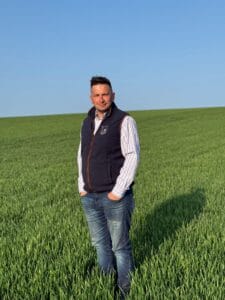
Ryan McCormack
In Suffolk, LG Typhoon was the star performer at Dennington Hall Farms, where a 100 ha block averaged 10.1 t/ha, with good grain quality and plenty of high quality straw, says farm manager, Ryan McCormack.
“It was the first of the wheats to be harvested, starting on 14 July, and gave the highest average yield out of all wheat varieties we grew last season; one small field achieved 11.7 t/ha, which was a good result given the dry conditions.”
All LG Typhoon was grown as a first wheat after beans, with minimal surface cultivations ahead of drilling in the first week of October – slightly later than he would normally sow the variety.
Another strong performer was LG Beowulf, which was coming in at over 10 t/ha, until 60mm of rain in the third week of July interrupted harvest for 10 days, Ryan says. “That rain delay seemed to knock the specific weight by 7-8%, and had a similar impact on yield. Despite that, it still did well overall, and, like the LG Typhoon, stayed pretty clean.
“We didn’t see any yellow rust, although to be fair, it was quite a low disease pressure season. We will be growing more LG Typhoon and LG Beowulf next year, combatting any yellow rust risk by applying tebuconazole at T0 to bolster disease resistance”. LG Redwald is another wheat variety the farm will grow again this autumn, as the extra vigour ideally suits later sowing after sugar beet, he notes.
After achieving an impressive 10.75 t/ha this harvest, winter barley variety LG Caravelle is another that will be grown again in 2025/26, along with LG Capitol, 100 ha of LG Avenger oilseed rape, and the new candidate hard wheat, LG Defiance. “We saw LG Defiance in trials and really liked how it looked, so will give it a try this autumn as a first wheat after oilseed rape.”
OSR is stand-out performer

Rob Atkin
For Staffordshire grower, Rob Atkin, oilseed rape has been the “crop of the year” on the 380 ha mixed family farm.
His 14 ha of LG Armada yielded around 5 t/ha (2 t/acre), well above the farm average of nearer 4.2 t/ha (1.7 t/acre), and with relatively high oil content.
“For us, it was one of the best years for growing oilseed rape for a long time.”
The two fields both followed winter barley; one drilled on 5th August, the other on the 25th. “The later-sown field did struggle a bit with pigeon damage last autumn, but other than that, there wasn’t a lot to choose between them. They established quickly and looked well all through winter, and into spring/summer,” he notes.
Rob has increased his oilseed rape area to 60 ha for 2025/26, split 50:50 between LG Armada and the cabbage stem flea beetle-resilient variety, LG Avenger. “Although CSFB pressure was very low last year, and we haven’t seen much activity so far this year, it can be an issue here, so it’s another tool to help reduce risk.”
On the cereals front, Rob acknowledges dry weather did reduce the farm’s average wheat yield by around 2.5 t/ha across all fields and varieties, although there were stronger performers within this, in a very challenging season.
“LG Rebellion is one variety that’s really surprised me in how well it’s done considering the year. We tried a small 5 ha area for the first time, which despite being drilled late in unfavourable conditions after maize, still did really well, yielding 7.4 t/ha (3 t/acre). There was a lot of rain soon after drilling, but it survived really well, with nice even establishment, and got going quickly in the spring. It also stayed clean and produced a decent amount of straw.”
A similar trial area of LG Beowulf did equally well, coming in just shy of the farm’s highest average yield, at 8.4 t/ha (3.4 t/acre), with good specific weight (77 kg/hl), protein (12.3%) and Hagberg (283).
Given this strong performance, he plans to grow both varieties on a larger scale this coming season, increasing the total area to 40-50 ha.
Overcoming late-sowing challenges
Trialling new varieties in a season as challenging and stressful as 2024/25 was never going to be ideal, but Leicestershire farmer Will Oliver says there were still some interesting differences, which will help shape future decisions.
A small area of three LG varieties was trialled on the 650 ha arable, grassland and indoor poultry farm last season, including LG Beowulf, LG Rebellion, and LG Redwald (500 kg of seed for each).

Will Oliver
“They were all fairly late sown, direct drilled after maize in November, onto heavy, high magnesium content clay soil, so it certainly wasn’t ideal conditions. There were challenges at every end of the growing season; crops were drilled in the wet, and then when we needed rain, there wasn’t any.”
As a consequence, the average yield across all varieties and total wheat area of 300 ha was down 1.4 t/ha on the farm’s five-year average of 8.5 t/ha, with LG Redwald and LG Rebellion performing best out of the LG trial varieties, Will says.
He was particularly impressed by the establishment and growth of the LG Rebellion through last autumn and into spring, as well as its final specific weight, which came in at 78 kg/hl.
“We will probably grow LG Rebellion again on a larger scale this autumn, alongside KWS Vibe, and Champion; all of which will be for seed.
“It’s been a hard year to judge varieties on yield performance alone, so I’m basing my decisions on how varieties established and looked through the season. We want a variety that can establish in late-drilling, more challenging situations, and I felt the LG Rebellion emerged well and looked better than some others we trialled.”
The wheat area is likely to be down to nearer 200 ha this autumn though, as after a six-year hiatus, oilseed rape is back into the rotation. Some 130 ha of LG Avenger was direct drilled after wheat in late August, just ahead of forecast rain.
“We’ve not grown oilseed rape for six years, but have decided to give it another go,” Will notes.
Other cropping includes 200 ha of maize, mainly LG Prospect and LG30.179, drilled in early April. “We normally combine our maize, but because of the forage shortage this year, we took the decision to sell it as a standing crop. Everything looks good, and it sold well at auction. Although it’s been a challenging year for maize, I’d say it’s been our stand-out crop.”
Will likes LG Prospect and LG30.179, and plans to grow both varieties again next year. “I like the early maturity, which really helps us get the following wheat crop in. They also have good standing power, good cob size, and they also tend to combine easier than some other varieties.”
Defying a tough season

Luke Palmer
The winter barley variety LG Capitol was one of the highlights from a challenging season for Cambridgeshire grower, Luke Palmer.
Some 100 ha (250 acres) was grown for seed, on a range of different soil types, with yields averaging 9.1 t/ha across the board, and excellent grain quality.
“That’s a pretty good result considering the season, and the fact that none of it was drilled particularly early last autumn. Most of the LG Capitol followed either sugar beet, potatoes, or maize, so was sown anywhere between the 1st October and 20th November. It got up and grew away really well though.”
All straw was baled, although he admits straw yields were down on normal, due to the exceptionally dry spring and summer.
Mr Palmer plans to grow a similar area of LG Capitol again this coming season.
Still time to establish OSR this autumn“It’s an excellent variety that I’m really pleased with. It has a high specific weight, strong disease profile, and seems to yield well on our land.”
There’s an excellent opportunity to establish oilseed rape and capitalise on this potentially profitable break crop.
Oilseed rape was a stand-out performer on many farms this harvest, with Lincolnshire grower Tim Lamyman even setting a new world record yield with his 10 September-sown crop of LG Avenger.
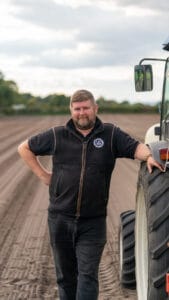 Many growers will have already drilled 2025/26 crops, but for those that have not, there is still time to get oilseed rape in, providing conditions are suitable, says Limagrain Field Seeds senior trials officer, Ryan Kemp.
“In our trials on the Lincolnshire Wolds, we’ve drilled oilseed rape right up to the first week in October in some years, and still produced decent crops. The UK generally doesn’t really see extremely cold winters anymore, so, providing there is still sufficient warmth and moisture in the soil, and you can get crops to the 6 to 9 true leaf stage before winter, they should survive pretty well.”
Indeed, later drilling can be advantageous in helping to miss early cabbage stem flea beetle activity, potentially reducing the classic ‘shot-holing’ damage caused by adults, and also reducing larvae pressure in spring. Smaller plants also tend to be at lower risk from foliar diseases, such as light leaf spot, compared with earlier-sown, dense canopies, he notes.
Rapid establishment is key
Strong, fast, establishment is central to the success of any oilseed rape crop though, particularly when sowing later in the season, and Mr Kemp identifies five important steps to help achieve this:
1. Select the right variety
All LG hybrid varieties have very good hybrid autumn vigour and are well suited for later drilling
2. Wait for moisture
Adequate soil moisture at drilling, and crucially, 10 days after drilling, is vital for rapid oilseed rape germination and establishment
3. Establish crops well
The optimum establishment technique will vary for individual situations and soil types, but whatever system is used, maximising seed-to-soil contact and conserving moisture with adequate seedbed consolidation, is key. Remove any compaction prior to drilling, to avoid compromising root growth, but only do what is necessary, to help conserve moisture and protect natural soil structure. Strip tillage systems that only disturb a narrow band of soil can work very well for oilseed rape
4. Use a placement fertiliser
Placing phosphate and a small amount of nitrogen fertiliser with seed at drilling is a very effective way of stimulating strong root development and crop establishment. Liquid and microgranular products are available, so discuss the best options with your agronomist or advisor
5. Control weeds early
Any pre-emergence herbicides should be applied as soon as possible after drilling to minimise early weed competition.
“Growing any crop, oilseed rape in particular, can sometimes be like a roll of the dice, so you have to be prepared to invest a bit of time and money to make it work,” says Mr Kemp.
“If you do, oilseed rape is still very profitable in the right situations. It can yield brilliantly, as we have seen on-farm and in trials, this year, where there have been some really good yields. We’ve had up to 6 t/ha in some of our trial plots, which is fantastic, and at those sort of yields, oilseed rape makes a really valuable addition to the rotation.”
Stand-out performer
Staffordshire farmer, Rob Atkin, says oilseed rape has been the “crop of the year” on the 380 ha mixed family farm.
 His 14 ha of LG Armada yielded around 5 t/ha (2 t/acre), well above the farm average of nearer 4.2 t/ha (1.7 t/acre), and with relatively high oil content. “For us, it was one of the best years for growing oilseed rape for a long time.”
The two fields both followed winter barley, one drilled on 5th August, the other on the 25th. “The later-sown field did struggle a bit with pigeon damage last autumn, but other than that, there wasn’t a lot to choose between them. They established quickly and looked well all through winter, and into spring/summer,” he notes.
Mr Atkin has increased his oilseed rape area to 60 ha for 2025/26, split 50:50 between LG Armada and the cabbage stem flea beetle-resilient variety, LG Avenger. “Although CSFB pressure was very low last year, and we haven’t seen much activity so far this year, it can be an issue here, so it’s another tool to help us reduce risk.”
Reasons to grow OSR
• Potentially very profitable break crop
• Provides a true break in cereal-dominant rotations
• Spreads workloads during busy periods, particularly harvest and drilling
• Facilitates an early entry for following crops
• Allows alternative chemistry to be used for weed control
Exactly a decade after breaking the world record oilseed rape yield, Lincolnshire farmer Tim Lamyman has defied the exceptionally dry season to bring in a record breaking crop.
An 8ha field of September-sown LG Avenger delivered an impressive seed yield of 7.52t/ha – breaking the unofficial world record of 7.2t/ha, set in 2019 by Richard Budd.
Of the 85ha of oilseed rape grown at Worlaby Farms in 2024/25, 80% was put down to LG Avenger, sown between the 10th and 20th of September. “All fields looked phenomenal throughout the season, with very little to choose between the sowing dates,” Tim comments.
“It’s the first year I’ve grown LG Avenger and I absolutely love the variety. It has fantastic autumn vigour, which was one of the main reasons for choosing it. We wanted a variety we can sow later to help mitigate flea beetle risk, and one that gets up and away quickly to establish a strong canopy going into the winter.”
Having worked with Limagrain Field Seeds UK and United Oilseeds to develop ways of mitigating cabbage stem flea beetle damage, Mr Lamyman is convinced that sowing a vigorous variety later, ideally after the 5-10 September, is the best way to avoid the worst of CSFB damage.
“Even though flea beetle pressure wasn’t particularly high last autumn, I can see that in a bad year, the vigour of LG Avenger will help get through those issues. If you’re later drilling and you’ve got that vigour, you’ve got a much better chance of getting a crop established than if you’ve drilled it earlier in the season.”
All of Mr Lamyman’s oilseed rape ground is usually prepared using the farm’s Väderstad TopDown and Carrier cultivators, before sowing with a 6m Väderstad Rapid drill. “Because we are drilling later and have a lot of stones in our soil, we prefer a higher seed rate of 4 kg/ha; equivalent to around 65 seeds/m2, to make sure we establish a good, thick crop.”
Building on solid foundations
Supporting the vigour of LG Avenger with a comprehensive nutrition programme is essential to building a big biomass crop and high yield potential, Mr Lamyman believes.
“It’s a big, bold plant, which you’re making grow even faster, so it’s all beneficial. We’ve seen in the past that going down the route of shorter, low biomass oilseed rape simply hasn’t worked, so in my view, the bigger the crop, the higher the yield.”
At Worlaby Farms, that nutrition programme centres around a range of products from Bionature UK Ltd, designed to support plant health and soil biology at different stages of the season.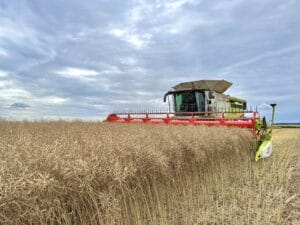
This begins at the 2-4 leaf stage, with an application of Leodita & Delta. Delta is a stabilized NH2 Nitrogen foliar application. Leodita is an organic soil improver that supports strong root development, and is faster-acting than the standard DAP and autumn nitrogen approach, Mr Lamyman says.
“Indeed, trials on the farm this year showed that within four days of applying Leodita, there was 40-60% more crop biomass compared with oilseed rape that received DAP. That biomass difference didn’t stop all the way through the autumn.”
“This is followed with foliar feeds in the autumn and spring, including a calcium-based product at flowering, to improve seed set.”
“Growing a fast, vigorous variety like LG Avenger, with this kind of nutrition programme over the top, gives you the ‘shield’ you need to get a late-drilled crop established very quickly in the autumn and probably gives as much biomass as something drilled three weeks earlier.”
Managing the large biomass crop has not been an issue, he adds. “It’s a really well structured variety, which also has the benefit of excellent pod shatter resistance.”
Disease control has also been fairly straightforward, based around a standard programme including tebuconazole, prothioconazole, azoxystrobin and one SDHI fungicide. “It’s nothing very expensive, yet crops have stayed really clean throughout.”
Given the exceptional performance of LG Avenger this season, Mr Lamyman is sowing it again across his entire 90ha of oilseed rape next season; a decision he had already made before crops were harvested, given how well they looked.
- High-yielding hybrid OSR from Limagrain Field Seeds UK
- First to be commercially available in the UK with LG’s CSFB resilience characteristic
- Exceptional autumn and spring vigour
- ‘Fully loaded’ resistance to Turnip Yellows Virus, pod shatter, and RLM7 phoma
- Very good disease resistance, rated 7 for light leaf spot and sclerotinia tolerance.
As unpredictable harvest weather continues to test the resilience of UK farming, leading plant breeders, Limagrain Field Seeds UK is urging oilseed rape (OSR) growers to treat pod shatter resistance as a fundamental requirement when selecting varieties.
“By the time oilseed rape reaches maturity, virtually all production costs have been incurred,” explains Florentina Petrescu, UK Oilseed Rape Product Manager for the breeders.
“Protecting yield right through to the combine isn’t optional – it’s essential. Incorporating pod shatter resistance into variety choice is one of the most effective risk management tools available to growers today.”
“Unlike agronomic interventions that can be adjusted in-season, pod shatter resistance is built into the genetics of the plant,” says Mrs Petrescu. “This makes the decision at variety selection time absolutely critical.”
Understanding Pod Shatter
Pod shatter is an evolutionary seed dispersal mechanism in brassicas, but on farm, it can be triggered prematurely by high winds, rain, hail or machinery movement – leading to severe yield losses just days before harvest.
Not All Resistance is Equal
Limagrain conducts rigorous, laboratory-based tests to quantify pod shatter resistance (POSH) by measuring the physical force required to break open pods. Results consistently show wide performance differences between varieties, despite similar marketing claims.
“All of LG hybrids carry the pod shatter trait, and we benchmark them regularly against competitor varieties,” she says.
“The contrast was especially evident during the challenging harvest of 2023 – one of the wettest and windiest Julys on record. While many crops suffered heavy losses, Limagrain hybrids with strong pod shatter resistance emerged intact.”
A Grower’s Perspective: Managing Risk in the Borders
Northumberland farmer Richard Brewis of Woodhouse Farm, Alnwick, is firm in his belief that pod shatter resistance in the oilseed rape varieties he chooses to grow is indispensable.
His main risk is from high winds, rather than hail, and the approach is working well across his 60 hectares of OSR.
“For me, growing a pod shatter-resistant variety is a belt-and-braces strategy for growing a successful OSR crop,” he explains. “We like to aim for 5t/ha – hitting 4t/ha is acceptable – but that extra tonne could be the difference between seeds on the ground or in the trailer.”
When deciding what varieties to grow, he works closely with David Watson of Nickerson. Mr Watson’s advice is ‘why take the risk of losing crop to weather or physical damage to the crop if it’s not necessary’
“Ultimately, it means getting a valuable genetic trait without paying extra for it. Choosing a variety without pod shatter resistance at this point just seems reckless.”
This season, Mr Brewis is growing LG Wagner and LG Anarion, following past success with Limagrain’s hybrid, Aurelia, all of which offer the pod shatter resistance trait, along with other traits and agronomic benefits that he looks for, ranging from TuYV resistance to stiff straw and good Light Leaf Spot disease resistance.
 LG Wagner is a hardy, high yielding variety suited for the north, with a growth habit suited to challenging growing conditions as well as offering an excellent disease package and pod shatter resistance. LG Anarion is a fully loaded, high yielding variety that also offers Clubroot resistance. It has very strong early vigour and exceptional winter hardiness which allows it to perform very strongly in areas where clubroot is endemic.
Mr Brewis complements the genetic resistance in the varieties with a pod sealant spray applied around 10 days prior to desiccation.
“Let’s face it he says, we are halfway to a good crop a week before harvest. We tend to go on with the pod stick about 10 days before desiccation as it is less brutal to the crop. The crop is lying forward when we come on with the roundup, so there is less damage to the standing plants and pods and it’s easier to pick up the tramlines,” he says.
He points out there is a practical time saving benefit to doing it this way: “It’s also easier to wash out straight pod stick and straight roundup than a mix, and mostly you can guarantee to do the pod stick in a oner since it’s not a pesticide so only one washout.”
Summary
Woodhouse Farm, 255 hectares
Rotation: wheat, winter oats, spring beans, oilseed rape, spring linseed
Key attributes for choosing an oilseed rape variety:
• High yielding
• Good oil content
• Pod Shatter
• TuYV
• Good Light Leaf Spot disease resistance
• Stiff straw
Learn more about Pod Shatter
Download LG Arable Guide for all the latest on our winter oilseed rape, wheat and barley varieties

Over the last few years the upfront costs and establishment challenges have made OSR a risky option, but with recent improvements in pest pressure, genetics and recently market prices, could OSR be making a comeback?
With SFI coming to a close and reports of lower CSFB larvae numbers from last autumn – the conditions are changing – and growers may be more inclined to return to what remains one of the most profitable break crops they can grow.
Beckii Gibbs, seed manager at United Oilseeds says: “A major positive has been the improvement in prices which have steadily strengthened over the past year, rising from an average of £370 per tonne in August 2024 to £405 per tonne for August 2025.
A Technical Crop Demands a Technical Approach
“With the market moving in the right direction and pest pressure easing, confidence in oilseed rape is beginning to rebuild. But those considering a return to OSR must still treat it as the technical crop it has become,” says Florentina Petrescu, oilseed rape product manager for plant breeders Limagrain Field Seeds UK.
“Integrated Pest Management strategies remain essential for OSR success,” she says.
Establishment Techniques That Work
Growers are seeing benefits from adapting cultivation methods, drilling into moist seedbeds, applying organic matter, and making use of companion or trap crops. Establishing OSR away from previous OSR fields also helps disrupt pest cycles and improves the chances of a strong, healthy crop.
However a key part of the success of the crop comes down to the importance of variety choice and Ms Petrescu believes this cannot be overstated.
Genetics Make the Difference
“Advances in oilseed rape breeding have delivered a new generation of hybrids with improved disease resistance, pod shatter protection, and greater resilience,” she notes.
“In the field, these genetic traits play out as a risk management strategy, by allowing the crop to meet its full gross output potential.
“LG Avenger is the result of our new methods of breeding oilseed rape varieties, which consider all limiting factors for crop development, including the threat from CSFB.
“It is the only variety with LG Cabbage Stem Flea Beetle Resilience on the 2025/26 AHDB Recommended List, alongside many other valuable characteristics, including high yield, pod shatter resistance, high oil content and a very good disease package, including a light leaf spot rating of 7 and sclerotinia tolerance,” she says.
Ms Petrescu notes the introduction of LG CSFB Resilience is the latest in a long line of developments that have helped improve yields in LG’s ‘fully loaded varieties’.
Fully loaded varieties include key traits such as POSH (pod shatter resistance), Stem Health, Sclero-Flex for sclerotinia tolerance, N-Flex for nitrogen efficiency, and robust TuYV resistance, which can reduce the need for aphid sprays.
LG Adapt, recommended across both the East/West and Northern Lists, boasting a gross output of 108%, also illustrates the benefit of growing a trait-loaded variety.
“Thanks to seventh-generation hybrid breeding, LG Adapt combines high yield potential with an exceptional trait package, including pod shatter resistance, TuYV resistance, RLM7, and Stem Health,” she says.
“Its adaptability across all regions of the UK, alongside excellent stem health and oil content of 46.4%, make it a compelling option for growers wanting to manage risk and maximise returns.”
A Crop Worth Reconsidering
With better market prices, reduced pest pressure and breeding advances that can lower growing costs, OSR is once again becoming an increasingly viable option, particularly following barley where it offers valuable rotational benefits.
As Ms Gibbs at United Oilseeds (UOM) points out, the outlook for OSR is improving and growers now have more tools and knowledge at their disposal than ever before to grow the crop successfully.
For many, OSR has been a crop to avoid in recent years — but that sentiment may be about to change.
More information
Technical and agronomic data from trials and on-farm is available on all our OSR varieties in the LG Arable Guide, download here
To learn more about LG Cabbage Stem Flea Beetle Resilience and claim BASIS and NRoSO points, you can read our whitepaper here.