

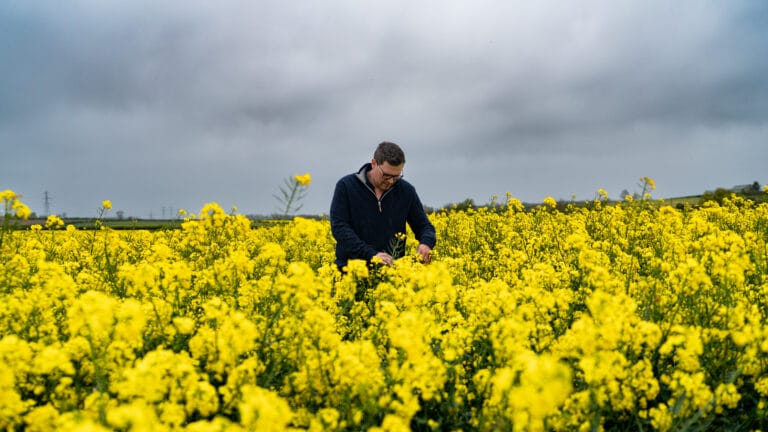
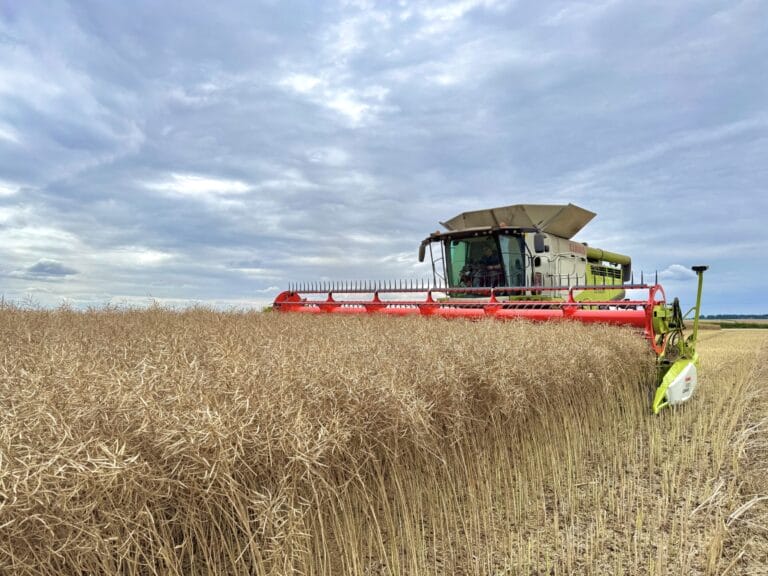

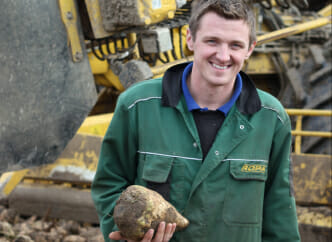

Located just outside Uttoxeter in Staffordshire, Rob Atkin manages a 1,000-acre farm with a focus on arable cropping and grass -fed, home-reared cattle. As a third-generation farmer, he works alongside his father Peter, combining experience with a practical, forward-thinking approach to land management.
The farm operates across a wide range of soil types, from organic-rich alluvial soils to heavier, more challenging clays; Mixed – light alluvial (9–12% OM) to heavy clay (3–4% OM).
To maintain soil structure and workability, Rob has used a shallow tillage system since 2003, working to a depth of 10–15 cm, but remains flexible — what he refers to as “thoughtful farming” — adjusting his methods according to seasonal and soil conditions.
The cropping strategy is designed around maximising first wheat performance while maintaining oilseed rape (OSR) as a break crop just once every five years. The rotation includes wheat, barley (winter and spring), oats, beans, maize, and OSR. Cattle are fed using home-grown rations based on forage maize and beans, contributing to a fully integrated farm system.
How many different varieties are grown and how long is a variety grown for?
Wheat: LG Beowulf, LG Rebellion, Oxford, Bamford, LG Typhoon
Winter Barley: LG Caravelle
Spring Barley: LG Diablo, Planet, Skyway
Oats: Ascani
Beans: LG Raptor (spring), Tundra (winter)
Maize: KWS Leto, LG Gema
Rob grows a wide range of varieties tailored to different roles in the rotation.
His current wheat portfolio includes LG Beowulf, LG Rebellion, Oxford, Bamford, and LG Typhoon, grown for feed and marketed through Openfield and ADM. He aims for around 8.5t/ha.
“A variety is typically grown for two to three years to assess performance across different seasons. If it continues to deliver strong results, it remains in the programme until yield performance begins to decline,” he explains.
Barley plays a smaller role in the rotation, with 13–14 ha of winter barley (currently LG Caravelle) and around 80 ha of spring barley split between LG Diablo, Planet, and Skyway.
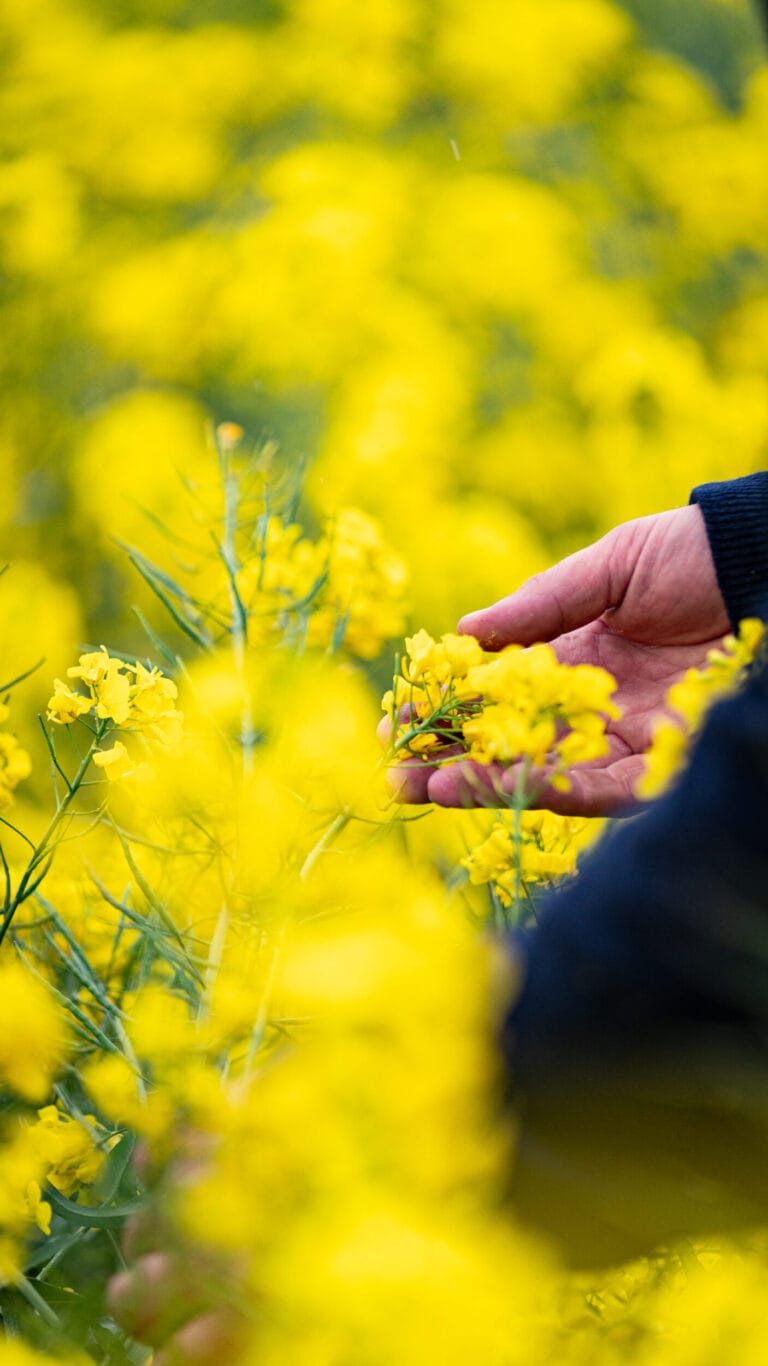
OSR remains an important break crop, typically covering 50–60 ha. While the farm has long favoured Dekalb hybrids, this season Rob is trialling LG Armada and LG Avenger to evaluate their performance.
Rob prefers to use local trials when looking at new varieties to grow. “ We are an Agrii iFarm and host trials for then, so that gives us an invaluable insight to how varieties will grow on our farm, I also judge for the Staffordshire Agricultural Society so get to visit farms in the region and look at a range of different varieties that way.”
What characteristics are most important to you when choosing a variety?
For Rob, yield remains a key priority — but not at any cost. He looks for varieties that offer good performance without needing excessive inputs.
“Yield is always important,” he says, “but I want that to come without ridiculously high inputs— we are not interested in a variety that requires high spend to push for yields.”
High disease resistance is just as critical. “That’s really linked to yield and just as important,” he adds.
Crop vigour is another major consideration, both in autumn and spring. “I’d much rather be managing a forward crop in March than trying to catch one up.”
Early drilling suitability rounds out the main criteria, as drilling around the third week of September is standard practice on the farm. “Any later than this and crops just don’t have the time to get the tillers on before the winter.”
1. Yield
2. Disease resistance
3. Vigour
4. Early driller
Have these characteristics, or weight of importance, changed over recent years?
No! Rob believes his priorities in variety selection have remained consistent. While environmental and regulatory pressures may be evolving, the fundamental traits he values have stayed the same.
“It’s always been about finding the right balance between yield and reliable agronomics,” he says.
Why LG varieties?
LG varieties feature strongly in Rob’s rotation because they offer a practical combination of yield and agronomic strength.
“In my view, LG produces farmer-friendly varieties,” he explains. “They’re high yielding, but they’re also clean, vigorous, and manageable. That gives us a kind of yield security — and that’s worth a lot.”
He also values how clearly LG varieties are positioned in terms of agronomy and management. “Take LG Typhoon — it’s well suited to early drilling, and it’s a very clean variety. You know where it fits and how to get the best out of it.”
How have the varieties performed this season?
Crops are performing well so far, with low disease pressure across all varieties. Rob reports that the season has allowed for a reduction in fungicide inputs, helping to control costs without compromising crop health.
“Disease levels have been low this year, so we dropped the T0 spray. We’ll go in with a T2 as the flag leaf pulls away from the ear — what I call a ‘head & shoulders’ spray.”
To compensate for the lighter fungicide programme, Rob has focused on supporting plant health through nutrition:
• Nitrogen: All wheat crops receive around 200 kg/ha in three splits, with early applications of sulphur
• Micronutrients: Particular attention is paid to managing trace elements, especially on the alluvial soils where nutrient availability can be more variable
• Spring applications: Crops received boron, sulphur, magnesium, and manganese to support key growth stages
“On the light soils, trace elements like magnesium and manganese are critical. If they’re not available when the plant needs them, it shows.”
“Among the wheats LG Beowulf and LG Rebellion are looking very clean this spring, and in the dry conditions appear to be holding on better than other varieties.”
OSR crops are also showing promise, supported by slurry applications pre-drilling and targeted spring nutrition.
“LG Armada has held onto its petals just that little but longer than other varieties, so hopefully this will play out in numbers of pods.”
• Early slurry helps establish strong root systems
• Spring sulphur is applied to maintain growth and yield potential
• A cost-effective fungicide approach is used — selecting varieties with good phoma and sclerotinia resistance is essential
“We don’t overspend on fungicides for OSR — that’s why varietal resistance is a key factor for us.”
Oilseed – Integrated Pest Management ExplainedAn Integrated Pest Management (IPM) strategy for oilseed rape combines multiple practices to combat pests, disease and weeds. UK growers are aware of oilseeds susceptibility to a variety of pests. Notably, cabbage stem flea beetle, but crops can also fall prey to aphids and slugs to name but a few, as well as a range of diseases like verticillium, sclerotinia and clubroot.
Ever tightening legislation on chemical controls and increasing resilience to Pyrethroids, means a comprehensive IPM strategy is essential for managing these threats, while reducing reliance on chemical pesticides.
1. Cultural Practices
Cultural control methods are the first line of defence. Lengthening the crop rotation is one of the most effective strategies, as it disrupts pest life cycles and reduces the build-up of soil-borne diseases. Growing oilseed rape in a longer rotation with non-host crops, such as cereals or legumes, helps to break pest and disease cycles – particularly for pests like cabbage root fly or cabbage stem flea beetle. Rolling an oilseed crop shortly after drilling helps to create good seed to soil contact, ensuring good efficacy of any pre-emergent herbicide by breaking down any remaining clods of soil, as well as reducing the risk of slug damage.
Additionally, sowing and harvesting at optimal times can avoid the peak periods of pest pressure. For instance, early sowing can give the plant enough biomass to survive a CSFB attack, whereas, delaying sowing can help reduce the early-season damage caused by CSFB. Choosing pest-resistant varieties, such as those resistant to TuYV or with high disease rating,
further bolster the crop’s resilience. Appling early fertiliser to give the crop enough nutrition to get it up, away and through winter, is also critical to a successful crop.
2. Monitoring and Early
Detection Regular monitoring of the crop is essential for early detection and intervention. Growers should visually inspect damage/disease or use sticky traps to monitor pest populations. Aphid and CSFB populations can be monitored to track thresholds for application. Additionally, using pheromone traps for species such as diamondback moth or cabbage root fly, can help
track population dynamics. Incorporating decision support systems enables farmers to predict pest pressure, ensuring that the most effective control measures are used at the right time. Early detection ensures that these are targeted and effective methods.
3. Biological Control
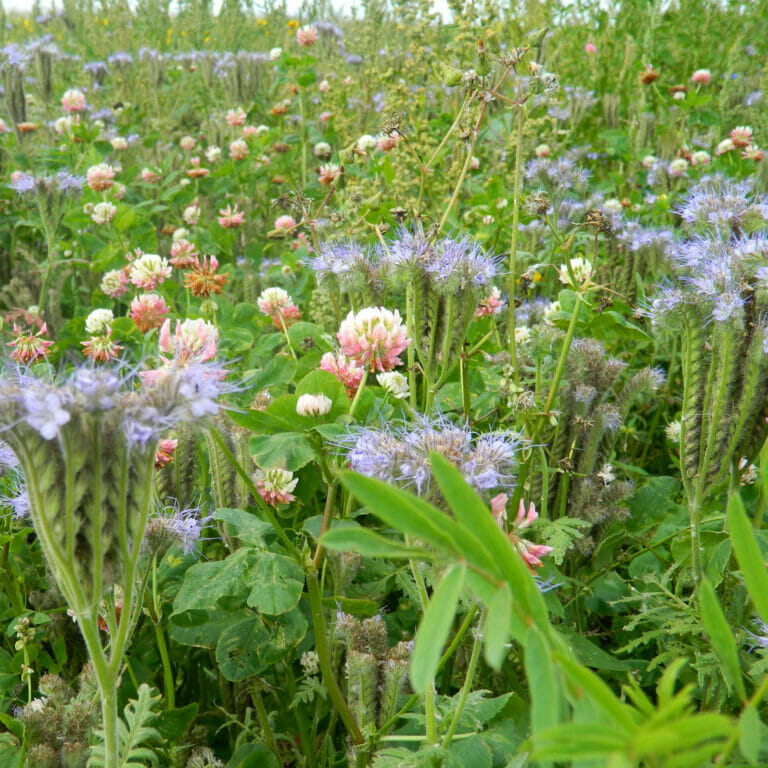
Biological control leverages natural predators and parasitoids, to reduce pest populations; natural enemies like parasitic wasps can help manage aphid populations. Farmers can encourage beneficial organisms by maintaining habitats, such as wildflower strips or hedgerows, which support a diverse range of species.
4. Chemical Control
Chemical control can be used where necessary, focusing on selective and targeted applications. Farmers should monitor pest populations and apply pesticides only when thresholds are met, ensuring the chemicals maximum efficiency. Selective use of insecticides and herbicides can target specific pest species while minimising harm to beneficial insects and crops. To prevent pesticide resistance, it’s essential to rotate chemistry where options are available, avoiding repeated use of the same chemicals. Timing is critical – applying pesticides when pests are most vulnerable or actively targetable, i.e. not within the stems or hidden under foliage, is key to improving efficacy and reducing overall number of applications.
5. Resistant Varieties and Genetic Innovations
Genetically resistant and resilient varieties of oilseed rape are a valuable tool within IPM strategy. These varieties are bred to combat specific pests and diseases, reducing the need for chemical interventions. Varieties resistant to clubroot for instance, are widely used in areas where clubroot is a known problem. Genetic innovation can be massively impactful in terms of general disease resistance, whilst improved agronomic characteristics contribute to the overall sustainability of the crop. Most recently, LG have identified flea beetle resilience within oilseed rape, which works within a wider IPM strategy, to curtail this devastating pest. If opting to drill late suits your IPM strategy, a genetically vigorous variety is required for faster speed of development.
Early drilling on the other hand, requires a variety that is slightly slower out of the blocks.
6. Weed Management
Weed management is another key component of oilseed rape IPM. Weeds can pose a significant challenge, so a combination of cultural, mechanical, and chemical control methods are employed. Crop rotation with different modes of action, help to manage weed control, while techniques like the use of cover crops or stale seedbeds, can suppress weed growth. Mechanical control, such as using weed harrows or inter-row cultivation, also aids in weed management – especially during the early stages of crop growth, and can also reduce the reliance on chemical methods.
This article is featured in the June 2025 edition of GatePost. Click here to read the full edition.
Varietal resilience is another tool in CSFB battleThe launch of a new hybrid oilseed rape variety with resilience to cabbage stem flea beetle (CSFB) promises a big step forward in helping growers overcome one of the biggest challenges to growing the crop.
LG Avenger is the culmination of almost a decade of work by breeders Limagrain Field Seeds, and is the first to be commercially available in the UK with the LG CSFB Resilience characteristic.
Florentina Petrescu OSR Product Manager LGUK
“LG Avenger is the result of our new methods of breeding oilseed rape varieties, which consider all limiting factors for crop development, including the threat from CSFB,” says Florentina Petrescu, Limagrain UK OSR Product Manager.
“It is the only variety with LG CSFB Resilience on the 2025/26 AHDB Recommended List, alongside many other valuable characteristics, including high yield, pod shatter resistance, high oil content and a very good disease package, including a light leaf spot rating of 7 and sclerotinia tolerance.”

Ron Granger – Arable Technical Manager LGUK
The introduction of LG CSFB Resilience is the latest in a long line of developments that have helped improve yields in LG’s ‘fully loaded varieties’, Arable Technical Manager, Ron Granger adds. Other features include TuYV and pod shatter resistance, Sclero-flex technology (Sclerotinia tolerance), and the N-Flex nitrogen efficiency trait.
“Limagrain has been at the forefront of OSR breeding for the past decade, and we remain fully committed to the crop, despite the reduction in the UK area witnessed over that time.”
CSFB has been a big factor in the declining area, which has fallen by around 500,000 ha from its peak in 2011/12, to approximately 235,000 ha this season, he notes. Defra figures show average yields for England have also fallen over the past decade, from 3.9 to 2.7 t/ha, although in Scotland, where CSFB is not yet a major issue, yields have risen, reflecting varietal improvements, he says.
“There are success stories where growers are trying new things, and going forward, there needs to be a change to the traditional practices to make OSR succeed. Variety choice is part of that.”
What is CSFB Resilience?
Mrs Petrescu describes LG CSFB Resilience as “a novel genetic approach that tackles CSFB at key crop stages, as part of an effective integrated pest management strategy on farm”.
Resilient varieties feature a series of characteristics that make them better adapted to escaping damage during two crucial periods in the autumn and spring, so it is not just about a single genetic trait, she says.
These characteristics include:
- Strong autumn dynamic growth to help developing crops escape the early “shot holing” damage caused by adult flea beetles feeding on cotyledons and first leaves, which can result in significant leaf loss and complete crop failure in extreme cases
- Rapid stem elongation in the spring to improve the plant’s resilience to damage caused by larvae mining into petioles and stems
- A capacity in some varieties (e.g. LG Avenger) to limit the number of larvae that develop within the stems – the exact reasons for this are still being identified
- Reduced CSFB larvae damage severity – e.g. stunted, bushy plants.
Reducing the severity of CSFB damage has a direct benefit on final yield, Mrs Petrescu adds. Indeed, AHDB research suggests one additional larvae per plant can cost 50-70 kg/ha in lost yield.
Feeding damage by adults and larvae has other implications too, such as increasing the entry points for disease, uneven flowering and variable pod maturity. Varieties with LG CSFB Resilience, such as LG Avenger, therefore also include characteristics like pod shatter resistance, and a strong disease profile to help mitigate these risks, she says.
Independent backing
CSFB is a major issue in many other European countries, including France, where CSFB resilience has been a characteristic on the French Recommended List for the past six years. Independent data from the French equivalent of AHDB (Terres Inovia) puts LG Avenger as one of the highest rated varieties for resilience on this list.
This backs up three years’ worth of Limagrain Europe assessments in 2022-2024, where LG Avenger significantly outperformed the sensitive control variety and came close to the most resilient control, LG Aviron.
“Oilseed rape ticks so many boxes as a break crop, both in terms of gross margin, inputs, equipment required, workloads, and agronomy. But in order to grow oilseed rape successfully, growers may need to think differently about how they do it.”
Limagrain UK has produced a white paper covering the work behind the resilience trait and how to optimise it as part of an IPM programme. Visit http://bit.ly/42nP6dV
No silver bullet
While varietal resilience is a welcome addition to the toolbox needed to tackle CSFB, it is no ‘silver bullet’ and must be used as part of an integrated pest management strategy, built around 10 key areas:
- Rotation/proximity to the previous year’s OSR crop – adults emerge from OSR stubbles for up to six months after harvest, peaking in mid-September. Risk is often higher in crops grown close to a previous OSR crop, although work is ongoing to identify how far adult CSFB can fly. Cultivation of the previous oilseed rape stubble straight after harvest has shown to significantly reduce the number of adults emerging from the soil through the autumn
- Variety choice – grow hybrids with CSFB Resilience and consider regional performance
- Companion/trap crops – growing a companion crop (e.g. buckwheat, berseem clover) can help to disguise emerging OSR from CSFB. Leaving long stubbles from the preceding crop can also help
- Seedbed preparation – good seed-to-soil contact and soil moisture retention are key to rapid establishment, so drill by conditions, not date. Consolidate well and avoid cultivations that may dry the soil out too much before drilling
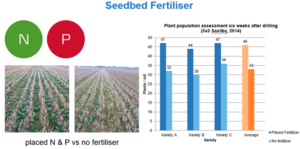
- Crop establishment – consider all ways to boost establishment, such as placing nutrition close to seed
- Weather forecasting – key to determining drilling conditions
- CSFB monitoring to assess risk – stem larval sampling is simple and cheap to do on farm
- Record keeping – drilling dates, conditions, pest numbers, yields, etc
- Evaluate the effectiveness of management practices
- Insecticide application – use only where necessary once thresholds are met, but recognise that widespread resistance means pyrethroids may have little impact on CSFB, and may damage beneficial populations
-
Genetic resistance has become a more important factor for varietal selection, how do you think this will develop over years to come?
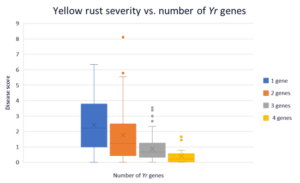
With increasingly challenging weather conditions and the potential for stricter legislation of chemical inputs, genetic resistance is likely to become an even greater focus in future. However, we need to ensure that the genetic resistance in our varieties remains effective in the face of highly dynamic pathogens such as Yellow rust and Septoria tritici. This is where multi-gene resistance is important. By combining several resistance genes to the same pathogen in a single variety, we provide additional layers of protection and increase the ability of the variety to withstand pathogen attack. Varieties such as LG Rebellion, which perform consistently across several years of high disease pressure, benefit from multi-gene resistance.
How have you, collectively as a team, developed the multi resistance programme at LG, and what are your plans for the future?
It’s important to recognise that not all resistance gene combinations provide the same level of protection. At Limagrain, we routinely assess the effectiveness of hundreds of different gene combinations in trials across the UK, to identify those which provide the best level of resistance. Through the use of genetic markers, we can quickly and efficiently select breeding lines which have the right genes and ensure that these lines also have other important traits such as good grain quality. To further protect against rapidly evolving pathogens, we’re also continually assessing and introducing new sources of resistances into the breeding program. As our understanding of the mechanisms of resistance continues to increase, we’ll be able to design more multi-gene combinations that work at different stages of the plant life-cycle and through different modes of action.

Rachel Goddard, Cereals Pathologist
We know that fast even establishment is a key defence against adult cabbage stem flea beetle, so it’s important to start with good seedbeds, whatever the drilling date
If you are planning some of your area to hybrid varieties then Clearfield® varieties justify serious consideration. Many have the valued traits of TuYV tolerance, and resistance to pod shatter and canker. Hybrid vigour is also a given but in addition Clearfield® varieties are tolerant to soil residues of commonly used sulphonyl urea (SU) broadleaved and grassweed herbicides in the previous cereal crop. Some of these SUs require ploughing prior to oilseed rape, else germination and early growth can be affected. Fortunately Clearfield® varieties are unaffected and grow away strongly.
Clearfield® varieties are designed to be used with the post-emergence Clearfield® herbicide Cleravo® plus adjuvant Dash®. Cleravo® has the widest weed spectrum of any herbicide, including the brassica weeds such as charlock and runch. Plus the bonus of volunteer cereal control. It can be used from cotyledon of the crop, allowing flexible timing to target weed size of 2-4 true leaves. Competitive weeds such as charlock, chickweed and cranesbill get big quickly, particularly in early drilled crops and need timely removal. Volunteer rape will also be removed, so avoiding over-thick plant populations to manage in the spring
With high populations of charlock or runch, it is tempting to wait for all to emerge, but it is better to get the majority at the correct growth stage, both in terms of weed control & protecting yield.
Note: Clearfield® herbicides must ONLY be used on Clearfield® varieties (name has CL suffix).
For early drilled crops, if they reach 4-6 leaves before mid-October, they should be treated with the PGR Caryx® at that 4-6 leaf stage. This will prevent premature stem extension which will make them vulnerable to frosts and to lodging in the spring.
The risk from Phoma and Light Leaf Spot will depend on variety resistance and drilling date.. Varieties with good Phoma resistance can delay the Phoma epidemic and a later single fungicide against both Phoma and Light Leaf Spot may be enough. Target timing for Light Leaf Spot is in early-mid November, and for this disease the early drilled crops are most at risk.
The importance of Clubroot resistanceMurray Forsyth is a mixed arable-beef farmer with a total area of 1000 acres in Inverurie, Aberdeenshire. He grows around 170-180 acres of OSR dependant on year and rotation. The current rotation includes winter barley, OSR, winter wheat and 2 spring barleys.
When clubroot first appeared on farm he adopted a wider 5-year rotation, as well as choosing a clubroot resistant variety for afflicted fields.
To keep his crop yielding and profitable, Mr Forsyth takes a technical approach to growing OSR. He has good average to medium soil type and a scheduled soil testing programme on his farm. He aims to keep the value around 6.2, by applying lime to the fields that have a lower pH; he also applies FYM to his fields to keep fertility high.
In terms of cultivation, Mr Forsyth typically ploughs the field before drilling his OSR. He uses a Horsch Express combination drill with DAP as fertiliser (down the spout -around 200 kg/ha) followed by a Cambridge roll. He spreads slug pellets as a precautionary tactic since slugs are a bigger problem than the flea beetle in his area.
Mr. Forsyth’s average OSR yields are between 1.7 and 2 tonnes/acre. In fields affected by clubroot he is growing LG Anarion. He mentions the average yield is in line with the rest of the farm, which is currently LG Armada. He is convinced that varietal choice is keeping his yields at the same levels as the fields unaffected by clubroot.
Mr Forsyth is considering going back to a shorter 4-year rotation, as OSR remains one of the most profitable crops on farm. He records his yields and profits margins across the years, Mr Forsyth notes that OSR is not the cheapest crop to grow, however it remains a very profitable break crop. Maximising acreage for this crop and maintaining a decent yield are key to its success on farm.

Murray Forsyth, Smiddyburn Farm, Inverurie, Aderdeenshire
Using a clubroot resistant variety such as LG Anarion really helps OSR remain as a crucial part of the farm’s rotation, allowing OSR to be grown in fields affected by high clubroot pressure. LG Anarion will also help alleviate the pressure as resistance does not allow clubroot spores to multiply.
Turning oilseed rape to liquid gold! – Riley TaylorR G Taylor & Sons is a mixed, family run farm set on the Lincolnshire marsh at the boundary of the wonderful Lincolnshire Wolds. Day to day the farm is managed by David, alongside his sons, Riley and Kolbie as well as Brian, their grandfather, who at 87 is still very keen to have his say!
Growing up on the family farm, I couldn’t ignore the risks facing the business. Fluctuating weather, input costs and commodity prices or even disease in the cattle can have a dramatic effect on the bottom line which is intrinsically linked to our way of life.
In March 2022 I came up with the idea of turning the oilseed rape which we have always grown on the farm into cold pressed rapeseed oil.
My first point of call was to find a company who could press and bottle our seed for us, to save us a large initial investment and to test the water in terms of market. I did the maths and pitched it to my parents. With them on board, I could start designing some labels for our bottles from our first tonne of seed.
We had a great initial reaction to our oil and found it sold really well in local butchers, delis and farm shops. Customer feedback suggested they liked having a healthier, locally sourced cooking oil at a reasonable price point.
I ended up having two more tonnes of seed bottled before the end of the year, and since then both our output and revenue has increased year on year. We have now invested in a small-scale bottling plant, moving the entire operation on site, with an aim to be pressing in early 2025. This will bring down production costs, meaning we have total control of production, and in the spirit of circular production, we can feed the rape meal from the press to our own cows, or sell it to neighbouring farms for feed.
We’re always looking for new outlets for our oil, and alongside our small bottles we now supply catering tubs to restaurants and other businesses who use the oil not only for cooking but as a base for dressings and marinades – a benchmark of its quality.
It’s been a tough few years for oilseed rape and with it being such an important crop to us, we are always trialling new [to us] ways of establishing it. We have had recent success implementing regenerative practices, such as companion cropping and reduced tillage.
LG Aurelia has been our go to variety for a few years as it’s been most consistent through all conditions, good and bad. It has proven itself to stand tough wet winters and gets going nicely, even when the soil is lacking moisture.
It really is rewarding to bring a crop from seed into an end product we can be proud of. In 2025 we aim to keep expanding the ‘side hustle’ so more people enjoy our oil.
Ultimately, my aim is to take this diversification to a stage where the oil business can supplement the farms income, and help us survive and thrive for future generations of our family.
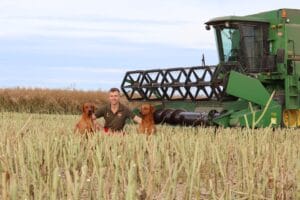
Riley Taylor
Targeting ‘Balanced’ Nutrition to make OSR a success.
Benefits of balanced nutrition
Avoiding nutrient deficiencies
Improvement of crop tolerance to adverse conditions
Increase of crop yield per area
Optimization of economic benefit per area
Improvement of nutrient use efficiency
Establishment & Autumn Crop Nutrition
Oilseed rape establishment is influenced by autumn nutrition. Autumn fertiliser, particularly nitrogen and phosphate significantly increase both emergence and establishment of the oilseed crop. Early root growth is key to rapid emergence, and this is stimulated by readily available phosphate and nitrogen which in turn allows the plant to develop a bigger more efficient root system.
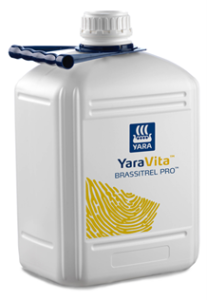
Once successfully established ensuring adequate nutrition of oilseed rape crops is vital to maximise yield and profitability. Good crop development before winter is the basis for high and stable yields. Oilseed rape needs to develop a strong, deep reaching main root with root collar diameter of about 8 mm and 8 to 10 leaves before winter. There are several nutrients the crop requires over and above nitrogen, phosphate, potassium and sulphur. YaraVita Brassitrel Pro was developed specifically for the oilseed rape crop. It contains Boron, Molybdenum, Magnesium, Manganese, Nitrogen and Calcium, all the essential nutrients in an easy-to-use formulation. A fully replicated trials programme conducted over 6 years (2016 – 2021) showed that two applications, applied once in the autumn and again in the spring just prior stem extension, delivered an average yield increase of 0.29 t/ha. It’s so easy – all the essential nutrients your OSR crop needs, in one can.
2 Key Reasons for Autumn Foliar Nutrition Applications
1) Provides nutrients straight into plant to maintain crop growth and improve winter hardiness
- 2) Loads the plant up with nutrients ready for spring growth – maintaining momentum!
Spring Crop Nutrition
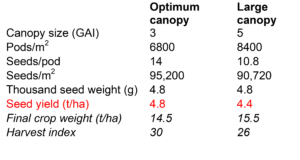
Oil seed rape canopy management begins with plant population and can then be manipulated with nitrogen fertiliser and if necessary, plant growth regulators.The yield of oilseed rape is a function of producing an optimal number of seeds/m2. This can be derived from developing a canopy that has the optimal number of pods / m2 and seeds / pod. AHDB funded research has concluded that this number should be 6 – 8000 pods/m2. At this density pods will typically contain 10-15 seeds giving around 100,000 seeds/m2, the amount required for a yield of 5 t/ha. The target canopy size to achieve this can be described by the Green Area Index (GAI – the ratio of green plant material relative to a square metre of soil). The target is to grow a canopy of a GAI of 3.5 during flowering and seed fill. In the example below you can see how achieving an optimum canopy size delivers a higher seed yield than an overly large canopy.
Canopy Size effects on yield
Source: ADAS
Nitrogen & Nitrogen Timing
Assessing the green area index of oil seed rape before spring growth is a good starting point to planning the nitrogen applications the crop will require. In replicated trials Yara found a seed yield of more than 4 t/ha requires 180 – 240 N per ha. Understanding the amount of nitrogen that is already in the crop and an assessment of what will be available from the soil will avoid excessive applications of nitrogen which can reduce seed yield and oil content by increasing protein level. Applying all the Nitrogen early will often over-shoot optimum canopy size (Particularly for crops with large GAI) so we need to plan to apply some Nitrogen later. Split applications at the beginning of vegetation and early stem elongation have been found to be the most efficient approach. Nitrate form of Nitrogen also resulted in higher yield compared to other sources of Nitrogen fertiliser.
Sulphur & Sulphur timing
Atmospheric deposition has been declining for many years and Sulphur is known to improve yield, quality and increases nitrogen fertiliser efficiency. Leaf area index and rate of photosynthesis are considerably increased by the sulphur. Sulphate is as mobile as Nitrate, therefore highly leachable so we need to plan to apply the crops requirements as close to early spring development as possible. Most sulphur is absorbed from soils by plants in the sulphate form. A lack of sulphur in the stages of early development reduces yield so the application of sulphur in spring should be at the start of the vegetative period ideally in the Sulphate form rather than the Elemental form. A delay to the availability of Sulphur can lead to lower seed yields and lower oil content.
Don’t forget about Potassium
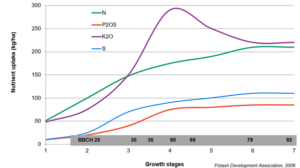
Potassium is involved in activation of several enzymes that control formation of proteins, carbohydrate metabolism, transpiration, and production & translocation of assimilates. It provides strength to plant cell walls and promotes oil synthesis therefore it optimizes growth and development of oilseed rape. Potassium uptake by oil seed rape is significant in the spring as can be seen in the below chart. Having sufficient potash available to the crop is therefore essential to maximise yield potential. In Yara’s trials production of about 3 – 3.5 t seed per ha requires 80 – 120 kg K per ha and increasing K application rate resulted in increase of oil content.
Nutrient uptake during growth stages of oilseed rape
Pod shatter resistance should be one of the first things on a grower’s mind when selecting the right OSR variety. This early choice combats the potential risk of losing seed just before harvest when the majority of the investment in the crop has already been made. The pod shatter resistance trait provides genetic security and helps protect that investment.
In the season of 2024, due to the weather in July the risk of pod shatter was not as high as it had been in previous years. This doesn’t alter the fact that at the time of varietal selection, we have no idea what the weather conditions are going to be 11 months down the line when the crop is at the most risk. Increasingly unpredictable UK weather systems mean we never know when the next high wind or unseasonably high rainfall will occur. It makes sense that growers protect themselves against the risk of significant yield loss from the start, by choosing a pod shatter resistant variety.
Limagrain tests their varieties every year using a lab-based technique where the force used to break the pods is measured in Newtons. This provides a robust quantifiable data set over multiple years. The pod shatter resistant varieties in some cases can require up to 3 x more force to break than non-pod shatter resistant varieties, making it far and away the most effective option for preventing pod shatter and limiting yield loss at harvest.
The effect of pod shatter on a crop can be observed in the field, The shelled out white pods are easy to spot, especially when the OSR volunteers appear after harvest. As the shattered seed germinates, the resulting increase in volunteer OSR has a secondary consequence. It creates a ‘green bridge’ for issues such as disease and pest’s and increasing the burden of weed control. This means that the initial pod loss doesn’t just impact the yield of the current crop. It directly impacts the next crop in the rotation, and possible future planting.
In OSR where margins are unquestionably tighter than ever, pod shatter resistance is key to profitability. Choosing a variety with genetic resistance can make a difference of around half a tonne per hectare at harvest. Success with OSR is increasingly contingent on grower’s mindset, as year on year growing it becomes more challenging and costly. This must now be viewed as a technical crop and as such varietal selection is key, the question I would pose to anyone looking to drill this Autumn is, why would you choose a variety without pod shatter resistance?
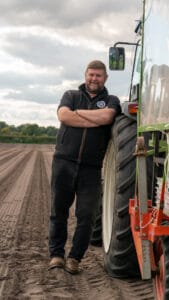
Ryan Kemp, Senior Trials Officer
Following the extremely difficult autumn of 2023, we had hoped for a better 24, unfortunately it was not to be. British farmers are practiced at preparing for all eventualities, which is handy when the only consistent currently is change! Who knows what autumn 2025 will hold? In terms of crop choice, I am confident that the Limagrain portfolio has varieties to stand up to it!
On the back of an 11.1 million tonne wheat crop last harvest, this year’s AHDB Early Bird Survey surprisingly came in at only 1.6 million hectares, in recent times the average has been closer to 1.8. The Early Bird Survey shows further declination in winter barley, from the very small crop area planted in 2023. The decline in oil seed rape hectarage is marked, in terms of both production and area we are approaching a fifty-year low.
We know spring cropping can be seen as a get out of jail card for arable farmers, but is there a mindset change happening? Will this impact cropping choices and varietal selection next autumn?
Last year’s growing season did not offer a very clear picture on performance of individual cereal varieties. Disease was prevalent, crops went in late and were stressed from the go. The story is clearer when comparing varieties across consecutive growing seasons.
The varieties that have demonstrated consistent resilience both in trial and on farm across the previous 3 to 4 years are the ones that I would be choosing to drill again this Autumn. Consider LG Beowulf or LG Typhoon if you are looking for wheat, with LG Caravelle and LG Capitol great contenders for barley.
With oilseed rape the story is slightly different, though weather has of course played a significant part, it is the flea beetle that is having the greatest impact. Limagrain has listened to the concerns of growers, and through our skilled UK based breeding programme, we are actively selecting varieties that show a resilience to flea beetle, that alongside solid IPM strategy will work to mitigate the devastating crop loss experienced in previous years.
Growing Oilseed Remains a Crucial Part of Rotation for Inverurie FarmerMurray Forsyth is a mixed arable-beef farmer with a total area of 1000 acres at Smiddyburn Farm in Inverurie, Aberdeenshire. He grows around 170-180 acres of oilseed, dependant on year and rotation, with the current rotation consisting of winter barley, oilseed, winter wheat and spring barley.

Murray Forsyth of Smiddyburn Farm
When clubroot first appeared on farm, he adopted a wider 5 year rotation, as well as choosing a clubroot resistant variety for afflicted fields.To keep his crops yielding and profitable, Mr Forsyth
takes a technical approach to his oilseeds. He has good average/medium type soil and a scheduled soil testing programme on his farm. He aims to keep the pH value around 6.2, by applying lime to the fields that have a lower pH; he also applies FYM to his fields to keep fertility high. In terms of cultivation, Mr Forsyth typically ploughs the field before drilling his oilseed, using a Horsch Express combination drill with DAP as fertiliser (down the spout – around 150 kg/ha). This is followed by a Cambridge roll and the addition of slug pellets as a precautionary tactic, since slugs are a bigger problem than flea beetle in his area.
Mr Forsyth’s average oilseed yields are between 1.7 and 2 tonnes/acre. In fields affected by clubroot, he is growing LG Anarion. He mentions the average yield is in line with the rest of the farm, which is currently LG Armada. He is convinced that varietal choice is keeping his yields at the same levels as the fields unaffected by clubroot.
Mr Forsyth is considering going back to a shorter 4-year rotation, as oilseed remains one of the most profitable crops on farm. He records his yields and profit margins across the years and notes that oilseed is not the cheapest crop to grow, however it remains a very profitable break crop. Maximising acreage for this crop and maintaining a decent yield are key to its success on farm.
Using a clubroot resistant variety such as LG Anarion helps oilseeds remain a crucial part of the farm’s rotation, allowing it to be grown in fields afflicted with high clubroot pressure. LG Anarion will also help alleviate the pressure, as resistance does not allow clubroot spores to multiply.
The Vital Break CropOilseeds hectarage is at an all-time low, and already the question I am coming up against is “what is the future for British OSR?”.
It has become apparent that oilseed is an increasingly technical crop to grow. However it remains a vital break crop on farm in terms of profitability, and also environment. The environmental benefit of keeping oilseeds in your crop rotation is multi-fold. The taproot has a positive impact on soil structure and biological soil activity. It helps loosen the deep soil layers which leads to better soil aeration and easier soil preparation for the following crop in the rotation.
From an environmental perspective, the oilseed crop has a high nitrogen uptake in autumn which limits the risk of mineral nitrogen losses in the winter. The high amount of plant residue left after harvest increases organic matter accumulation, whilst the resulting organic nitrogen can be used by future crops, after mineralisation.
Rapeseed oil remains one of the key consumable oil crops worldwide, and the only one grown commercially in the UK. The drop in planted area and subsequent move from exporter to importer is a bad omen for British farming, food security and the wider UK economy. On farm, genetics offer a solution towards mitigating increased risk from disease, pestilence and reduced inputs. Farmers are increasingly seeking arieties that are adapted to the UK environment and are trait stacked with consistently high yields. Traits like pod shatter and strong spring and autumn vigour are increasingly necessary to protect your investment from establishment through to harvest. As the plant breeder, with the largest UK based winter oilseeds breeding programme, Limagrain Field Seeds is uniquely placed to assist farmers who still see the benefit of growing oilseeds.
So, to answer the question “what is he future for British OSR?” – continued investment and innovation in UK breeding for securing yield potential on farm, are key to the future of this vital break crop.