
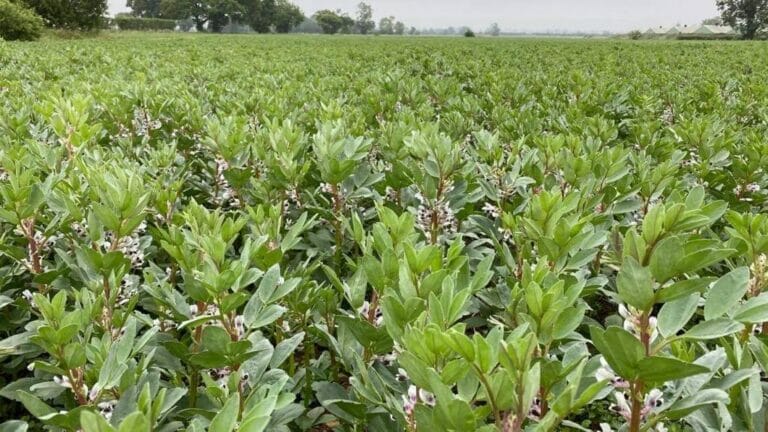
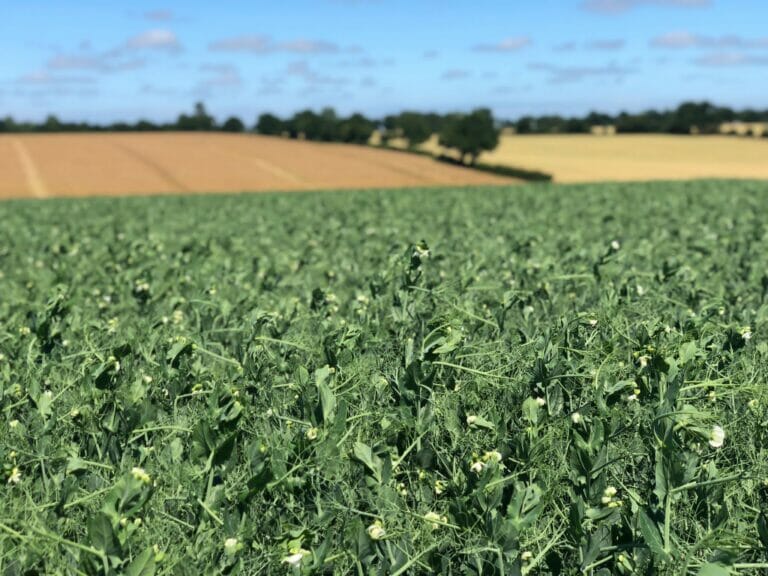
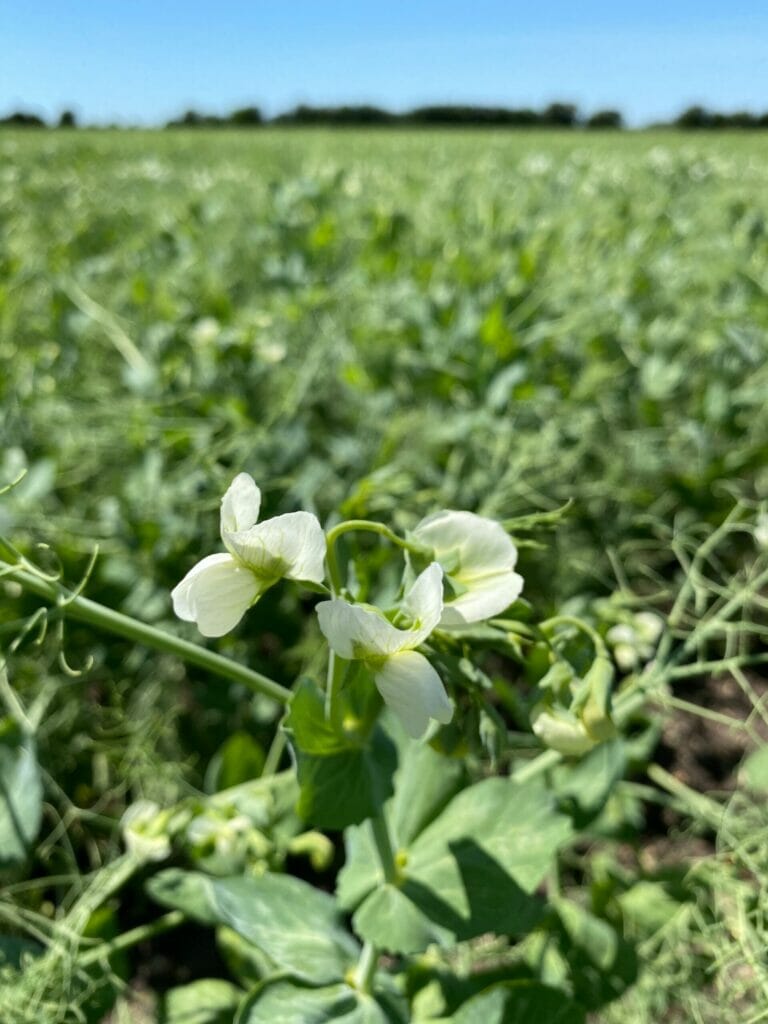
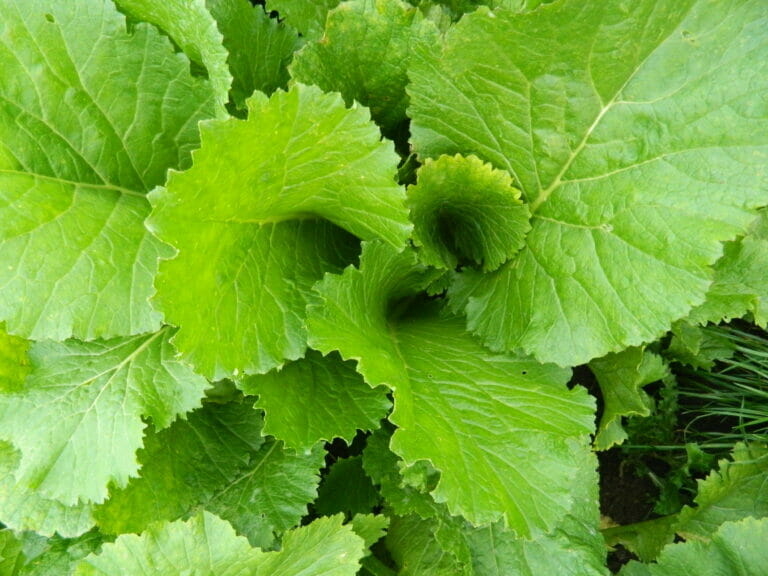
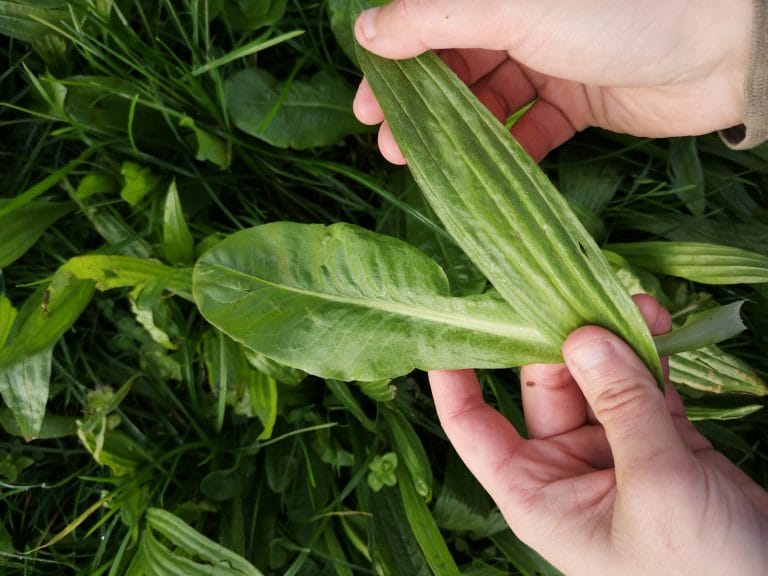







With the most recent AHDB early bird survey estimating that the UK winter oilseed rape area has declined by 16% for harvest 2024, partially due to the challenges around establishment, it is easy to overlook the benefits that OSR can bring into an arable rotation.
Whilst of course it is important that crops are economically viable, the bigger picture in terms of what added value OSR has to growers, should not be taken for granted. So, whilst growers may begin to question the place of OSR in the rotation, it is worth considering the following benefits below:
- OSR offers a great opportunity to maximise workloads on farm. In terms of the drilling, it is outside that of the main cereal drilling window and with TuYV resistance in the LG portfolio, early drilling can be achieved without having to worry about virus pressures from aphids. With respect to harvest and input timings, it is typically not aligned with cereal crops, meaning that in difficult seasons, workload on time sensitive crops such as cereal fungicide timings, are reduced.Weed control is an important factor to consider with any break crop but following 2 years of difficult grass weed control in cereals, products such as Astrokerb (propyzamide & aminopyralid) offer an opportunity to get on top of difficult to control grass weeds, such as bromes and blackgrass. Where charlock and other brassica weeds are an issue, Clearfield® tolerant varieties offer a solution.
-
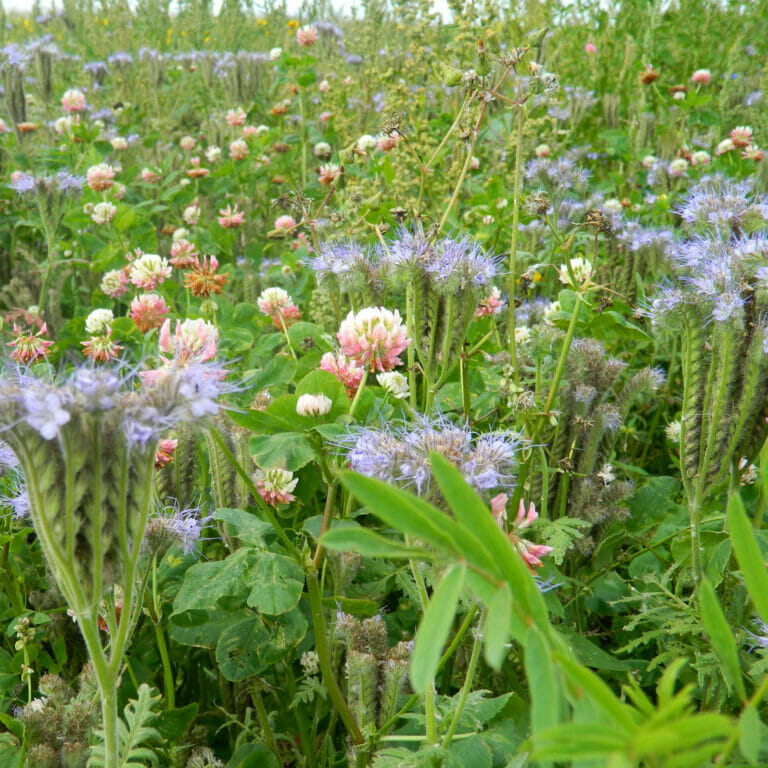
OSR is one of the only monoculture arable crops in which ‘companion cropping’ is being carried out on a relatively wide scale. With some growers looking towards Buckwheat or berseem clovers to establish alongside OSR, under new SFI payments, this can be worth £55 a hectare.
-
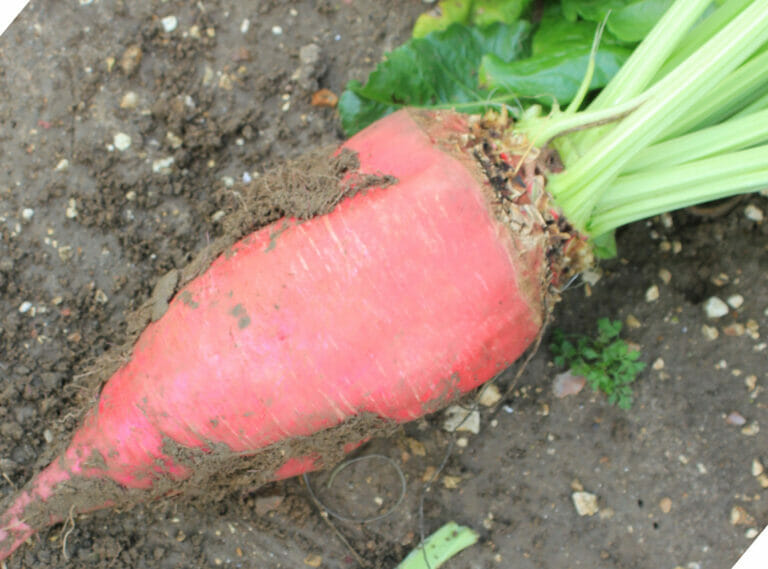
OSR in the rotation brings a different rooting structure, with the large tap root produced helping to break ‘pans’ and improve soil structure, as well as nutrient availability when sown following wheat crops. A 2015 German study (Weiser et al., 2017) showed that wheats following OSR yielded on average 5% higher than those following a cereal, such as barley. These are costs that are often overlooked when analysing the value of OSR on farm.
-
Whilst OSR can be relatively input heavy, if sown before the end of the year, there has been a lot of research carried out into how best to reduce inputs in the spring; AHDB project PR447 investigated the effectiveness of managing and tailoring OSR nitrogen inputs based on the canopy size. Research forms the backbone of technologies, such as the Yara N sensors, and has proven effective in reducing spring nitrogen costs for growers whilst maximising yields.
For more information on utilising nitrogen in OSR, please follow: Oilseeds Canopy Management – LG Seeds
LG Skyscraper delivers gold for Lincs growerIt’s second time lucky for Lincolnshire grower Mark Stubbs as he takes top prize in the ADAS Yield Enhancement Network Cereals competition for 2023, with his crop of LG Skyscraper winter wheat yielding an outstanding 16.6t/ha. His last win was in 2019, with a crop of KWS Siskin that yielded 16.3t/ha.
Mr Stubbs puts his success down to an attention to detail encompassing delayed drilling, widespread use of farmyard manure and a move away from ploughing.
Farming 688 ha’s across two sites, on the Wolds and along the coast, wheat is the mainstay of the rotation which also includes oilseed rape and spring barley, for A&C Stubbs & Sons.
The block of 120 ha’s on the Wolds at Marsh Chapel is a heavy, clay site and Mr Stubbs has been growing LG Skyscraper here for several years.
He has always been pleased with the variety’s yields, which have averaged 10.5t/ha over this time. Grain quality has also been consistently good, and while this is not crucial to him from an end market point of view, specific weight is a priority with last year’s crop delivering a very acceptable spec weight of 80kg/hl.
LG Skyscraper joined the AHDB Recommended List in 2019, as the highest yielding wheat and maintained this pole position in 2020. Since then, it has remained a firm favourite on farm for its consistent high yielding performance across seasons, strong agronomics and suitability for later drilling for black-grass control.
Mr Stubbs’ attention to detail and planning before the season begins is a key part of his approach.
This starts with variety choice; he grows seed crops of new varieties, so is in a good position to see what varieties do well in the colder, exposed Wold conditions, or in fields along the coast.
The 2023 YEN winning wheat crop followed an oilseed rape crop that was allowed to green-up for as long as possible acting as a catch crop, before cultivating with a tine disc cultivator and packer, followed by a shallow disc cultivator.
Wheats are generally drilled around the last week of October; however, last year it was very wet, so he waited a week, drilling the LG Skyscraper on 11 November, at a rate of 250kg/ha aiming for a plant population of 275 plants/m2 in the spring.
His aim – given the blackgrass legacy – is to produce a thick, competitive crop which has immediate access to nutrients, so that it can grow away strongly.
“LG Skyscraper has a fairly vigorous growth habit once it germinates, so I don’t worry about sowing it later, as I might with some other varieties,” he says.
After several years of growing wheats, and particularly LG Skyscraper, Mr Stubbs recognises the importance of optimising crop nutrition to achieve the high yields he is pushing for.
He says manures, which are applied to stubbles and then incorporated within six hours, have seen the soil organic matter rise from an index of 2-10 despite the highly, acidic calciferous soils.
“We find that the nutrition contained in the manures kicks in early on, giving the crop a good start.”
For the YEN crop, liquid Nitrogen (225N,10%S) was applied in three splits, four weeks apart, and on average received 210kgN/ha, excluding the manure.
He favours a “little and often” approach, and in-season crop monitoring to fine-tune requirements. “We soil test and use the Yara N-tester to gauge how well the plant is doing and to address any shortfalls.”
A standard four spray programme was used for the LG Skyscraper. “ The variety has a weaker rating for Septoria (4.9), so it is important to tackle this early which means we are not chasing disease through this season, and in doing so we have never had too much of a problem,” he says.
“I don’t cut corners in terms of timing but will alter products according to the weather and disease pressure at the time.”
“Despite being slightly taller-strawed, lodging in LG Skyscraper has never been an issue even on the more fertile Wold soils, but we use PGR’s as and when needed, to support the crop we have in the ground.”
“As last year’s crop was grown on the March site with heavier soils, crop emergence and growth were slower, and coupled with late drilling, the crop didn’t reach a leggy stage, so a robust T1 was used which proved sufficient to regulate the crop.”
He explains that a T0 was applied but with the key aim of manipulating the plant to ensure it was strong and healthy, and a bio stimulant was applied to boost the plant’s defence mechanism to fight any initial infections.
Harvest took place on August 10 – which Mr Stubbs points out was early for a late-drilled crop. “It literally turned overnight, it wasn’t ripe when we checked it two days before, so I think we caught it just in time.”
His YEN report is useful and highlights where attention to detail is needed.
“We’re using YEN where we can to improve the farm,” Mr Stubbs says.
YEN Success
- Area – 3.2 ha (8 acres)
- Variety – LG Skyscraper
- Yield – 16.6t/ha
- Specific weight – 80 kg/hl
A&C Stubbs & Sons, Manor Farm, Calcethorpe
- 695ha of owned, tenanted and farm business tenancy (FBT) land
- Winter wheat, winter oilseed rape, spring barley
- Haulage business
LG Skyscraper Fungicide Programme
- T0 – Zonor + Scyon
- T1 – Medax Max + Silvron Xpro + Firefly 155 + Starane Hi -Load + Ally max
- T2 – Revystar XE + Tubosan
- T3 – Deacon + Soratel + Kendo
Our malting barley laboratory at Rothwell in Lincolnshire has been upgraded to increase testing capability for the early screening of new varieties, from 1000 to 4000 samples a year, for both the UK and European markets.
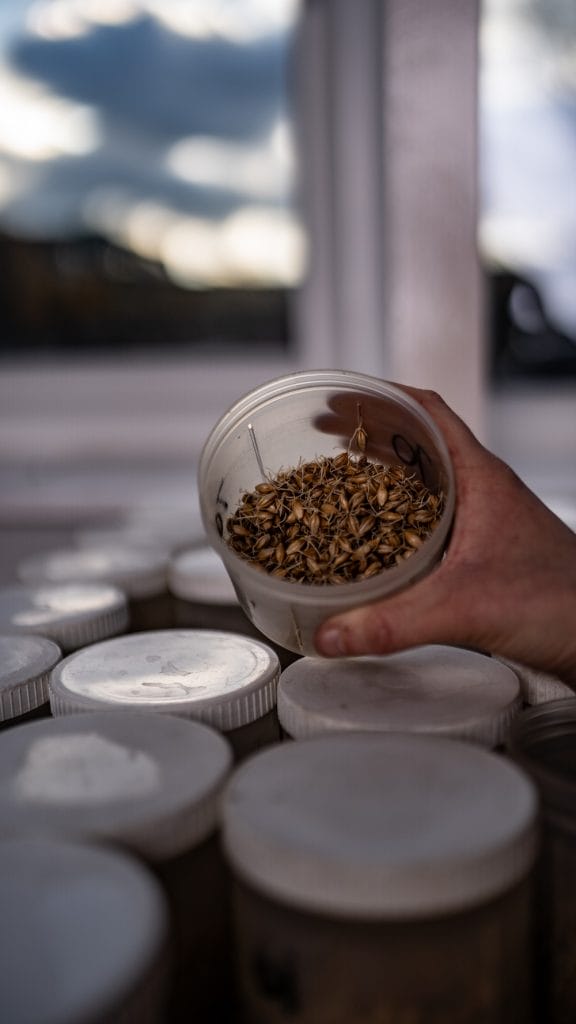
“This will allow us to use the data generated more efficiently to enable more accurate genomic selection, to better predict the malting potential and quality of the next generation of malting barleys,” says Sophie Buon, barley breeder.
“This new approach will test varieties under different micro-malting regimes, that require less water and less steeping – and in response to end user requirements, do this in the most carbon neutral way possible.”
“We hope that the new facility will encourage end-users to visit and see for themselves, the extensive work that we are doing to breed new and exciting malting barley varieties, that meet all of today and tomorrows market requirements.”

Plant breeder Limagrain’s winter wheat LG Beowulf and 2-row winter barley LG Caravelle, are the highest yielding varieties to join the 2024/25 AHDB Recommended List.
LG Armada also takes lead position as the highest yielding oilseed rape variety on the Recommended List for the UK, whilst LG Adeline takes pole position for oilseed rape in the North.
In addition, high yielding maize variety Saxon tops the 2024 BSPB Forage Maize Descriptive List for ME yield (‘000s MJ/ha).
This means that LG now offer the highest yielding varieties in; winter wheat, 2 row winter barley, OSR and maize*.

“This is an exceptional achievement for any breeder,” explains Ron Granger, Limagrain’s arable technical manager.
“Last year saw our winter wheat and winter barley varieties take pole positions across the RL. We have built on this success for a second year running, producing higher yielding varieties, backed up with desirable agronomic characteristics, securing high yield performance on farm. What’s more, these varieties have proven to be robust and consistent performers across seasons and regions.”
Highest yielding winter wheat
Group 4 hard wheat LG Beowulf yields 106% across the UK and shows the same consistency of performance across all regions: east (106%), west (106%) and the north (107%) – an outstanding achievement for any variety.
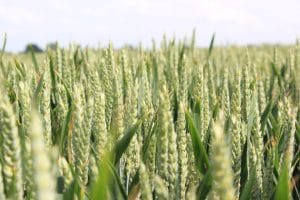 LG Beowulf has produced these exceptionally high yields consistently in National List and RL trials over regions and seasons, in both the unusually dry summer of 2022 as well as the exceptionally wet summer of 2023. Alongside these yields, it offers a good grain quality, with a spec weight of 78.3 kg/hl.
“LG Beowulf is much like LG Skyscraper; it performs wherever you grow it,” he says. “It can be drilled early or late – providing growers with a wide drilling window, as a first or second wheat, on light or heavy land, and there are very few varieties that meet this criterion,” he says.
LG Beowulf yields are backed up by a set of strong agronomic characteristics, offering an excellent disease resistance profile with ratings of 9 for yellow rust, 6.7 for septoria, as well as orange wheat blossom midge (OWBM) resistance.
It has very stiff straw and is rated 8 for standing in untreated and PGR treated trials, which strongly contributes to its reliability on farm.
“In summary, LG Beowulf is a very high yielding, robust and versatile variety that comes at a time when growers are looking more than ever to maximise output, in order to maintain profit in times of increasing costs,” says Mr Granger.
Highest yielding winter barley
LG Caravelle is the highest yielding two-row winter barley for the second year running, since joining the Recommended List in 2023.
“Offering UK yields of 105.6%, LG Caravelle continues to dispel any misconception that two row barleys are lower yielding than hybrids. The variety certainly competes with the best yielding hybrid barleys, especially in the east,” says Mr Granger. “LG Caravelle is competitive in a black-grass situation, another characteristic that is normally associated with hybrids.” 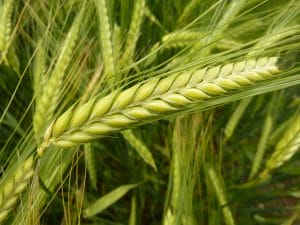
“LG Caravelle’s high yields are backed up by an excellent disease profile, reflected in its superb untreated performance, it is early maturing with stiff straw and good brackling resistance.”
“LG Caravelle also offers an exceptionally high specific weight for a winter barley, of 71.4 kg/hl combined with low screenings %,” he adds.
“Indeed, LG Caravelle possesses all of the key characteristics for a winter barley.”
LG Capitol is a two-row winter barley that joins the Recommended List this year and is a sister variety to LG Caravelle, offering similar yields and consistency of performance over seasons and regions. Its yields sit just 0.1% behind that of LG Caravelle, at 105.5%.
LG Capitol also combines a high specific weight and ripening, similar to KWS Tardis, with a solid disease resistance profile and good straw attributes.
Highest yielding OSR
The top three highest yielding oilseed rape varieties on the 2024/25 AHDB Recommended List all come from the Limagrain stable, offering exceptional consistency over regions and seasons.
LG Armada tops the UK and E/W List at 107%, LG Academic follows 1% behind at 106%, with LG Adeline taking pole position on the Northern List with an outstanding yield of 108.3%.
LG Armada is one of the next generation of versatile high yielding oilseed rape varieties, improving on the characteristic trait loaded-hybrids that growers have come to expect from Limagrain.
“‘Ambassador-like’ in its growth habit, LG Armada has strong autumn vigour, is robust, with good adaptability to all regions of the UK,” says Limagrain’s oilseeds product manager, Liam Wilkinson.
 “LG Armada is the first of our seventh generation of hybrids, bringing new maintainer and restorer lines to our OSR portfolio. This effectively means we are bringing varieties to market offering a stacked portfolio of much improved stem health attributes, alongside the standard pod shatter, TuYV and RLM7 resistance traits.”
“We know stem health is key to driving consistent oilseed rape yields across farms and with these seventh-generation hybrids, we are seeing bigger stems and better rooting which also results in higher oil content,” he says.
Highest yielding maize
Limagrain’s maize variety, Saxon was added to the BSPB 2023 Forage Maize Descriptive List and has made the top of the list for 2024 for its ME yield of 225 (‘000s MJ/ha). It has dry matter yields of 19.1 t/ha, making it ideal for all uses, including anaerobic digestion.

“On the Descriptive List, Saxon yields 105% of the average and additionally is quite an early variety with an FAO of 180,” says Tim Richmond, Limagrain’s product manager for maize.
“Saxon combines superb early vigour with good standing power, making it perfectly suited for all mainstream maize sites.”
“LGAN has long been the watchword for maize varieties that deliver what really counts – high yields of high-quality feeds that sustain excellent milk yields. Saxon is one of the latest examples of the benefit of breeding varieties that deliver in the clamp.”
To learn more about how any of these varieties could perform on your farm, click the links below;
LG Maize
LG Winter Wheat
LG Winter Barley
LG OSR
- * Data: 2024/25 AHDB RL / *2-row winter barley. 2024 BSPB NIAB Forage Maize Descriptive List – First choice varieties for favourable sites by ME yield of fresh plant at harvest (‘000s MJ/ha)
Five priorities when choosing a spring barley variety
Spring barley is an important rotational option on many farms, and more growers may be looking to the crop in 2024 as exceptionally wet autumn weather has disrupted winter cropping plans.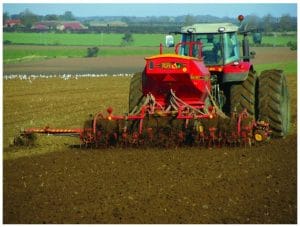
But, whether the decision to grow spring barley is planned or unplanned, There are some key factors to consider says Limagrain UK arable technical manager, Ron Granger.
Market requirements
Start by fully understanding your grain buyer’s requirements in terms of variety and grain quality, especially when looking to supply premium brewing or distilling markets.
In some instances, contract specifications will dictate the variety that must be grown to supply a particular market, and criteria such as grain nitrogen content, will have an important impact on agronomic decisions and crop inputs throughout the season.
Dual use potential
Where variety choice is not dictated by the end user, growers have flexibility to select one that suits their requirements, growing conditions and farm situation.
Mr Granger recommends considering a dual use variety such as LG Diablo, which combines decent yield performance, with multiple end market opportunities, offering an advantage over many varieties now listed.
Vigour and tillering capacity
LG Diablo offers excellent spring vigour and high tillering capacity, which is a valuable trait in spring barley given the relatively short growing period.
The best way to maximise spring barley yield potential is to ensure high final ear counts. An 8-9 t/ha crop needs around 800 ears/m2, which at a 350 seeds/m2 rate, equates to around 2.5-3 tillers per plant at harvest.
Choosing a more vigorous tillering variety will help, as it will give some reassurance that the optimum tiller count will be reached.
Where spring barley is being used in a black-grass situation, it is important that a vigorous, high tillering variety is selected, as a high tiller number must be ensured for the variety to compete.
Spring barley is a fast-growing crop and if key nutrients are deficient at any time, yield potential will be affected.
Limagrain trials show that higher yielding varieties respond positively to higher nitrogen inputs, due to their increased yield potential and,more importantly, a dilution of grain nitrogen content.
Phosphate, potash, magnesium and sulphur, have proven beneficial to tiller retention and final yield, while micronutrients, including manganese, zinc, copper, iron, and boron, applied at the stem extension phase into flowering, are also useful.
Disease resistance
Strong disease resistance is an important characteristic to look for in any variety, and spring barley is no exception, with mildew, rhynchosporium, and brown rust being the main considerations, says Mr Granger.
Early drilling can significantly increase disease risk, so it may be particularly important to consider more disease resistant varieties for this situation.
Resistance to lodging/brackling
Choosing a variety with good straw characteristics, is key to protecting yield and grain quality at harvest and potentially offers another significant output from the crop.
While a variety’s RL ratings for lodging and brackling provide a useful indication, it is also important to recognise the role that agronomic decisions play, notably around seed rate, nutrition, and the use/timing of growth regulators.
County Durham estate finds perfect variety fit for regen system
A large estate in the North east of England, has turned to wheat variety LG Typhoon as part of its drive to build a more sustainable regenerative cropping system.
The in-house farming operation of County Durham-based Raby Estates began conversion to direct drilling in 2018 and is striving to reduce the use of artificial inputs where possible, without compromising on the quality and quantity of crops produced.

Philip Vickers
It is a challenge that the variety lived up to last season, according to farm manager Philip Vickers, who decided to trial the variety on the recommendation of Limagrain UK’s arable technical manager, Ron Granger.
“We’re trying to move away from growing high input varieties, so are primarily looking for those that offer a robust disease package, good standing power and suitability for our direct drilling system,” Mr Vickers says.
“Direct drilling in northern England is not something you want to be doing into November, so I also look for varieties that suit the early drilling slot. From what we’ve seen so far, LG Typhoon seems to fit our requirements well.”
Strong performance
Last season the farm grew around 32 ha (80 acres) of LG Typhoon, alongside several other varieties, but Mr Vickers has been so impressed with its agronomics, ease of management and yield performance, that he plans to increase this to 100 ha for 2023/24.
The LG Typhoon averaged an excellent 9.4-9.6 t/ha. A number of weather-related challenges throughout the season however, including exceptionally high Septoria pressure, did not make for an easy growing season.
The LG Typhoon was direct drilled in mid-September as a first wheat after oilseed rape, using the farm’s 6-metre Horsch Avatar, or 6-metre Väderstad Seed Hawk, drills. Seed rates were kept relatively high at around 300/m2, to counter the slightly lower establishment percentage experienced when direct drilling.
All crops received a base application of phosphate and potash fertiliser, plus a total of up to 170 kg N/ha in the spring, applied as three splits; the first as granular urea, followed by two liquid nitrogen applications.
“We have been reducing nitrogen use significantly in recent years, but in contrast to conventional thinking, some crop yields have gone up in that period,” Mr Vickers notes.
“Agronomy-wise, LG Typhoon was problem-free,” he continues. “It established quickly in the autumn, got away well in the spring, and was relatively early to harvest, tight behind Graham.”
But even though it established quickly, he says LG Typhoon did not get too large, unlike some other varieties, which continued tillering throughout a very mild autumn, during which temperatures hit 21°C in November. Those varieties then became much harder to manage with growth regulators and fungicides in the spring.
Robust disease profile
Strong Septoria resistance is a must-have for all winter wheat varieties grown on the farm, as the disease remains the number one yield-robber in high pressure seasons such as 2023, Mr Vickers says. “We generally look for varieties with a Recommended List score of at least six.”
With a Septoria rating of 7.3, backed up by a combination of genetics that are different to those in other RL varieties, giving LG Typhoon a distinct advantage over other varieties.
Although crops received the farm standard fungicide programme, based around Iodus (laminarin) at T0, bixafen/prothioconazole at T1, Univoq (fenpicoxamid + prothioconazole) at T2, and straight tebuconazole at T3, he was able to reduce rates by 10-15% on the LG Typhoon due to its robust disease profile.
“To ease management, we generally try to keep fungicide products similar across all varieties, but will look to vary the rate where appropriate.
“Despite doing so on the LG Typhoon, we still didn’t see any disease of significance at all last season, even though there was very high Septoria pressure which caused some other varieties to struggle.”
Accurate spray timing is also key to maintaining effective disease control, as is a robust trace element programme to bolster plant health and reduce the crop’s susceptibility to disease infection, he adds.
Perfect fit for regen systems
Mr Granger says LG Typhoon has certain attributes that make it ideally suited to strip tillage/direct drilling, regenerative crop establishment systems, that often feature wider rows.
LG Typhoon’s growth habit, for example, means plants sit prostrate with slower growth through the winter into spring, which is ideal for those direct drilling earlier in the autumn and who do not want a variety that races off too quickly.
It is a high tillering variety that has the capacity to utilise the space between the wider rows, often found with some direct drilling equipment.
Indeed, while Mr Vickers’s Horsch drill works on a standard row spacing, the Väderstad is at a slightly wider 180-200 mm spacing, and he also trialed a new 12-metre tine drill last season, which worked on a wider 250 mm row width.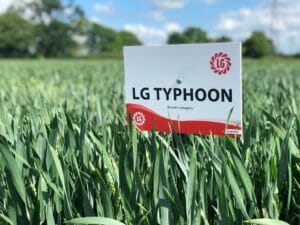
“Unfortunately, we don’t yet have the yield data available, as the demo field was combined by a contractor, but the LG Typhoon did seem to really suit that wider row spacing. It’s something we may potentially look at in the future, although I’m not sure a 12-metre machine is suited to some of the smaller fields on our farm.”
Another attribute of LG Typhoon that makes it a good fit for regenerative systems, and for those looking for flexibility with crop protection inputs, is its strong standing power and disease resistance – reflected by its high untreated yield (92%), Mr Granger says.
Unlike some other feed varieties, it also offers Orange Wheat Blossom Midge (OWBM) resistance, in addition to a six-rating for eyespot and Fusarium.
“It’s a high yielding, consistent and resilient variety, that delivers across seasons and rotations.”
Raby Farms
- In-house farming division of Raby Estates (Shropshire and County Durham)
- The Durham farm typically grows 500-600 ha of winter wheat, mainly hard Group 4 feed
- Cropping also includes winter barley, oilseed rape and beans
- Started conversion to direct drilling in 2018
- Looking to develop a more regenerative system, reducing reliance on artificial inputs
- Started growing LG Typhoon in 2022/23
- High yielding hard Group 4 feed wheat
- Consistent performance across different seasons and regions
- Excellent disease resistance, especially Septoria (7.3) and yellow rust (9) – high untreated yield (92%)
- OWBM resistance
- Growth habit suits early drilling and wider row regenerative systems
- Excellent performance as a second wheat
Two row winter barley, LG Caravelle, joined the AHDB RL last year as a contender to match hybrid barley yields, and early harvest reports confirm that it has lived up to its promise.
Despite the challenging season, the variety has performed well on the Yorkshire Wolds. Mark Ullyott of Langtoft Grange Farm near Driffield, is really pleased with his seed crops of LG Caravelle, yielding between 8.5-9.5 t/ha.
“We have grown seed crops of barley for over 10 years, and LG Caravelle must be the best we have seen,” he says.
He grew two fields this year: one following vining peas and the other after potatoes. The crop following the vining peas was drilled on the 28th September at the standard seed rate of 300 seeds/m2. This field was ploughed, pressed & combination drilled.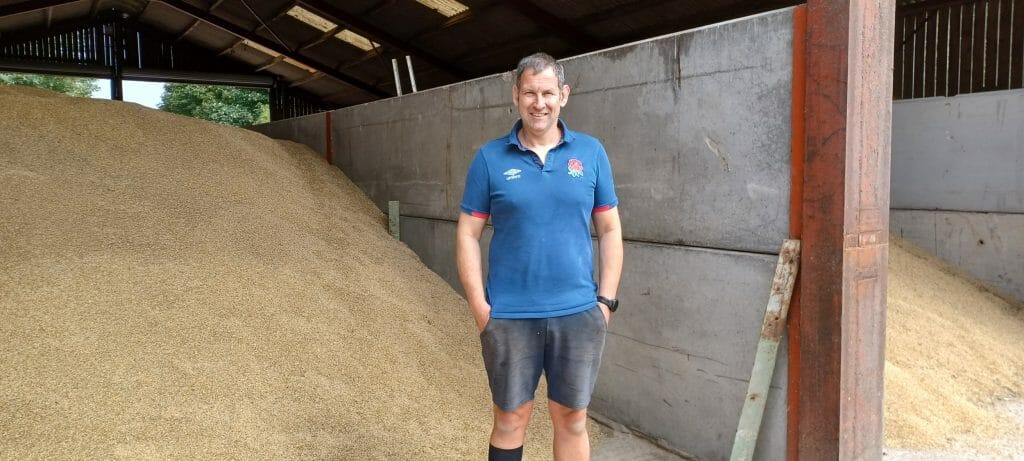
The field following the potatoes was min-tilled and went in a bit later, on the 23rd October, with a slightly higher seed rate of 350 seeds/m2, to compensate for the later drilling.
Both fields established well and looked pretty good. “We don’t have too much of a black-grass issue, so a pre-emergence application of flufenacet and diflufenican at 0.4 l/ha and some Avadex, pretty much tidied up any weeds,” explains Mark.
Disease-wise, the crop stayed clean with a standard fungicide programme, and received 160 kg of Liquid N32/ ha, which was reduced slightly due to the increased fertiliser costs at the time.
“It’s a fairly tall variety, so we used a ‘bottom-shortening’ PGR, chlormequat, but I think the crop would benefit from a ‘top shortener’ as well next time, just to reduce its height that bit more, although it’s important to note the straw strength was good and we didn’t have any lodging or brackling issues.”
“Both fields were ready to harvest by the third week of July, but the wet weather meant the field following the vining peas was ready first on the 31/7 but we had to hold on for another week for the second field, again due to the weather.”
“Despite this, the crop held its own, germ still looked good and bushel weight held up with no sprouting. The straw came off well; all of which goes for home use,” he adds.
“It is always interesting growing a new variety for the first time to see how it performs, and we are very pleased with LG Caravelle and will grow it again. If we could, we would put all of our acreage down to the variety,” says Mark.
LG Caravelle joined the 2023/24 Recommended List as the highest yielding two row winter barley.
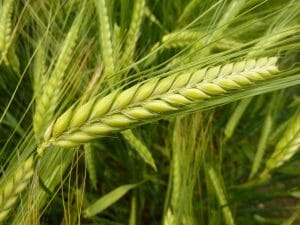
“We launched the variety not just on the back of its high yields but with a confidence that the variety would deliver across a range of conditions,” says Ron Granger, Limagrain’s arable technical manager.
“The years running up to its recommendation were dry and the variety yielded exceptionally well, however this season has been much wetter but LG Caravelle has upheld its promise of consistency and delivered the yields – and that’s a very valuable attribute on farm.”
Ron explains LG Caravelle’s yield potential is backed up by its specific weight. “Specific weight is important no matter what, and LG Caravelle’s is very high at 71.8 kg/hl. It’s one of the best scores available and is only surpassed by KWS Cassia.”
LG Caravelle’s yield potential is also bolstered by its disease resistance profile, says Ron. “The variety has a 7 for mildew, a 6 for rhynchosporium and a 5 for net blotch,” he explains. “Although there’s no rating on the RL yet, our data indicates the variety scores a 7 against brown rust, which is high against this disease.”
The variety also has resistance to barley yellow mosaic virus, giving it all round disease resistance, he adds. “The culmination of this can be seen in its untreated yield.” “It has a very high untreated yield of 89%, which really gives growers security,” he adds.
Ron feels that growers who’ve been growing hybrids might be interested in returning to two-rows because of LG Caravelle’s performance. “Hybrids account for about 20-25% of the winter barley market but this could change. Plus, we’re currently testing to see if LG Caravelle could be suitable for more than just the feed market.”
“We’re seeing the next step in on-farm varietal security for farmers and these types are proving to be an option on-farm again.”
Fungicide programme:
Esfenvalerate 2.50%, was applied at growth stage 14.
6th May: T1 consisting of Cyprodinil 30.00%, Tribenuron-methyl 14.30%, Metsulfuron-methyl 14.30%, Florasulam 0.25%, Fluroxypyr 10.00%, Trinexapac-ethyl 25.00%, and Folpet.
6th June: T2 consisting of prothioconazole 25.00%, trifloxystrobin 8.80%, and prothioconazole 17.50%.
Ian Foot: a pioneer in bringing quality wheats to marketQuality wheat breeding is losing a renowned figure as Ian Foot retires from the world of flour functionality and baking at leading plant breeders Limagrain UK, where he has headed up the quality wheat programme for the last 30 years.
 Whilst Ian Foot’s retirement marks the end of an era, it also marks the beginning of a new chapter, led by a passionate and skilled successor. As the torch is passed on to Ewa Lagowska, the spirit of innovation and excellence in wheat quality breeding continues to thrive at Limagrain UK.
Ian had an unconventional start to his journey in science. He didn’t like his history teacher at school, so he opted to take biology instead!
 This led him to pursue biology at higher education, firstly at the Northeast Surrey College of Technology and subsequently at the West of Scotland Agricultural College, where Ian’s six-month industrial placement turned into a transformative few years at Throws Farm.
During this time, Ian not only gained valuable practical knowledge but also discovered his true calling. He returned to his studies with newfound zeal and completed a degree in agriculture, specialising in Crop Production. Armed with his newly acquired knowledge, he landed a position at Twyford Seeds, where he managed seed quality and pathology labs.
 However, it was all change in the early 1990’s, when he found himself working for plant breeders Nickerson, who at that time had recently been acquired by Limagrain. Here he had the privilege of working under the mentorship of the esteemed wheat breeder, Bill Angus. Under Bill’s guidance, Ian honed his skills and became deeply involved in quality wheat breeding.
Ian took on the role of quality wheat manager, where he played a crucial role in developing quality programs that bridged the gap between end-user requirements and wheat breeding for the bread and biscuit sectors.
Working closely with wheat breeder Ron Granger, Ian spearheaded the development of the leading milling variety, Crusoe. Collaborating with the baker, Warburtons, Ian and his team had set out to find a wheat variety that could potentially replace the popular variety, Hereward. This variety had to meet Warburtons’ stringent quality requirements, including the quality of the flour, its functionality, baking performance and colour. For a variety to make a Group 1, it needs to deliver all this consistently.
The creation of Crusoe was a triumph. It not only met Warburtons’ high standards but also proved to be a resounding success in the market.
Today, more than a decade later, Crusoe remains one of the leading quality wheats, a testament to Ian’s visionary work and it has just been awarded the NIAB Variety Cup. 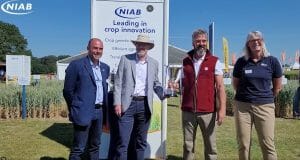
Ian Foot remains modest about his achievements and acknowledges the challenges of quality wheat breeding. The complexity of the task, with numerous independent variables to consider, makes it rare for a variety to tick all the boxes and endure in the competitive market.
Nevertheless, Ian’s passion for science, dedication to his craft, and commitment to improving agriculture have left a lasting impact on the industry and earned him a well-deserved place among the pioneers of quality wheat breeding.
LG Skyscraper is perfect fit for Fife growersConsistent yield performance over several seasons, strong agronomics and suitability for later drilling, have seen soft wheat LG Skyscraper become a mainstay of the rotation for two Fife growers.
Tenant farmer and contractor, Zander Hughes, who farms 320 ha (800 acres) of combinable crops for a range of clients, has been growing the variety for several years, and has 81 ha in the ground for this harvest – his whole winter wheat area.
“We saw LG Skyscraper in trials a few years ago and liked the look of it. It fits our main markets, as we grow predominantly soft wheats that tend to go for distilling at the local Cameronbridge distillery in Leven.”
But, it is LG Skyscraper’s strong yield performance across multiple seasons, drilling dates, and rotational positions, that he most values, with yields averaging more than 10 t/ha over multiple seasons, and up to 13.5 t/ha at best.
“Yield is king for us. We’re always looking to achieve the biggest end margin, and that usually coincides with the highest yield. Importantly, our average is based on marketable yield, which is the actual weight sold to the end user, not just what the combine yield monitor says.”
Grain quality has been consistently good too, with protein typically averaging 10.5-11%. While this is not crucial to him from an end market point of view, especially as there are many local animal feed outlets should crops not go into distilling, protein content does provide a useful indicator of nitrogen use efficiency, he says.
“Specific weight is a priority though, and all wheats have performed very well in recent years.”
Good straw yield is an added benefit, given strong demand from livestock producers in the area, he notes.
Late drilling suitability
Most of Mr Hughes’s LG Skyscraper is sown as a first wheat after either potatoes, vegetables (broccoli/ cauliflower), grass or spring barley, so he appreciates the variety’s flexibility for medium to later drilling.
“Around 60% of land is still ploughed, with the remainder established on a min-till system. We typically drill wheat in the third week of September, but have drilled anywhere from 20 August to 20 January.
“This year we’ve got LG Skyscraper that didn’t go in until the first week of December and still looks exceptional. The crop’s all standing, looks strong, and clean. It’s what you want a wheat to look like.”
Russell & Nickerson’s Douglas Bonn
Mr Hughes says LG Skyscraper has a fairly vigorous growth habit once it germinates, so he has no fear of sowing it later, as he might with some other varieties. “In general, it is pretty flexible, although is probably not particularly suited to early drilling.”
Fellow Fife grower, Russell Black, near Cupar, also values LG Skyscraper’s suitability for later drilling. This year, he is growing around 20 ha of LG Skyscraper, plus 20 ha of LG Spotlight, with all LG Skyscraper sown as a first wheat after potatoes on good quality loam soils.
“We usually don’t start drilling wheat after potatoes until the end of October, so tend to work with quite high seed rates to ensure there are sufficient tillers. At the end of October, when conditions are cooler, days are shorter and the ground is wetter, we might be sowing 500 seeds/m2, whereas in September we’d be down at 350-400 seeds/m2.”
Most land is ploughed before drilling, with compound phosphate and potash fertiliser applied with seed and three equal splits of nitrogen, plus sulphur in the spring.
“We’re looking for a target yield of at least 10 t/ha, and that’s what we’re consistently achieving,” Mr Black continues. “This is our fourth year of growing LG Skyscraper and it’s been a very consistent variety, in terms of yield and disease.”
Easy to manage
Both farmers believe LG Skyscraper is a fairly straightforward variety to grow, with strong agronomics.
Despite being slightly taller-strawed, lodging has never been an issue for either grower, and no major disease issues have been seen.
Mr Hughes typically employs a four-spray programme, T0 to T3, with robust rates of good chemistry, and tight spray intervals.
LG Skyscraper’s resistance to Septoria and yellow rust was put to the test this season, when wet weather in February and March meant the T0 could not be applied to any of Mr Hughes’s wheat, and crops faced relatively high disease pressure.
“Normally, we’d also have applied a growth regulator with the T0, so despite missing one growth regulator and one fungicide, it still looks exceptionally good at the moment. We’re getting on really well with it.”
Mr Black describes LG Skyscraper as an excellent “farmer-friendly variety that’s not challenging to grow and is easy to manage”. “It really suits our farm and what we’re trying to achieve.”
He recognises that with the farm being within a Nitrate Vulnerable Zone (NVZ), which limits nitrogen applications, and most LG Skyscraper sown late, yields might be slightly restricted, so he is keen to see how the variety will perform when sown earlier.
“We are looking to go back into oilseed rape this autumn, after not growing it for a few years due to clubroot problems. This will give us the chance next year to sow LG Skyscraper in September, which I’m really looking forward to. There might be a better variety for the earlier-sowing slot, but if not, then it will be LG Skyscraper.
“I want to focus on growing first wheats as our land is too light to support a decent second wheat. With the cost of inputs, you can’t afford to have an 8 t/ha crop anymore; it doesn’t stack up.”
Like Mr Hughes, Mr Black says LG Skyscraper has always been a fairly clean variety, with his crops also getting a four-spray programme, which this year included Revystar XE (fluxapyroxad + Mefentrifluconazole) at T1 and Univoq (Fenpicoxamid + prothioconazole) at T2. Fungicides are generally applied at half-rate to keep costs down, he notes.
Most of Mr Black’s LG Skyscraper also goes into the Cameronbridge distillery, although in the past he has managed to sell some for biscuit-making, gaining a slight premium over the feed price. Quality-wise, it performs consistently well, with specific weight often hitting 80 kg/hl, resulting in a nice bold grain sample, he adds.
“It’s a consistent variety all-round. I like it, so plan to grow it again after potatoes this year, then we’ll see how it does after oilseed rape next year.”
Mr Hughes acknowledges he is always looking at other varieties, to see what is best for the farm business, but currently has no plans to change. “At the moment, I think 80-90% of our 2023/24 acreage will be LG Skyscraper again. Until I see a reason to change to something better, or LG Skyscraper lets us down, then we will continue growing it.”
Regen Farmer Looks to LG Typhoon for Low-Input ApproachRegenerative practices that are less reliant on artificial inputs require farmers to select varieties with attributes that can help them thrive in such conditions.
It is something East Yorkshire farmer, Jonathan Hodgson of I M Hodgson & son Ltd, recognises, after converting the 280 ha farm, to a reduced input, strip tillage system in 2019.
There is a diverse rotation on the medium to heavy clay farm, east of Hull, featuring winter wheat, oilseed rape, spring barley, spring oats, winter beans, vining peas, flax, and herbal leys. Cover crops are grown ahead of spring crops, while short-term catch crops are also included wherever possible, namely after vining peas, or oilseed rape, ahead of wheat.
“We’re trying to build diversity into the rotation, but our primary focus remains on first wheats; that’s what we’re always trying to get back to as quickly as we can,” says Mr Hodgson.
This season, he is growing a range of varieties, including 20 ha of the hard Group 4, LG Typhoon, alongside LG Astronomer for seed, trial areas of LG Aldaniti and LG Redwald, plus Costello, KWS Extase, Theodore, and a four-way blend trial.
It is the second year of growing LG Typhoon, after a successful 3 ha trial of the variety last year, on land previously in pasture.

Desirable traits for regen
Mr Hodgson’s decision to grow LG Typhoon followed a conversation with Limagrain UK’s arable technical manager, Ron Granger, who says the variety has certain attributes that suit strip tillage/ direct drilling, regenerative crop establishment systems.
Mr Granger says LG Typhoon had been on the farm in a Limagrain UK demo trial, alongside commercial and up-and-coming varieties, for a couple of seasons, and it was clear the variety offered better suitability for the direct drilling, wider row situation.
“It was a stand out variety,” says Mr Granger.
LG Typhoon’s growth habit, for example, means plants sit prostrate with slower growth through the winter into spring, which is ideal for those direct drilling earlier in the autumn and do not want a variety that will race off too quickly.
It is high tillering and has the capacity to utilise the space between the wider rows, often found with some direct drilling equipment. Indeed, Mr Hodgson’s Mzuri drill has a relatively wide row spacing of around 300 mm centres.
LG Typhoon’s strong standing power and disease resistance – reflected by its high untreated yield (92%) – further suits those looking for flexibility with crop protection inputs, Mr Granger says. Unlike some feed varieties, it also offers Orange Wheat Blossom Midge (OWBM) resistance, in addition to a six-rating for eyespot and Fusarium.
“It’s a high yielding, consistent and resilient variety, that delivers across seasons and rotations.”
For Mr Hodgson, the biggest draw is LG Typhoon’s robust disease package, particularly the Septoria rating of 7.3, and yellow rust rating of 9.
“That’s what I look for in a variety, probably more so than outright yield. What can it offer in terms of agronomy, and is it a good, stable, variety that will let me look after a crop how I want to, instead of relying on a can to keep it clean?”
Cutting inputs
Last year’s LG Typhoon lived up to promises, yielding 11 t/ha from limited inputs – about 10% up on the farm’s five-year average yield.
The crop received two fungicides – 0.5 L/ha Amistar (azoxystrobin), and 1 L/ha Verydor XE (fluxapyroxad + Mefentrifluconazole) – and a total of 160 kg N/ha.
“We have been trying for a number of years to reduce fungicide inputs, but last year was the first time we’ve done so on a farm-scale, albeit helped by relatively low disease pressure.”
Indeed, one variety on the farm did not receive any fungicide inputs in 2022, and still yielded over 10 t/ha. Other crops did receive fungicides at different stages of the season, reflecting Mr Hodgson’s desire to remain flexible and adapt to the conditions.
“We want to be flexible. If the plant looks healthy, I won’t put a product on, but if it needs one, we will still use a fungicide. Last year, some crops had a T1, others got a T2, and some first wheats had a T1.5 instead of a T1, as that’s when we decided to go on. We won’t rule out using fungicides, but it’s a measured approach, field-by-field and variety-by-variety.”
While looking to reduce reliance on fungicides, Mr Hodgson is keen to support plant health in other ways, notably through more targeted nutrition, utilising in-depth soil testing, and sap analysis, to determine requirements.
He is also changing the way nitrogen is applied, by moving to a “little and often” approach, rather than applying large amounts in one go, which can cause surges of weak growth fuelled by simple sugars, potentially making plants more prone to lodging, and attack by pests and disease.
This approach typically sees 160 kg N/ha applied in four liquid applications of 40 kg N/ha every 15-20 days, from early to mid-March onwards. A carbon source is included with each nitrogen application to improve uptake efficiency. Programmes are completed with a final foliar nitrogen application. “This only provides about 10 kg N/ha, but the nitrogen use efficiency is far greater than applying nitrogen to the soil,” notes Mr Hodgson.
“Our aim is to keep plants healthy and growing at a consistent, steady rate, instead of causing surges of growth that need to be managed with PGRs.”
Additional fertility comes from the 1,100 tonnes of pig manure produced on the farm each year, applied on a rotational basis.
Supporting establishment
Mr Hodgson acknowledges that in the first years of converting to strip tillage, establishment was lower than with conventional tillage, as soils took time to adjust.
Seed rates were therefore increased to compensate. This season’s 20 ha block of LG Typhoon, was sown at 400 seeds/m2 on 27 September, after oilseed rape, using home-saved seed, with no dressing (just cleaned in a mobile seed plant and tested for fusarium).
“However, we are now seeing an improvement in soils and drilling conditions, so I think we can start to reduce seed rates slightly. It’s been a steep learning curve.”
To support crop establishment and soil health, Mr Hodgson also includes two liquid products – fish hydrolysate and humic acid – in a band with seed at planting. “The hydrolysate is full of amino acids, so the idea is to prime the soil by helping the biology.”
No starter fertilisers are used, and he points out that no phosphate or potash has been applied for the past four to five years. “Most soils have tonnes of P and K; we just need to be better at getting plants to access it.”
Mr Hodgson says this year’s LG Typhoon established very well in a relatively kind autumn and winter, growing on well through spring. Disease-wise, it looks “pretty clean”, despite having not received any fungicide, or growth regulator, up until the time of writing (beginning of May).
“There is more disease pressure this year than last, so we’ll have to remain on the ball and keep checking crops.
“It generally takes two to three years to get to know a variety properly, so it is still early days, but so far, LG Typhoon seems to suit our system.”
LG Typhoon
High yielding, consistent Group 4 feed wheat
Strong disease resistance, particularly Septoria (7.3) and yellow rust (9) – 92% untreated yield
OWBM resistance, good standing ability
Adaptable drilling dates – suits early drilling, also excellent as a second wheat
High tillering capacity and a slower, prostrate growth habit through winter into spring, and the plant’s ability to fill space, suits wider row direct drilling re-gen systems.
LG Typhoon
The June 2023 issue of LG GatePost is now available to download.
This edition features articles about our newest wheat addition to the 2023-24 AHDB Recommended List, LG Redwald, as well as LG Caravelle, our excellent 2-row winter feed barley.
You can read about and view our Live Panel event which was a round table discussion on Varieties, Soils and Policy with industry experts.
We discuss the new Sustainable Farming Incentives and the new ‘actions’ involved, with an article about why to consider establishing a legume fallow.
There is also information about our upcoming Demo Days and a link to register.

LG GatePost – June 2023
Limagrain’s newest wheat addition to the 2023-24 AHDB Recommended List, LG Redwald, follows in the footsteps of LG Skyscraper as the highest yielding feed wheat with a UK treated yield of 107% – sitting at 107% in the east and an impressive 109% in the west.
LG Redwald has shown this high yield consistency across regions and very testing seasons of weather. Its high untreated yield of 92% reflects its very good disease resistance, especially for Septoria tritici.
How to get the best out of LG Redwald
1. Adjust Seed Rates – LG Redwald is a high tillering, big biomass plant type, so consider a lower seed rate. Limagrain trials over several seasons show that reducing the seed rate by 20% had no effect on overall yield performance, with better lodging resistance.
2. Straw Strength – LG Redwald is a taller variety (94cm) with a big biomass, so a well targeted, robust, split PGR programme is recommended. If the desired early split timings are not achieved, then the inclusion of a late PGR (Cerone or Terpal) is advised.
3. Drilling Date – Do not drill LG Redwald too early, as it does not have the characteristics associated for the early drilling situation. It suits the standard drilling window of mid-October onwards and can be drilled to the end of January. For growers in the north, the drilling date can be pulled back to the beginning of October.
4. Soil Type – LG Redwald benefits from being grown on water retentive soil types; not lighter soil types associated with drought situations. Reduce seed rates and implement a good PGR programme for heavier/ fertile soils.
5. Rotational Position – LG Redwald performs well as a 1st or 2nd wheat. Sitting as the highest yielding wheat (109%) in a 2nd wheat situation, it is a valuable variety to improve gross margins in this challenging situation. It has good tolerance to take-all, but a low rating for eyespot and should be treated accordingly.
6. Fungicide Programme – LG Redwald has good disease resistance for Septoria tritici, and both Rusts – we advise that all crops should be monitored and treated accordingly.
Whilst trials show that a robust on-farm fungicide strategy should be implemented, a T0 spray may not be required, depending on disease pressure. However, a robust T3 fungicide is important for protection against Fusarium, and as it is a later maturing variety, there are benefits from maintaining green leaf canopy to maximise grain fill.
7. Insecticide – LG Redwald has OWBM resistance.