Two new wheat Candidates to catch your eye in 2022
Limagrain UK has two Group 4 hard wheats on the AHDB Candidate List for 2021/22: LG Farrier and LG Typhoon.
Each variety offers UK growers a very different set of agronomic characteristics for on-farm positioning and performance, explains Limagrain UK’s arable technical manager, Ron Granger.
“LG Farrier (Evolution x Costello) sits at 105% of treated yield control, alongside competitors from DSV and KWS. This year will be the one that separates them and shows who is top dog for yield.”
“LG Farrier possesses a strong agronomic package with 7 for mildew, 9 for yellow rust, 8 for brown rust, and 5 for Septoria tritici. The grain quality is excellent too, with a specific weight of 78.9 kg/hl, along with a Hagberg of 279.”
Mr Granger points out that these characteristics are one of the main reasons that its parent ‘Costello’, was recommended and successful for so long.
“LG Farrier is of medium height and medium maturity. It moves very fast in the spring (similar to LG Skyscraper), so will need to be watched regarding PGR timings,” he adds.
“LG Typhoon (LG Garrus x LGW88), has a lower yield and specific weight than LG Farrier, but has agronomics that will offer growers more on-farm security, including 7 for mildew, 9 for yellow rust, 7 for brown rust, 8 for Septoria tritici and OWBM resistance,” says Mr Granger.
“LG Typhoon has produced high yields in the testing environments of the west and north. This will be of interest to growers in those areas looking for security, based around a safe agronomic and disease package, and agronomic attributes desirable for the earlier drilling situation.”
Tom Barker, Limagrain UK’s cereals & pulses product manager, notes that it has been a few years since Limagrain had Group 4 hard wheats on the AHDB Recommended List, with the last two varieties being Evolution (2014) and Stigg (2011). Group 4 hard wheats accounted for around 30% of the UK market in 2021.
“The addition of LG Farrier and LG Typhoon on the Candidate List, follows on from the success of having four Group 3 soft wheats added to the Recommended List in 2021/22.”
“This is a very exciting time for the Limagrain UK wheat breeding team, based at Woolpit in Suffolk. With a full-strength team, new personnel in place, and the development of exciting new varieties in the pipeline, the future looks extremely bright.”
Opportunity from growing biscuit wheats
Growing biscuit wheats which can earn a premium over feed when sold into local markets is important to Bedfordshire farmer, David Tomkins
New biscuit wheat LG Astronomer is his variety of choice for next year, and he aims to sell his wheats into millers, Heygates and Whitworths; both of which are in the area.
David and his father are tenant farmers and have been on South Pillinge Farm for over 50 years, and whilst their main business is arable farming, he also has permanent pasture for 30 hobby sheep.
His decision to try LG Astronomer was based on quality characteristics such as specific weight of 77.8 kg/hl and a strong Hagberg of 238, which sit alongside one of the best set of agronomics on the AHDB 2021/22 Recommend List.
“We really like LG Astronomer’s excellent untreated yield at 86% on the AHDB Recommended List, and its disease ratings – such as 9 for the rusts and a Septoria rating of 7.4 – give flexibility in your spray windows,” says Mr Tomkins.
“For example, in a ‘catchy’ season when you have to decide which field to spray first, the disease resistance offered by LG Astronomer means that you can keep it on hold for a few days, which helps spread your risk and workload.
“With many varieties, delaying spraying for a couple of days is not an option, as they are too delicate regarding disease susceptibility.”
LG Astronomer may be a little taller than some of the other varieties, he notes, although he adds that with an RL resistance rating of 7 without a PGR, this will not be a problem, as he tends to use a robust PGR, and the straw is useful for the livestock.
Over the years, there have been some changes on the farm; Mr Tomkins used to grow Consort and Claire with oilseed rape as a break crop, but he no longer grows any rape, and moved from growing predominantly soft wheats to doing a lot more spring cropping.
“Our rotation depends on ground conditions and the environment, so there is no set strategy.
“We saw the start of the black-grass issue grow over the previous 20 years; for that reason, we had introduced spring wheat into the rotation ten years ago.”
“In the past two years, we have planted no winter cereals because of the wet autumns – on the upside, this has helped reduce some of our black-grass burden.”
“The hybrid barley we grew had seen some success in subduing the black-grass, but unfortunately it does not stack up economically.”
“We need to be able to make a living from our land, so we are moving back to more winter cropping, but we cannot jump back wholesale into winter cereals and undo the good work of recent years in our fight against black-grass.”
He likes that LG Astronomer can be grown in a first or second wheat scenario.
Growing on heavy clay soils, Mr Tomkins makes an early start with his drilling, and finds that if he is not finished by November, it is too late. Typical yields average around 7.5 t/ha.
Heading towards the end of the season, the LG Astronomer is looking to be a promising crop. “We shall see what comes out of the combine – that will be the true test!” he says.
FARM FACTS
South Pillinge Farm, Central Bedfordshire
Size: 161 ha Soils: Heavy clay Crops grown: Winter and spring wheat, winter and spring barley, winter beans Rotation: Flexible strategy, depending on weather and ground conditions
LG Arable Trial Tours – Register now!
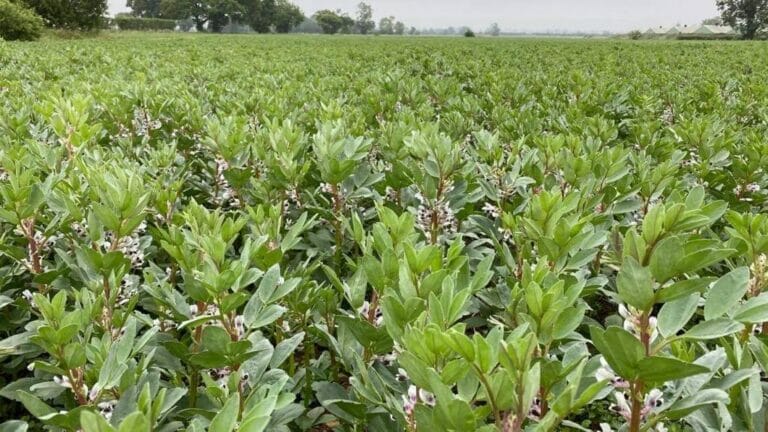
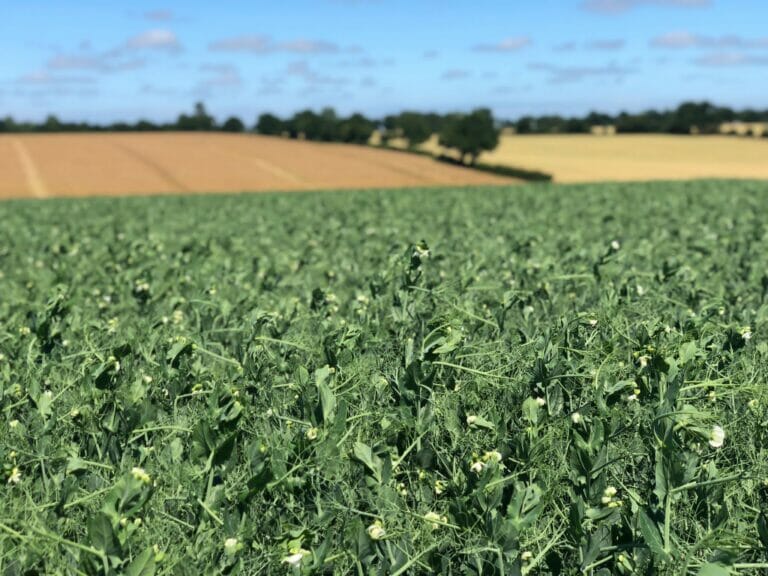
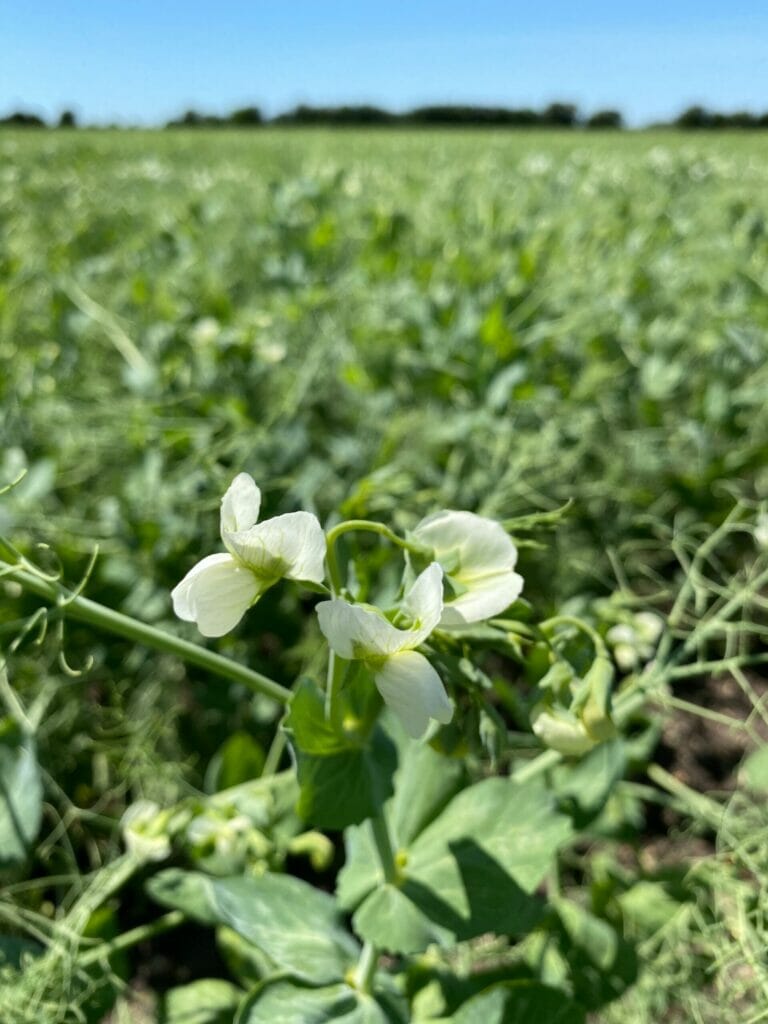
Growers thinking of tapping into the evolving pulse crop market are being encouraged to explore the latest breeding lines being developed by plant breeders Limagrain UK
To meet the growing demand for protein crops, Mr Pillinger highlights the hard work being done by the Limagrain European breeding team to enhance the major traits in their varieties and introduce new ones using routine diagnostic marker assisted selection (MAS).
“This is being done at a high-tech facility in the Netherlands which allows the breeders to undertake rapid generation cycling.”
“Target traits sought for peas include reliable yields with consistently high protein levels, resistance to lodging, and tolerance and resistance to diseases. Cold tolerance without damaging the protein percentage is an important trait for growing in more northerly climates.”
“The new varieties are then put into schemes for extensive localised testing across light, medium and heavy soils in different locations,” he says.
This is a h2 heading
“The new varieties are then put into schemes for extensive localised testing across light, medium and heavy soils in different locations,” he says.
“Our testing builds a comprehensive data set and highlights which varieties are adapted to multiple environments, so we can identify the best high quality, stable varieties,” continues Mr Pillinger, adding that these extended trials also build understanding of optimum drill timings.
These techniques have helped Limagrain address some of the challenges of decline in performance observed in pulses seen over the last decade or so.
This is a h3 heading
“Some of the decline can be attributed to diseases such as soil-dwelling oomycete Aphanomyces euteiches and bacterial blight, and he highlights that there was a possibility that changes in disease strains and races had been brought on by climate change.
“Agricultural policy also influences grower choices and fluctuations in support makes the crop less interesting.
Lorem ipsum dolor sit amet, consectetur adipisicing elit, sed do eiusmod tempor incididunt ut labore et dolore magna aliqua. Ut enim ad minim veniam, quis nostrud exercitation ullamco laboris nisi ut aliquip ex ea commodo consequat.
How genetics protect oilseed rape yields at harvest
Liam Wilkinson
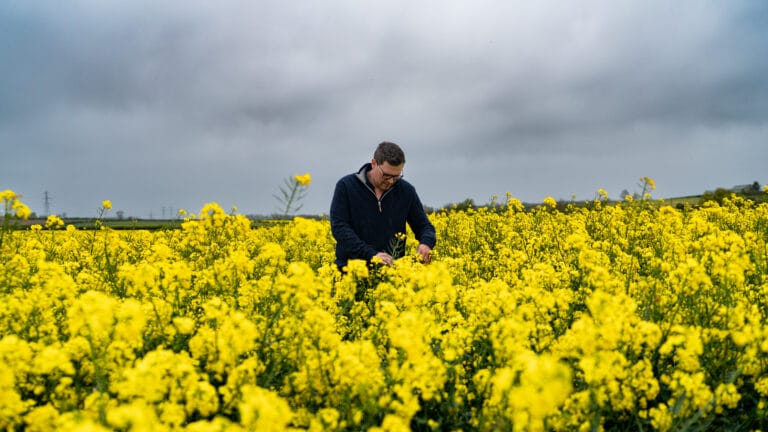
Losses in the period up to harvest in oilseed rape can often be high. However, there are several ways that these can be kept to a minimum, says Liam Wilkinson, development officer for arable crops for Limagrain UK.
“Choosing to grow a variety with built in pod shatter resistance is one of the most important things you can do,” he says. “Last year, some crops were devastated by storms, whilst others appeared relatively unscathed, which showed very clearly, the value of pod shatter resistance.”
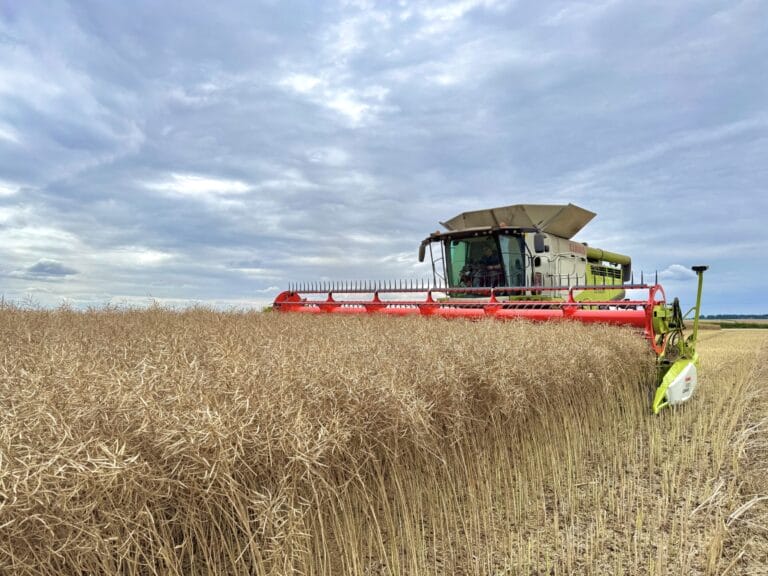
Pod shatter is a natural process for seed dispersion in oilseed rape, however on farm it can result in significant seed loss caused by heavy wind, rain, hailstones, or the combine passing through the crop.
The pod shatter (POSH) resistance gene was originally introduced into OSR together with the restorer gene from radish. Not all hybrids carry POSH resistance as the trait can be lost in the breeding process to improve the restorer.
Pod shatter is not an either/or trait but one that can be quantified by the force required to break a ripe pod, points out Mr Wilkinson “At Limagrain, we precisely quantify pod shatter resistance using lab-based techniques, where the force required to shatter the pod is measured, and this clearly shows that not all POSH resistant varieties offer the same level of resistance,” he says.
“All of our hybrids contain the trait and we constantly monitor the efficacy of our pod shatter resistance against other commercial varieties so we can be confident in our claims that the variety really is pod shatter resistant.
Limagrain varieties that carry the trait are LG Auckland, Ambassador, LG Aviron, Aurelia, Antigua, Artemis, LG Antigua and Clearfield variety Constructor and this plays out in their high yields and subsequent leading position on the current AHDB Recommended List.” “POSH resistance can also help to provide some flexibility in the timing of the harvest, which can be as much as 14 days extra in our tests,” he says.
“In addition, a robust POSH resistance cuts down the number of volunteers in the following crop, easing the burden of weed control. It is also relevant to look at the overall stem health of a variety as a lodged crop is not going to be easy to harvest, adds Mr Wilkinson.
Of the diseases that can affect the health of the stem he believes that light leaf spot is the biggest threat. “Previously considered a disease of the north, this is no longer the case as a result of mutations and a reduction in azole efficacy, alongside milder winter weather has resulted in it spreading across the UK.”
“Varieties offer good light leaf disease resistance ratings on the AHDB RL , but it’s important to recognise that in the UK, light leaf spot on the stem is not something that is scored for in the AHDB RL, it’s only the leaves that are scored for disease,” he says.
“Varieties with similar light leaf scores on the AHDB RL, will in reality have very different stem health scores.” “So incidences of stem infection often go unreported, resulting in unnecessary yield and quality reductions.”
“But it’s been a key focus for us across the Limagrain European breeding programme. We select plants with good strong stems that stand well as a matter of course,” he adds.
“In France, stem based light leaf spot, or Cylindrosporium, is recognised to be a serious disease of oilseed rape in its own right and is included in the Terres Inovia Recommended List, the French equivalent of the AHDB RL.”
All of Limagrain’s varieties currently on the RL have been scored for cylindrosporium in the breeders own trials, as well as for LLS in the RL programme.
To illustrate this, Mr Wilkinson refers to Limagrain trials carried out in 2020. “We evaluated the stem health of several varieties that all held the same light leaf spot score of 7 on the AHDB RL.(1= clean through to 9 which was fully diseased.)” “Aurelia was scored an excellent score of 2 for overall stem health, Ambassador and LG Aviron scored a very good 3, but one variety only scored a 6 despite also holding a light leaf spot rating of 7!
“The important message here is to look behind the headline scores and don’t assume that a good overall light leaf spot score translates into a good stem health score.” “So the first step in protecting harvest losses is having the right genetics,” notes Mr Wilkinson, “in doing so this then provides an excellent foundation for management practices such as pod stick and timing desiccation correctly, to bring an additional level of protection which ensures that every seed possible gets into the combine.”
Pod shatter is an important trait when deciding which oilseed rape variety to grow for East Suffolk farmer Thomas Over of Westrope Farming Ltd. Westrope Farming is one of the three founder farmers of the Three Musketeers potato marketing group. The climate is relatively mild in the area, with few frosts and his potato crops are usually started under fleece to follow the Cornwall earlies and Jersey Royals. Soil structure drives the rotation; the lighter soils are used for growing vegetables, whereas on the heavier soils the rotation includes winter wheat, oilseed rape, plus spring and winter barley.
To help with choosing his oilseed rape varieties he visits nearby trials and works closely with his agronomist. “Sometimes it seems as though there is a lot of data from so many varieties, but last year we grew LG Antigua and have been pleased with the variety because it has the important traits we are seeking; pod shatter resistance as well as being high yielding.”
Pod Shatter is an important trait, as the area where he farms Wickham Market, is vulnerable to massive hailstorms in late June and early July. “As a result of a huge storm last year, we had to write off 14ha of shallots, but thanks to pod shatter resistance our oilseed rape crop was saved.”
Plant breeder trials put varieties through their paces
Breeders Limagrain UK have opened the doors to its main Lincolnshire Wolds trials site, to give growers a unique insight into the performance of new and existing cereal varieties in another challenging dry season.
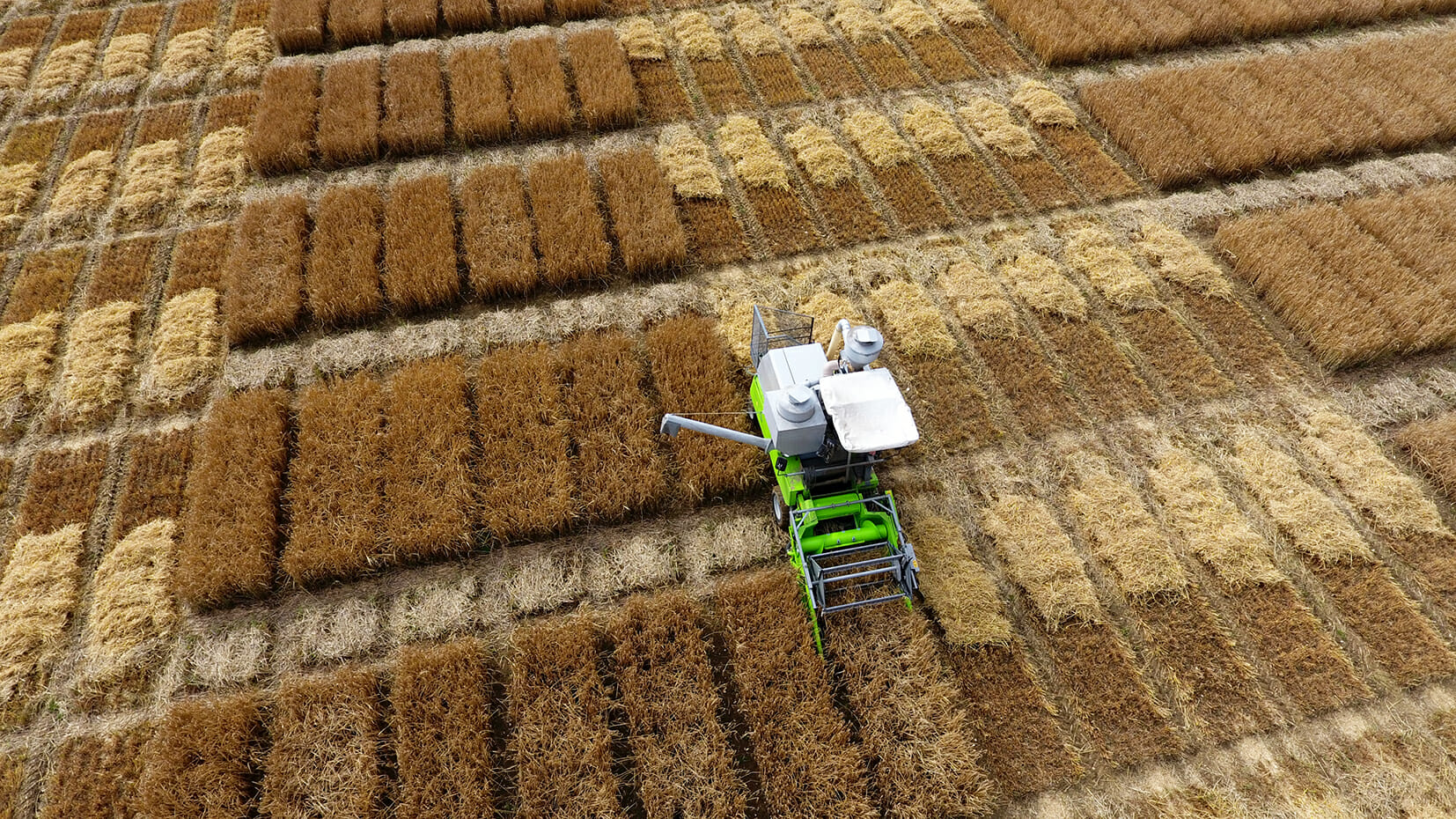
The event, near Market Rasen, showcased numerous wheat and barley varieties coming through the firm’s breeding programme, alongside others already on the Recommended List, from Limagrain and rival breeders. “The site is at a reasonably high altitude (around 300 ft above sea level), which means varieties can perform very differently here compared with other locations, so it’s important we use these trials to understand the variety differences better,” Limagrain’s Ron Granger said.
A relatively cold, dry spring, followed by a hot, dry start to summer, had caused reduced tillering and earlier senesce in many of the mid-October sown plots, but had highlighted some clear differences in the resilience of varieties to droughty conditions. High yellow rust pressure earlier in the season had also reinforced the importance of strong genetics in keeping crops clean and maximising photosynthetic potential.
With continental conditions likely to become more common in the UK, Mr Granger said it was important the industry learned to adapt to the climate through variety choice and agronomy. Indeed, he said Limagrain was exploring the potential benefits from several continental varieties, such as a German and French wheat that looked to have merit, although more would be known about their suitability for the UK after this harvest, once yield and quality assessments had been done.
Taller varieties
Breeding programmes for wheat are mainly located around the Cambridge region, and previous dry seasons had clearly highlighted the benefits of taller varieties being more robust in these testing conditions, Mr Granger continued. LG Skyscraper, for example, had proved popular on the lighter land of the Wolds and had been the highest yielding variety for three years, with good specific weight and potential to go into a range of markets. RL Candidate, LG Redwald, also looked very promising, with potential to raise the yield bar considerably, offering huge biomass and very high yield potential at 106%, plus decent disease scores for Septoria and Brown Rust, and Orange Wheat Blossom Midge (OWBM) resistance.
The variety’s large, strong tillering capacity meant it covered the ground very well, and trials have shown that the variety could be sown at lower seed rates with minimal difference to yield. This made it a good potential option for wider row, direct drilling systems, although it should not be drilled too early. Nitrogen and growth regulator applications also had to be managed carefully, given the variety’s large biomass, Mr Granger noted.
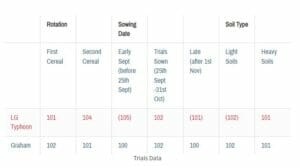
Another moderately tall, strong tillering variety suited to earlier direct drilling and regenerative agriculture systems was LG Typhoon. “It’s one of the latest varieties to move in the spring, so does suit the earlier drilling period. It’s not the highest yielding variety, but it has already proved to be a very safe and secure package, yielding 102% over the last three years across every region, and has shown promise as both a second wheat and in the earlier drilling situation.”
Crucially, for growers in high-risk areas for yellow rust and Septoria, such as Lincolnshire, LG Typhoon has a great disease resistance profile with stacked resistance for both diseases, offering one of the strongest genetic resistances available. It also has good standing power and OWBM resistance.
A variety that is National Listed and did not go forward as a Candidate this season is also showing potential for regen systems, LG Aldaniti. “It’s one of the cleanest varieties for rusts and Septoria and has great tillering capacity, short, stiff straw, good specific weight and early maturity. “We need more varieties like LG Typhoon and LG Aldaniti to fit regen systems, as I don’t think all the current varieties on the RL will suit the situation. As breeders, we have so much diverse genetics and I think we can do better.”
Investigating nitrogen
Given the increasing interest in regenerative agriculture and focus on improving nitrogen use efficiency (NUE), the Rothwell site had this season hosted nitrogen response trials.
In wheat, the response to increasing nitrogen rates was compared in four LG varieties – LG Aldaniti, LG Skyscraper, LG Typhoon and LG Redwald – to see how they fared at rates from 150 kg N/ha upwards, increasing in 30 kg N/ha increments. “Many crops in general were being over-fertilised by up to 20%, so growers need to better adapt strategies to the season and plant requirements,” Mr Granger said.
The dry spring, for example, meant granular nitrogen had not been applied to plots until there was adequate soil moisture to facilitate root uptake. When in a drought situation, plant requirements were supplemented using foliar nutrients and trace elements instead.
Elsewhere, Limagrain was screening potential new ‘N-Flex’ winter oilseed rape varieties to find those with enhanced NUE, marketing manager, Will Charlton added. Varieties were deliberately being grown in lower nitrogen situations to see which performed best and conserved a higher proportion of their optimal yield over multiple years, before being deemed to have the N-Flex trait. “N-Flex is a characteristic identified in some of our elite hybrid WOSR lines that are able to convert available nitrogen into higher and more secure yields, giving enhanced yield security. So, when nitrogen applications are sub-optimal, yield penalties in N-Flex varieties are less than they are in other varieties.” Ambassador was the first N-Flex variety to be launched and has since been joined by others including LG Aviron and LG Antigua, with further lines coming in the future, he noted.
Valuing regional trials
Local farmer, Colin Chappell, attended the Rothwell open day and valued the opportunity to assess how new varieties and existing varieties performed in local growing conditions, rather than having to rely on national trials information.
“I’m particularly interested to learn more about LG Redwald, as it’s one I’d like to try growing next season. We have maize in the rotation, so I’m considering sowing it after that, as a big biomass variety to mop up nutrients and stabilise soil structure after the maize has been harvested.”
Mr Chappell, who manages 645 ha near Brigg, is currently growing a range of milling, biscuit and feed wheats in a varied rotation. This season’s winter wheat varieties include 50 ha of the Group 1 milling wheat Crusoe, grown on contract for Warburtons.
“We’ve always grown a lot of LG varieties, and started growing Crusoe when it was launched, as it had decent yields and good quality. It has proven to be an easy variety to look after, and although brown rust risk does have to be managed, that’s fairly easy to deal with at ear wash timing.”
Nitrogen Use Efficiency has been a big focus for Mr Chappell. Last year, he used a range of in-season testing options to achieve an average NUE of 84% from the 220 kg N/ha applied to a crop of Crusoe that yielded 11.5 t/ha, and easily met his current 12.5% grain N requirement.
“The economics of chasing full 13% milling specification by applying 300 kg N/ha have to be questioned at today’s prices, and when you consider that half of the carbon footprint for one tonne of wheat is due to artificial fertiliser.” Improving NUE would remain a priority, and he therefore welcomed the work that breeders, such as Limagrain was doing within this area to improve farm practices.
Variety choice is central to risk management
Using variety choice to manage on-farm risk should be a top priority for growers when finalising variety choices for the coming season, according to breeders Limagrain UK.
Speaking at a recent variety demonstration at the Limagrain Woolpit site in Suffolk, arable technical specialist, Liam Wilkinson, urged growers to take a whole-farm approach to risk management when deciding what to grow.
There were many ways that varieties could be used to manage risk, from selecting those with different maturities to mitigate the impact of unsettled weather around harvest, to choosing varieties with strong disease resistance scores based on a diverse genetic background, he said.
“Don’t look at any one aspect in isolation; mitigating risk has got to be based on whole-farm factors.”
Yield results from local trials (treated and untreated), grain quality suitability for different end markets, fungicide response, growth habit in autumn and spring, and other agronomic traits, were all important factors to consider, Jonathan Payne of Nickerson Seeds added.
“The type of drilling system you use, whether that’s wide or narrow rows, may be something else that affects the most suitable variety to choose.”
A variety like RL Candidate LG Redwald, for example, offers huge biomass and tillering capacity, making it well suited to wide row direct drilling or min-till systems, using lower seed rates.
The variety offers a yield potential of 106%, but can also be used for whole-crop forage, given the large biomass potential. This could allow ground to be cleared early, or be part of a grass-weed control strategy.
“The key is to identify your hopes and expectations for 12 months’ time and plan variety choices depending on what you want to achieve.”
After another dry spring and early summer, drought risk was once again top of many growers’ minds, Mr Wilkinson noted.
“For drought-prone sites, generally you need a taller variety which is quick to get going in the spring, combined with early maturity and good grain quality, such as LG Skyscraper.”
“On the whole, higher-yielding varieties are generally getting taller, and we find these have better resilience in droughty situations, although growers need to manage them properly through the season.”
Safe option
For those growing milling wheats, Mr Wilkinson said Crusoe remained the safe option from a quality perspective, given its stable Hagberg, high inherent protein content and proven farm and end user performance, during a more than a decade on the Recommended List.
He acknowledged growers should be mindful of brown rust risk, but said this was generally easier to control than yellow rust, which was a much greater threat in several other varieties. In contrast, Crusoe’s yellow rust resistance score remains at 9.
This strong yellow rust resistance had been passed on through Limagrain’s breeding programme to other varieties, such as LG Detroit, which was the only Group 2 wheat to offer Orange Wheat Blossom Midge (OWBM) resistance, alongside stiff straw and good grain quality, with similar performance to Crusoe in some mills.
“Midge resistance is a fantastic trait that we know is effective, with no yield deficit. If you’re going to push a Group 2 type variety for milling potential, then this is the one I’d go for.”
Among the increasingly crowded Group 3 sector, Mr Wilkinson picked out LG Astronomer as being an “all-round safe package”, that combined excellent grain quality with robust disease resistance and other good agronomics that would help manage risk on farm.
Importantly, its three-way parentage of (Cougar x Leeds) x Britannia, has proven to be far more robust than other varieties against the Cougar Septoria strains seen last season, resulting in it remaining one of the best Group 3’s for Septoria resistance on the RL.
“LG Astronomer likes being drilled a bit earlier and generally needs decent bodied land to get the best out of the variety. The biscuit premium might not be as attractive as that from Group 2’s, but with LG Astronomer, it’s one that can be achieved with no extra agronomic input required.”
The Group 4 variety LG Typhoon was another new variety that ticked a lot of boxes for managing risk, Mr Wilkinson said. It combines high yield potential with excellent disease resistance, stiff straw and OWBM resistance.
“Typhoon’s Septoria resistance comes from Irish parentage and is one of the highest scores available on the RL. It also has the stacked genes for yellow rust resistance, using the most robust genetics we’ve got. There’s been a lot of demand for it already, particularly in the West.”
LG Typhoon’s strong genetics could buy useful flexibility around key spray timings, and potentially allow for some savings depending on disease pressure, he said.
“The variety suits earlier drilling situations due to its spring growth habit, and is rated +2 for maturity, so it’s well worth investing in the T3.”
Local trials inform decisions
Suffolk grower Peter Mahony was one of several farmers who valued the benefits of being able to see how varieties performed in local conditions, rather than having to rely on National Trials information.
Mr Mahony farms around 220 ha (560 acres) of owned and contracted land near Rattlesden, south of Woolpit, growing 35 ha of LG Skyscraper, alongside Gleam, LG Mountain winter barley and sugar beet, on mainly clay loam soils.
This autumn will be his first year direct drilling, so he was particularly interested to see which varieties might suit that system.
“Big National Trials have less relevance to what’s going on at our farm, whereas seeing how a range of varieties fare in our soil type and growing conditions is far more useful. Plus we also value being able to talk to the breeders and get their opinions on things like drilling date or optimum seed rate.
“We’ve been growing Limagrain varieties for many years,” he added. “Knowing they’ve been bred just down the road from us gives us confidence that they should be well suited to our growing conditions on the farm.”
Variety choice is central to risk management
Using variety choice to manage on-farm risk should be a top priority for growers when finalising variety choices for the coming season, according to breeders Limagrain UK.
Speaking at a recent variety demonstration at the Limagrain Woolpit site in Suffolk, arable technical specialist, Liam Wilkinson, urged growers to take a whole-farm approach to risk management when deciding what to grow. There were many ways that varieties could be used to manage risk, from selecting those with different maturities to mitigate the impact of unsettled weather around harvest, to choosing varieties with strong disease resistance scores based on a diverse genetic background, he said. “Don’t look at any one aspect in isolation; mitigating risk has got to be based on whole-farm factors.” Yield results from local trials (treated and untreated), grain quality suitability for different end markets, fungicide response, growth habit in autumn and spring, and other agronomic traits, were all important factors to consider, Jonathan Payne of Nickerson Seeds added. “The type of drilling system you use, whether that’s wide or narrow rows, may be something else that affects the most suitable variety to choose.” A variety like RL Candidate LG Redwald, for example, offers huge biomass and tillering capacity, making it well suited to wide row direct drilling or min-till systems, using lower seed rates. The variety offers a yield potential of 106%, but can also be used for whole-crop forage, given the large biomass potential. This could allow ground to be cleared early, or be part of a grass-weed control strategy. “The key is to identify your hopes and expectations for 12 months’ time and plan variety choices depending on what you want to achieve.” After another dry spring and early summer, drought risk was once again top of many growers’ minds, Mr Wilkinson noted. “For drought-prone sites, generally you need a taller variety which is quick to get going in the spring, combined with early maturity and good grain quality, such as LG Skyscraper.” “On the whole, higher-yielding varieties are generally getting taller, and we find these have better resilience in droughty situations, although growers need to manage them properly through the season.”
Safe option
For those growing milling wheats, Mr Wilkinson said Crusoe remained the safe option from a quality perspective, given its stable Hagberg, high inherent protein content and proven farm and end user performance, during a more than a decade on the Recommended List. He acknowledged growers should be mindful of brown rust risk, but said this was generally easier to control than yellow rust, which was a much greater threat in several other varieties. In contrast, Crusoe’s yellow rust resistance score remains at 9. This strong yellow rust resistance had been passed on through Limagrain’s breeding programme to other varieties, such as LG Detroit, which was the only Group 2 wheat to offer Orange Wheat Blossom Midge (OWBM) resistance, alongside stiff straw and good grain quality, with similar performance to Crusoe in some mills. “Midge resistance is a fantastic trait that we know is effective, with no yield deficit. If you’re going to push a Group 2 type variety for milling potential, then this is the one I’d go for.” Among the increasingly crowded Group 3 sector, Mr Wilkinson picked out LG Astronomer as being an “all-round safe package”, that combined excellent grain quality with robust disease resistance and other good agronomics that would help manage risk on farm. Importantly, its three-way parentage of (Cougar x Leeds) x Britannia, has proven to be far more robust than other varieties against the Cougar Septoria strains seen last season, resulting in it remaining one of the best Group 3’s for Septoria resistance on the RL. “LG Astronomer likes being drilled a bit earlier and generally needs decent bodied land to get the best out of the variety. The biscuit premium might not be as attractive as that from Group 2’s, but with LG Astronomer, it’s one that can be achieved with no extra agronomic input required.” The Group 4 variety LG Typhoon was another new variety that ticked a lot of boxes for managing risk, Mr Wilkinson said. It combines high yield potential with excellent disease resistance, stiff straw and OWBM resistance. “Typhoon’s Septoria resistance comes from Irish parentage and is one of the highest scores available on the RL. It also has the stacked genes for yellow rust resistance, using the most robust genetics we’ve got. There’s been a lot of demand for it already, particularly in the West.” LG Typhoon’s strong genetics could buy useful flexibility around key spray timings, and potentially allow for some savings depending on disease pressure, he said. “The variety suits earlier drilling situations due to its spring growth habit, and is rated +2 for maturity, so it’s well worth investing in the T3.”
Local trials inform decisions
Suffolk grower Peter Mahony was one of several farmers who valued the benefits of being able to see how varieties performed in local conditions, rather than having to rely on National Trials information. Mr Mahony farms around 220 ha (560 acres) of owned and contracted land near Rattlesden, south of Woolpit, growing 35 ha of LG Skyscraper, alongside Gleam, LG Mountain winter barley and sugar beet, on mainly clay loam soils. This autumn will be his first year direct drilling, so he was particularly interested to see which varieties might suit that system. “Big National Trials have less relevance to what’s going on at our farm, whereas seeing how a range of varieties fare in our soil type and growing conditions is far more useful. Plus we also value being able to talk to the breeders and get their opinions on things like drilling date or optimum seed rate. “We’ve been growing Limagrain varieties for many years,” he added. “Knowing they’ve been bred just down the road from us gives us confidence that they should be well suited to our growing conditions on the farm.”
Award-winning growers offer nitrogen strategy tips for successful milling wheat
The hike in input costs and grain prices has raised stakes when it comes to optimising nitrogen strategy, particularly for growers targeting quality milling wheat.
Limagrain UK asked the Gold, Silver and Bronze winners from the 2021 Yield Enhancement Network (YEN) Milling Wheat Quality Awards, to explain how they manage nitrogen to maximise both yield and quality. All three growers grew proven Group 1 wheat Crusoe; a variety that has become a firm favourite amongst millers since its launch 11 years ago.
Yorkshire farmer and Gold award winner, Peter Trickett, has been growing Crusoe since 2014, and believes it is suited to his location and soils.
Despite the YEN field getting flooded in November 2020, his Crusoe went on to yield 11.24 t/ha, at 13.2% protein and 337 Hagberg.
“We first grew milling wheat here 20 years ago and in most years the crop has achieved full milling specification.” Variety choice is a key part, but so is the focus on maximising and protecting yield potential and quality by keeping crops standing, giving them sufficient nitrogen, harvesting promptly and drying quickly, he says. Last year’s late September-sown Crusoe received 300 kg N/ha in total, in four splits.
Essex farmer Richard Carr started growing Crusoe in 2013 and is very pleased with how it performs, having achieved milling specification every year.
Richard Carr
His YEN crop produced the highest protein of all entries at 14.1%, plus 369 Hagberg and specific weight of 77.2 kg/hl. “We’ve had several years at 14% protein and Hagbergs are usually in the 300’s.”
He puts much of the success down to the farm’s silty clay soils and rotation especially, as break crops such as lucerne and beans can leave high levels of residual nitrogen.
His continuous wheats typically receive 200 kg N/ha, whilst most first wheats usually get 170-190 kg N/ha, in four splits.
In Suffolk, farm manager Edward Vipond turned to Crusoe in a bid to help stabilise grain proteins. Mr Vipond says “We’ve found it is easier to achieve the protein we need from Crusoe.” His third placed YEN Crusoe produced a yield of 10.27 t/ha, 12.4% protein, 350 Hagberg and a specific weight of 78.5 kg/hl.
Edward Vipond
In total, the crop received 280 kg N/ha, in four splits from February to early June. “It’s important to keep crops fed throughout the main growing period, so we make sure the gap between splits doesn’t extend to any more than four weeks.
Crusoe is a straightforward variety to grow, with the assurance that it will achieve the protein content that millers require.”
Limagrain’s new contender show great promise
The 2022 AHDB Barley Candidate List shows two new exciting sparring partners, LG Caravelle and LG Campus.
Winter Barley
LG Caravelle is an extremely high yielding variety (107% of control – UK), which is comparable to leading hybrids. Boasting an untreated yield of 90% puts it above all Candidate Control varieties. Its sucker punch at 71.0 kg/hl, will make competitors take notice, along with its excellent disease resistance combination of 7 for Mildew, 7 for Brown Rust and 7 for Rhynchosporium. With early maturity (0) and stiff straw, it looks like the variety that can go the distance.
Ron Granger, LG’s arable technical manager says “LG Caravelle shows the excellent work breeders are doing, by getting 2-row varieties to compete with hybrids. I am very excited by the prospect of LG Caravelle.”
LG Campus also boasts a high yield (104% of Control – UK) above that of Control varieties. Slightly taller than stablemate LG Caravelle, it shows a good pedigree in the ring. With good consistency of performance across regions and a disease package of 7 for Brown Rust and 7 for Rhynchosporium, it looks to have strong credentials.
Growers should watch closely the performance of both LG Caravelle and LG Campus this summer; both look to be exciting contenders in the winter barley market for the future.
Winter Wheat
For winter wheat, the new prize-fighter is LG Redwald – a Group 4 soft variety, with a parentage of LG Sundance x Generation. The future for the variety looks promising, with a treated UK yield of 106% of Control (untreated 88%), rising to 108% in the east and 107% in the west, showing it could be a real heavy weight!
A taller variety (95cm), with good straw strength and a later maturity (+2), LG Redwald also possesses a good disease resistance profile, with 7 for Yellow Rust, Brown Rust and Mildew, 6.4 for Septoria Tritici and OWBM resistance. Rated as neutral for distilling (the same as market leading LG Skyscraper), gives LG Redwald good end market potential. It also has an acceptable grain quality for a feed wheat, at 74 kg/hl.
LG Redwald is a high tillering, big biomass type so has potential for whole cropping or planting at a reduced seed rate.
Ron Granger comments “LG Redwald is a beast! It looks to be a strong, vigorous variety that has good consistency of yield potential over seasons and regions.”
Limagrain’s New Contenders Show Great Promise
The 2022 AHDB Barley Candidate List shows two new exciting sparring partners, LG Caravelle and LG Campus.
Winter Barley
LG Caravelle is an extremely high yielding variety (107% of control – UK), which is comparable to leading hybrids. Boasting an untreated yield of 90% puts it above all Candidate Control varieties. Its sucker punch at 71.0 kg/hl, will make competitors take notice, along with its excellent disease resistance combination of 7 for Mildew, 7 for Brown Rust and 7 for Rhynchosporium. With early maturity (0) and stiff straw, it looks like the variety that can go the distance.
Ron Granger, LG’s arable technical manager says “LG Caravelle shows the excellent work breeders are doing, by getting 2-row varieties to compete with hybrids. I am very excited by the prospect of LG Caravelle.” LG Campus also boasts a high yield (104% of Control – UK) above that of Control varieties. Slightly taller than stablemate LG Caravelle, it shows a good pedigree in the ring. With good consistency of performance across regions and a disease package of 7 for Brown Rust and 7 for Rhynchosporium, it looks to have strong credentials. Growers should watch closely the performance of both LG Caravelle and LG Campus this summer; both look to be exciting contenders in the winter barley market for the future.
Winter Wheat
For winter wheat, the new prize-fighter is LG Redwald – a Group 4 soft variety, with a parentage of LG Sundance x Generation. The future for the variety looks promising, with a treated UK yield of 106% of Control (untreated 88%), rising to 108% in the east and 107% in the west, showing it could be a real heavy weight!
A taller variety (95cm), with good straw strength and a later maturity (+2), LG Redwald also possesses a good disease resistance profile, with 7 for Yellow Rust, Brown Rust and Mildew, 6.4 for Septoria Tritici and OWBM resistance. Rated as neutral for distilling (the same as market leading LG Skyscraper), gives LG Redwald good end market potential. It also has an acceptable grain quality for a feed wheat, at 74 kg/hl.
LG Redwald is a high tillering, big biomass type so has potential for whole cropping or planting at a reduced seed rate.
Ron Granger comments “LG Redwald is a beast! It looks to be a strong, vigorous variety that has good consistency of yield potential over seasons and regions.”
LG Typhoon – A wheat bred with consistency and and security in mind
LG Typhoon is a high yielding Group 4 that is available to UK growers this autumn. It offers the package that growers have been asking for in a hard wheat; a high yielding, consistent and resilient variety with a solid all-round disease package and OWBM resistance. Ron Granger shares his views on the attributes of the variety and where it fits on farm:-
LG Typhoon delivers an exceptional consistency of performance across very different seasons and regions of the UK, yielding 102% – a great attribute to have in any variety.
Whilst yield is important, growers fundamentally like to grow robust varieties that deliver time and again across seasons and rotations. LG Typhoon’s consistency of performance across locations, seasons and rotations is down to the variety’s excellent all-round foliar disease resistance and agronomic characteristics.
It has a very good untreated yield (89%); an important attribute even in the hard feed sector, that was traditionally a high input, high output scenario, and is a valuable tool regarding fungicide programmes and timings.
LG Typhoon’s resistance rating of 7.2 (3 year data set) for Septoria, comes from a combination of genetic sources different to those in the majority of current RL varieties, and is a significant factor in protecting this resistance rating going forward.
It has an excellent yellow rust resistance of 9, combined with YR seedling resistance; a valuable insurance around the earlier spray windows of T0 & T1, where yellow rust can be the main focus in regional high pressure situations.
However, as both yellow rust and septoria strains are continuosly evolving, all crops should be closely monitored and treated appropriately – a lesson learnt in the 2021 season.
Unlike some feed varieties, LG Typhoon offers the very valuable bonus of Orange Wheat Blossom Midge (OWBM) resistance, in addition to a (6) for eyespot and Fusarium.
Ron believes a lot of second wheats could be drilled this autumn, taking into account the high price of wheat, and highlights LG Typhoon’s excellent performance as a second wheat – yielding 104% of control, putting it amongst the most popular varieties in this rotational position.
LG Typhoon also has stiff straw and good lodging resistance in line with other feed wheats, such as Gleam.
It is a high-tillering variety that has performed well at lower seed rates, exhibiting a flexibility for drilling dates from mid-September to mid-February, however, it exhibits a genuine suitability for the earlier sowing situation, yielding 105% – well over the performance of popular hard wheats Graham and Gleam in this sowing period.
LG Typhoon is slightly later to mature (+2), similar to Costello, but this is not an issue as it is important to have a range of maturities across the farm, to spread harvest risk in catchy seasons.
LG Typhoon has a good specific weight (76.3 kg/hl), similar to that of Gleam.
How LG Typhoon fits a Regenerative farming system
There is still much uncertainty about what varieties best suit a ‘regen’ farming system. We do know that wheats in a regen system tend to be direct drilled, sometimes early, which means they need to sit back, and not race off too fast in the autumn or early spring, which has implications regarding agronomy inputs and programmes.
In trials last year, where we compared the behaviour of a range of varieties drilled in this situation, LG Typhoon did just this, sitting prostrate with a slower plant growth through the winter and into the spring.
It is very high tillering and this attribute, combined with the fact that it filled the wider rows with a very high head count, made it the standout variety in this situation. Its excellent disease profile along with OWBM resistance, allows for some flexibility with inputs – which again suits a regen system.
A Breeders Perspective
How could climate change affect plant pathogens and pests?
We might see diseases in new regions of the UK, or even re-emerging diseases such as stem rust, as increased temperature and rainfall make the environment more favourable. For insect-borne pathogens, we could see more insect generations per season and increased overwinter survival. Milder winters may also mean that diseases are present earlier in the year, as pathogen development hasn’t been slowed by cold frosts.
What are the challenges when breeding for resistance in the face of a changing climate?
A traditional breeding programme can take 10 years from initial cross to commercial variety release. This means we must anticipate what the disease landscape could look like in a decade’s time and make the relevant breeding decisions now. Due to the complexity of climate predictions there’s still a degree of uncertainty, but we have a good idea of which diseases will be important due to multi-year/ location trial data.
Which strategies are you using when breeding for disease resistance?
Resistance is more durable if you aren’t relying on a single gene. So, we’re stacking several resistance genes for each disease of interest to help protect against changes in the pathogen population. For example, LG Typhoon combines multiple resistances for yellow rust and Septoria and has performed well across different climatic seasons and UK regions. Consistency of yield and disease resistance will be important in the face of a changing climate.
Rachel Goddard – Cereal Pathologist
LG Astronomer is full of potential for Hampshire farmer
With its strong disease resistance, Hants farmer Robert Brine hopes LG Astronomer could prove to be a more reliable and a potentially lower input Group 3 addition to the 1,200 ha arable operation at Moundsmere Farming Company.
Mr Brine is growing 40 ha of LG Astronomer for the first time this season, alongside another 58 ha of LG Illuminate, as he seeks to restore his faith in Group 3 varieties.
“Wheat is the mainstay of our varied rotation,” he explains. “We always put a decent percentage down to milling varieties, especially now that the newer ones are more reliable yield-wise, and there’s usually a reasonable amount of Group 4s. Group 3s have typically made up the remainder, but recently these have let us down a bit in terms of disease pressure.
“However, we liked the look of LG Astronomer and decided to give it a try, especially as its high disease scores on the AHDB Recommended List could make it a bit cheaper to grow.”
A small area was grown in a variety trial hosted on the farm last season, featuring 60m x 12m plots of more than 20 varieties from different breeders, all set within a field of LG Illuminate. “The variety trial is something we like to do every season, just as a bit of an experiment to see which varieties perform best on our farm. Everything is treated in exactly the same way as the rest of the farm.”
Several varieties struggled with disease and poor tillering in a challenging 2021 season, but both LG Astronomer and LG Illuminate were among those that fared better, giving Mr Brine confidence to grow a larger area of them for the coming harvest.
Showing good potential
The 40 ha of LG Astronomer follows winter beans, while his LG Illuminate is behind oilseed rape. Most crops were sown between the 9 to 12 October, at seed rates of 325/m2 and 340/m2 respectively, using a minimal non-inversion tillage system, based on one or two passes with a Köckerling tined cultivator.
Crops established strongly and came through last winter looking very well, Mr Brine recalls. Dry weather throughout April was a concern, but timely applications of digestate provided a useful boost to spring growth and greening. The LG Illuminate received digestate at the first main nitrogen timing in late February, while for LG Astronomer, it replaced the second main fertiliser dose in April.
Rob Brine
“The digestate really kicked crops into gear and both varieties look like they have very good potential at this moment in time.”
The combination of a dry April and LG Astronomer’s strong RL scores for Septoria (6.8 on the three-year rating) and rust (8 for yellow and brown rust), did allow Mr Brine to make a slight saving on fungicides this season, as no T0 was applied. “We applied an early tebuconazole to the LG Illuminate at T0, but the LG Astronomer didn’t need anything.”
At T1, LG Astronomer received Ascra Xpro, while LG Illuminate was treated with Revystar XE (fluxapyroxad + Mefentrifluconazole) plus folpet. Both received Univoq (fenpicoxamid + prothioconazole) as the T2 flag leaf fungicide, while the T3 will depend on weather and yield potential.
Recognising wider benefits
Mr Brine says the resistance to Orange Wheat Blossom Midge (OWBM) in LG Astronomer and other LG varieties, is a particular benefit at Moundsmere, especially as the business moves away from using insecticides.
“Across the whole farm, we are moving more towards farming in a way that maximises the use of beneficial species, so insecticides are only ever used as an absolute last resort,” he says.
That environmental focus most recently saw the farm join an extensive Mid Tier stewardship scheme, featuring a range of options, including pollen and nectar mixes, winter bird food, cover cropping and overwinter stubbles.
Finally, Mr Brine also recognises the importance of LG Astronomer’s good standing power and resistance to sprouting, reflected by it having the highest scores for these characteristics among all Group 3s on the RL.
“We haven’t had problems with wheat on the ground for many years, but sprouting has been an issue for some wheats in the past, so it’s definitely a benefit of the LG varieties.
Looking ahead to next season, he says final varietal decisions will depend on how crops perform at harvest, but for now at least, it is “so far, so good”.

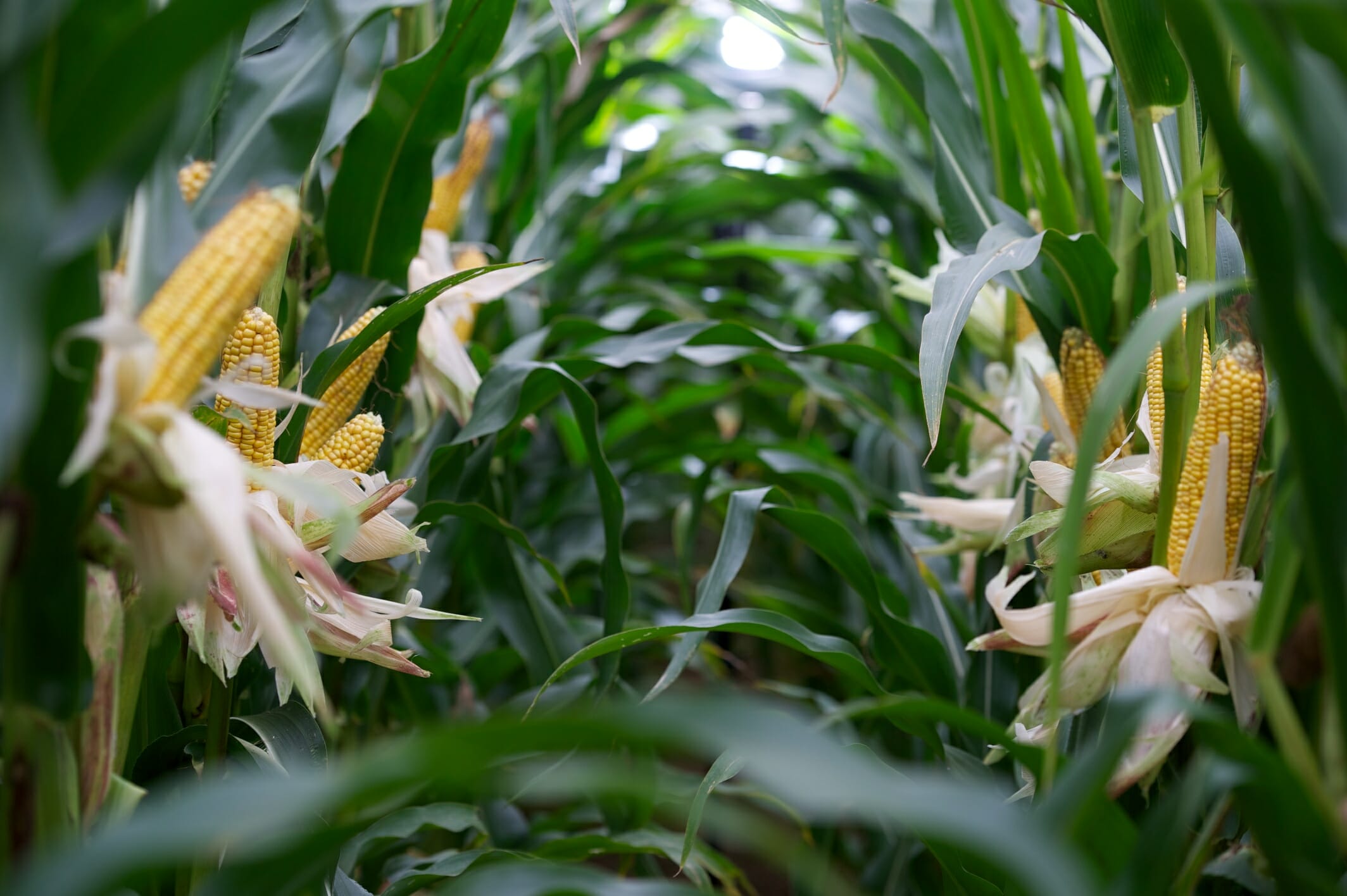
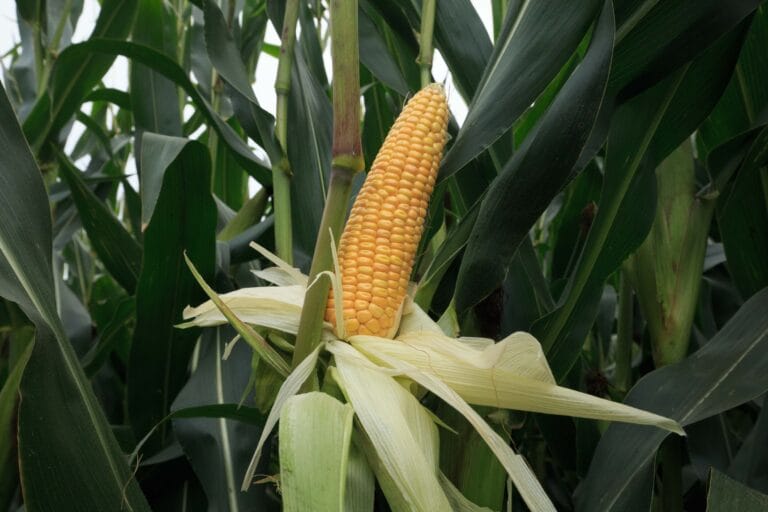
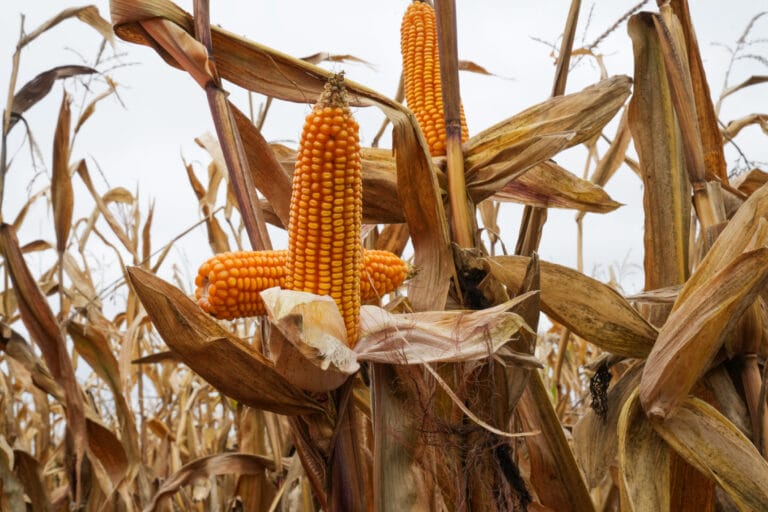










 “LG Typhoon has produced high yields in the testing environments of the west and north. This will be of interest to growers in those areas looking for security, based around a safe agronomic and disease package, and agronomic attributes desirable for the earlier drilling situation.”
 “We really like LG Astronomer’s excellent untreated yield at 86% on the AHDB Recommended List, and its disease ratings – such as 9 for the rusts and a Septoria rating of 7.4 – give flexibility in your spray windows,” says Mr Tomkins.

 “Aurelia was scored an excellent score of 2 for overall stem health, Ambassador and LG Aviron scored a very good 3, but one variety only scored a 6 despite also holding a light leaf spot rating of 7!
 “
“