






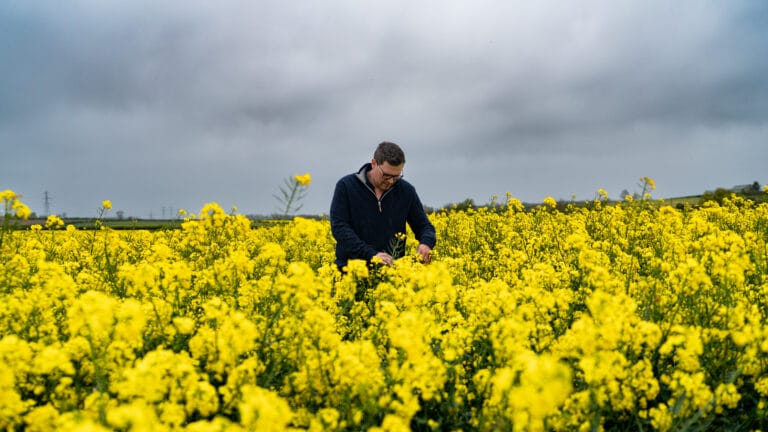




With a first oilseed rape harvest in three years safely in storage, Lincolnshire grower David Bristow is pleased with the outcome and has already committed to at least maintaining his acreage for 2026-27.
Like so many growers, he was forced to take a break from the crop following years of battling flea beetle, but has been tempted back by plant breeding developments, including greater resilience to CSFB.
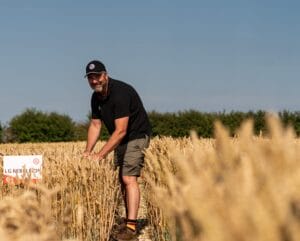
He has grown 52ha of LG Avenger, recording a finally verified yield of 4.04t/ha, with moisture content between 7 and 9%. Whilst being at the lower end of his mid-season expectations, he’s very satisfied, not least given the impact of the exceptionally hot and dry conditions leading up to harvest.
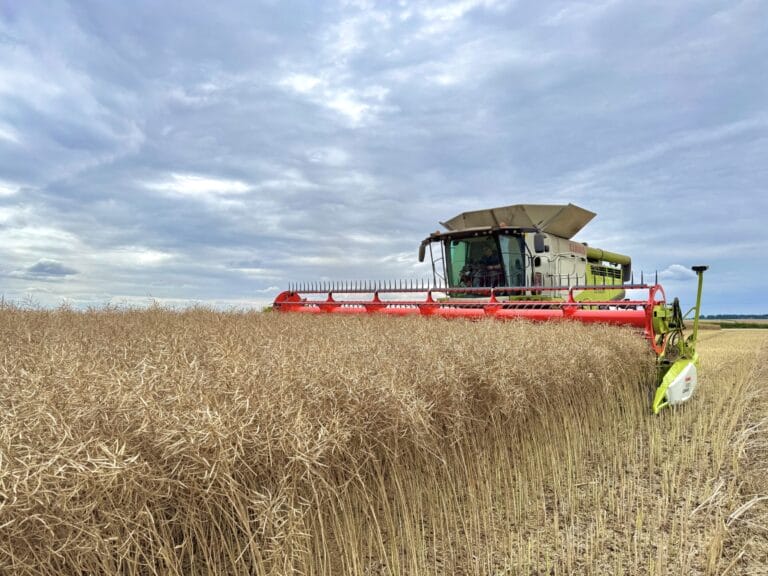
“We harvested the oilseed rape on the 10th and 11th of July, which would be a week to ten days earlier than normal for us,” he reports. “Given the rate at which the crop dried, which may have caused some issues with the desiccation, it was a relatively easy harvest.”
Farming at the 650ha Stourton Estate, on the edge of the Lincolnshire Wolds, David is pleased to have a viable oilseed rape crop back in his rotation.
Following winter barley, the crop was drilled in the last week of August. Stubbles were cultivated with a low disturbance subsoiler before drilling with the farm’s Horsch Avatar at 2.6 kg/ha, alongside a companion crop of buckwheat (5 kg/ha) and a surface dressing of 150 kg/ha of DAP fertiliser.

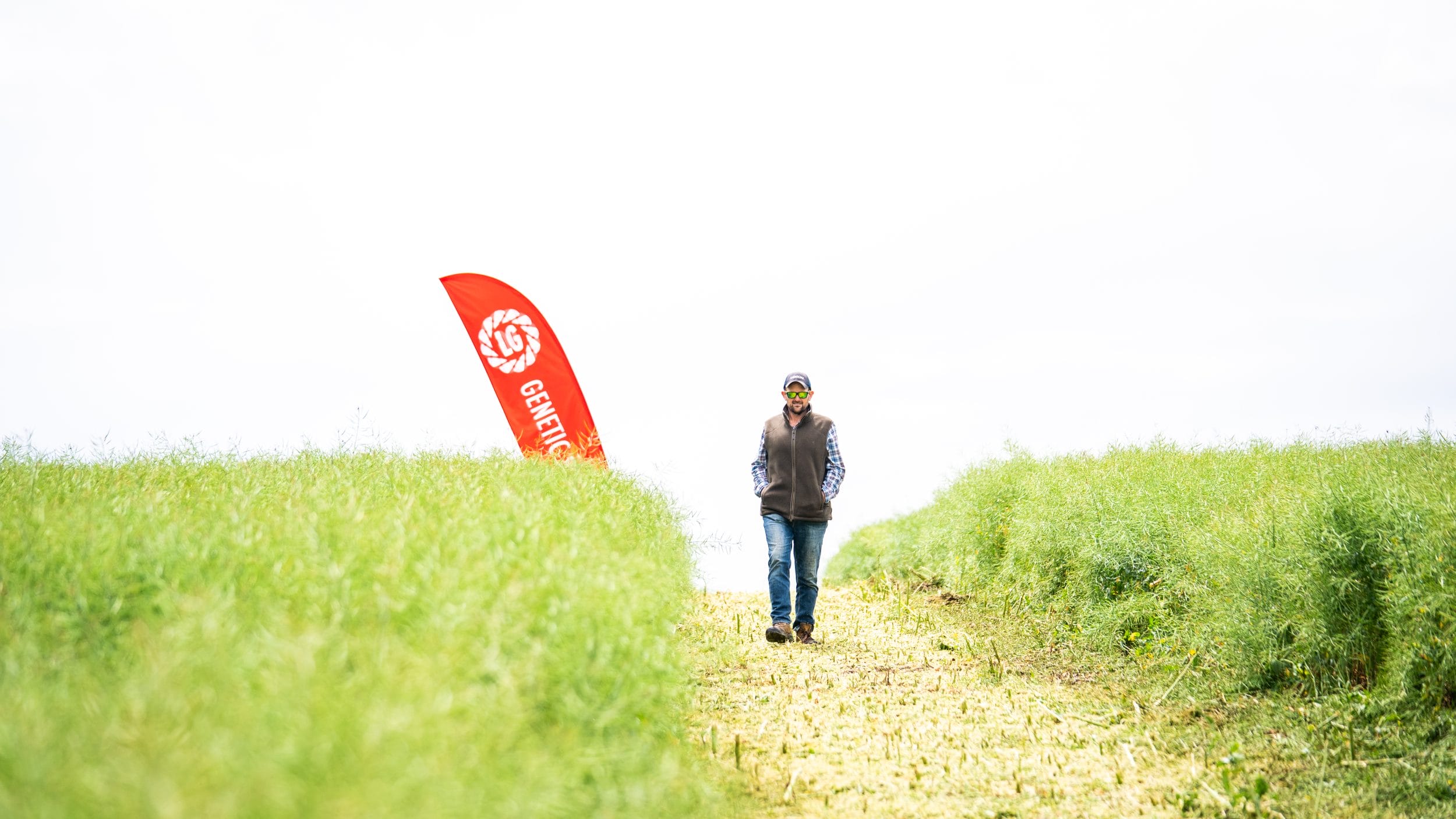
LG Avenger established quickly and evenly at Stourton Estate, helping Mr Bristow achieve a successful return to oilseed rape.
Waiting for moisture before drilling paid dividends, as the LG Avenger was up and away quickly, with the drill achieving an even seed depth and excellent establishment.
An absence of the classical ‘shot-holing’ in the autumn was noted, and – as larval assessments in the spring confirmed – CSFB pressure was generally fairly low. This was despite no insecticides being used on the farm for the past six years, with a large area now under the SFI no insecticide action (CIPM4).
Nevertheless, Mr Bristow is very aware that CSFB remains a threat to oilseed rape, so has been keen to do all he can to mitigate the risks when coming back into the crop. This includes selecting LG Avenger, for it’s CSFB resilience, alongside the other management practices.
“A number of small things around establishment have added up to make a significant difference,” he says, “as has the right nutrition to boost spring growth.”
“We only applied two fungicides in the spring, and nothing last autumn, as the combination of LG Avenger’s phoma resistance and our careful disease monitoring was enough. Crops just never reached the threshold for treatment.”
Pod shatter resistance is another trait Mr Bristow has valued, especially as the tractor and trailed sprayer used for desiccation lack the ground clearance of self-propelled machines.
“LG Avenger has been a nice variety to grow, yielding well from a relatively easy harvest,” he concludes, “so we’re happy to be growing it again next year.”
Hybrid Genetics Underpin Oilseed Rape Performance
North Yorkshire farmer Paul Rogers is reporting one of his best ever oilseed rape harvests, with his 43ha crop averaging well over 5 tonnes/ha.
He points to the continuing progress in plant breeding as a major reason why he’s kept rape in his rotation for the last twenty five years, and sticks to a management philosophy that ensures he makes the most of the genetics.
“You have to be led by the conditions, and moisture in the seedbed with relatively early drilling are amongst the most critical factors,” he says. “We grow a hybrid variety, because it has the vigour to get up and out of the ground and establish quickly, which we find is the best way to combat flea beetle.”
Mr Rogers has grown Limagrain’s hybrid LG Adapt for the last two years. High ranking for yield and oil content, and suitable for all areas, the variety also has an outstanding trait package, including pod shatter resistance, strong stem health, and resistance to Phoma and Turnip Yellows Virus.
The 2026 crop followed spring barley, with the majority going in on 3rd August and a 9ha block drilled three weeks later.

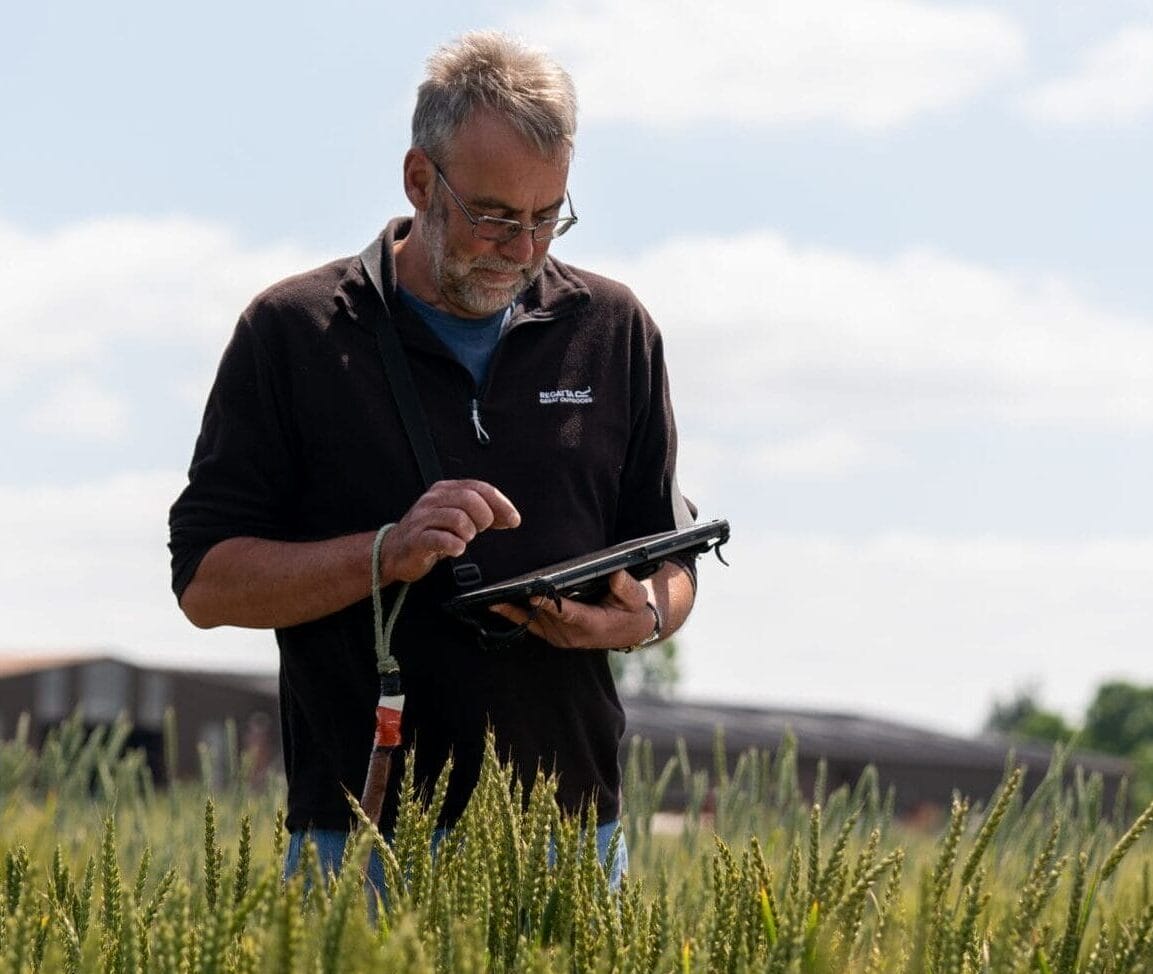
Paul has praised Limagrain’s plant breeding programme.
“We have an air seeder mounted on our Vaderstad TopDown, with a roller directly behind that helps to keep the moisture in the seedbed,” he explains. “It’s not as precise as some sowing methods, but has proven to be effective over the years.”
On land benefitting from plenty of farmyard manure in the past, the fertiliser inputs are relatively modest, with seedbed nitrogen at 75 units/ha and a 0:20:30 PK compound applied at around 115kg/ha.
“The main crop grew away really quickly, and we were concerned it might have become too big, but it sorted itself out,” recalls Mr Rogers. “The later drilled field was affected by flea beetle, so we had to spray it three times, but it came through alright.”
“By the spring we could see that the crop had real potential. We sprayed against Sclerotinia, and top-dressed with fertiliser in early March.”
Harvested on 26th July, the earlier drilled proportion yielded 5.7t/ha, around half a tonne per hectare more than the later drilled field, with moisture content for most of the crop being under 9%.
“We’re very happy overall,” concludes Mr Rogers. “We stick to a tried and trusted method, and have great faith in the plant breeding programme, which continues to offer resilient varieties.”
Oilseed Rape Top of the Crops on Northumberland Arable UnitOilseed rape is expected to be one of the outstanding performers this season across Andrew Reed’s 800 hectares of mixed arable cropping, up in the north eastern corner of Northumberland, near Berwick-upon-Tweed.
He had taken the bold move of replacing previously successful Aurelia with newly recommended LG Adapt, staying true to his commitment to continually push forward with new breeding advances.
As the rape harvest concluded on 2nd August, he was estimating a yield of close to 5.5t/ha, confident that his crop management had enabled the new hybrid to deliver fully on its genetic potential.
“We selected the variety on the basis of our agronomist’s advice and Limagrain’s trial results, with disease resistance traits as important as its yield potential,” says Mr Reed. “It has been a fantastic crop throughout, holding up to the weather conditions and delivering the kind of performance that we’d hoped for. There was a nervous period leading up to harvest, as it was a good 18 days between the desiccant going on and making the decision cut, but it looks like we were right to be patient.”

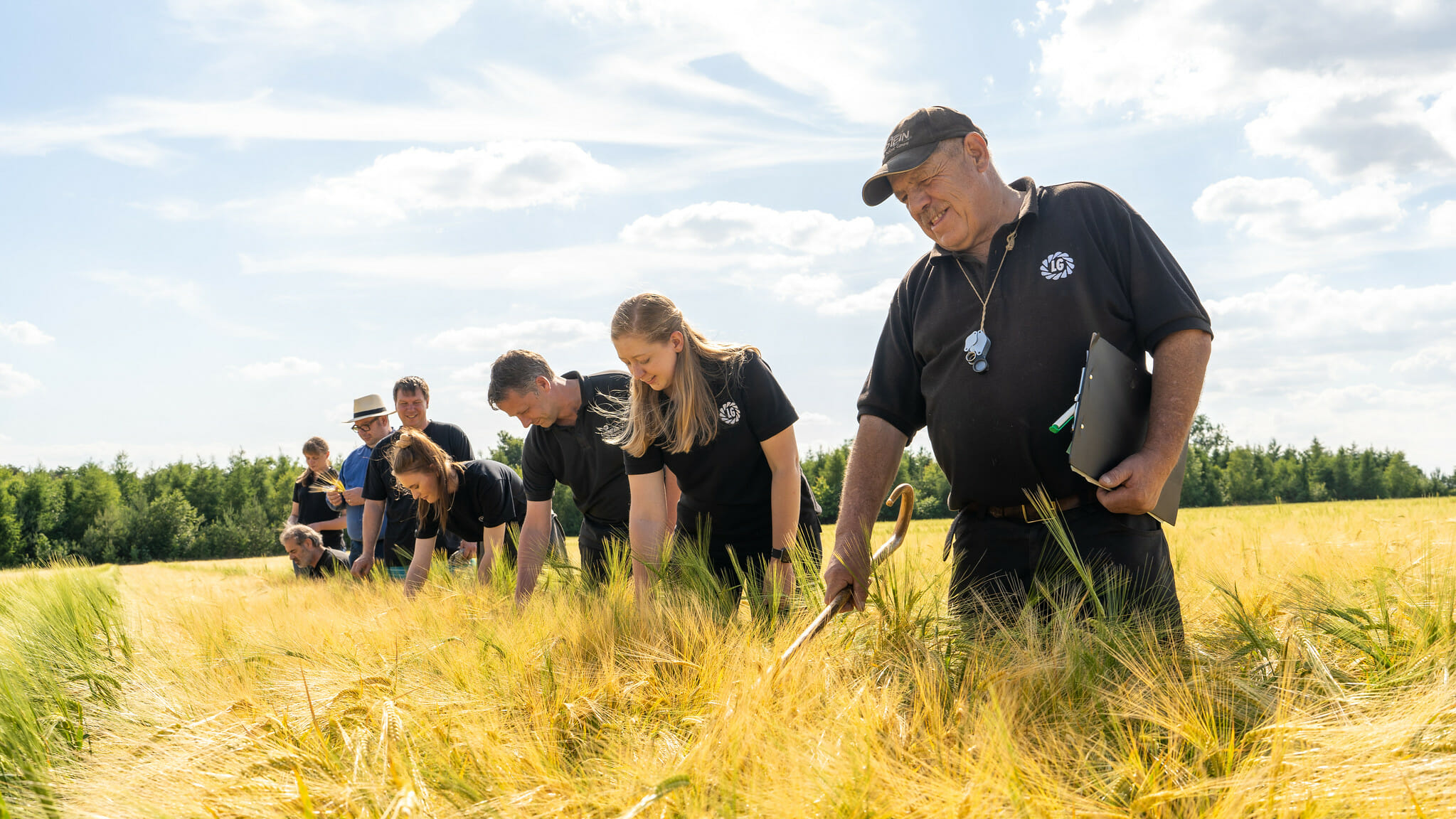
Andrew has been impressed by the consistent performance of Limagrain’s oilseed rape varieties.
Oilseed rape has long been a part of the rotation at East Anscroft Farm, typically grown one year in seven, following two wheats, two spring barleys, beans and winter barley. Seed for the 2026 crop was drilled with a seeder on the Simba SL 400, with a liquid starter fertiliser, and slug pellets applied, before firming up the seedbed with Cambridge rolls.
“This was all carried out within a tight window, between the 15th and 20th August,” adds Mr Reed, “and the crop got away well.”
In addition to some weed control and foliar micronutrients, an insecticide was applied in the autumn, but no fungicides were required. In the spring, the crop received two main fungicide applications, one with additional growth regulation and foliar micronutrients at stem extension in March, and one more at flowering in late-April. Phosphate and potash was applied at variable rates in March, and the crop had a total of 245kgN/ha in three splits.
With the farm’s trailed sprayer lacking the clearance of many self-propelled machines, and much of the land being relatively exposed to the elements, seed loss around harvest is always a concern for Mr Reed, but he’s confident the variety’s strengths have paid dividends.
“The plants were well structured, rigid and hardy, and the pod shatter resistance has been effective, so we’re very happy with the outcome. We’re certainly going again with Adapt.”
How Farmers Can Improve Grass Reseeding Success This AutumnThis summer’s dry conditions have once again highlighted the value of grass reseeding for livestock farmers looking to improve forage production and build more resilient grazing and silage swards. New grass leys are generally better able to withstand drought stress thanks to deeper rooting systems and the absence of shallow-rooting weed grasses. As weather patterns become increasingly unpredictable, investing in high-performing grass mixtures can help improve long-term productivity and forage security.
View Grass Reseeding as a Long-Term Investment
While tight forage supplies may tempt some to opt for a short-term solution using Westerwold or Italian ryegrass, reseeding should be viewed as a long-term investment. While Perennial ryegrass-based mixtures may carry a higher initial cost, they typically deliver greater persistence, improved forage quality and a stronger return on investment over their lifetime. Selecting the right seed mixture can have a significant impact on productivity, grazing performance and silage quality for years to come.
Start with Soil Fertility
Successful reseeding starts with understanding soil fertility.
Carrying out soil testing before sowing will identify any pH, phosphate or potash deficiencies that could limit establishment. A soil pH of 6.0 to 6.5, combined with adequate phosphate and potash levels is essential for seedling and a healthy root development.
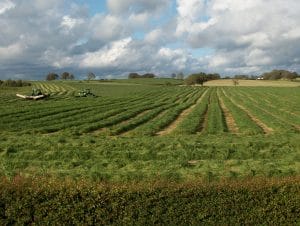
Soil testing before sowing is essential for seeding and healthy root development.
Create the Ideal Seedbed
Seedbed preparation is equally important when establishing a new grass ley.
Regardless of the cultivation method used, the aim is to create a fine, firm and level seedbed that provides excellent seed-to-soil contact. Good seedbed conditions improve germination rates, encourage even establishment and help maximise the performance of the new sward.
Choose Proven Grass Mixtures
Selecting the right grass seed mixture is vital for successful establishment and long-term productivity.
Recent poor grass seed harvests across parts of Europe have increased the importance of checking that mixtures contain recommended, proven varieties.
It is also important to choose mixtures with a proven track record in the field. While the performance of individual varieties is a key consideration, mixtures should also be trialled to ensure they deliver consistent performance when grown together.
Crucially these trials should assess not only yield and persistence, but also forage quality, providing confidence that the mixture will support both productive grass growth and livestock performance.
Mixtures containing a higher proportion of tetraploid ryegrasses often establish more rapidly due to their greater seed energy reserves. Farmers may also benefit from seed treatments such as Headstart Gold designed to promote early root development and improve establishment success.
Timing and Early Management are Key
For the best results, drill into moist soils between August and early October, depending on local conditions.
Use soil analysis results to guide fertiliser applications and support early growth. Once the new ley is established, careful first-grazing management is essential. Early, light grazing encourages tillering and helps create a dense sward that will perform for years to come.
Autumn grass reseeding offers an opportunity to improve forage quality, increase drought resilience and boost long-term sward performance. By focusing on soil fertility, seedbed preparation, proven grass mixtures and effective early management, farmers can maximise establishment success and secure a stronger return on their reseeding investment.
Click here to find out more about Limagrain grass mixtures.
LG Academic Oilseed Rape Impresses Essex Grower with 4.2t/ha Yield
Robert Mann is a business partner in R and G Mann, which farms over 450 hectares north of the river Blackwater in Essex. Operating a diverse arable rotation, the business has grown through both contract and shared locations.
Having taken a break from growing oilseed rape as part of his rotation, Robert was advised to grow LG Academic to fill a gap in his rotation. His typical rotation consists of wheat, barley, grass, and oilseed rape, with oilseed rape grown once every seven years. When Robert was searching for a variety, he needed strong agronomic traits, particularly pod shatter resistance and Turnip Yellows Virus (TuYV). LG Academic met these requirements, as part of its robust disease resistance package.
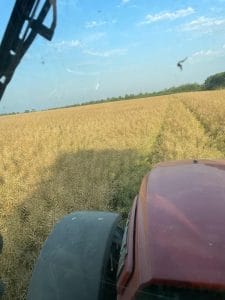
Robert has been impressed with the disease resistance and yield of LG Academic
At harvest in July, LG Academic delivered a yield of 4.2t/ha, a result that impressed Robert given the challenging weather throughout the season.
“It was certainly above what I was expecting as conditions have been horrendously dry. As the crop grew, I could see it was the real deal. I believe you can always tell the quality of a crop once you’ve combined it, and the stalks were still green after harvest.”
Following the impressive yield results this season, Robert has no hesitation growing LG Academic again.
“I will certainly grow it again next season alongside a large percentage of hybrids. I was amazed at how well it produced large healthy plants. It delivered exactly as it described; I’m quite nervous when spending money on seed due to the conditions, but we’ve more than made our money on it.”
LG Challenger Winter Wheat is Set to Become Sole Wheat Variety at Lincolnshire Farm
Winter Wheat has been a key part of the rotation at DM Sharp in Lincolnshire for several years, following root crops and providing the added benefit of helping with blackgrass. One variety in particular, LG Challenger, has delivered consistently high yields over the past two seasons despite the challenging growing conditions.
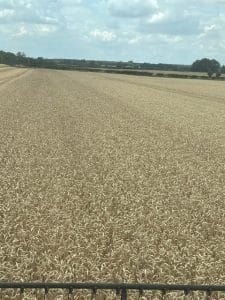
Ben has been impressed by the performance of LG Challenger
Ben Sharp farms over 800 acres of arable land, investing heavily in rented land, meaning variety choice can have a significant impact on the business’s profitability. Having been impressed with LG Challenger’s performance last season, Ben retained some seed for this year’s rotation.
Harvested in July, the crop delivered yields of 8.5-9.0t/ha, a strong return given the early Harvest date and the challenges caused by this summer’s drought. However, it wasn’t just the yield that impressed him.
“The ears were fresh and clean, compared to other varieties which looked a bit browner and had smaller ears. The grain size was good, nice and even, with excellent all-round consistency. It’s a good variety that was easy to manage and didn’t struggle with disease.”
After two years of growing LG Challenger, Ben plans to make the variety his only wheat variety next season.
“I rent a lot of land, so the crop needed to deliver to pay the rent.” says Ben. “Based on its performance last year, I was confident that it would deliver high yields when I drilled it. Due to its consistent performance, LG Challenger will make up my entire wheat area next year. It’s chalk and cheese compared with other varieties.
“My livelihood depends on growing crops that perform, and this variety has certainly paid the bills.”
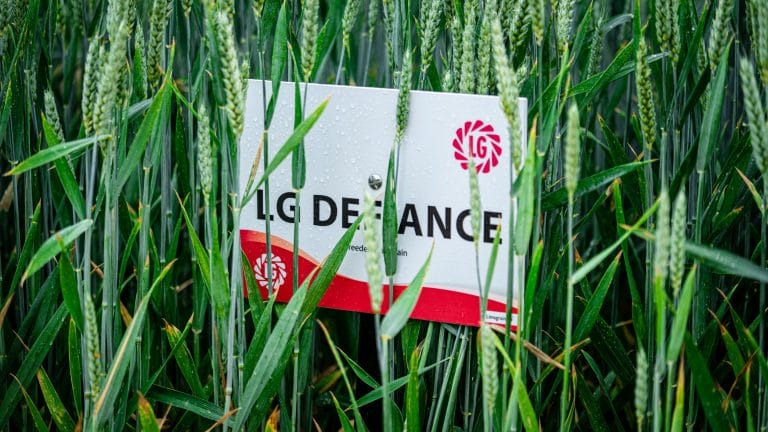
LG Defiance Winter Wheat Delivers in Challenging Lincolnshire Conditions
Winter wheat plays an important role in Jeff Bush’s rotation, providing a reliable and consistent crop. Jeff was looking for a variety that combined strong disease resistance with a high yield, and having been impressed with its performance in trials, he selected LG Defiance.
With most of the farm’s grain marketed for feed, reliable and consistent crops are vital to Jeff’s farm. LG Defiance’s strong disease package and clean appearance in trial plots were among the first characteristics that caught his attention, giving him confidence ahead of drilling.
At harvest, LG Defiance delivered yields of more than 10.25 t/ha, producing what Jeff describes as one of the best crops he has seen in recent years. However, it was not just the yield that stood out.
“The cleanliness of the crop was what first impressed me. The trial results showed very little difference between treated and untreated plots because of its yellow rust and all-round disease resistance.”
The variety has also provided an important alternative within the farm’s wheat portfolio. While Jeff usually grows two or three varieties to spread risk, LG Defiance has quickly established itself as a key part of the rotation.
“It gave us another strong option and put us in good stead,” he explains. “It stood very well throughout the season and performed exactly as we wanted it to.”
Although the farm grows a considerable area of second wheat, Jeff chose to position LG Defiance in the first wheat slot, where he felt it offered a stronger package than other varieties.
Following LG Defiance’s performance in a very difficult season, Jeff has no hesitation in growing the variety again.
BYDV Tolerance Proves its Worth in High Pressure Year“We looked at a lot of trial sites and LG Defiance stood out as a strong variety. We didn’t see a better option. It fitted well with the way we farm, and we were able to save money on more expensive chemical products because we simply didn’t need them. It was easy to manage and delivered exactly what we were looking for.”
The value of varietal tolerance to Barley Yellow Dwarf Virus (BYDV) has been clear to see in trials and on-farm this season, following impressive results from the new two-row winter barley, LG Catapult.
The variety yielded close to the conventional two-row feed varieties LG Capitol and LG Caravelle in the latest AHDB harvest results, coming in at 105% of the control varieties in provisional data published in late July. The figures also show LG Catapult to be the highest yielding variety in fungicide-untreated trials at 116%.
“Although more results are still to come in, it’s clear that LG Catapult has done really well, in what has been another challenging season,” Limagrain Field Seeds arable technical manager, Ron Granger, says.
The variety’s BYDV tolerance is likely to be a significant contributory factor behind the strong performance, as the mild, wet winter of 2025/26 led to increased aphid activity, with more reports of BYDV in wheat and barley crops around the country this spring, he says.
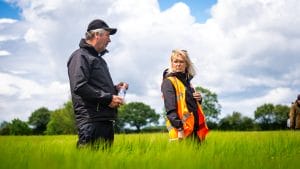
Ron Granger says BYDV tolerance proved its value this season, helping LG Catapult maintain strong yield performance under high virus pressure.
“Issues were thought to be quite regionalised, with the southeast and west generally being the main high-pressure areas, but seeing these results, one can conclude that the pressure was higher than we thought, and possibly went unrecognised in the majority of crops grown across the UK.
“I think people underestimate the impact that BYDV can have, as you only need a small amount of virus to pull yields down,” he adds. “When you have a high pressure year for BYDV, such as 2026, the value of tolerance in a variety like LG Catapult really comes to the fore.”
Standing out from the crowd
Indeed, LG Catapult’s BYDV tolerance has been a key reason for growing the variety for Lincolnshire farmer Ben Bateman, of the 2,400 ha (6,000-acre) B Bush & Sons Ltd, near Boston.
The farm grew 130 ha of LG Catapult this season, 25 ha for seed and the remainder as a commercial crop, with pleasing results. “We tried a small area last year and could see the variety stood out as having something special,” he says.
“This year, the main block of 92 ha was near Lincoln, where we noticed that most of the other barley crops grown nearby seemed to have BYDV in the spring, whereas the LG Catapult didn’t appear to have any. That was despite no insecticides being used across any of that area, as we’re in the SFI no insecticide option.
“In this region, we used to get cold, dry winters that would kill aphids off, but that doesn’t seem to happen anymore, with mild and wet conditions increasingly becoming the norm,” he continues. “That means aphids – and the associated virus risk – are becoming a bigger threat, so if we can grow a variety that has tolerance, with no yield penalty, it’s a no-brainer. It’s another tool we can use to help de-risk the business, while reducing our environmental impact.”

Lincolnshire farmer Ben Bateman has seen first-hand the benefits of BYDV-tolerant winter barley on farm.
The farm’s main commercial crop was sown at the end of September/ first week in October, as a second cereal after wheat on average Grade 3 land, and yielded 8.6 t/ha (3.5 t/acre) this harvest, with a good grain sample. That was a decent result for that land given the lack of rainfall, Mr Bateman says.
“If we’d have grown a second wheat there instead, it would have probably died off prematurely and not produced a very high specific weight given the conditions. But, because winter barley is naturally that bit earlier maturing, it didn’t seem to be as badly affected by the lack of rain.
“With spring barley becoming more risky in dry springs, it makes sense for us to go for a high-yielding winter barley instead, especially if there’s a local demand for it nearby, as we have here.”
The farm also grew a small area (14 ha) of RL Candidate BYDV-tolerant variety, LG Caprice, which Mr Bateman was similarly impressed with after yields nudged 10 t/ha (more than 4 t/acre).
Given the performance of BYDV tolerant varieties on the farm this year, Mr Bateman sees the value of this genetic trait and plans to continue growing BYDV tolerant varieties next season.
Mr Granger says LG Catapult’s performance is proof that BYDV tolerance can be introduced into new two-row varieties, with no yield penalty, which combined with good agronomics, strong all-round disease resistance, and a good specific weight, makes it a solid option for growers this coming autumn.
He suggests BYDV tolerance could soon become a standard feature of all UK winter barley varieties, as it is in France, where it is fully endorsed as a valuable genetic tool for securing final yield potential on-farm.
“For BYDV tolerant varieties to be successful, they have to be commercially viable and competitive with the leading two and six row varieties presently in the market; LG Catapult does that, and has the right attributes to make real inroads into the winter barley sector.”
-
LG Catapult
– New 2-row winter barley
– Combines BYDV tolerance with high yield potential
– One of the highest untreated yields on the Recommended List (90%)
– Strong all-round disease resistance (especially brown rust and mildew)
– Good specific weight (70.7 kg/hl) and straw strength
– Consistent performance, even in seasons without BYDV
– Relatively early maturity (similar to LG Caravelle)
– Suits a range of soil types, but prefers heavier soils
The hard Group 4 variety, LG Beowulf, has been a stand-out performer of harvest 2026 so far at Dennington Hall Farms, a 1,600 ha regenerative farming business in East Suffolk.
Despite the exceptionally hot, dry spring and summer, the 100 ha block of LG Beowulf, all grown as a second wheat, averaged 9.5 t/ha, with some areas achieving nearer 10.5 t/ha over the weighbridge, according to farm manager, Ryan McCormack. Specific weight was also very good, at 80-82 kg/hl.
“It looked well through the season, but we were never expecting to get record-breaking yields given the weather. The high temperatures we saw during flowering (33-35 C) had a massive impact, as did the drought, which made many crops drop a few tillers.
“So to have 100 ha of LG Beowulf average 9.5 t/ha and some areas do a tonne more than that, it is definitely a variety that has stood out for us this year.”
Limagrain’s arable technical manager, Ron Granger, says LG Beowulf has consistently demonstrated good performance over multiple seasons and variable growing conditions, retaining both yield and specific weight, even when the weather is more challenging.
“The big, bold grain can add weight to a crop which is especially important with the changeable seasons we’ve been experiencing,” he notes.
“LG Beowulf combines most of the desirable traits that farmers are looking for in a hard feed wheat, including high yield potential, stiff straw, good septoria resistance, excellent grain quality and OWBM resistance.”
Ron Granger highlights the consistent performance and grower appeal of LG Beowulf.
A key strength is its flexibility to perform across all UK regions and soil types, from light to heavy land, sowing timings (early, normal, or late), and rotational positions – it is equally suited to first, second or continuous wheat situations, he says.
While LG Beowulf, like many commercial varieties, is now susceptible to the newer yellow rust strain Yr15, careful monitoring and timely fungicide use will allow it to continue to perform at its best, he adds.
This season, Mr McCormack says his fungicide and fertiliser spend has been lower across the board, largely due to the dry weather, which allowed him to use more cost-effective chemistry to manage yellow rust risk at T0 and T1, and make further savings on later treatments.
“Altogether we spent around £94/ha on fungicides across the wheats,” he says. “In terms of fertiliser, most received around 170 kg N/ha in total, front-loaded towards the beginning of the season in anticipation of conditions turning dry, with 40 kg N/ha applied towards the end of May.”
Overall, with harvest around half-way through at the time of writing, the farm’s average yield across all winter wheats is 8.6 t/ha, which is around 10% down on normal due to the weather, Mr McCormack says.
“However, with a relatively low spend on inputs, if we can achieve somewhere closer to a 9 t/ha average across the 700 ha of wheat, I’ll be very pleased.”
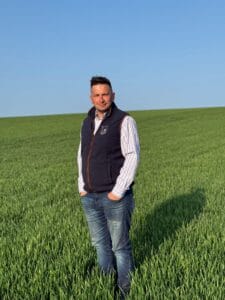
Ryan McCormack has been impressed with the performance of LG Varieties throughout Harvest 2026.
This coming autumn, Mr McCormack plans to grow LG Beowulf again, alongside LG Rebellion, LG Defiance, and LG Lotus.
“It’s the first year we’ve grown LG Lotus, and we only had a small 10 ha area, which was part of the Defra-funded ADOPT trial, Roots of Change (ROC), but it averaged 10.23 t/ha, which I was again very pleased with.”
Likewise, his Crusoe, also part of the ADOPT trial, performed well too, coming in above the farm’s average at 9.5 t/ha.
Elsewhere, Mr McCormack is pleased with how his LG Defiance and LG Rebellion have performed in the farm’s low-input regenerative system, which involved direct drilling both varieties into a summer catch crop, and tailoring nitrogen and other inputs based on crop sampling through the season.
The LG Defiance averaged just above the farm’s overall average, while LG Rebellion was slightly below, however given the reduced inputs on these crops, their gross margin came in at a healthy £1,250/ha.
Find out more about LG varieties for the coming autumn at https://lgseeds.co.uk/.
The Essential Guide to Forage CropsDownload your 2026 Essential Guide to Forage Crops
Packed with practical advice on crop rotations, forage crop selection, feeding guidelines, fertiliser recommendations, precision drill settings, and much more.

If you’re looking to reduce feeding costs, extend the grazing season or introduce forage crops into your rotation, this guide provides everything you need to get started. From high-yielding harvested crops such as fodder beet to grazed options like stubble turnips, it covers the key benefits, management considerations and feeding opportunities for every crop.
Whether you’re a lamb, beef or dairy producer, this guide provies you with in-depth information to help you choose the right forage crops for your farm.
Discover the benefits of forage crops and download your free copy of the LG Essential Guide to Forage Crops today.
Re-gen farm demo helps growers pick the right varietyA farm in Suffolk recently opened its doors to growers from across East Anglia to show how varieties perform in real-world situations and help inform decisions about what to grow next season.
The 1,600 ha Dennington Hall Farms is one of Limagrain UK’s demonstration farms, that is trialling a range of new and existing cereal and oilseed varieties across a range of scenarios within a productive, commercial, regenerative farming setting.
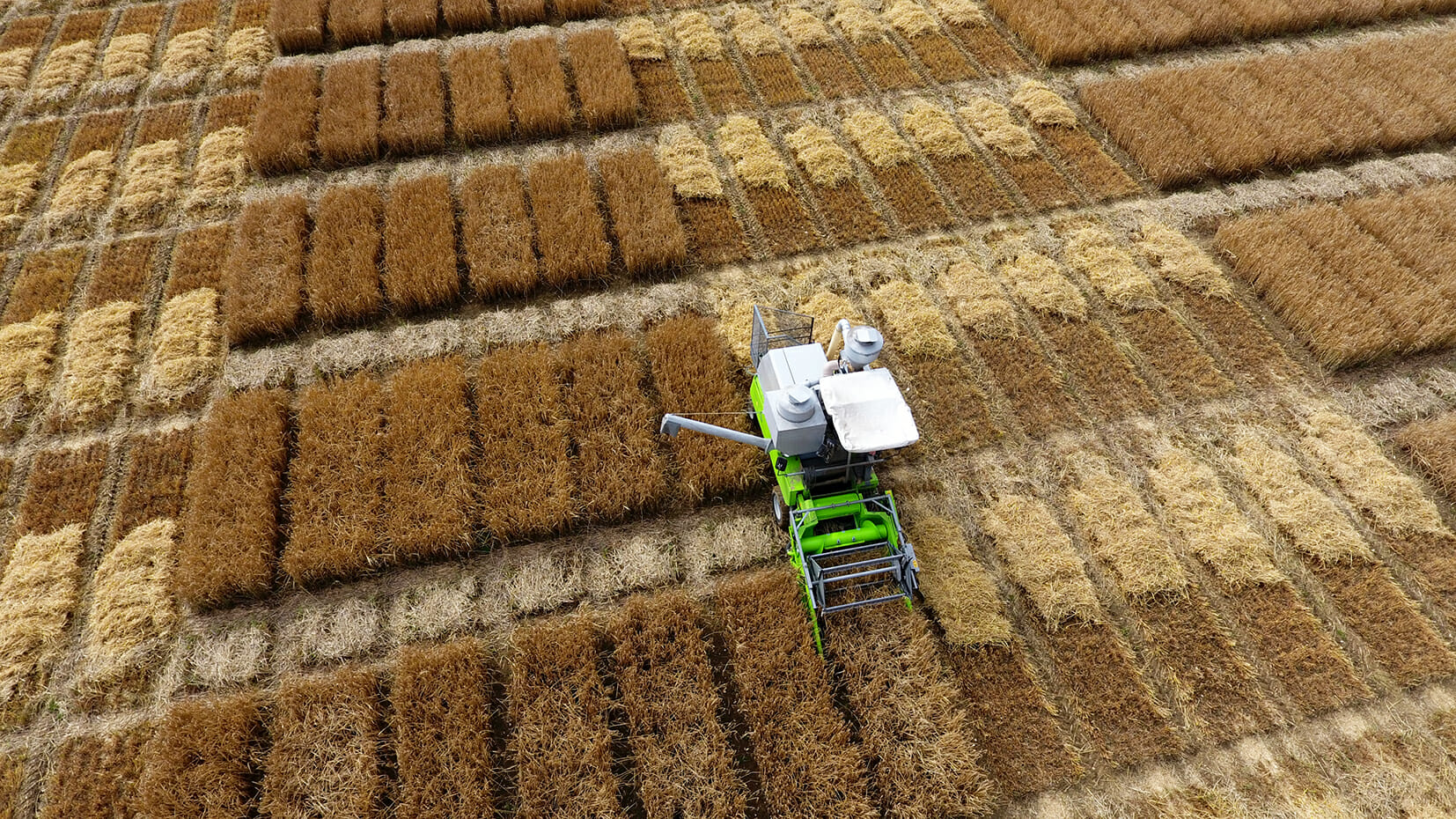
Trials this year include a field-scale comparison of 13 LG winter wheat varieties across three different establishment techniques, plus the latest spring barley and oilseed rape varieties, and other trials examining how cover crops impact nutrient use efficiency in following cereals.
“When making varietal decisions, it is always useful to visit farms to see how varieties perform in different situations, soil types, rotational positions, cultivation techniques, and input regimes,” farm manager, Ryan McCormack said.
“With the LG demo farm, we’ve done exactly this, so that we, and other farmers, can see how crops are performing and make our own informed decisions, rather than relying on a manicured Recommended List. It’s all about picking the right variety for the right place.
“It’s also about understanding how resilient varieties are to our changing climate and disease pressures, as well as how much they might cost us to grow.”
Winter wheat focus
While Dennington Hall Farms has a diverse 12-year rotation, winter wheat remains the cornerstone, and is a key part of the LG trials, which include new varieties such as LG Defiance and LG Challenger, RL candidates, and established names, such as Crusoe.
All 13 varieties in this year’s trial have been established across three different cultivation systems within the same field, including direct drilling, minimum tillage, and plough-based approaches.

Limagrain Cereal crops on trial at Dennington Hall Farms
Anecdotal evidence from earlier this season suggested that establishment of all varieties was generally not as good in the plough-based system, possibly because soil had dried out more with the extra disturbance last autumn, Mr McCormack said. However, numbers of volunteers appeared to be lower where ground was ploughed.
By June, there was little observable difference between cultivation techniques, but all plots will be taken to harvest to see if there are any notable differences in yield.
Tackling yellow rust
Given the changes to Yr15 resistance over the past year, yellow rust has moved up the agenda for many growers when choosing varieties, yet Mr McCormack showed it was possible to stay on top of the disease with a relatively low input approach, provided growers got in early to prevent rust getting established.
For him, that meant using tebuconazole at T0, followed by cost-effective fungicides at T1, T2 and T3 where necessary.
Limagrain’s arable technical manager, Ron Granger, agreed that early rust control was vital, especially where juvenile plant resistance is not available in a variety. However, he pointed out that some varieties had held off yellow rust better later in the season once adult resistance kicked in post growth stage 37.
“The speed of early rust development in different varieties is something that should be looked at more closely by the industry, as it is evident this season that some varieties surprised us on how late rust developed in them compared with previous years. We still have a lot to learn, and our pathologist is certainly being kept busy this season.”
Ron Granger and Heather Oldfield discussing yellow rust resistance at the Limagrain demo farm day at Dennington Hall Farms
Mr Granger urged growers not to discount any variety just because of revisions to its yellow rust rating, especially when other favourable characteristics remained unchanged. “Take LG Typhoon, for example, yes you have to watch yellow rust more closely given the Yr15 changes, but it’s still got fantastic Septoria resistance, has the agronomics to suit wider-row direct drilling situations, and is still a true early drilling variety.”
Spring barley opportunities
Several spring barley varieties were being demonstrated at Dennington Hall Farms, both with and without a preceding cover crop. Varieties included LG Diablo, LG Aquarius, LG Mermaid, and RL dual use candidate, LG Dynamo.
“We’re quite excited about LG Dynamo,” Mr Granger said. “It raises the bar for yield in a dual use variety, and has good disease resistance and specific weight. It’s performing well in England and Scotland, so we’re working closely with end users.”
Likewise, there was strong interest in LG Aquarius, which as a ‘high DP’ (diastatic power) and higher nitrogen (1.75-2%) variety, was ideally suited to distilling for the blended whisky market, according to Gary Mills, seed manager at Scotgrain Agriculture, and Bairds Malt grain coordinator.
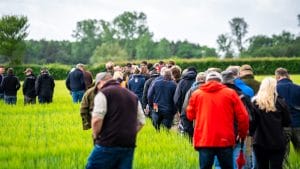
Growers enjoying the crop trials tour at the Limagrain demonstration day
“It’s consistently been our top-performing variety in micromalting tests over the past three years,” he said.
“In the past, high DP varieties have often been 10% off the best varieties in terms of yield, which can make some growers more reluctant to grow them, even with a large premium. But LG Aquarius narrows that gap considerably, and still commands a premium.”
Mr Mills said the blended whisky market had not been as badly affected by the recent economic downturn as other distilling sectors, with demand actually increasing. “So, we hope LG Aquarius will be there to help fill a gap in the market.”
Other areas of interest at Dennington Hall Farm:
Oilseed rape – Six LG oilseed rape varieties are being trialed this year, including LG Avenger – the only variety with cabbage stem flea beetle resilience on the AHDB RL, and current holder of the world record yield – LG Adapt, LG Armada, LG Adeline, Magelan and LG Academic.
Wildfarmed wheat five-way blend, including Crusoe and other Group 1 and 2 varieties – 50 ha is in the ground this year to learn how to manage crops under the Wildfarmed criteria, which include the need for a summer catch crop, no insecticides or fungicides, and limits to the amount of fertiliser that can be applied at any one time. “If we can achieve our budget yield of 7 t/ha, the crop could deliver a margin of £1,650/ha. I’d consider increasing the area, but we need to learn how to manage these crops before doing so,” Mr McCormack said.

Oilseed rape varieties on trial at Dennington Hall Farms
Commenting on the work at the LG demo farm, Limagrain’s cereal product manager, Heather Oldfield said: “As breeders, it’s important for us to understand how our varieties perform at scale, so that information can be fed back into the breeding programme to help us make improvements going forward.
“We often do that with the supply chain, such as maltsters or millers, where we get a lot of feedback that helps us develop varieties to supply those markets to the best of our ability. What we don’t always get is the really detailed information back from farms, such as why a variety performs better in certain situations.
“With farm profitability where it is, it’s our job to consider the full picture and see where we can lend a hand to growers by developing varieties that are fit for the future.”
Sustainable nitrogen use
Dennington Hall Farms is one of two farms taking part in the Defra-funded ADOPT trial, Roots of Change (ROC), looking at whether cover crops can help reduce reliance on artificial fertiliser in cereals destined for premium markets, namely Crusoe and LG Lotus winter wheat, plus LG Aquarius and LG Diablo spring malting barley.
Both the wheat and barley fields have been split into four areas, to compare how each variety performs under two cultivation approaches (low disturbance subsoiler or ploughing), with and without a catch/cover crop and bi-cropping with beans.
“We want to better understand the amount and timing of when nitrogen and other nutrients are released by these cover and companion crops,” said NIAB’s project lead, Lydia Smith. “We know there is more immediate mineralisation of nitrogen after ploughing, but generally, there is a better outcome financially from reduced tillage, which is also better for soil health.”
Mr McCormack noted that wheat grown with a bean bi-crop after a summer catch crop generally looked less stressed than the area with no catch/bi-crop during the dry conditions this spring, possibly due to some benefit from extra nitrogen being released once the beans were terminated.
In the spring barley trial, soil assessments also showed improved soil structure and higher worm counts in the cover cropped area compared with no cover crop, Dr Smith noted.
Again, both trials would be taken to harvest, with results published at the end of the project.
-
Farm Facts: Dennington Hall Farms, East Suffolk
– Family-run 1,600 ha heavy land farm
– Recently transitioned to a regenerative arable system across 1,200 ha
– Mainly owned – 100 ha arable on FBT and 200 ha contract farming agreement
– Commitment to sustainability and stewardship – focus on building soil health
– 12-year rotation in 12 blocks of 100ha
– Cropping includes winter wheat (mainly Group 4s for local feed markets), winter and spring barley (for malting), oilseed rape, spring oats, wheat blend trial, Wildfarmed spring wheat blend, beans, mustard, vining peas, sugar beet, cover and catch crops (grazed by a flying flock of sheep brought in over winter)
– 60 Red Poll suckler cattle
New evidence highlights how rumen performance, not just yield, is the key metric for dairy maize selection.
As dairy producers face mounting pressure to reduce input costs and improve environmental performance, it is key to reassess how maize silage is evaluated — shifting the focus from field output to rumen efficiency, with fibre digestibility emerging as the critical performance driver.
The message comes from Benoît Delord, animal nutrition product manager at Limagrain Field Seeds France, who argues that traditional measures of maize value — tonnes per hectare, starch percentage, or dry matter yield — are no longer sufficient benchmarks for a sector under pressure to do more with less.
“The first effect of fibre digestibility is on dry matter intake,” says Benoît. “The second is that you improve the energy content of each kilogramme of silage. So you have a double effect.”
A Dual Mechanism for Performance Gains
At the heart of the case for fibre digestibility is its impact on two interconnected processes in the rumen. Improved neutral detergent fibre digestibility (NDFD) reduces rumen fill constraints, enabling cows to consume greater quantities of forage dry matter. Simultaneously, it increases the extent of fibre degradation, driving higher production of volatile fatty acids — particularly acetate and propionate — which are the primary energy source for the dairy cow.
Research indicates that a 1% improvement in NDFD is associated with an increase in dry matter intake of approximately 0.15–0.25 kg per cow per day, alongside measurable gains in milk yield. Across high-yielding herds, these incremental improvements compound rapidly.
Where NDFD values move from 55% to 65%, the energy contribution from the fibre fraction can be equivalent to several kilogrammes of additional concentrate on an energy basis — a significant commercial consideration given current input costs.
Reducing Reliance on Purchased Feed
One of the most immediate practical implications of improved maize quality is its effect on concentrate use. Higher-quality forage allows producers to increase the forage proportion of the ration and reduce purchased concentrate inclusion — a shift that directly improves the economics of milk production.
“In reality, you don’t reduce feed — you change the balance,” says Benoît. “You increase the forage part and decrease the concentrate part.”
In practice, improvements in forage quality can reduce concentrate requirements by 1–3 kg per cow per day, depending on system intensity and baseline forage performance. In grass silage-based systems — where starch levels are typically below 5% — the substitution of high-quality maize silage containing 30–35% starch alongside digestible fibre can substantially reduce the need for bought-in energy. The result is both a reduction in feed costs and greater control over ration consistency.
Improving Feed Conversion and Reducing Methane
The efficiency gains extend beyond intake and energy supply. Improved fibre digestibility has a direct effect on the conversion of consumed nutrients into milk, reducing losses through methane production — which typically accounts for 6–10% of gross energy intake in ruminants.

Benoît Delord, Animal Nutrition Product Manager at Limagrain Field Seeds France
“Methane is a loss for the animal,” explains Benoît. “It’s carbon that is not used, but when you improve digestibility, you reduce this loss.”
From a biochemical perspective, improved fibre degradation shifts rumen fermentation towards propionate production at the expense of methane. European research indicates that improvements in forage digestibility can reduce methane intensity — measured as grams of methane per litre of milk — by up to 5–10%, depending on ration structure and baseline efficiency. Combined with higher milk output, the per-litre emissions benefit is amplified further.
Rumen Stability at Higher Inclusion Rates
As maize inclusion in dairy rations increases — often reaching 40–50% of forage dry matter in high-performing herds — the risk of sub-acute ruminal acidosis rises, particularly where total dietary starch exceeds 25–28% of dry matter. Improving the digestibility of the fibre fraction allows maize to contribute more to total energy supply without further increasing starch load, supporting rumen pH stability and cud chewing activity.
“It’s about producing more milk per cow, but under safe conditions,” says Benoît. “You need rumen comfort.”
The LGAN Response
These shifting priorities are reflected in Limagrain’s LGAN classification — a selection framework for maize hybrids evaluated specifically on feeding value, with fibre digestibility and overall energy availability as core criteria. LGAN varieties are assessed across eight parameters using a robust dataset combining official BSPB/NIAB trial data with five years of Limagrain data from 12 sites across the UK.
Across multiple European datasets, LGAN varieties have delivered improvements of 0.4–3 kg of milk per cow per day compared with standard comparators, frequently alongside reductions in concentrate use.
“First, you produce more biomass in the field. Then you improve the efficiency of converting that into milk,” says Benoît. “Fibre digestibility is key for that.”
Limagrain advises that variety selection should consider feed quality characteristics — particularly NDFD — alongside agronomic performance, and that ration formulation should reflect the full energy contribution of silage where forage quality allows.