Growing fodder beet to overwinter stock has allowed one Cheshire-based business to expand cow numbers without significant investment in additional buildings and housing facilities – and without compromising the health and nutritional status of the New Zealand style spring block calving herd.
New Zealand style system
Ed and Penny Friend run their 360 New Zealand Friesian cross Jersey milkers, plus 170 followers, on 200-hectare Bridgemere Farm, near Nantwich. This spring calving herd averages 5,300 litres of milk, at an impressive 4.97% butterfat and 3.83% protein. Milk is sold to Arla.
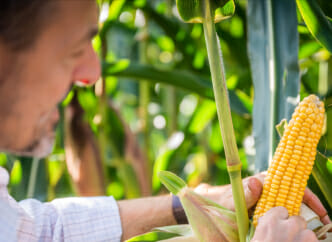
Once calved, cows and heifers go out to graze, producing most of their milk from grass. But once dried off, a process that begins in November for the earliest calvers, cows and heifers strip graze fodder beet.
The fodder beet suits Ed’s system – he’s grown the crop to overwinter dry cows and heifers for the past 10 years. “We introduced it when we switched to the New Zealand style system and began increasing cow numbers,” he explains.
“First it was about overwintering cattle outdoors, because we simply didn’t have the facilities to house them. But, once we got a few years in, we could see that they actually do better for being outside and grazing fodder beet.
“We don’t see lameness issues on the beet and body condition is good when the cows calve. The exercise seems to keep them fit and the thick, winter coats they develop are perfect for grazing in February. We’re really pleased with how it’s working and, even if we had the housing facilities, we’d still choose to overwinter our dry cows on fodder beet.”
Success with fodder beet
Success with fodder beet, as with any fodder crop, does take a certain mindset and some organisation, according to his agronomist Agrii’s Ross Dilks.
“But the returns are well worth the effort and I believe that more producers could reap the rewards of growing fodder crops to outwinter livestock – be that heifers or dry cows,” says Ross.
Timeliness when growing these crops is vital. “The work windows can be small, particularly when it comes to spraying with a herbicide. But a quick call to a contractor can sort that.”
Ed, who is also a fully qualified vet, says that is exactly what he does. He lets Ross keep an eye on the crop and literally ‘does as he’s told’. “If Ross calls and says that the crop needs to be sprayed in the next seven days, I get straight on the phone to the contractor,” he laughs.
Joking aside, he knows that if he follows this growing advice he’ll have a high-yielding, weed-free crop come late autumn. This will see his herd successfully through the winter and up until the point of calving.
Robbos fodder beet recommended
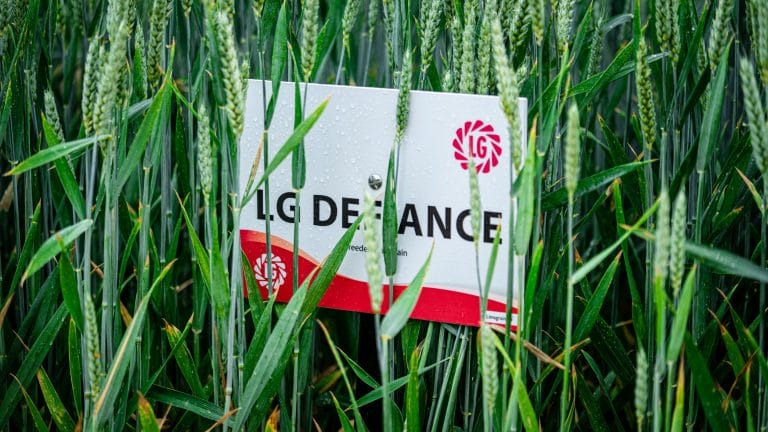
He’s grown Limagrain’s fodder beet variety Robbos for the past two years, admittedly on the recommendation of Ross, but he’s been pleased with the results.
“It suits our land, our system, and our cows. It’s not too deep rooted and has plenty of leafy top. It sits at just the right depth and the yields are good.”
Ed finds that the heifers will take the tops off first before investigating the roots, while the cows go straight for the bulbs and don’t waste anything.
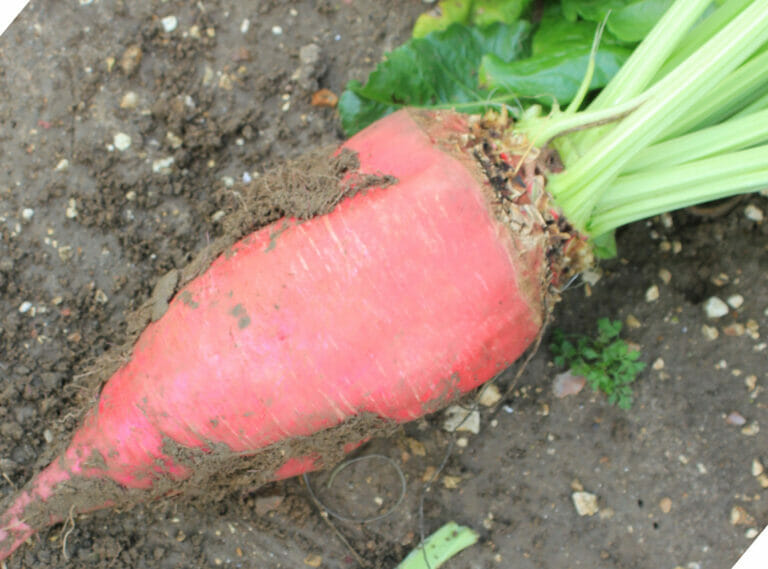
Choice of variety is important and needs to suit the system and land type. “Robbos is particularly popular with producers because the crown and root sit above the ground,” adds Ross. “First-time fodder beet growers like it as it’s a reliable and consistent performer and offers high dry matter yields.
“It also offers some flexibility as the root, which is yellow, comes out of the ground very clean compared to some other varieties. It’s easy to harvest and can be stored and fed to housed stock, either whole or chopped. These are all considerations,” he adds.
Ed matches the area of fodder beet grown to his herd’s requirements. He’s now growing 12 hectares a year with two crops in succession, before a grass reseed. Fodder beet also offers a break in the rotation and, because it’s grazed, it also returns some organic matter and nutrients back to the soil.
Pre-drilling
Prior to drilling, he follows the plough with a dressing of chicken manure, from a neighbouring poultry unit. He also applies 400kg/ha of salt: “So the crop thinks it’s growing by the sea. It thrives in salty conditions,” he explains.
Ed also limes the soil before sowing, because the fodder beet prefers it slightly more alkaline than grass – pH 7 compared to pH 6.2.
“So there is a quite a bit of field work, but we know what works for us now and the benefits are well worth the extra time and effort.
Benefits worth the effort
“We’re not mucking out sheds or carting FYM come the spring. And there are no additional costs for housing, such as straw and labour for feeding and bedding up livestock. The benefits of outwintering on a home-grown forage crop can soon stack up, particularly if building space is at a premium.”
That said, Ed says that it is an investment and does require management. “It’s not an easy or cheap option and it has to be done well. That’s everything from drilling and growing the crop, through to measuring yield prior to grazing and then monitoring the crop and cow numbers to make sure it’s grazed efficiently.”
He goes out in September and estimates the yield, so he can put big baled grass silage out in the fields, before conditions get too wet for the loader. “We balance the fodder beet with silage throughout the winter and we have to get this right in the autumn as there’s no way we can get out there with additional bales come November.
“We keep a close eye on the fodder beet from late summer and into autumn to see how it’s growing and maturing and weigh the crop in each individual field to estimate cow numbers required. We’re looking for around 18 tonnes of dry matter per hectare, but typically achieve more,” says Ed.
“The first group on the beet, in early November, is made up of the thinner February calvers plus all the in-calf heifers. Next are the earlier February calvers and the thin March calvers. And finally, at Christmas, we dry off the rest.
“But this is a flexible arrangement and we’ll move cows between groups, or dry more off if required, to keep up with the crop. The crop and the silage bales on offer are fixed but cow numbers can be more flexible.”
In January the cows that are due to calve first move to the beet field closest to the dairy and come in every day, via the parlour, to eat clamp silage instead of bales. “They can then be drafted into the calving yard as they bag up.”
He introduces the cows and heifers to fodder beet gradually, offering a smaller area and slightly more grass silage in early winter. “You have to give the rumen time to adjust to the fodder beet. The bugs are geared up for digesting grass and we have to watch the cows don’t eat too much beet when they’re first turned onto it. But the rumen bugs quickly adapt.” To avoid a drastic change to the ration after calving, Ed even adds a little bought-in beet to the transition ration in early lactation.
Enough to go around
He says that in the decade he’s been growing it, he’s never had a serious shortage. “Even if we have a slow start in the spring or drought in the summer, like the one we had in 2018, the crop quickly catches up after some rain and we’ve always had a good crop ready to grazed come early winter. And that’s essential and reassuring when you’re running a system like ours. We have a lot of dry cows to overwinter and we know that we can rely on fodder beet.”
There’s usually plenty of fodder beet – sometimes slightly too much in a good year. “But we’ve never run short and the milking cows can always ‘clean up’ – nothing goes to waste.”
He stresses that it’s all about monitoring and planning. Ten years of experience and help from other beet enthusiasts has made us better at it.”
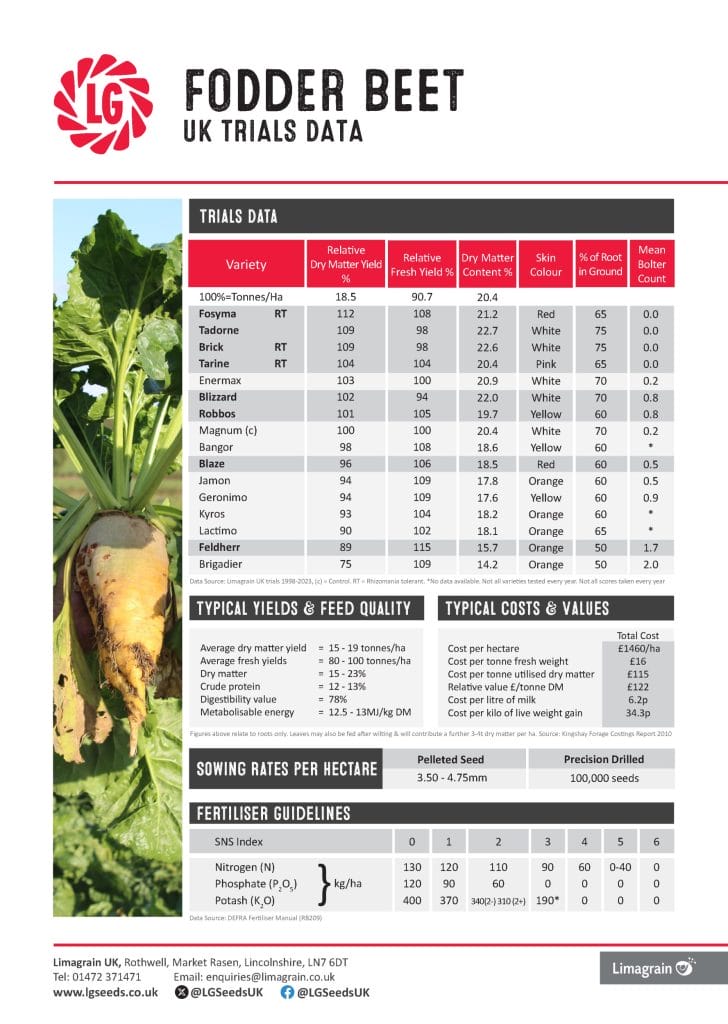
FODDER BEET FACTS
• UK climate is perfect for fodder beet, with wet, moist soils in spring for germination
• Ideally light to medium free-draining soils, with a pH of 7
• Sowing late March to late April (soil temperature needs to be at least 10-12OC before sowing)
• Growth through to October or November, with crop adding 30% to its dry matter yields in the final few months of the year
• Harvest/grazing. Ready from mid-September and will stand well during the winter
• Typical feed value: between 15% and 24% DM, crude protein between 12 and 13%, D-value 78%, ME between 12.5 and 13MJ/kg DM
• Approximate growing costs: £1,452 per hectare, £16 per tonne (fresh weight), and £115 per tonne (DM)
Average performance of three popular fodder beet varieties grown for dairy rations. Source: Limagrain UK trials (1998-2019) not all varieties trialled every year.
Forage crop specialist joins Limagrain UK
Henry Louth has joined Limagrain UK’s commercial team as key account manager for forage crops in the Midlands and northern England.
Henry Louth has joined Limagrain UK’s commercial team as key account manager for forage crops in the Midlands and northern England. He will also promote Limagrain’s environmental crops and advise on the options for cover crops and stewardship schemes.
From a Lincolnshire family farming business, Henry studied countryside management at Harper Adams University. He worked in the family’s fresh produce packaging business then, after graduating, he had a sales role with Boston Seeds, marketing grass seed, wildflower seeds and forage crops.
Henry is based in Lincolnshire. A country pursuits enthusiast, Henry also enjoys working Labradors and conservation.
Plant breeder Limagrain expands UK commercial team
Limagrain has expanded its UK commercial team with the appointment of two new national roles. John Spence is the company’s new forage crops product manager and Tom Barker joins Limagrain UK as cereals and pulses product manager.
John Spence
John Spence brings nearly 20 years’ agronomy experience to his new role. He joined Limagrain in 2006 and held the role of forage crops seed sales specialist in the Midlands and northern England.
From a Lincolnshire arable farming family, John studied agriculture at the University of Nottingham. He then spent five years with Eurofins UK as trials agronomist for arable and forage crops before joining Limagrain. In his new role, John will manage Limagrain’s grass seed brands; Monarch and Sinclair McGill.
Tom Barker
Tom Barker has more than 12 years’ trading experience in the UK arable sector and working as an assistant seed manager. He is from a Suffolk-based farming family.
Based at Limagrain’s wheat breeding centre at Woolpit near Bury St Edmunds, Tom’s focus will be on growing the business with proven varieties such as; LG Skyscraper, LG Spotlight, Tundra and LG Diablo, and with the launching of new varieties.
Commenting on their appointments, Limagrain’s business area director for north west Europe, Jonathan Tann says: “Both John and Tom have wide experience in their sectors to bring to their new roles. Limagrain is best placed of all the plant breeders and seed suppliers to recognise and respond to many of the issues facing UK growers now and over the next 10 years. By strengthening our commercial teams we will make sure we bring the latest developments and provide the technical support to our customers.”
Post-harvest catch crops bring healthy benefits
Introducing a catch crop after cereals can improve soil health, help control weeds and provide a valuable feed crop for livestock.
Introducing a catch crop after cereals can improve soil health, help control weeds and provide a valuable feed crop for livestock. So says Limagrain’s Martin Titley, who suggests that some arable producers should take a look at fodder crops, or sowing grass, following this year’s harvest.
“Mixed farming units, or those not opposed to introducing livestock such as finishing lambs or beef cattle, can benefit by introducing some different crops,” says Mr Titley.
Crops such as stubble turnips, forage rape, forage rye and brassica mixtures produce high quality autumn and winter feed cost-effectively. “But they also bring great benefits for soil health and weed control.”
Breaking the arable rotation with grass leys, fast-growing brassica crops and root crops can help combat black grass. “These crops can be grazed off ahead of a spring crop, or ahead of a grass reseed. And leaving a grass ley down for two years, or more, can help break the blackgrass cycle too. These rotations can have a beneficial impact on weed control and soil health,” he adds.
“And soil always benefits from increased organic matter. Manure from grazing animals is slowly released and can be utilised by the arable crops that follow in the rotation.”
Sowing dates
Stubble turnips, forage rape and the new rape/kale hybrids can be sown up until the end of August. They’re quick to establish and some varieties can be ready for grazing within 12 to 14 weeks of sowing. Hardier varieties can be left for grazing over winter.
“A crop of stubble turnips after winter barley is ideal for finishing lambs. It’s ready for grazing by the end of October, and a hectare of stubble turnips will provide 40 days of grazing for 100 lambs. This enables many farmers to sell a crop of lambs early in the season, when prices tend to be higher.”
Rape/kale hybrids are fast-growing catch crops and there are high yielding varieties. “Interval, for example, produced dry matter yields 17% above the control variety in our recent trial work,” adds Mr Titley. “This makes it an ideal crop for finishing lambs or for maintenance of ewes from late summer onwards.”
Stubble turnips also make an ideal feed in the autumn, with hardy and mildew-tolerant varieties, such as Rondo, ideally suited to grazing through winter.
“It’s also worth considering some good brassica mixtures. These combine a high protein forage rape with kale and can be blended with high-energy stubble turnips to provide a balanced autumn and winter keep with minimal effort. There are good mixtures with ‘built-in’ disease resistance, winter hardiness and early establishment advantages.”
Another catch crop worth considering is forage rye, which can be sown as late as October, following maize or cereals. This can provide an early bite in spring with up to three weeks’ earlier spring growth than Italian ryegrass, with yields that are typically between five and six tonnes of dry matter per hectare.
“In many cases, breaking the arable rotation with a fodder crop or grass is a win-win situation, and one we are seeing increasingly on many traditional cereal units,” adds Mr Titley.
Catch crop considerations
• Review the wide range of break crops that are available
• Tailor your catch crops and the area required to match livestock feed requirements
• Look at growing costs verses feed value. A good catch crop provides a cost-effective winter forage
• Be discerning when selecting the variety of catch crop. Some are better than others for yield, disease resistance and winter hardiness. For example, there is a 20% yield difference between some stubble turnip varieties. This equates to more than one tonne of dry matter per hectare.
Forage crop comparisons table
Say ‘hello’ to white clover
August is the perfect time to introduce clover back into the sward to reap the benefits that this excellent forage species provides
Too many grazing mixtures are lacking white clover, either because it was never in the mixture, or because it has been killed out when using herbicides to control other broad-leaved weeds.
A bundle of benefits
But producers are missing a trick. This forage species brings a bundle of benefits.
Alongside increased yields, white clover improves forage quality and, on the back of this, milk yields and solids.
Irish research has shown that incorporating clover increased milk yield by 13.3% and milk solids by 13.4%. Also, dry matter production was 16.8% greater on grass-clover swards, compared with grass-only swards.
And with sustainability being an increasingly important factor, this legume fixes nitrogen from the atmosphere and reduces the crop’s reliance on inorganic fertilisers.
A sward with a ground cover of between 20% and 30% clover species can fix 180kg of nitrogen per hectare, equivalent to 522kg of ammonium nitrate fertiliser. At today’s fertiliser prices that’s worth around £120 per hectare.
White clover’s growth pattern is complementary to grass and a grass-clover mix provides a more consistent crop through the summer, compared with only grass species. The varying root depths means that a grass/white clover ley will be more drought-resilient than one with grass only species.
Adding white clover
White clover is best sown in warm, wet conditions and ideally not when grass is growing rapidly. So late summer and after a silage cut or grazing is ideal.
Natural clover seed is very small and light, so a pelleted seed, such as CloverPlus, will promote successful establishment through better soil to seed contact or a more even coverage if broadcasting.
A pellet increases the weight and size of the seed, making equipment calibration easier and giving a more consistent spread pattern if broadcast. The additional pellet weight ensures that more seed gets through the sward to give maximum soil-to-seed contact.
Importantly, CloverPlus is treated with the biological seed treatment Headstart Gold. This is proven to speed up germination and improve establishment.
As we approach late summer, this is a timely opportunity to add white clover to grass swards and reap the benefits on your dairy unit.
High feed value fodder crops sown from May to August can bring a wealth of advantages to beef and dairy units.
High feed value fodder crops sown from May to August can bring a wealth of advantages to beef and dairy units. Not only can they extend the grazing season, by providing a fresh forage in mid summer, but they can provide a valuable break in grass and arable rotations, facilitating pest and disease control and bringing soil health benefits. So, what’s on offer?
“Dairy and beef farmers can sow brassicas, such as forage rape, kale and brassica hybrids, plus stubble turnips, from May to August – or a mixture of the two,” says Limagrain’s forage crop director Martin Titley.
The flexibility of sowing time, fast growth, long grazing season or in some cases harvest options, and their relatively low cost, makes these crops especially attractive. “There’s no doubt farmers are realising the benefits of these crops,” adds Mr Titley.
Rape/kale hybrids like Interval or Unicorn sown in May will be ready to strip graze by dairy or beef cattle 12 or 14 weeks later, so by late August. If grass is running short or the plan is to encourage grass regrowth, then this crop offers a fresh, high feed value forage to graze in situ. It ensures a quality forage is continually available.
Both Interval and Unicorn have been bred for feed value and in Limagrain field trials, where a wide range of commercially available hybrids were compared, they scored highest for relative dry matter yields with Unicorn 11% and Interval 17% above the control. Both hybrids have top scores for mildew resistance too.
“There is also the option of sowing these hybrid brassicas into winter barley stubble. They are really good crops to follow harvest,” adds Mr Titley. “They are easy to grow and benefit from farmyard manure or slurry pre sowing, or an application of 60kg to 90kg of nitrogen with 25kg each of potassium and phosphate per hectare.”
Launched in 2019, Unicorn is a recent addition. Trial results show that this variety is a high energy crop, reliably producing 11 MJ per kilogramme of dry matter, or almost 50,000 MJ per hectare, and a dry matter content of 12.4%. This is a lot of feed value from 12 to 14 weeks of growth.
“Another recent addition to the hybrid brassica range is Skyfall that produces a very fast-growing, leafy and palatable crop for cattle to graze in summer. It produced between 30 and 35 tonnes/ha of a palatable soft-leaved forage in crops sown in July in UK trials.” Mr Titley adds that this crop is unique as it has a deep root enabling it to thrive in drier soils – that can be seen in mid summer – and ‘bounce back’. “So if it’s sown in May, it can be grazed in August then closed up for regrowth before a second grazing period later in the season.”
Most stubble turnip crops are sown after cereal harvest – at the end of July or beginning of August – and are then ready to graze from October onwards.
“The real benefit of these mid summer sown turnip crops is that they can be fed in autumn and winter,” says Mr Titley. “Forage rape and the hybrid crops are winter hardy and are capable of carrying stock well into January and even early February.”
Brassicas and stubble turnips offer good feed value and their growing and feeding flexibility offer distinct advantages among forage crops. “These summer-sown forages are well worth considering,” he adds. “They can boost home grown forages, especially in a dry or difficult season, and provide a break to break disease cycles and improve soil health.”
BRASSICA AND STUBBLE TURNIPS KEY FACTS
• Flexible sowing dates – May until late August
• Fast-growing leafy catch crops
• Ready to graze in 12-14 weeks
• Flexible use – summer grazing or over-winter fresh forage
• Provide a break in crop cycles with pest and disease control and soil fertility benefits
• Improved feed value offered from modern varieties and hybrids
New Seed Treatment Gets Brassicas off to a Flying Start
Limagrain has introduced a new seed treatment for brassicas that promotes early growth and even establishment. Rich in soluble nutrients and bio-active compounds Start-uP, which is manufactured by British-based company Ilex Envirosciences, can achieve increased vigour and early rooting in brassica crops.
It includes phosphite, the highly mobile form of phosphorus that can be transported through the plant much faster than conventional fertiliser phosphate. It also contains a package of essential amino acids and natural compounds from seaweed that are readily taken up by the young roots.
Limagrain has trialled Start-uP on forage rape and kale hybrid brassicas and stubble turnip crops at its site in Lincolnshire during six weeks in spring 2019.
“We found an increase in leaf length of 9.8%, and 28.6% on root length, on crops grown from seed treated with Start-uP compared with the control,” says Limagrain’s forage crop director Martin Titley. “And, in the six-week period, root mass was 5.9% more in the Start-uP treated crop, indicating that this seed treatment offered crops a significant growth advantage in the early stages.”
Forage rape, kale, stubble turnips and brassica hybrids are sown between May and August and provide a high feed value forage for cattle and sheep in just 12 to 14 weeks.
“Treating seed with Start-uP gives growers an insurance at the crop’s most vulnerable time,” adds Mr Titley. “This helps to guarantee a high yielding fresh forage with good feed value.”
Brassicas and stubble turnips are increasingly popular as a break crop, sown after first-cut silage as part of the grass ley rotation or after cereal harvest. This flexibility, their low growing costs and their fast growth bring benefits to mixed and livestock farming systems.
“During the past few years many of the effective seed treatments have lost their registration and there are very few alternatives available. Start-uP has proven to be a highly effective option for these crops.” Learn more about Start-Up Seed treatment here.
New grass varieties raise the bar for yield and feed value
Two new Italian ryegrass varieties bred by ILVO, the Belgium government plant breeding institute, are now available in the UK and Ireland. Ranking top for key yield and feed value parameters on the Recommended Lists, these two varieties are available exclusively from Limagrain as straights or in high performance grass seed mixtures.
Ian Misselbrook
Melprimo is a diploid Italian Ryegrass and is recommended on both the RGCL (England and Wales) and the SRUC (Scotland) lists. It exhibits by far the best early spring growth on the list achieving 107% of the mean, and very high digestibility in both first and second year harvests.
The second new variety is Messina; a tetraploid Italian ryegrass with the highest yields in the year of sowing and the first year harvest among other varieties on the recommended UK lists.
Messina also has one of the highest ME yield on the list, reflecting its potential feed value in livestock diets.
“Both new varieties are winter hardy,” says Limagrain grass seed manager Ian Misselbrook. “Melprimo has good ground cover and trial results show that Messina has good resistance to all the major diseases. We are using both in our Sinclair McGill Colossal Silage mixture and including Messina in the Monarch Quality Silage mixture this year.”
Limagrain is also introducing the new late tetraploid perennial ryegrass Weldone to a limited number of grass seed mixtures this year. “This variety has just gone on the recommended list and we are including it in Sinclair McGill Castlehill which is a dual purpose, long term mixture,” he adds. “Trial results show that Weldone has excellent grazing yields of high quality forage and will promote mid-season and autumn yields with good resistance to all the major grass diseases. It will be more widely available in 2021.”
These new varieties are being included in Limagrain mixtures to help farmers and growers increase the yield and feed value from home grown forages. “With the pressure on milk and meat prices, these varieties can play an important part in boosting production from our forages,” says Mr Misselbrook.
What choices are there for sheep producers who want to mitigate the risk of a grass shortage and have a fresh high feed value forage to hand when finishing lambs later this year?
What choices are there for sheep producers who want to mitigate the risk of a grass shortage and have a fresh high feed value forage to hand when finishing lambs later this year? According to Limagrain’s Martin Titley, there are plenty of options.
And not only do they offer a low-cost forage option, but they can also provide a break crop after grass leys or cereals.
“There are a number of good fodder crops that arable or mixed farms could consider this spring, instead of sowing cereals,” says Mr Titley. “A lot of arable units are facing big acreages for spring crops. Sowing a break crop on some fields might not be a bad option; maybe where there’s been a blackgrass problem or as an option to break the disease cycle.
Stubble Turnips
Stubble turnips are an ‘old favourite’ and lost popularity as rotations changed and other options became more fashionable. But they’re now back in favour. “Arable and sheep producers alike recognise that they suit practically any sheep production system – they’re incredible versatile,” says Mr Titley.
He says that the real attraction for this crop is that it’s fast growing and for some the flexible sowing time is attractive. It can be sown in May and June, after first-cut silage, to get a bite in early August and September. “This is good on units where grazing can burn off later in the season. It acts as an ‘insurance’ crop against a dry summer and allows producers to finish lambs on a low-cost forage crop.”
Most stubble turnip crops are sown after cereal harvest – at the end of July or beginning of August – and are then ready for grazing between 12 and 14 weeks later.
“They’re ideal for plugging the forage gap between September and the end of December,” he says, adding that this year, being very mild, farmers have grazed them well into February. “This isn’t the norm though and can’t be taken for granted.”
Forage rape and hybrids -which are typically a cross between rape and kale – are becoming a ‘go to’ choice for finishing lambs.
“These forage rape brassicas are particularly popular because of their flexible sowing dates,” adds Mr Titley. “They can be sown from May until late August and used as summer grazing or sown into winter barley stubble in late July.
An easy to grow crop also makes these hybrid brassicas popular. They benefit from farmyard manure or slurry pre sowing, or an application of 60kg to 90kg of nitrogen with 25kg each of potassium and phosphate per hectare.
“And they’re fast-growing so ready to graze in 12 to 14 weeks. Sown in May, they give a bite at the end of August or early September which is ideal for finishing lambs on many farms.”
But the crop can be used across winter too and will keep its leafiness in colder conditions. “Forage rape and the hybrid crops are winter hardy and are capable of carrying stock well into February and even early March. But it must be grazed before flowering as once it starts to flower, it loses its nutritional value.”
Modern rape kale hybrids offer high feed values. “Take one of the latest, Unicorn, launched in 2019. This fast-growing leafy catch crop offers energy values of 11 MJ per kilogramme of dry matter, producing 49,438 MJ per hectare, and a dry matter content of 12.4%. This is a lot of feed value from 12 to 14 weeks of growth.”
Both stubble turnips and forage rape hybrids provide a good break, helping to build fertility back into the soil and to control both broadleaved and grass weeds. They can be followed with a spring grass reseed or a spring cereal crop.
“A mix of the two in one cropping is popular too,” he adds. The stubble turnip ‘bulbs’ provide a high energy crop, whereas the brassica hybrids, such a forage rape, pack a protein punch. This offers a more balanced forage mix in one crop.
“In freezing and snowy conditions, the forage rape ‘stands up’ and creates a canopy over the stubble turnips which generally keeps them fresher for longer.”
Mr Titley says that the popularity of swedes is declining as more producers discover the benefits of stubble turnips and forage rape. “But we’re still seeing the old favourite swede variety; Invitation and our Massif traditional turnip take their well-earned place on some sheep units.
“These crops grow well in autumn so they’re ideal where cereal harvest is later; which is often why we see them grown in Scotland. They provide a high energy, high dry matter winter feed that can be grazed from the end of November through to February with relatively low production costs.”
Herbal Leys
Herbal leys are getting more popular for grazing sheep and finishing lambs. The perennial mixtures typically persist for three or four years and comprise species including chicory and plantain, as well as traditional grasses such as meadow fescue and sainfoin.
“The species are deep rooting and they continue to thrive in dry conditions – either during drought or towards the back-end of the grazing season, when grass may be struggling,” says Mr Titley.
These mixtures really come into their own on chalky, light and free-draining soils. They’re also rich in minerals, compared to other forage crops.
Sheep farmers on or close to EFA land, which is now subject to the ‘greening’ rules, cannot leave land fallow during the winter – a green cover crop must be sown and must remain in place until January 12 each year.
“A mixture of forage rye Humbolt and vetch, which can be sown as late as September, is a good option,” says Mr Titley. “It’s a reliable feed for both ewes and finishing lambs to graze, up until April, if required.”
He adds that herbal leys are becoming more predominant in arable farming areas. “Sheep and arable farmers can work together on this. There are also soil health and fertility benefits to be had by arable producers who graze livestock on a proportion of their land each year.”
There’s nothing ‘usual’ or typically’ when it comes to grass growth and cutting dates in some parts of the country if the past few years are anything to go by. We’re seeing more volatility in weather patterns and we’re warned that this is a sign of things to come.
There’s nothing ‘usual’ or typically’ when it comes to grass growth and cutting dates in some parts of the country if the past few years are anything to go by. We’re seeing more volatility in weather patterns and we’re warned that this is a sign of things to come. So, say two leading grassland specialists, we need to cater for in our choice of grass seed mixtures.
Opting for mixtures that offer more flexibility can be very wise, when it comes to cutting dates. “The typical silage mixtures with bountiful yields of high quality grass are there, but only for a short window,” says Limagrain’s grass seed manager Ian Misselbrook. “If this is missed, quality and yield fall away rapidly.”
“Most dairy units look for two cuts of silage and some grazing from a grass silage ley,” he says, adding that, despite the ‘noise’ multicut systems are still a minority practice and not one that suits all farms, when accessibility of fields and soil type are considered.
“The aim is usually a good first cut then a second cut six weeks later,” he adds.
“But if we look at the past couple of years, this cutting pattern has been a challenge. Last year, 2019, grass didn’t follow its normal pattern of a peak, then a dip mid summer and then regrowth. It just kept growing at pretty much the same rate.”
Then the 2018 season was being equally erratic with a cold spring, late start to growth and then exceptionally dry conditions. “If farmers didn’t get a top class first cut they were struggling.”
And although there was plenty of grass growth last year, harvesting wasn’t without its problems. ‘Grass grew so vigorously, that a lot of second cut was ready for cutting after only four weeks, but, for routine reasons and contractor availability, it was cut after six weeks by which time its quality had really dropped off. Producers have seen the consequences this winter when this forage hasn’t produced the milk yields they’d anticipated.”
Longer cutting window – less pressure
Mr Misselbrook suggests that growing grass seed mixtures with a wider heading date will add some flexibility and take the pressure off.
“Typical silage mixtures used on UK farms will have a window for cutting of about four days. These mixtures are predominantly intermediate perennial ryegrasses that head in the same narrow window of just a few days.’
They are designed for high yields of good feed quality, to be cut at a D value over 70 and high dry matter. “And they do exactly what it says ‘on the tin’, but catching this ideal time is limited and challenging if conditions are not ideal.”
“On an ideal site, in an ideal season, intermediate perennial ryegrass mixtures will head at the same time and provide prize winning silage with an ME of 12 or above, but we hardly ever get these near perfect conditions,” says Mr Misselbrook. “Once these heading dates have passed, quality falls off rapidly across the whole crop as all the plants are at the same vegetative stage and move into the reproductive stage.”
Instead, he suggests that farmers look at mixtures with a wider heading date. “These will have more varieties of grasses and include intermediate sand late perennial ryegrasses, offering a range in heading dates and a 12- or 14-day window for harvesting.”
He adds that if these mixtures are harvested in the first half of the window, while the later perennial ryegrasses may not have headed, they will still be in their vegetative leafy stage and offer high feed value. If cutting date is later, while the intermediate grasses may be past their best, the late perennial ryegrasses will be in their prime.
“It’s also worth including some tetraploid ryegrasses in the mixture too, as they are recognised for their higher nutritive value. They’re proven to have better balance of sugars and digestible fibre (DNDF) which is key in maximising the feed value of the silage.”
Seed merchants will include heading dates of grass seed mixtures in their literature to help farmers in their selections. “Look for any accreditations too that indicate high yields and feed value,” he says. “We include the LGAN accreditation on some Limagrain grass seed mixtures; most of these have diploid and tetraploid ryegrasses, and intermediate and late varieties depending on their requirements.
“Being a bit more discerning will help farmers accommodate and adapt to the changing weather patterns.”
Across in Ireland, Paul Flannagan from DLF Ireland is also talking to his farmer customers about more ‘fail safe’ mixtures.
“I know that traditionally we’ve opted for silage mixtures made up mainly of intermediate perennial ryegrasses. These can give top yields of high feed value grass. But that’s only where conditions are especially favourable,” he says.
He estimates that in 60% of cases, conditions are not ideal and as a result yield and quality suffer. “Either it rains, or the contractor is delayed, or there’s a break-down,” he adds. “The trouble is, with these mixtures you only have a four- or five-day window to cut the crop at its best. After that quality falls dramatically.”
Instead, to spread the risk, DLF Ireland is seeing farmers opting for mixtures with wider heading dates, giving a window for harvesting of 15 or 16 days. “These crops will hold their quality and give farmers an extra 10 days or so to harvest the crop.”
He admits that while those bumper yields might not be there, the overall lifetime productivity of these mixtures with wider heading dates is probably a lot higher. Instead of a crop achieving its potential one in every three years, you’re getting good crops far more consistently and at least two out of three years – that’s a lot of extra productivity from a grass ley if we consider lifetime yield.”
And he says farmers are realising this, judging by their increased interest in some of the wider heading mixtures. “Take Sinclair McGill’s Scotsward. This mixture heads a bit later and it has a mix of intermediate and late perennial ryegrass so the window of opportunity for cutting – without any real loss in yield or quality – is about 14 days.
“Farmers find that digestibility and energy levels in the silage are less variable one year to another and while yields might not be those that the top performing silage mixtures achieve in a perfect year, the added reliability across the lifetime of the ley more than compensates.”
Mr Misselbrook admits that farmers need to review the last few seasons and decide what sort of mixture suits them best. “And be honest, don’t look at one season in isolation, but across say a five-year period and consider whether the top yielding silage mixtures are coming up with the goods on your farm, or whether you should build in a bit more flexibility and take a bit of the risk out of the grass crop.”
Fodder beet gives cows a high energy treat
Fodder beet gives cows a high energy treat – once tasted, never forgotten
For six months of the year the Derbyshire-based Hollyhurst Holstein herd tucks into fodder beet as part of their ration. It’s a firm favourite among his 200 cows, and it’s a feed that producer John Chamberlain rates highly.
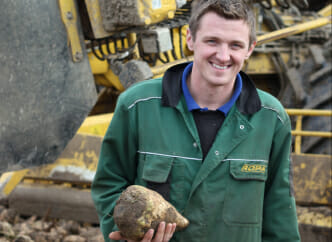
Fodder beet has been part of the ration for the past six years on this dairy unit near Ashbourne. “We tried it out to supplement the forages in the diet – to add some energy to the ration,” says John. “It was so successful on all counts that we just kept using it. And the cows love it,” he adds, defying anyone to find any fodder beet along the feed face 30 minutes after feeding out at 8am.
The 200 milkers are fed 7kg of fodder beet daily as part of a TMR with grass silage, soya hulls, caustic wheat and a specially formulated blend. This supports average yields in this all year round calving herd of 10,000kg of milk at 4.5% fat and 3.45% protein on twice a day milking. Milk is sold to Arla on a 360 contract.
“We add it to the ration from the start of November until April – as long as it remains fresh,” says John. “It drives intakes and as soon as it goes into the ration butterfats improve. “My only regret is that it’s not available all year round.
“The good thing is that cows eat it as an extra, rather than instead of other forages. It’s very palatable and it certainly adds energy, cost-effectively, to the ration.”
John feeds 250 tonnes of fodder beet through winter, taking 10 tonne loads from Gary Pattison who grows 10 hectares of the crop every year for local’ish dairy and sheep producers.
“I usually grow four varieties,” says Gary, who points out that pretty good soils are needed to grow the crop. “The land can’t be too wet and heavy, otherwise the soil sticks to the beet.
“And the land must be worked to a fine seedbed before sowing from late March to mid April – after the frosts but in time to get it germinating early.
With the help of his merchant Rob Simister based in Ellastone, Derbyshire, Gary selects varieties that grow only partially in the ground as opposed to totally in the ground. “These are easier to lift – we harvest the beet early, before the frosts, and aim to get it all in the clamps by the end of November.
“We also look for a fairly clean beet that doesn’t need washing. We remove stones and loose soil before delivery.”
This year the varieties Brick and Robbos are among his selections. Some of the seed will be primed – Limagrain has a limited amount of Robbos primed seed available – to encourage faster germination thereby reducing the opportunity for pest and disease damage in the early establishment stages when the seedlings are at their most vulnerable.
“Growing a few varieties spreads the risk,” adds Gary. “Different varieties grow well on some fields and not others, so if we have a mix we can compensate for a shortfall if necessary.”
Having said that, Gary and his family are tried and tested fodder beet growers – they know the tricks of the trade and how to grow a good crop; one tip is adding salt to the seedbed before sowing which they nearly always do. “Fodder beet was always grown by the sea – it grows well with a bit of added salt,” he adds.
Primed seed boosts fodder beet establishment
A limited amount of primed fodder beet seed, that promotes early germination, is now available from Limagrain UK for three of its top varieties; Fosyma, Robbos and Brick.
The seed has been primed using the Germ’activ system that encourages faster germination and crop establishment. “Fodder beet is at its most vulnerable when seedlings are in their early growth stage and can be affected by pest and disease damage,” says Limagrain UK’s forage crop product manager John Spence.
“The aim is to get the crop to its five-leaf stage as quickly as possible and past the period that the plants are at most risk of damage.”
Using primed seed has been shown to promote establishment and has helped to create a more uniform crop.
“These are key in the success of a high feed value fodder beet crop for either lifting or grazing in situ” he adds.
A list of suppliers of LG fodder beet varieties, including primed seed supplies, is available by calling 01472 370167.
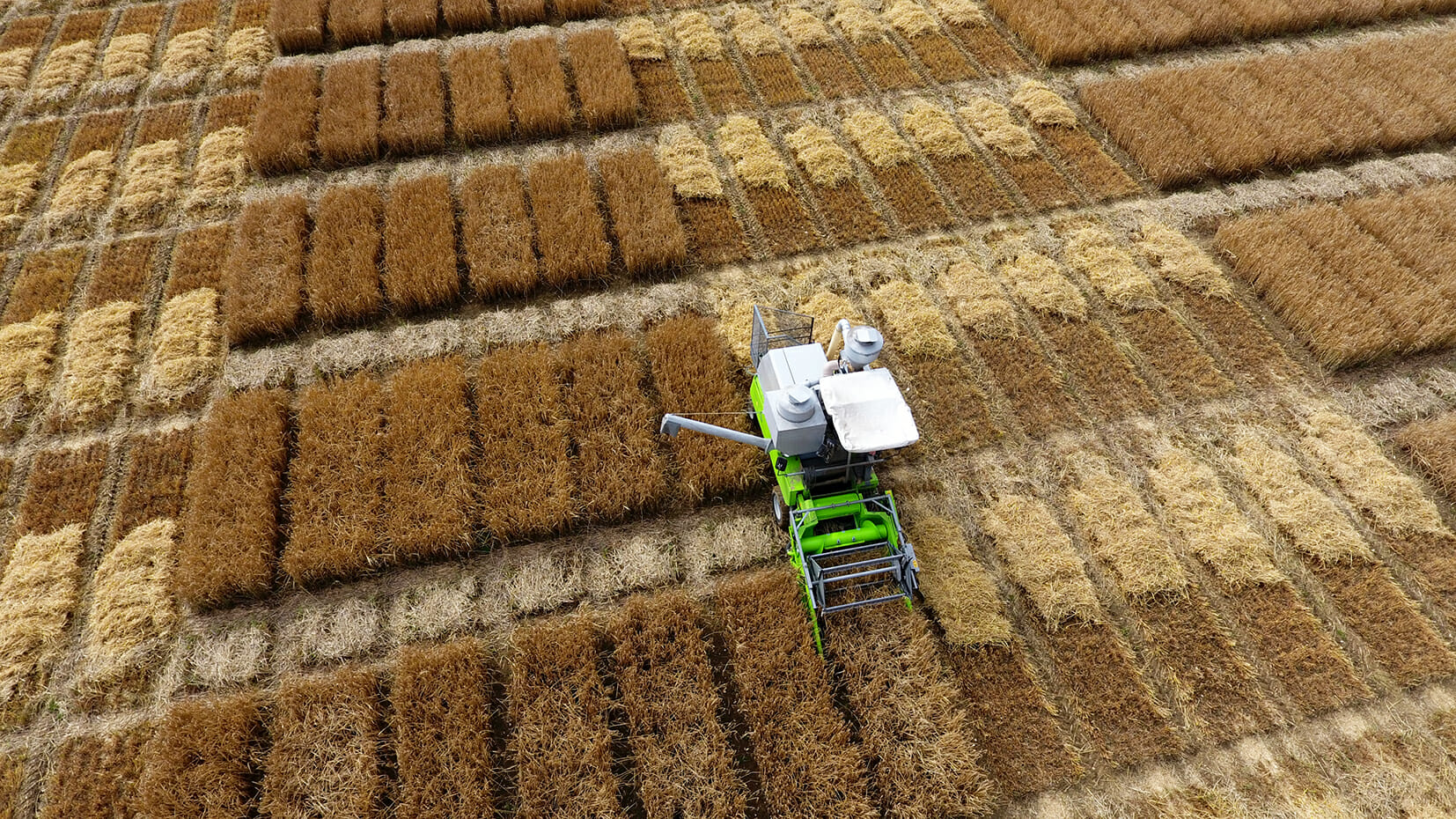
Limagrain UK also carry out field trials on commercially available fodder beet varieties every year.
The latest fodder beet trial data can be found here
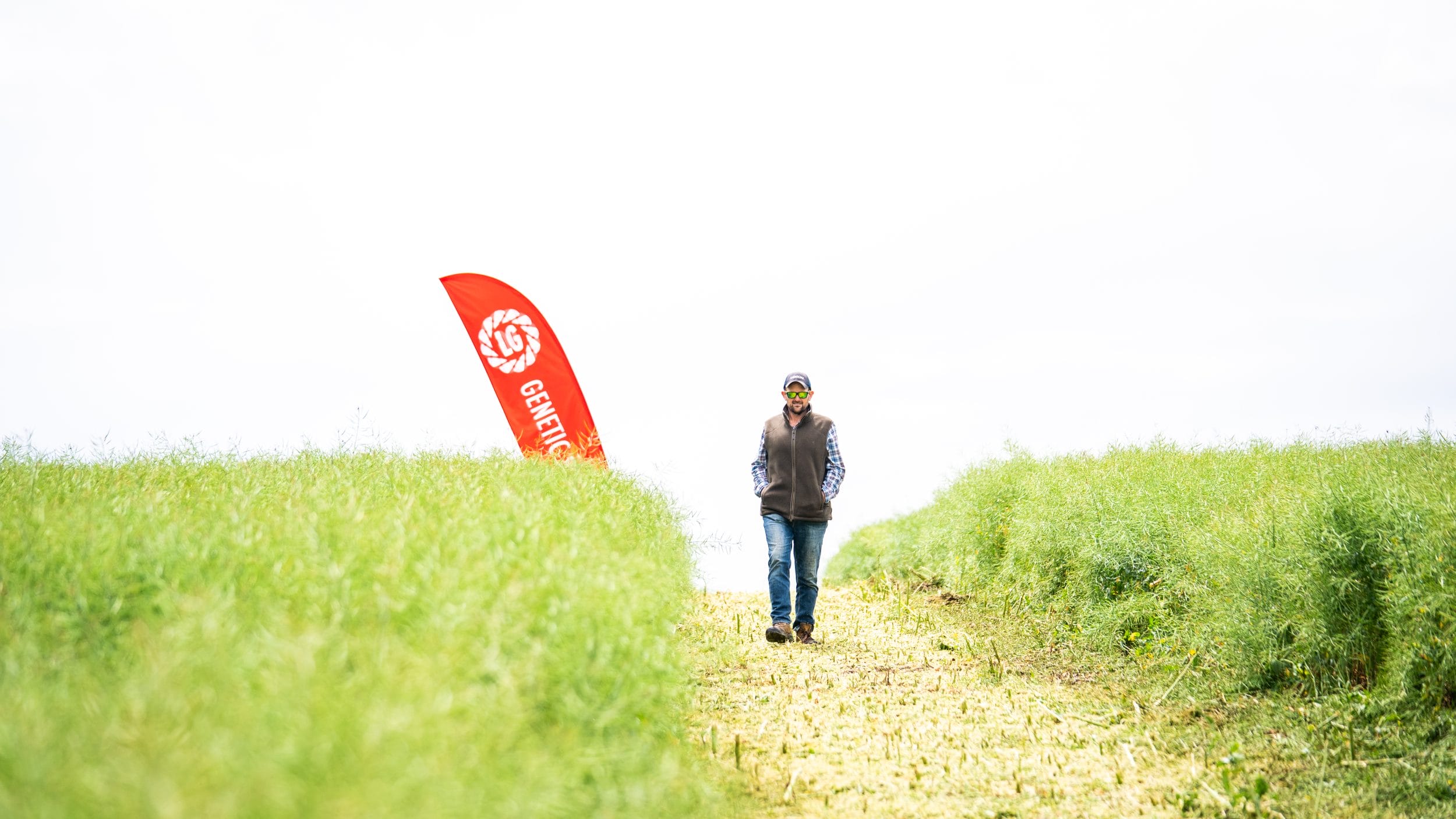
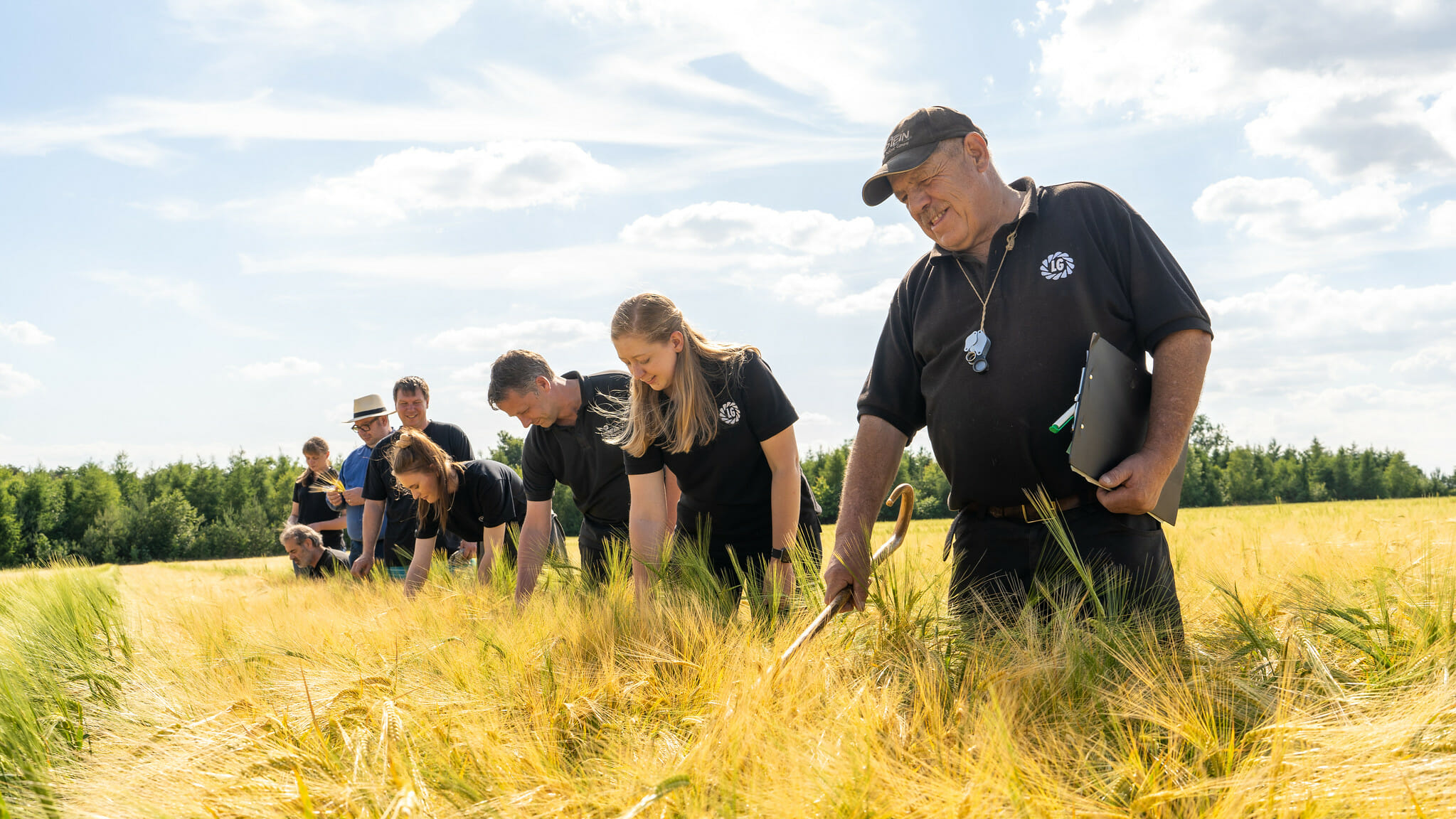
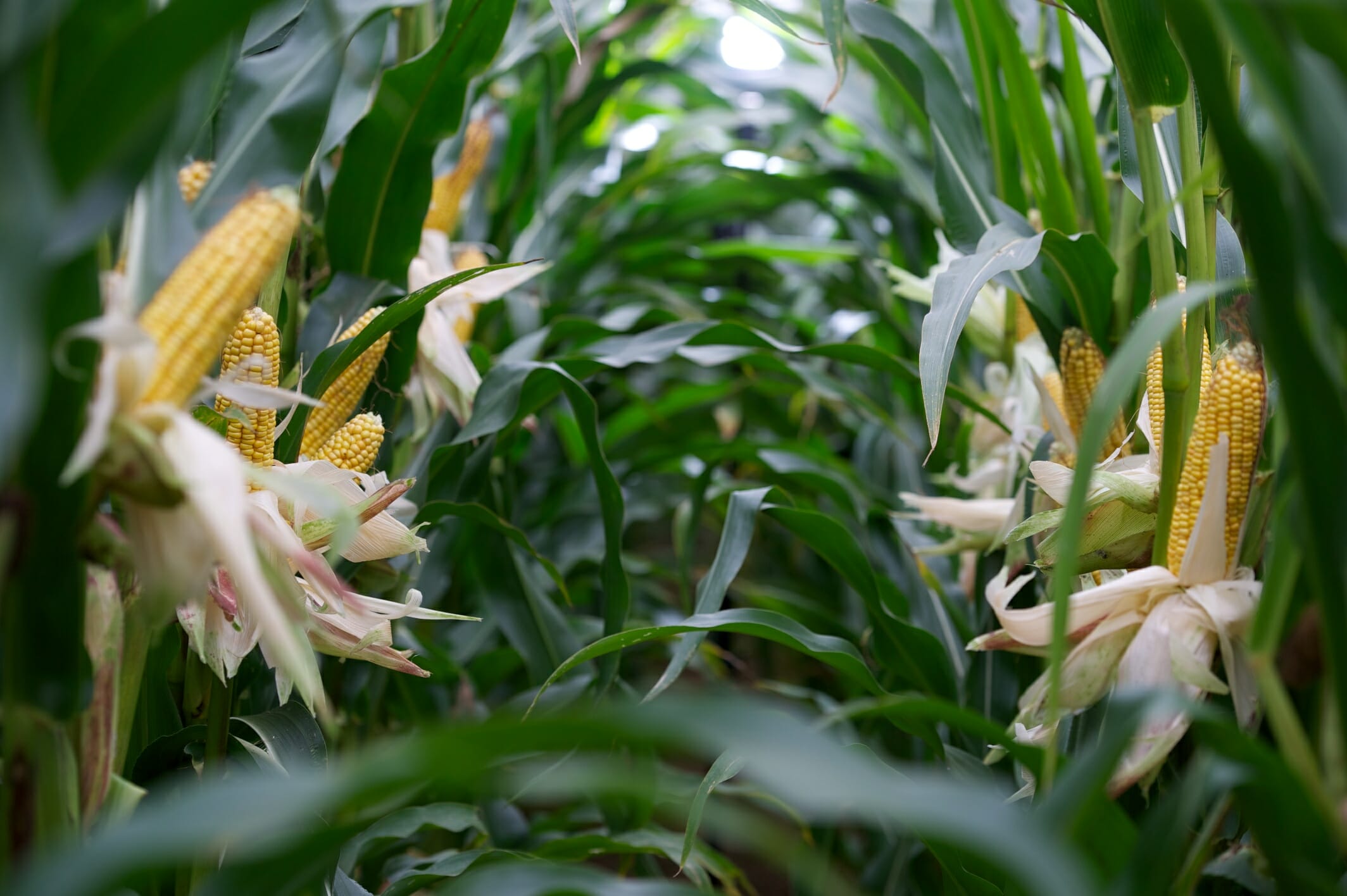
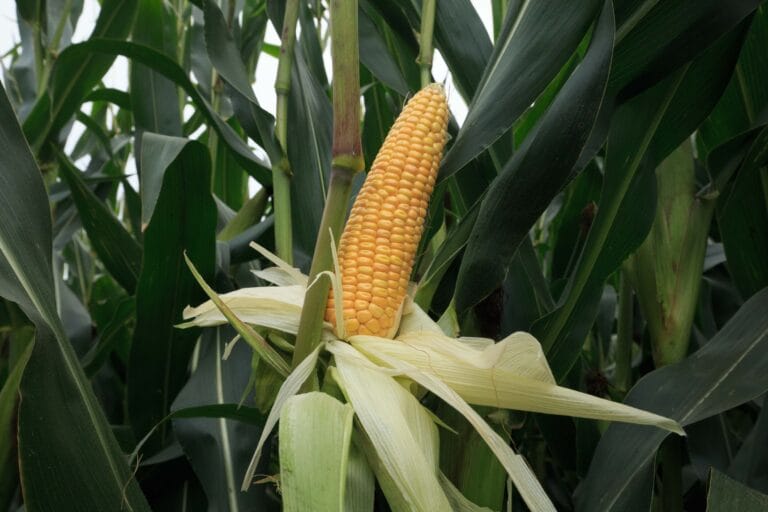

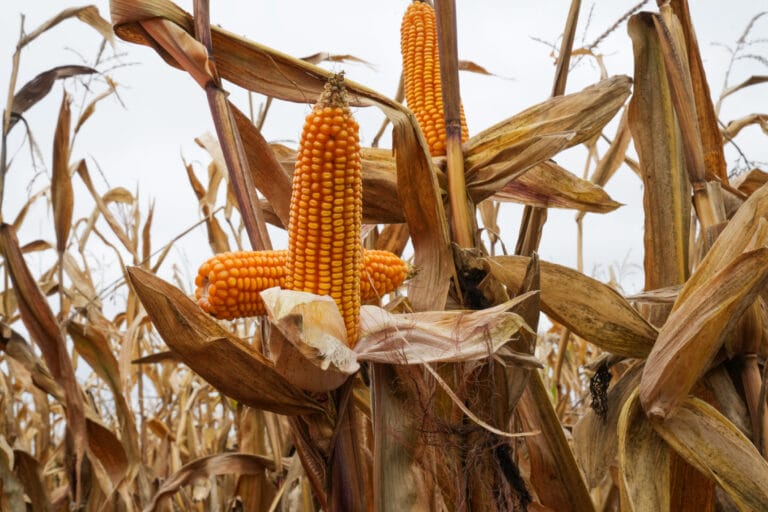






 Once calved, cows and heifers go out to graze, producing most of their milk from grass. But once dried off, a process that begins in November for the earliest calvers, cows and heifers strip graze fodder beet.
 Choice of variety is important and needs to suit the system and land type. “Robbos is particularly popular with producers because the crown and root sit above the ground,” adds Ross. “First-time fodder beet growers like it as it’s a reliable and consistent performer and offers high dry matter yields.
 “We keep a close eye on the fodder beet from late summer and into autumn to see how it’s growing and maturing and weigh the crop in each individual field to estimate cow numbers required. We’re looking for around 18 tonnes of dry matter per hectare, but typically achieve more,” says Ed.
 From a Lincolnshire family farming business, Henry studied countryside management at Harper Adams University. He worked in the family’s fresh produce packaging business then, after graduating, he had a sales role with Boston Seeds, marketing grass seed, wildflower seeds and forage crops.

 Crops such as stubble turnips, forage rape, forage rye and brassica mixtures produce high quality autumn and winter feed cost-effectively. “But they also bring great benefits for soil health and weed control.”


 A pellet increases the weight and size of the seed, making equipment calibration easier and giving a more consistent spread pattern if broadcast. The additional pellet weight ensures that more seed gets through the sward to give maximum soil-to-seed contact.
 Most stubble turnip crops are sown after cereal harvest – at the end of July or beginning of August – and are then ready to graze from October onwards.
 It includes phosphite, the highly mobile form of phosphorus that can be transported through the plant much faster than conventional fertiliser phosphate. It also contains a package of essential amino acids and natural compounds from seaweed that are readily taken up by the young roots.
 The second new variety is Messina; a tetraploid Italian ryegrass with the highest yields in the year of sowing and the first year harvest among other varieties on the recommended UK lists.
 He says that the real attraction for this crop is that it’s fast growing and for some the flexible sowing time is attractive. It can be sown in May and June, after first-cut silage, to get a bite in early August and September. “This is good on units where grazing can burn off later in the season. It acts as an ‘insurance’ crop against a dry summer and allows producers to finish lambs on a low-cost forage crop.”
 “In freezing and snowy conditions, the forage rape ‘stands up’ and creates a canopy over the stubble turnips which generally keeps them fresher for longer.”
 “But if we look at the past couple of years, this cutting pattern has been a challenge. Last year, 2019, grass didn’t follow its normal pattern of a peak, then a dip mid summer and then regrowth. It just kept growing at pretty much the same rate.”