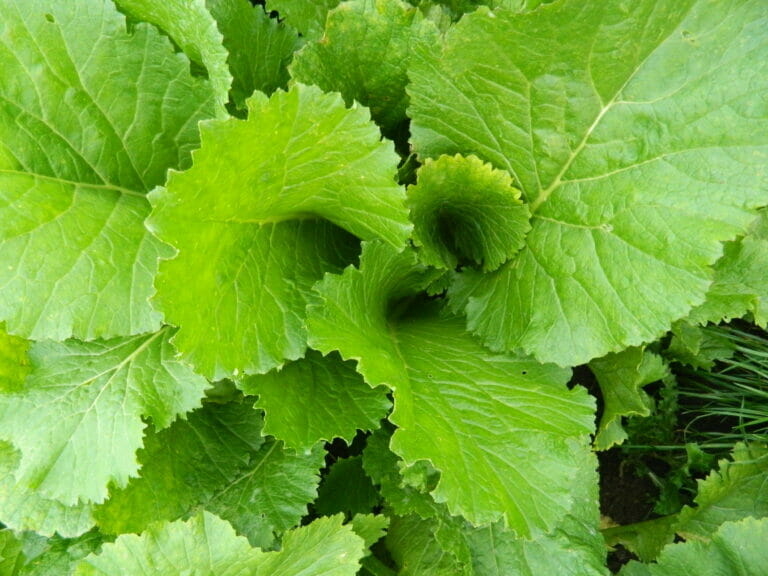
Winter hardiness is just one attribute that makes kale an attractive forage crop for cattle producers, according to Limagrain UK’s Scotland-based seed sales specialist John Heaphy
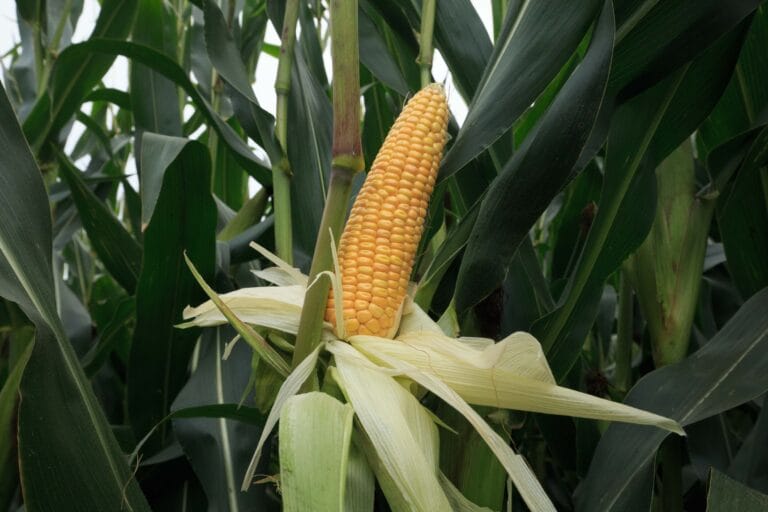
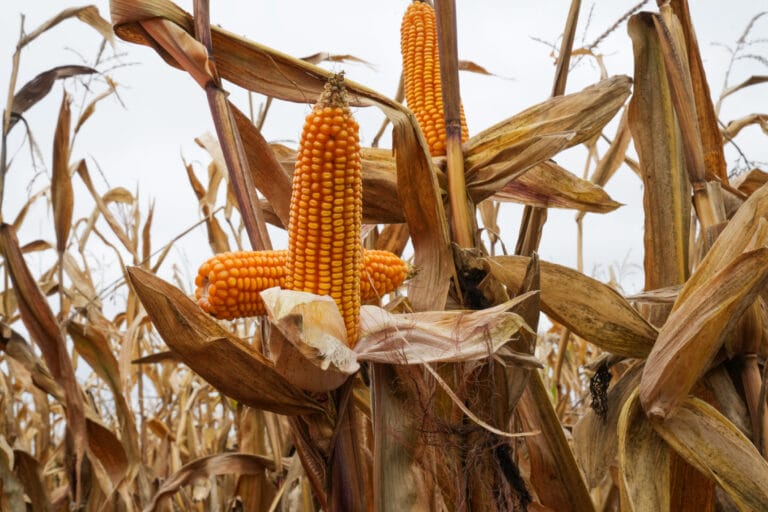
He’s seen great success with overwintering cattle on Scottish units and, more recently, new varieties that have softer and more digestible stems have further improved the feed value and utilisation of the crop. “Poor stem quality has limited the feed value of forage kales in the past and could have accounted for between 60% and 70% of total crop yield,” says Mr Heaphy. “But new varieties have been bred for improved stem digestibility that supports better feed value.”
He adds that, in the past, farmers could face a bit of a dilemma. “A well-grazed kale crop shows good utilisation, but liveweight gain could be limited as the feed value in this stem is poor. But if a proportion of the stem is left, liveweight gains are better but crop utilisation is poor.” Marrow stem kales, like Limagrain UK’s Bombardier, which are highly digestible and have improved dry matter yields and utilisation potential, can overcome this dilemma. “Farmers like to see fields grazed clean and cattle perform well,” says John. “Many farmers are delighted with these new kale varieties.”
Bombardier was introduced in 2018. In trials it showed a digestibility of 72% and a relative dry matter of 18% above the control – worth an extra 1.74 tonnes per hectare. He explains that kale is best drilled in May or early June at a seed rate of 5kg per hectare. Farmers are encouraged to opt for varieties that are club-root tolerant and where a seed treatment can be applied.
A fine-seed bed is also important, to help the crop germinate, establish and achieve good ground cover as quickly as possible. “The sooner the crop gets to the ‘rough-leaf’ stage, the less prone it is to pest damage, predominantly from flea beetle and pigeons,” he says. He adds that kale is proving popular because it helps to reduce the costs of production on Scottish beef units, as well as offering a break crop on units that may also grow cereals in their rotation.
“But the big attraction is its high yields. Average dry matter yields for kale are twice that of stubble turnip crops and it’s also ready for grazing from late October.” One Fife-based suckler beef producer has been growing kale, on and off, for the past 20 years and has consistently grown the crop on his unit since 2011.
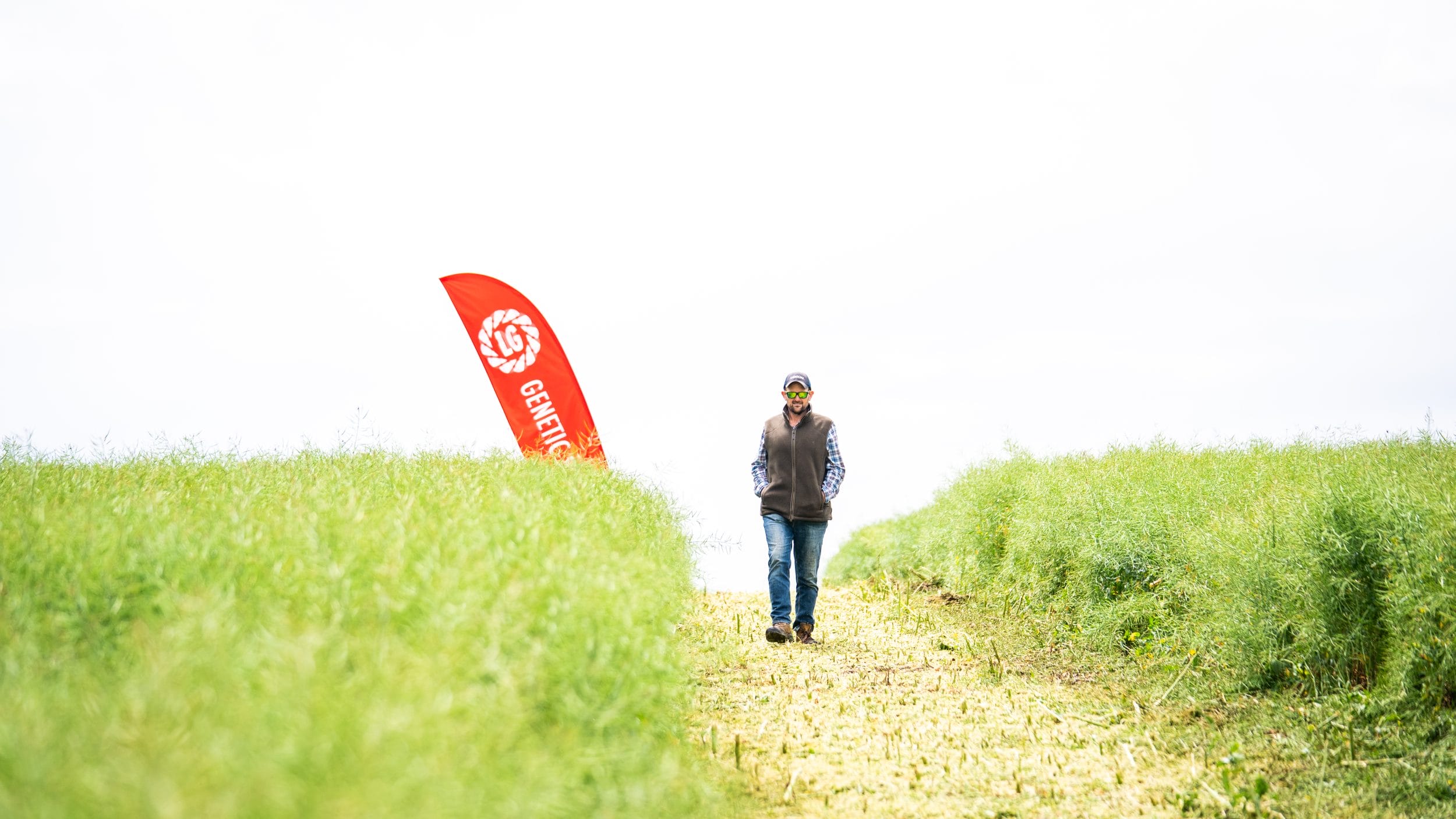
Bob Howat overwinters half of his 150 Saler cross cows on kale, at his 500-acre (202-hectare) unit, based between Cupar and St Andrews, which is also home to 1,000 breeding ewes. The farm is predominantly grass, for grazing and silaging; but also grows barley, for cattle feed and kale, for overwintering suckler cows. “Kale’s large leaves and stems are ideal for grazing cattle and it’s ready at a time of year when we need it,” he says, adding that he sees dry matter yields of at least 10 tonnes per hectare.
“And nothing is wasted either. Leaf, stem – it’s all eaten. And the cows look well on it too.” Bob grows 5.5 hectares (14 acres) of Limagrain kale varieties Bombardier and Grampian – a variety bred at the James Hutton Institute– a 50:50 split – each year, which is supplied by East Linton-based Watson Seeds. The crop follows grass – Bob selects a ‘tired’ ley that’s also on a suitable and relatively free-draining site. And he says that seedbed preparation is key to success.
“Achieving good establishment and fast early growth is vital,” says Bob. “Once the crop has grown to the rough-leaf stage and good ground cover has been achieved, it looks after itself. So I give it plenty of attention early on.” He drills the kale, in early May, into a fine seed bed, created by first rotovating the old ley, ploughing and then power harrowing. “We may make two passes with the power harrow if the seed bed isn’t quite fine enough. It’s well worth the effort to achieve the ideal tilth. And after sowing, to improve soil-to-seed contact, we’ll make a pass with a roller.
So far, so good. But Bob says there are two more hurdles or ‘problems’ he must look out for and quickly tackle to ensure the crop’s success. “The first is flea beetle. We keep a close eye out for it and if we see if, we spray straight away. It’s important to control this pest as it can significantly check growth and yield.”
The second challenge faced by the crop is pigeon damage. “Pigeons really like young kale plants. So we use bird scarers until the crop is a little more robust. Once good ground cover has been achieved, and the pigeons can’t see space to land, they lose interest in it.” Bob applies 80 units of liquid nitrogen with the bulk of it put on post emergence, once he can see rows started to emerge, and a second dressing when he can still see space between the rows, just prior to total ground coverage. “Once we get to a good ground cover stage, we know that we can close the gate and walk away, until it’s time to graze it in the autumn.
The crop really does look after itself.” He says that when he goes in with the electric fencing in October, he’s always pleased to see how well and how consistently it’s grown. “We aim for chest height – we’re happy with that.” Cows are strip grazed on the kale and the fence is moved every 12 hours. As nothing else is fed to this block, except some big bales of straw sitting on a trailer on a hard standing, Bob saves on the cost of grass silage and home-grown rolled barley, as well as the additional labour required to feed housed cattle.
“I don’t know what we did in 2020, but some plants stood six feet high and the entire crop – both varieties – yielded better than usual. We grazed 83 cows on it, 10 more than usual, from late October to late January. This was an extra two weeks compared to a more typical year. “The bigger the yield, the more we save on other feed costs,” adds Bob. “And if I get the crop off to a good start, it’ll be trouble-free during the growing season.”
The Power of Beet
Few forages can compete with fodder beet in dairy cow rations
Few forages can compete with fodder beet in dairy cow rations.
Its energy and dry matter content competes with the other forages, even maize silage. This can help to increase yields from forages and take the pressure off more expensive feeds.
This is the time of year to consider growing a crop or securing a grower and contractor who can supply fodder beet for the forthcoming season.
Fodder beet is reliable, producing consistent yields regardless of growing conditions. Limagrain UK trials show that even in a dry summer, beet keeps growing and produces good yields.
Yields are typically between 70 and 80 tonnes per hectare – and with new genetics, they can reach 100 tonnes per hectare. MEs are typically between 13 and 13.5 megajoules per kilogramme of dry matter in good varieties.
Sown in spring, up to early May, fodder beet can follow first-cut silage and provide a valuable break crop to help combat pests and diseases in grassland. It can also slot easily into an arable rotation if it’s lifted in October, allowing a winter cereal crop to be drilled.
It can be lifted and stored then added to a TMR or grazed by youngstock or dry cows in situ – or a bit of both.
Pick your beet
A fodder beet variety with medium dry matter content and that has 60% or less root in the ground (compared to some varieties that have 70% or more of their root below ground) is better suited to dairy systems. These are cleaner and easier to harvest or to graze.
Robbos and Blaze are prime examples. They have 60% or less of their root in the ground and both have consistent and reliable yields. Fosyma, added to the National List in 2020, is also ideal for dairy. It is rhizomania tolerant, resistant to powdery mildew, rust and leafspot, as has a high tolerance to bolting.
With purchased feed becoming more expensive, many livestock producers are returning to a reliable crop that can produce a consistent feed – fodder beet!
It’s a great crop to grow, but you need the right soil, the right machinery, and a good arable knowledge – as the inputs and growing costs (approx. £1,500 per ha) are relatively high and are necessary to achieve the crops’ full potential.
Seed is pelleted and needs to be precision drilled, and considering that many of the older single row harvesters are now becoming obsolete, it’s no surprise that many livestock producers are relying more on arable farmers to grow the crop as a cash crop.
The crop is usually sown from late March to late April, and harvested in October/ November; very similar to sugar beet.
A well grown crop can yield up to 100 tonnes per hectare, with a typical ME of 13 MJ/kg dry matter – unrivalled in terms of any other fodder crop.
With purchased feed becoming more expensive, many livestock producers are returning to a reliable crop that can produce a consistent feed – fodder beet!
High dry matter varieties have also been successfully used for Biogas production, where gas yields have been impressive.
There are also some fantastic varieties available, such as the high dry matter varieties Brick and Tadorne, as well as consistent performers more suitable for livestock production, such as Robbos and Blaze.
A dry autumn and limited grass growth, coupled with high bought-in feed prices, are making dairy producers consider how best they can increase output from their forage-growing area
A dry autumn and limited grass growth, coupled with high bought-in feed prices, are making dairy producers consider how best they can increase output from their forage-growing area. Limagrain UK’s John Spence suggests throwing the net a bit wider and looking at some high-feed-value spring-sown crops.
“These include kale rape hybrids, new bounce-back brassicas, and fodder beet,” he says, adding they can all provide a high-feed-value crop and give the grass rotation a valuable break.
“The starting point, when it comes to crop planning in spring, is deciding which grass swards need attention, as on most dairy farms this is the staple crop.”
A good first cut of grass silage, taken in the first two weeks of May from a high yielding conservation ley, should yield six tonnes of dry matter per hectare.
Limagrain published data from grass-seed-mixture trials across four consecutive years, from 2017 to 2020, which showed at least this level of yield in commercially available conservation mixtures. But, regardless of mixture, yield and quality declined year-on-year.
“Overall we recorded a reduction in yield of five tonnes of dry matter per hectare from the peak in year one to year four, representing a 40% drop,” says Mr Spence. “Five tonnes of dry matter would provide the energy to produce £3,280-worth of milk, based on a milk price of 30ppl.
“Estimated reseeding costs are between £430 and £700 per hectare, so it offers a clear return on investment. So putting up with poor grass is a false economy.”
A spring or summer sown forage crop can be a useful circuit breaker between grass crops for grassland pests, particularly in the light of the pesticide ban on grassland.
And these fast-growing, high-yielding forages, such as a forage brassica crop, for grazing in mid to late summer when grass gets short, are appealing on many farms.”
Hybrid brassicas and forage rape are sown from May until July. They grow fast and are typically ready to graze in between 12 and 14 weeks.
“These crops have deep roots, so they’re ideal if it’s dry – the sort of conditions we’re seeing more often. And they’re typically grazed in situ, so nutrients and organic matter are returned to the land which boosts soil fertility.”
Feed value is good too, particularly if high-value varieties are used. In Limagrain field trials, where a wide range of commercially available, rape/kale hybrids were compared, with the highest relative dry matter crops, Unicorn and Interval, yielding 11% and 17%respectively,above the control, and offering top scores for mildew resistance too.
Kale crops can also be sown across a few months too, and they u provide an additional forage crop into autumn and winter. Like all brassicas, it has a high protein content, but it will outyield the hybrids. Kale is a relatively economical to grow.
Another good spring-sown crop, which can withstand drought and provide a summer forage supplement for dairy cattle, is the unique bounce-back brassica Skyfall. “Already very successful in sheep systems, it is gaining momentum for dairy and beef systems,” says Mr Spence
Like rape kale hybrids, it’s got a wide sowing window from May to July and is ready to graze within 12 weeks. “It has large strap leaves, which look like stubble turnip leaves, and roots that are deep and elongated – more like a forage rape root – which promotes the crop’s regrowth and drought tolerance.
“After grazing, the crop is then closed up for four weeks to enable the re-growth before grazing again. We’ve seen three grazing rounds from each crop, with earlier sown crops showing the most bounce-back potential.”
At the end of summer, once these crops are grazed off, the land can be ploughed, and a grass or winter cereal crop sown. Or the land can be left for reseeding until the following spring to ensure a break in the pest cycle.
Power-house
Fodder beet is another spring-sown crop with very high feed value. Alongside maize, it is energy rich and provides a palatable ‘powerhouse’ in dairy rations.
While Mr Spence suggests light to medium free-draining soils are most suited to growing fodder beet, it will thrive on a wide range of soil types. “It’s a crop that that is well suited to the UK climate. It will produce consistent yields in wet or dry conditions, so our drier summers are not too much of a threat to this crop,” he says.
For the past five years Limagrain has been exporting fodder beet seed to New Zealand for grazing dairy cattle – both milkers and young stock. “It’s taken off among their milk producers, who graze the crop in situ. They use the same varieties as we grow here and, as in the UK, the maritime climate suits the crop.
“But consider the land type first for out wintering grazing systems. Heavy, wet land can make moving fences daily, or every few days, hard work. But where it will work, producers can place fresh silage bales at the end of rows and create a sort of ‘in situ’ TMR and we see cattle thrive on this diet.”
Areas where beet lifting equipment is available lend themselves to using the crop in TMR systems. It can be lifted and clamped and used through winter.
Varieties with medium dry matters, with 60% of the root out of the ground are best suited to dairy systems, either for using in the TMR or for grazing. Popular varieties in dairy systems are Robbos or Blaze.
“There are some very good options for spring sown forages,” adds Mr Spence. “I would encourage some research and looking at the suitability of each crop for the own farm and system, and also to be discerning in the choice of variety for each crop.
“There’s been significant progress in feed value between varieties and some modern choices boast much better feed values, which will be welcome news for many producers looking to maintain or improve cost of milk production.”
Yield and feed value based on Limagrain field trials, * Combined yield over four cuts
New forage makes successful debut on sheep unit
New hybrid brassica, Skyfall has the unique ability to ‘bounce back’ and provide two crops in one season made a successful debut on one Shropshire sheep unit last year (2020)
A new hybrid brassica that has the unique ability to ‘bounce back’ and provide two crops in one season made a successful debut on one Shropshire sheep unit last year (2020). So much so that the drill is being primed ready to sow a crop again this spring.
Tim Cains from Bridgnorth runs a 500-ewe flock – 300 Welsh mules and 200 Scottish Blackface hill ewes. Lambing starts in late March and lambs are reared for finishing from September.
“This puts a lot of pressure on our grassland,” says Tim, who combines his sheep enterprise with a mobile sheep dipping business.
“We lamb the mules indoors then turn the ewes and lambs out onto grassland. We’ve 130 acres of grassland for the sheep, and finish around 500 lambs, keeping 120 ewe lambs for replacements.”
Lambs are weaned from the second week of July, and in 2020 Tim moved them straight on to the hybrid brassica Skyfall; a new forage crop from Limagrain UK that has great growth potential, and the ability to ‘bounce back’, during summer.
The idea of this mid-summer forage crop came from seed manager local merchant ACT’s Mark Sheridan. “We wanted to ease the pressure on the grazed grass and reduce reliance on bought in feed, should the grass be in short supply later in summer,” says Tim.
“We got 24kg of seed – treated with Start-Up to promote germination and even establishment, for our 13-acre ley (5.3ha). I drilled it in early May and by the time I moved 300 lambs on to it at the end of July the leaves were so big we couldn’t see the lambs. There’s not much bulb, but plenty of leaf.”
And it went down a treat. “The lambs loved it, and devoured the crop in three weeks, grazing it right down. We moved them off in mid-August onto a red clover sward and supplemented their diet with some creep.
“I then waited to see if the crop did what it was meant to do and re-grow enough for another grazing. I have to admit to being a bit skeptical. We’d only had three weeks grazing off the crop so far, so its value depended on a re-growth. We needed another three weeks of grazing to make it viable; to justify growing it,” he adds.
It wasn’t a very long wait before Tim knew this crop ‘had legs’. Within 10 days, regrowth was about 30cm. “I took photos of the crop on August 24, as I couldn’t believe the speed of the regrowth. It was exceptional.”
About 270 lambs were moved back on to the Skyfall at the beginning of October and Tim pulled finished lambs off the crop at around 40kg liveweight. “They sold well – the market was fairly strong last autumn. All bar 56 of the smallest lambs were sold in October; something we’ve never achieved in the past. We’re normally aiming for the Christmas market, and don’t really ‘push’ the lambs. We didn’t have to with this crop, but we got to finishing weights much earlier.
He admits that this sort of hybrid brassica is a new one for him. “But it worked really well. Lambs reached finishing weights more cost-effectively, and it gave the grass a break too.
“And I gave the crop a fair test as we used some fairly unproductive permanent pasture to grow it. It wasn’t very fertile ground and maybe not the best choice to try out this new crop, but it performed far better than I expected.”
Plans were to follow the brassica with a herbal ley in autumn but this was put back to spring 2021 to make the most of the regrowth. “I’d still got 56 lambs grazing it in late November.
“Maximising home-grown forage production is crucial and fine tuning the cropping rotation will improve output,” says Tim. “We grow 20 acres of turnips for over-wintering ewes and high energy fodder beet for later finishing lambs.
“We also need to up the grassland management but establishing new leys is challenging here as the stone in the soil makes ploughing very difficult. So being able to burn off grass and drill a brassica in directly then burning off again before planting a herbal ley saves time and machinery. It also helps clean the old grasses out ready for the new ley.
“A rotation of brassica, grass and roots seems to work well for us. And the regrowth track record of this brassica means I will aim to sow it earlier this year – I might get even more from it through summer and autumn!”
• High protein forage
• Fast-growing – 10 to 12 weeks from sowing to grazing
• Leafy and palatable grazing crop for cattle and sheep
• Produces between 30 and 35 tonnes/ha
• Deep rooting so withstands dry conditions
• Regrowth potential – bounces back after first round of grazing and provides a second crop
• Break crop – short-circuits weeds and pest problems in grassland
Adding value to grass
Limagrain UK’s latest grass trial results show the value of young swards, and high quality mixtures
Livestock farmers can add significant value to their grass crops through reseeding and by using better quality mixtures. This added value comes in yield, feed value and, importantly, financial output. But it must be cost-effective. Reseeding costs and opting for high quality proven mixtures have to provide a favourable return on investment. Limagrain UK’s latest grass trial results demonstrate that farmers can use these tools to add value to their business. Value of young grass New trial information published by Limagrain clearly shows the importance of regular reseeding and opting for high quality mixtures with proven yield and feed quality benefits. LG innovation site trials, from 2017 to the end of 2020, have tested more than 30 conservation and grazing grass seed mixtures against industry controls. These trials are unique among the industry for several reasons: • The trials ran across four consecutive years from 2017 to 2020 • Mixtures were tested, not individual varieties • Yield and feed quality in grazing swards were recorded at regular intervals throughout the four years and not just in spring • Forage quality parameters such as ME, digestible fibre, sugars and protein were recorded for all conservation cuts right through the growing season The complexity of the Limagrain trials allowed the company to better access the true performance of the mixtures on trial. Yield and feed value comparisons were made between a range of grass seed mixtures at one and four years old. Yield drop of 40% Average yields from the four-year-old mixtures under a grazing regime was nearly five tonnes per hectare lower – around 40% – than the average for the same mixtures in their first growing year, as shown in Table 1. The growth rate of the newer mixtures was consistently higher throughout the season, with a peak growth rate of 124kg/day/ha in the spring compared with 74kg/day/ha from the older grasses, as shown in Figure 1. More milk, more meat The five tonne yield difference from year one to year four equates to a reduction in energy yield of 57,947 MJ, which equates to 10,933 litres of milk worth. Based on a standard milk price of 30p a litre, this is worth £3280 a hectare. Or if this shortfall of energy was met from bought in wheat, this would require 4.92t of feed wheat, costing £836 based on a cost of £170 a tonne. Reseeding makes sense Estimates put the costs from £430 per hectare to around £700 per hectare for a full reseed, so based on the milk and meat output from year one to year four, it is easy to see why this is a recommended practice from 20% to 25% of grassland each year. Integrating grassland with another forage crop or with an arable crop to help control pests and diseases, is an advantage too, alongside yield gains, and one where the momentum will increase. Spring inspection Spring and after first cut silage is a good junction for a grassland inspection. A sustainable sward needs more than 80% of sown species, typically ryegrasses and perhaps clover. If there’s less, but between 80% and 50%, then the sward needs some attention and, depending on its age, some overseeding or slot seeding to get it back on track, or a reseed. It there’s less than 50% of sown species, then a full reseed is likely to be the only solution. Swards should also be checked for pests and diseases too. If plants are weak and come out easily when tugged then their roots are weakened and there may be pest infestations like nematodes, wireworms or leatherjackets. Compaction can also hinder grass productivity too, with root development and nutrient exchange restricted where machinery has passed or on cow routes. Mixtures make a difference Limagrain trials compared the performance of more than 30 grass seed mixtures and found considerable differences between them, particularly in terms of feed quality. Looking at the yield and feed values under grazing and conservation management, the Monarch LGAN Silage & Grazing dual purpose mix performed particularly well. This high performance mixture for many dairy and beef units. LGAN Silage & Grazing produced yields of 8% more dry matter per hectare than the control mixture under conservation management and 12% higher under grazing management. Feed quality of this mixture was also considerable higher than the control with high sugars and exceptional levels of digestible fibre (dNDF). The average dNDF measured across the four year trial was 2.5% higher under grazing management and 4.0% higher under conservation management compared with the dual purpose control mixture, shown in Table 2. This digestible fibre value for the Monarch LGAN Silage & Grazing mixture used in conservation was the highest recorded on the trial among all mixtures. Research has clearly shown that an increase in dNDF levels in the diet has benefits for animal production. A 1% increase in dNDF has shown to increase milk yields by up to 0.25kg/cow/day. So a 4.0% increase in dNDF is equivalent to a litre of milk per cow per day. In a 300-day lactation this would amount to £90 per cow based on a standard milk price of 30p per litre. For a 200-cow herd, this would be £18000 of extra milk value. LGAN Silage & Grazing mixture – what’s on offer This medium term, dual purpose mixture includes diploid and tetrploid ryegrasses and white clover to provide high value grass for conservation or grazing mid and late season. The ryegrass varieties are high D-value and digestible fibre to promote intakes and feed value. The white clover improves palatability and provides a protein crop with high mineral levels. The seed is treated with HEADSTART* GOLD in promote faster establishment, stronger seedlings and higher plant populations. Monarch Silage and Grazing mixture is LGAN accredited that identifies it as having a proven ability to deliver superior nutritional value, while maintaining excellent agronomic qualities and yield. Limagrain mixtures with LAGAN accreditation are all supported with independent trial data that demonstrate their added feed value.
Beet the power!
There’s no other forage crop that competes with the yield of fodder beet, according to plant breeding company Limagrain UK.
“Yields are typically between 70 and 80 tonnes per hectare – and with new genetics can be up to 100 tonnes per hectare – with MEs typically between 13 and 13.5 megajoules per kilogramme of dry matter in good varieties,” says the company’s forage crops manager John Spence.
“This level of energy competes with maize,” he adds. “That gives an idea of the sort of feed value it adds to dairy rations.”
The crop offers a lot more though in terms of feeding systems, storage and, from trials, its high reliability and consistency.
“We’re not suggesting fodder beet replaces a mainstay silage crop,” adds Mr Spence. “But it can support these silages, either in a mixed ration or grazed in situ, and it promotes production from home-grown forages, helping to replace more expensive bought-in concentrates.”
Fodder beet is a unique crop in many ways. It can be lifted and stored in a clamp, then used through winter, stored in the ground and lifted as required, or grazed in situ.
If the latter, round baled grass silage or hay can be placed at the ends of grazing strips to provide a field-based ration. “Rations need to be balanced to make sure there’s not too much energy in the diet, and there’s the necessary fibre.”
For the past five years Limagrain has been exporting fodder beet seed to New Zealand dairy farmers for grazing dairy cattle – both milkers and young stock. “It’s taken off among their milk producers,” says Mr Spence. “They use the same varieties as we grow here and, as in the UK, the maritime climate suits the crop.”
And an advantage with grazing a fodder beet crop is the reduced costs. “There are no harvesting costs, which typically makes it a good option – on the right ground – for dairy young stock. “But consider the land type first,” adds Mr Spence. “Heavy, wet land can make moving fences daily or every few days hard work. And while cattle are typically content and very healthy grazed on fodder beet, muddy conditions may increase crop spoilage”
Areas where beet lifting equipment is available lend themselves to fodder beet crops destined for lifting. “A good contractor will lift the beet in one go and put it in a clamp, or as it’s required.”
Pick your beet
A fodder beet variety with medium dry matter content and has 60% or less root in the ground (compared to some varieties that have more than 70% of their root in the ground) – is better suited to dairy systems. “Varieties with less root in the ground are favoured for grazing situations and they’re cleaner, and more easily utilised.
Plant breeding programmes have brought cleaner, varieties to the market. “Robbos and Blaze are prime examples here,” says Mr Spence. “They have 60% or less of their root in the ground and both have clean roots combined with consistent and reliable yields. We always recommend these two varieties as ideal choices for first time growers. They’re clean when harvested and this reduces the risk of soil contamination in the feed and spoilage in clamps.”
Those with access to washing and chopping equipment may favour a higher dry matter variety. “We’ve got growers who favour high dry matter varieties for that extra feed value. Take Brick, for example, with a dry matter of 24.1%. It is one of the highest dry matter fodder beets available and has 76.3% of its root in the ground.”
Breeding programmes are developing improved varieties all the time with higher dry matters, improved disease resistance and ‘extra’ winter hardiness. “We introduce these, though, when they’re tried and tested. Fodder beet is an ideal crop for the UK’s climate, but each variety needs its merits.”
A new variety added to the National List in 2020 and now available to growers is Fosyma. “This is a good one for dairy cattle as it has a dry matter of between 20% and 21% but has only 60% of its root below the ground, so there’s a reduced risk of soil contamination. It’s also rhizomania tolerant and resistant to powdery mildew, rust and leafspot, as well as having a high tolerance to bolting,” he adds.
Choice of variety will depend on suiting yield potential with the growing, harvesting and feeding system. Disease resistance will also be a consideration. “And buying treated seed with both an insecticide and fungicide will offer a further insurance.”
Rotation slot
Dairy producers could well be looking at alternative forage crops to slot into the rotations, as the pest and disease control options in grassland diminish. “Fodder beet should be on the radar,” says Mr Spence.
“Sown in spring, up to the first week of May, it can follow a first-cut silage crop. And if it’s lifted in October there’s chance of a cereal crop being drilled, particularly in drier autumns or more southerly parts of the country. If it’s grazed or lifted through winter, a spring cereal crop, maize, a new grass ley or another fodder crop can be sown. There’s no need to leave bare earth and the fodder beet will provide a useful break in any rotation.”
He adds that fodder beet is an ideal alternative to maize for producers in marginal areas, where conditions don’t lend themselves to maize. “Fodder beet will grow in colder temperatures, so it’s a far more successful crop than maize in some areas.”
Weather tolerant
In fact, year on year, trials have shown that fodder beet crops can cope with hot, dry summers and wet conditions. “We’ve had some variable conditions in the past five years, yet our field trials with fodder beet show that yields don’t seem to take much of a hit. If these unpredictable seasons are a sign of what’s in store, I can see a lot more livestock producers looking at fodder beet,” he concludes.
FODDER BEET – is it for you?
What fodder beet offers:
• High feed value – dry matter and energy
• Extra home grown forage
• Feeding flexibility – grazing or harvesting
• Long shelf life – crop maintains quality:
• Timing of grazing to suit through winter
• Harvested and clamped until the end of end March
• Stored in ground, harvested to requirements
• Clean varieties, disease resistance, treated seed availability
• Good break crop
• Stamina – grows successfully in more extreme summers and autumns
Fodder beet considerations:
• Soil conditions – ground needs to be suitable for grazing in situ
• Availability of harvesting services/equipment
• Access to precision drill and harvesting machinery
• Relatively high input costs – fertiliser and herbicides
Growing and feeding cost of fodder beets. Source: Kingshay Farming Trust 2010
A tough fodder crop to beat
Fodder beet has been ‘around’ as monogerm seed since the mid-70s, but it’s far from ‘old-hat’ when it comes to its yield potential, reliability, and exceptional feed value in dairy diets.
Fodder beet has been ‘around’ as monogerm seed since the mid-70s, but it’s far from ‘old-hat’ when it comes to its yield potential, reliability, and exceptional feed value in dairy diets. So says one Cornish dairy farmer, who relies on the feed value it delivers in his milking cow rations.
When Alan Richard’s contractor gave up harvesting fodder beet, he considered buying his own machine or switching to another crop. “I didn’t want to lay out the money for a harvester, but I also didn’t want to stop growing the crop. So I was relieved when another contractor spotted the gap in the market and offered his services.”
Alan, who runs a 160-cow Friesian herd, plus a beef enterprise, at Cury, on the Lizard Peninsula, has continued to grow between seven and eight hectares of fodder beet grown each year.
Dairy Farmer and Milk Producer, Alan Richards
He works closely with agronomist Dominic Edmond, from Matford Arable Systems, on the cropping programme. Most of Alan’s 202 hectares, across two farms that are approximately two thirds owned and one third rented, are used to produce feed crops for his dairy and beef enterprises.
Just seven miles from the sea at the most southerly point of England, Alan is fortunate to have good growing conditions for his crops. “Having said that, we’ve had some long dry spells of hot weather in summer and some colder springs in the past few years. But the fodder beet seems to take whatever’s thrown at it. Yields are consistent.”
And it’s this that he particularly likes about the crop. “I can rely on my fodder beet when it comes to winter rations.”
That said, there’s no short cuts taken in choice of variety and in growing the crop.
Limagrain UK’s Robbos is the variety he and Dominic favour for its consistent dry matter, high energy and clean roots.
Prior to drilling the soil is analysed and in conjunction with RB209 fertiliser guidelines, the nutrition planning is tailored accordingly.
Significant levels of FYM and slurry are applied and balanced out with 125kg/ha of DAP at drilling and some nitrogen, depending on levels of FYM and slurry applied. Potash at a rate of 185kg/ha
Primed seed is now available and may be used in future to promote germination, but this is only an insurance for Alan.
Drilled in late April or early May, at a seed rate of 100,000 seeds/ha, he finds the crop usually gets off to a good start every year. “Germination is great,” says Alan. “We never have any gaps and we get long straight lines of plants. That’s maybe why the roots are so clean when we lift them? It must help.”
A pre-emergence herbicide is used, with post-emergence products used depending on the field history. Flea beetle control in certain warm dry springs has been necessary and in some cases a mid season fertiliser is applied.
Trace elements in the form of magnesium and boron are always applied.
As Dominic says: “Sometimes we are in and out the crop frequently, but when its lifted we reap the benefits. The cheapest way to grow a crop is to get good yields. This lowers the cost per tonne of production and provides a high value feed for the cows.”
Fodder beet is lifted from October to March ‘on demand’ and added to the TMR for the all-year-round calving herd, which is housed during winter and overnight in summer. “We’ve land that’s a bit spread around and this dictates our system,” adds Alan. “We have to manage it carefully and keep our grazing land close to the farm and grown forages further away.”
As fodder beet stocks in the yard get low through winter, Alan gets his contractor to replenish stocks. “The contractor can lift about 60 tonnes in an afternoon, so I just telephone when we’re running short and they’ll come over for half a day.”
Alan selects his driest fields for growing beet, and where there’s easy access to the road to ease the lifting work. ”I don’t want to have to drive across a field to get to the beet,” he adds. “And we’ll make sure the fields are drilled the right way to make harvesting in wet conditions easier.”
If there’s any beet left by mid March – which is usually a couple of hectares – he’ll get the contractor to harvest it in one go, leaving the land ready to cultivate for spring cropping.
He finds that yields are consistently 75 tonnes per hectare. “It doesn’t matter what the season brings, I can rely on a good fodder beet crop every year.”
And it fits well with the farm’s cropping. “I’m not one for leaving land fallow, particularly if I’m paying rent,” he adds. “We sow the fodder beet after a cut of silage in mid-April, then follow it with spring barley or maize and then a winter cereal crop. We can get three crops in two years, which works out to be very efficient, and also helps to control pests and diseases.”
Ration mix
Fodder beet is added to the cows’ ration from October at a rate of between 10kg and 15kg fresh weight a head per day in a TMR with maize and grass silages, home- grown barley and a small amount of soya and wheat distillers. This provides maintenance plus 17 litres and diets are topped up with a 20% protein concentrate in the parlour. This is bought from farmer co-operative ACT and formulated by south west-based Harpers Feeds.
Parlour feed rates, which can be from 0.5kg to 10kg a head a day depending on yield, are adjusted weekly by the automatic parlour system,” adds Alan, who admits he’s getting to grips with all the bells and whistles on the system they put in two years ago. “It has auto ID and records yields, again automatically.”
With more farm assurance details needed by his milk buyer Arla, Alan is keen to keep on top of all the data requirements and herd management protocols. “There’s always something new, but moving to auto ID and integrating a lot of our records is a good move in the right direction.
“We’re not a high yielding herd – the average is 7,000 litres. But milk quality is high at 4.5% butterfat and 3.6% protein.
“And fertility is good – good enough to rank us quite near the top on Genus’ RMS scheme. I know we haven’t got the best genetics by any means, but we feed the cows to their potential. Fodder beet plays a big part in our milk quality and fertility, so I’m pleased we look set to keep it in the rotation for a good while longer.”
KEY FACTS – Robbos Fodder Beet
• Clean yellow roots
• Ideal for first time growers
• Easily eaten with medium dry matter content
• Consistent performance
• Easy to harvest
How valuable is your grass?
The well-known value of reseeding grass swards to support livestock production is shown in Limagrain UK’s latest trial results.
Grass swards are at their most productive in their first year. Dry matter yield and energy content of the grass will then decline year-on-year. Good grassland management and the use of quality grass seed mixtures will promote output but, yields from a young sward will always out-perform older swards.
Limagrain’s latest grass trial results have demonstrated the yield benefits of the younger sward, and the benefit of high quality grass seed mixtures versus a control.
The trials conducted over four consecutive years, from 2017 to 2020, showed an average decrease in yield of nearly five tonnes per hectare – around 40% – from year one to year four.
While some mixtures showed greater performance than others – all had a significant decrease in yield over time. This, according to the company’s forage crop manager John Spence, is typical even in a well-managed sward.
“Some growers will see much greater yield reductions,” he says. “Management and grass seed mixture will affect forage production over time.”
These latest trial results reinforce the value, and cost-justification, of reseeding as part of good farm management.
“This loss of nearly five tonnes of dry matter yield per hectare in four years would provide the energy for £3,280 worth of milk based on a milk price of 30p per litre. “Reseeding is estimated to cost between £430 and £700 per hectare, so there’s a clear return on investment here.”
Value-added swards
Limagrain’s trial results also showed that using proven grass seed mixtures can provide added yield and feed value.
“Take one of our trial mixtures Monarch Silage & Grazing,” says Mr Spence. “This medium-term mixture yielded 8% above the control under conservation management and was 12% higher yielding under grazing management.
“The mixture also added feed value with improved digestible fibre of 2.5% under grazing management and 4% in conservation systems, compared with the control.
“If we consider that a 1% improvement in this digestible fibre – dNDF – can increase milk yields by 0.25kg per cow per day, a 4% increase is worth an extra litre of milk per cow.
Based on a milk price of 30ppl, this is an extra £300 of milk income a day for 100 cows.”
A mixture with credentials
Monarch Silage and Grazing mixture is LGAN accredited that identifies it as having a proven ability to deliver superior nutritional value, while maintaining excellent agronomic qualities and yield. Limagrain mixtures with LAGAN accreditation are all supported with independent trial data that demonstrate their added feed value.
Monarch Silage & Grazing includes medium and late tetraploid and diploid ryegrasses and white clover. All the seed is tested to ensure quality standards are met and it is treated with Headstart® Gold to ensure rapid and reliable germination.
“The latest trial data, and the return on investment of adding value through a reseed and by using high quality mixtures makes for good reading and supports the role of these practices in successful management,” adds Mr Spence
Grass ‘companion’ can make maize more ‘friendly’
Maize undersown with grass could solve the forage crop’s environmental issues, particularly with regard to run off and soil nutrient losses, while maintaining, if not boosting, feed output. But what underpins the viability of this approach on UK dairy units?
Growing a crop like maize and leaving the field fallow for at least six months is like having an empty factory for half a year. And that’s before considering the environmental impact, from soil run off and the loss of nutrients from the soil, when maize fields are left fallow.
“So combining maize with another crop, like grass, to increase its output, while helping to retain soil and nutrients, aid drainage and improve soil structure makes good sense,” says Limagrain’s forage crop manager John Spence.
“But we have to be careful that maize yields are not compromised by the grass. And additional cultivations and passes across the field must be efficient and cost-effective.”
There are some possible options that can support maize crops while increasing land productivity and avoiding environmental issues.
Three include: drilling maize and grass at the same time, with the grass spaced in rows that are at least 15cm away from the maize; drilling grass into the maize crop once the maize has reached the six-leaf stage, after about six weeks; or follow maize with a forage rye, grass reseed or a winter cereal crop.
The first, drilling maize and grass at the same time, is preferable, according to South Staffs Water (SSW) senior catchment adviser Nina Yiannoukos-Benton. “Because this minimises the number of passes and helps to protect soil structure and nutrient retention.
“Some producers may be concerned that the grass could compete and compromise maize yield, but in the trials we’ve carried out on commercial dairy units, they’ve actually seen increased crop performance.
“The grass ‘stays in its lane’, so to speak, only spreading once the maize has been harvested and providing a good cover crop for winter.”
Mr Spence says it’s key, if this is the chosen option, to select early maturing maize varieties and slow growing (low yielding) grass seed mixtures to avoid grass competing with the maize in the early growth stage.
Limagrain has been working with SSW on developing a mixture that creates a ‘carpet’ effect, but is also palatable.
And maize varieties with good early vigour that are typically harvested by late September/early October, gives grass the chance to grow, take up nutrients, and develop a good root system to ‘bind’ the soil.
Mrs Yiannoukos-Benton prefers undersowing the grass at the same time as the maize. “Because multiple passes can create soil compaction issues.
But, drilling once the maize is established is an option if producers are concerned about maize yields, and it also enables higher yielding grass varieties to be grown, if that’s their preference.”
This option relies on good sowing conditions for grass. And again, early maturing maize varieties are ideal so there’s still enough warmth and light for some grass growth once the maize is harvested, ensuring the ‘companion’ crop can play its environmental role and provide a green cover.
Success really depends on the grass mixture drilled alongside the maize.
“It can’t compete with, or comprise, the maize crop. And it also needs to be a valuable feed in its own right – offering some late-season grazing for dry cows and young stock, or even milkers,” adds Mr Spence.
So grass mixture choice is crucial. “It has to quickly establish and grow in the dry environment caused by the maize crop. But it’s a fine line – too fast and it will compete with the maize crop, resulting in yield loss.”
For sowing at the same time as maize he recommends a high proportion of amenity-type tall fescues in the grass mixture, to provide some drought tolerance and the ability to survive well when sown at the same time as the maize.
For sowing at the six leaf stage he suggests a proportion of tall fescue type festuloliums (a cross between tall fescue and Italian Ryegrass) and Matrix (a meadow fescue type festulolium).
“But make sure seed rates are not too high. Good agronomy advice and careful drilling – with the correct equipment – is key.”
Grant schemes
There are environmental schemes to encourage producers to consider a second crop to reduce pollution from maize land.
Countryside Stewardship SW5 is an option, with payments of £133/hectare for mid and higher tiers. Applicants must satisfy criteria that stipulate harvesting maize by October 1 and establishing a quick-growing cover crop, by October 15, which will provide a dense cover and protect the land from soil erosion.
SSW has a grant scheme for producers in its high-risk catchment areas and offers £150/hectare towards the cost of growing maize that’s undersown with grass.
The grants are available under its SPRING environmental protection scheme, set up to help producers reduce soil run off and pollution.
One Staffordshire-based dairying couple has been trialling maize undersown with grass for the past two years and are about to start their third year in the scheme.
Becky and Trevor Mycock grow 90 hectares of maize to feed their 400-cow herd and 48 hectares of it was undersown with a grass mixture in 2020.
“Local contractor Rob Moore used an adapted drill – a prototype that’s been developed in conjunction with SSW – that sows both crops at once. This removes the need for additional cultivations, which reduces the risk of compaction and other soil structure and fertility issues,” says Mrs Mycock.
The couple grew 60 hectares of maize in 2019, the first year they took part in the SSW trials, and a third of it was undersown with grass, using a Pottinger maize drill that is owned by another local contractor.
“Our biggest concern was whether the grass would reduce maize yield. But our big gamble paid off. We actually saw more maize freshweight yield per hectare from the undersown fields,” she adds.
“And forage quality was unaffected. We were also able to graze some dry cows and young stock on the maize ‘aftermath’ and the grass also provided a good cover crop during the winter between maize crops.”
The Mycocks grow a mixture of early and later maturing maize varieties. “Both have done well. And we’re also looking at trialling a different grass mixture this year – one developed in conjunction with Limagrain – that should improve the palatability of the sward.”
During the past two years they have seen good establishment of both the maize and the grass, even though the seasons have been wetter than usual. “We have also seen some excellent maize yield results.”
Mrs Mycock adds that, typically, the maize freshweight yield is five tonnes per hectare higher for the undersown crops – averaging 42t/hectare compared to 37t/hectare for straight maize. “Our experience certainly allayed any concerns that the grass could compromise maize growth and development,” she says.
Maize has a reputation for being environmentally damaging. “But we recognise that it is an essential part of many producers’ dairy production system,” says Mrs Yiannoukos-Benton.
“So we looked at a way to undersow the maize with grass to offer green cover during the winter. This is when land is at high risk from nutrient and sediment losses to watercourses and, with this dual-sowing approach, we have reduced losses dramatically.”
Other producer who are also involved in trials reported that harvesting the maize crop is also easier and ‘cleaner’. “The grass acts like a carpet, keeping mud to a minimum and allowing access to what may otherwise be inaccessible fields,” adds Mrs Mycock. “I can honestly say that without the undersown grass we may not have been able to harvest a lot of our maize in 2019, because it was just too wet.”
“If that’s not an incentive to give it a go, particularly after the exceptionally wet autumns of 2019 and 2020, I don’t know what is.”
Fodder beet has well-established roots on Shropshire dairy unit
Shropshire dairy farmer Phil James has been growing fodder beet to graze his dairy youngstock for the past 13 years, and this high energy fodder crop continues to tick all the boxes for him.
He grazes between 100 to 120 dairy cattle, mainly in-calf heifers, from mid November until late March on the crop, that he feeds with grass silage. “The cattle thrive on it and they are especially healthy,” says Phil, who runs the 320-cow three way cross herd near Oswestry in partnership with his parents Roy and Morfydd and with three full time staff and four part time casuals.
Dairy Farmer and Milk Producer, Phil James
Short on housing space and land around the dairy, Phil needed to look at fodder crops that he could graze, on out-lying land. “We tried kale, but this grew too tall to graze youngstock in. We also tried a type of rape hybrid that was popular at the time, but that didn’t give us the feed value we were looking for,” he says.
Next he tried Blaze fodder beet. “It was third time lucky. This worked well for us and it gave us what we wanted in terms of feed value.”
And it’s a good solution for over-wintering his in-calf heifers in this autumn calving system. “The grazing platform around the dairy unit is limited to just 40 hectares and it’s reserved for the milking herd – we need it all for the cows,” he adds.
The only ‘downside’ Phil’s found with over-wintering heifers outdoors, is encouraging them to use the cubicles when they’ve calved. “I think we need to train them well before they calve down – I’m sure they’ll then get the hang of it.”
About 200ha of out-lying land growsmaize and grass for silage and the 6ha of fodder beet. The silages form the basis for the milk herd’s diet with a compound blend including Trafford Gold, rapeseed meal, wheatfeed, whey permeate and minerals.
Blaze fodder beet
The fodder beet is reserved for youngstock, a few dry stock and possibly a few beef cross youngstock.
The herd is a combination of Friesian, Norwegian Red and Fleckvieh genetics. This cross breeding programme gives him the ideal animal for his system – robust cows with high milk quality and good health and fertility traits to suit an autumn calving herd.
Working with Genus’ RMS, he uses sexed semen on Norwegian Red and Friesian crosses. Average yields are 7,500litres at 4.5% fat and 3.5% protein. Milk quality is important here as the milk is sold to Belton Farm for cheese.
So while the milking herd is in full swing and indoors, Phil’s dairy youngstock are on grass then, once AI’ed, move on to the fodder beet that they graze in strips and have access to fresh, round bales of grass silage.
“We keep a grass margin around the fields and put out 200 bales of grass silage that the heifers work their way through. The fence is moved on daily, so heifers get access to fresh feed,” he adds.
A rough estimate suggests to Phil that the cattle get at least half their dry matter intake from the beet, with the grass silage balancing the ration and supporting rumen health.
“It provides plenty of feed and I rely on the crop to keep them going until late March when there’s grass ready to graze.”
Working with agronomist Mark Hancock at Spunhill, Phil grows a medium dry matter fodder beet that isn’t too far into the ground. Blaze is his favourite, as it yields between 80 and 90 tonnes a hectare fresh weight and has a dry matter yield of 18.7%. And more than 40% of the root is above the ground, giving the heifers ‘easy access’ to the feed.
Land for fodder beet – and maize – is subsoiled, ploughed and power-harrowed ahead of sowing. The beet is sown in April and at a rate of 100,000 seeds per hectare.
Fungicide and insecticide treated seed is supplied via Limagrain as an insurance against key pests and disease. Plenty of FYM and slurry is applied, plus potash, at a rate of 200kg per hectare, 60kg of nitrogen and 48kg of sulphur. The amounts of inorganic fertilizer is adjusted, depending on FYM and slurry applications.
The crop has a pre emergence herbicide followed by one or two post emergence herbicides plus foliar boron and a fungicide against powdery mildew, ramularia, rust and leaf spot.
Blaze Fodder beet crop ready for grazing with big bale silage
Despite having a limited choice of ground on which to grow fodder beet, Phil can grow a consistent crop year-in-year-out. “Some fields get muddy at times, but it doesn’t bother the cattle and after moving the cattle off, it dries up and leaves good soil that’s had its fair share of organic manure. We then prepare it for the next crop that’s either maize or a grass reseed.”
The big attraction though, is the yield of fodder beet. “It grows well in hot dry summers and wet seasons,” he adds. “We’ve seen the leaves flag in dry conditions but come September it picks up again and grows a bit more and the feed value stays there all winter. And it doesn’t seem to suffer if it’s very wet.”
He remembers the first year that he grew the crop. “It was an especially bad year for sugarbeet with severe frosts and I really thought our fodder beet wouldn’t have a chance, but it was fine. The cattle ate the tops and spat the mushy bit around the crown then tucked into the rest of the root. I knew from this point that the crop would suit us well.”
And he admits to learning a bit more all the time. “In the past, youngstock have taken a few days to get used to fodder beet – they’ve stuck with the surrounding grass and eat the green leaves first. Then gradually found the roots,” says Phil.
“But in 2019, we had more stock on the farm due to TB and bought in some fodder beet for the TMR that was fed to milkers and young heifer calves. Even though it was only roughly chopped, the calves nibbled away at it – they loved it.
“So when these heifers went on to graze it six months later they were straight into the roots. They knew exactly what they were in for. I may well repeat this in future and give the young heifer calves an early bite to give them a taste of what’s to come.”
KEY FACTS: Blaze fodder beet
• Clean red roots • Medium dry matter content 17-18% • Grows 40% out of the ground • Easily eaten • Consistent performance
New fodder beet ‘in the pink’
The new, high dry matter fodder beet variety Fosyma is available to growers this spring.
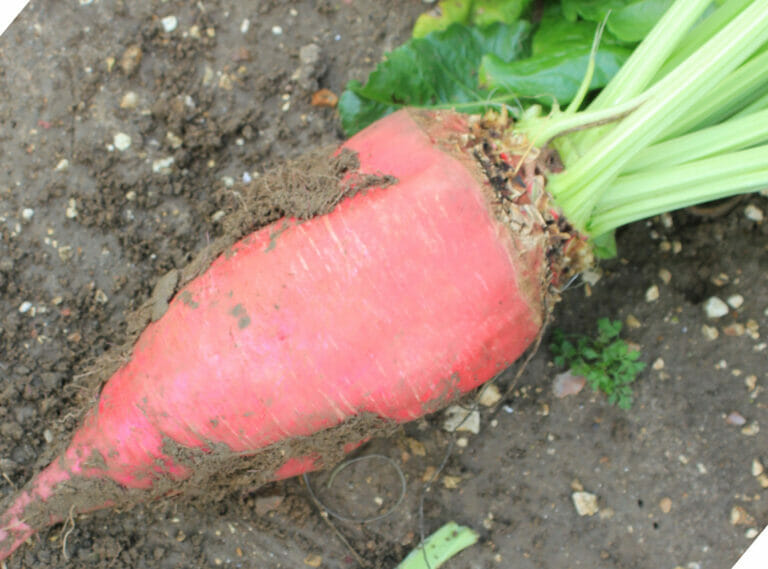
Added to the National List in 2020, and marketed by Limagrain UK, this pink-skinned, conical-shaped beet combines a dry matter content of between 20% and 21% with a relatively high proportion of its root (40%) out of the ground, leaving only 60% in the ground.
“This unique combination makes it one of the best fodder beet options for dairy and beef cattle, as well as for sheep,” says Limagrain’s forage crop manager John Spence. “Fosyma’s medium-depth root reduces the risk of soil contamination and offers flexible feeding options. It can either be harvested, with leaf or root lifting equipment, or grazed in situ.”
High dry matter fodder beets are usually associated with deep rooted varieties. Among the 16 varieties tested annually in Limagrain’s field trials, Fosyma’s dry matter content puts it in the top 25%.
“It is also rhizomania tolerant and resistant to powdery mildew, rust and leafspot, as well as having a high tolerance to bolting,” adds Mr Spence. “Fodder beet as a crop is typically highly reliable, but these advantages will further promote its consistency as a feed.”
Limagrain is offering Fosyma fodder beet in units of 50,000 seeds, recommended for 0.5 hectares. The seed is pelleted and treated with fungicides and insecticides to offer protection across a wide range of pests and diseases.








 “Poor stem quality has limited the feed value of forage kales in the past and could have accounted for between 60% and 70% of total crop yield,” says Mr Heaphy. “But new varieties have been bred for improved stem digestibility that supports better feed value.”
 One Fife-based suckler beef producer has been growing kale, on and off, for the past 20 years and has consistently grown the crop on his unit since 2011.
 A fodder beet variety with medium dry matter content and that has 60% or less root in the ground (compared to some varieties that have 70% or more of their root below ground) is better suited to dairy systems. These are cleaner and easier to harvest or to graze.
 “The starting point, when it comes to crop planning in spring, is deciding which grass swards need attention, as on most dairy farms this is the staple crop.”
 For the past five years Limagrain has been exporting fodder beet seed to New Zealand for grazing dairy cattle – both milkers and young stock. “It’s taken off among their milk producers, who graze the crop in situ. They use the same varieties as we grow here and, as in the UK, the maritime climate suits the crop.
 Tim Cains from Bridgnorth runs a 500-ewe flock – 300 Welsh mules and 200 Scottish Blackface hill ewes. Lambing starts in late March and lambs are reared for finishing from September.
 “And I gave the crop a fair test as we used some fairly unproductive permanent pasture to grow it. It wasn’t very fertile ground and maybe not the best choice to try out this new crop, but it performed far better than I expected.”
 The growth rate of the newer mixtures was consistently higher throughout the season, with a peak growth rate of 124kg/day/ha in the spring compared with 74kg/day/ha from the older grasses, as shown in Figure 1.
  More milk, more meat The five tonne yield difference from year one to year four equates to a reduction in energy yield of 57,947 MJ, which equates to 10,933 litres of milk worth. Based on a standard milk price of 30p a litre, this is worth £3280 a hectare. Or if this shortfall of energy was met from bought in wheat, this would require 4.92t of feed wheat, costing £836 based on a cost of £170 a tonne. Reseeding makes sense Estimates put the costs from £430 per hectare to around £700 per hectare for a full reseed, so based on the milk and meat output from year one to year four, it is easy to see why this is a recommended practice from 20% to 25% of grassland each year. Integrating grassland with another forage crop or with an arable crop to help control pests and diseases, is an advantage too, alongside yield gains, and one where the momentum will increase. Spring inspection Spring and after first cut silage is a good junction for a grassland inspection. A sustainable sward needs more than 80% of sown species, typically ryegrasses and perhaps clover. If there’s less, but between 80% and 50%, then the sward needs some attention and, depending on its age, some overseeding or slot seeding to get it back on track, or a reseed. It there’s less than 50% of sown species, then a full reseed is likely to be the only solution. Swards should also be checked for pests and diseases too. If plants are weak and come out easily when tugged then their roots are weakened and there may be pest infestations like nematodes, wireworms or leatherjackets. Compaction can also hinder grass productivity too, with root development and nutrient exchange restricted where machinery has passed or on cow routes. Mixtures make a difference Limagrain trials compared the performance of more than 30 grass seed mixtures and found considerable differences between them, particularly in terms of feed quality. Looking at the yield and feed values under grazing and conservation management, the
  This digestible fibre value for the
  “We’re not suggesting fodder beet replaces a mainstay silage crop,” adds Mr Spence. “But it can support these silages, either in a mixed ration or grazed in situ, and it promotes production from home-grown forages, helping to replace more expensive bought-in concentrates.”


 Primed seed is now available and may be used in future to promote germination, but this is only an insurance for Alan.


 Monarch Silage and Grazing
 “Some producers may be concerned that the grass could compete and compromise maize yield, but in the trials we’ve carried out on commercial dairy units, they’ve actually seen increased crop performance.


 “This unique combination makes it one of the best fodder beet options for dairy and beef cattle, as well as for sheep,” says Limagrain’s forage crop manager John Spence. “Fosyma’s medium-depth root reduces the risk of soil contamination and offers flexible feeding options. It can either be harvested, with leaf or root lifting equipment, or grazed in situ.”