







Information: Forage Maize Seed Treatments for Sowing Spring 2024
Please click to fill out this survey to help
The Issue
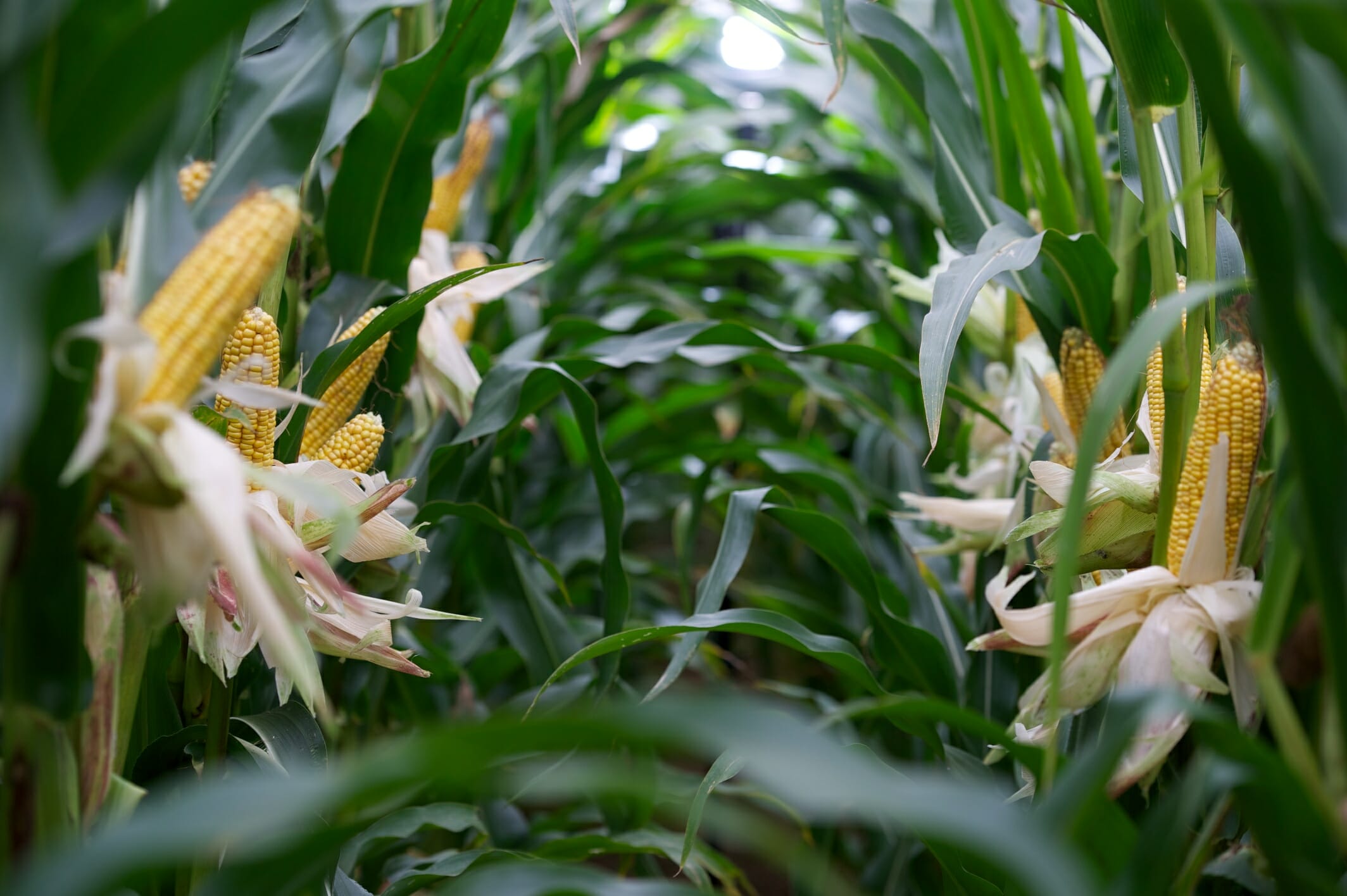
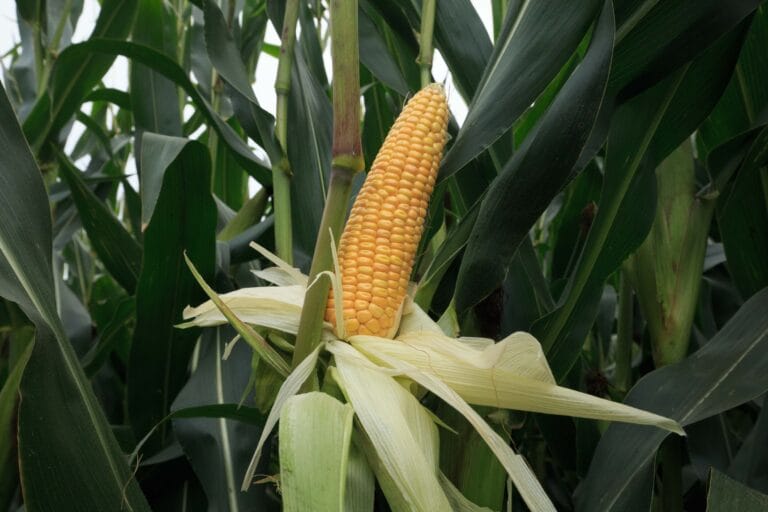
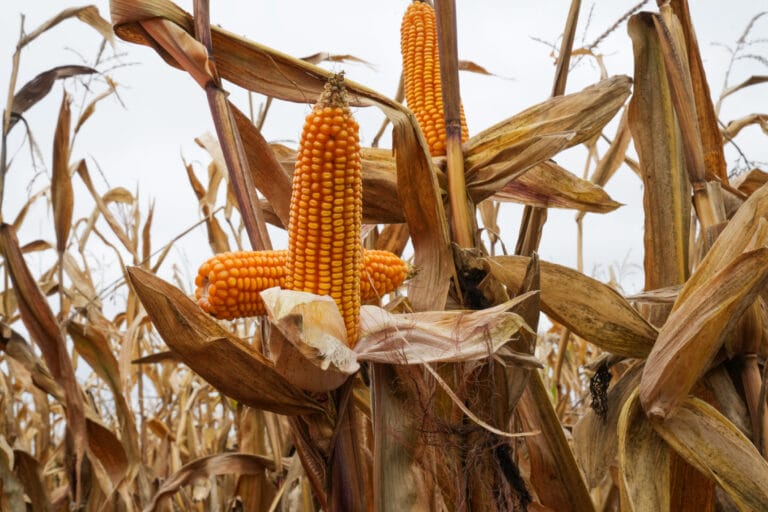
Forage maize seed used in the UK is produced and pre-treated in Europe, with an appropriate fungicide to safeguard it against root zone diseases such as seedling blight, and a bird repellent to discourage corvids from taking the seed.
As part of the European Union free market, seed treated with a crop protection product has free movement across Member State boundaries. Now that the UK is no longer a member of the EU, such rules do not apply and, as of 31 December 2023, it will be illegal to import, sell or sow treated seed with Korit (ziram) bird deterrent, Redigo M (prothioconazole + metalaxyl) fungicide and Force (tefluthrin) insecticide, since the products are not licenced by the UK CRD/HSE.
The Impact
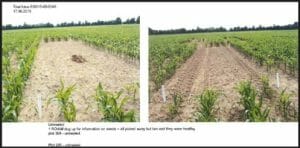
A lack of suitable bird repellent can result in the total loss of the crop. Corvids are intelligent birds and quickly understand seed drilling patterns. In the photograph below, the crows were able to identify which plots were untreated taking almost all of them.
Any attempt to drill the seed deeper to avoid bird damage exacerbates the issue of seedling blight, making application of a fungicide seed treatment such as Redigo M more critical.
Alternatives
Current alternatives include the use of bird scarers, with the accompanying noise pollution, or control of corvids by shooting; neither of which make sense in today’s agriculture.
The danger is that farmers and growers turn away from the growing of forage maize, a high-density nutritious feedstock both for the dairy and livestock sectors, and for the anaerobic digestion industry for energy production.
What are we doing about it?
Limagrain, along with a number of other seed breeders have initiated a working group which has successfully galvanised the NFU, AIC and other parts of the industry into action. Letters to MPs, Select Committees and Ministers have either been sent or are in the process of being sent. Civil servants have been contacted and the media “activated”.
How You could Help
We are keen that as many MPs as possible are aware of this issue:
1. Complete this survey put together by the MGA and NIAB which will give a deeper insight into the issue and who it’s affecting
2. Would you consider writing to your local MP on this subject?
3. Can you raise the problem with their local NFU representatives?
4. Evidence: we are definitely on the hunt for photos of where untreated seed has been planted and anecdotes thereof. Have you seen this problem in action?
Survey reveals variety decisions driven by regional trials information
Arable farmers favour local variety trials over national demonstrations when making crucial decisions about what varieties to grow next season, a survey by plant breeders Limagrain UK reveals.
The online questionnaire shows the overwhelming majority (86%) regard the information they gain from regional variety demonstrations as being more relatable than from national events.

Tom Barker, Cereals and Pulses Product Manager
“This is mainly because local events offer the chance to see how new and existing varieties perform in local soils, climate, and disease situations,” comments Limagrain UK cereals and pulses product manager, Tom Barker.
“Indeed,43% of farmers responding to the survey have attended a regional event with variety trials in the past 12 months, compared with just 28% that have attended a national event, such as Cereals or Arable Scotland.”
“Around one quarter have taken part in an online trials webinar, such as those organised by AHDB, or NIAB TAG.”
“Three-quarters of growers are prepared to travel up to an hour or more to attend a regional variety trial, and alongside location and practical considerations, such as date and time, the quality of technical information on offer is a major factor influencing the decision to attend,” he says.
This shows growers value the opportunity to gather technical information on individual varieties, and how to grow them, he points out, although of particular interest is the ability to compare treated and untreated plots to see first hand how varietal characteristics stand up to seasonal pressures.
“Other areas of interest include; late versus early drilling comparisons, different methods of establishment, alternative fungicide programmes, and trace element/ micronutrient work.”
As might be expected, winter wheat varieties are generally of most interest, followed by winter barley, spring barley, oilseed rape, then a host of other minor crops.
“It is also clear from the survey that, while growers take information from a range of sources when making variety decisions, including independent bodies, breeders, agronomists, and seed merchants, the vast majority (93%) would confidently select a variety based on what they had seen or learned at a variety trial,” says Mr Barker.
“We organised the survey to find out what growers want from trials events, and how we can tailor them to their needs in the future.”
“It shows that growers base their varietal decision making on what they see or learn at demonstrations and trials, with regional events once again proving their worth as a place growers can go to gain knowledge and understanding of varieties.”
Summer Demo Days
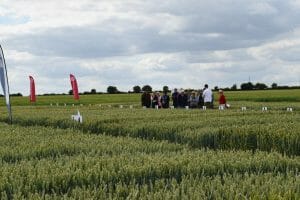
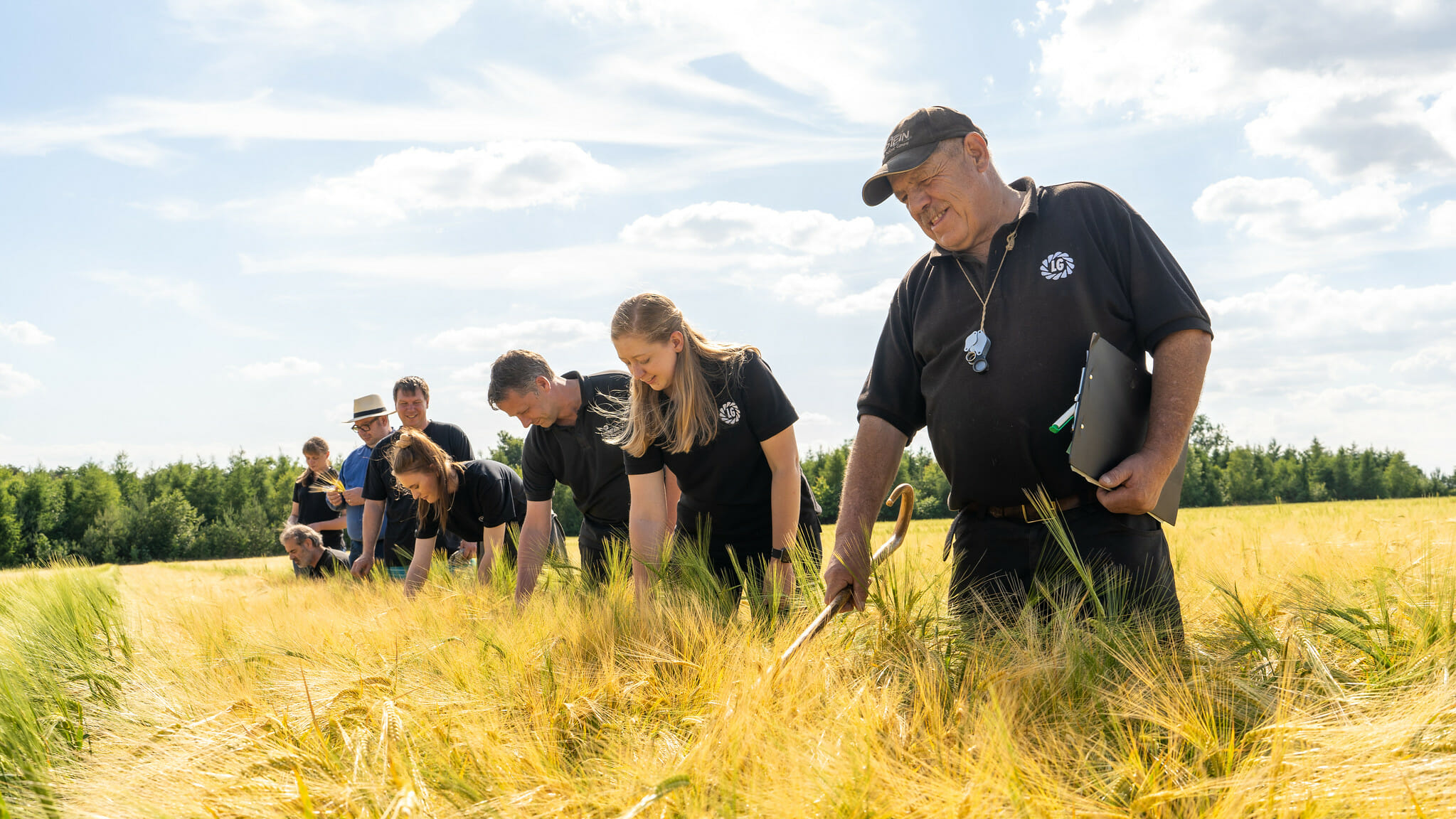
Recognising the importance of local information when making variety choices, Limagrain UK hosts a series of events around the country every year.
This summer’s programme during June and July features five locations, from our milling wheat demonstration on the Essex coast near Maldon, up to the Perth winter wheat trials in central Scotland (see panel for details of all events).
Every demonstration will showcase a range of new and existing varieties, alongside five new Candidate wheat varieties currently going through Recommended List approval. These include two potential biscuit wheats, LG Arkle and LG Grendel, and two hard feed wheats, LG Beowulf – the highest yielding feed wheat Candidate – and LG Redrum.
Limagrain UK’s Rothwell site will also feature the new winter barley Candidate LG Capitol, plus the highest yielding two-row feed, LG Caravelle, which joined the RL this year.
Mind the Forage Gap!After last year’s cold and dry spring resulted in some meagre first cut crops of silage, livestock farmers are looking for ways to ensure their silage clamps are fully filled this autumn. One option, according to Limagrain’s Tim Richmond, is to grow more maize.
“The severity of last year’s poor grass yields was highlighted by the sight of livestock farmers harvesting the last flushes of grass

Maize Product Manager Tim Richmond
growth as late as October and even into November,” Mr Richmond comments. “The silage those crops yielded will have been of questionable nutritional value, but with purchased feed prices as high as they were farmers had to do whatever it took to ensure they had enough feed to see them through the winter. As such, they will understandably be keen to avoid a repeat this year.”
One option to mitigate the risks associated with another difficult spring is to grow more maize Mr Richmond explains: “A well-managed crop of maize will be less susceptible to the stresses which led to last year’s grass problems,” he states, “with modern maize varieties able to deliver strong yields even when the growing season is foreshortened by late drilling.”
Mr Richmond explains that the latest generation of maize varieties require 10% fewer heat units than their predecessors and can be drilled up the end of May. “Limagrain’s European maize breeding programme has focused on producing new varieties with improved vigour and which require fewer Ontario Heat Units to reach maturity earlier in the year.
“We also breed and select varieties based on their stability of performance and standing power under the varying conditions that the UK climate can throw at crops, with our vigorous UK trials programme ensuring we only bring to market those new varieties which are truly suited to local conditions.
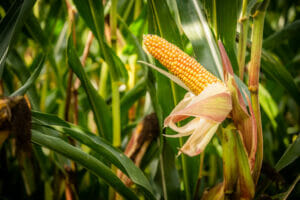 “Varieties such as Gema, Prospect, Dignity and Trooper all have an FAO rating in the 160-180 range which means they can be drilled later and harvested sooner. And, despite requiring a shorter season to reach maturity, they can still reliably produce clamp-filling yields of 16.5-18.3tDM/ha, almost twice as much as most grass leys will produce in the same timeframe.”
These varieties will also deliver a higher energy yield Mr Richmond says: “For example, 10ha of Trooper (FAO 170) can be expected to produce around 180 tonnes of dry matter and could easily be the difference between having enough forage in the clamp and having to choose between restricting forage intakes or purchasing additional feed.
“But it’s not just dry matter yield or earliness of maturity that matters,” Tim continues. “Fifty percent of the energy in maize is stored in the stalk and leaves of the plant so it’s important to select a variety which is easily digested in the rumen. In older varieties, this vegetative material was harder for livestock to process so Limagrain’s maize breeding programme has focused on ensuring those same high-yielding varieties also deliver more readily available energy by breeding in improved cell wall digestibility (CWD).”
Mr Richmond concludes by stating that the inclusion of more maize into dairy and beef diets has the added advantage of supporting improved rumen function and encouraging greater feed intake which translates into better milk yields and improved daily live weight gains.
“Growing an early maturing variety also gives farmers the option to establish a successor crop in the autumn and for that crop to be used as an early source of fresh forage in the following spring,” he advises.
Limagrain Live is Back!Join Ron Granger, LG Arable Technical Manager and Tom Barker, LG Cereals & Pulses Product Manager, for a round table discussion on Varieties, Soils and Policy, with our panel of industry experts;
• Tim Parton – Farm Manager, Staffordshire
• Susan Twining – Chief Land Use Policy Adviser (CLA)
Ron and Tom will cover breeding for the future, how LG varieties could fit into a regenerative/conservation system and how to get the best performance from them.
This will be followed by a live Q&A with our panel, so come prepared with questions or enter them ahead of the event on the registration form.
Tim runs a 300-hectare estate on managed regenerative agriculture policy for the past 15 years. Through research and trials and by transitioning to no-till, the system has allowed the farm to eliminate insecticides and reduce herbicide and fungicide use.

Susan leads the CLA Land Use team which covers policy issues and advice relating to agriculture, forestry and woodland, and the environment. This includes issues such as new agriculture policy.
If you attend our online panel discussion, you will be eligible to claim both BASIS and NRoSO points.
Interested?
Click here to sign up for the event and submit your questions for our panel – link will follow closer to the event.
Crusoe delivers for Gold award winning growerAfter scooping top spot in the 2022 Yield Enhancement Network (YEN) Milling Quality Awards, Crusoe has once again proven its reliability for Norfolk farmer Chris Eglington.
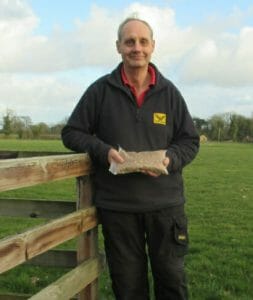
Chris Eglington
More than one-third (150 ha) of the 400 ha farm near Dereham is down to Group 1 milling wheats, divided evenly between Crusoe in the first wheat slot after peas or oilseed rape, and Skyfall as a second wheat.
“We’ve been growing Crusoe for at least eight seasons and it is a very reliable variety,” Mr Eglington says. “It’s not necessarily the highest yielding, but it performs every year.”
This performance was clearly demonstrated last harvest, when his YEN entry won Gold in the YEN Milling Quality Awards, with a protein content of 14.4%, specific weight at 80.7 kg/hl, and Hagberg of 355 seconds. This bucked the trend in a season characterised by high specific weights and Hagberg falling numbers, but generally lower protein content.
Mr Eglington acknowledges optimising yield and achieving full milling specification is a fine balancing act, but says Crusoe has generally met the grade every year he has grown it.
His YEN-winning crop was managed no differently to other milling wheats on the farm, which has operated a controlled traffic system across the entire area for the past decade.
For the 2022 YEN crop, grown on a good medium loam field, the preceding Aspire oilseed rape stubble was allowed to green-up for as long as possible, before cultivating with an 8-metre Vaderstad Carrier in early September. Wheat was then drilled within a couple of days, using the farm’s 8-metre Vaderstad Rapid, rolled, and a residual herbicide applied.
“We use variable seed rates, based primarily on the soil’s clay content. There are 13 different soil types on the farm, from sand to strong clay, and in some cases the subsoil is different to the topsoil.
“Generally, the lighter the land, the lower the seed rate, whereas on the heavier land we’ll increase rates, as it is usually harder to create the optimum seedbed. Having said that, conditions were so good last autumn, some of the heavier land established better than the lighter ground.”
Little and often nutrition
After many years of growing milling wheats, Mr Eglington recognises the importance of optimising crop nutrition to achieve both yield and the quality required by end users.
Variable rate potash, lime (where required) and nitrogen applications are used across the farm, and he has worked closely with grain buyer Camgrain, and in the past with Sainsbury’s, to optimise nitrogen inputs and protein.
“Although there’s a lot of pressure to reduce nitrogen use on farms, there’s no escaping the fact that if you want to get a good milling wheat crop with high yield and high protein, unfortunately there is no other option than to make sure the crop has enough nitrogen. Being a few kilos under could take away the premium and be a big money loser.”
He favours a “little and often” approach, based on his experience of growing milling wheats, and in-season crop monitoring to fine-tune requirements.
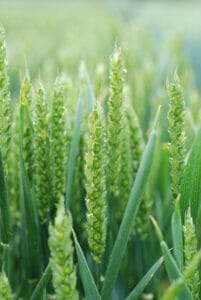
Although the preceding crop can affect residual nitrogen levels in the soil, given the uncertainty over how much will be available and taken up by the plant, Mr Eglington prefers to use regular tissue testing as a means of adjusting nitrogen programmes to crop need.
“We haven’t really done much soil testing, but do use the Yara N-Tester to test what’s in the plant tissue, and then the N-Sensor to apply nitrogen where it’s needed, and less where it’s not, so you end up with a very even crop.”
On average, first wheats typically receive a total of 280 kg N/ha, with second wheats getting an additional 10-15 kg N/ha, due to the lower residual nitrogen after the preceding wheat crop.
Nitrogen is normally applied as four splits of solid granular fertiliser, but will sometimes be supplemented with a small amount of liquid urea towards the end of the season (June) to help build grain protein if required.
Keeping crops clean
A standard four-spray fungicide programme is used across all of Mr Eglington’s wheats, from T0 through to T3.
“We don’t cut corners in terms of timing. It would be very unusual for us to miss out one of the main fungicide sprays, but we will alter products according to the weather and disease pressure at the time. AHDB benchmarking data shows we generally spend slightly less than average on fungicides, but spray slightly more frequently.
“Again, it’s a little and often approach. Fire-fighting disease is a lot more difficult than going out there and preventing it in the first place.”
Disease-wise, he says Crusoe is a predictable variety with no significant problems. “We know brown rust can be an issue later in the season, so we treat crops accordingly to manage that risk.
Mitigating maize malaise“We have tried other milling varieties in the past, but and have come back to Crusoe because it is a reliable variety,” he concludes.
Last year’s testing weather conditions have brought into focus the challenges maize growers can face when trying to produce a high-yielding, nutritionally valuable crop.
With last year’s dry and hot conditions causing many crops to underperform and in the worst cases fail, Limagrain’s Tim Richmond and Neil Potts of Matford Arable share their thoughts on how to mitigate the effects of variable weather patterns, disease and pest-related stresses.
According to Tim Richmond, maize manager for Limagrain, the key factors to consider when planning for a successful maize crop are varietal agronomics, drilling depth and seedbed conditions, minimising the threat from pests, disease and birds, and ensuring the crop matures early enough to enable a timely harvest without risking excessive soil compaction, erosion or run-off.
“With weather patterns becoming increasingly volatile and difficult to predict, it pays more than ever to plan carefully for the season ahead to ensure maize crops stand the best chance of achieving their true potential in terms of yield and energy content,” Mr Richmond explains.
“What last year’s excessively hot and arid conditions taught us is that it’s crucial to get crops off to a strong start so they are better able to cope with stresses later in the season.
“Growers should therefore select the most appropriate variety for their specific location and preferably one which has been tested and proven in UK conditions.”
“Factors including available heat (measured in Ontario Heat Units) and average rainfall will dictate whether a ‘very early’ variety such as Prospect, an ‘early’ variety such as Saxon or an ‘intermediate’ maturing variety such as LG31207 should be grown”.
“That’s as true for maize grown for ensiling as it is for crimped or grain maize and for crops destined for biogas production, but there’s never any guarantee the season will pan out as expected. Therefore, to give the selected variety the best start, additional care is required at drilling and during the establishment phase.
Mr Richmond explains that drilling should only commence once the soil temperature has reached 10oC for at least four consecutive days and when the medium-term forecast looks favourable, “so seed germinates quickly and plants grow away strongly. Crops should also be drilled into well-aerated soils as maize won’t thrive in compacted soils where oxygen is limited. A starter fertiliser – applied with the seed at drilling – will also help the crop to grow away quickly.”
How crops coped during last year’s drought came down to how they fared during the establishment phase Mr Richmond adds: “Crops drilled into a warm, well-aerated seedbed with a decent amount of retained moisture rapidly put down strong roots which helped them to cope with the ensuing dry conditions and allowed them to develop an early canopy which helped to out-compete and suppress weeds”.
“In contrast, those crops which went into drier ground, either as a result of poor timing, lack of rainfall or where heavy cultivation had caused excessive moisture losses, failed to put down a decent root and suffered more as the dry conditions took hold.”
In terms of specific agronomic traits, Mr Richmond recommends looking not just at the usual performance indicators – dry matter yield and starch content – but at additional factors including early vigour, lodging ratings, disease resistance and maturity classification.
“Irrespective of the crop’s end-use, there’s no point chasing outright yield if the crop doesn’t contain enough metabolisable energy or if it grows too tall for its root structure and ends up lodging. A variety which puts down strong roots stands a better chance of remaining upright and will also be able to grow away more quickly and withstand dry conditions for longer thanks to the ability to scavenge water and nutrients from depth.
“Likewise, a crop with natural resistance to diseases such as stalk rot (Fusarium graminearum) will also be easier to grow, although it will still pay to manage disease carefully, particularly if the season turns out to be less than ideal.”
Neil Potts of Matford Arable agrees, stating that cool and humid conditions will aggravate the threat of disease. “Thankfully, the cool, damp conditions which exacerbate diseases have been relatively scarce in recent years, but it still pays to be aware of the risk especially as fusarium can be tricky to control once it has taken hold. It therefore makes sense to thoroughly bury the previous crop’s stubbles and debris to reduce diseases from over-wintering and to have plans in place should a fungicide application be required.
“In recent years, the drive to reduce costs has resulted in a small but significant groundswell towards establishing maize either via direct drilling or minimum tillage. In a favourable year these techniques work reasonably well, although the resulting crops can be a little smaller than their conventional counterparts. It is worth noting however, that last year’s conditions proved too much for reduced tillage crops in the driest parts of the UK which struggled because of their less-developed root systems and because many of the drills used didn’t have the ability to apply a seedbed fertiliser.”
Seed treatments and biological growth enhancers can also help to mitigate the effects of a poor season: “With feed prices remaining high the value of home-grown forage has also risen,” Mr Richmond continues. “It therefore pays to protect crops from the very outset, with seed treatments such as Korit Pro which, as well as repelling birds and protecting against damping off diseases such as pythium, also provides manganese and zinc to improve crop emergence and establishment through the susceptible 2-6 leaf period. It also contains a plant growth promoting rhizobacteria (PGPR) which colonises the rootzone and aids nutrient uptake, thereby giving plants a healthier start.
“Ultimately, the key factor affecting how a crop performs at harvest is how well it was managed in its infancy,” Mr Richmond concludes. “It’s therefore essential to do everything possible to get crops off to a vigorous start so that they stand a better chance of coping with whatever the season might subsequently throw at them.”
Free app cuts through the confusion of maize seed selectionMaize growers can boost the contribution their crops make to their farm’s bottom line by using the free Maize Manager App from LG Seeds to select the most appropriate varieties for their specific use and location.
Suitable for Android and iOS phones, the easy-to-use app is designed to help growers maximise the performance of their maize crops and offset the cost of purchased feed.
“When it comes to choosing which variety to grow, the first port of call should be to study the independent data provided by the BSPB/NIAB Forage Maize Descriptive List,” explains LG Seeds maize manager, Tim Richmond. “Beyond that growers can also use the free LG Seeds Maize Manager App to determine which variety or varieties are best suited to their specific location and to ensure their 2023 crop delivers a reliable return on investment.”
The Maize Manager App uses the latest trials data and compares the energy output and milk, meat or biogas production potential of individual varieties within a similar maturity range to simplify the decision about which variety to grow for forage, grain or AD purposes.
“The Maturity Manager tool within the App uses postcode-specific Met Office data to calculate Ontario Heat Unit accumulations for the specified location and processes this information to recommend relevant varieties,” Mr Richmond says. “In doing so, growers can select the optimum variety for their location and purpose.”
The App’s Feed Value Manager tool enables users to calculate how much their chosen variety will save by offsetting purchased feed costs either as result of the variety’s ability to increase milk output from home-grown forage, or in the case of beef rearers and AD plants, how much the chosen variety will contribute to improved daily liveweight gains or increased biogas output.
The App also features a tool which helps growers to calculate the optimum seeding rate for their chosen variety, and one which determines the optimum date for harvest. It also contains a new LG Animal Nutrition (LGAN) tool which highlights the cost savings associated with using one of these high yielding, high energy varieties – either in terms of increased milk yields, higher liveweight gains or increased biogas (AD) output.