



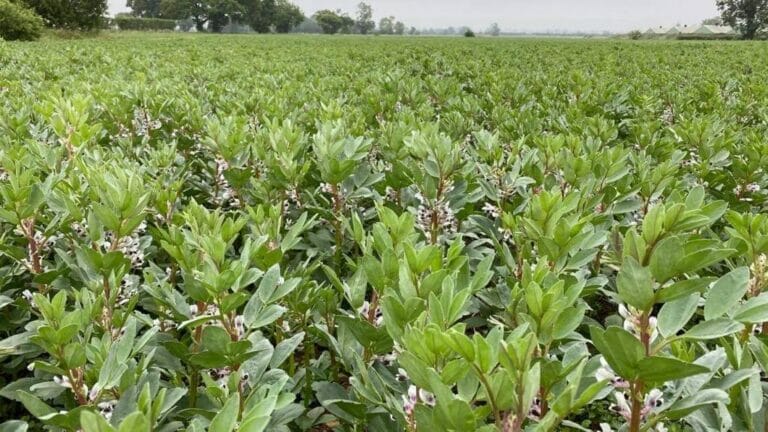
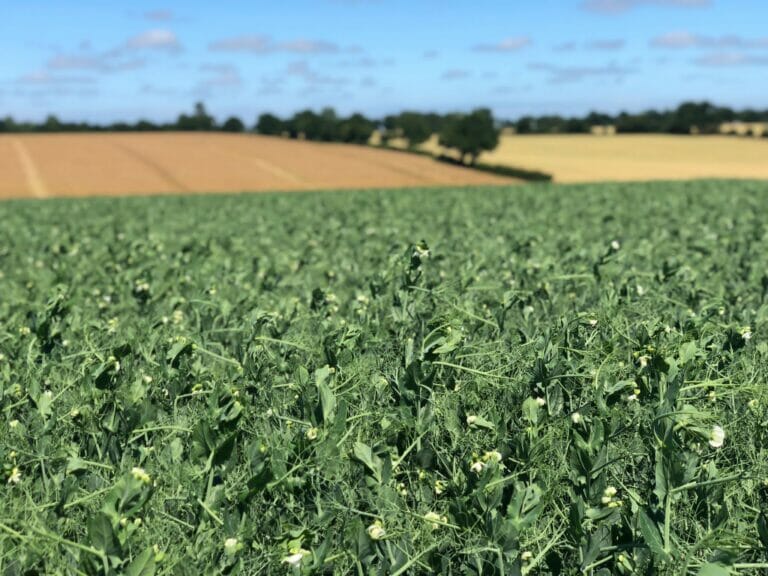
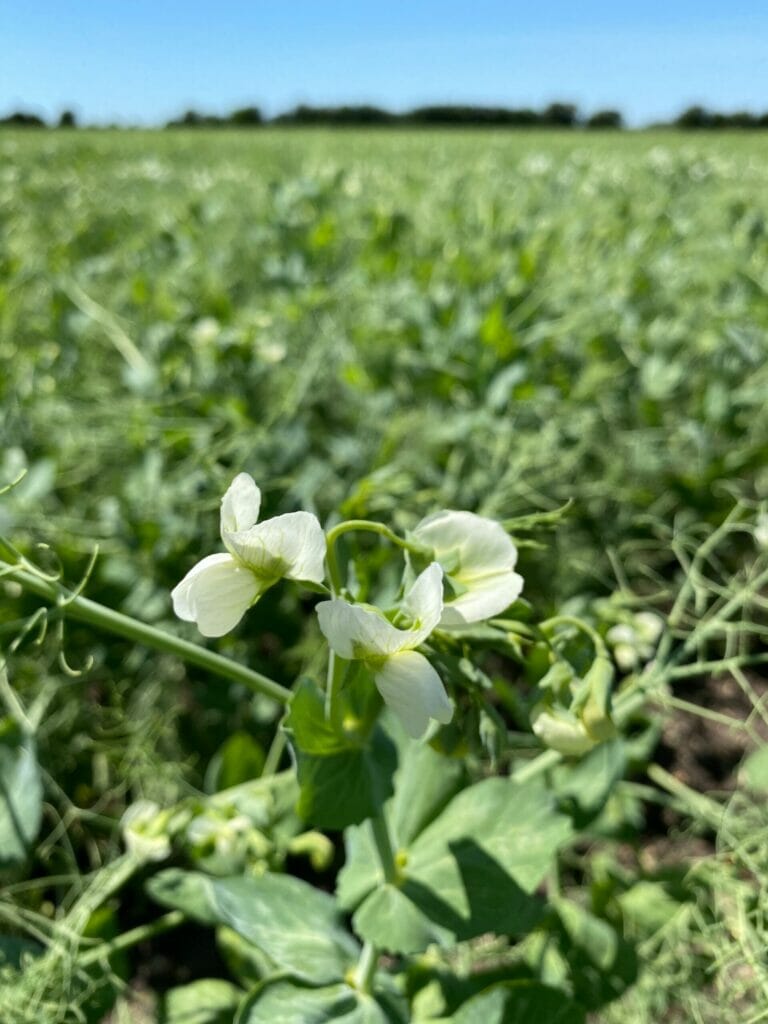
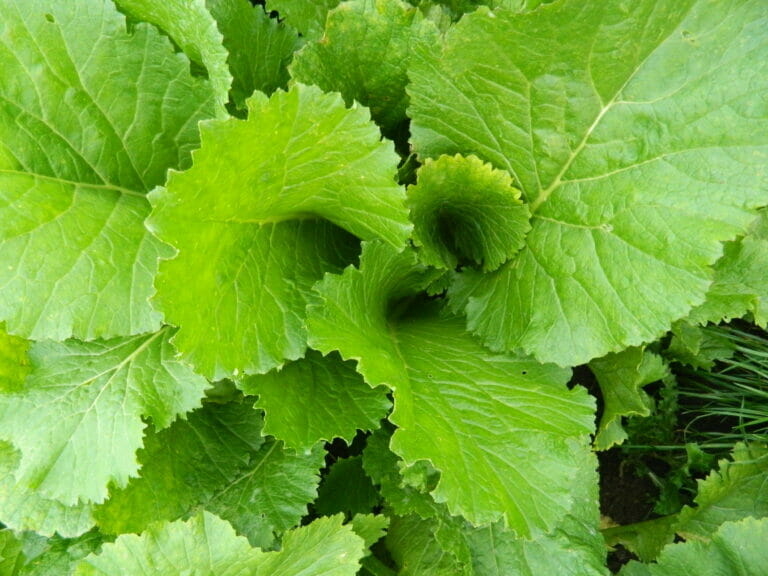









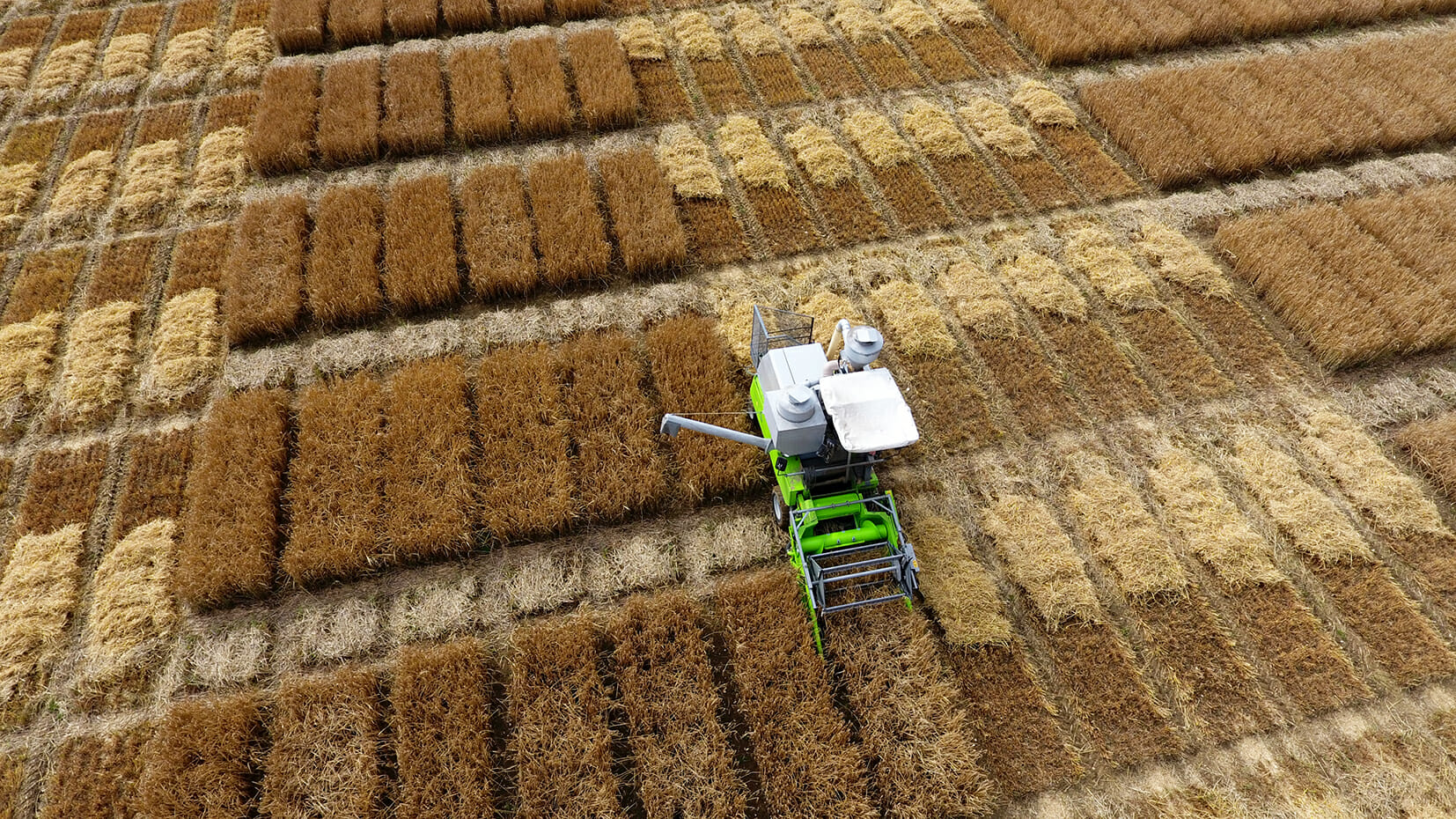

The launch of the Sustainable Farming Incentive (SFI) in 2022 and the subsequent options added in 2023, allows farmers to adopt and maintain sustainable farming practices that will help improve our environment.
You can apply for a 3-year SFI agreement to undertake environmental land management actions that will help you to manage your land in a sustainable way. There are 6 SFI actions to choose from, and some work in conjunction with existing Countryside Stewardship.
As SFI is so comprehensive and detailed, in this edition, we will focus on ‘Integrated Pest Management’.
IPM is focused on:
- – Increasing knowledge and identifying opportunities for integrated pest management
- – Creating habitats for natural crop pest predators
- – Using companion cropping to suppress weeds, reduce diseases and provide protection from crop pests
- – Minimising use of insecticides
|
Actions & payments for IPM |
|||
|
IPM1 |
Assess integrated pest management and produce a plan |
£989 per year |
|
|
IPM2 |
Sow flower-rich grass margins, blocks, or in-field strips |
£673 per hectare |
|
|
IPM3 |
Use a companion crop on arable land |
£55 per hectare |
|
|
IPM4 |
No use of insecticide on arable crops and permanent crops |
||
If you decide to apply for one of these actions, it should help you with managing crop pests, diseases and weed control, and minimise the use of pesticides – leading to increased biodiversity and improvements to water quality, soil and air quality.
To maximise your sustainable farming options, we have designed seed mixtures that are eligible for IPM actions:
IPM2 – Flower-rich margin seed mixture, containing 80% grasses and 20% native UK wildflowers. Ideal for blocks or in-field strips; the mixture, once established will provide habitat and food for predators and pollinators.
IPM3 – Our Grass and clover mixture can be under sown with cereals and our Maize grass mixture can be used to under sow a maize crop, providing an understory habitat.
We suggest, before you decide which SFI action suits your business, that you check out the application process, rules, and payments at:
Sustainable Farming Incentive guidance – GOV.UK (www.gov.uk)
Delivering success for growersThe Limagrain UK portfolio of Betaseed varieties, continues to offer a diverse range of varieties for consideration, on the new 2024 Recommended List.
The portfolio offers a range of varieties suitable for the key demands of specific requirements or situations – yield/ sugar %/ disease resistance/ bolting tolerance, and now ALS herbicide resistance.
Betaseed varieties are proven both in trials and more importantly through consistent performance over very erratic and challenging seasons of drought and virus.
Based on this success, the varieties are now a well-recognised brand in the UK sugar beet sector, delivering growers security of performance through excellent genetics.
UltiPro Seed Treatment
Betaseed’s unique seed treatment, UltiPro, is designed to help sugar beet growers maximise their yields and profitability, by improving the health and performance of their crops.
By protecting the seed and promoting early plant development, UltiPro can help growers establish a strong, healthy stand of sugar beets, that can withstand environmental stresses and produce a high-quality crop.
UltiPro has been independently tested for 3 years in comparison to the UK market standard.
Expanding the yellow pea marketYellow peas have historically been only a small proportion of the UK pulses market but are grown much more widely in Canada and France. Originally, only grown as a niche product for animal feed, they now command a premium for bird food and human consumption markets.
 premium for bird food and human consumption markets.
The area of yellow peas has been increasing steadily in the UK over the past decade. Justin Barrett, from Askew and Barrett (Pulses) Ltd, explains “we are finding that yellow peas have a higher yield than large blue and marrowfat types. They are also flexible, as they are used in a number of processes including for fractionation, pea flour and split peas used for soups, stews and casseroles”.
Limagrain’s first yellow pea in the UK, LG Ajax, was first listed in 2022 and was followed by LG Corvet. Both of these varieties have a step up in disease resistance over other types, especially against powdery and downy mildew.
“One of the major benefits of yellow peas for growers, is there is no risk of bleaching during growing and harvesting and they are usually the first of the dry peas to be combined. I expect the market to continue to increase for yellow peas” says Justin.
The benefits of oilseeds in your rotationWith the most recent AHDB early bird survey estimating that the UK winter oilseed rape area has declined by 16% for harvest 2024, partially due to the challenges around establishment, it is easy to overlook the benefits that OSR can bring into an arable rotation.
Whilst of course it is important that crops are economically viable, the bigger picture in terms of what added value OSR has to growers, should not be taken for granted. So, whilst growers may begin to question the place of OSR in the rotation, it is worth considering the following benefits below:
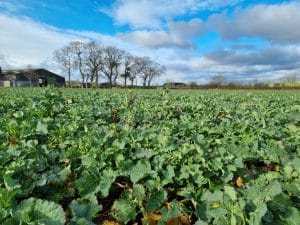
- OSR offers a great opportunity to maximise workloads on farm. In terms of the drilling, it is outside that of the main cereal drilling window and with TuYV resistance in the LG portfolio, early drilling can be achieved without having to worry about virus pressures from aphids. With respect to harvest and input timings, it is typically not aligned with cereal crops, meaning that in difficult seasons, workload on time sensitive crops such as cereal fungicide timings, are reduced.Weed control is an important factor to consider with any break crop but following 2 years of difficult grass weed control in cereals, products such as Astrokerb (propyzamide & aminopyralid) offer an opportunity to get on top of difficult to control grass weeds, such as bromes and blackgrass. Where charlock and other brassica weeds are an issue, Clearfield® tolerant varieties offer a solution.
-
OSR is one of the only monoculture arable crops in which ‘companion cropping’ is being carried out on a relatively wide scale. With some growers looking towards Buckwheat or berseem clovers to establish alongside OSR, under new SFI payments, this can be worth £55 a hectare.
-
OSR in the rotation brings a different rooting structure, with the large tap root produced helping to break ‘pans’ and improve soil structure, as well as nutrient availability when sown following wheat crops. A 2015 German study (Weiser et al., 2017) showed that wheats following OSR yielded on average 5% higher than those following a cereal, such as barley. These are costs that are often overlooked when analysing the value of OSR on farm.
-
Whilst OSR can be relatively input heavy, if sown before the end of the year, there has been a lot of research carried out into how best to reduce inputs in the spring; AHDB project PR447 investigated the effectiveness of managing and tailoring OSR nitrogen inputs based on the canopy size. Research forms the backbone of technologies, such as the Yara N sensors, and has proven effective in reducing spring nitrogen costs for growers whilst maximising yields.
For more information on utilising nitrogen in OSR, please follow: Oilseeds Canopy Management – LG Seeds
Early maturing maize proves pivotal in rotation Increasing the acreage of maize in the arable rotation is proving highly successful for Warwickshire farmers Richard and Fred White at their 650ha mixed unit at Swan Farm, near Atherstone.
Seen firstly as a good alternative break crop to oilseed rape – which has become harder to establish due to the difficulties in controlling flea beetle – maize is now a valuable forage for their beef finishing enterprise as well as an additional cash crop sold to neighbouring dairy and goat farms.
Key to maize fitting into the rotation and also the operational schedule at Swan Farm is the use of a very early maturing variety, with Limagrain’s Gema fitting the bill well for the past two years.
“Harvesting a fully mature maize crop early is important to us for a number of reasons,” explains Richard White. “Firstly, we’re supplying longstanding customers that want the maize for feeding as early as possible, but we also want the fields cleared so that we can prepare the ground for drilling winter wheat.
“This year we harvested 52ha of Gema on 20th September, which was our contractor’s first outing of the season. We weigh representative trailer loads, so we know what we’re selling, and the crop averaged over 20 tonnes/acre fresh weight, which we’re very pleased with.”
Fresh crop samples were taken by Wynnstay’s Ellie Edwards just before harvest, with the analysis coming back at 32% dry matter, 34.4% starch and 11.5 MJ/kg ME, indicating optimum maturity and a high feed value forage. Having sold the seed, Ms. Edwards supported the customer with crop monitoring throughout the growing season and will continue her input through to feed out.
“It was a relatively positive season for growing maize in many areas,” she says, “with rainfall through July and August allowing good summer growth and enabling crops to yield well.”
At Swan Farm, the maize is drilled relatively early, with the 2023 crop going in during the last week of April. The early drilling is at least in part to ensure this job is out of the way before the fodder beet goes in.
“This is another reason why a very early variety like Gema works so well for us,” adds Richard. “Fodder beet is another important break crop in our rotation, and – like the maize – it’s both a cash crop that we sell as well as a valuable feed for our own sheep. By harvesting the maize as early as we do, it’s out of the way before we’re into lifting fodder beet. The two crops work well together in this way.”
Maize, fodder beet and also potatoes now provide the main cereal break crops in the rotation at Swan Farm, which grows up to 400ha of cereals, mainly winter wheat as well as some spring barley and spring oats.
“We’re doing everything we can to stay on top of grass weeds in our wheat, which is why productive break crops as part of a balanced rotation are so important,” says Richard. “We seem to be keeping on top of blackgrass at the moment, but need to be wary of other possible threats, like ryegrass. Staying on top of the problems is key.”
Swan Farm also includes 160ha of low input permanent grassland, which provides grazing for up to 200 cattle and a 450-ewe flock of EasyCare breeding ewes that are lambed in April. The permanent grassland, which is also used to produce hay sold into the equestrian market, helps to underpin a homegrown feed philosophy for both livestock enterprises.
“With the maize silage for finishing beef cattle, fodder beet for fattening lambs, plus our own spring cereals producing rolled barley and oats, we’re avoiding any great reliance on bought in feeds,” adds Richard. “It means our break crops are contributing to the other enterprises on the farm as well as being valuable in the rotation.”
As any effective rotation should, the cropping system at Swan Farm is helping to maintain good soil fertility as well as control weed and disease burdens.
 The 2023 crop of Gema maize only had farmyard manure and digestate applied prior to ploughing, with no fertiliser down the spout or applied later. Maize crops were also relatively clean, requiring just one herbicide application during the growing season.
Going forward, as the Whites transition from the current HLS scheme, they are increasing their use of cover crops over the winter. Mixtures comprising mustard, fodder radish, millet and other species are now being grown, providing soil fertility benefits through green manure as well as useful shooting cover.
As they review new environmental scheme options, to work out what is best suited to their farm, one thing that’s fairly certain for the foreseeable future is a continuing commitment to growing very early maturing maize.
Creating carryover maize stocks helps maintain herd performance
A bumper 2023 maize crop looks set to eliminate any future risks of running short of a key forage for one high yielding Dorset dairy herd.
According to Robert Symms, who farms with his wife Bryony and son Jake at Batsons Farm, near Sherborne, growing a slightly increased maize acreage and opting for a top-ranked very early maturing variety should ensure the availability of important carryover silage stocks come the autumn of 2024.
“We’re estimating that we’ve clamped around 2,800 tonnes of maize this year, from 143 acres, so pretty much 20 tonnes/acre,” Robert reports. “That should mean we’ll have enough to last until Christmas 2024, so we can maintain a consistent ration all year round and avoid the issues of previous years when we’ve run short of maize before the new crop is fully fermented.”
Batsons Farm has evolved significantly over the last decade or so, firstly converting to a fully housed operation around 10 years ago, and in the last 12 months moving over to robotic milking. Over this period, a forage ration comprising approximately 60% maize and 40% grass silage has become established, fed as part of a total mixed ration through a forage wagon and underpinning yields that are now pushing up towards 12,500 litres/cow.
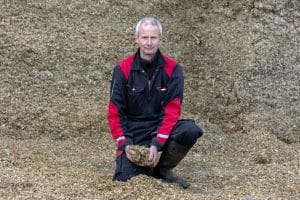 The herd currently numbers 220 milking cows, with Robert conscious of the danger of any shortfall in maize production. He therefore turned to his seed supplier, Tim Rutter of Pearce Seeds, for advice on how to boost maize output.
“Based on the fact that we needed more yield, but still wanted a mature crop harvested before the end of September, Tim recommended Dignity from Limagrain,” Robert adds. “As a new variety, it had performed very well in Pearce Seeds’ own local trials and had all the attributes we were looking for.
“It was £10 a pack more than some of the other alternatives, but it has certainly performed for us, and I can now say it has been well worth the extra investment.”
Maize is usually drilled at Batsons Farm during the first week of May, and 2023 was no exception. It follows an over-winter cover crop of westerwold ryegrass, which provides a bonus cut of forage in early April and helps avoid the risks of bare ground during the wetter months.
“The cover crop will have had slurry on it in March and we apply farmyard manure after we’ve taken the cut of silage,” says Robert. “We then plough in the ryegrass stubble and prepare the ground for drilling with one or two passes with the power harrow. The maize is drilled by our contractor and goes in with one hundredweight to the acre of DAP down the spout. We’ve never seen the benefit of top dressing with any additional nitrogen fertiliser, so it’s simply a case of then allowing our agronomist to advise on herbicides, but our crops are generally pretty clean.”
In what has been a favourable year for growing maize in Dorset, the Dignity has performed exceptionally well,
maturing in good time for harvest before the end of September and yielding an impressive 20 tonnes/acre. Early sampling of the fresh, unfermented crop, taken from the clamp, revealed a dry matter of 34% and an ME of 11.2 MJ/kg, with starch at 28.6%. By the end of November, the fermented crop was analysed at 39.3% DM and 39.0% starch, with an ME of 11.96 MJ/kg. The ensiled crop was also shown to have a high percentage of fast digesting fibre and a low content of non-digestible fibre, both of which will ensure the crop feeds well and is easily assimilated in the rumen.
According to the farm’s nutritionist Vicky Ham, of Kite Consulting, forage budgeting that will, in future, allow the new maize to remain untouched for two or three months will be beneficial to overall herd performance.
“At Batsons Farm, the maize offers vital energy and a safe source of starch and is the foundation for the milkers and dry cow rations. We aim to feed a ratio of 60:40 maize to grass silage but can only do this with adequate silage stocks and fully fermented maize silage.
“When stocks run short, as we’ve seen this year and in previous years, there’s a risk of upsetting the rumen balance, and feeding the maize before the starch is at its most digestible equates to lost production potential.
“With the increased stocks resulting from the improved 2023 harvest with LG Dignity, we’re in a much better position from a forage budgeting perspective. Next year the new-season maize should remain untouched for two to three months after clamping and that will mean we’re maximising its value in the ration.”
With regards to the grass silage component of the ration, the Symms have moved towards a multi-cut system in recent years, starting early and taking as many as five or even six cuts a season, to maximise silage quality.
With input again from Pearce Seeds, they are now looking at four-to-five-year leys, with the addition of very large leaf white clover, which will not only boost the protein value of the grass silage but could also help to secure additional payments through the new Sustainable Farming Incentive schemes.
Five priorities when choosing a spring barley varietyFive priorities when choosing a spring barley variety
Spring barley is an important rotational option on many farms, and more growers may be looking to the crop in 2024 as exceptionally wet autumn weather has disrupted winter cropping plans.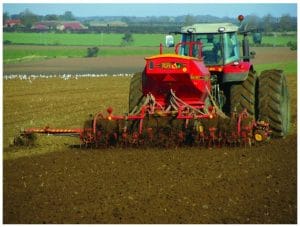
But, whether the decision to grow spring barley is planned or unplanned, There are some key factors to consider says Limagrain UK arable technical manager, Ron Granger.
Market requirements
Start by fully understanding your grain buyer’s requirements in terms of variety and grain quality, especially when looking to supply premium brewing or distilling markets.
In some instances, contract specifications will dictate the variety that must be grown to supply a particular market, and criteria such as grain nitrogen content, will have an important impact on agronomic decisions and crop inputs throughout the season.
Dual use potential
Where variety choice is not dictated by the end user, growers have flexibility to select one that suits their requirements, growing conditions and farm situation.
Mr Granger recommends considering a dual use variety such as LG Diablo, which combines decent yield performance, with multiple end market opportunities, offering an advantage over many varieties now listed.
Vigour and tillering capacity
LG Diablo offers excellent spring vigour and high tillering capacity, which is a valuable trait in spring barley given the relatively short growing period.
The best way to maximise spring barley yield potential is to ensure high final ear counts. An 8-9 t/ha crop needs around 800 ears/m2, which at a 350 seeds/m2 rate, equates to around 2.5-3 tillers per plant at harvest.
Choosing a more vigorous tillering variety will help, as it will give some reassurance that the optimum tiller count will be reached.
Where spring barley is being used in a black-grass situation, it is important that a vigorous, high tillering variety is selected, as a high tiller number must be ensured for the variety to compete.
Spring barley is a fast-growing crop and if key nutrients are deficient at any time, yield potential will be affected.
Limagrain trials show that higher yielding varieties respond positively to higher nitrogen inputs, due to their increased yield potential and,more importantly, a dilution of grain nitrogen content.
Phosphate, potash, magnesium and sulphur, have proven beneficial to tiller retention and final yield, while micronutrients, including manganese, zinc, copper, iron, and boron, applied at the stem extension phase into flowering, are also useful.
Disease resistance
Strong disease resistance is an important characteristic to look for in any variety, and spring barley is no exception, with mildew, rhynchosporium, and brown rust being the main considerations, says Mr Granger.
Early drilling can significantly increase disease risk, so it may be particularly important to consider more disease resistant varieties for this situation.
Resistance to lodging/brackling
Choosing a variety with good straw characteristics, is key to protecting yield and grain quality at harvest and potentially offers another significant output from the crop.
While a variety’s RL ratings for lodging and brackling provide a useful indication, it is also important to recognise the role that agronomic decisions play, notably around seed rate, nutrition, and the use/timing of growth regulators.
Reprieve for maize seed treatments confirmed
Limagrain UK is pleased to announce that the impending ban on maize seed treatments has been lifted following a successful lobbying campaign, with the granting of Emergency Authorisations allowing seed treated with three key seed treatments to be imported into and grown in the UK in 2024.
The future viability of maize being grown in the UK has been in question due to an impending ban on seed treatments not registered for use in the UK. These include Korit (ziram) bird deterrent, Redigo M (prothioconazole + metalaxyl) fungicide and Force 20 CS (tefluthrin) insecticide, with the use of all three products due to be banned from 31st December 2023. After this date it would have been illegal to import, sell or sow any seed which has been treated with any of these products, putting into doubt the future viability of maize grown for livestock forage or as a feedstock for anaerobic digestion (AD) plants.

Tim Richmond
“Without a suitable bird repellent, insecticide and fungicide, there’s a substantial risk that newly drilled crops could be completely wiped out by corvid grazing, or seriously hindered by insect damage and soil-borne pathogens,” explains Tim Richmond, Maize Manager for Limagrain Field Seeds in the UK and Ireland.
“To counter the ban, which has threatened the industry as a result of the UK’s departure from the EU, Limagrain set up and spearheaded an industry working group to lobby the Government into taking action. We can now announce that all three products have been granted an Emergency Authorisation, meaning that treated seed will be allowed to be imported into, and used in the UK next year.”
But the campaign doesn’t end here Mr Richmond continues. “Whilst the emergency use authorisations are a significant win for the industry, they are by no means a permanent solution. We are therefore continuing to lobby on behalf of all UK maize growers to secure a more sustainable solution in the form of a longer-term delay on the ban which will require a change in UK law, and will encourage the CRD (Chemicals Regulation Division) to ensure the next generation of maize seed treatments are approved at a regulatory level as quickly as possible.”
FIND OUT MORE ABOUT OUR MAIZE VARIETIES HERE
Pre-harvest tests indicate maize is on track to produce a promising cropPre-harvest crop analyses, carried out by Limagrain on behalf of local maize growers, indicate that most stands of maize are on track to produce a promising crop, with the majority predicted to be ready for harvest in the next week to 10 days.
The pre-harvest tests (for dry matter, starch, non-digestible fibre, cell wall digestibility and metabolisable energy content) were carried out at a maize demonstration and testing day, hosted by Limagrain and Spunhill at Limagrain’s maize variety trial site on the outskirts of Wrexham.
The event was attended by more than 40 farm businesses from across the region who not only had their own crop samples tested for free, but were also given a tour of the Limagrain variety trial where the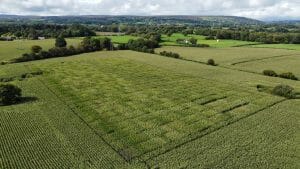 latest forage, grain and energy crop varieties are being assessed in an on-farm situation.
“The tests clearly indicated that whilst a minority of crops are already at the point of harvest, the majority are still a week or more away from being ready, with dry matter levels still a little on the low side,” describes Henry Louth, Key Account Manager, Forage Crops, Limagrain UK.
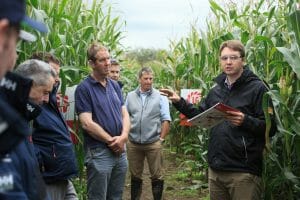
Henry Louth chatting to maize growers in Bangor on Dee
“For most maize growers, the start of this year’s harvest has been delayed by about a fortnight as a result of July’s dull and overcast conditions which saw sunshine hours at 81% of the average for the month. Most crops have caught up well since then, with a few notable ‘very early’ varieties including Dignity and Gema really standing out in terms of maturity. Those two varieties tested particularly well for dry matter, starch and ME content, and also recorded excellent results for cell wall digestibilty.
“If conditions in early October are favourable, we should see most growers taking their crops before the middle of the month, which will hopefully make for a clean and easy harvest and a good quality ensiled crop.”
The event was attended by by more than 40 farm businesses from across the region who had their maize crops tested for dry matter, starch and ME content, and cell wall digestibility.
The tests indicated that the majority of the region’s maize crops should be ready to be harvested by the middle of October.
Maize breeder optimistic of a reprieve for seed treatmentsLimagrain UK is optimistic that treated maize seed will still be available for the upcoming season as hope grows that the impending ban on seed treatments will be delayed following a successful lobbying campaign.

The future viability of maize being grown in the UK – either for use as livestock forage or as a feed source for AD (anaerobic digestion) plants – has been in question due to an impending ban on all seed treatments including Korit (ziram) bird deterrent, Redigo M (prothioconazole + metalaxyl) fungicide and Force 20 CS (tefluthrin) insecticide.
As it currently stands, from 31st December 2023 it would be illegal to import, sell or sow any seed which has been treated with any of these products, leaving crops at significant risk of failure.
“Without a suitable bird repellent, insecticide and fungicide, there’s a substantial risk that newly drilled crops could be completely wiped out by corvid grazing, or seriously hindered by insect damage and soil-borne pathogens,” explains Tim Richmond, Maize Manager for Limagrain Field Seeds in the UK and Ireland.
“Corvids are highly intelligent birds, and quickly understand seed drilling patterns, with any attempt to drill seed deeper to prevent bird damage likely to exacerbate the risk of seedling blight, making the application of a fungicide seed treatment such as Redigo M even more critical.”
To counter the ban, which has threatened the industry as a result of the UK’s departure from the EU, an industry working group – spearheaded by Limagrain UK – has been set up to lobby the Government into taking action.
“Limagrain has taken a leading role in this sector-wide campaign which has also included the MGA, AIC and NFU,” Mr Richmond continues. “A number of emergency authorisation (EA) applications have been made to the regulators for the continued use of these treatments for sowing in spring 2024, with a decision on whether the ban will be withdrawn or delayed due imminently.”
The Expert Committee on Pesticides is scheduled to meet in September, with a final announcement are expected to be made before the end of the month.
“As things currently stand, we’re confident that our ongoing discussions with the Farming Minister, the Rt. Hon. Mark Spencer MP, will have a favourable outcome and that all three seed treatments will still be available for use in 2024 – either as a result of the Emergency Authorisations being granted, or because of a change in the law to delay the withdrawal date.”
Despite the imminent announcement there remains significant uncertainty amongst UK maize growers, with some already suggesting they are preparing to sow an alternative crop such as wholecrop winter wheat.
“We appreciate that the clock is ticking and that for some growers any announcement might come too late,” Mr Richmond adds. “But until a concrete decision has been made, we’d urge growers not to rush into making any changes to next year’s rotation.
“We will know more in a relatively short timeframe and will announce the Committee’s decision as soon as it has been made known to us. In the meantime, we are continuing to lobby for the new generation of maize seed treatments to be registered with the CRD as quickly as possible to ensure maize remains a viable crop in the UK in the long-term.”
Limagrain UK will be exhibiting at the UK Dairy Day in Telford on Wednesday 13th September. Please feel free to visit stand H120 to discuss the latest situation with a member of the LG team.
Clover is all the rage, but watch the caveatsClover mixes have been in high demand in the past few years. In 2022, Limagrain reported a five-fold increase in demand for its CloverPlus blend.
Forage crop manager John Spence considers this a wise choice, as long as growers adhere to some specific sowing and management ‘rules’ to ensure success.
Few need a recap of the advantages of clover in a grass sward. “Nutritional benefits and nitrogen fixing abilities are big attractions,” says Mr Spence. “Also, its soil health improvement potential and drought resilience add to its benefits.”
He finds it surprising that more farmers and growers haven’t taken advantage of clover until more recent years, particularly as inorganic fertiliser use has been falling on UK livestock farms since the early 1980s.
Nitrogen applications have halved on grassland farms, according to Defra reports, but only 13% of livestock farms include clover in all their leys, and 25% include no clover at all.
“This is surprising when you consider the high protein content of clover and its palatability in grass swards. On farm trials have shown that the D value in grass and white clover swards remains at least 2 points higher than a grass plus nitrogen fertiliser sward throughout the grazing season.”
And clover’s seasonal growth also compliments grass, as shown in Figure 1. It has a deep tap root to withstand drier conditions, so a grass clover sward will have a more even growth pattern through summer.

Fig 1
A grass sward with good white clover content can produce as much forage as a grass-only sward receiving 180kg of nitrogen per hectare. “This is equivalent to 520kg of ammonium nitrate fertiliser a hectare and worth about £220 per hectare based on current fertiliser prices of £420/t.”
Red clover is more impressive and can fix up to 250kg of nitrogen per hectare, but even at 200kg per hectare, this is worth £240 a hectare.
White clover is commonly used in grazing leys, though the popularity of red clover in shorter term silage mixtures is growing primarily to increase protein content. Also red and white form a major part of most multispecies and herbal grazing leys.
Mr Spence points out important considerations when sowing clover. “Clover isn’t as vigorous as grass, so it needs careful sowing to promote establishment. The main hurdle is soil temperature. Clover will only grow when soil temperatures are above 8°C, whereas grass will germinate at 5°C. If it’s too cold for the clover, it will be outcompeted by the grass species.”
The combination of needing warmer soil temperature, plus the loss of clover safe herbicides have put growers off using clovers in the past. “Although these issues still remain, an increased focus on soil health and the recent surge in fertiliser prices have seen growers coming back to clover.”
To ensure success, clover is best sown in May or June. It can be oversown into a grass sward that has been cut or grazed tightly, so that competition from the existing sward is minimised.
 To ensure success, clover is best sown in May or June. It can be oversown into a grass sward that has been cut or grazed tightly, so that competition from the existing sward is minimised.
The ground must be prepared by harrowing to remove any dead thatch, and to ensure good seed to soil contact.
If reseeding is scheduled for late spring, after first cut silage or a first round of grazing, then clover can be included in the grass seed mixture. “But, again, soil temperatures must be high enough and it must be sown into a carefully harrowed fine tilth to speed up its establishment and ensure it can compete with the grasses in the mix.
A biostimulant seed treatment will also help to improve germination.
Clover seed is small, and so has limited energy reserves, making establishment trickier, particularly when sown into the competitive environment of an existing grass sward.
“But establishment rates can be increased significantly (by using a pelleted and treated seed.
“This makes the seed larger and heavier so increasing the likelihood of good soil contact. It also helps to achieve better distribution when the seed is broadcasted, and it is easier to calibrate. Pelleted seed is by far the preferred type of seed for oversowing clover into existing swards.”
Seed choice
There are a range of clover varieties that can be blended to take advantage of the merits of each. White clovers are generally categorised as small, medium or large leaved types.
The smaller leaved varieties are slower to establish and lower yielding but are the most long lasting and persistent under tight grazing. Larger leaved clovers are the fastest to establish and highest yielding but are less persistent.
 “Blends formulated for dairy systems tend to take advantage of the higher yielding medium and large leaved clovers,” he says. “We include 90% medium and large leaved clovers in our pelleted CloverPlus blend and only about 10% of small leaved clover to help increase ground cover and persistency. It also includes the new large leaved New Zealand variety Kakariki which gives exceptional yields.”
Overall, well-managed clovers in the sward will last for the persistency of the mixture. “White clover is very persistent and if correctly managed would last longer than many mixtures,” adds Mr Spence.
“Red clover will last three to four years and so is usually paired with grass species that last the same amount of time. For example, a grass and red clover mixture would tend to include high a proportion of hybrid ryegrass.”
Even at lower fertiliser prices, Mr Spence believes the increase in demand for clover will continue. “Persistency in drier conditions, nitrogen-fixing properties and soil health benefits as well as feed value are high on the radar for dairy farmers going forward,” he says.
Environmental schemes such as SFI are also encouraging the use of clovers, either as part of a legume rich sward, or as a tool for managing grassland with low nutrient input.
“There’s a lot of work going on behind the scenes among seed breeders too, to boost the yield and persistency of clovers, and there are new improved varieties out every year.
“I’d encourage livestock farmers to give it a go, or to introduce more clover if it’s an option, and if the guidelines are followed for ensuring good establishment, the crop will bring many benefits to animal production and to the sustainability of the system.”
Find out more
To download the CloverPlus fact sheet, click here

Start your grass planning now!
Start your grass planning now!
Autumn can be an excellent sowing period to establish a new reseed, especially if your existing paddocks look like they are running out of steam!
A few simple steps before sowing can make a huge difference:
1. A pH of 6.0 to 6.5 (for clover leys) is ideal
2. Prepare a firm fine seedbed 5-8 cm deep
3. Ring roll to ensure moisture retention and an even drill depth
4. Drill with a harrow/seeder no deeper than 6mm
5. Rolling after makes a big difference
 We recommend using Sinclair Mcgill seed mixtures:
Castlehill – A long term dual purpose permanent pasture with clover
Turbo – Ideal for paddock grazing systems, fast regrowth and longer grazing periods.
Colossal silage – a shorter term mixture to produce quality silage yields.
Click here to find your local Sinclair McGill distributor!