





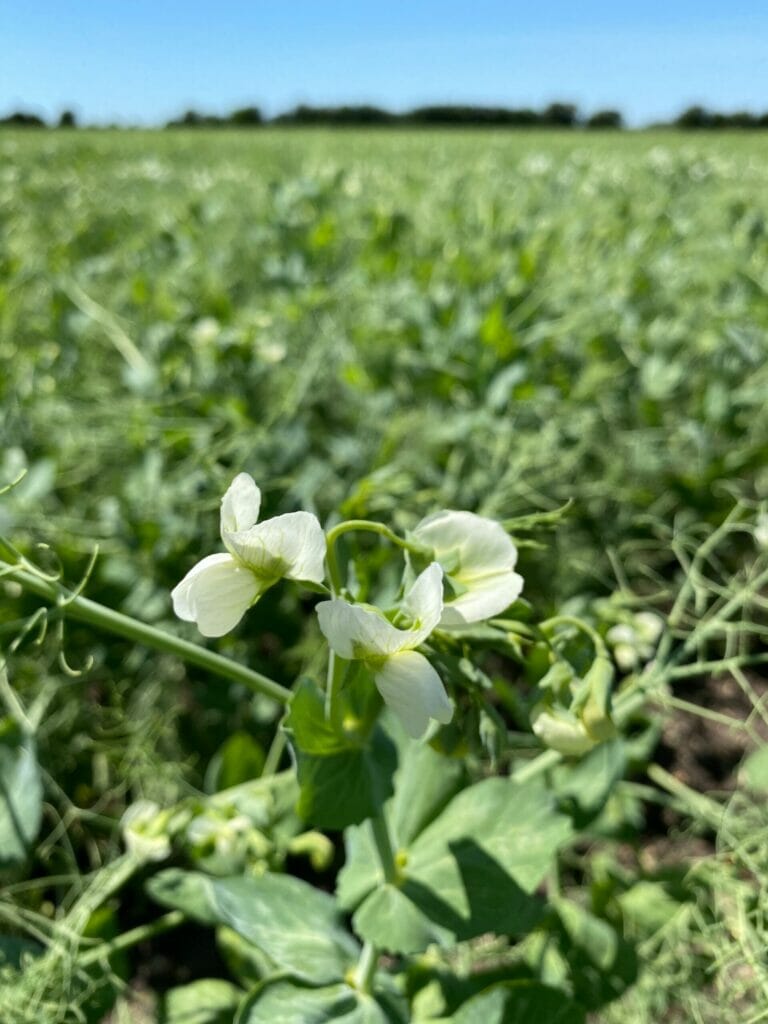
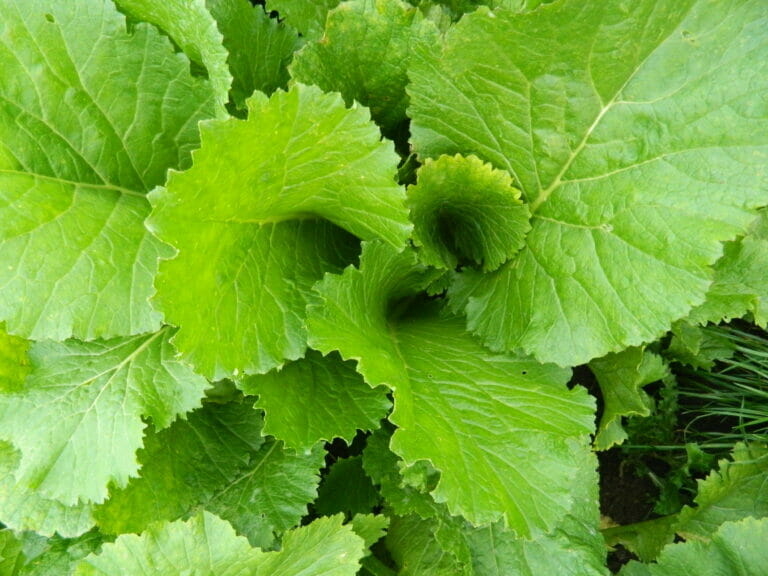
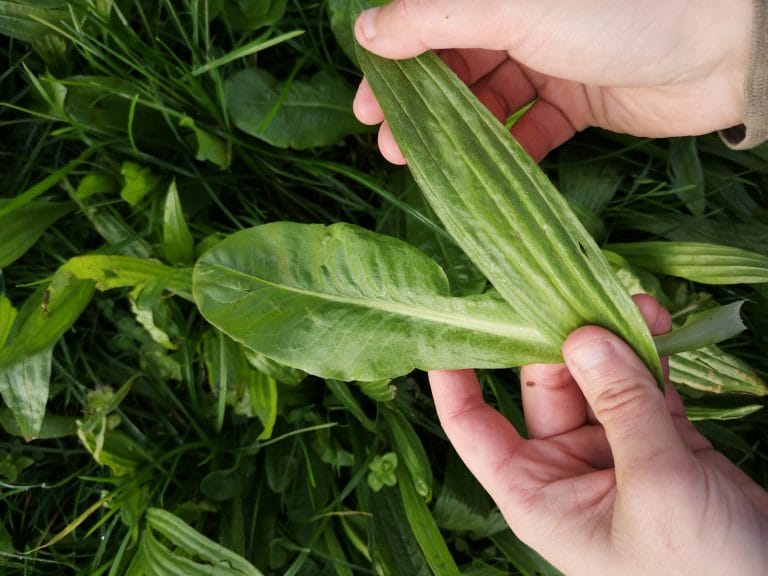






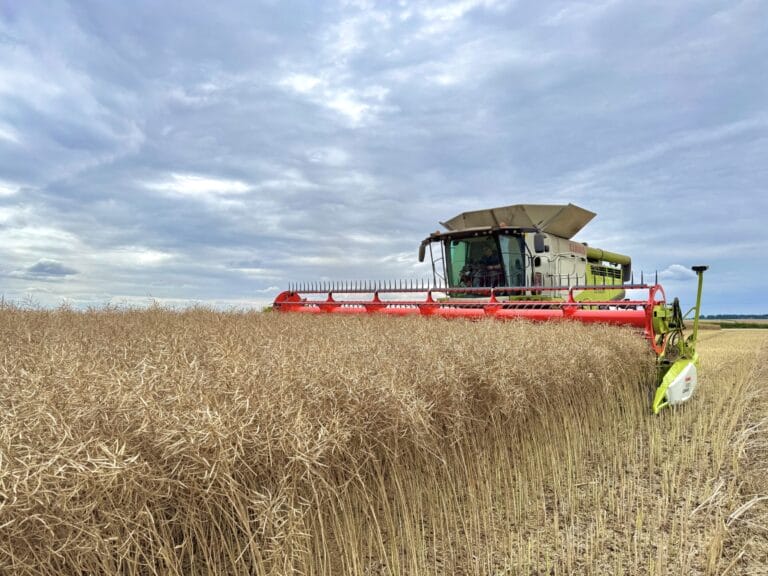




 A family-run beef, sheep and arable farm in Northumberland has become virtually self-sufficient in protein and feed requirements, by growing as much as they can in-house.
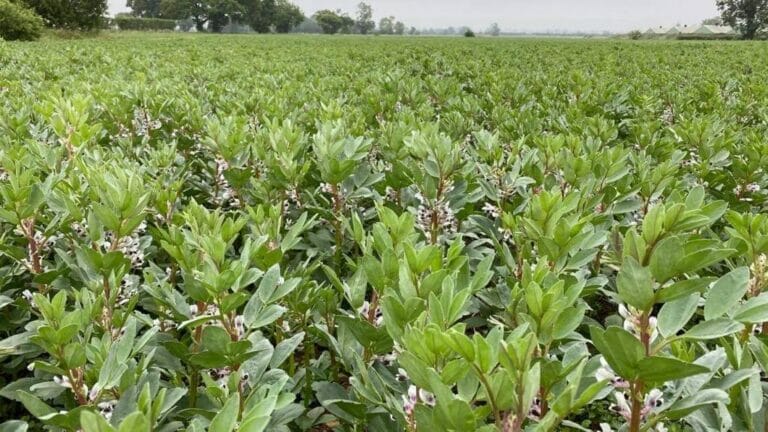
Homegrown wholecrop winter bean silage as a high protein alternative to soya, is a key part of this strategy for T Bean and Sons, near Newcastle, and has helped completely displace the need for bought-in protein feed.
Indeed, they estimate the annual benefit from growing their own feeds could be worth at least £50,000 to £60,000, so there are strong financial and efficiency benefits, as well as being more environmentally sustainable, says Wayne Bean.
“We started looking into growing our own protein several years ago – mainly because the price of purchased products was increasing quite a lot at the time, and we were never entirely happy with the consistency of the liquid molasses we used to buy.
“We initially started off growing a few acres of Fuego spring beans in 2007, but four years ago, we switched to winter beans, mainly because it gives us more herbicide options for controlling brome. Being a winter crop, it also eases the workload in the spring, as things can get quite busy around lambing, with 2,500 ewes to look after on the farm as well.”
The business now grows 20-25 ha (50-60 acres) of Tundra winter beans from Limagrain UK; a pale skin, pale hilum variety, chosen for its yield potential, reliability, protein content, and agronomics, including good standing ability.
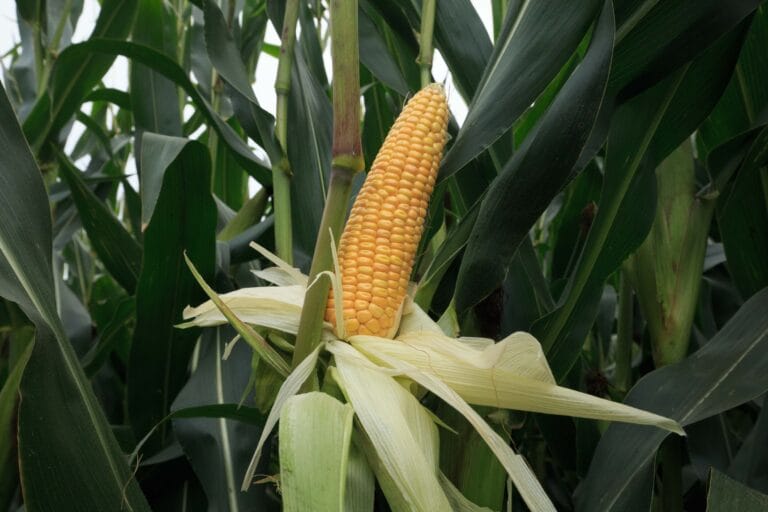
Winter beans are grown in rotation with a number of other crops – all for feed – including 40 ha (100 acres) of LG Astronomer winter wheat for crimping, 73 ha (180 acres) of winter and spring barley (Bolton and Sienna), also for crimping, and 38 ha (95 acres) of LG Prospect maize, for silage. Fodder beet, forage rape, and grass, are also grown for the sheep flock.
Getting a better crop
A traditional plough/ power-harrow cultivation system is used to establish beans in the autumn, and Mr Bean believes it is important to keep seed rates reasonably high to drive yield and produce a better crop.
“We generally find that around 250 kg/ha is comfortable for us, and gives a crop that is better at shielding itself from pigeons and other vermin, grows tall, stands well, and produces a decent yield. Typically, we’re getting wholecrop yields from the Tundra, of around 20 t/ha (8 t/acre) on heavier ground, but that can vary quite a lot depending on the season.”
Crops are cut once pods and stems are dry enough in early September – usually a couple of weeks before the point at which beans would normally be combined.
A notable benefit of growing Tundra winter beans is the residual nitrogen that is left for the following wheat crop, Mr Bean says. “We often see a 20-30% reduction in nitrogen use on wheat after beans, and they are quite a good soil conditioner too.”
He also thinks chocolate spot is less of a problem in the Tundra winter beans, than in the spring beans grown previously.
Quality protein feed
Once cut, the chopped wholecrop beans are added to the top of the silage clamp containing crimped wheat and barley, to utilise available space and help “seal in” the clamp, Mr Bean says. Maize silage is clamped separately.
A total mixed ration (TMR) is fed to the 200-head of beef cattle fattened every year, which includes 80 Limousin-cross suckler cows, plus other store cattle bought in from Hexham Market, aged 12-15 months. Cattle are typically taken to around 400 kg finishing carcass weight – usually reached by around 22-24 months old.
“Our aim is to finish everything as efficiently as possible, and the move to growing our own protein from winter beans has helped with that. The protein seems a lot more consistent, and has a higher digestibility, so cattle are able to utilise more of it.”
All new stock bought in for fattening can go straight onto the TMR from day one on the farm, rather than having to be eased onto the ration, as used to be done when feeding soya and dry rolled barley, he adds. That used to result in a temporary drop in performance and additional work.
Mr Bean estimates finishing time has been reduced by 3-4 months, and carcass grades are better and more consistent, with everything achieving U and U+ grades.
The move to feeding crimped grain, which began in 2007, also has benefits, he adds, as they have noticed less acid, which means no loose muck, bloated or lethargic animals, and no sign of acidosis.
Farm Facts: T.Bean & Sons
- Family business which includes; Geoff (Wayne’s Dad), Wayne’s brother Steven, Uncle Alan and his son Robert, along with Wayne’s Mum Lynne, and Alan’s wife Caroline
- 1,400 ha (3,500 acres) in Derwent Valley, Northumberland
- 400 ha owned, 120 ha rented & 810 ha common fell grazing
- 2,500 ewes
- More than 200-head of beef cattle fattened every year using their own high-quality concentrate and forage feeds, including wholecrop bean silage (as a high protein alternative to soya), crimped cereals (concentrated, rumen-friendly alternative to dry rolled grain), maize silage, and fodder beet
- No bought-in feed for cattle or sheep, other than minerals
- Cropping includes: Tundra winter beans, winter and spring barley (for crimping), winter wheat (crimping), forage maize, fodder beet, forage rape
- Variable soils
The launch of a new hybrid oilseed rape variety with resilience to cabbage stem flea beetle (CSFB) promises a big step forward in helping growers overcome one of the biggest challenges to growing the crop.
LG Avenger is the culmination of almost a decade of work by breeders Limagrain Field Seeds, and is the first to be commercially available in the UK with the LG CSFB Resilience characteristic.

Florentina Petrescu OSR Product Manager LGUK
“LG Avenger is the result of our new methods of breeding oilseed rape varieties, which consider all limiting factors for crop development, including the threat from CSFB,” says Florentina Petrescu, Limagrain UK OSR Product Manager.
“It is the only variety with LG CSFB Resilience on the 2025/26 AHDB Recommended List, alongside many other valuable characteristics, including high yield, pod shatter resistance, high oil content and a very good disease package, including a light leaf spot rating of 7 and sclerotinia tolerance.”

Ron Granger – Arable Technical Manager LGUK
The introduction of LG CSFB Resilience is the latest in a long line of developments that have helped improve yields in LG’s ‘fully loaded varieties’, Arable Technical Manager, Ron Granger adds. Other features include TuYV and pod shatter resistance, Sclero-flex technology (Sclerotinia tolerance), and the N-Flex nitrogen efficiency trait.
“Limagrain has been at the forefront of OSR breeding for the past decade, and we remain fully committed to the crop, despite the reduction in the UK area witnessed over that time.”
CSFB has been a big factor in the declining area, which has fallen by around 500,000 ha from its peak in 2011/12, to approximately 235,000 ha this season, he notes. Defra figures show average yields for England have also fallen over the past decade, from 3.9 to 2.7 t/ha, although in Scotland, where CSFB is not yet a major issue, yields have risen, reflecting varietal improvements, he says.
“There are success stories where growers are trying new things, and going forward, there needs to be a change to the traditional practices to make OSR succeed. Variety choice is part of that.”
What is CSFB Resilience?
Mrs Petrescu describes LG CSFB Resilience as “a novel genetic approach that tackles CSFB at key crop stages, as part of an effective integrated pest management strategy on farm”.
Resilient varieties feature a series of characteristics that make them better adapted to escaping damage during two crucial periods in the autumn and spring, so it is not just about a single genetic trait, she says.
These characteristics include:
- Strong autumn dynamic growth to help developing crops escape the early “shot holing” damage caused by adult flea beetles feeding on cotyledons and first leaves, which can result in significant leaf loss and complete crop failure in extreme cases
- Rapid stem elongation in the spring to improve the plant’s resilience to damage caused by larvae mining into petioles and stems
- A capacity in some varieties (e.g. LG Avenger) to limit the number of larvae that develop within the stems – the exact reasons for this are still being identified
- Reduced CSFB larvae damage severity – e.g. stunted, bushy plants.
Reducing the severity of CSFB damage has a direct benefit on final yield, Mrs Petrescu adds. Indeed, AHDB research suggests one additional larvae per plant can cost 50-70 kg/ha in lost yield.
Feeding damage by adults and larvae has other implications too, such as increasing the entry points for disease, uneven flowering and variable pod maturity. Varieties with LG CSFB Resilience, such as LG Avenger, therefore also include characteristics like pod shatter resistance, and a strong disease profile to help mitigate these risks, she says.
Independent backing
CSFB is a major issue in many other European countries, including France, where CSFB resilience has been a characteristic on the French Recommended List for the past six years. Independent data from the French equivalent of AHDB (Terres Inovia) puts LG Avenger as one of the highest rated varieties for resilience on this list.
This backs up three years’ worth of Limagrain Europe assessments in 2022-2024, where LG Avenger significantly outperformed the sensitive control variety and came close to the most resilient control, LG Aviron.
“Oilseed rape ticks so many boxes as a break crop, both in terms of gross margin, inputs, equipment required, workloads, and agronomy. But in order to grow oilseed rape successfully, growers may need to think differently about how they do it.”
Limagrain UK has produced a white paper covering the work behind the resilience trait and how to optimise it as part of an IPM programme. Visit http://bit.ly/42nP6dV
No silver bullet
While varietal resilience is a welcome addition to the toolbox needed to tackle CSFB, it is no ‘silver bullet’ and must be used as part of an integrated pest management strategy, built around 10 key areas:
- Rotation/proximity to the previous year’s OSR crop – adults emerge from OSR stubbles for up to six months after harvest, peaking in mid-September. Risk is often higher in crops grown close to a previous OSR crop, although work is ongoing to identify how far adult CSFB can fly. Cultivation of the previous oilseed rape stubble straight after harvest has shown to significantly reduce the number of adults emerging from the soil through the autumn
- Variety choice – grow hybrids with CSFB Resilience and consider regional performance
- Companion/trap crops – growing a companion crop (e.g. buckwheat, berseem clover) can help to disguise emerging OSR from CSFB. Leaving long stubbles from the preceding crop can also help
- Seedbed preparation – good seed-to-soil contact and soil moisture retention are key to rapid establishment, so drill by conditions, not date. Consolidate well and avoid cultivations that may dry the soil out too much before drilling
- Crop establishment – consider all ways to boost establishment, such as placing nutrition close to seed
- Weather forecasting – key to determining drilling conditions
- CSFB monitoring to assess risk – stem larval sampling is simple and cheap to do on farm
- Record keeping – drilling dates, conditions, pest numbers, yields, etc
- Evaluate the effectiveness of management practices
- Insecticide application – use only where necessary once thresholds are met, but recognise that widespread resistance means pyrethroids may have little impact on CSFB, and may damage beneficial populations
For north Somerset milk producer Jon Bult, growing a very early maturing variety of maize allows him to maximise his use of overwinter cover crops which deliver soil health benefits and an SFI payment.
Maize forms the basis of the ration for the 700-cow herd at Collum Farm as it consistently provides a high energy forage which contributes to yields of over 12,000 litres per lactation for the herd’s Holstein Friesians, and over 7,000 litres for the herd’s pure Jerseys.
 Despite being grown on some marginal land, plus the challenging growing conditions of recent seasons, growing 800 acres of early maturing Gema allows Jon to prioritise soil health by maximising the area of overwinter cover crops that go into maize stubbles.
“We’re on heavy ground, a lot of which land is marginal for maize,” Jon says, “so it makes sense to opt for the earliest maturing varieties. With cows inside all year round, we need high yields and energy. Gema is ideal for us as it delivers high starch, but its earliness does not impact significantly on yield.
“We grow straight Italian ryegrass after maize and, being at sea level and with minimal risk of frosts, can typically drill this successfully as late as the end of October,” he says. “In the past, we’ve been able to establish grass with relatively light cultivations, but with increasingly wetter conditions we had to cultivate deeper to achieve success.”
As a straight overwinter cover crop, established after maize, the Italian ryegrass qualifies for the Sustainable Farming Incentive action SOH4, which is currently worth £203/ha, although Jon believes the greater value is in the benefits to soil health.
“Minimising soil erosion and nutrient losses is the main priority,” he says. “We’ll terminate the cover crop in the spring, and then apply farmyard manure and slurry before going back into maize.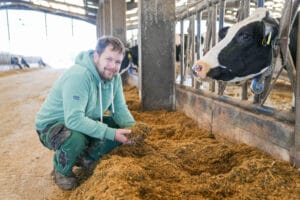
“We will be growing Gema again in 2025. If we had the ground, I’d like to grow more, including some grain maize again, but land is our limiting factor at the moment.”
In an ideal season, Jon aims to drill maize from around 20th April, though it has been later in the past two cold wet springs, even as late as 14th May. He uses a standard herbicide programme, with pre-emergence applications for the earlier drilled crops. He’s routinely soil sampling his fields on a four-yearly rotation, and reports the key indices to be optimal, but is considering foliar applied nutrition as a possible development going forward.
Protecting seed gold all the way to the bankChoosing to grow a variety with built in pod shatter resistance is one of the most important things you can do to protect OSR yields through to harvest, and make the margins to keep oilseed rape profitable, believes Kurtis Scarboro, arable development officer at Limagrain.
“Almost all of the costs of growing the crop have been spent by this stage so it makes sense to protect yield potential right through to the end of the growing season,” he says.
Pod shatter is a natural process for seed dispersion in oilseed rape, however on farm it can result in significant seed loss through heavy wind, rain, hailstones, or the combine passing through the crop.
“POSH resistance also helps to provide some flexibility in the timing of the harvest. It also cuts down the number of volunteers in the following crop, easing the burden of weed control, says Mr Scarboro.

Kurtis Scarboro Arable Development officer and OSR Product Manager check pod shatter
“The most effective option for preventing pod shatter is a genetic trait, so it can’t be influenced throughout the season – making varietal choice very important.”
However pod shatter is not an either/ or trait, but one that can be quantified by the force required to break a ripe pod, he points out.
Limagrain precisely quantify pod shatter resistance (POSH) using lab-based techniques, where the force required to shatter the pod is measured. This clearly shows that not all POSH resistant varieties offer the same level of resistance.
“All Limagrain hybrids contain the trait and we constantly monitor the efficacy of our pod shatter resistance against other commercial varieties so we can be confident in our claims that the variety really is pod shatter resistant,” he says.
“The benefits of robust pod shatter resistance were clearly seen in an exceptionally wet and windy 2023; July saw one of the wettest and windiest months on record for the last 188 years, followed by the windiest day for the last 55 years and whilst some oilseed rape crops were devastated, others appeared relatively unscathed and this undoubtedly comes down to robust pod shatter resistance.”
Joe Bayford of Keyston Farms places great value on the trait and will not grow a variety that doesn’t have pod shatter resistance. Farming over 600ha’s near Huntingdon, he believes that if it is possible to get a decent oilseed rape crop this close to harvest, then its critical to protect the yield all the way to the trailer.

Joe Bayford appreciates the value of pod shatter in OSR
Despite reducing the area grown, oilseed rape remains an important crop at Keyston. “We are only growing about half of what we used to, but we still find oilseed rape a valuable crop in the rotation behind either spring or winter barley.
He moved over to hybrids from coventionals about six years ago and has seen as much as a 0.5t/ha yield benefit in doing so, which he puts down to genetic traits such as pod shatter.
“If we can get around 3t/ha for the crop then we are still making money, anything less than that and it starts to drag down the gross margin.
“On the advice of Jonathan Payne of Nickersons, we grew Aurelia and Attica and this year we are trying LG Armada, which again is looking very good and another step on in genetics and yield improvement .
“We have noticed with LG hybrids when we rub the pods out to test for moisture before harvesting, they are much more stubborn to pull apart – even with a hailstorm in 2021 the seed did not shed, whereas some local crops did.”
He notes that he always applies pod stick believing it’s a relatively cheap extra insurance.Establishing the crop has become a whole different ball game to beat the beetle, acknowledges Joe. “The rape always follows a spring or winter barley with the aim to get drilled by the end of July/first week of August, conditions willing.
“The aim is to have a well-established crop in the autumn, so by the spring it’s big enough that emerging flea beetles are feeding on the stems and not on the growing points of the plant.
“Last year we managed to drill most of the crop in the first week of August, until rain stopped play. A week later we were back in action, but this later drilled crop hasn’t coped as well.”
“We adapted our Horsch Sprinter tine drill by taking out every second tine, working on 12 rather than 24 tines so we are effectively working on 50cm rows, doubling the seed rate per row.
“The seed comes primed with a phosphite and phosphate dressing as well as being polymer coated and dressed with Integral-Pro, all of which gives the seed that extra kick. – any gains at this stage can mean the difference between a crop and not a crop.
“We also put 150kg DAP down the drill, significantly improving the seed to fertiliser contact.”
Is September the best month for drilling OSR in 2024?
Over the past few years, there has been a lot of discussion around the optimum sowing window for OSR. Growers have long speculated on the perfect conditions for successful establishment. As breeders, we would always emphasise a key point when considering your drilling window is planting to the conditions rather than a specific calendar date. We are starting to hear success stories at harvest from farmers who observed environmental conditions, and when required, moved away from the traditional late July-August sowing window when they did not suit.
The traditional sowing window always made sense for the open pollinating ‘conventional’ varieties of OSR, which generally have slower autumn vigour than their hybrid counterparts. Hybrid varieties from the Limagrain portfolio such as Aviron, LG Avenger and the clubroot tolerant variety LG Scorpion, are fast establishing and particularly vigorous varieties, making them extremely well suited for later drilling.
The increased autumn vigour offered by hybrids means that later sowing is not only a viable option, but a strategic choice, as these hybrids establish quickly and reach optimum winter biomass faster than traditional conventional varieties.
With the rain received over the first couple of weeks of this September, the conditions are suitable or even optimal, with ample soil moisture present for the crop to get away. Though I would caveat this with a reminder that it is still crucial to get the 30kg N/ha of autumn fertiliser applied to the crop to make it a success.
When drilling later, there is always the worry of potential damage from adult flea beetle, due to there being less biomass present than in an early sown crop. Later sown crops however should emerge after the majority of adult CSFB have migrated. Research from ADAS in 2020/21 points out that crops sown on the 15th of September showed minimal damage on the plants from adult CSFB, at just 3%. On top of this, plants sown on the 15th of September also demonstrated a marked reduction in the number of larvae found in plants, meaning a reduced risk from larvae damage. *
Other benefits of later sowing include the reduced risk from a range of common diseases, as well as increased opportunity for weed control. A lot of the weeds and volunteers from the previous crop will have already emerged and a stale seedbed can be achieved before drilling.
Limagrain varieties lead 2024/25 BSPB/NIAB Descriptive List
Two new maize varieties from Limagrain’s robust and extensive UK screening and testing programme have been added to the 2024-25 BSPB/NIAB Descriptive List; Duke (FAO 150) and Promise (FAO 180) offer significant advancements in yield and quality to farmers in both favourable and less favourable growing areas and have potential beyond forage for alternative uses including crimping and grain.
For a variety with such early maturity, Duke has exceptional dry matter yield (18.1 t/ha) and combines this with very high quality. Its starch yield is the highest of all varieties on the Less Favourable list (6.96 t/ha) and the highest of all Very Early varieties on the Favourable list. Duke also has superior cell wall digestibility for such an early variety, and its high ME yield increases its feed value potential. Agronomically, Duke shows very early vigour and has good standing ability; it also has good resistance to eyespot and strong stay-green characteristics.

Tim Richmond, Maize Product Manager
“Duke will have broad appeal for farmers across the maize growing spectrum,” says Tim Richmond, Maize Manager for Limagrain Field Seeds UK and Ireland. “It is a first choice variety on both the Favourable and Less Favourable lists, having performed consistently in trials and demonstrated an ability to produce outstanding yields of very high quality forage in a short growing season. Its very early maturity gives many growers the opportunity to drill later and still harvest in good time, exploiting optimum conditions and allowing time to establish a range of following crops. With good early grain yields, Duke offers some growers the potential for crimping or grain production.”

Promise Maize from LG
Promise has the highest dry matter yield of all varieties in the Early category on the latest list for Favourable sites (19.6 t/ha) and is very high yielding on the list for Less Favourable sites (19.4 t/ha). It has good cell wall digestibility, high rumen starch degradability and high overall ME yields. Like Duke, Promise has strong agronomic traits, with very good early vigour and standing ability, and good stay-green characteristics.
“For farmers looking to fill their clamps with high energy maize, well within a safe harvest window, the high yielding and early maturing Promise will be a very good option,” adds Tim Richmond. “Given its combination of yield and high energy, this variety also has potential for AD, and its earliness also makes it a candidate for crimping or grain.”
Underlining the continuing strength of its UK maize breeding programme, Limagrain is also highlighting the variety Harmony, which is scheduled to be available for the 2026 growing season. Another early maturing variety, trials data is showing Harmony to be very high yielding with outstanding starch and ME, very good early vigour and strong standing ability.
BRAND NEW MAIZE VARIETY SELECTION GUIDE
Limagrain have just released their 2025 Maize Variety selection Guide for forage maize, grain and AD. The guide includes data on the new varieties added to the 2025 BSPB/NIAB Descriptive Lists for Forage
Maize and Anaerobic Digestion, allowing comparison to those already established in the market.

Click the image to download your copy, or email emily.savage@limagrain.co.uk for a hard copy.
LG Beowulf Bucks the TrendLG Beowulf – the highest yielding wheat on the 2024-25 AHDB Recommended List
Ron Granger shares his views on what the variety offers and where it fits on farm:

Arable Technical Manager
When breeders cross two varieties, we know what we want to accomplish with regards to the complimentary attributes both parent varieties offer – genetically and agronomically – in the progeny.
LG Beowulf reflects this approach, as a cross between two very successful commercial varieties; (Costello x Gleam). Recently, we have seen several very high yielding wheats added to the RL, but unfortunately, although gaining commercial market share, they have not offered the all-round desirable agronomic package that many growers wish for in a perfect world.
LG Beowulf bucks the trend, offering the highest UK treated yield potential sitting at 106.2%, and one of the best agronomic packages available, combined with great flexibility within the rotation – it’s a fantastic package!
High yields are important for maximising profit, but more than this, a grower needs to know that these yields will be delivered consistently every season; and this is exactly what LG Beowulf does.
 It performs extremely well both as a first wheat and in the more testing second wheat situation and is suitable for all soil types. However, LG Beowulf should be grown on more moisture retentive soils to achieve maximum yield potential, as there are better variety ideotypes for the more testing, lighter, drought prone soil situations.
LG Beowulf offers a very good disease resistance profile, especially for the key disease challenges of yellow rust (9) and Septoria tritici (6.7). The variety also delivers a very high untreated yield (91%); a consequence of its superb disease resistance in combination with its straw strength. LG Beowulf offers very good straw strength – combining a rating of 8 untreated, with an 8 rating with PGR treatments applied. Offering Orange Wheat Blossom Midge resistance is an important benefit, especially for growers in the more drought prone regions of the southeast. It’s a genetic IPM offering that should not be underestimated.
LG Beowulf can be drilled early and onwards through into the very late drilling slot, if the season dictates, giving growers a security and flexibility of drilling date, that not all varieties exhibit. The variety does have a slightly later maturity, but widening the harvest date is useful as an insurance against erratic weather patterns. Spread your risk on farm by having early maturing varieties alongside later maturing ones.
LG Beowulf has the benefit of a high specific weight combined with a high Hagberg. A high specific weight is one of the best characteristics to ensure high yield potential is maintained in erratic, seasonal weather conditions.
“There is no such thing as a perfect variety, however, LG Beowulf comes close!”
It offers a comprehensive agronomy package along with very high yield potential in the hard feed wheat sector; desirable characteristics both on-farm and for the market.
Click here to download the LG Beowulf Technical Sheet
Don’t forget about Fodder Beet!With feed costs continuing to rise, why not consider growing a crop of Fodder beet?
Yielding between 80-100 tonnes of fresh feed per hectare, growing a crop can help reduce your winter feed purchases. It’s not too late to drill, early crops are usually drilled early April but this year’s weather means many crops won’t be drilled until end of the month or even into the first week of May.
Later drilling may also help reduce bolter numbers. You should try to drill 100 – 110,000 seeds per hectare, with a view to establish 80 – 100,000 plants per hectare at harvest. Drill widths range from 45-50 cm with seed spacings of 15-20cm. Seedbed conditions are vitally important, with a requirement for a fine, firm seedbed with a soil temperature above 5˚ C.
With rotational options limited in some regions, Fodder beet will allow you to drill barley, or a grass reseed in the spring and also help fill any feed gaps that may have appeared this spring.

CHECK OUT OUR BRAND NEW FODDER BEET VIDEOS OVER ON OUR YOUTUBE CHANNEL
Under-sowing Maize Pays Dividends
Under-sowing maize with a hybrid ryegrass and red clover ley has delivered multiple benefits for Cornish dairy farmer Chris Sampson.
With five years of the practice under his belt, and now owning his own inter-row drill, Chris is seeing consistent results, and can list extra forage, increased soil carbon and reduced cultivations amongst the key advantages.
Chris is also eligible for a countryside stewardship payment of £172/ha for what is effectively a cover crop, and all of this is achieved with no detriment to his primary goal of growing a high energy maize crop.
“We grow around 40 acres of maize each year, which makes up about half of the winter forage ration for the milking herd,” Chris explains. “We now routinely under-sow it with a grass and clover mix, with the additional stewardship payment more or less paying for the seed. And, with the extra first cut of grass and clover silage we take the following spring, I’d say the whole exercise pays for itself in the first year.”
Maize was first grown at Metha Farm, near Newquay, around 25 years ago, and is now a mainstay of the milking ration for the 112-cow herd of Holstein Friesians. It is grown in rotation with grass and clover leys, with Chris favouring very early varieties that will produce a mature, high-energy crop in a relatively short growing season.
“We’ve tried growing wholecrop cereals as an alternative to maize, but could never achieve the same level of yield,” he adds. “It’s about maximising the energy production and the best measure of that is megajoules per hectare. With the system we now have, we’re able to exploit the full benefits of high energy maize whilst overcoming any environmental concerns with the crop.”
Grass and clover leys at Metha Farm are typically down for three or four years before that land is used for maize. The policy is usually to take a first cut from the old ley in early May before applying farmyard manure and then preparing the ground to drill maize.
“Our oldest leys are often still quite productive, and we’ll top-dress with nitrogen before taking a first cut,” explains Chris. “Once that crop is off, we have a fairly tight turn around to spray off the aftermath and apply muck before ploughing and preparing a seedbed.
“We find the right time to drill maize is at the end of May, or even the first week of June. We’ve tried drilling earlier but it’s usually better to wait until soil temperatures are higher. Even with the relatively late drilling we usually have a crop that hits the target of ‘knee high by the fourth of July’.”
Chris routinely soil samples all of the land going into maize, with the results determining his fertiliser policy for the crop. He may use up to 50kg/acre of DAP in the seedbed, and low level applications of nitrogen and/or MAP, or may decide there’s no requirement at all, adhering strictly to a principle of only applying what is necessary.
Once weeds have been sprayed off, and with the maize crop up to 12 inches high, Chris goes in with his Weaving inter-row drill, sowing a hybrid ryegrass and red clover mix at a regular seed rate of 14kg/acre.
“It’s a disc drill system and the coulters can be set to drill between the rows of maize,” says Chris. “The mix of hybrid ryegrass and red clover works best for our situation. The establishment is effective, so when the maize comes off in the autumn there’s a wispy crop growing underneath that kicks on very quickly.”
The priority for Chris is a mature crop of maize, so he resists the pressures to cut earlier and waits until the cobs are fit. In 2023 the maize came off on 8th October, with an overall fresh weight yield of around 17.5 tonnes/acre at 35.8% dry matter. With winter feeding well underway, the maize was feeding well, contributing a significant proportion to the total mixed ration for cows averaging 7,500 litres per lactation.
THE BENEFITS OF UNDERSOWING MAIZE
With undersowing becoming increasingly popular, Limagrain Maize Sales Manager, Tim Richmond, explains some of the wide-ranging benefits the practice has to offer.
The principal benefit of undersowing maize with a secondary crop such as ryegrass, clover, or vetch, or a combination of all three, is that it prevents maize stubbles from sitting bare over the winter. This not only reduces nutrient losses and soil erosion caused by run-off, but also makes travelling at harvest and in the subsequent spring easier, with the secondary crop helping to improve and bind soil structure.
The undersown crop also provides a valuable winter or spring crop for livestock to graze as well as providing a home for slurry to be spread in the early spring.
Undersowing also helps to improve soil biology, with worm counts typically 6-7 times higher compared to bare maize stubbles.
The secondary crop will also provide competition against spring germinating weeds, and, if conditions turn too wet to drill the next year’s crop, the land will still have a useful grass crop instead of sitting bare for a second winter.
Maize varieties such as Gema, Dignity, Saxon and Skipper are ideally suited for undersowing as they are early maturing which allows the cover crop to become further established after an early maize harvest, yet still go on to deliver a yield on par with the top performing varieties.
To achieve the best levels of cover crop establishment, the secondary crop should be drilled at a rate of around 15kg/ha (depending on the species and mixture) when the maize is at the 4-5 leaf stage. Avoid drilling the cover crop too late as an overly developed maize canopy will prevent the secondary crop from establishing properly, and ensure a gap of 15cm is left between the cover crop and maize drill rows to prevent any detrimental competition effect on maize yields.
Beef growth rates boosted by high value maizeMaintaining target growth rates in a beef finishing enterprise requires a year-round ration that is well-balanced, high in energy and easily digestible. For Yorkshire farmer Edward Liversidge, based at Primrose Hill Farm, High Catton, the key is to feed a total mixed ration based on high quality maize, with the crop being grown as a fully integrated part of the farm’s arable rotation.
Success comes from the Liversidge family’s years of experience of growing maize and it starts with selecting the right variety for the job.
“First and foremost, we want a variety that is going to perform in our situation, which means it needs to be compatible with our soils and location,” says Edward. “Alongside this, we’re looking for good D-value, ME and starch, because it’s the nutritional value that will drive growth rates.”
York-based agricultural trading company Argrain are the Liversidge’s seed suppliers, with seed specialist Lucy Leedham being trusted to make the right recommendations due to her local knowledge and experience. For the 2023 season, she introduced Limagrain’s first choice early variety Conclusion, highly ranked for ME yield and cell wall digestibility and with the right maturity class for this area.
“Conclusion has performed well in our local trials, and we’ve generally had good feedback on it in our area,” says Lucy. “It’s a very good all-round variety, offering the combination of high yields alongside nutritional quality that this farm demands. It also has the attributes to be grown successfully for grain, in that it is not quick die back and has good standability, which is an option that I know the Liversidges like to have.”
Growing as much as 150 acres of maize each year, the policy at Primrose Hill Farm is to grow two varieties, partly to spread risk, but they do it in a way that ensures a consistent feed is available all year round.
“We tend to split the contractor’s 8-row drill to grow alternating 4-row strips of two different varieties, which – when cut with a 12-row forage harvester – creates a consistent blend in the clamp,” explains Edward. “We’ve combined Conclusion with another high energy variety of similar maturity and achieved an overall fresh weight yield of between 19 and 20 tonnes/acre.
“It’s analysed as we’d hoped, with high starch and digestibility, and is feeding well. It’s exactly what we need to achieve our target growth rates.”
The majority of the maize grown at Primrose Hill Farm is in rotation within the arable acreage, and usually follows an over-winter cover crop that will have been grazed by sheep on tack. The cover crop is geared to meeting the needs of all parties, including the grazier, and would typically include grazing rye and stubble turnips.
Once cover crops have been grazed off, there is plenty of time to spread farmyard manure and prepare a seedbed ahead of maize drilling, which will usually be towards the end of April. One of the routine jobs well ahead of drilling is soil sampling, with the analyses being used to determine any additional fertiliser applications.
“We’re testing our soils in order to create soil nutrient maps, which then allows us to apply phosphate and potassium at variable rates,” adds Edward. “We’ve been doing this for three or four years now, to improve our use of fertilisers and save costs where we can.
“We’re also applying a slow-release liquid nitrogen pre-emergence. This ensures that the crop can draw on nutrient reserves in the soil at the important growth stages, well beyond the point where it’s possible to drive into the crop to top-dress with a granular fertiliser.”
Herbicides are used according to the weed burden in any particular crop, with either one or two applications required.
With nutritional value of the maize the main priority, harvest is determined by cob maturity, and took place in 2023 just before the end of September. It was a bumper crop, and with the clamps at Primrose Hill Farm full, the decision was taken to cut some of the maize for grain.
 “We used a local contractor’s machine with a specialist header to harvest some of the maize for crimping,” says Edward. “This worked out really well and, thanks to the Conclusion being suited for taking as either grain or silage, has given us an additional high energy feed for the ration.”
The Liversidge’s cattle enterprise involves buying in strong stores, usually British Blue or Angus crosses from dairy herds in the 400 to 500kg range. These are finished on a total mixed ration, to achieve finished liveweights of 670-720kg.
“We aim for a finishing period on the farm of 90-120 days, so we need a ration that is going to drive good growth rates,” concludes Edward. “Good quality maize silage is the basis for the ration, so growing a mature crop is essential. Success with the maize crop means the bigger proportion of what we’re feeding the cattle is homegrown.”
Earlier maize suits rotational approachMaximising the milk produced from homegrown feed is the overriding aim for Cornish dairy farmer Richard Martin, not least because it is his surest route to profit.
With 1,000 high yielding cows on an autumn block calving system at Trethick Farm near Bodmin, Richard Martin relies on maize as the major energy source in the herd’s total mixed ration, with it making up 75% of the forage component during the period of peak lactation.
 Achieving consistent yields of the highest quality maize, within a safe harvest window, is imperative, and this is being achieved by managing the crop expertly from seedbed to clamp and by choosing high ranking varieties, now mainly in the ‘very early’ maturity class.
“We’re constantly looking at ways to fine tune our maize growing practice, through a combination of better management and ensuring we are using the best available varieties for our purpose,” says Richard.
“Most importantly, we’re growing maize as part of an overall system on the farm, so that it’s fully integrated with everything else that we’re doing.
“We’re rationalising the number of varieties we grow, down from as many as nine in any season to perhaps only three or four in the future. We’re growing 475 acres of maize and have three separate clamps, so ideally, we want three blocks reaching optimum maturity in turn across a manageable harvest period of two to three weeks.”
In 2023, which Richard ranks as one of the better years for growing maize in recent times, harvest started on 20th September and was completed by the first day of October, with crops averaging a fresh weight of approximately 15 tonnes/acre at 30% dry matter and 30% starch. In line with a policy of seeking out the best new varieties, Limagrain’s very early maturating variety, Foxtrot, was recommended to Richard and supplied by Graham Ragg of Mole Valley Farmers, and made a very successful debut on the farm, ‘ticking all the boxes’ for Richard.
“In the last ten years we’ve brought the maize harvest forward by two to three weeks, through the way we manage the crop and by selecting earlier maturing varieties. Very early varieties such as Foxtrot allow us more time, in better conditions, to establish a following crop.”
Maize rarely follows maize at Trethick Farm, but – on the rare occasions that it does – a cover crop is always drilled into the stubble: “Maize usually follows a cereal, or sometimes grass, but if we do have to grow maize after maize then we’ll sow a cover crop like mustard or forage rape,” Richard explains. “The latter gives us the option to graze over winter, but the most important factor is to ensure we avoid the risks of bare soils.”
Whether following a cereal, grass or a cover crop, the policy is always to plough before drilling, and every maize field is soil tested in good time.
“I see maize as a reset for the land, so we check the fertility and pH of every field and apply plenty of organic matter by spreading muck and slurry,” adds Richard. “The soil analysis will determine what fertiliser, if any, we apply. There’s absolutely no point in routinely applying fertiliser if it’s not required, and we’re finding our ground is high in organic matter, with Ps and Ks often up at 4.
“By soil sampling and tailoring our soil nutrients accordingly, we’ve cut our use of DAP down the spout by half, with no detriment to crop performance.”
After ploughing, the typical approach is a deep cultivation pass with a Sumo Trio before power harrowing, and then using a drill mounted on a power harrow which ensures the fineness of seedbed that Richard feels is increasingly important.
“In the past two years we’ve moved to using pre-emergence herbicides as a routine, partly because the chemistry available for later spraying is less robust. The pre-ems are more effective with a finer seedbed, we find.
“Whether or not we apply any nitrogen will depend on the season. It’s now more of a tactical application if and when needed, rather than a routine, as we don’t want to waste resources where they aren’t needed.
“With modern varieties we don’t see the need for an eyespot spray, so really it’s then a case of monitoring the crop closely and being ready for harvest.”
Given the high feed rates for maize, Richard is not looking to take the crop too dry, so his target is 30% dry matter and 30% starch. To maximise the feed value of the ensiled crop, he pays close attention to ensuring the crop is properly consolidated in the clamp to optimise fermentation and preservation.
 With maize silage providing the bulk of the herd’s energy requirements, cows are yielding a lactation average of 9,000 litres from twice daily milking, with high milk solids of 4.4% butterfat and 3.6% protein. The only feed bought-in to supplement the farm’s homegrown forages and cereals is a protein blend.
“We’re not feeding any concentrates in the parlour, and just use one mix across the board for all the milking herd,” says Richard.
“From a peak of 75%, the maize will come down to nearer 50% of the forage ration by the spring. We’re an early turn-out farm, so cows are usually going out to graze by day from mid-to-late February and will receive their TMR at night. By June and July, we’ll have a large part of the herd dry.”
Moving forward, Richard remains focused on continuing to improve production from homegrown feed, and that means becoming even better at growing maize. New varieties with improved digestibility like Foxtrot are an important part of the progress, but so are innovations in management.
“We’ll continue to challenge the way we grow our maize to seek marginal gains,” Richard concludes. “We’re trialling foliar applications of trace elements, for example, and may in future look at things like different seed rates. There’s always room for improvement with what is such an integral part of our system.”
Introducing Kurtis Scarboro – Arable Development Officer
 Kurtis started his career in the agricultural industry over 10 years ago, working on a mixed livestock and arable farm, before moving into a role within crop trials at NIAB.
In 2022, Kurtis completed a BASIS certificate in crop protection, giving him an additional recognised industry qualification.
Kurtis says, “I am excited to have joined Limagrain UK, and look forward to the variety and the challenges that the job will entail. I have always been interested in furthering my knowledge within the industry. My new role will help me achieve this, especially working within such an experienced and knowledgeable technical team.”
Since starting in September 23, Kurtis has spent a lot of time working with individual crop teams and getting to grips with the Limagrain variety portfolio (there is still a long way to go!).
Kurtis has been helping to plan and organise the drilling of winter wheat demo sites across the UK, at Rothwell, Woolpit, Newbury and Perth. In addition, alongside Ron Granger, he has also implemented a range of agronomy interaction trials at Rothwell, across wheat and barley. The wheat variety demo compares 36 different varieties, including some new promising Limagrain lines, with treated and untreated replicates. Despite the weather, the Rothwell Demo site was drilled over the first 2 weeks of October, using a Wintersteiger trials disc drill with help and thanks to the Rothwell breeding teams.
Summing up his time at Limagrain so far, Kurtis comments, “I look forward to collaborating with people both internally and externally within the industry, and seeing many of you at the LG open days next summer.”