







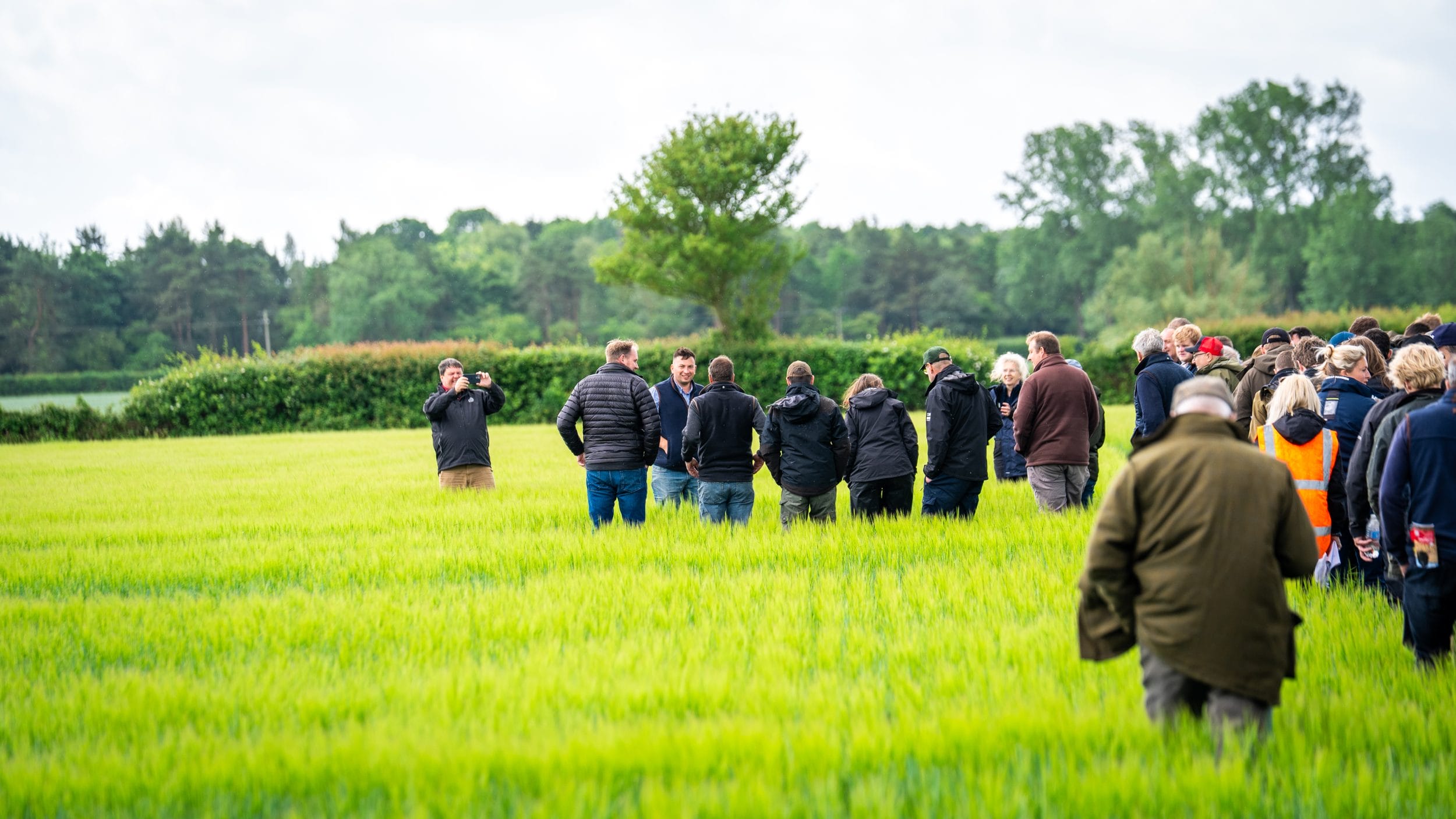
A farm in Suffolk recently opened its doors to growers from across East Anglia to show how varieties perform in real-world situations and help inform decisions about what to grow next season.
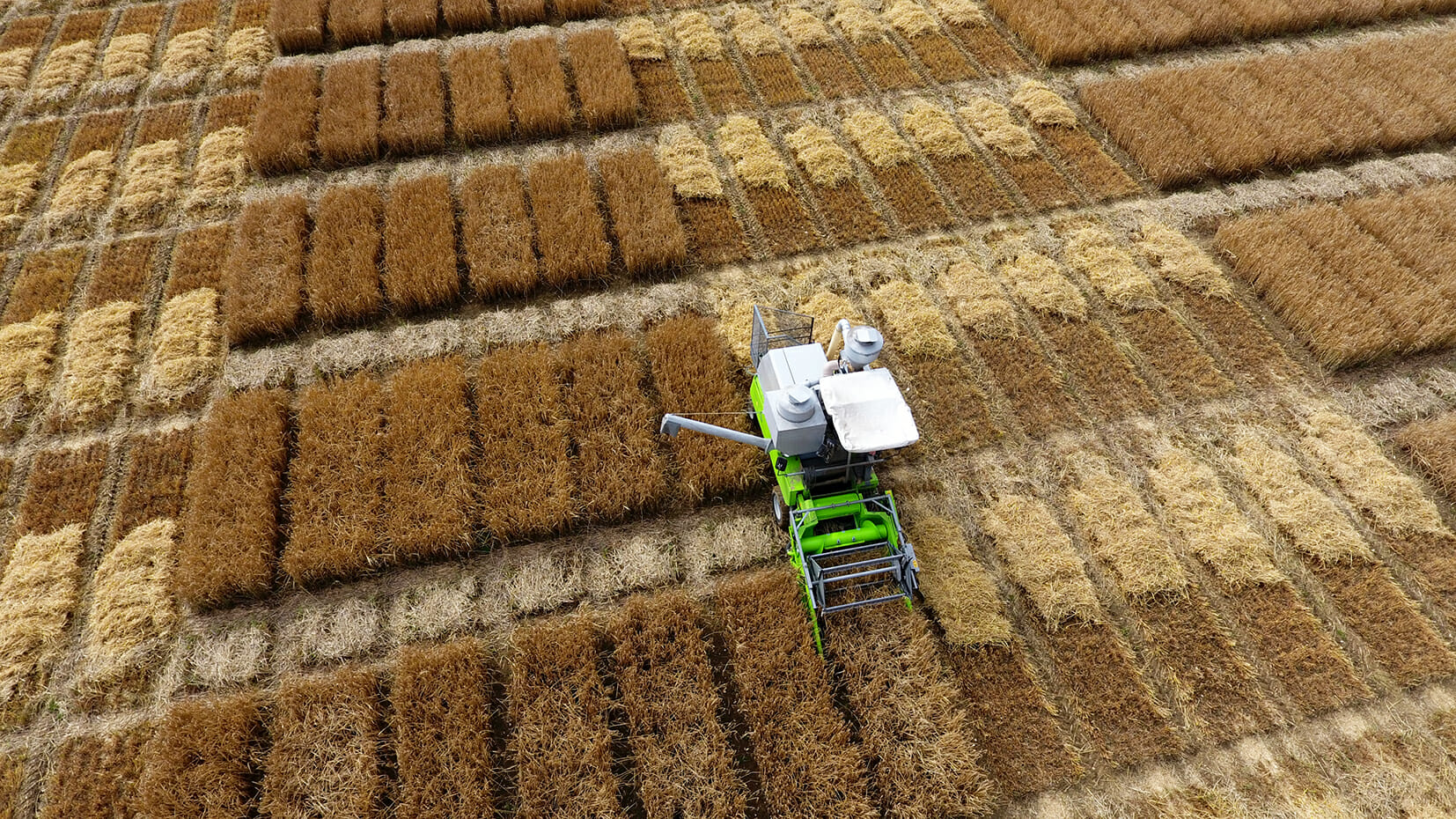
The 1,600 ha Dennington Hall Farms is one of Limagrain UK’s demonstration farms, that is trialling a range of new and existing cereal and oilseed varieties across a range of scenarios within a productive, commercial, regenerative farming setting.
Trials this year include a field-scale comparison of 13 LG winter wheat varieties across three different establishment techniques, plus the latest spring barley and oilseed rape varieties, and other trials examining how cover crops impact nutrient use efficiency in following cereals.
“When making varietal decisions, it is always useful to visit farms to see how varieties perform in different situations, soil types, rotational positions, cultivation techniques, and input regimes,” farm manager, Ryan McCormack said.
“With the LG demo farm, we’ve done exactly this, so that we, and other farmers, can see how crops are performing and make our own informed decisions, rather than relying on a manicured Recommended List. It’s all about picking the right variety for the right place.
“It’s also about understanding how resilient varieties are to our changing climate and disease pressures, as well as how much they might cost us to grow.”
Winter wheat focus
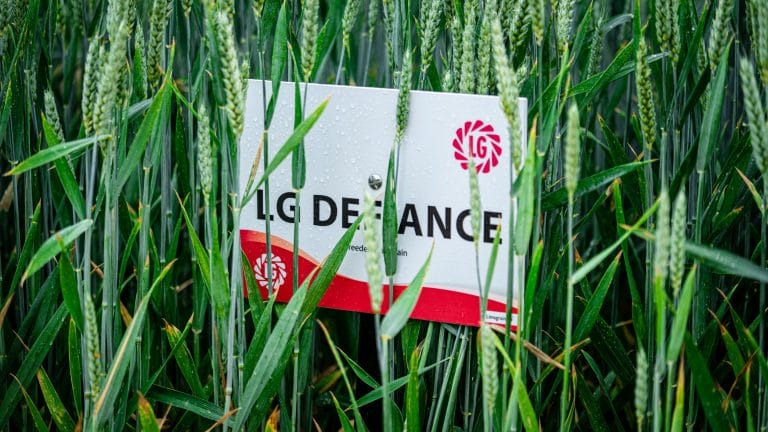
While Dennington Hall Farms has a diverse 12-year rotation, winter wheat remains the cornerstone, and is a key part of the LG trials, which include new varieties such as LG Defiance and LG Challenger, RL candidates, and established names, such as Crusoe.
All 13 varieties in this year’s trial have been established across three different cultivation systems within the same field, including direct drilling, minimum tillage, and plough-based approaches.

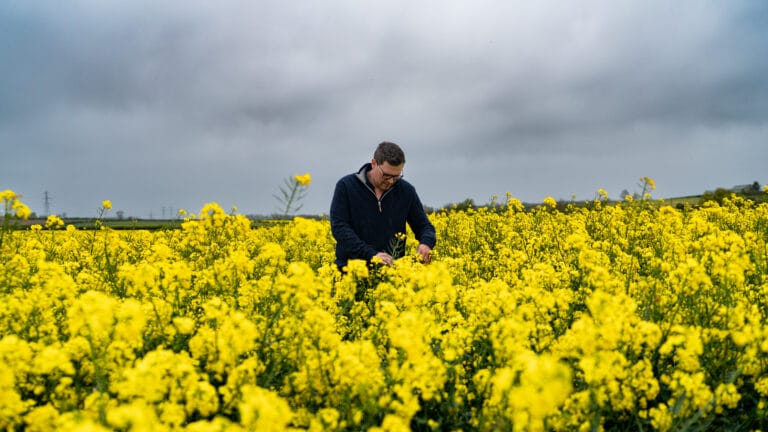
Limagrain Cereal crops on trial at Dennington Hall Farms
Anecdotal evidence from earlier this season suggested that establishment of all varieties was generally not as good in the plough-based system, possibly because soil had dried out more with the extra disturbance last autumn, Mr McCormack said. However, numbers of volunteers appeared to be lower where ground was ploughed.
By June, there was little observable difference between cultivation techniques, but all plots will be taken to harvest to see if there are any notable differences in yield.
Tackling yellow rust
Given the changes to Yr15 resistance over the past year, yellow rust has moved up the agenda for many growers when choosing varieties, yet Mr McCormack showed it was possible to stay on top of the disease with a relatively low input approach, provided growers got in early to prevent rust getting established.
For him, that meant using tebuconazole at T0, followed by cost-effective fungicides at T1, T2 and T3 where necessary.
Limagrain’s arable technical manager, Ron Granger, agreed that early rust control was vital, especially where juvenile plant resistance is not available in a variety. However, he pointed out that some varieties had held off yellow rust better later in the season once adult resistance kicked in post growth stage 37.
“The speed of early rust development in different varieties is something that should be looked at more closely by the industry, as it is evident this season that some varieties surprised us on how late rust developed in them compared with previous years. We still have a lot to learn, and our pathologist is certainly being kept busy this season.”
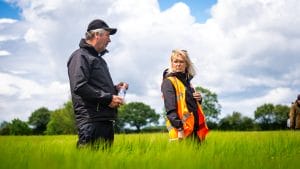
Ron Granger and Heather Oldfield discussing yellow rust resistance at the Limagrain demo farm day at Dennington Hall Farms
Mr Granger urged growers not to discount any variety just because of revisions to its yellow rust rating, especially when other favourable characteristics remained unchanged. “Take LG Typhoon, for example, yes you have to watch yellow rust more closely given the Yr15 changes, but it’s still got fantastic Septoria resistance, has the agronomics to suit wider-row direct drilling situations, and is still a true early drilling variety.”
Spring barley opportunities
Several spring barley varieties were being demonstrated at Dennington Hall Farms, both with and without a preceding cover crop. Varieties included LG Diablo, LG Aquarius, LG Mermaid, and RL dual use candidate, LG Dynamo.
“We’re quite excited about LG Dynamo,” Mr Granger said. “It raises the bar for yield in a dual use variety, and has good disease resistance and specific weight. It’s performing well in England and Scotland, so we’re working closely with end users.”
Likewise, there was strong interest in LG Aquarius, which as a ‘high DP’ (diastatic power) and higher nitrogen (1.75-2%) variety, was ideally suited to distilling for the blended whisky market, according to Gary Mills, seed manager at Scotgrain Agriculture, and Bairds Malt grain coordinator.
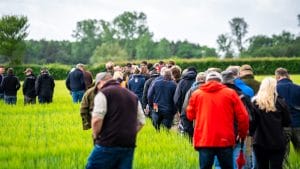
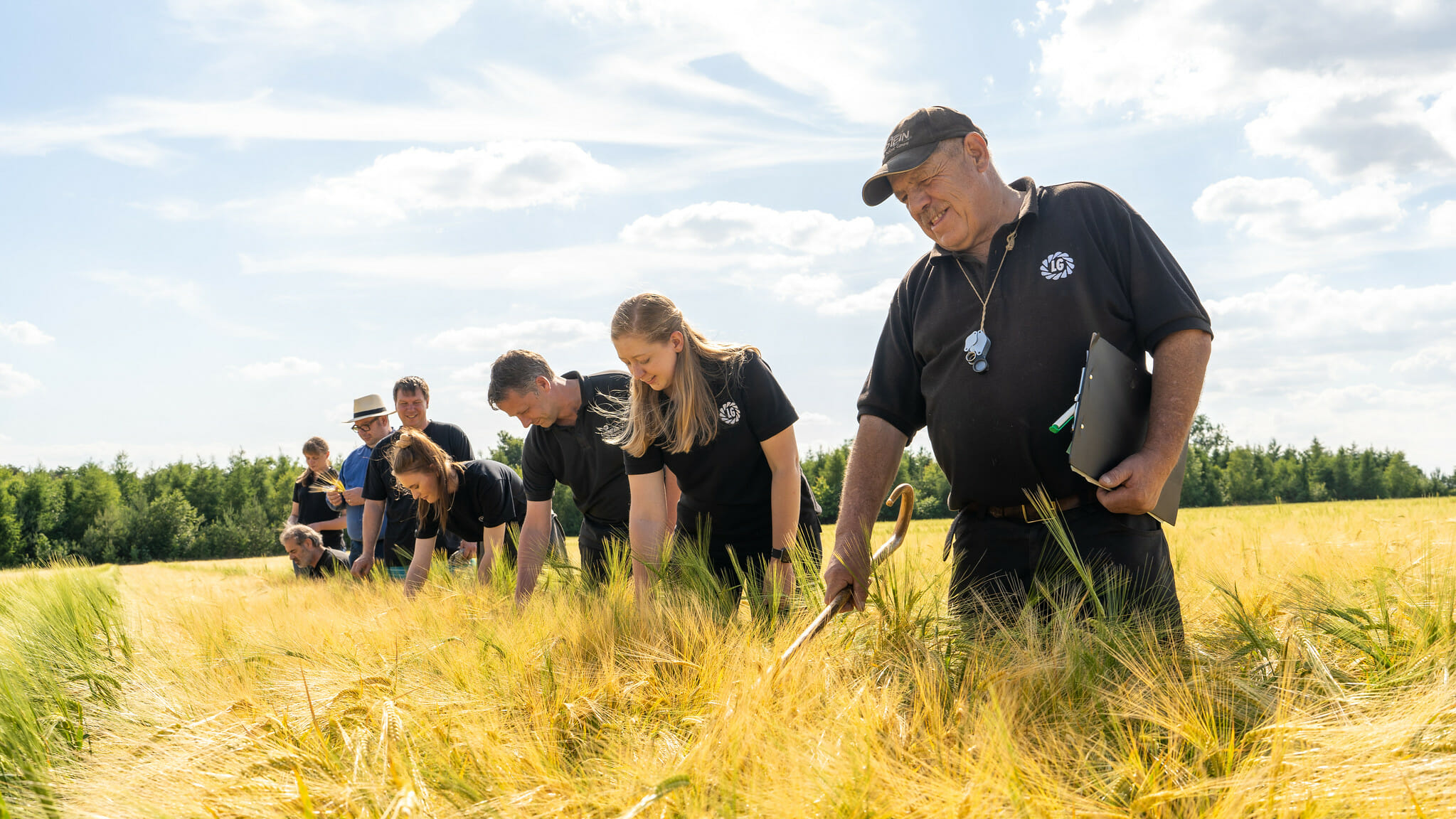
Growers enjoying the crop trials tour at the Limagrain demonstration day
“It’s consistently been our top-performing variety in micromalting tests over the past three years,” he said.
“In the past, high DP varieties have often been 10% off the best varieties in terms of yield, which can make some growers more reluctant to grow them, even with a large premium. But LG Aquarius narrows that gap considerably, and still commands a premium.”
Mr Mills said the blended whisky market had not been as badly affected by the recent economic downturn as other distilling sectors, with demand actually increasing. “So, we hope LG Aquarius will be there to help fill a gap in the market.”
Other areas of interest at Dennington Hall Farm:
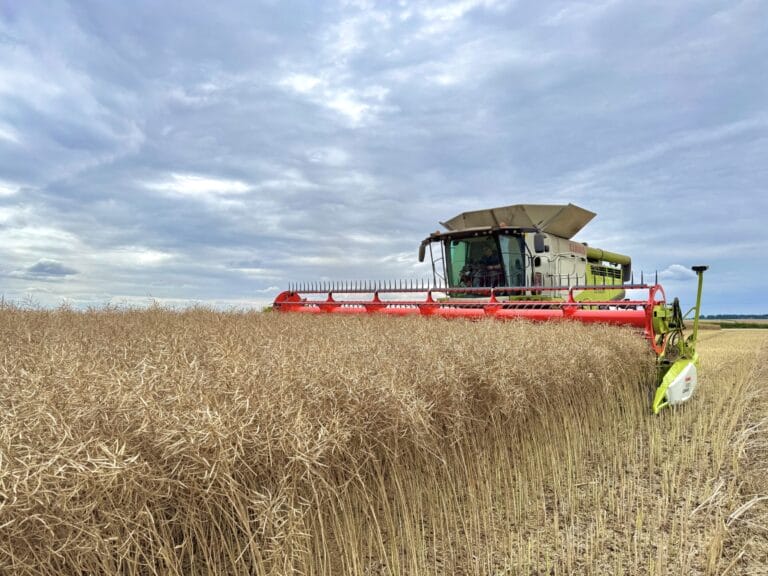
Oilseed rape – Six LG oilseed rape varieties are being trialed this year, including LG Avenger – the only variety with cabbage stem flea beetle resilience on the AHDB RL, and current holder of the world record yield – LG Adapt, LG Armada, LG Adeline, Magelan and LG Academic.
Wildfarmed wheat five-way blend, including Crusoe and other Group 1 and 2 varieties – 50 ha is in the ground this year to learn how to manage crops under the Wildfarmed criteria, which include the need for a summer catch crop, no insecticides or fungicides, and limits to the amount of fertiliser that can be applied at any one time. “If we can achieve our budget yield of 7 t/ha, the crop could deliver a margin of £1,650/ha. I’d consider increasing the area, but we need to learn how to manage these crops before doing so,” Mr McCormack said.

Oilseed rape varieties on trial at Dennington Hall Farms
Commenting on the work at the LG demo farm, Limagrain’s cereal product manager, Heather Oldfield said: “As breeders, it’s important for us to understand how our varieties perform at scale, so that information can be fed back into the breeding programme to help us make improvements going forward.
“We often do that with the supply chain, such as maltsters or millers, where we get a lot of feedback that helps us develop varieties to supply those markets to the best of our ability. What we don’t always get is the really detailed information back from farms, such as why a variety performs better in certain situations.
“With farm profitability where it is, it’s our job to consider the full picture and see where we can lend a hand to growers by developing varieties that are fit for the future.”
Sustainable nitrogen use
Dennington Hall Farms is one of two farms taking part in the Defra-funded ADOPT trial, Roots of Change (ROC), looking at whether cover crops can help reduce reliance on artificial fertiliser in cereals destined for premium markets, namely Crusoe and LG Lotus winter wheat, plus LG Aquarius and LG Diablo spring malting barley.
Both the wheat and barley fields have been split into four areas, to compare how each variety performs under two cultivation approaches (low disturbance subsoiler or ploughing), with and without a catch/cover crop and bi-cropping with beans.
“We want to better understand the amount and timing of when nitrogen and other nutrients are released by these cover and companion crops,” said NIAB’s project lead, Lydia Smith. “We know there is more immediate mineralisation of nitrogen after ploughing, but generally, there is a better outcome financially from reduced tillage, which is also better for soil health.”
Mr McCormack noted that wheat grown with a bean bi-crop after a summer catch crop generally looked less stressed than the area with no catch/bi-crop during the dry conditions this spring, possibly due to some benefit from extra nitrogen being released once the beans were terminated.
In the spring barley trial, soil assessments also showed improved soil structure and higher worm counts in the cover cropped area compared with no cover crop, Dr Smith noted.
Again, both trials would be taken to harvest, with results published at the end of the project.
-
Farm Facts: Dennington Hall Farms, East Suffolk
– Family-run 1,600 ha heavy land farm
– Recently transitioned to a regenerative arable system across 1,200 ha
– Mainly owned – 100 ha arable on FBT and 200 ha contract farming agreement
– Commitment to sustainability and stewardship – focus on building soil health
– 12-year rotation in 12 blocks of 100ha
– Cropping includes winter wheat (mainly Group 4s for local feed markets), winter and spring barley (for malting), oilseed rape, spring oats, wheat blend trial, Wildfarmed spring wheat blend, beans, mustard, vining peas, sugar beet, cover and catch crops (grazed by a flying flock of sheep brought in over winter)
– 60 Red Poll suckler cattle