







To help growers follow crop performance through the season, Limagrain Field Seeds launched its inaugural Demo Farm initiative this year, hosting on-farm demonstration days across the country.
The aim was straightforward: to give growers the chance to see varieties performing in the field, discuss results directly with farmers and Limagrain experts, and gain practical, real-world insight beyond what trial plot data alone can offer.
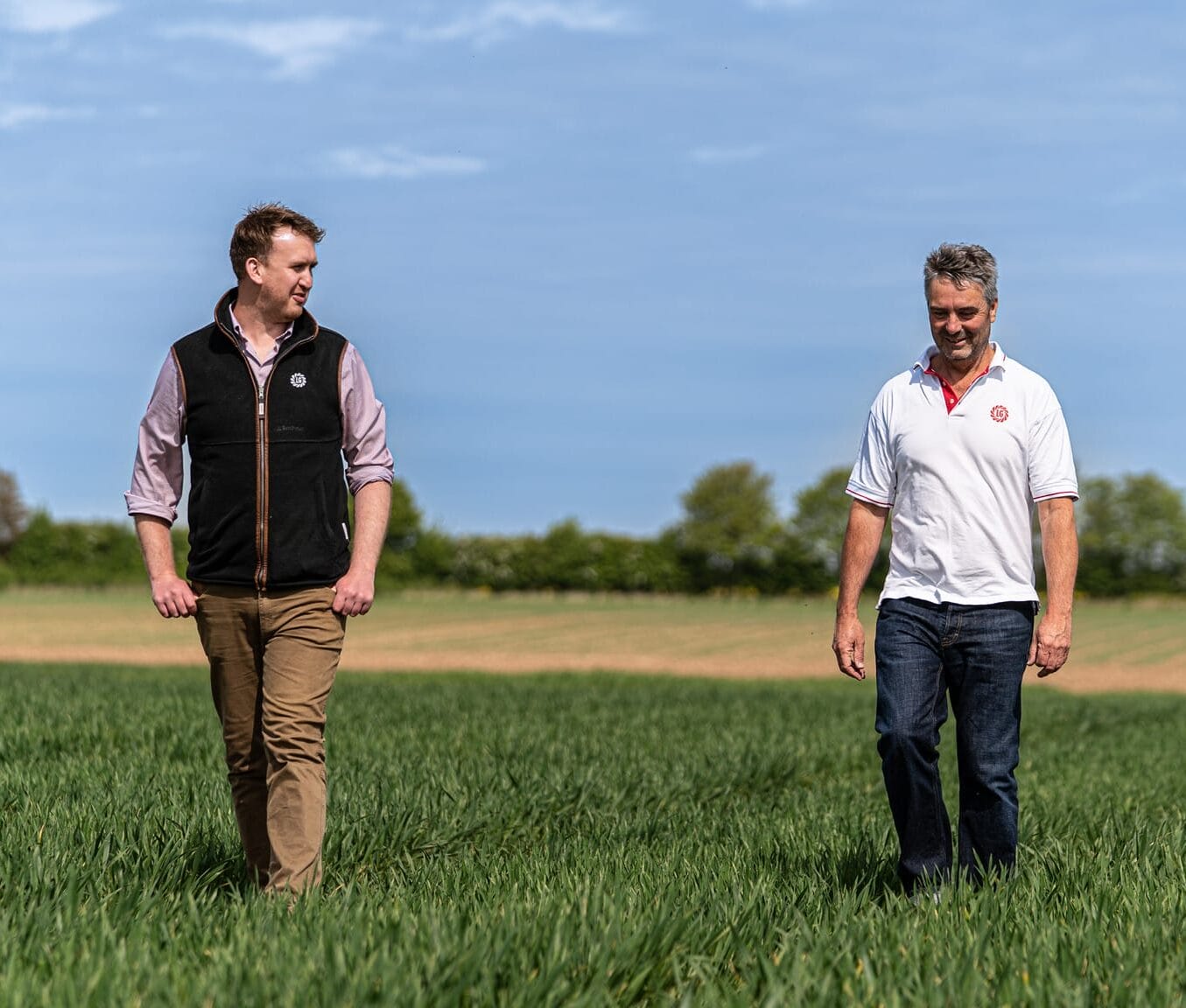
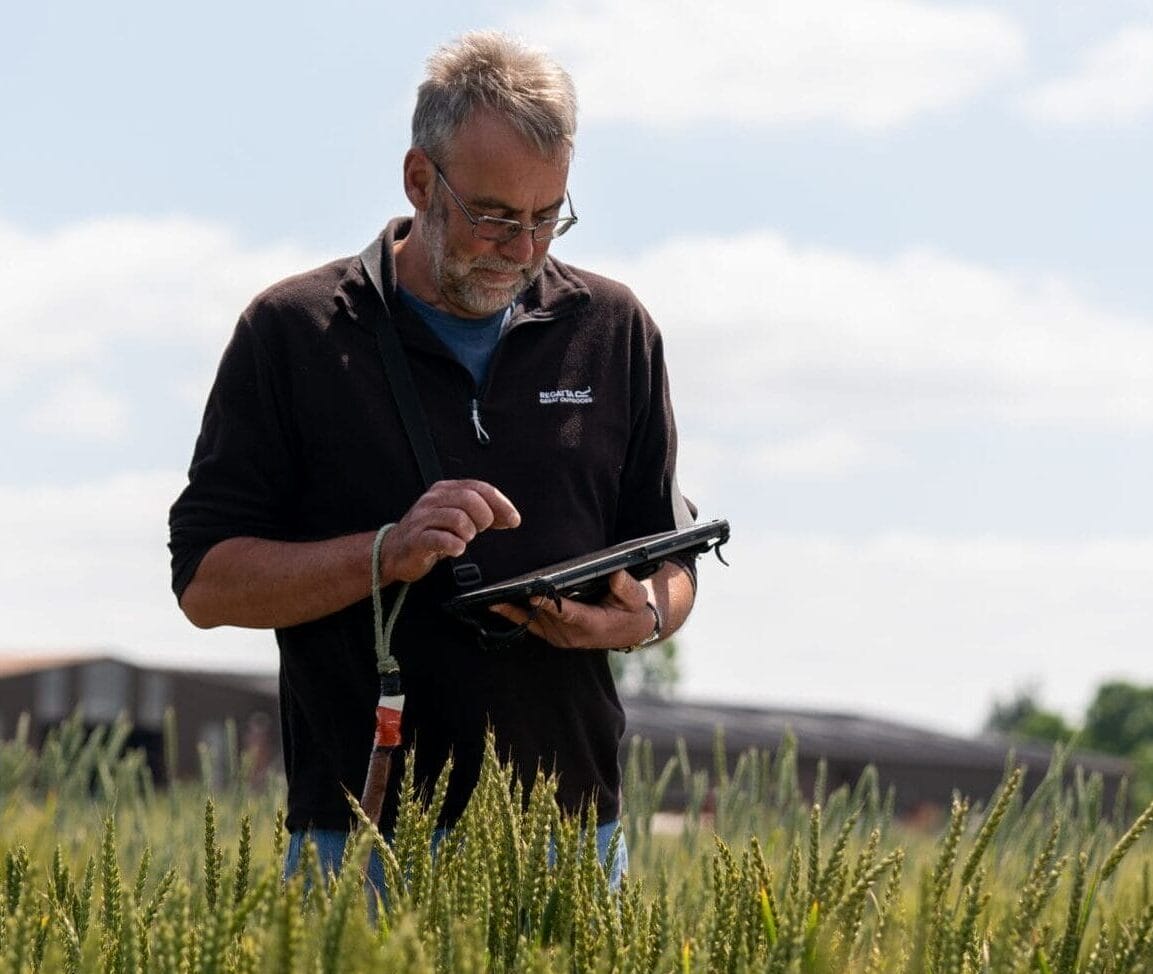
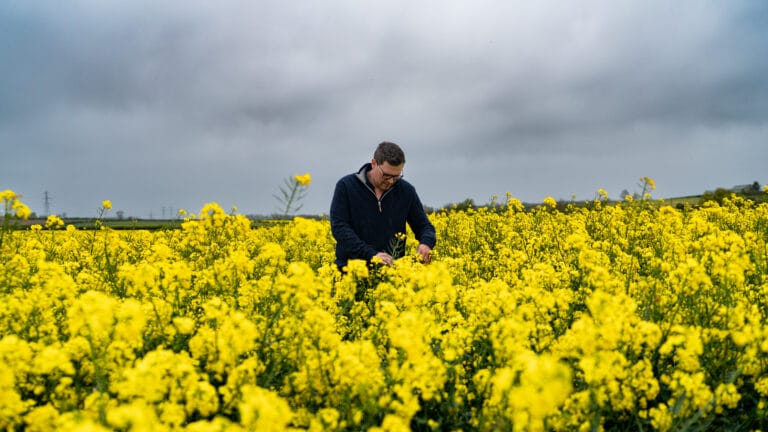
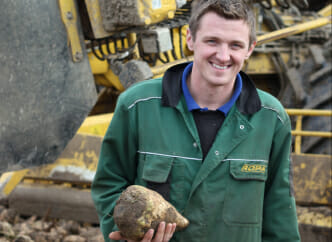
One of these demo farms is hosted by Rob Atkin at Field Farm, Uttoxeter, Staffordshire. Rob has been involved in practical farm trials for many years, including work on variable rate technology and environmental initiatives aimed at improving soil health and reducing water pollution.
He has been integrating cover crops and livestock into his system, while maintaining a strong focus on economic performance.
“I still need yield to pay the bills, so yield is important,” he says. “But I want varieties that work in real farm conditions, not just in perfect plots. I want to know how they perform under pressure and whether they genuinely fit into my system.”
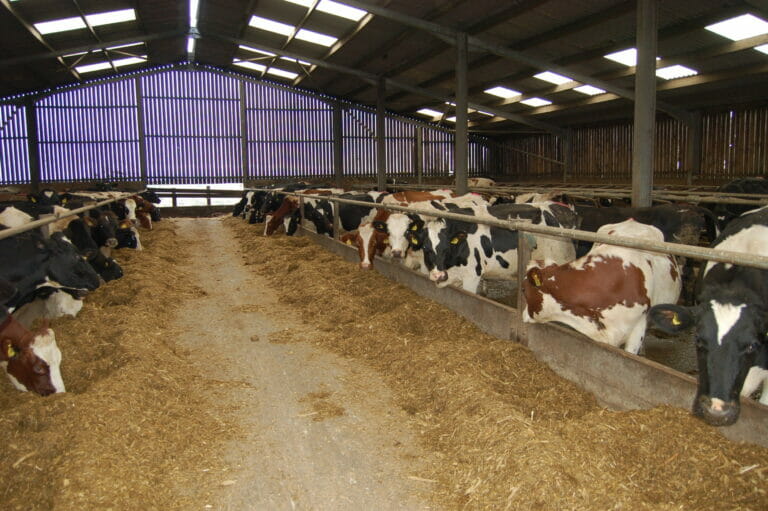
Field Farm operates across a wide range of soil types, from heavy clay through to high-organic-matter silt. It’s a mixed operation, combining arable cropping with beef and sheep enterprises, with a growing focus on soil health and cost control across the business.
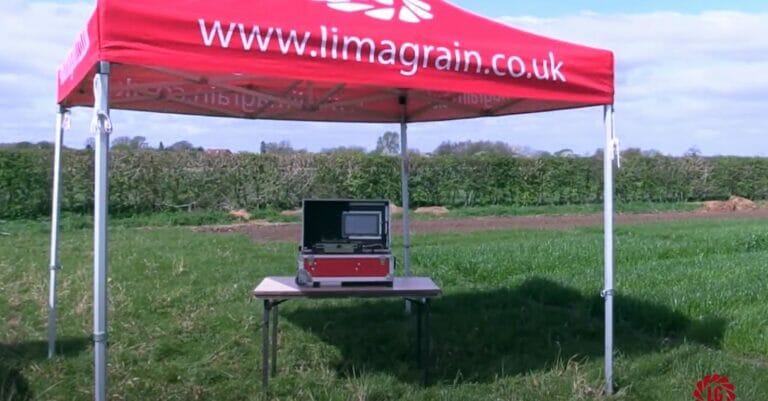
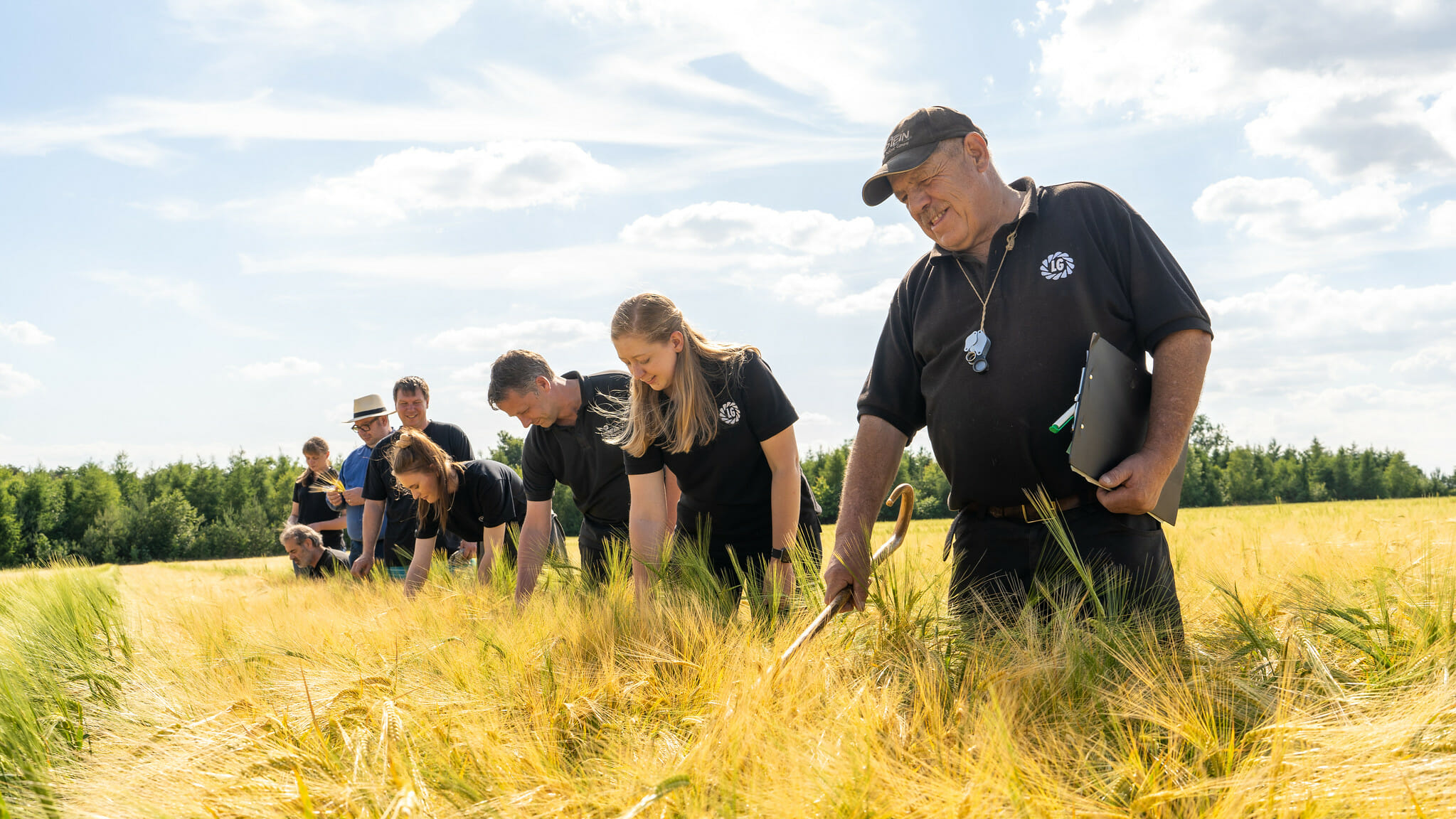
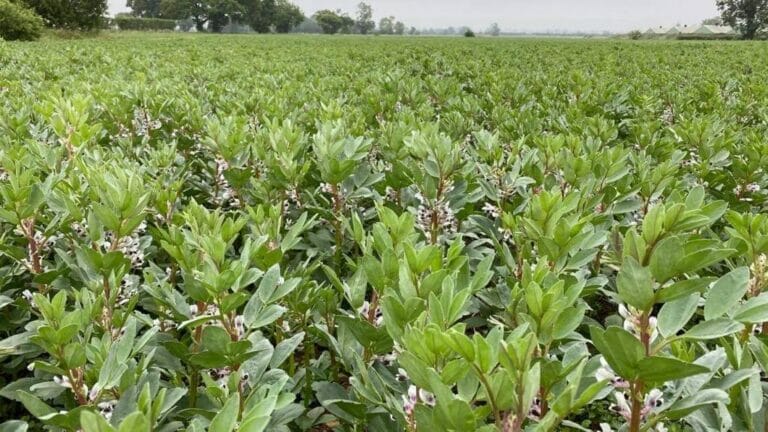
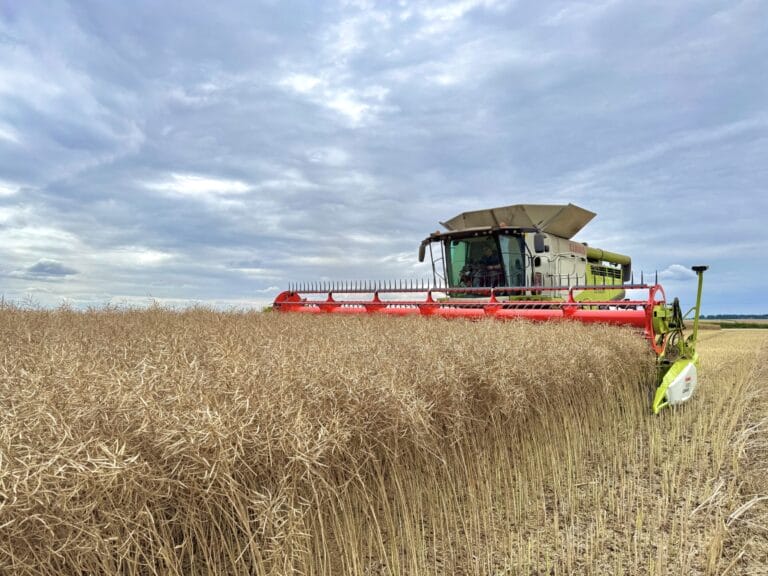
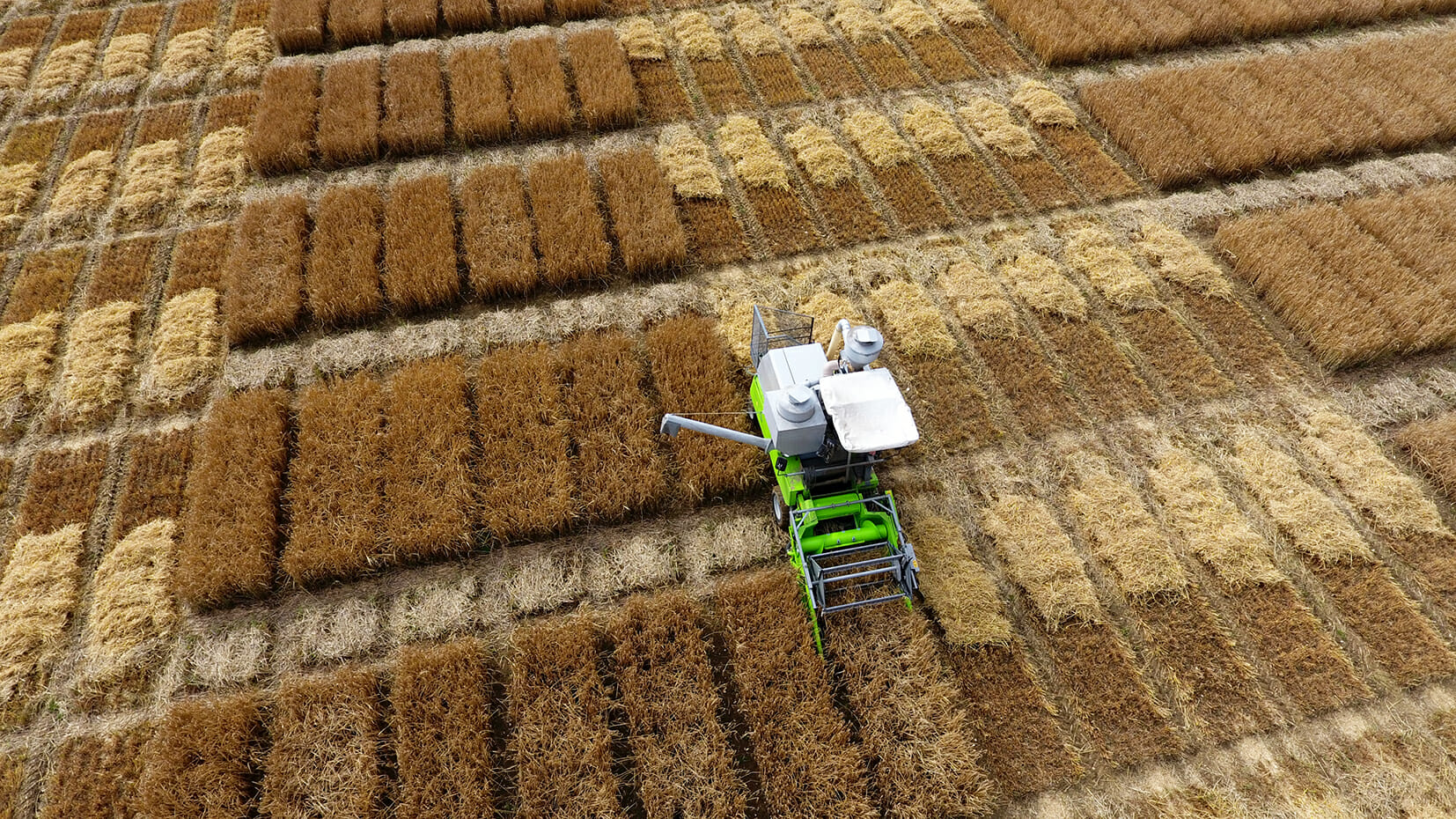
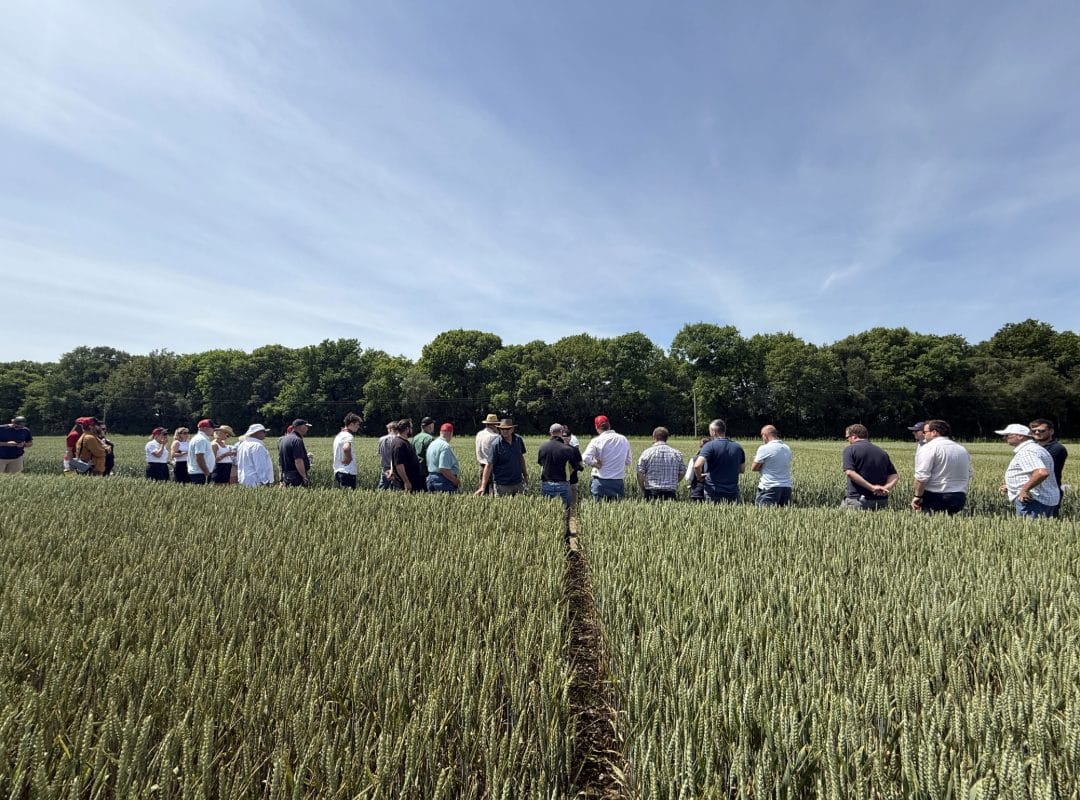
Trials established at Field Farm this year include a field-scale comparison of establishment techniques in wheat and barley, alongside winter wheat, spring barley and oilseed rape variety trials. On one of the hottest days of the summer, under clear blue skies, visitors to the open day were guided through the latest cereal and oilseed rape variety trials. Limagrain’s newly recommended winter bean, LG Arctic, was also on trial, alongside a range of early maturing maize varieties.
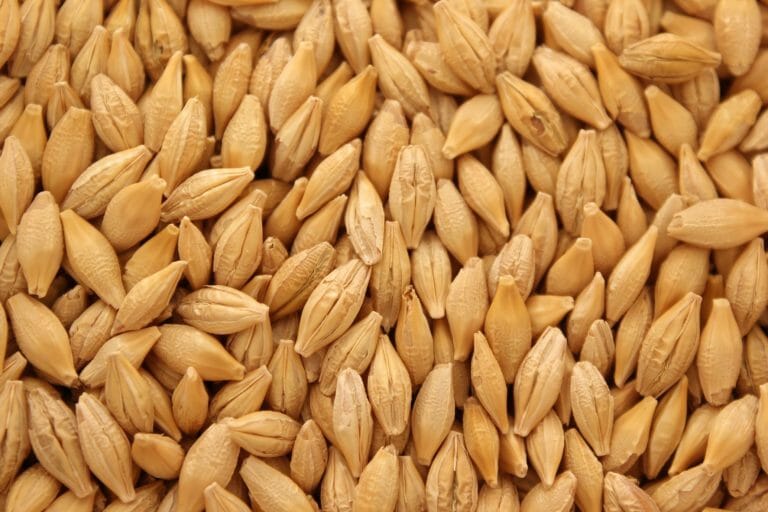
Varieties discussed on the day ranged from those narrowly missing out on Recommended List inclusion, to new candidates progressing through trials, to recently listed varieties now available to growers. The overarching theme was consistency of yield across different seasons and drilling situations, alongside strong disease resistance profiles.
Find out more about our oilseed rape varieties here.
Yellow Rust
Yellow rust in wheat was the key issue leading discussions at the wheat plots. Ron Granger, arable technical manager for the breeder, urged growers not to discount any variety simply because of revisions to its yellow rust rating, especially where other favourable characteristics remained unchanged.
“Take LG Typhoon, for example — yes, you have to watch yellow rust more closely given the Yr15 changes, but it’s still got fantastic Septoria resistance, has the agronomics to suit wider-row direct drilling situations, and is still a true early drilling variety.”
He went on to suggest early rust control was vital, especially where juvenile plant resistance is not available in a variety. However, he pointed out that some varieties had held off yellow rust better later in the season, once adult resistance kicked in post growth stage 37.
“The speed of early rust development in different varieties is something that should be looked at more closely by the industry, as it’s evident this season that some varieties surprised us with how late rust developed in them compared with previous years. We still have a lot to learn, and our pathologist is certainly being kept busy this season.”
Maize in the Rotation
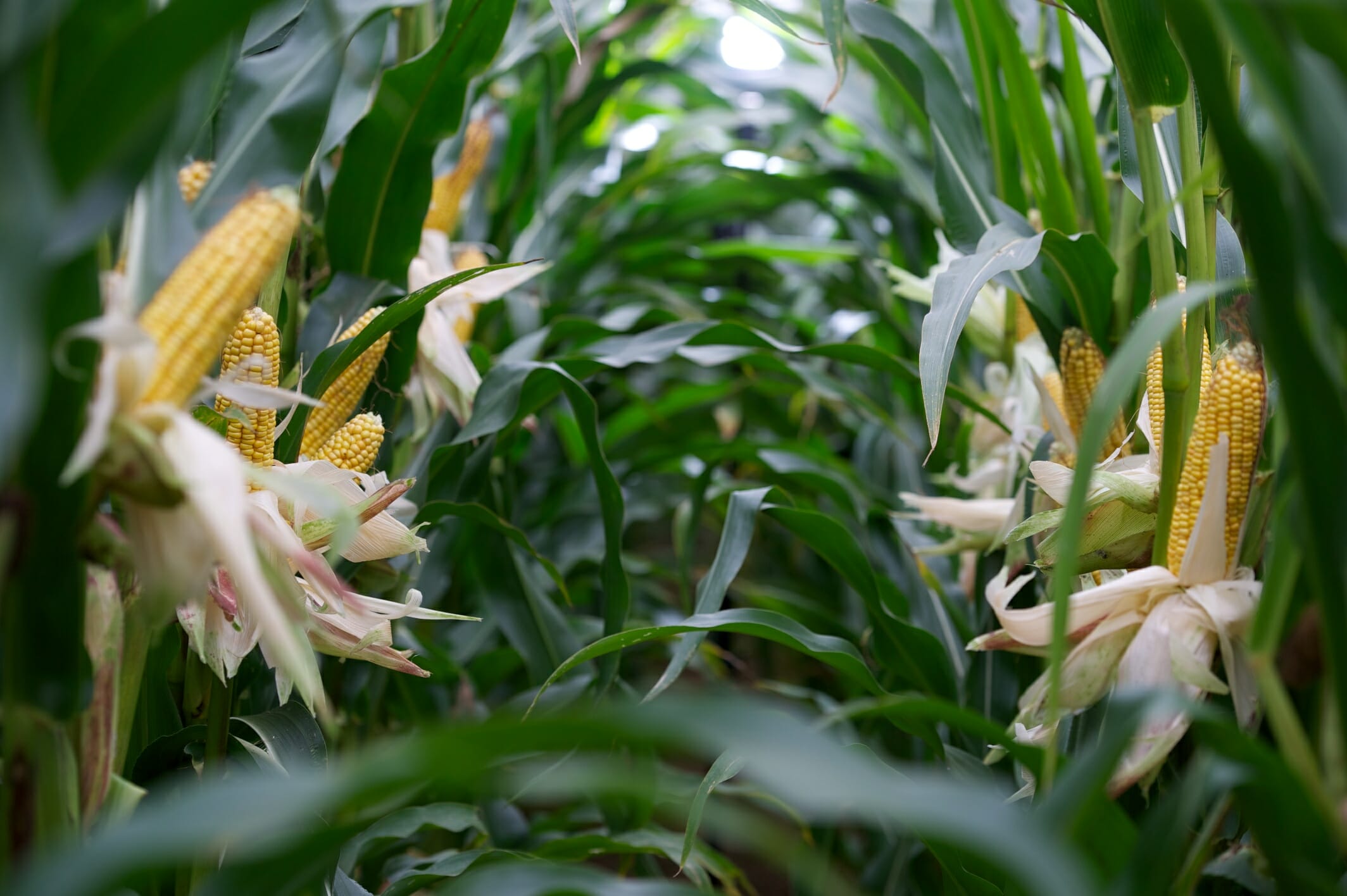
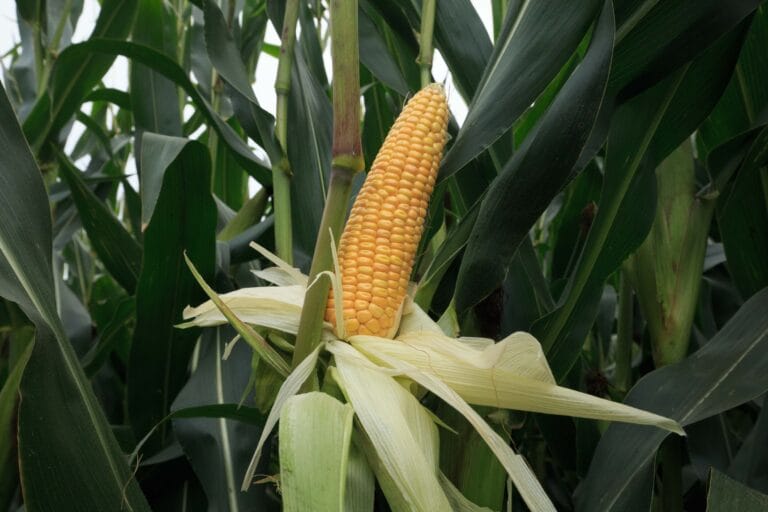
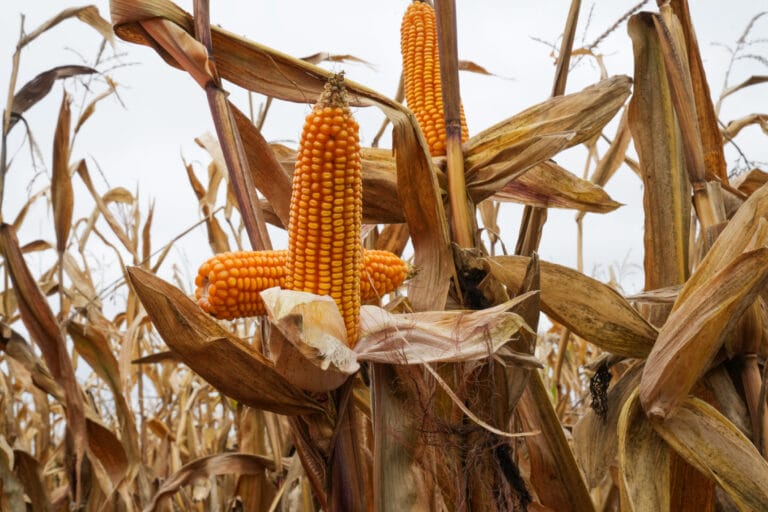
As part of the Demo Farm trial, a series of plots comparing maize varieties has been set up at the Staffordshire site. The site forms part of a wider network of farm trials Limagrain is running this year across the north, as the crop continues to grow in importance on more northerly farms. Yield and quality assessments will be taken pre-harvest to better understand how these varieties perform on more challenging sites.
After struggling with oilseed rape establishment a few years ago, Rob introduced maize into the rotation. “We are a marginal site here for maize, so we are looking for very early/ultra-early maturing varieties. This suits the rotation, as it gives us a good entry for a following crop of wheat. Growing ultra-early varieties also gives us some flexibility to drill a little later, should we need to. It’s also a useful break crop to help clean up weeds.”
LG’s ultra-early variety Flashmob fits this bill well and is used by Rob in his beef finishing ration, as well as being grown for a neighbouring dairy farm — a useful outlet for their slurry and a way of freeing up land.
“As long as the crop pays for itself and covers its costs, we are happy, and it has done this so far.”
This year’s trials cover a range of early and ultra-early maize varieties to assess performance under Field Farm’s conditions. “As well as commercial and near-commercial varieties, there are also some new coded lines for evaluation,” explains Richard Camplin, forage technical manager for Limagrain.
The plots were drilled after autumn stubble turnips, which sheep had grazed off. “We went in with a subsoiler before drilling, as it had been a bit wet and the sheep probably stayed on a bit longer than needed, so there was some compaction. The crop got 15t/ha of muck and 150kg/ha of nitrogen later on — and after struggling through a cold, wet June, is now knee high and starting to fill out,” says Rob.
PANEL: Cultivations Trial — Direct Drilling vs Shallow Cultivation
For Rob Atkin, one of the most interesting aspects of the trials was comparing cultivation methods and their effect on establishment and crop quality heading towards harvest.
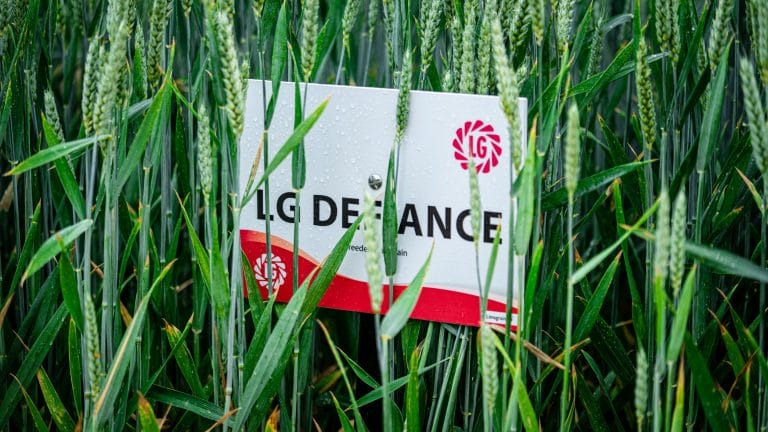
“We started our min-till journey on the farm in 2003, moved into shallow cultivations, and now direct drill in the main,” Rob explains. “We were interested to see how the same variety — in this instance LG Defiance — grown in the same field, would look when direct drilled versus established after shallow cultivations.”
Wheat trial
“Initially, the wheat established in shallow-cultivated soil performed better, showing more early vigour than the direct-drilled crop,” says Rob. “However, this reversed through spring: the direct-drilled wheat tillered more strongly — likely because it had needed to work harder to establish its roots early on, leaving it better founded once the dry spring set in. By comparison, the shallow-cultivated wheat looked thinner. However, heading towards harvest, it’s now hard to tell the two apart. Harvest will tell the true story.”
Spring barley trial
A similar comparison was run in a field of spring barley, using new Limagrain variety LG Aquarius. The barley was drilled into a field that had previously been cover-cropped and grazed by sheep, leaving some soil compaction. Results followed a similar pattern to the wheat: “The cultivated crop established better initially, as it didn’t have to work through the compaction left by the sheep. However, the direct-drilled barley now looks stronger and hasn’t ‘shot’ in the way the cultivated crop has — again likely because its roots were forced to work harder and go deeper during spring, helping it hold up better through the summer heat. As with the wheat, harvest will reveal the full picture.”
Why it matters
Even small yield differences between the two systems are worth taking seriously, believes Mr Atkin. “A gain of just 0.2t/ha across a whole field can be enough to justify adapting cultivation strategy.” Rob acknowledges every year brings different weather and soil conditions, but the broader trend has been towards wetter winters and drier springs, as seen again this year.