








Drilling precision, tailored fertiliser applications, and careful selection of varieties are amongst the areas where Cornish farmer Mark Philp is seeking continued progress in maize growing.
Though the crop has been ever-present for him during his time at the family’s Trenake Farm, near Looe, two consecutive seasons where a lack of rain has created its challenges has been a reminder that there will never be any room for complacency.
What’s more, he’s growing the maize to provide a key part of the ration for a 520-cow high input – high output milking operation, and that is a responsibility that he takes very seriously.
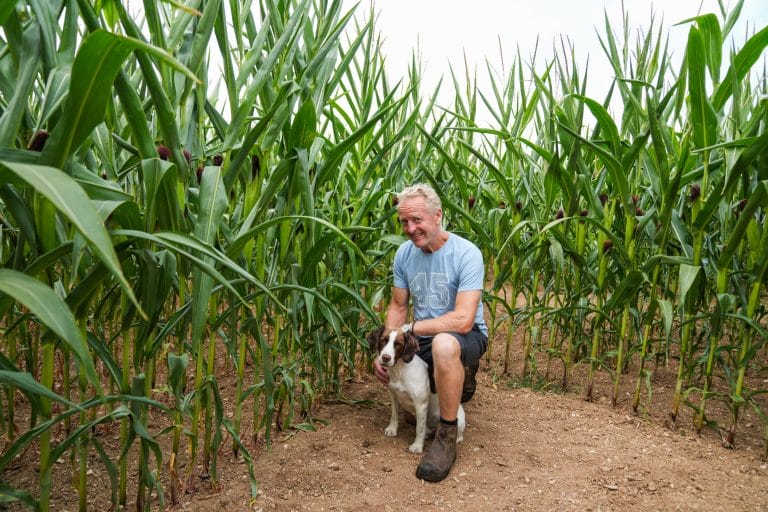
“We’re a mixed farm, with dairy, beef and arable, but milk production is our main enterprise,” he says. “My brother Miles is more involved with the cows, alongside our herdsman, and I take care of arable operations, which includes 300 acres of forage maize.
“It’s fed alongside grass silage, roughly 50:50 in the ration, providing a cost effective source of homegrown energy. We’re also including our own homegrown urea-treated wheat in the milking ration.
“Since we installed our eight robotic milkers five years ago, our yields have increased significantly, and cows are now averaging over 42.5 litres/day at peak, equivalent to an average lactation yield of around 13,000 litres. We’re also trying to keep butterfat and protein as high as possible, so it’s critical that the cows have a ration that will support a very high level of performance.”
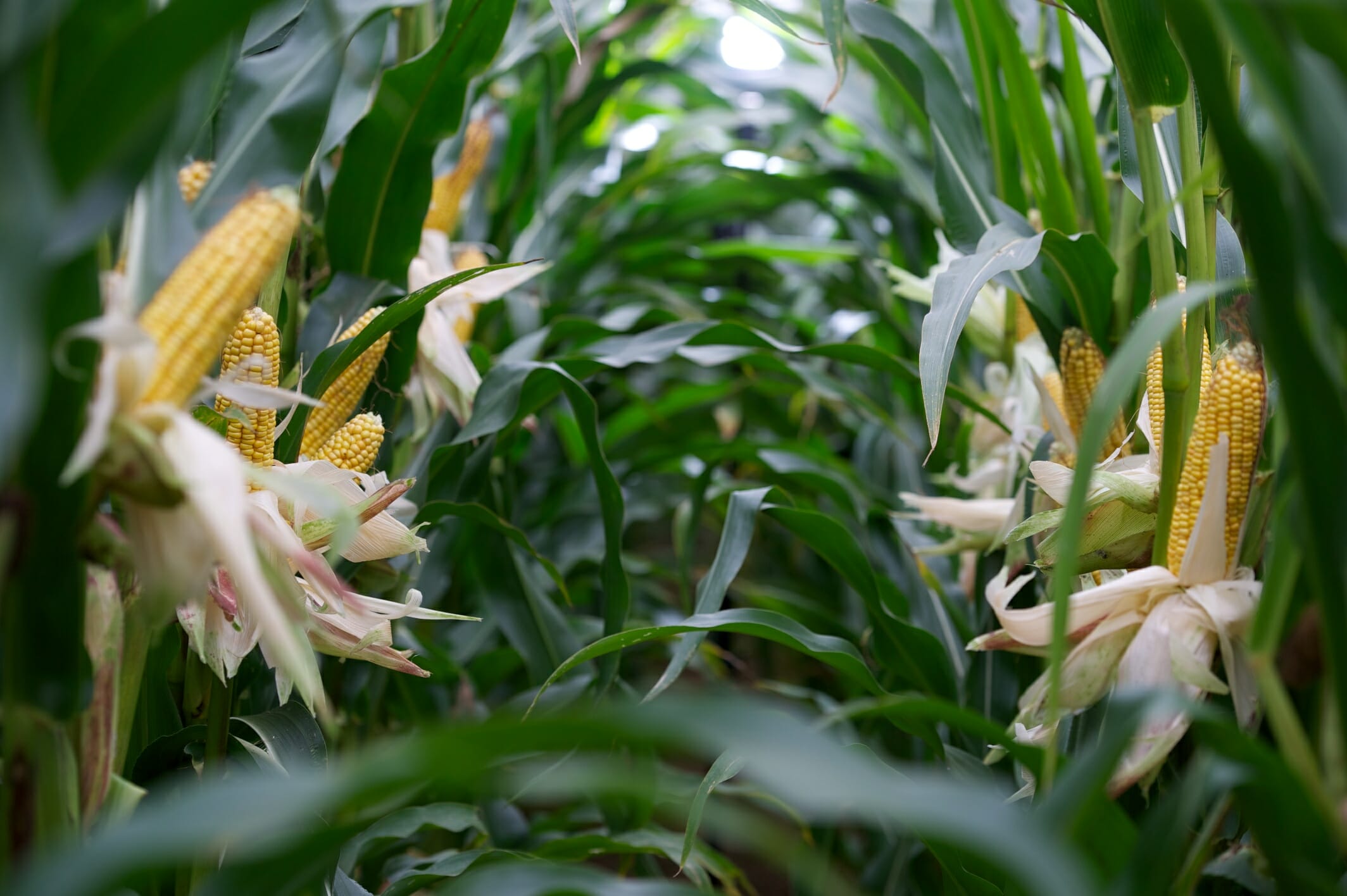
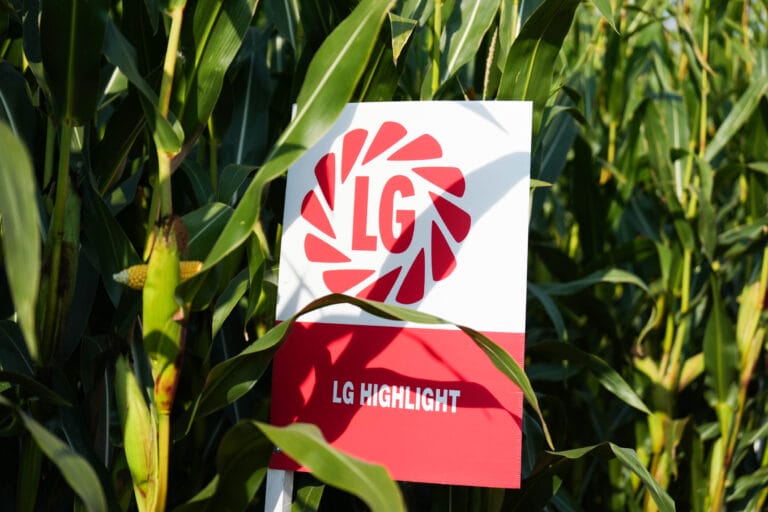
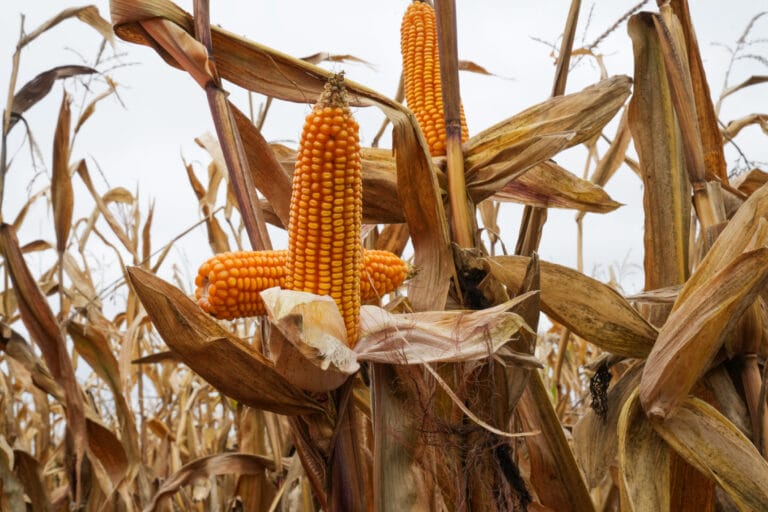
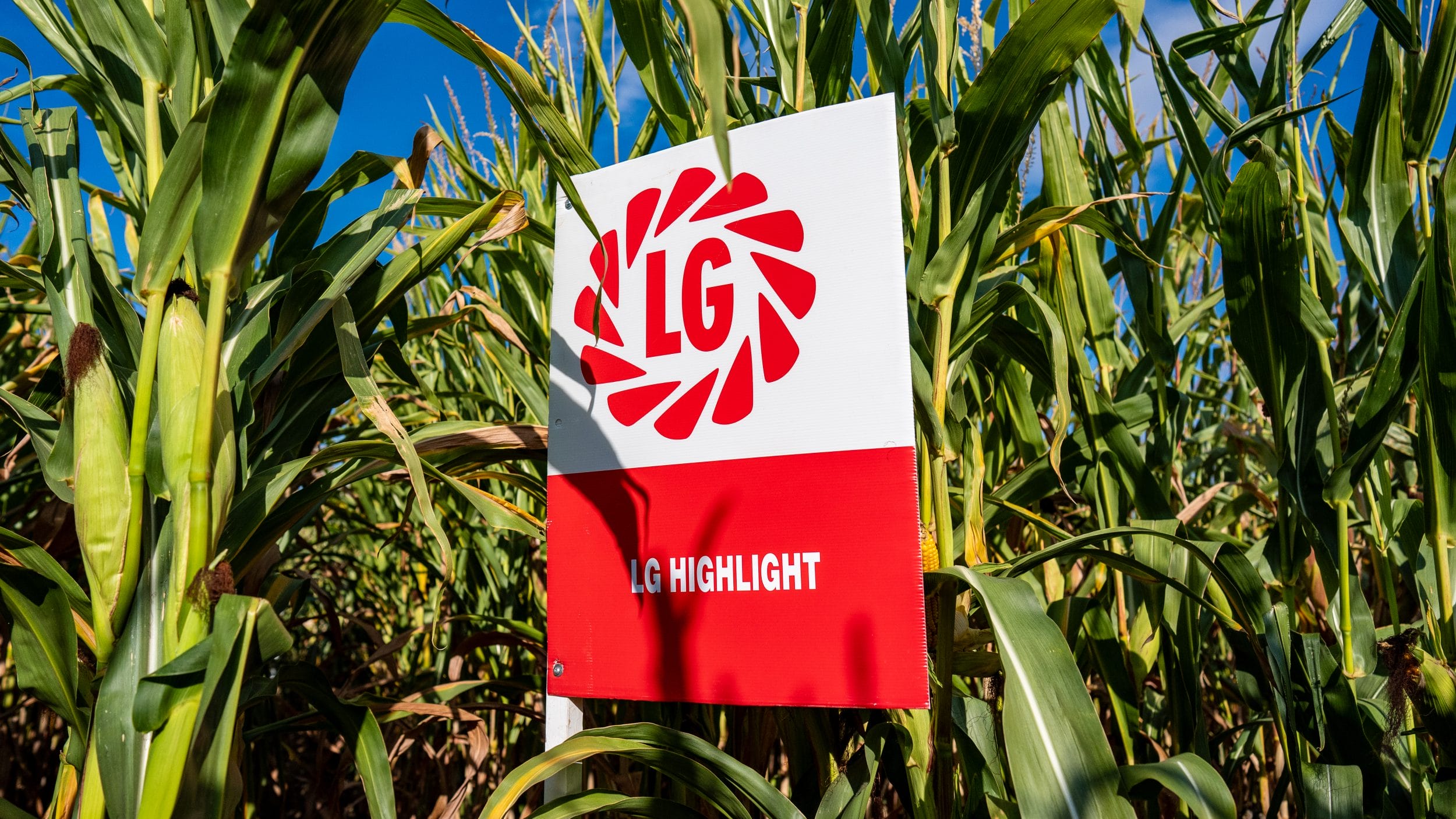
Despite another drought-affected season, the 2026 maize crop yielded over 14 tonnes/acre, well above the average yields being reported around the country. The 300 acres was split equally between three early maturity Limagrain varieties; Ambition, LG Highlight and Prospect. All three feature in the BSPB Descriptive Lists for 2027, and will have excelled over a number of years in Limagrain’s extensive UK trials programme, giving farmers high levels of confidence in their reliability. LG Highlight is new onto the lists this year, featuring strongly as a first choice variety in both the short-to-mid season and mid-to-long season categories.

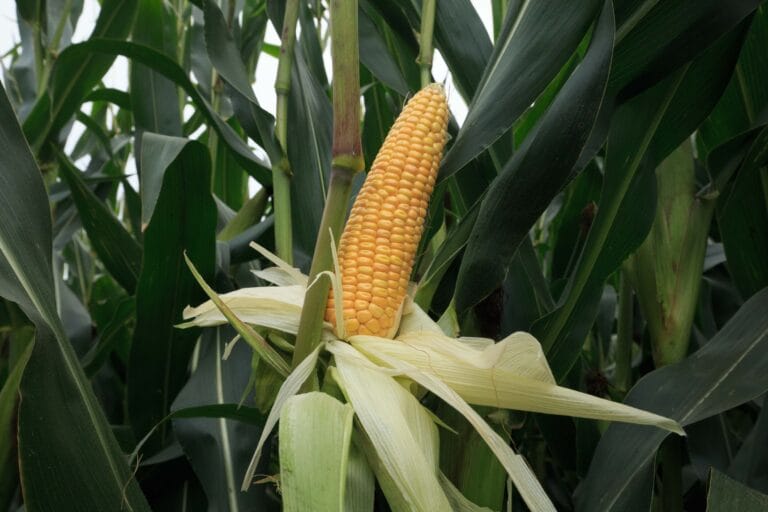
LG Highlight is a brand new variety with very high dry matter yields, reducing the costs of production.
“We grow what we know works on the farm,” says Mark, “Ambition has proven to be a consistent performer for a number of years, but we’re always aiming to do better by looking at newer varieties and also improving how we grow and manage the crop.”
Tim Richmond, Maize Manager for Limagrain Field Seeds UK and Ireland, comments on the farm’s variety selections, and points to the value of making the right choices for specific circumstances.

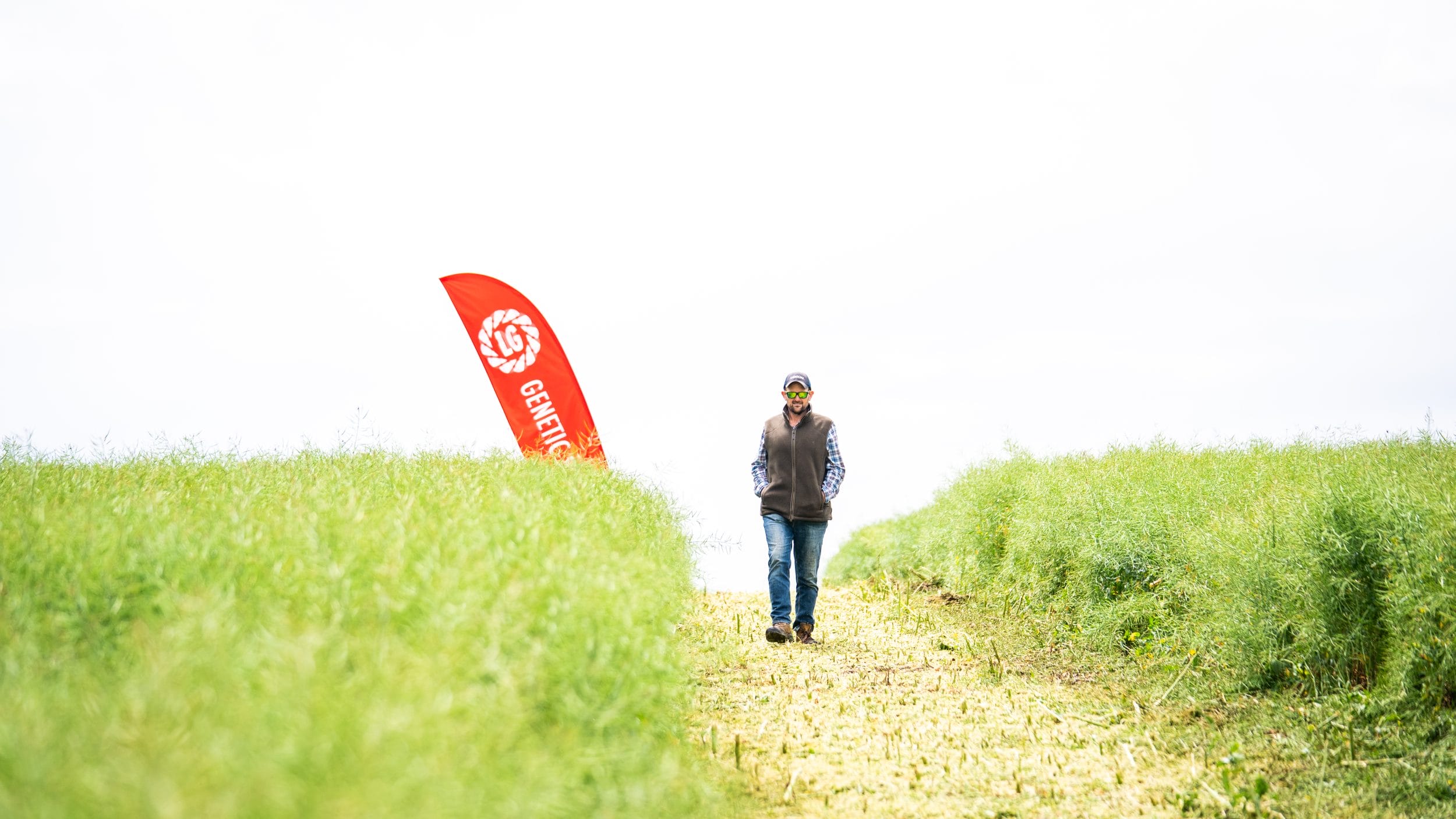
Tim has been pleased with the performance of LG maize varieties.
“On a high output dairy operation like Trenake Farm, feed value is as important as yield, so growing varieties that have been bred for higher cell wall digestibility is paying off,” he says. “It’s also clear that the maize is performing, despite really challenging conditions, and that’s down to growing varieties that have been developed with drought resilience built in. The Philps are applying best practice and constantly pushing for more in their maize growing, and that’s key to ensuring the best varieties perform to their full potential, whatever the seasonal challenges.”
One of the latest areas of progress is in seeding accuracy, with a new combination drill being used for the first time in 2026. Offering improved seed and fertiliser placement, and features such as automatic row shut-off, he noticed the benefits as soon as the seedlings emerged.
“We’ve always done our own seeding, using a power harrow-drill combination, adapted for single seed sowing, but this has been a significant step forward. We’re now running a Kuhn 4.5 metre folding combination, that is specially designed for a six-row maize drill to piggy-back on the power harrow. The accuracy of seed and fertiliser placement is far better than we could achieve before and we’ve seen an improvement in the vigour and evenness of establishment. This, plus the automatic row shut off that avoids any overlaps, means we’ve achieved much more even crops overall.”
More tailored crop nutrition is another area where Mark believes his maize growing is progressing, with the farm using the Omnia field management system to customise applications on a field-by-field basis.
“We’re growing maize as part of a cropping rotation, wherever possible, so it constantly moves around the farm,” he explains, “and then we are applying slurry and farmyard manure, which will contribute significant nutrients.
“It’s important to know what the maize crop requires, as accurately as possible, and that will be different across the farm.
“By only applying what’s needed, broadcast onto the seedbed or down the spout on a field-by-field basis, we may be saving on inputs, but most importantly we’re ensuring that the crop is going to perform to its full potential.”
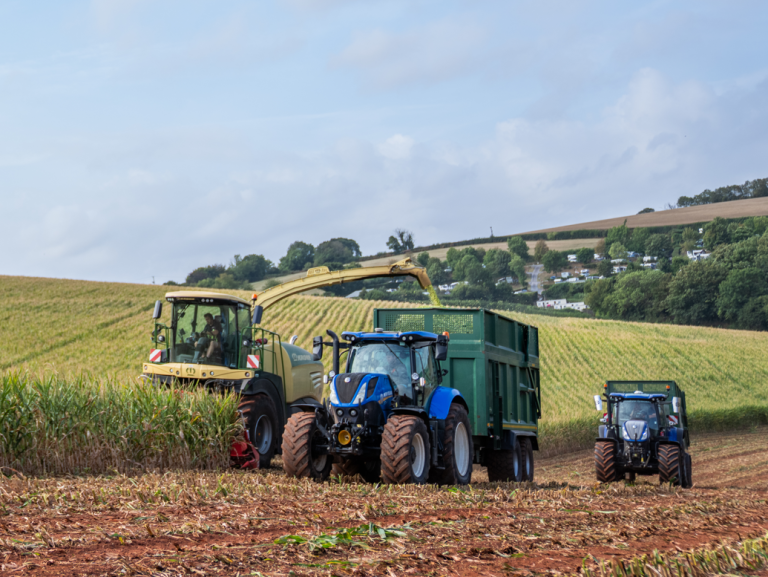
As has been the case for the majority of maize growers in 2026, the crops at Trenake Farm came off a good month earlier than what would have been the norm, harvested right at the start of September. They were drilled, into a moist seedbed, between the 27th April and 8th May, which was the usual timing, so have in effect had a much shorter growing season. Despite this, and the rigours of a very dry summer, the maize clamps are full enough to meet the needs of the milking herd.
“The earlier harvest does give us more time to establish a following crop,” says Mark, “which may be winter wheat or winter barley, or increasingly a grass crop that will give us an early silage cut in the spring.”
Grown as part of a rotation, with winter cereals, spring cereals and grass, maize is a useful break crop as well as a vital source of quality forage for the cows. By continuing to tap into the progress made by the plant breeders, and fine tuning his own establishment and management techniques, Mark is well placed to continue delivering quality maize silage for the farm’s high performing herd.

About The Author

Tim Richmond
Maize Product Manager