



















Maize is a vital part of Cornish farmer Andrew Jackson’s specialist beef finishing business.
It provides the bulk of the energy in the ration, which – alongside premium Angus genetics – helps to keep daily liveweight gains across the enterprise above 2kg/day.
Whilst performance levels are already outstanding, Andrew continues to push for improvements, experimenting with areas such as maize seed rate and cutter bar height at harvest, and seeking out the best new varieties to suit his needs.
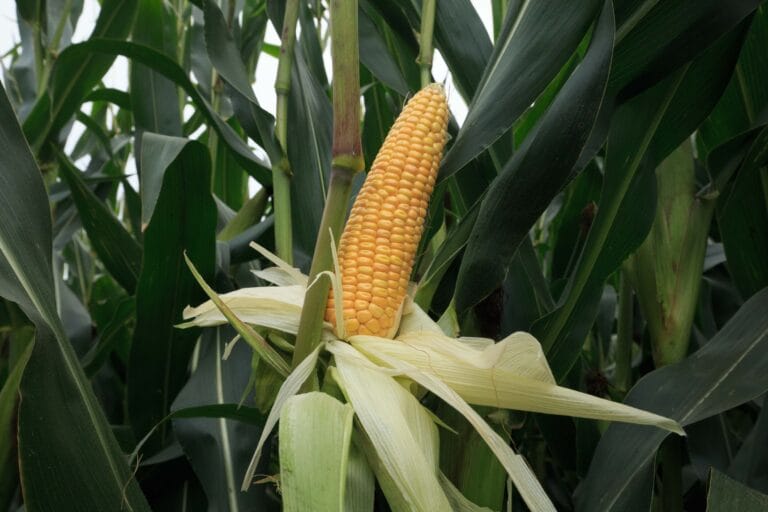
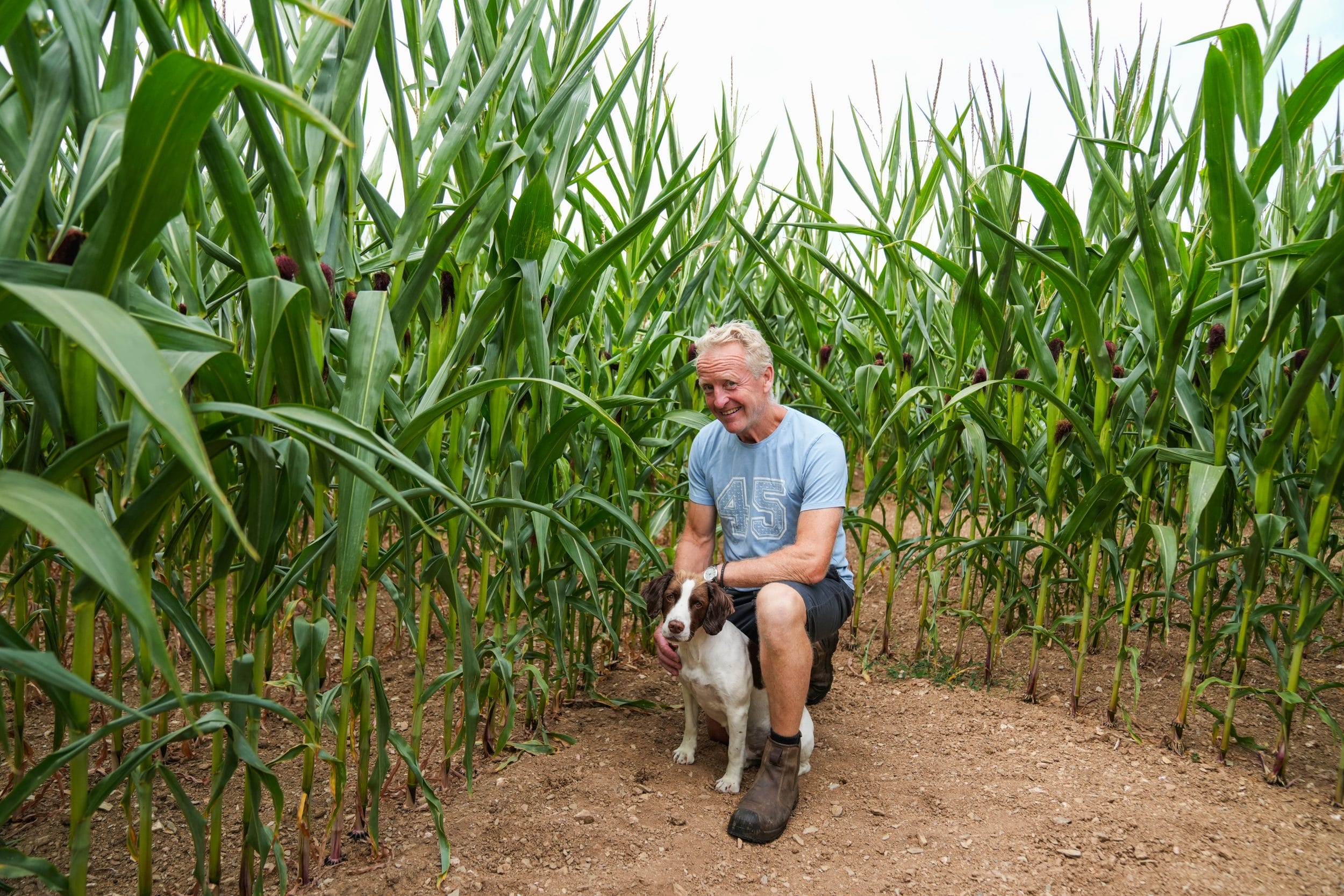
This year, he is growing Limagrain’s new very early maturity variety LG Spotlight. Developed through Limagrain Field Seeds’ extensive UK maize breeding programme, it promises high starch with improved digestibility, alongside good yield potential and standing power. By early July, the crop was already shoulder high, with tassling and cob development occurring before the end of that month, so there is considerable anticipation for how it develops and what it delivers come harvest.
Producing 2kg Daily Liveweight Gains from Beef Cattle
Beef finishing is the main farming enterprise at 200 acre Trethawle Farm, near Liskeard, with cattle currently arriving at around 10 months of age, typically about 350kg liveweight, in batches of over 200. These are grown on and finished on a contract with Sainsburys.
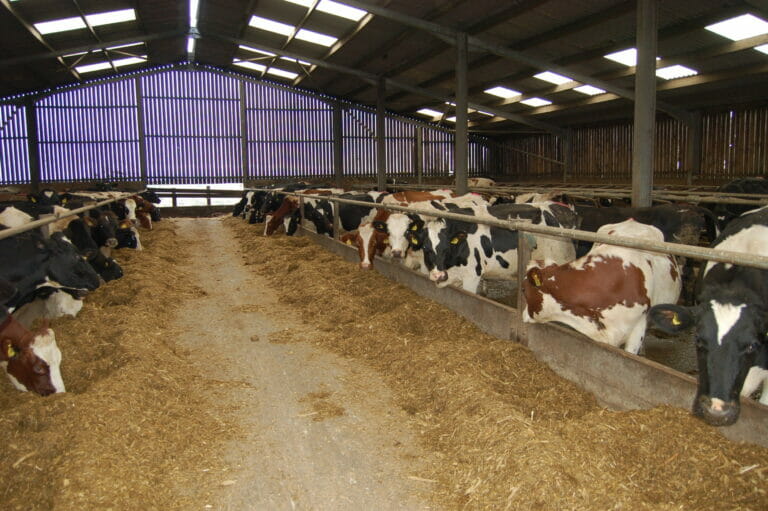
“We’re a high biosecurity AFU (Approved Finishing Unit), so everything is reared and finished inside,” explains Andrew. “The rations for growers and finishers are geared to high growth rates, so that we can maximise throughputs. Ideally, cattle are only with us for around six months, achieving 330-340kg carcase weights, so we can finish as many as five hundred in a year.
Andrew has been impressed with the digestibility and yield of LG Spotlight Maize.
Andrew benefits from being part of a Sainsburys farmer benchmarking group, which keeps a close watch on fixed and variable costs. The beef finishing contract he’s on provides security, with the end price being tied to costs of production, including fuel, feed and interest rates. There’s also an advantage in the known origin of the calves coming in, which are all from dairy farms supplying the supermarket and are currently in good supply.
“The calves are all Angus cross, bred using premium Angus genetics, so we’re starting with healthy animals with great potential,” he adds. “It’s then up to us to grow them as quickly and efficiently as possible.”
Why Maize Silage Is Central to the Feeding System
All cattle are fed on a total mixed ration (TMR), with good quality grass silage balanced by maize, which typically makes up one-third of the dry matter. This is complemented with crimped barley, soya, a rumen protected protein, a molasses blend with urea, yeast and minerals, and a bought-in concentrate blend.
“We take multiple cuts of grass silage, to maximise the quality, and cut our maize quite high, for increased starch density,” says Andrew. “We want the best ration that we can achieve, to maintain growth rates around 2kg/day, and keep improving the carcase grades.”
Growing Maize in Challenging Cornish Conditions
Trethawle Farm is marginal for maize growing, with lower heat unit accumulation than more favourable areas and relatively shallow soils, so varieties must be robust and reliable. Around 25 acres are grown each year, as part of a rotation with grass and winter barley, so there is usually at least five years between maize crops.
“We aim to take a first cut of grass as early as possible, which may be the end of March or early April, depending on the season, and then prepare the ground for maize,” explains Andrew. “The grass is sprayed off, and we apply farmyard manure, at 12 tonnes/acre, before ploughing and power harrowing. We’re trying to retain as much moisture as possible in the seedbed, and then – with the ground prepared – we wait for optimum soil temperatures before drilling, usually around mid-April.
Maize Establishment and Crop Management
“By drilling quite shallow, at about one inch, we’re putting the seed into warmer soil. It’s worked well for the last four or five years, with the crop emerging much more quickly. We’re also using a slightly lower seed rate than the norm, at around 40,000 seeds/acre, to give the plants more space and encourage better cob development.”
Crop nutrition is fairly standard, with nitrogen broadcast onto the seedbed at around 90 units/acre, and a compound applied down the spout at drilling, and weed control is limited to a pre-emergence herbicide, with a post-emergence application used only where required.
LG Spotlight Showing Strong Early Potential
The first half of the 2026 maize growing season has been quite favourable in Cornwall, but Andrew has nevertheless been impressed with the way LG Spotlight has grown.
“The crop was up and out of the ground early and has not looked back,”
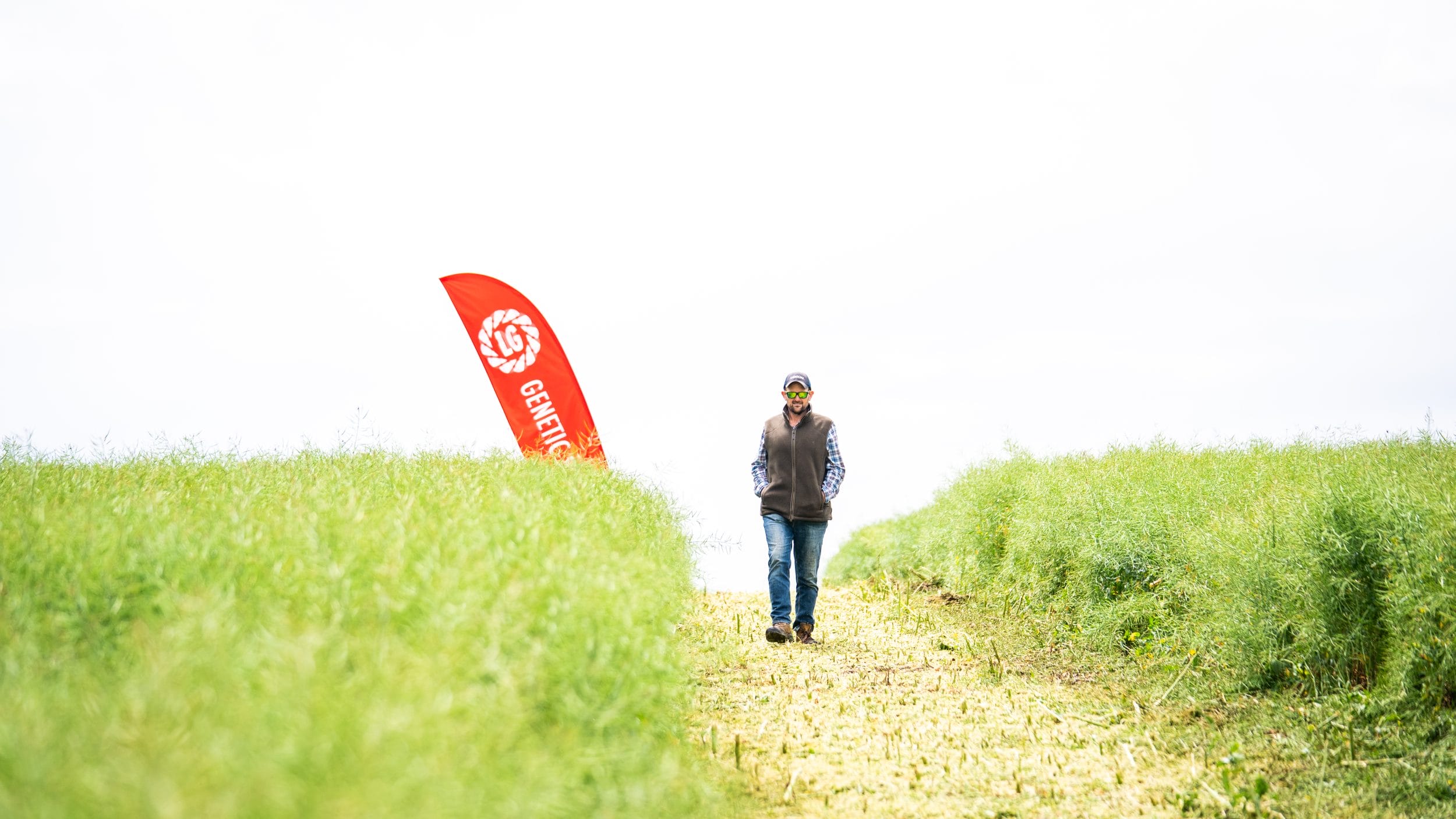
“By early July it was up to my shoulders, and has more bulk and a better plant structure than anything we’ve grown before. For us, it’s all about the cob development, so we’ll hope it continues along the path it’s on and delivers at harvest.”
Focused on Starch Content at Harvest
With the season progressing as it is, Andrew anticipates the potential for an earlier harvest than his norm, which would be early October, allowing time for a following crop of winter barley. He’ll then be focused on the starch content of the maize silage, to ensure he has the energy required to continue pushing the growth rates and conformation in his cattle.