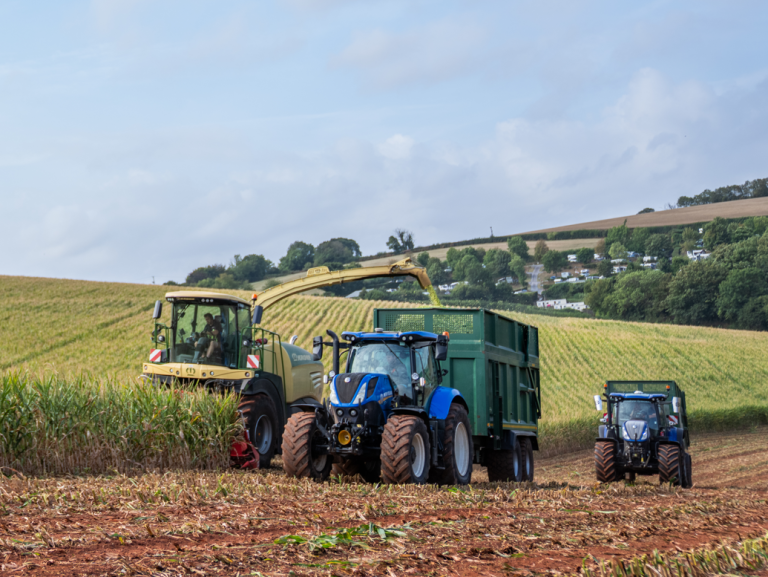


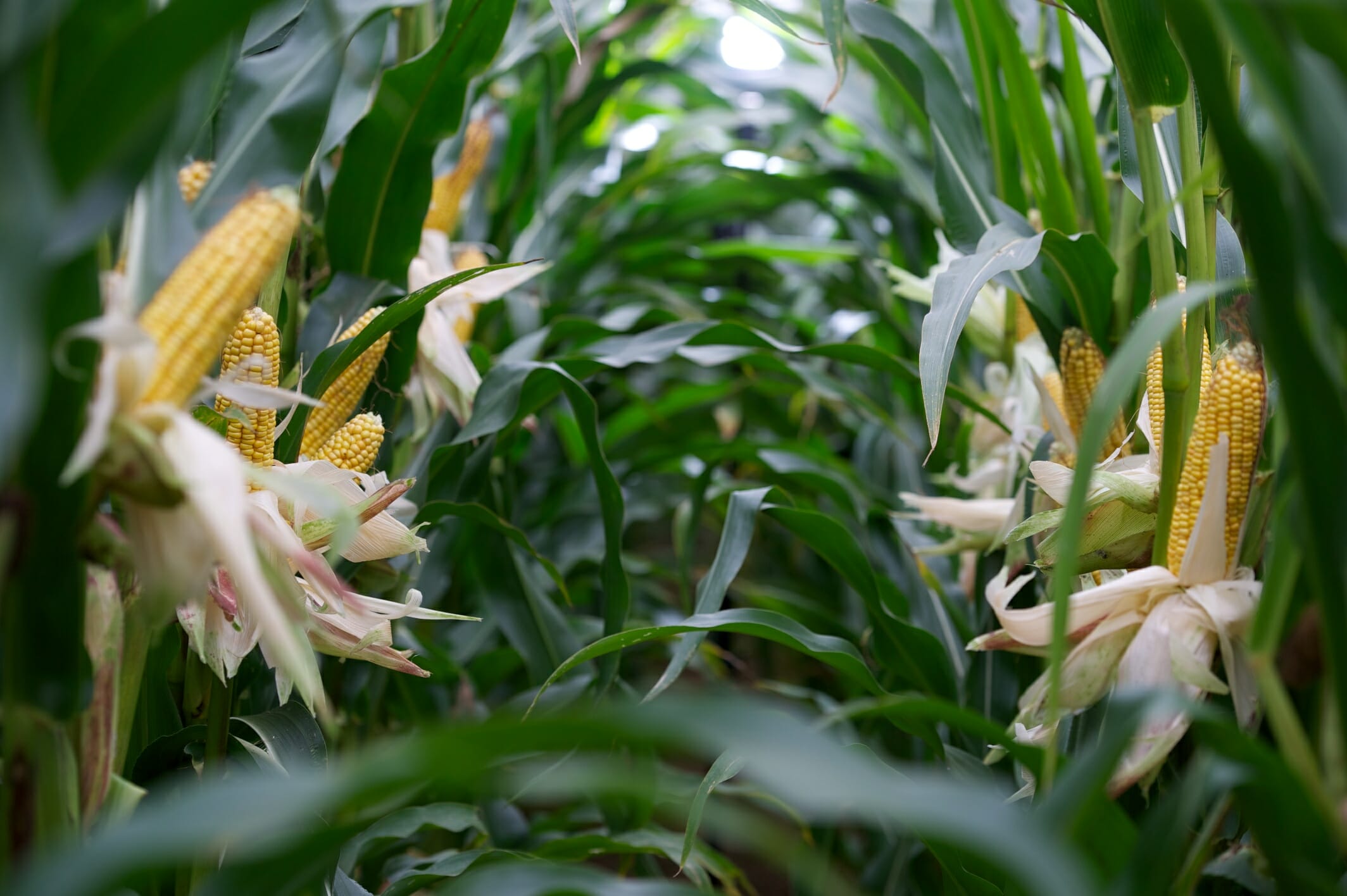
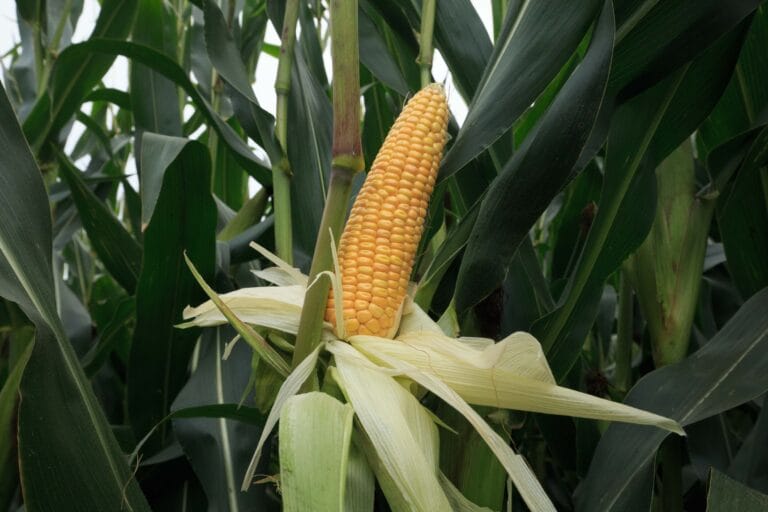

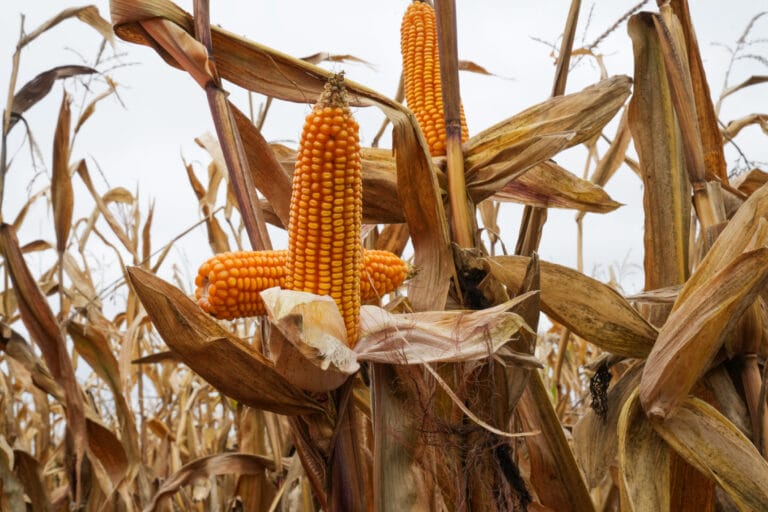









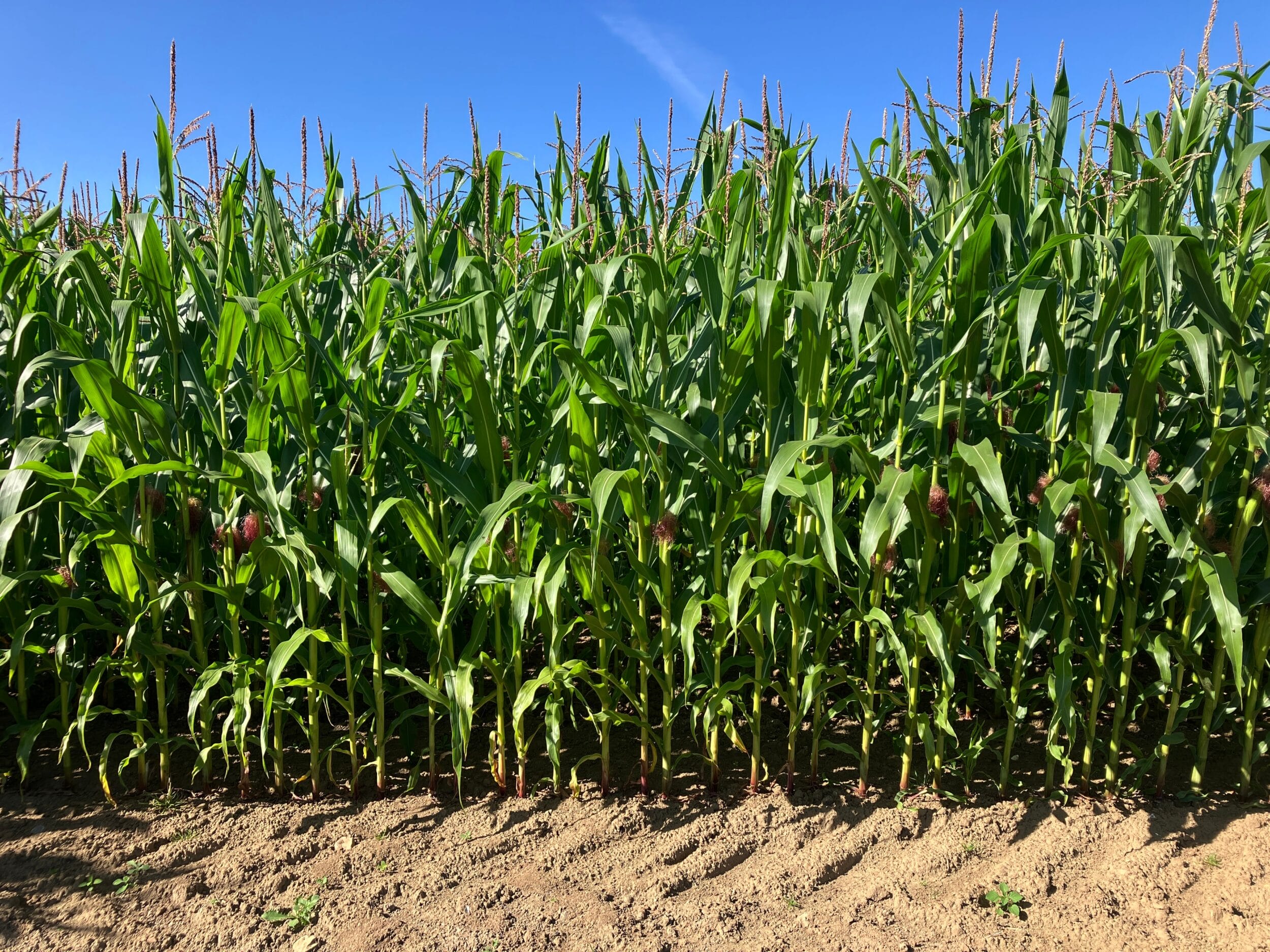
Maize now has the potential to outperform many alternative break crops in gross margin terms whilst offering arable farmers significant rotational benefits such as improved grass weed control, according to experts taking part in a recent Limagrain Field Seeds webinar, attended by farmers from across the UK.
Speakers pointed to the growing demand for anaerobic digester (AD) feedstocks and the high value of grain maize as evidence of market-led opportunities for growers.
They also highlighted the accelerated plant breeding progress that is allowing increased yields of a higher quality crop within a shorter growing window, which is giving more farmers the opportunity to follow maize successfully with winter wheat, for example.
“Potential returns for arable farmers in many parts of England are attractive, with maize offering around two or three times the gross margin of spring oats or spring beans,” said James Webster-Rusk, Senior Agribusiness Analysist for The Anderson Centre.

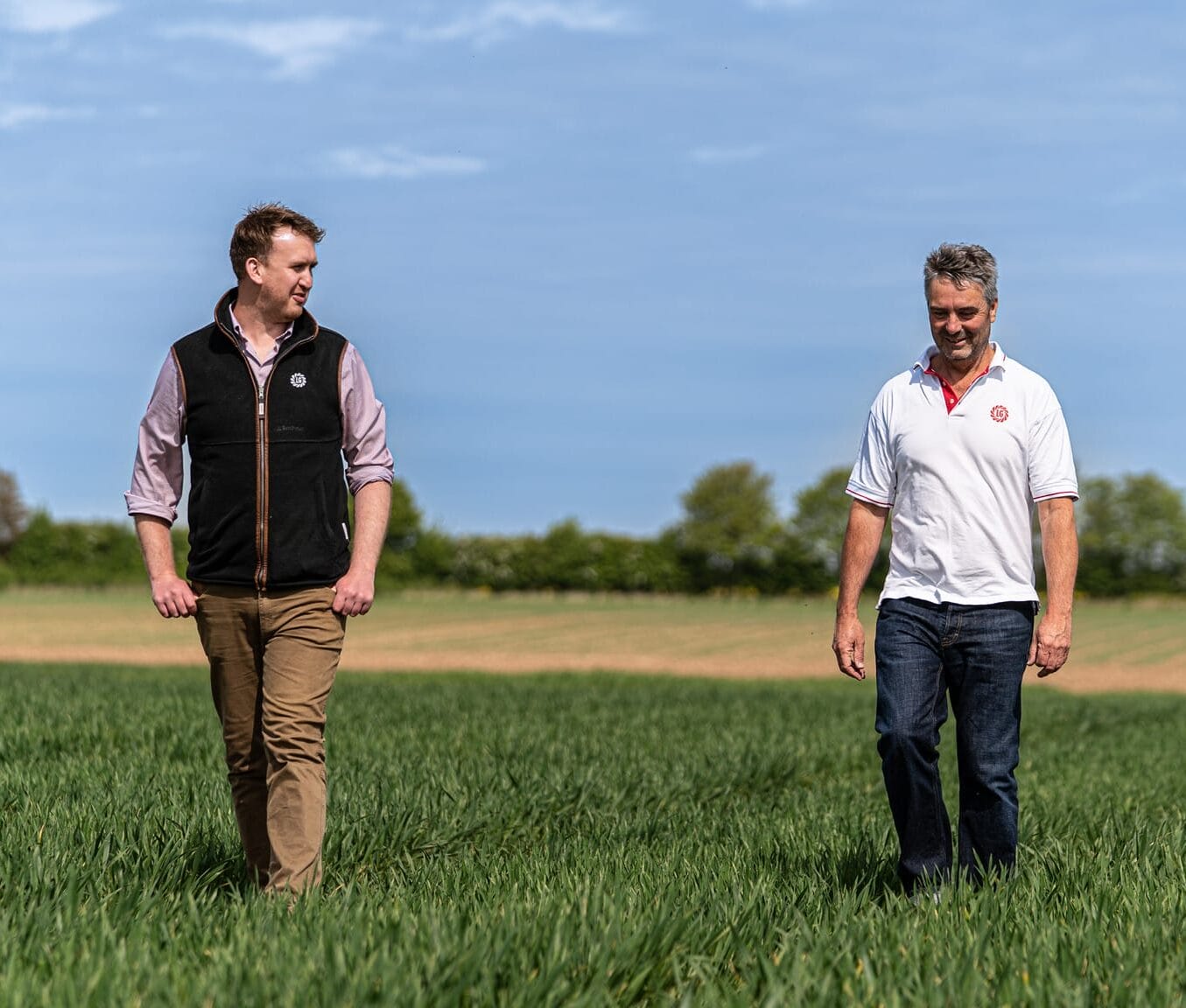
James Webster Rusk is confident that maize will deliver stronger margins than other spring crops
“The market is there, with growing demand for AD feedstocks and many plants looking to replenish depleted stocks in 2026. With regards to grain maize, we currently import 2.5 million tonnes a year, so there are opportunities to replace at least some of this with homegrown crops, and also to grow maize on contract for crimping, wholecrop or forage.
“In terms of rotational benefits, the different herbicide chemistry used for maize tends to help with the control of grass weeds, including blackgrass, and – being a spring drilled crop with a relatively late harvest – it offers a helpful spread in workloads.”
Whilst maize has historically been associated in some areas with difficult harvesting conditions and the risk of soil damage, speakers agreed on the modern-day potential for the crop to be environmentally beneficial.
“Breeding advances within the last ten years now mean we are growing high yielding crops of maize that mature in a much shorter growing window,” said Limagrain’s Richard Camplin.
“Earlier harvests are most certainly desirable in terms of soil health, not only avoiding structural damage but also allowing the establishment of a following crop that will use up surplus nutrients and prevent soil erosion.
“With the emergence of specialist grain maize options like LG 31.160 and very early maturity high yielders such as Harmony, breeding programmes are delivering varieties that work well within rotations and are suited to helping arable farmers respond to the market opportunities.”
Maize in Practice
Leicestershire arable and poultry farmer Will Oliver said, as part of his practical overview, that grain maize grown within his arable rotation now rivals winter wheat as the main crop. “We have a ready market for grain maize, selling to local poultry units, and it’s a crop that we find fits well into the rotation,” he said. “There’s a positive for soil health, because of the organic matter that’s being incorporated and reduced traffic when growing it, and it fits well within our SFI agreements. “Winter wheat usually performs well enough following maize, but I’d accept a lower margin in return for the wider benefits that it brings to the rotation. “It’s important to factor in drying costs when growing grain maize, but earlier maturing varieties are helping to ensure more of the moisture is lost in the field.”

Leicestershire farmer Will Oliver explains why grain maize has become a key crop on his farm
In their summing up, speakers reiterated the opportunities for maize as a break crop in the arable rotation, but reinforced the importance of seeking out markets in advance and growing varieties from the latest BSPB/NIAB Descriptive List best suited to specific farm conditions and the planned end use.