





The inclusion of winter barley can significantly enhance productivity, as well as economic and environmental sustainability on farm. Unfortunately, in recent years, there has been a decline in the winter barley area planted, similar to oilseed rape, likely due to depressed commodity prices.
The versatility of winter barley, particularly in combination with oilseed rape, should not be overlooked. This is especially relevant with the launch of Limagrain’s Cabbage Stem Flea Beetle resilience oilseed varieties this Autumn.
Improved Soil Health
Winter barley has a positive impact on soil health. It acts as a cover crop, protecting the soil from erosion and nutrient leaching during the winter months. Its root system improves
soil structure, increases organic matter, and enhances water infiltration, all of which contribute to long-term soil fertility.
Weed Suppression
Winter barley is effective at suppressing weeds. Its rapid establishment and dense canopy outcompete many weed species, reducing the weed seed bank and minimising
herbicide use. This lowers production costs and promotes sustainable farming by reducing inputs.
Flexibility, Pest & Disease Management
Incorporating winter barley into the rotation can break the cycle of pests and diseases. For example, it reduces the incidence of take-all and eyespot. Staffordshire farmer Rob Atkin mentions that “being able to drill varieties with high yield potential, like LG Caravelle, means we can drill early. Early September drilling helps take the pressure off, and we’ve grazed forward winter barley crops with sheep for extra feed into winter.”
Limagrain’s Cereals & Pulses Product Manager emphasises that winter barley requires earlier foliar applications than winter wheat. This consolidation of workload allows for more effective attention to crop needs.
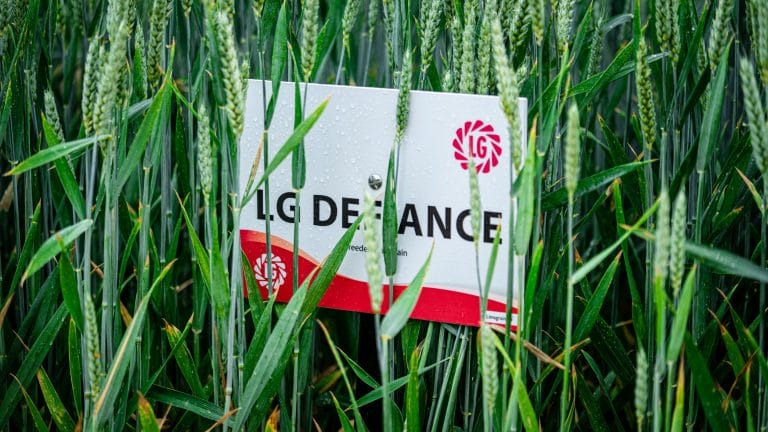
Newly Recommended variety LG Carpenter and RL Candidate LG Catapult are both BYDV tolerant. BYDV in severe cases can lead to significant crop losses, up to 50% in severe cases, reduced tillering, yellowing and stunted growth, and delayed maturity. LG Catapult is a competitive two-row feed variety, with short straw, good standing, a robust disease package, and high yield potential; a clear step forward in winter barley breeding.
Yield Stability and Early Harvest
Winter barley is less affected by adverse weather compared to spring-sown crops, ensuring reliable yields even in challenging growing seasons. Additionally, it matures earlier, allowing for an earlier harvest, which frees up time and resources on farm. Helping to spread workloads and save costs. Varieties like LG Capitol, which performed well on Luke Palmer’s farm, near Cambridge, yielded 9.5t/ha in 2024. The years of breeding, attention to detail, and collaboration between farmers and breeders, are showcasing excellent results.
Economic Benefits
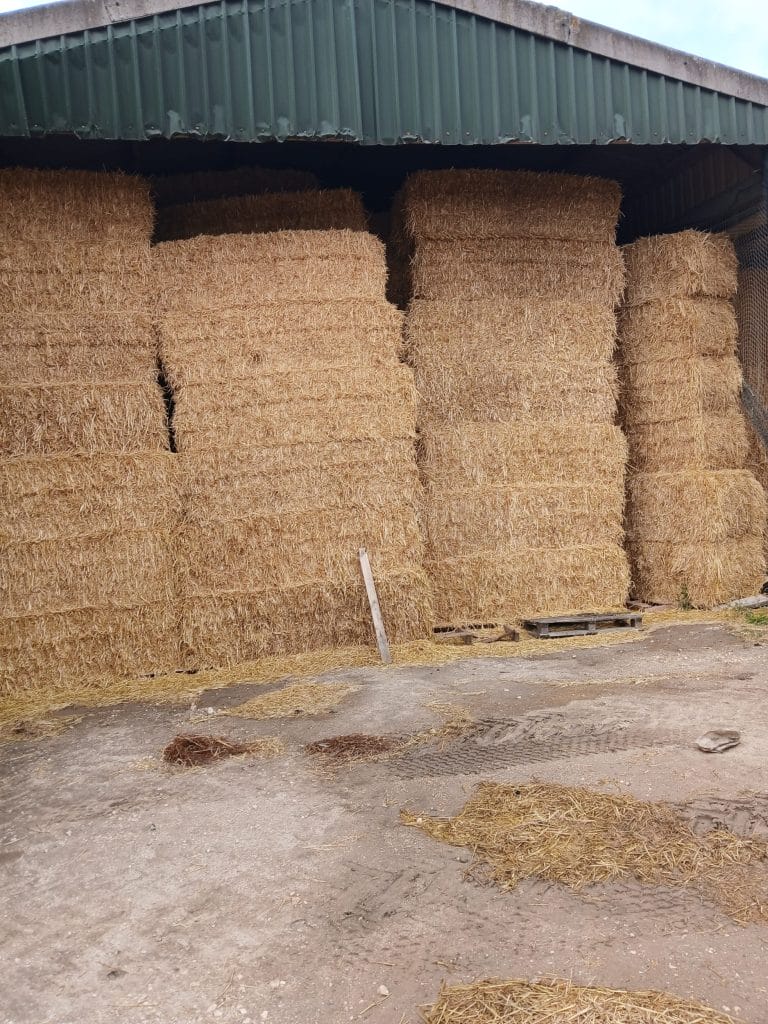
Due to adverse weather in Autumn 2023, many farmers planted spring barley in 2024, leading to depressed prices. Over the last decade, winter barley has been a profitable addition for farmers. Its early harvest provides early cash flow, and the straw offers an additional income stream. The reduced need for inputs also lowers production costs.
Environmental Benefits
Winter barley plays an essential role in reducing soil erosion, improving soil health, and lowering input needs, making it a key part of a sustainable farming system.
Conclusion
Winter barley offers numerous benefits, including improved soil health, weed suppression, pest and ” disease management, yield stability, and economic and environmental advantages. For these reasons, it should remain a valuable addition to any crop rotation.
This article is featured in the June 2025 edition of GatePost. Click here to read the full edition.
About The Author

Heather Oldfield
Cereals Product Manager