

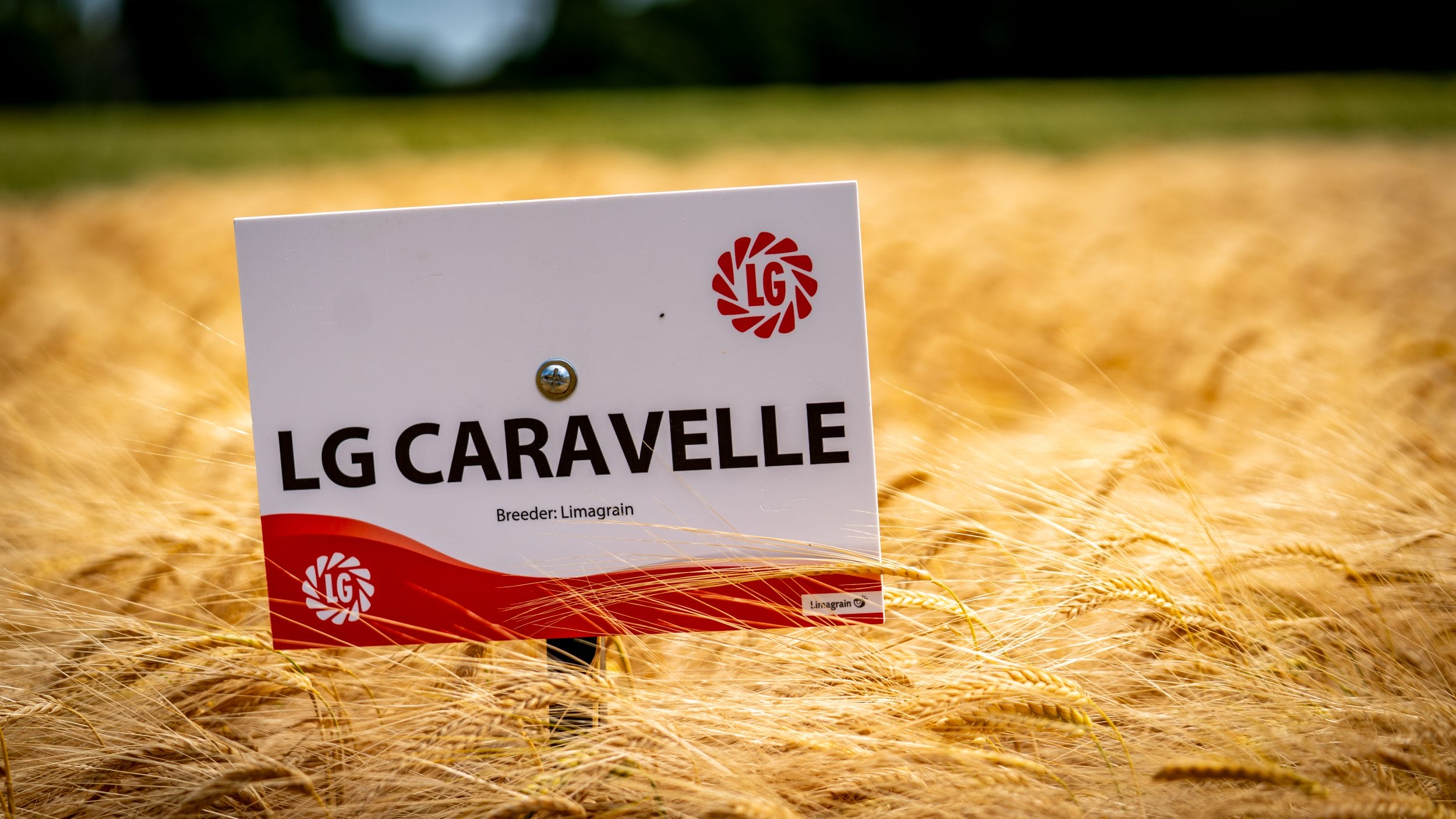
Winter barley variety, LG Caravelle, has reaffirmed its position as a go-to option for growers wanting a cereal with strong competitive ability against black-grass and other weeds this autumn.
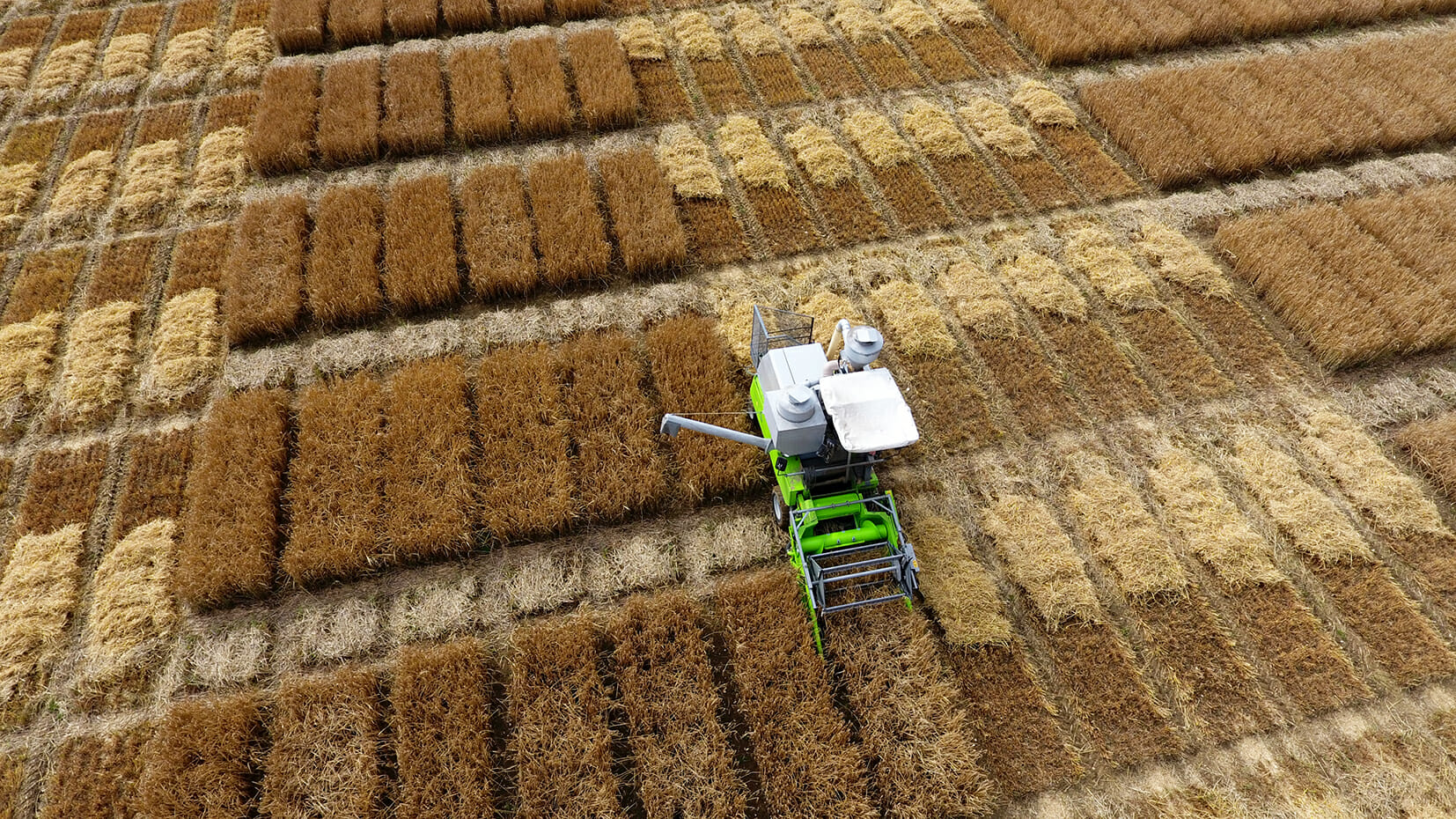
For the fifth successive year, the two-row variety from Limagrain Field Seeds has been among the top performers in Agrii’s black-grass competition trials, held on heavy land, at Stow Longa in Cambridgeshire.
The trials rate winter wheat and barley varieties on a 1-4 scale, based on an evaluation of their competitiveness and performance, taking into account crop yield, (with and without herbicides), and the physical effects on black-grass ear numbers and size.
In 2025/26, LG Caravelle gave the highest two-row yield in the trials, by 0.5 t/ha, the highest crop ear count, and some of the lowest levels of black-grass ears in both herbicide-treated and untreated plots, earning it another three-star rating, according to Agrii Seed Technical Manager, John Miles.
Yet again, the variety has outperformed other two-rows scoring just two stars, and matches conventional six-row barleys, he says.
“Generally, two-rows can be very competitive early-on, but because they are shorter than hybrids, decent-sized black-grass heads can still appear above the crop later in the season. LG Caravelle does have a bit of height about it, and reasonably leafy structure.
“It is interesting that LG Caravelle is bucking this trend and consistently performing so well compared with other two-rows.”
This year’s result is no anomaly, as LG Caravelle has shown similarly impressive results over several very different seasons.
In 2022, Mr Miles says LG Caravelle yielded top of the trials in both scenarios, due to high tiller number, and had noticeably lower black-grass ears coming out of the top of the canopy.

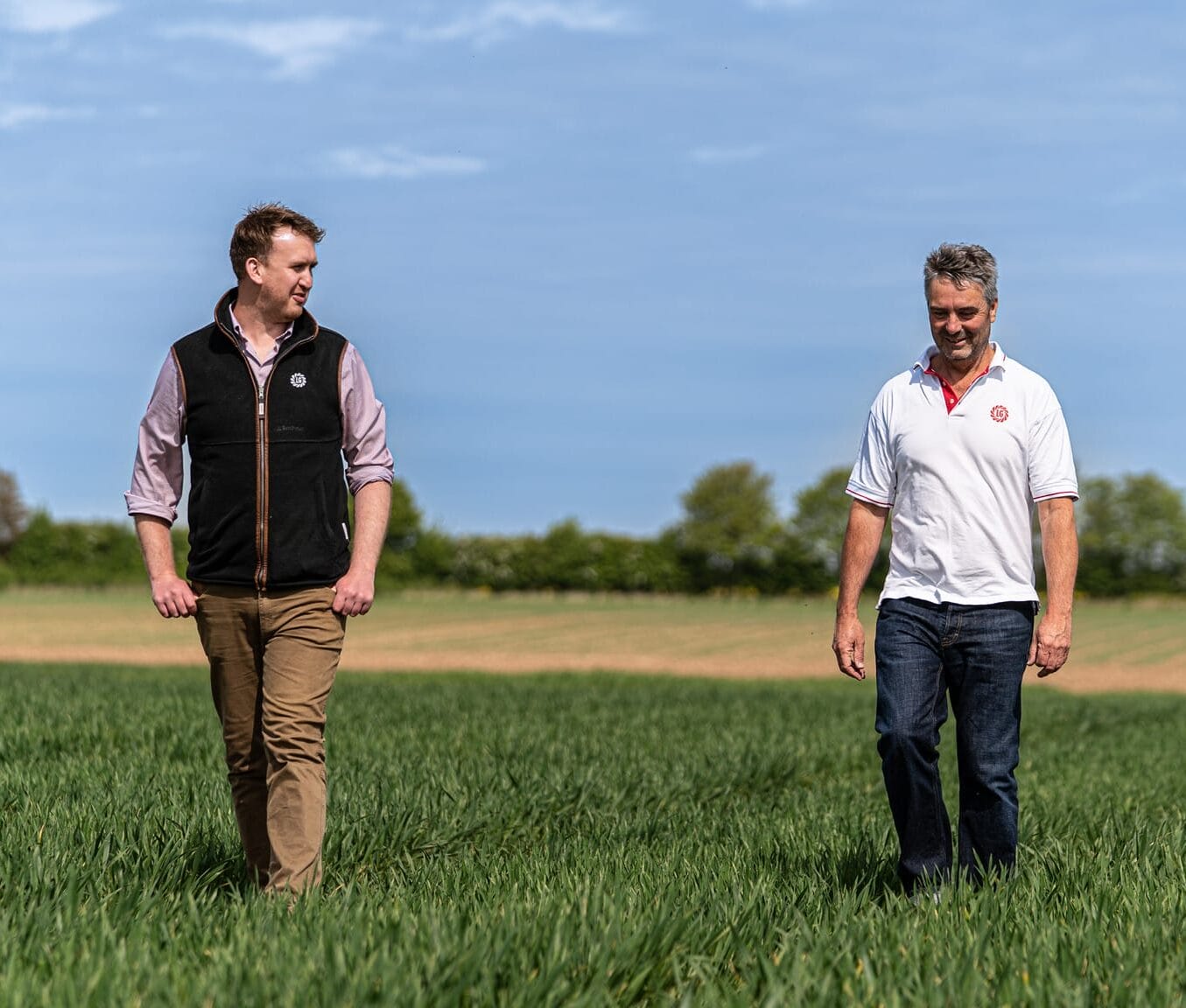
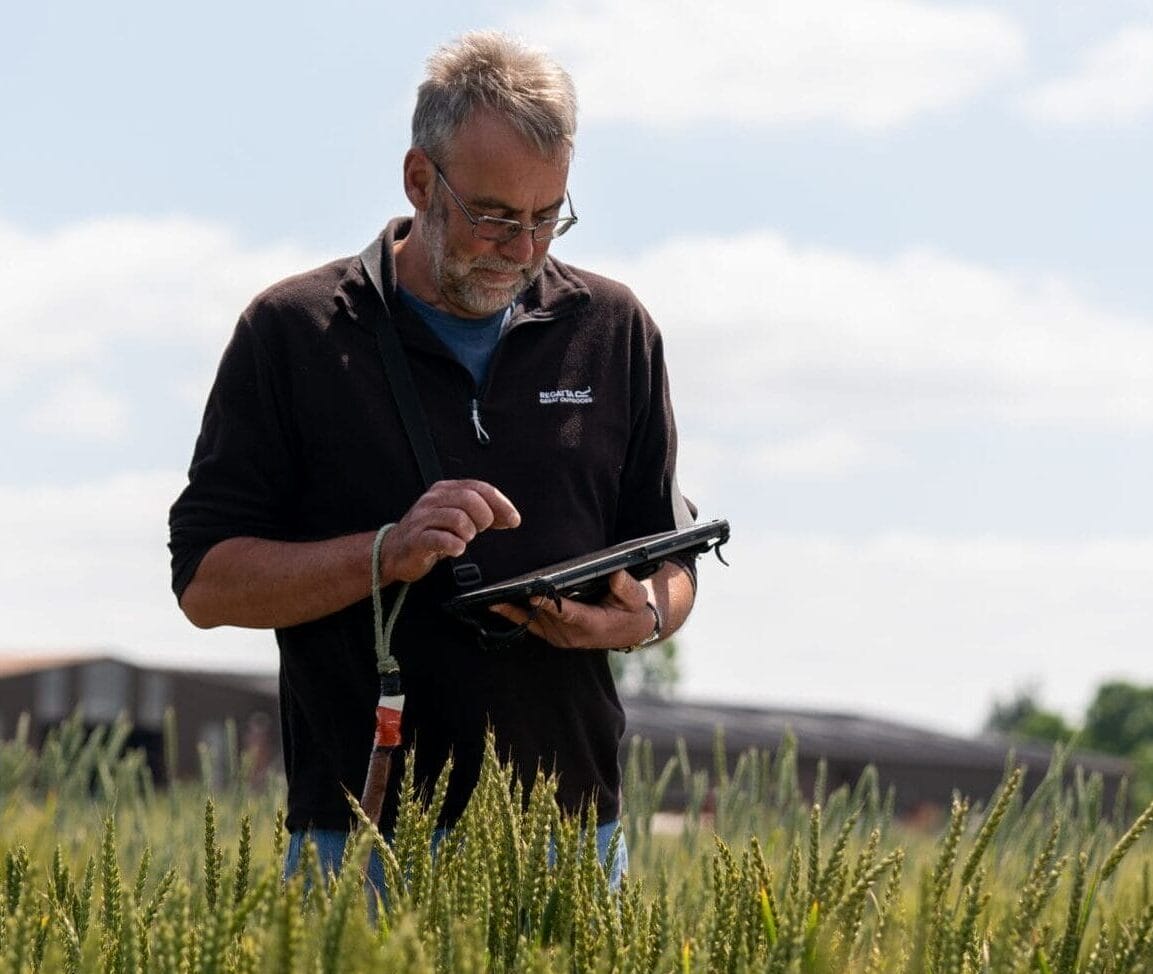
John Miles has been impressed by the consistent performance of LG Caravelle winter barley.
“This is what stood out, so we rated it provisionally like a conventional six-row type at three stars. In 2023, the story was repeated, top yielding, even with close to 100 ears/m2 of black-grass in the untreated plots.
“High crop ear number in 2024 gave a noticeably lower black-grass ear count than any other two-row type in the trial, and in 2025, again, there was higher crop ear number than any other, while yields and black-grass numbers were in the top three of the two-row types.”
Why is LG Caravelle so competitive?
A big factor in LG Caravelle’s competitiveness is its high tillering ability, says Limagrain’s arable technical manager, Ron Granger.
This is especially beneficial in a black-grass situation during earlier growth stages, when strong crop competition helps to achieve the target final tiller number of 775/m2 (as indicated in the AHDB Barley growth guide for good yield potential).
“Generally, as we have seen from the ADAS Yield Enhancement Network (YEN), growers are achieving higher yield potential from securing a higher final tiller count. Remember, compared to wheat, barley has less scope to compensate for low plant populations by increasing grain number in each ear, as each spikelet holds only one or three florets.”
Specific weight also has an important role in a black-grass situation, by providing security for final yield potential, he adds. “When barley is competing against black-grass for resources, it will have an impact on final grain size and specific weight – starting with a high specific weight is a security for final yield potential.”
At 71.7 kg/hl, LG Caravelle has the highest specific weight of all two-row barley varieties on the 2026/27 AHDB Recommended List.
LG Caravelle has grown strongly in waterlogged conditions.
“Combine the black-grass competition with the disease resistance package, and it’s a no-brainer for me,” says Mr Miles. “One other aspect we have noticed in trials is the LG Caravelle ‘islands’.
Over the past three years, we have had some barley trials with wet feet over winter. LG Caravelle seems able to tolerate wet feet better and when those all around it are turning yellow or disappearing, it stays.”
Aside from variety choice, growers are also advised to pay close attention to seed rates to maximise crop competition, and be realistic about the establishment percentage they can expect to achieve, especially on heavy land.
“At Stow Longa, where seed rates are typically 350-375/m2, we regularly see 50-55% emergence at best, so on heavy soils I question whether people are putting enough seed on,” says Mr Miles. “If seed rates are too low, it’s giving black-grass an opportunity.”
He supports the use of variable seed rates where there are black-grass patches in a field, as upping seed rate slightly can be a good value control strategy, providing lodging risk is managed.
Of all the control options for black-grass, delayed drilling is widely regarded as being one of the most effective, but this can sometimes be challenging to do when establishing winter crops before the autumn weather window closes.
On many farms, winter barley is often one of the first crops to be sown, but Mr Granger believes there is scope to delay, just as in a wheat scenario, and allow that important flush of black-grass to be controlled before drilling.
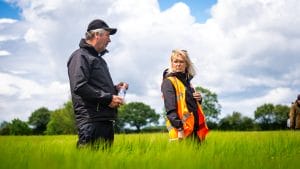
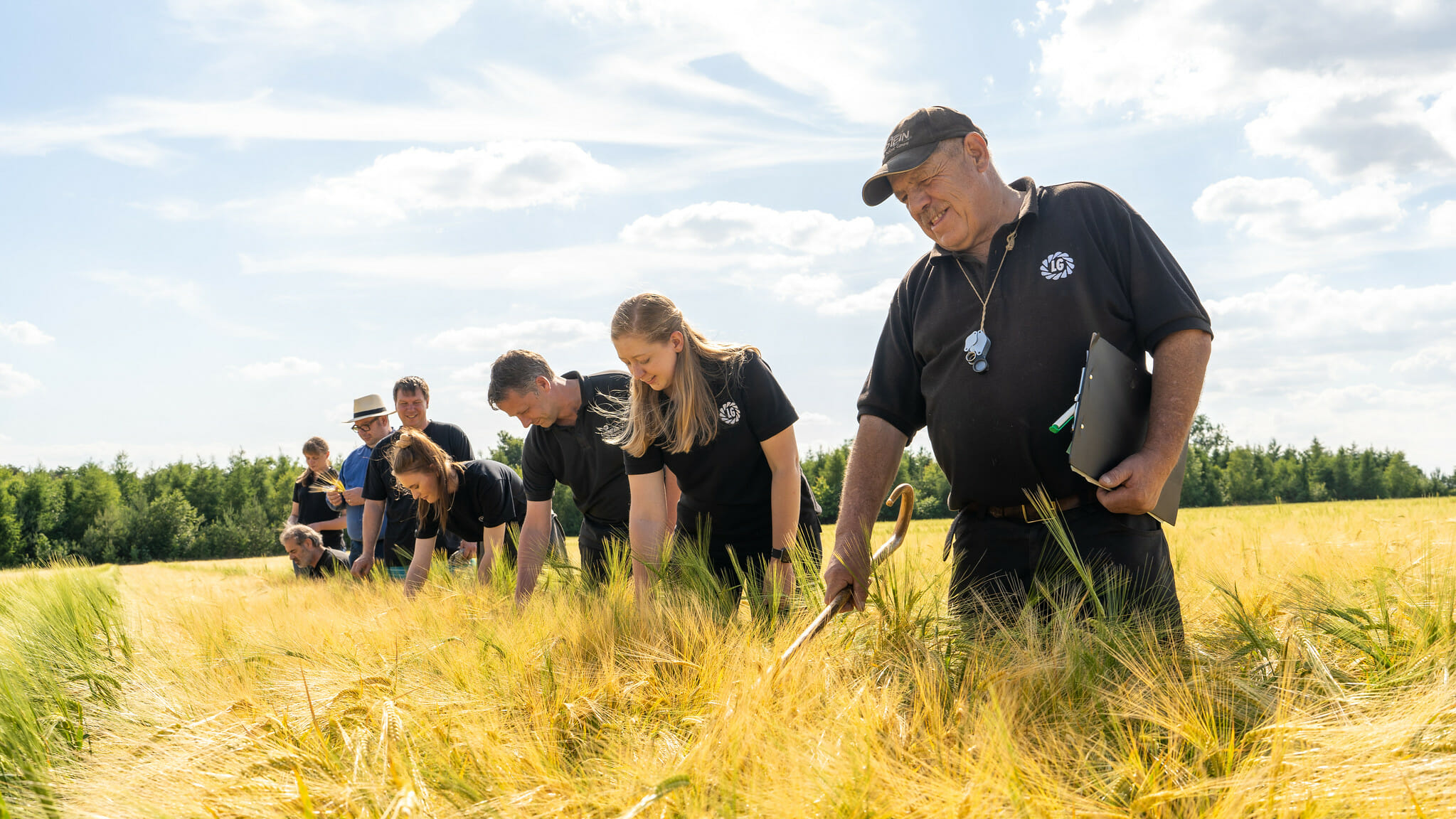
Limagrain Arable Technical Manager Ron Granger believes growers can be patient with drilling winter barley varieties.
“You don’t have to drill winter barley too early,” he says. “Varieties such as LG Caravelle will tiller strongly, even when sown a bit later, so you can be patient.
“In practice, winter barley could be drilled quite easily up to December, but of course, it’s not standard procedure. End of September to mid-October is the optimum, although up to the end of October will be fine in most scenarios, but just be careful in the North, as we know winter generally comes quicker. If drilling later, seed rates would need to be increased.
“The important thing to recognise about barley is that it needs good soil temperatures and moisture for good germination and emergence, and then also requires warm temperatures to drive leaf development and control the final number of leaves initiated.
“Barley doesn’t like the cold, hence why we tend to drill the crop earlier so that the required high tiller numbers are established well before winter takes hold.”
LG Caravelle
• High yielding 2-row winter barley
• Strong performance across all regions
• Robust disease resistance – 7 for brown rust and mildew, 6 for Rhynchosporium and net blotch
• Very high specific weight (71.7 kg/hl) and low screenings
• Early maturity
• Has shown consistently good black-grass competition in Agrii trials

About The Author

Ron Granger
Arable Technical Manager