







With many winter wheat crops carrying excellent yield potential into this spring, extra care is needed to manage the large biomass and retain strong tillers through to harvest.
That is the view of Limagrain Field Seeds UK arable technical manager, Ron Granger, who says close monitoring of crop growth stages and well-timed plant growth regulator applications are key to success, alongside careful nitrogen management and disease control.
“Because many farms drilled several weeks earlier last autumn, with a relatively kind establishment period and winter, this season is looking very different to previous years, with huge biomass and yield potential in a lot of crops.”
Taller, high biomass crops can inevitably be at greater risk of lodging though, so growers need to adapt how they manage them, focusing on manipulating growth to strengthen stems, retain high tiller number, and drive maximum yield, he says.
“Farmers need to get their PGR strategy right, otherwise it could be very easy to get caught out by the situation we’re facing this season.”
Timing is everything
The aim of a good PGR programme is to shorten the distance between internodes; keeping the first node tight to the basal node and then keeping the second node close to the first, which increases straw stiffness, Mr Granger says.
To achieve this, it generally requires a split PGR programme consisting of two carefully timed PGR applications; one just before the start of stem extension, usually around growth stage 29-30, when plants start to sit upright; followed by a second at the first node detectable stage, just prior to the second node moving (GS 31-32).
“In all the years I’ve been doing PGR trials, across thousands of variety plots, a split treatment has always been the approach that’s kept crops standing. On-farm, you can be more targeted to just a single variety, so growers can sometimes get away with a well-timed single application, but I still question whether many are getting the timing right.”
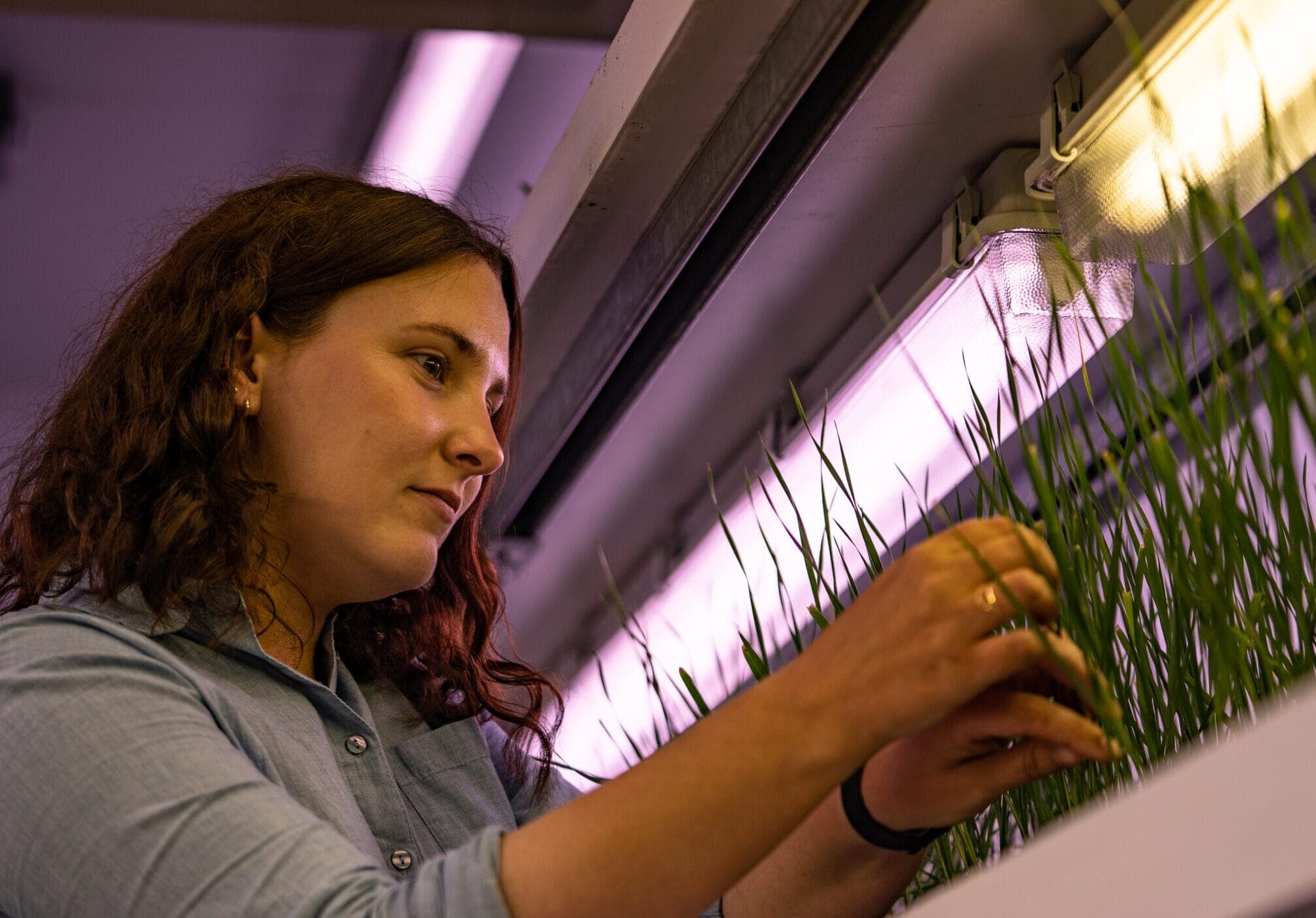
The best way to ensure accurate timing, is by looking at the primordia ear development, however he recognises that time is of value, so suggests using careful plant dissection to determine when individual nodes are moving, both off the base of the plant, and between differing nodes of interest. “Crops have been drilled earlier, and will move quickly, especially once nitrogen is applied, so be vigilant and proactive, don’t rely on calendar dates.”
Should conditions remain wet, growers may have no option but to apply a full rate single PGR programme, which Mr Granger says should be targeted around the first node detectable stage (GS 31).
If conditions turn very dry in late March into April, care needs to be taken with later PGR applications, as experience shows PGR products should not be applied to stressed crops, he adds. “We have seen from previous seasons of drought, that when plants are compromised in a drought situation, you can reduce yield by applying a PGR to the crop.
“It’s best to apply PGRs early, whilst crops are nice and healthy, there’s plenty of water available, and they’re growing strongly.”
Options to consider
Mr Granger says that there is a good range of products to choose from, and most PGRs are very cost-effective, especially once weighed against the potential risks to yield and quality from lodging.
His favoured options are based on chlormequat to restrict the internodal distance, plus trinexapac-ethyl to thicken stem walls. “This is my go-to PGR programme, whether used as a split or single application. If earlier treatment windows are missed, then mepiquat + prohexadione-calcium is another product to consider, as I feel it is a kinder product, which can be applied at later growth stages, allowing you greater flexibility.”
In high lodging risk situations, such as very high-yielding crops on fertile soil in coastal areas, the addition of ethephon + mepiquat at GS 37-39, could also be considered to shorten and stiffen the upper internodes, he adds. “But for me, this would be a last resort if a well-timed split PGR programme has not been implemented initially.”
Protecting grain and straw yield
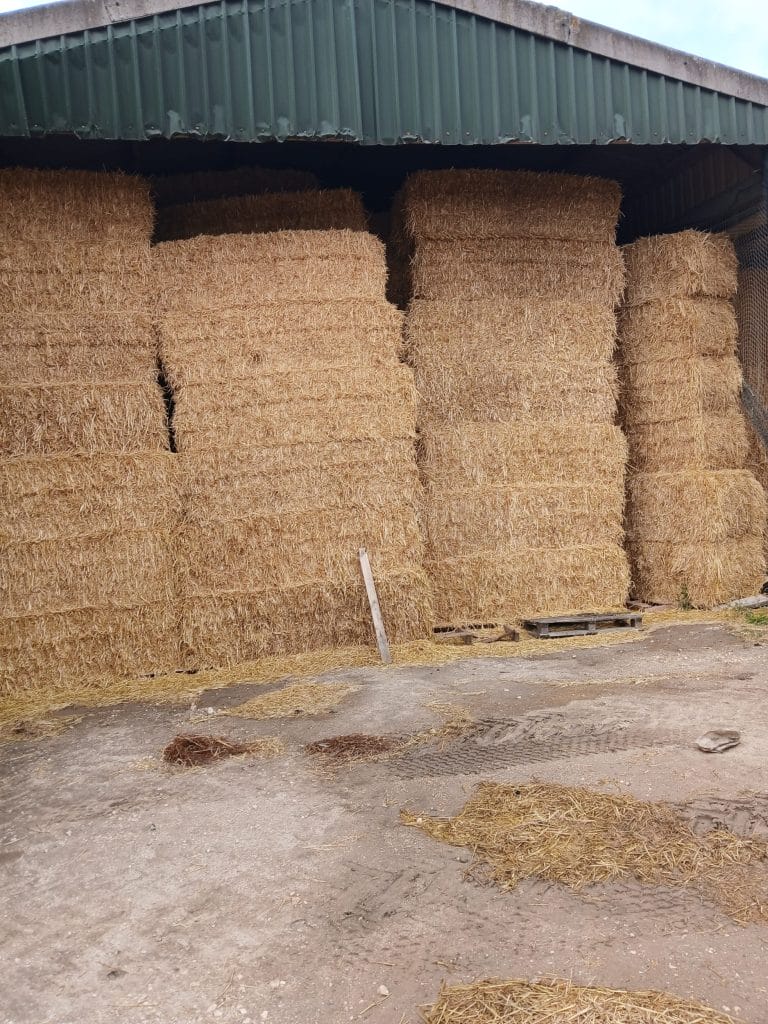
Straw presently is of value, so whilst some growers planning to bale straw may worry that using PGRs will reduce straw height and therefore yield, Mr Granger dismisses this.
“The reality is that you can maintain both grain and straw yield by using PGRs. They help to retain tiller number, which in turn delivers higher yield and gives more straw, and ensures that those tillers keep standing, allowing you to harvest the crop in good condition. Lodged, dirty, or mouldy straw is of no value to anybody.”
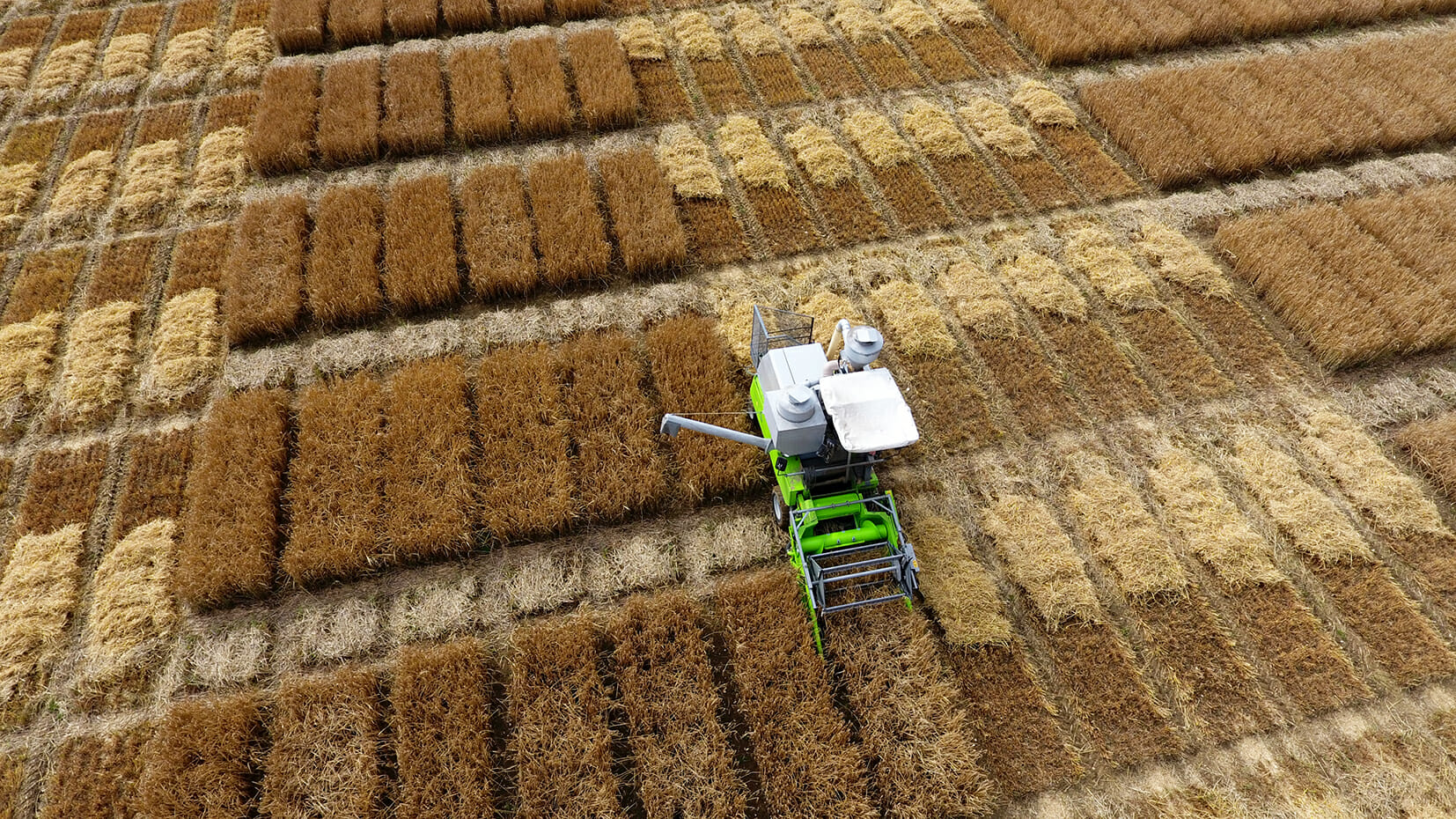
Equally, Limagrain trials at Rothwell, Lincolnshire in 2024 (the last wet season), showed no detrimental effect on grain yield, from using PGRs under two different nitrogen regimes (see chart 1). The work compared an untreated (no PGR), a split PGR of chlormequat + trinexapac-ethyl, and a single PGR (chlormequat + trinexapac-ethyl) approach in a crop of LG Beowulf (see chart 2), at a standard nitrogen rate of 180 kg N/ha, and a higher rate of 225 kg N/ha, which was implemented to increase lodging pressure in the trials.
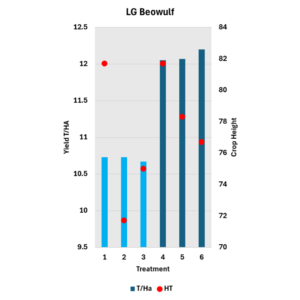
Chart 2
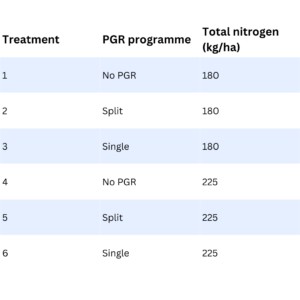
Chart 1
“There was no significant difference regarding the effect of PGRs on yield in either nitrogen regime, but there were differences in crop height, which is all positive in terms of the management of those crops, especially if growers are looking to use higher nitrogen rates to drive yield.
“As long as you get the PGR on correctly, you can then apply nitrogen rates applicable for high yield potential for your individual farm situation. The last thing you want is a flat crop at harvest. At present, crops are coming into spring with higher-than-normal biomass, so growers have an opportunity, with good agronomic input, to drive for high yield potential.”

About The Author

Ron Granger
Arable Technical Manager