

The launch of two new winter wheat varieties from Limagrain Field Seeds gives growers more options to achieve consistently high yields amidst an increasingly unpredictable climatic and economic situation.
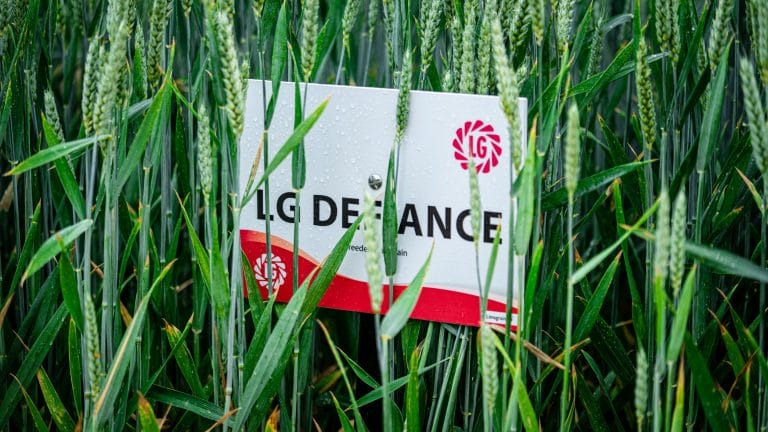
LG Defiance and LG Challenger are both Group 4 hard wheats that have shown consistently high yield potential across different regions, seasons, soil types, and rotational positions, alongside good agronomic characteristics to reliably deliver strong returns.
“LG Defiance has the highest untreated yield on the 2026/27 AHDB Recommended List (95%), which is very rare for a hard feed wheat,” says Limagrain’s Arable Technical Manager, Ron Granger. “LG Challenger is third-best untreated yield on the list, illustrating the strength of genetics underpinning both varieties. Both contain good pedigrees, but the key is what we as breeders can get out of that parent material to deliver on-farm.”
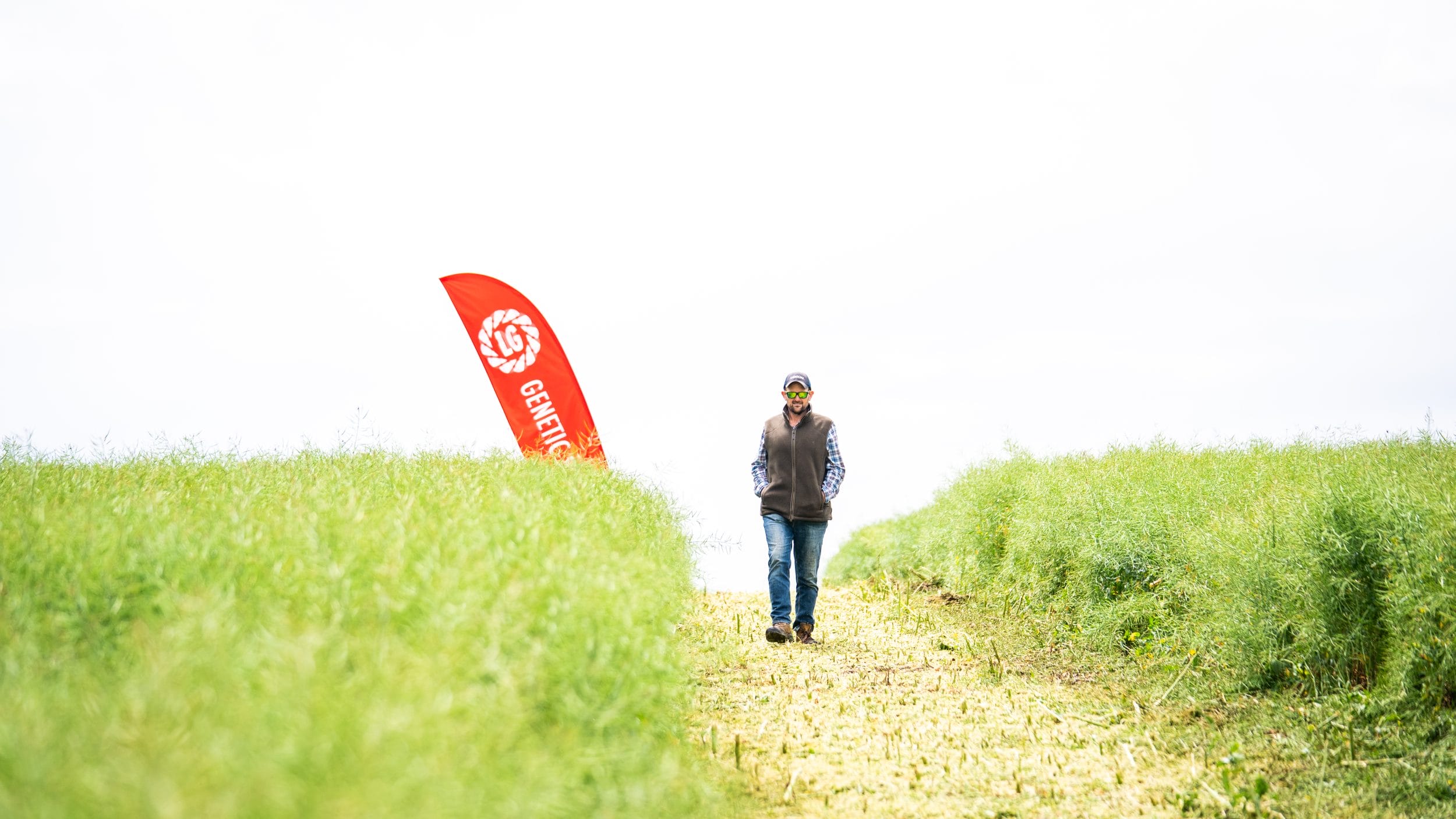
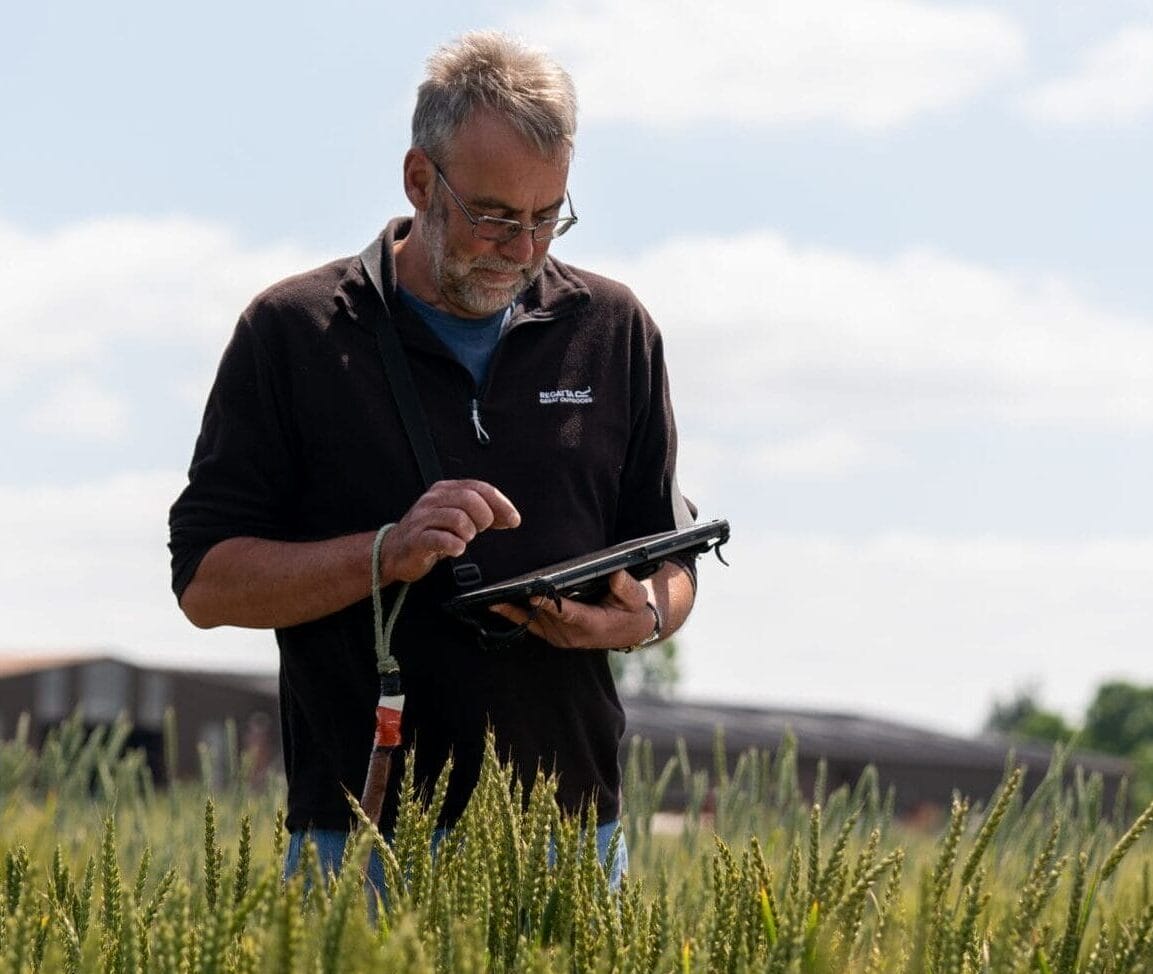
Ron Granger, Arable Technical Manager, Limagrain UK
Both varieties are close to the best in terms of UK treated yield, at 109 for LG Defiance and 107 for LG Challenger.
Crucially, LG Defiance pairs this with solid disease scores for yellow rust (rated 8) and a 6 rating for Septoria, while LG Challenger is rated 7 and 6 respectively.
“With the changes to Yr15 resistance we’ve seen, selecting a variety with better yellow rust resistance, supported by an appropriate fungicide programme, is becoming an increasing priority,” notes Mr Granger. “Although everyone is talking about yellow rust, we can’t forget that Septoria is still the biggest yield-robber on most farms.”
Risk management
Frontier’s National Technical Manager, Seeds, Dr Kirsty Richards, says that with rising costs, unpredictable weather patterns, and evolving disease pressures, selecting good genetics to reduce risk and build resilience across the rotation is crucial.
“Yield is a big attraction of LG Defiance and LG Challenger, but it cannot be at any cost. Remember that 80% of crop potential is harnessed by putting the right variety in the right place, at the right time, for your situation.”
For LG Defiance, she believes its agronomic characteristics make it a particularly good choice for later drilling or second wheat situations, while LG Challenger’s growth habit and straw strength better suits earlier sowing. Mr Granger agrees, but adds that both varieties have shown excellent yield potential when sown during the main October drilling window.
“LG Defiance is a taller variety that will require a good split PGR programme. Limagrain trials support the fact that it responds well to PGRs and the reduced height has no impact on final yield potential, similar to varieties such as LG Skyscraper and LG Redwald.”
A further characteristic that builds resilience and helps meet market requirements under tough conditions is the excellent grain quality of both varieties, particularly their high specific weights at 77 kg/hl and 78.6 kg/hl respectively, notes Dr Richards.
Best crop on the farm
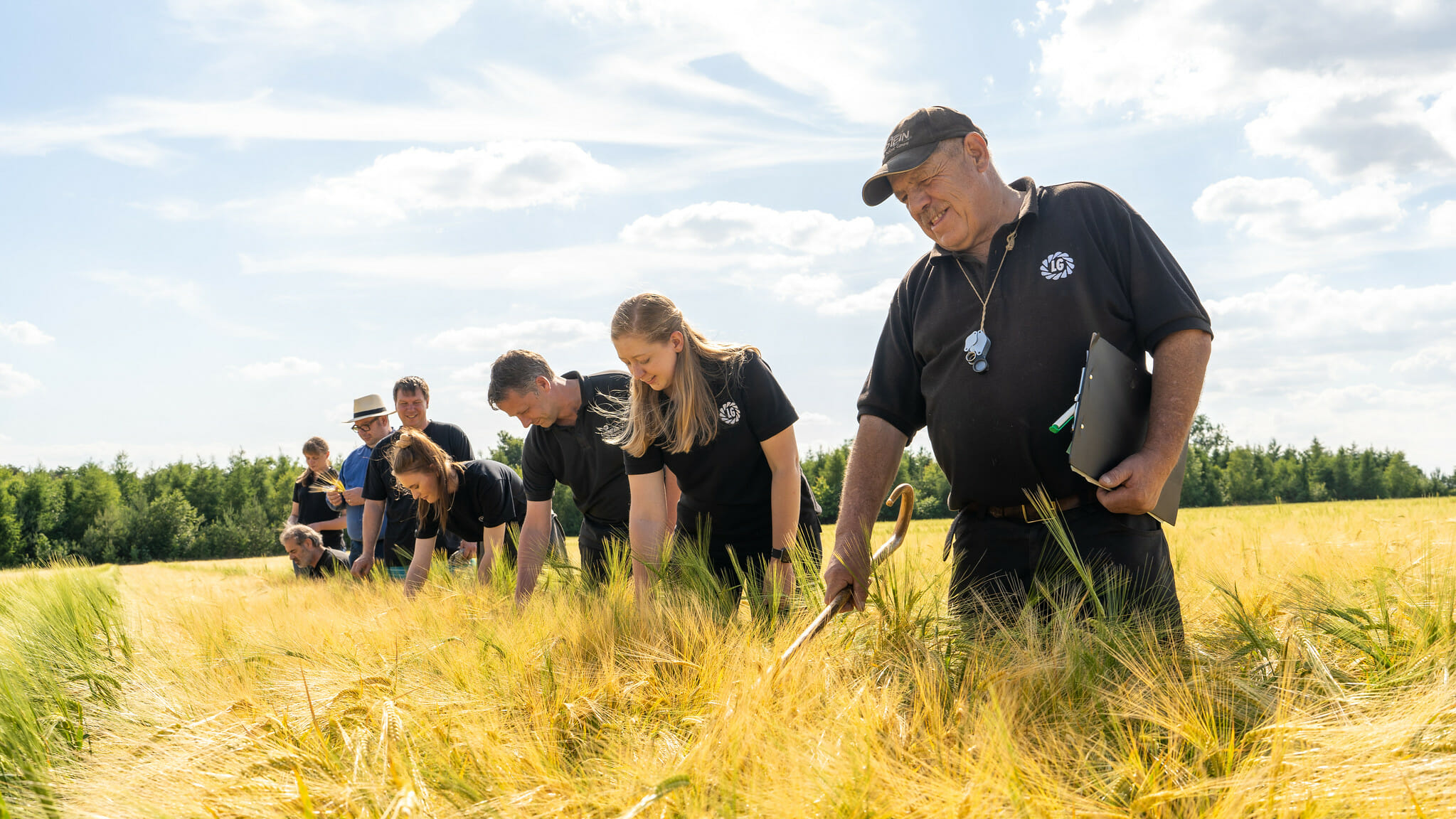
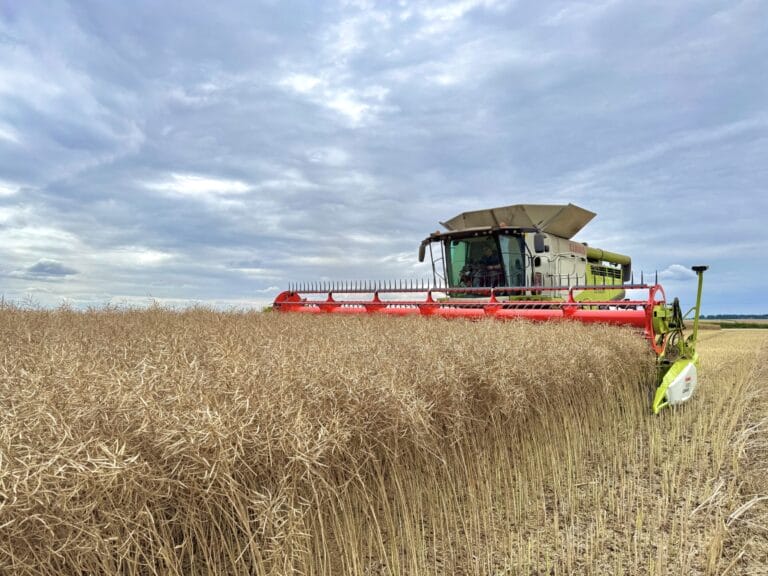
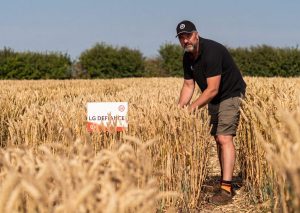
Staffordshire farmer Rob Atkin is growing a small area of LG Defiance this season to test whether the variety suits his farm, and so far he says it is the “cleanest and best looking crop on the farm”.

So far, LG Defiance is the cleanest and best-looking crop on the farm,” says Staffordshire farmer Rob Atkin
“In the past, we grew a lot of KWS Extase and Gleam, so when we saw these were in the parentage of LG Defiance, we thought it made sense to give it a try. We like to trial new varieties every year to see what works. So far, LG Defiance looks really good, but the real proof will come at harvest.”
Yield is a big consideration when choosing varieties, but Mr Atkin says robustness to diseases like Septoria and yellow rust is perhaps more important. “I want a variety that’s robust enough to stay clean and potentially give us the opportunity to reduce input costs while still maximising yield.”
Mr Atkin will be hosting an open day on 22 June, allowing growers to see first-hand the range of varieties he is growing this season. Learn more about the Staffordshire Demo Day.
High yields make financial and environmental sense
While recent rises in fuel and fertiliser prices may prompt some growers to consider cutting inputs, ADAS Senior Crop Research Scientist Christina Baxter insists productivity should remain the focus — yield is still ‘king’.
Analysis of results from more than 1,200 Yield Enhancement Network (YEN) wheat crops between 2013 and 2022 shows a “very convincing” relationship between gross margin and yield, dispelling any suggestion that high yields cost more to produce.
“On a per tonne basis, variable costs decline as yield increases, as does the carbon footprint. There’s often a criticism that high-yielding crops cost too much, are too risky, and are bad for the environment. But YEN data proves that’s not the case.”
There are many building blocks to a high-yielding crop, not least the weather and husbandry, but a key starting point is understanding the potential of individual fields and selecting a variety with the genetic profile that can deliver most in that situation.
The general approach to high yields has been to grow a crop that stays green for as long as possible. To support canopy longevity, you need to keep leaves clean so the crop gets maximum benefit from that leaf area and captures the most sunlight — in addition to ensuring sufficient rooting depth for late-season water uptake.
“Attention to detail, effective management, and good varieties all support strong productivity.”
Learn more about LG Defiance, LG Challenger, and the full range of Limagrain Field Seeds varieties at lgseeds.co.uk
| LG Defiance | LG Challenger | |
| Parentage | KWS Extase x Gleam | (Gravity x SY Insitor) x LG Skyscraper |
| Treated yield (UK) | 109 | 107 |
| Untreated Yield | 95 | 93 |
| Septoria Rating | 6.3 | 6.1 |
| Yellow Rust Rating | 8 | 7 |
| Specific Weight | 77 kg/hl | 78.6 kg/hl |
| Drilling Window | Standard to late | Early to standard |
| OWBM Resistance | Yes | Yes |

About The Author

Ron Granger
Arable Technical Manager