

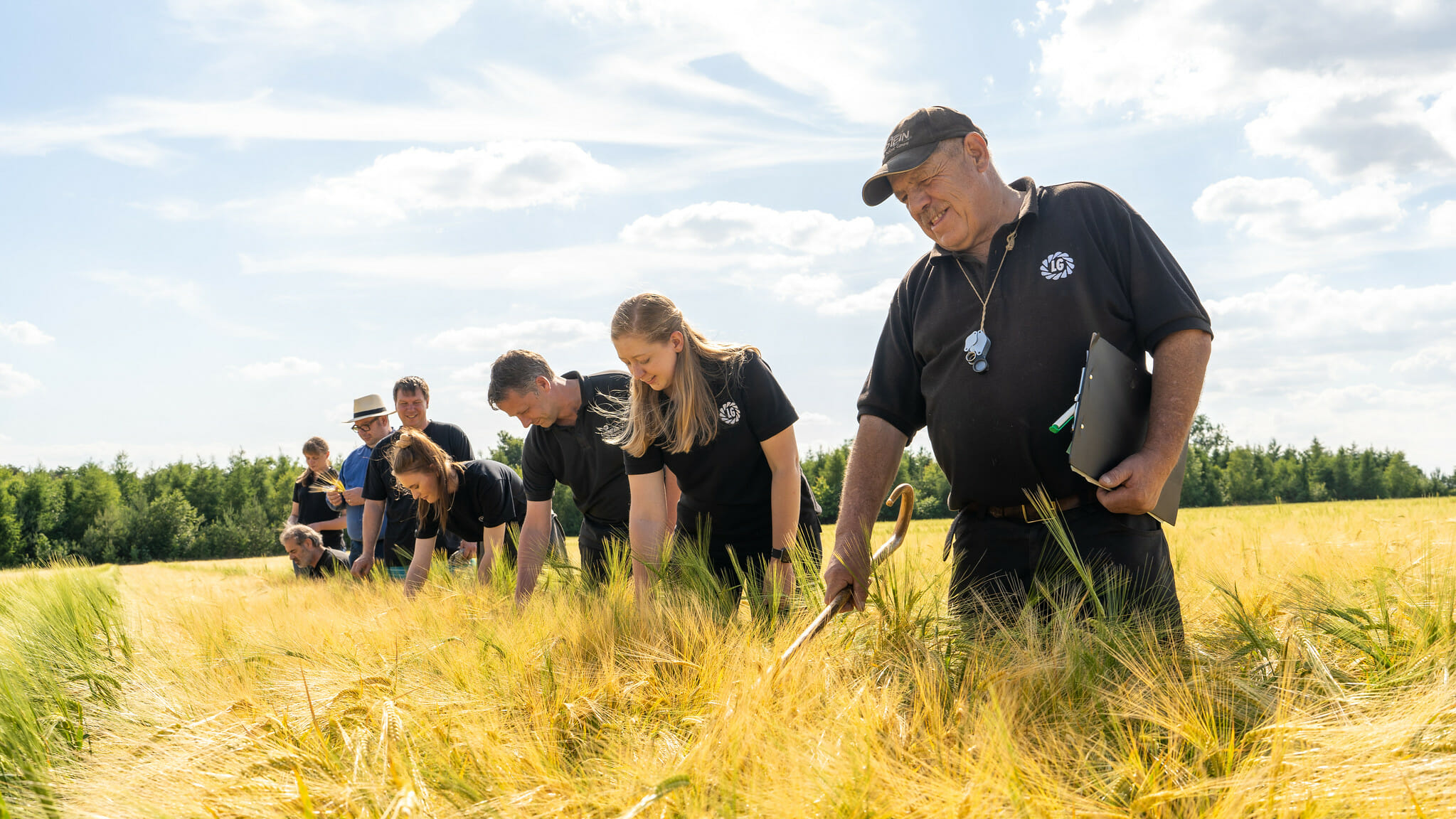






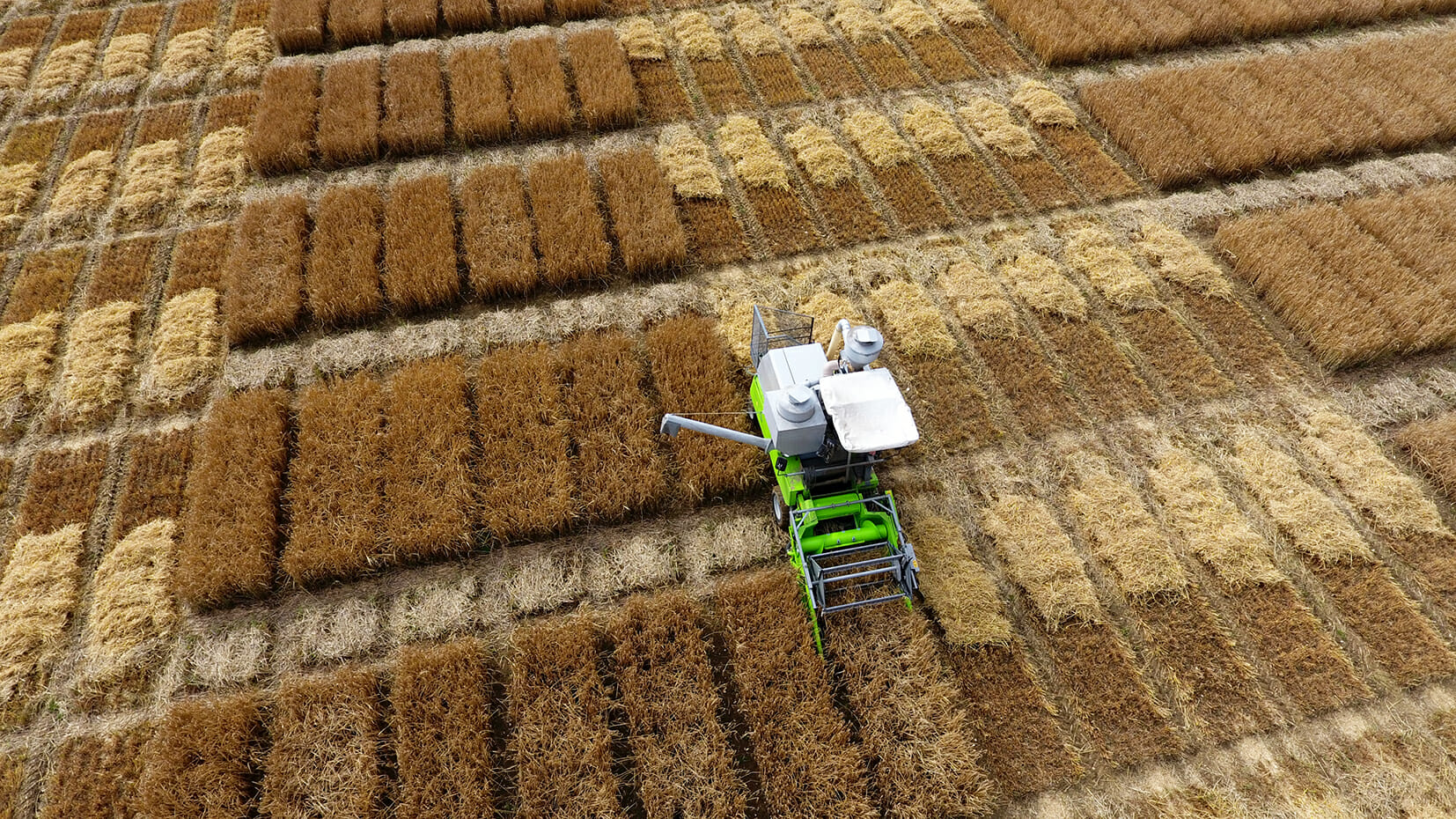

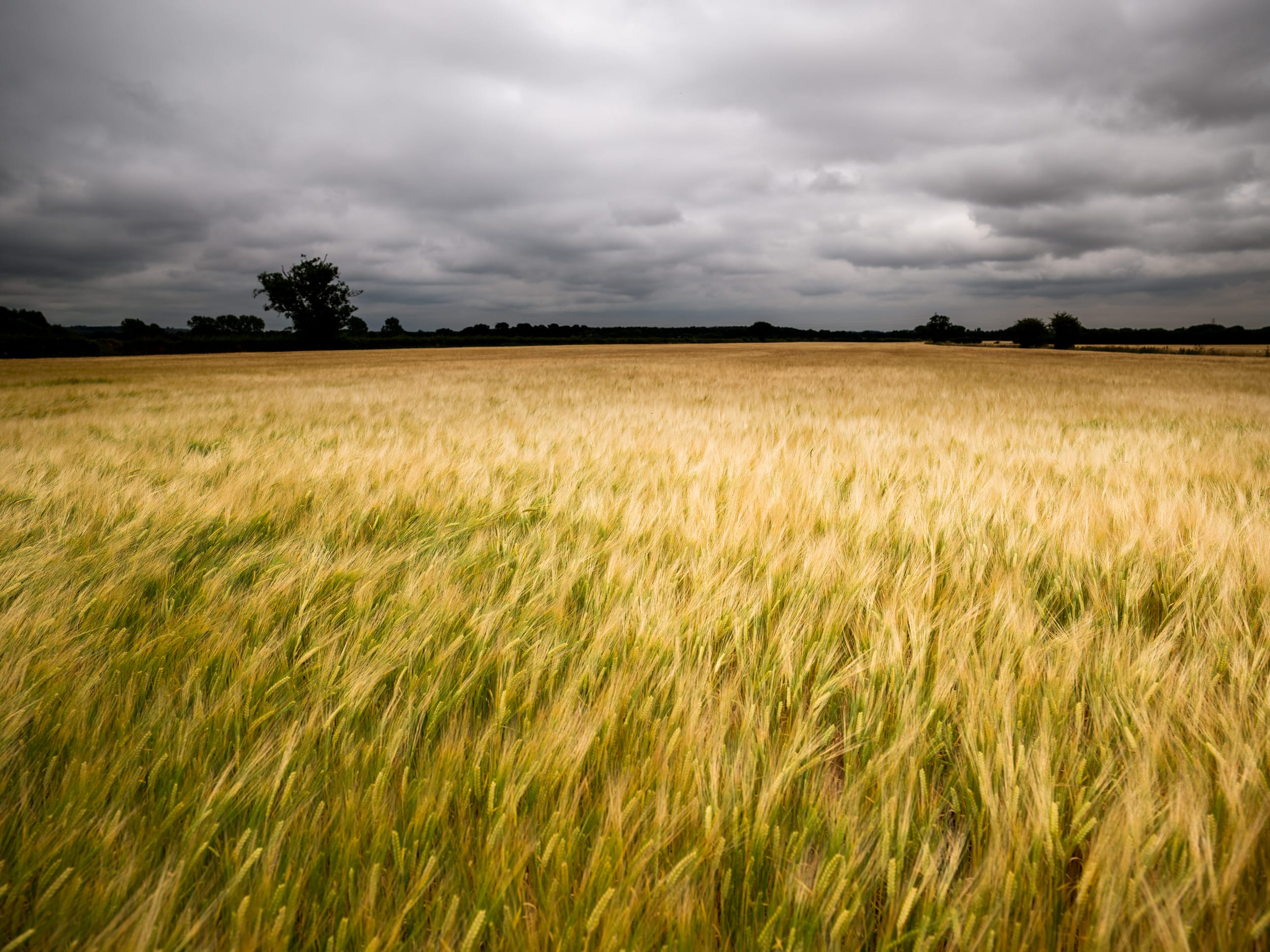
Spring barley will always be a preferred spring crop for many growers, as it is an established crop of the rotation and offers wide flexibility over sowing date, and generally delivers an economical return on investment.
Although contracts for malting barley may be restricted this season, there will still be contracts offered, so it’s worth asking around in your vicinity or directly with your buying groups to see what’s available.
If malting contracts are not available, I would suggest that you have two options – firstly grow a dual use malting variety that the industry recognises, which may offer an opportunity if a demand becomes available for malting crops, after harvest 2026.
Or secondly, grow for out and out high yield potential, as this may give you a better return on investment, not only from the grain tonnage but more importantly from the straw, as there is a definite shortage of straw due to the testing season of 2025.
Limagrain’s work suggests that keeping and maintaining tiller number is essential for both grain and straw yield and this can be done in a number of ways. An earlier drilling date in a good seedbed with rising soil and air temperatures is always beneficial for any spring crop – the earlier you can get a crop established the better the opportunity for a crop to ride the stress of a dry spring, from better rooting and tiller number.
Nitrogen inputs and timing are certainly very important along with macro and micronutrients – these are key inputs to get the crop established and maintain tiller numbers for achieving final high yield potential. It’s important that spring crops are not limited for nutrient recourses, as a halt in plant growth usually results in a drop in yield potential.
Importantly, spring barley has proved itself as the ‘go to’ crop to use when blackgrass has become an issue on farm; certainly in the southeast of England, on many farms, it has now become the tool of choice along with other factors to help control blackgrass populations. In this scenario spring barley is usually drilled later to allow for either delayed cultivations, or herbicide control and in many cases, these are used jointly to ensure a reduced blackgrass population.
Drilling later has its dangers, especially around the erratic seasons we now appear to have, but generally seed rates need to be raised once you get past the end of March to compensate for the lack of time for tillering – basically your increasing tiller number per square meter by increasing seed rate with late sowings, to ensure maximum tiller number is achievable for maximum yield potential.

About The Author

Ron Granger
Arable Technical Manager