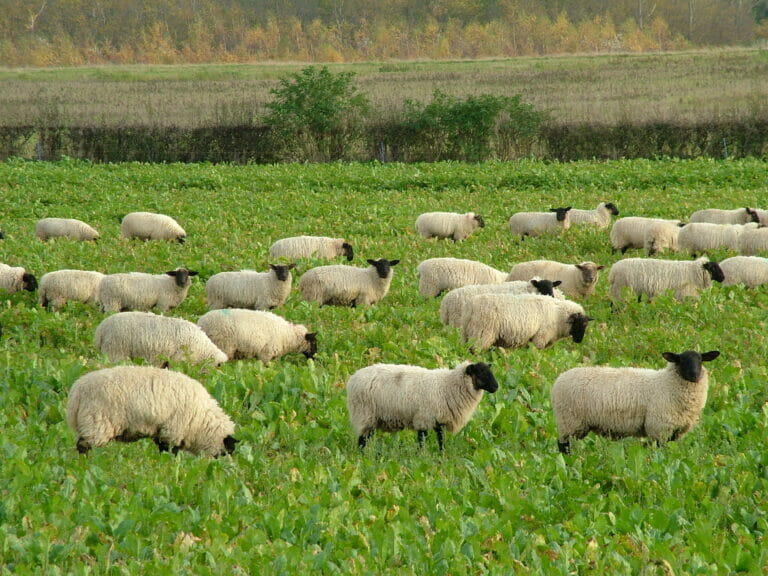








This summer’s dry conditions have once again highlighted the value of grass reseeding for livestock farmers looking to improve forage production and build more resilient grazing and silage swards. New grass leys are generally better able to withstand drought stress thanks to deeper rooting systems and the absence of shallow-rooting weed grasses. As weather patterns become increasingly unpredictable, investing in high-performing grass mixtures can help improve long-term productivity and forage security.
View Grass Reseeding as a Long-Term Investment
While tight forage supplies may tempt some to opt for a short-term solution using Westerwold or Italian ryegrass, reseeding should be viewed as a long-term investment. While Perennial ryegrass-based mixtures may carry a higher initial cost, they typically deliver greater persistence, improved forage quality and a stronger return on investment over their lifetime. Selecting the right seed mixture can have a significant impact on productivity, grazing performance and silage quality for years to come.
Start with Soil Fertility
Successful reseeding starts with understanding soil fertility.
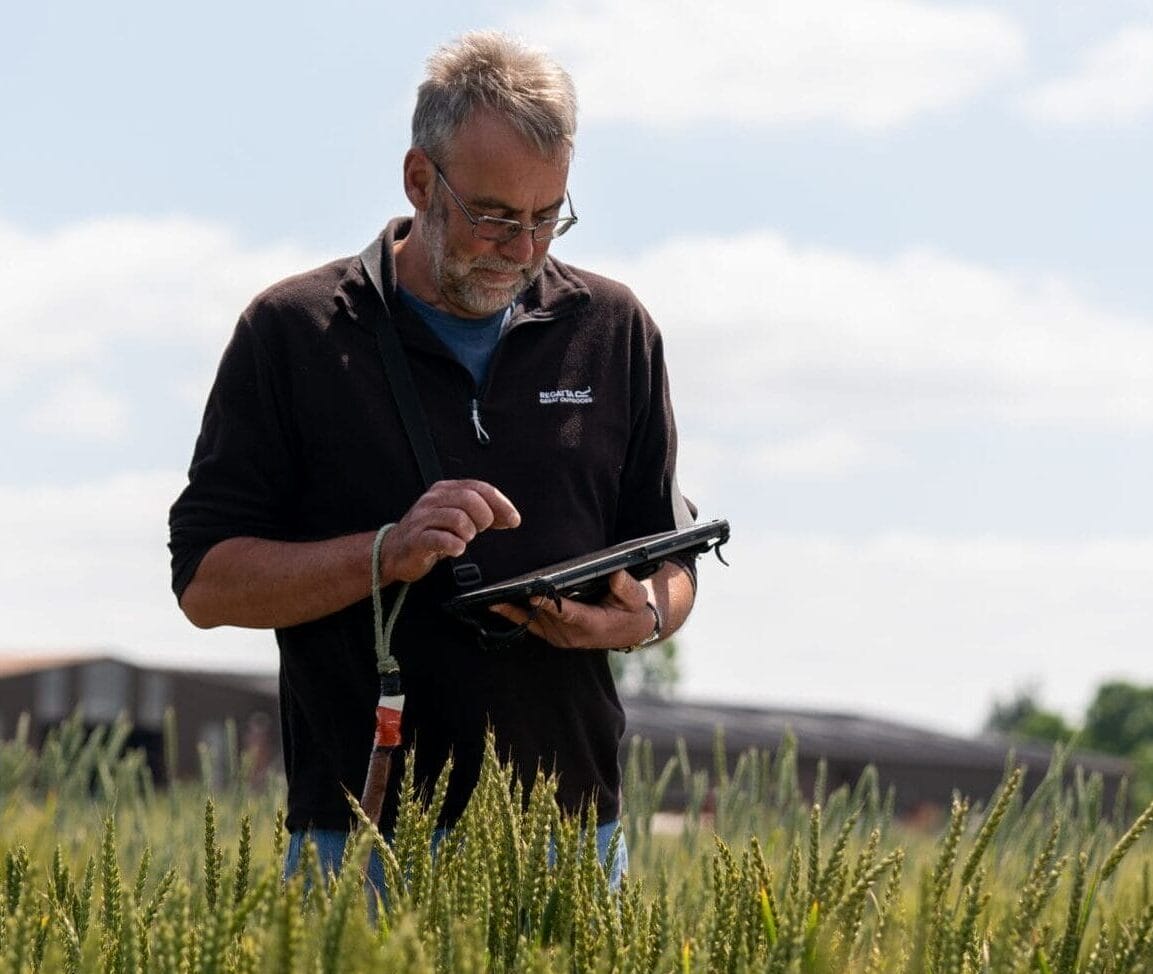
Carrying out soil testing before sowing will identify any pH, phosphate or potash deficiencies that could limit establishment. A soil pH of 6.0 to 6.5, combined with adequate phosphate and potash levels is essential for seedling and a healthy root development.
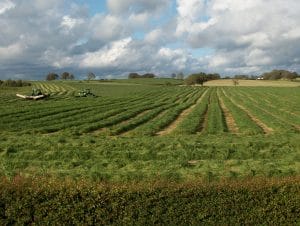
Soil testing before sowing is essential for seeding and healthy root development.
Create the Ideal Seedbed
Seedbed preparation is equally important when establishing a new grass ley.
Regardless of the cultivation method used, the aim is to create a fine, firm and level seedbed that provides excellent seed-to-soil contact. Good seedbed conditions improve germination rates, encourage even establishment and help maximise the performance of the new sward.
Choose Proven Grass Mixtures
Selecting the right grass seed mixture is vital for successful establishment and long-term productivity.
Recent poor grass seed harvests across parts of Europe have increased the importance of checking that mixtures contain recommended, proven varieties.
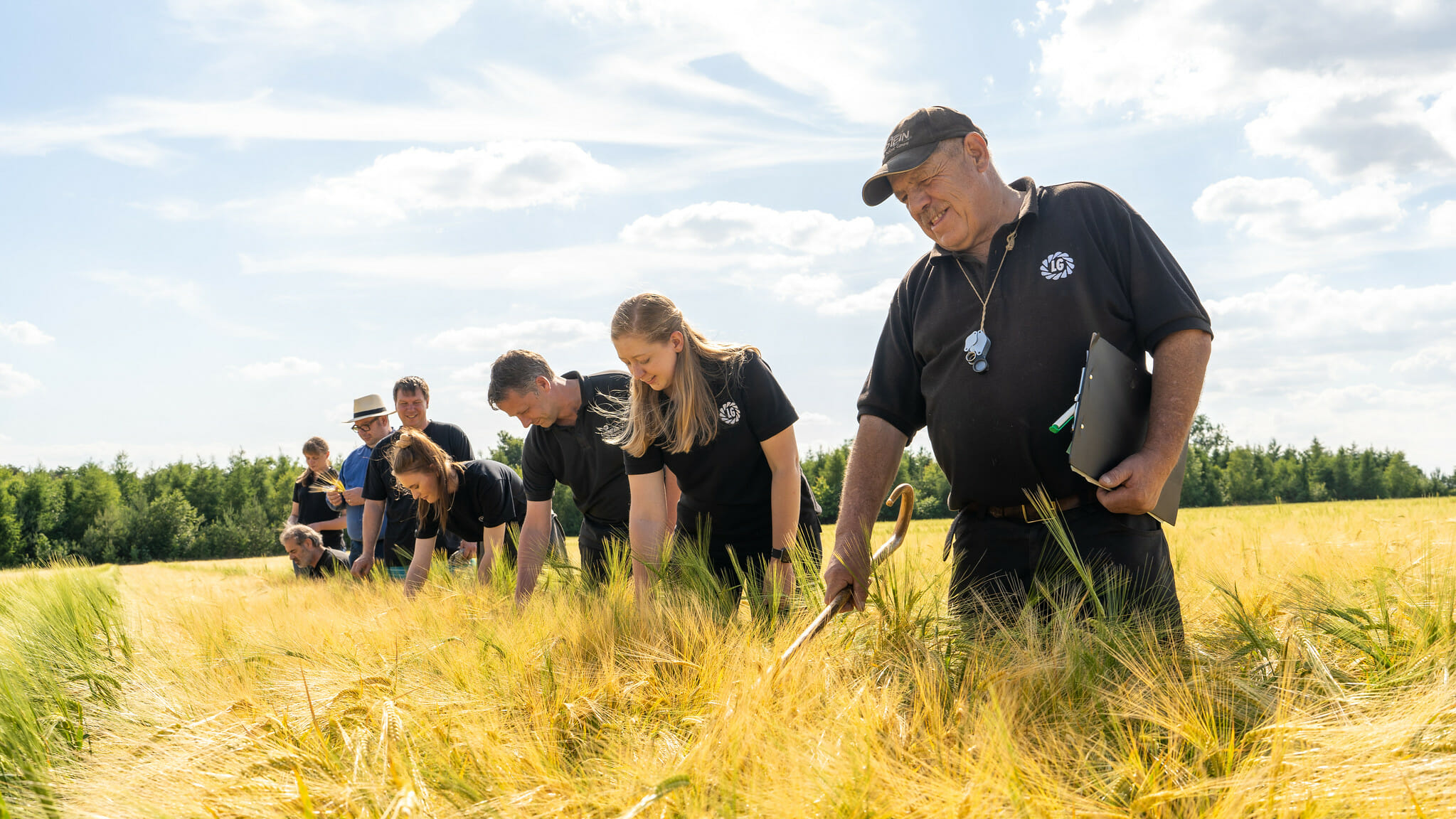
It is also important to choose mixtures with a proven track record in the field. While the performance of individual varieties is a key consideration, mixtures should also be trialled to ensure they deliver consistent performance when grown together.
Crucially these trials should assess not only yield and persistence, but also forage quality, providing confidence that the mixture will support both productive grass growth and livestock performance.
Mixtures containing a higher proportion of tetraploid ryegrasses often establish more rapidly due to their greater seed energy reserves. Farmers may also benefit from seed treatments such as Headstart Gold designed to promote early root development and improve establishment success.
Timing and Early Management are Key
For the best results, drill into moist soils between August and early October, depending on local conditions.
Use soil analysis results to guide fertiliser applications and support early growth. Once the new ley is established, careful first-grazing management is essential. Early, light grazing encourages tillering and helps create a dense sward that will perform for years to come.
Autumn grass reseeding offers an opportunity to improve forage quality, increase drought resilience and boost long-term sward performance. By focusing on soil fertility, seedbed preparation, proven grass mixtures and effective early management, farmers can maximise establishment success and secure a stronger return on their reseeding investment.
Click here to find out more about Limagrain grass mixtures.

About The Author

John Spence
Forage Crops Product Manager