




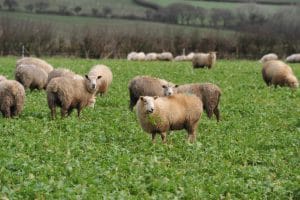
A post-harvest catch crop can be a win-win for sheep producers. Crops such as stubble turnips, forage rape, forage rye and brassica mixtures, produce high quality autumn and winter feed cost-effectively.
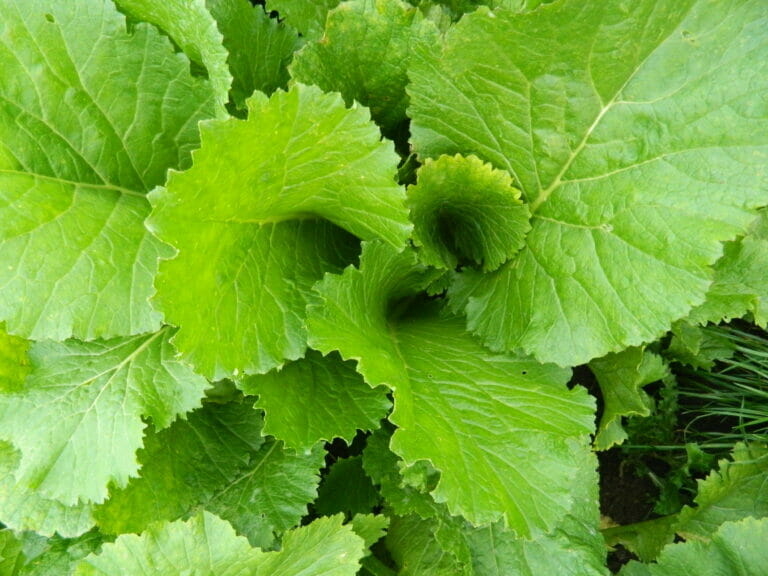
“Stubble turnips, forage rape and rape/ kale hybrids, can be sown up until the end of August,” says Limagrain Field Seed’s John Spence. “They’re quick to establish and some varieties can be ready for grazing within 12 weeks of sowing. Hardier varieties can be left for grazing over winter.”
 Rape/ kale hybrids like Interval and Unicorn are great examples. “In our most recent trials, Interval produced fresh yields 22% above the control. Unicorn sits a little lower at 11% above the control, but it has improved regrowth potential and a great winter hardiness. Both are ideal for finishing lambs, or for maintenance from late summer onwards,” he adds.
Dry matter yields of around 4 tonnes per hectare can be expected from rape/ kale hybrids, with a high protein content of 19-20%.
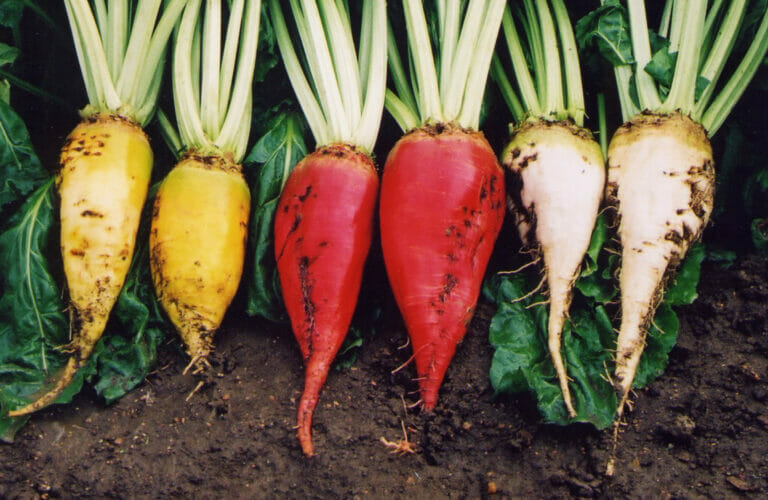
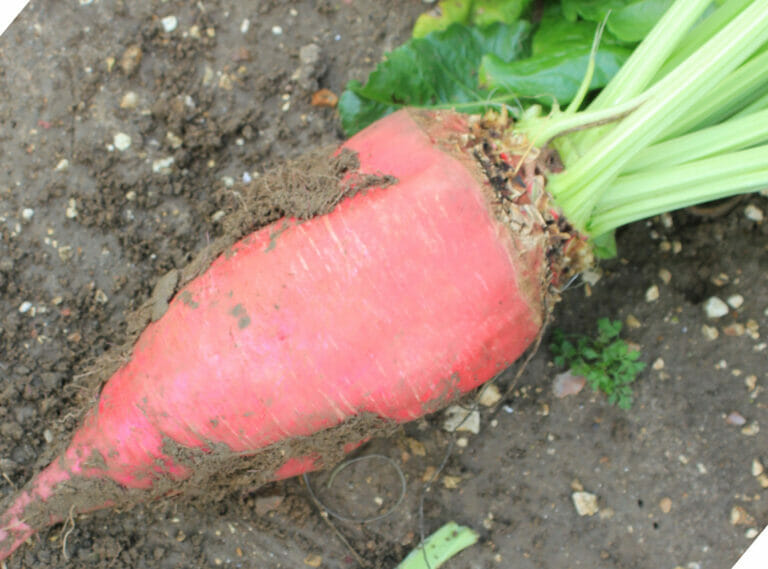
Stubble turnips like Samson and Rondo, are capable of yielding between 4 and 5.5 tonnes per hectare. “This crop makes an ideal feed in the autumn, with hardy varieties ideally suited to grazing through winter.”
John suggests looking at brassica mixtures too. “Sheep producers can make things easier with these mixtures. Autumn Keep and Meat Maker, for example, combine a high protein forage rape with kale, blended with a high-energy stubble turnip, to provide a balanced autumn and winter keep with minimal effort. Advantages such as disease resistance, winter hardiness and early establishment have been ‘built-in’ too.
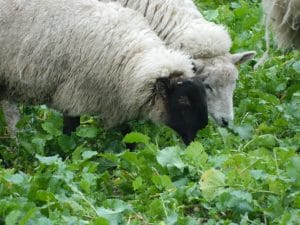
“And it is worth spending some time looking at the varieties on offer. Our annual trials highlight significant differences not just in total yield, but also regarding whether the yield is coming from the high-energy bulb or the rich-in-protein leaves.
“For example, there can be a 20% yield difference between some stubble turnip varieties, equating to more than one tonne of dry matter per hectare. Due to the different variety types, the root yield can be as much as 50% more in varieties like Samson. Samson is the top yielding variety in the trial, with a dry matter yield of 5.71 tonnes per hectare and it has a good balance between root and leaf growth, meaning good balance between energy and protein.”
A catch crop will also mop up any available nutrients, returning them to the soil via the manure of grazing animals. This helps to improve soil organic matter and structure.
“Catch crops bring many advantages to the mixed farm, by means of providing a valuable feed and added benefits to the soil. They make for an excellent break crop and a perfect entry back to a grass reseed in the spring.”
More information
Learn more about these catch crop options here or contact your usual seed merchant for availability
Download the LG Essential Guide to Forage Crops.


About The Author

John Spence
Forage Crops Product Manager