
The introduction of the Sustainable Farming Incentive (SFI) in 2023 has led to a significant increase in farmland being sown, with crops designed to benefit wildlife, particularly farmland birds and pollinators.
Whilst the key SFI actions have remained unchanged in their core aims since their introduction, there are some changes to be aware of, as well as some new actions introduced as part of the SFI 24 expanded offer, which may need to be considered when looking to sow this year.
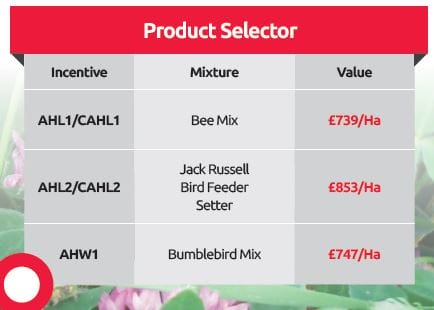
AHL1/CAHL1
Pollen and nectar flower mix
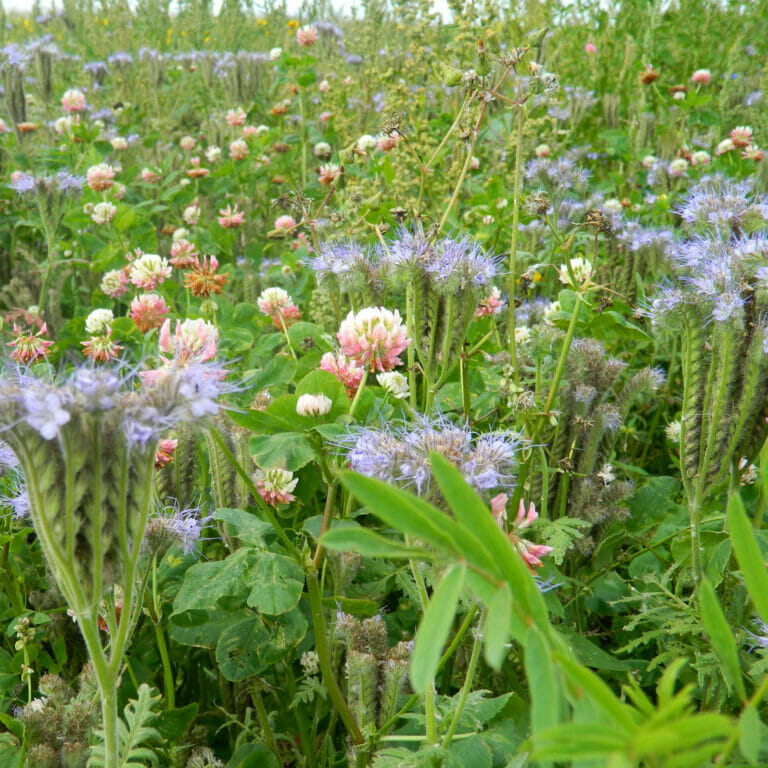
The primary aims of sowing a pollen and nectar mixture are to provide a food source for beneficial pollinators and to encourage natural pest predators. Selecting a mix that includes legumes such as red clover, birdsfoot trefoil and sainfoin will also fix atmospheric nitrogen, increasing fertility for the following crop. The inclusion of species such as phacelia, with its very fibrous root system, will help with soil conditioning.
Growers with later agreements (with code CAHL1) need to be aware that the rules around when to carry out the action have been modified, to rule out the possibility of sowing in spring and entering into an autumn sown crop in the same year. The mix must now be maintained “until the end of the second summer after sowing” to ensure the aims are met.
AHL2/CAHL2
Winter bird food on arable and horticultural land
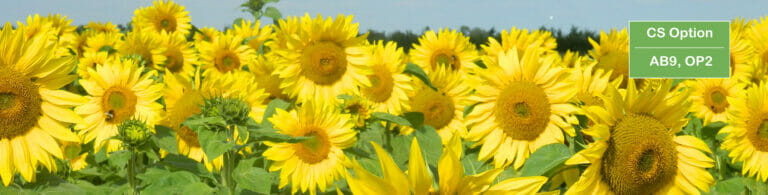
Winter bird food has proved incredibly popular with around 70,000 Ha being entered into the action so far. The aims are to provide food for birds, especially in late autumn and winter, encourage flowering plants in the summer to benefit insects and pollinators, and to support an integrated pest management approach.
For newer agreements (with code CAHL2), changes have been made to the rules to further clarify when the mixture can be sown and how long it needs to be maintained for. Spring sown mixtures should be maintained until the end of February the following year. However, mixtures sown after the end of June must be maintained for two consecutive winters, effectively making it an 18-month option. Growers looking for something autumn sown may now want to look towards the Bumblebird action.
AHW1
Bumblebird mix
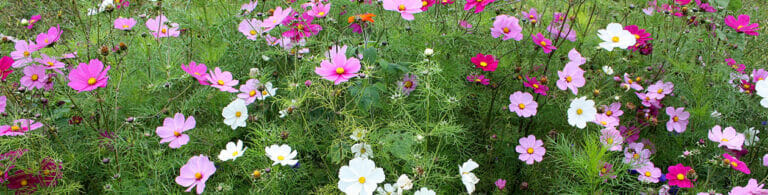
Bumblebird is a new action introduced as part of the expanded SFI24 offer but is very similar to the Countryside Stewardship option of the same name. Worth £747/Ha, Bumblebird pays less than the winter bird food action, but it has a useful place in the rotation as it can be sown up until early Autumn, to be maintained until the end of summer the following year. As the name suggests, the aim of the action is to provide food for both farmland birds and beneficial insects and pollinators.
For further information about crops to meet the aims of the Sustainable Farming Incentive, please download a copy of the LG Essential Guide to Conservation and Gamecover Crops

About The Author

John Spence
Forage Crops Product Manager