










As growers continue to face increasing agronomic and environmental pressures, the value of cover and companion cropping is clearer than ever. These practices not only support sustainable farming systems but also deliver real performance benefits across the rotation – improving soil health, nutrient efficiency, and pest management.
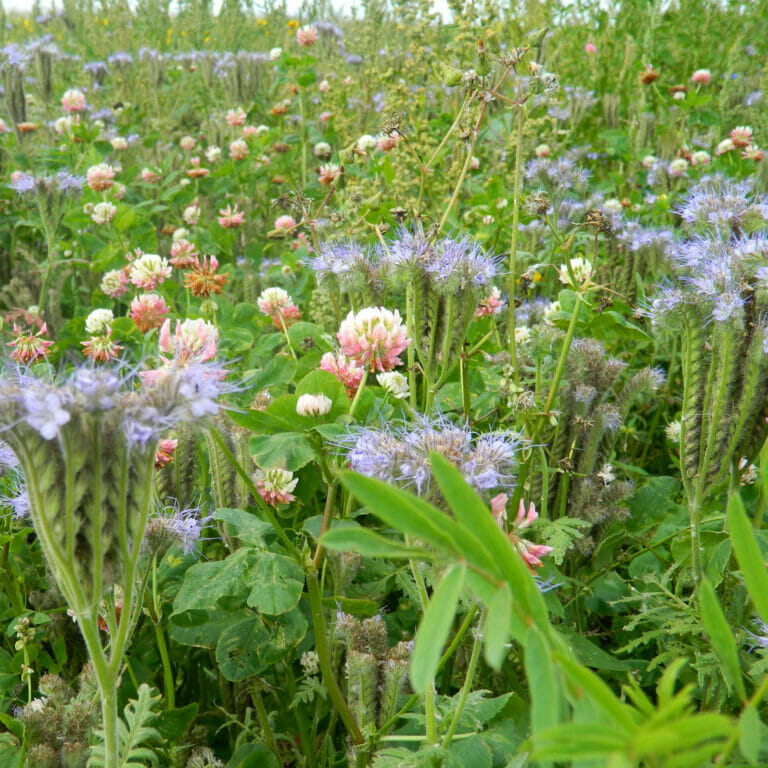
Establishing a cover crop over the winter months helps minimise nutrient leaching and erosion, whilst also benefitting soil structure and biology. Companion cropping offers a strategic way to enhance crop resilience and field performance. They can act as a trap crop for pests, help suppress weeds, protect soils and increase nutrient efficiency, as well as provide improved habitat for wildlife.
There are various options for SFI-eligible crops for integrated pest management CIPM3 – companion crops on arable and horticultural land, worth £55/ha for those already accepted into the scheme, such as;
• Clover understories
• Cereal with Crimson/Berseem clover
• Oilseed with Berseem clover/Fenugreek
• Trap crops to divert pest activity
• Undersown maize
• Cereals undersown with grass
Companion cropping with Oilseeds
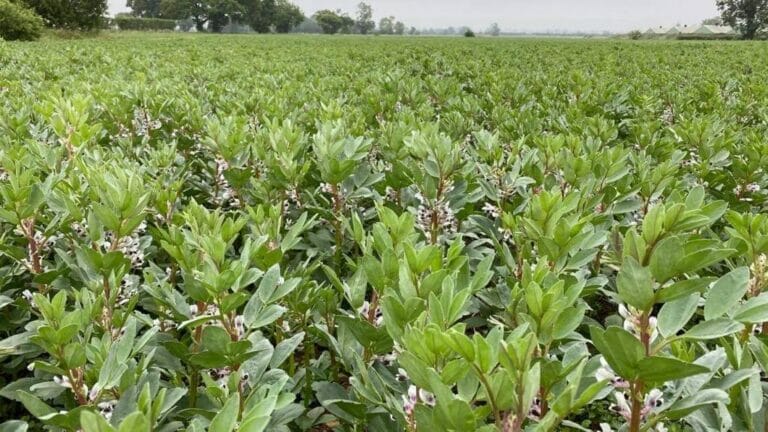
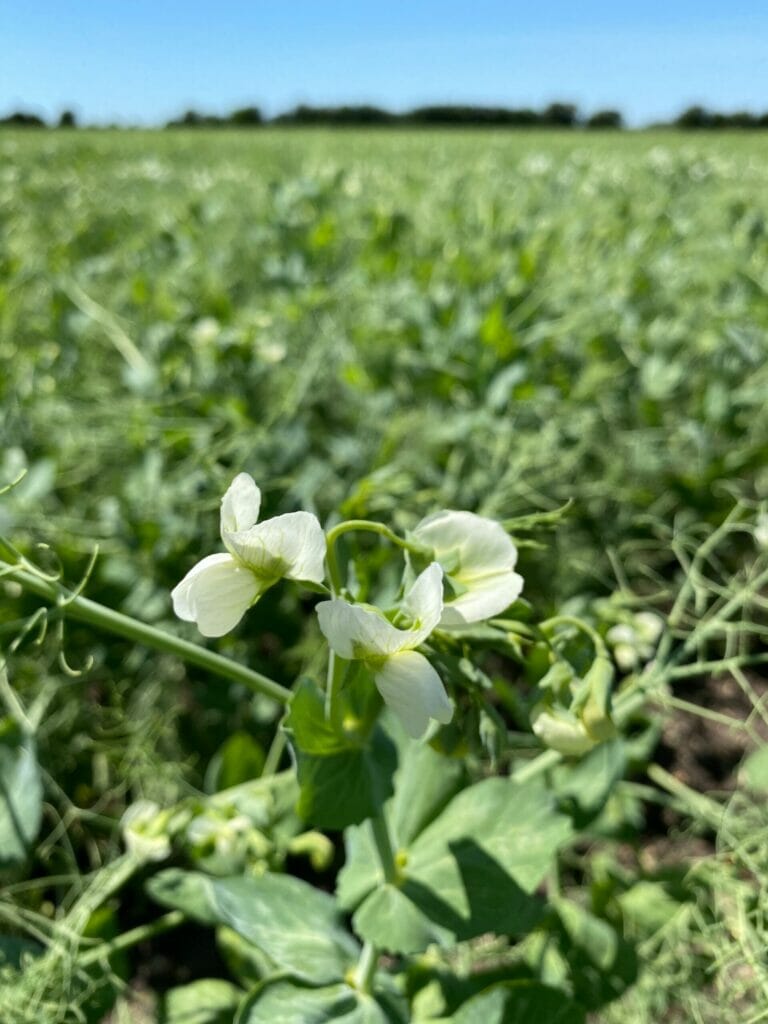
Companion plants are sown alongside a primary crop to improve its agronomic behaviour. Some of the benefits of growing a legume-based companion crop with oilseed rape are:
• Improve the oilseed rape yield
• To ensure an improved Nitrogen supply in late winter by combining it with selected N fixing legumes (typically, 30-40 units of N/ha after destruction)
• Help reduce weed competition
• To help improve soil aeration in the top 20cm of the soil
• Insect attack rate is consistently lower in the presence of a companion crop, especially in Autumn, where egg-laying activity is disrupted
• Sensitivity to diseases specific to oilseed rape, such as sclerotinia and club root, does not increase when companion crops are used
As with any crops, fields containing high weed pressure are not suitable for companion cropping, as the combination of weeds and companion crop will inhibit the oilseed plants.
Vetch and berseem clovers are easy to drill and will create rapid soil coverage and good Autumn plant development, maximising biomass potential. They can produce excellent Nitrogen replenishment for the oilseed rape plants after crop destruction. Fenugreek may offer some repellence against insect pests.
When should I sow/terminate?
The best companion crops are sown in August; the earlier the better as to increase frost sensitivity of the companion crop and to get the crop to the most advanced stage. Some companion crops can be drilled 2 weeks earlier, allowing drilling of the oilseed rape seed into a standing companion crop. In a typical winter, the companion crop should be killed by winter frosts.
SFI Mixture Options
- Multispecies Cover Crop
- • Fast-growing short term cover crop mixture, for sowing in Spring or Summer
• Produces high levels of organic matter
• Includes a range of species with differing rooting depths to benefit soil structure
• Good canopy to protect the soil surface and minimise soil run-off
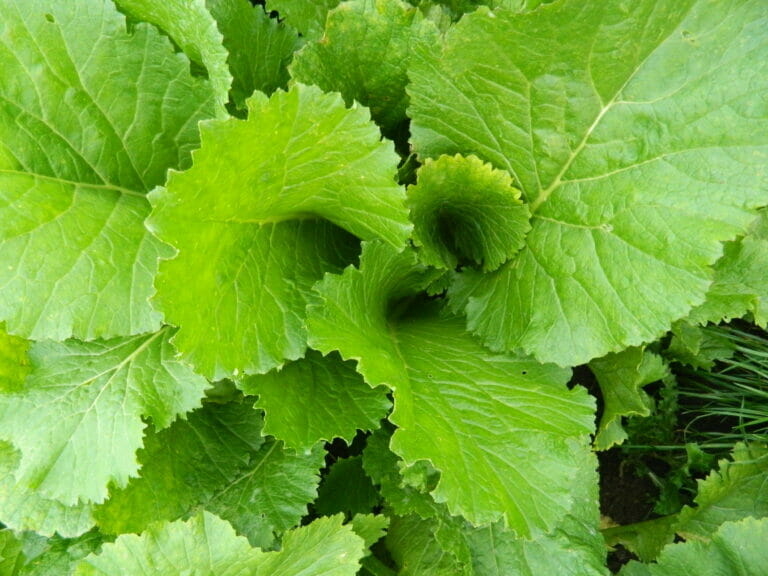
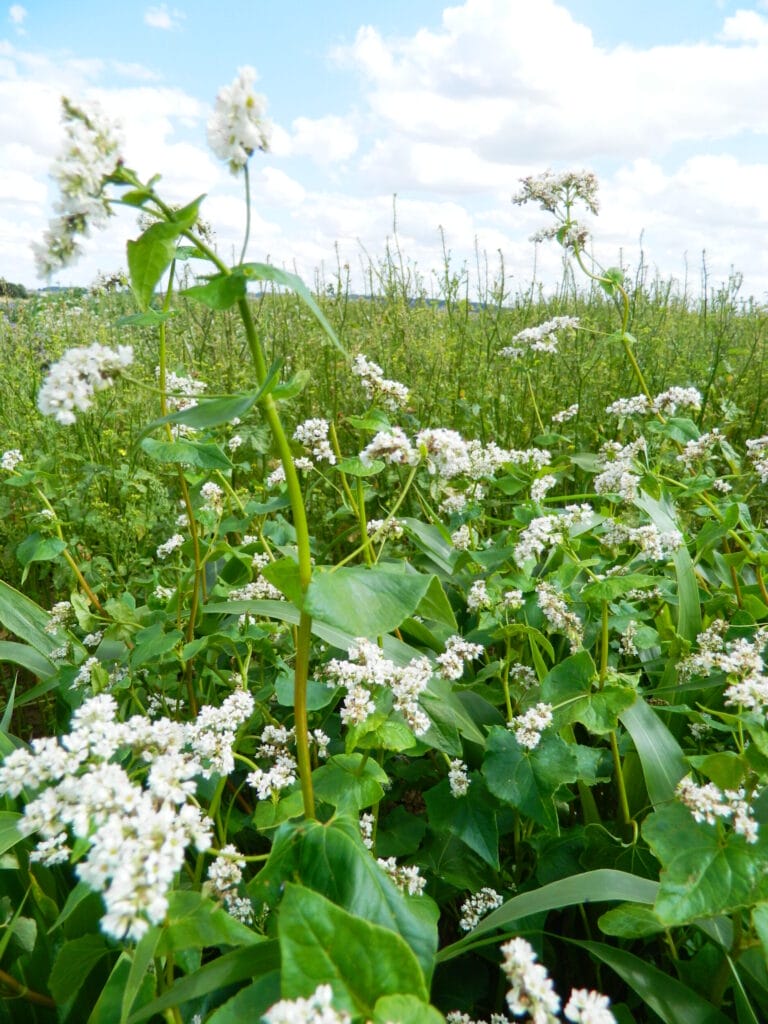
• Includes; White Mustard, Buckwheat, Common Vetch, Crimson Clover
- Sow at 20kg/ha, April-Aug Suitable for SOH2, SOH3
Lift N Fix
- • 80% Humbolt Forage Rye – fast-growing, lifts and holds Nitrogen preventing leaching, forms dense cover
• 20% Vetch – fixes Nitrogen ready for the subsequent crop
• Helps penetrate compacted soils and provides excellent weed smothering properties
• Perfect for sowing after cereals
Sow at 70-80kg/ha, Sept-Oct Suitable for CSAM3, SOH4
This article is featured in the June 2025 edition of GatePost. Click here to read the full edition.

About The Author

John Spence
Forage Crops Product Manager