
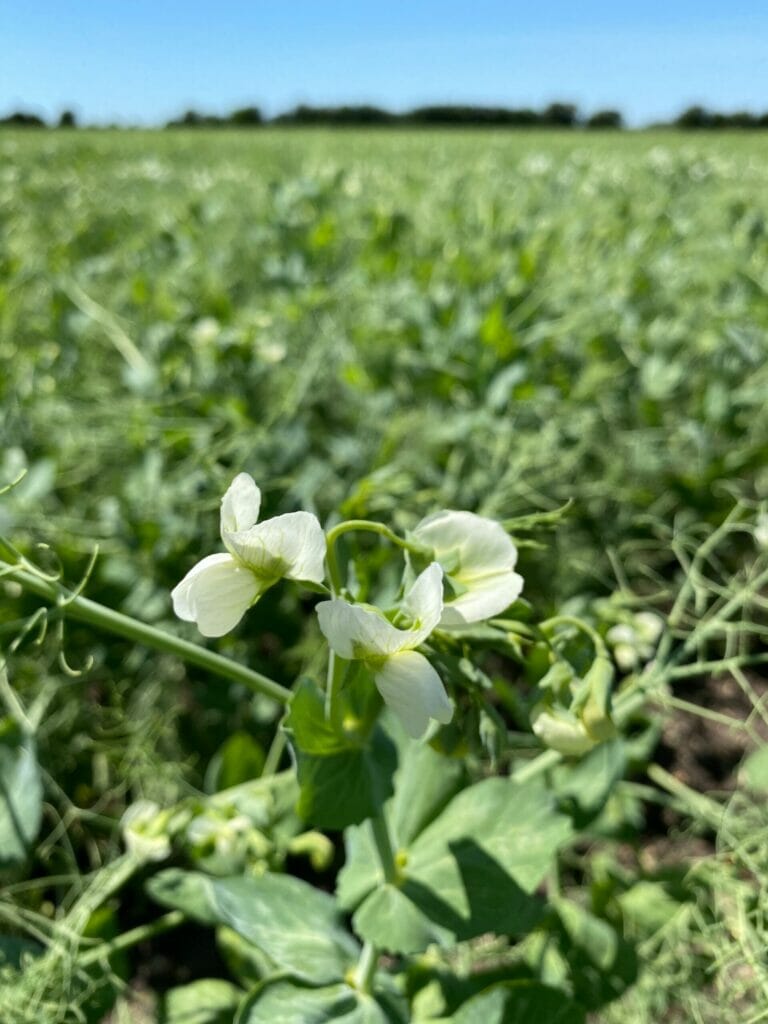
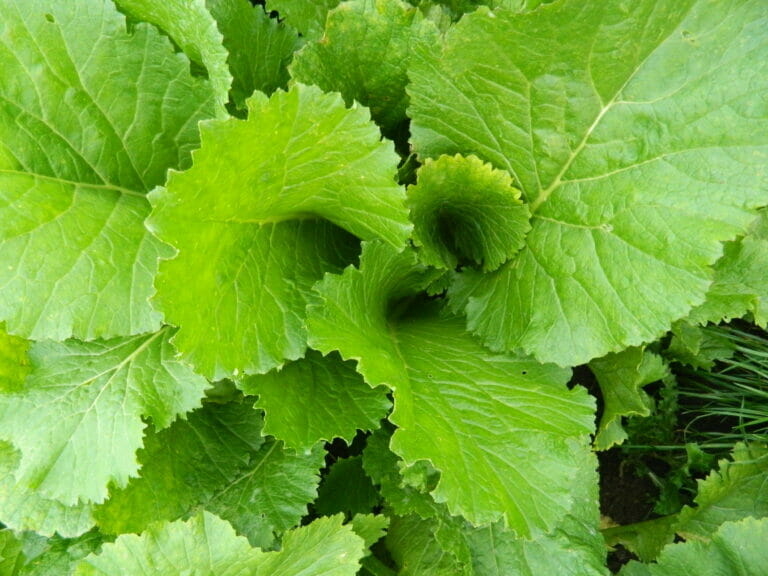
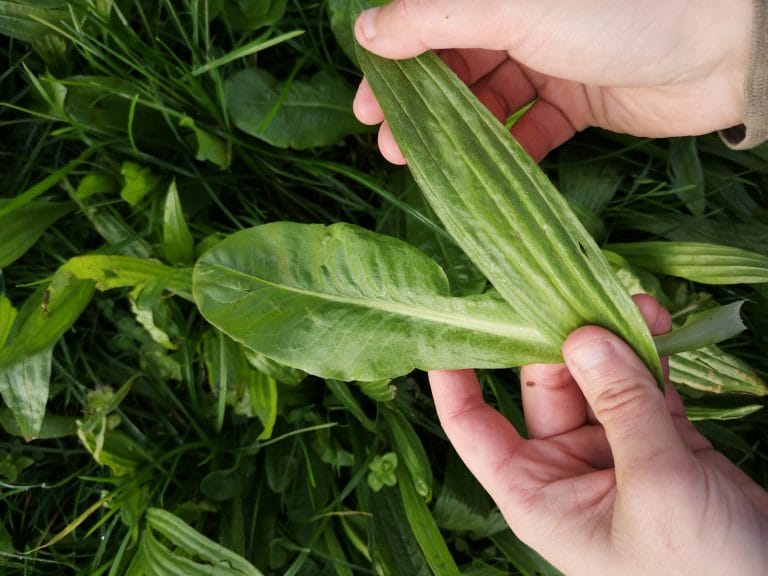
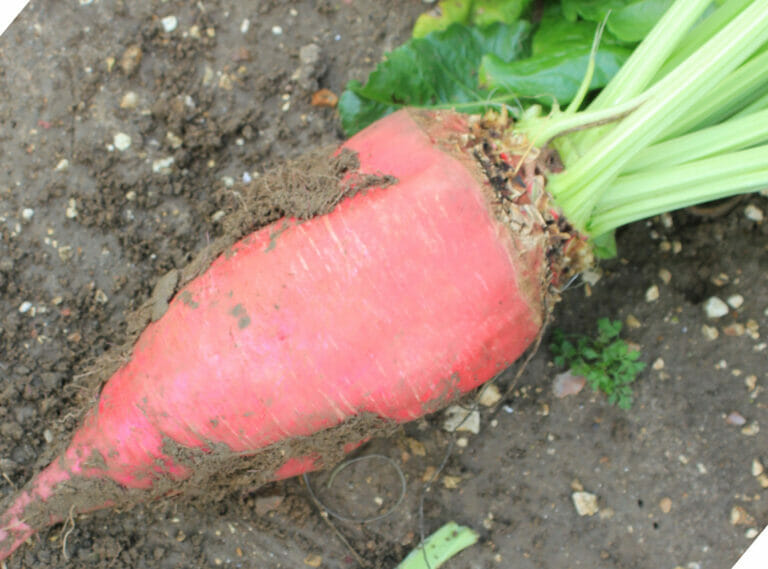





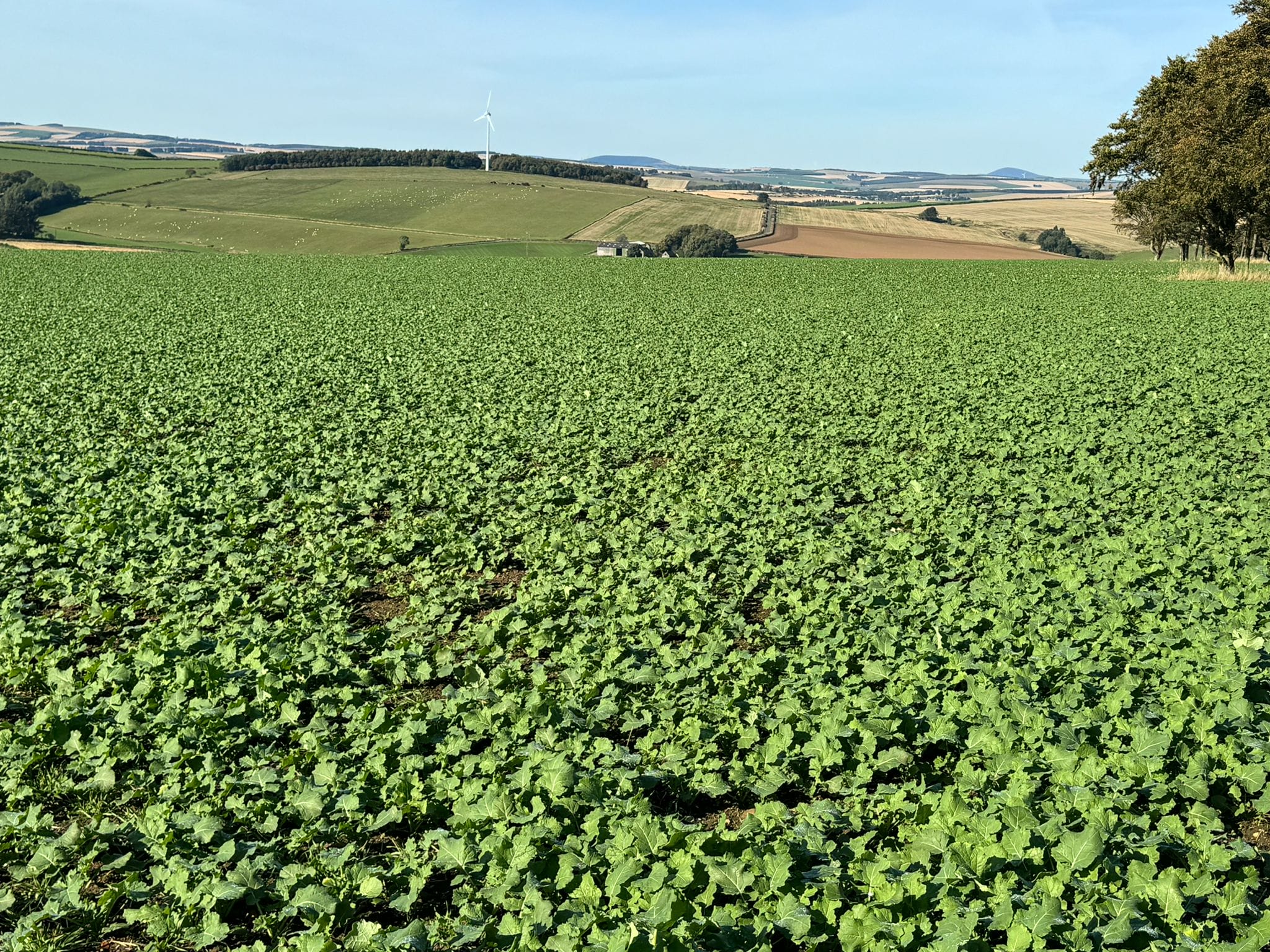
We know that fast even establishment is a key defence against adult cabbage stem flea beetle, so it’s important to start with good seedbeds, whatever the drilling date
If you are planning some of your area to hybrid varieties then Clearfield® varieties justify serious consideration. Many have the valued traits of TuYV tolerance, and resistance to pod shatter and canker. Hybrid vigour is also a given but in addition Clearfield® varieties are tolerant to soil residues of commonly used sulphonyl urea (SU) broadleaved and grassweed herbicides in the previous cereal crop. Some of these SUs require ploughing prior to oilseed rape, else germination and early growth can be affected. Fortunately Clearfield® varieties are unaffected and grow away strongly.
Clearfield® varieties are designed to be used with the post-emergence Clearfield® herbicide Cleravo® plus adjuvant Dash®. Cleravo® has the widest weed spectrum of any herbicide, including the brassica weeds such as charlock and runch. Plus the bonus of volunteer cereal control. It can be used from cotyledon of the crop, allowing flexible timing to target weed size of 2-4 true leaves. Competitive weeds such as charlock, chickweed and cranesbill get big quickly, particularly in early drilled crops and need timely removal. Volunteer rape will also be removed, so avoiding over-thick plant populations to manage in the spring
With high populations of charlock or runch, it is tempting to wait for all to emerge, but it is better to get the majority at the correct growth stage, both in terms of weed control & protecting yield.
Note: Clearfield® herbicides must ONLY be used on Clearfield® varieties (name has CL suffix).
For early drilled crops, if they reach 4-6 leaves before mid-October, they should be treated with the PGR Caryx® at that 4-6 leaf stage. This will prevent premature stem extension which will make them vulnerable to frosts and to lodging in the spring.
The risk from Phoma and Light Leaf Spot will depend on variety resistance and drilling date.. Varieties with good Phoma resistance can delay the Phoma epidemic and a later single fungicide against both Phoma and Light Leaf Spot may be enough. Target timing for Light Leaf Spot is in early-mid November, and for this disease the early drilled crops are most at risk.
About The Author

Florentina Petrescu
OSR Product Manager