





Sustainability is about using resources responsibly to meet present needs, without compromising the ability of future generations to meet theirs.
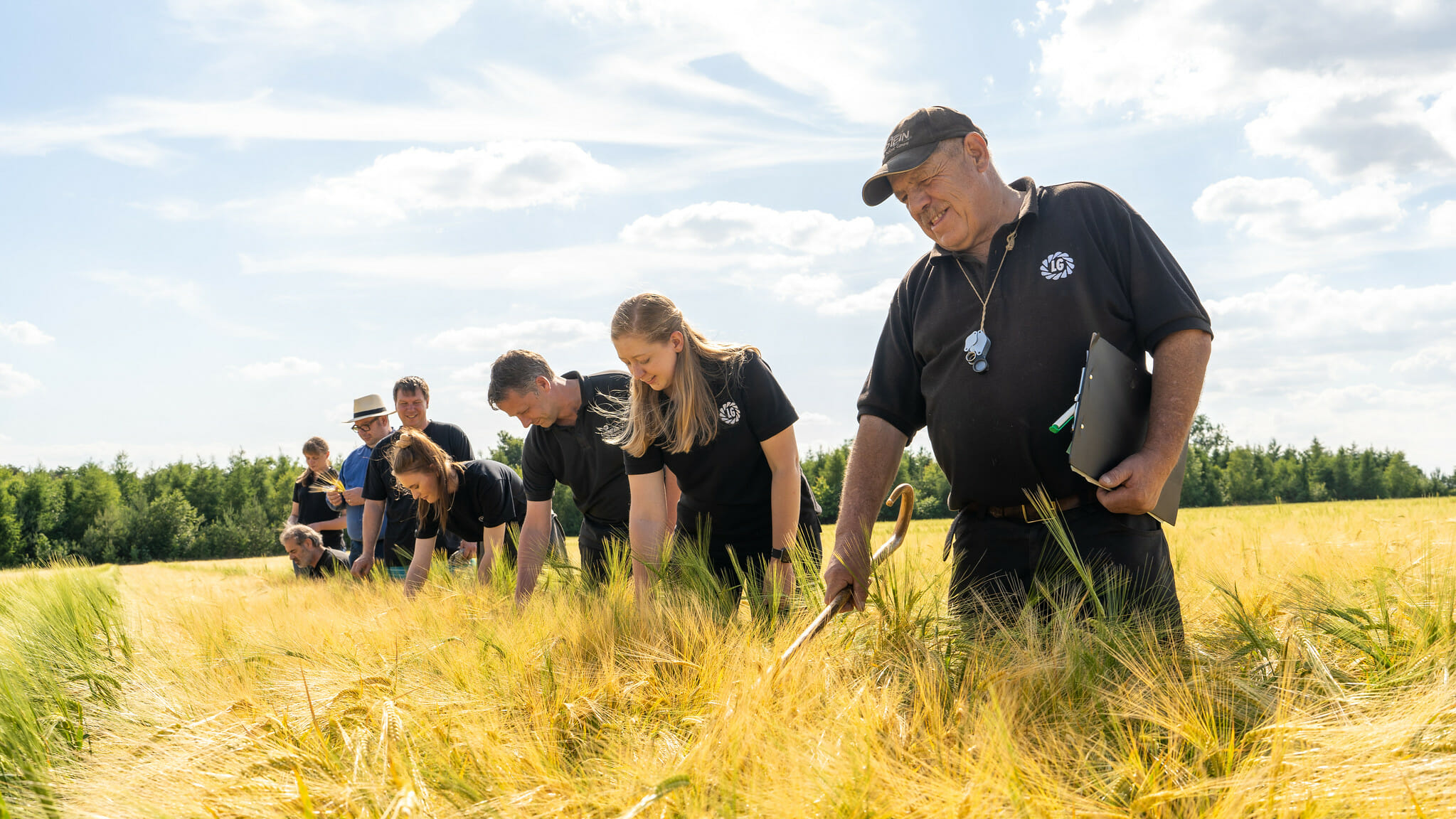
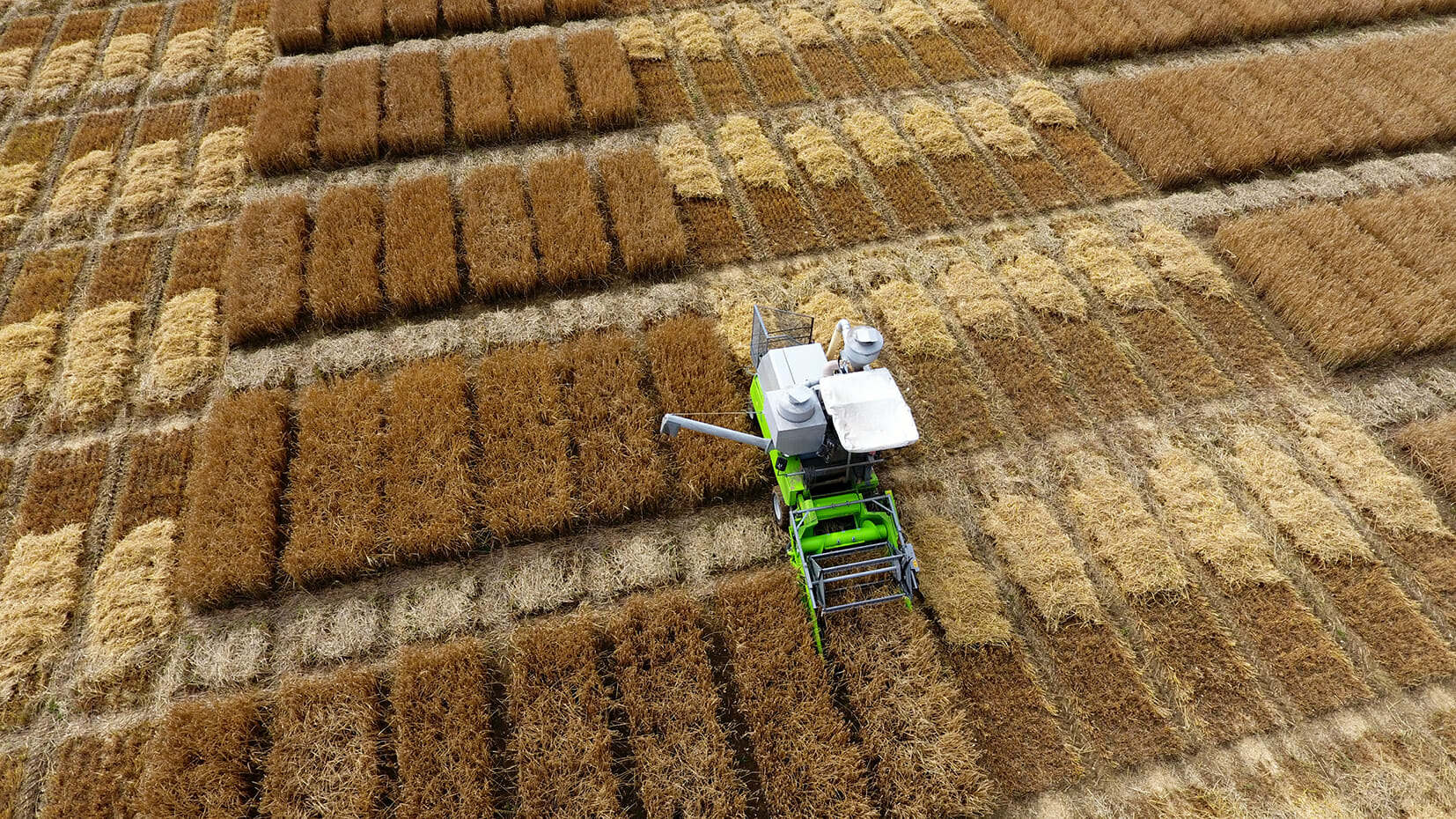
Limagrain’s demo farm trials are helping to tell the real sustainability story behind modern plant breeding: how improved genetics can support both economic and environmental performance on-farm. For today’s growers, sustainability is no longer simply about reducing environmental impact. It is also about protecting profitability, improving resilience and making every input work harder.
That is why breeding for sustainability is a central focus for Limagrain across its crop portfolio. The common objective is clear – to develop varieties that help growers produce reliable, high-quality crops while using resources more efficiently and reducing risk to yield.
The evidence from Limagrain demo farms shows how this breeding focus translates into practical value. Through improved disease resistance, stronger agronomic characteristics, nutrient-use efficiency and enhanced resilience to weather extremes, modern genetics are helping growers deliver more sustainable crop production without compromising financial bottom line.
Trials
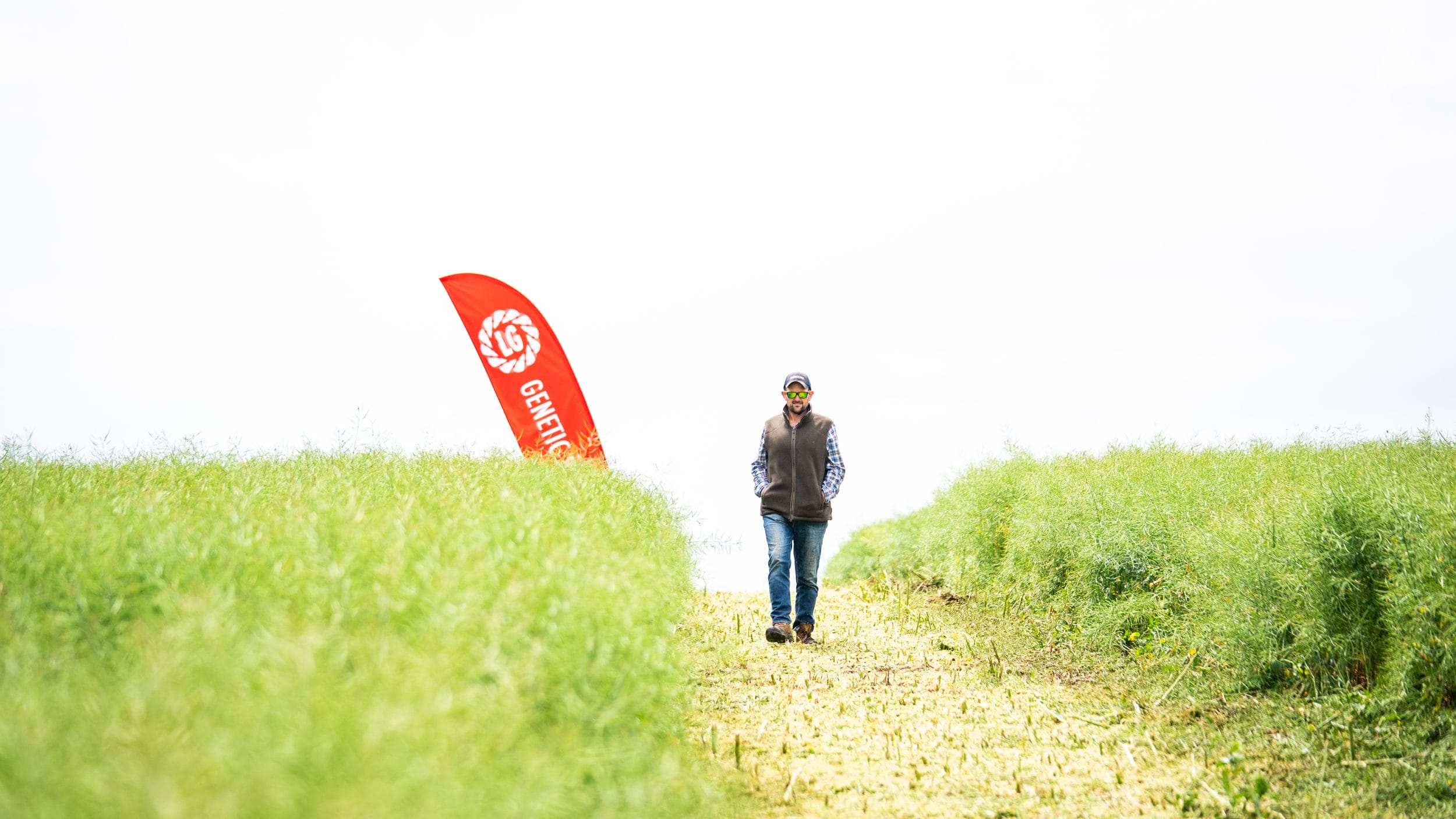
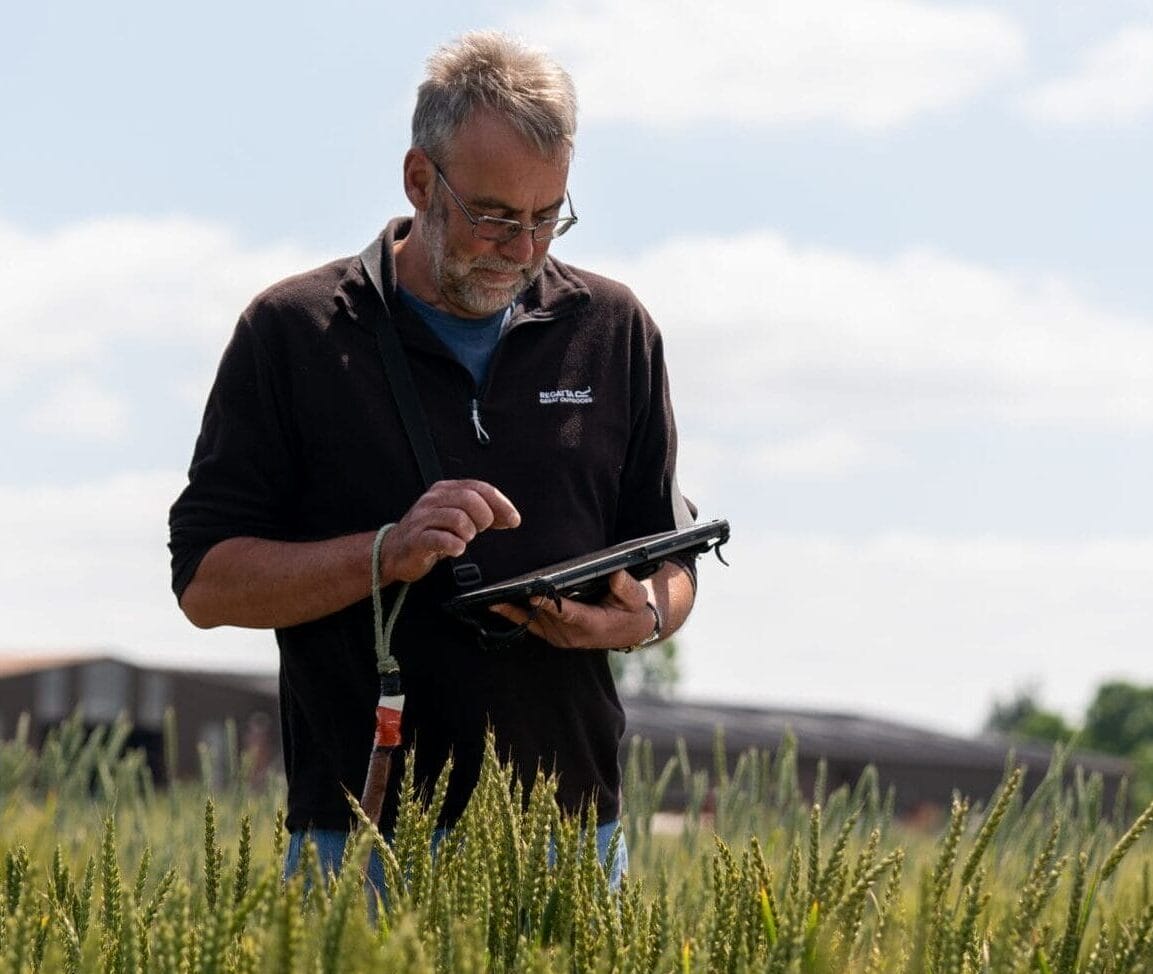
Recent on-farm trials and commercial results from Atkin Farms in Staffordshire and Dennington Hall Farms in Suffolk, demonstrate how Limagrain varieties are already delivering this balance in real farming systems.
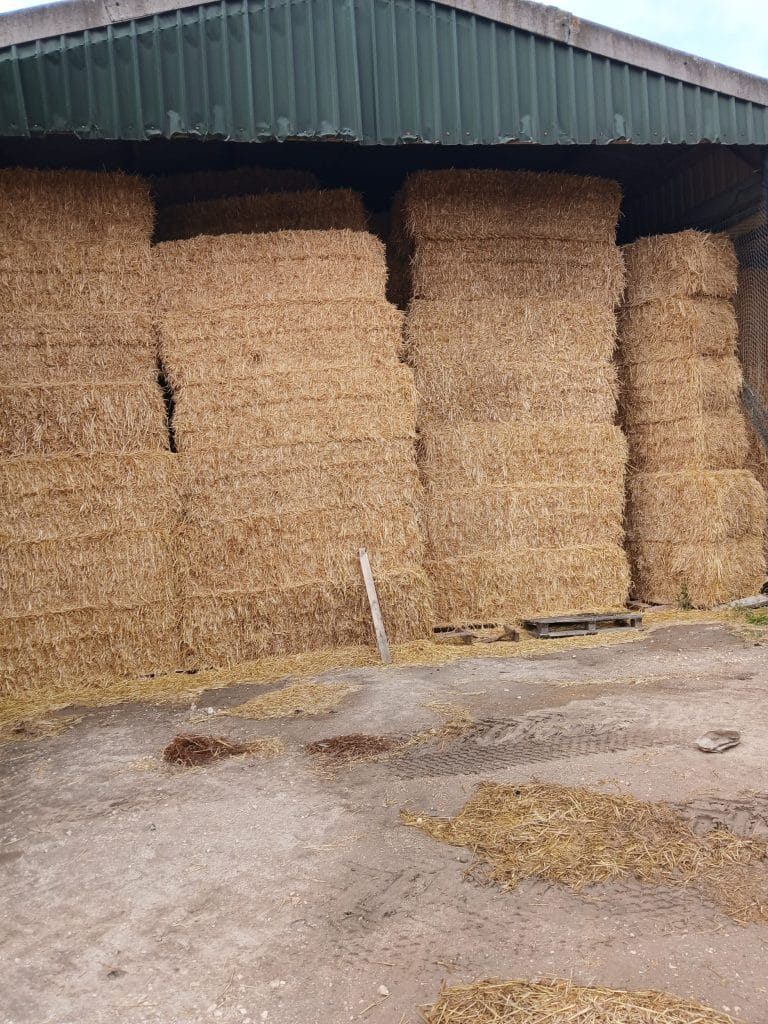
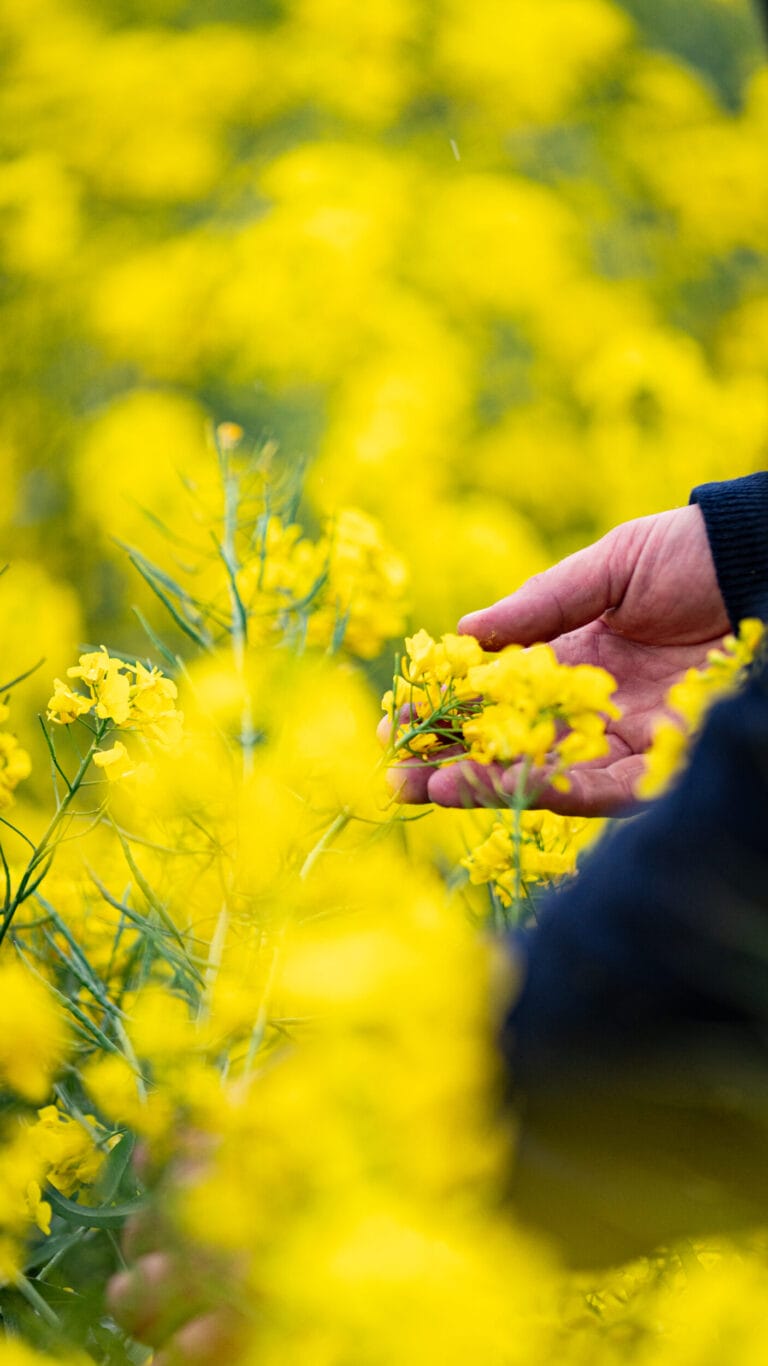
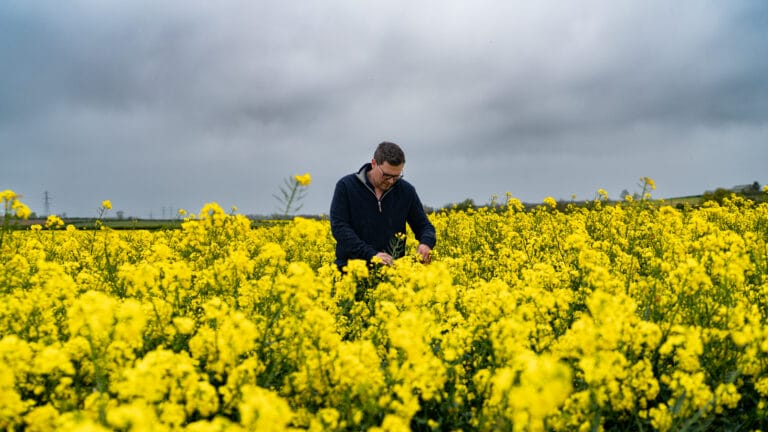
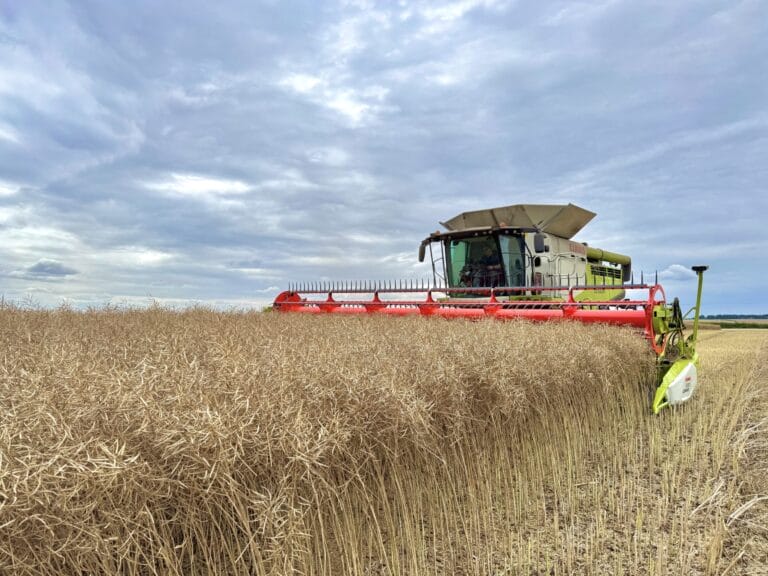
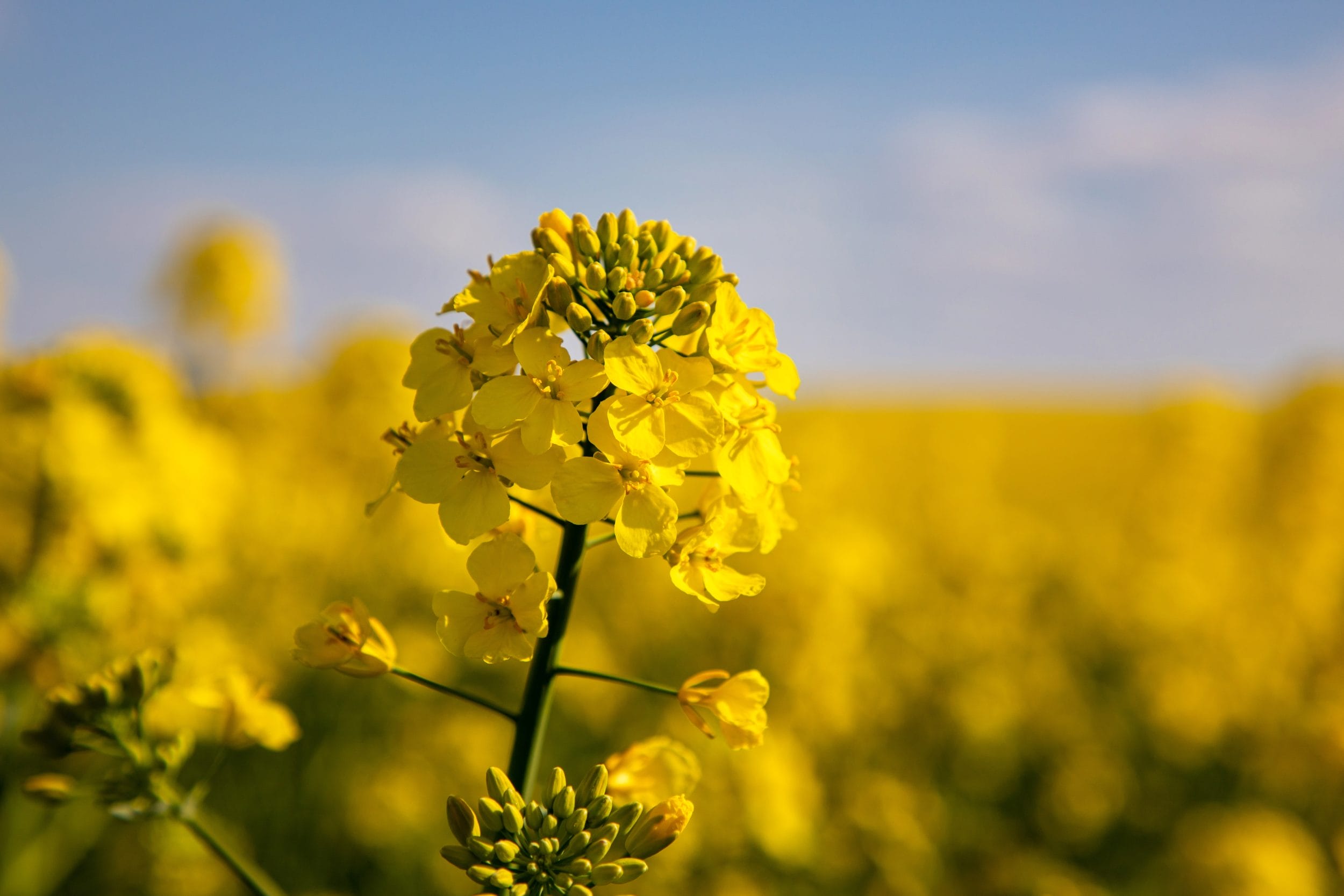
Disease resistance is a key example. Stronger resistance packages help protect yield while managing risks. At Atkin Farms, winter oilseed rape varieties delivered yields of up to 5.63 t/ha for LG Avenger, despite no sclerotinia spray being applied, with total crop protection spend across trial and commercial crops reported at less than £219/ha. The LG Armada achieved a total yield of 4.87 t/ha, with a straw yield of 5 t/ha at £50 per tonne.
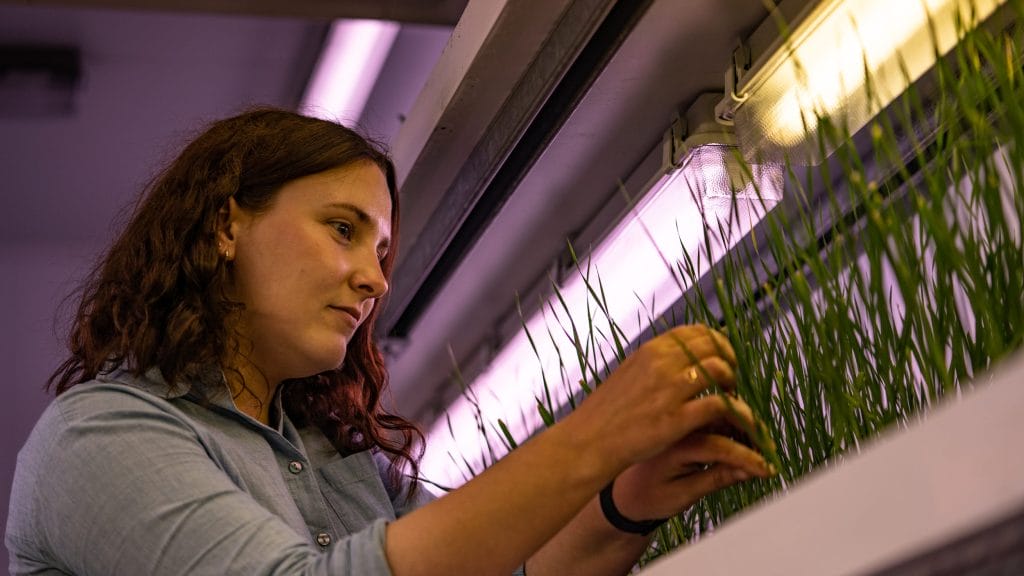
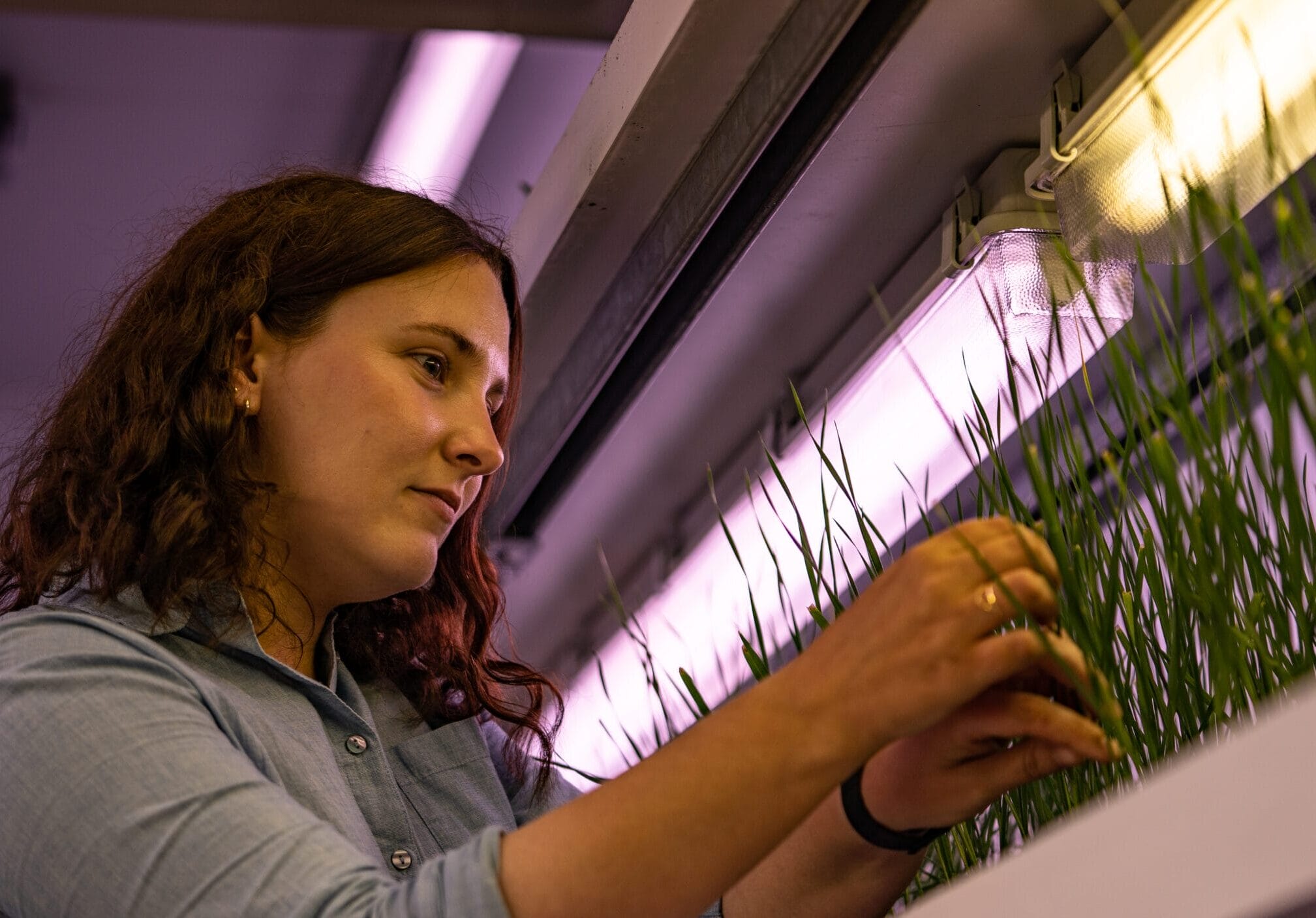
Limagrains’ breeding programme has created improved genetics to support both economic and environmental performance on-farm.
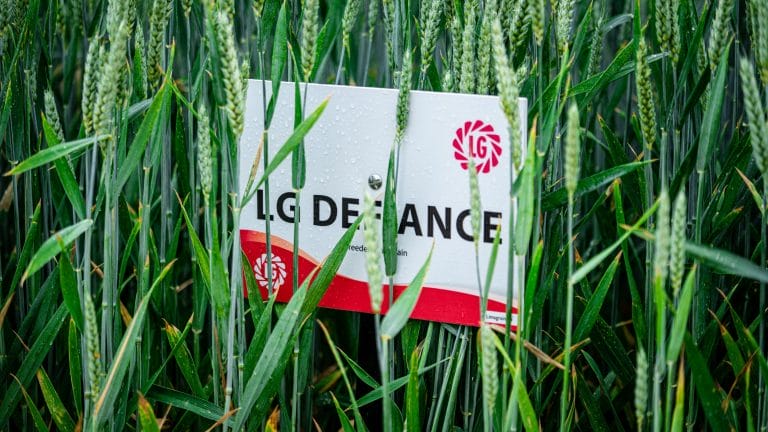
Similarly, winter wheat varieties demonstrated robust performance in a season characterised by prolonged spring dryness, temperatures reaching 37.5°C and limited rainfall. At Dennington, LG Defiance achieved yields of up to 13.9 t/ha in direct-drilled large demonstration strips, which is excellent given the 6.9 t/ha national average*.
This ability to maintain performance under stress is becoming increasingly important. Climate volatility can quickly erode both environmental gains and farm margins. Varieties with strong agronomic packages, including disease resistance, strong specific weight, standing power and stress tolerance, help reduce risk and give growers greater confidence in their cropping decisions.
Nutrient Use Efficiency (NUE)
NUE is another important contributor to sustainability. Fertiliser remains one of the largest variable costs on farm, making every kilo count. Genetics that convert available nutrients into grain more effectively help maximise returns, while improving overall resource efficiency.
The results from both farms highlight this potential:
At Dennington, LG Lotus delivered commercial yields of 10.23 t/ha with 180 kg N/ha, providing a net margin of £1,027.16 per ha.
LG Defiance achieved 8.67 t/ha with only 166 kg N/ha, delivering a net margin of £741.58 per ha.
At Atkin Farms, LG Rebellion produced commercial yields exceeding 9 t/ha from 190 kg N, plus sulphur.
The value of strong genetics is also evident in winter barley:
At Dennington, LG Capitol delivered 11.71 t/ha and stood out for its impressive agronomic appearance and grain quality.
LG Caravelle demonstrated consistency, yielding 10.96 t/ha in the large demonstration strip, and 8.25 t/ha across 125 ha of commercial production.
What this tells us
Together, these demo farm results show why sustainability in breeding must be measured in both environmental and economic terms. The most sustainable crops are those that make efficient use of land, nutrients, water and crop protection inputs while still delivering reliable output, quality and profit.
As supply chains increasingly demand evidence of sustainable production, growers need practical solutions that work in the real world. Modern varieties are proving that they can help meet those expectations – not by asking growers to produce less, but by enabling them to produce more, efficiently.
Through continued investment in plant breeding, Limagrain Field Seeds is developing varieties across crops that combine yield, resilience, input efficiency and marketable quality. The demo farm network provides the practical evidence behind that ambition, showing how genetics can help growers reduce risk, optimise inputs and build farming businesses that are both environmentally and financially sustainable for the future.
*source: AHDB 2026 final harvest report.