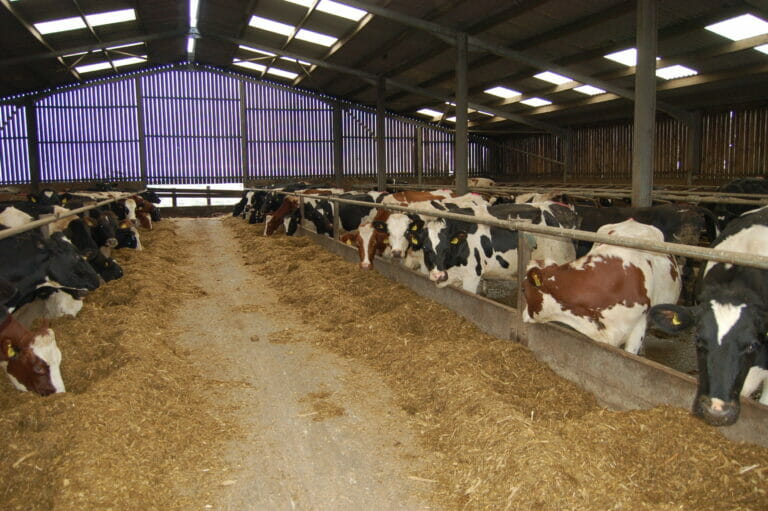




For Shropshire dairy farmer Tony Wilson, maize is the key ingredient in his milking ration that ensures his herd maintains an average annual yield of over 10,000 litres per cow.
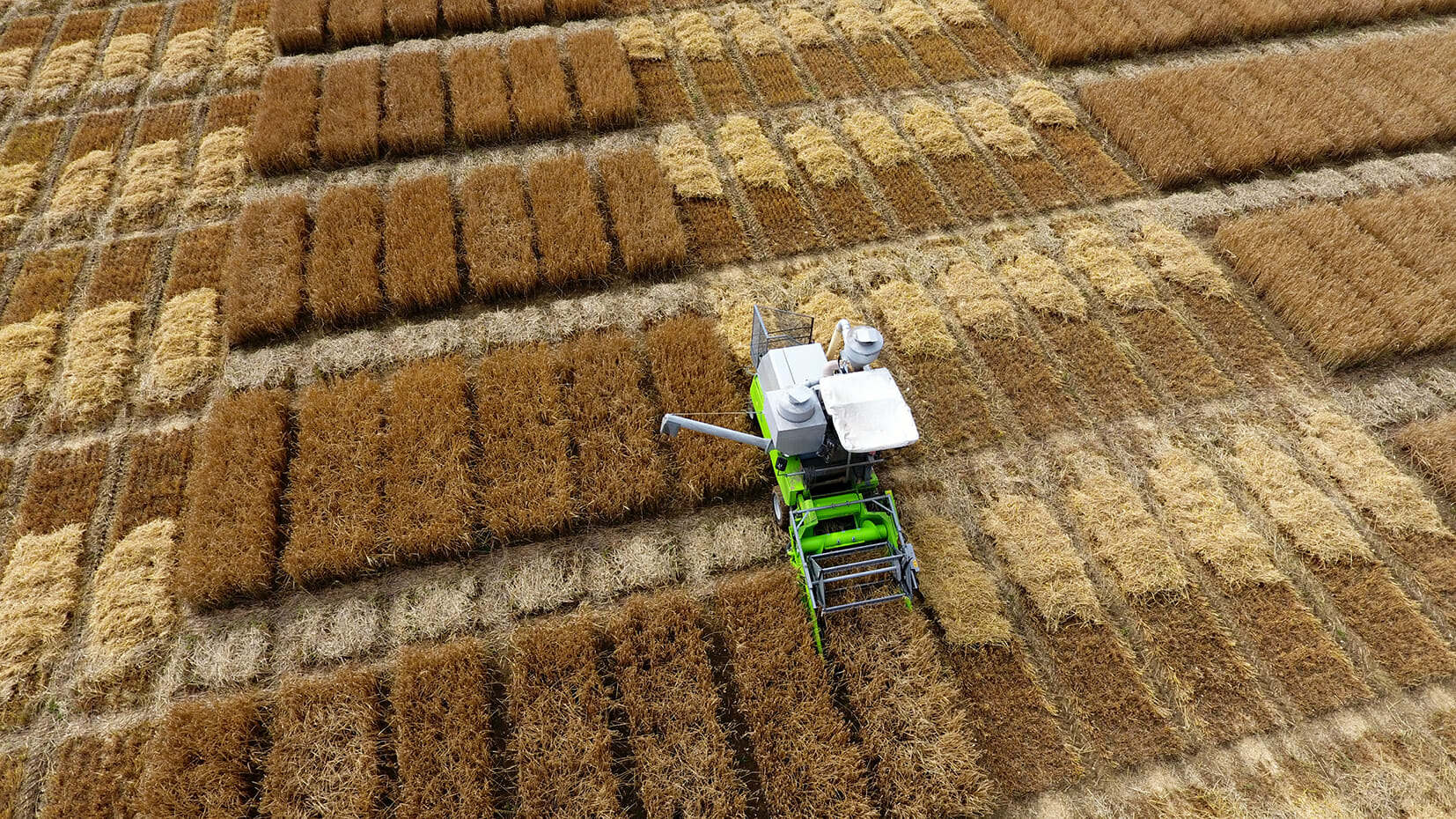
He aims to grow over 1,000 tonnes each year, as a valuable source of energy in the forage diet, fed in equal part alongside quality grass silage. He does so successfully and sustainably despite his land being marginal for the crop.
The key is growing early maturing varieties that usually allow harvest to be carried out in reasonable ground conditions, leaving sufficient time to establish a following crop that helps to protect soils over the winter.
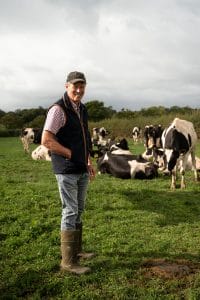
Limagrain maize varieties have helped Tony’s Holsteins yield an average of over 10,000 litres per cow.
“We milk high-yielding Holsteins and they could not achieve the performance that they do without maize,” he says. “If we couldn’t grow maize, we’d be relying on wholecrop wheat as an alternative homegrown forage, but that produces half the feed value for the same cost.
“But it’s important to grow maize in a way that avoids damaging the ground, because it’s vital in farming that we look after the soil.”
Based at Church Farm, near Leebotwood, amongst the South Shropshire hills, Mr Wilson has now grown maize for close to 20 years. He is guided by both his agronomist and his nutritionist on what varieties to grow, because it is not only performance of the crop in the field that ensures that maize fits his system, but also the quality of the forage in the clamp.
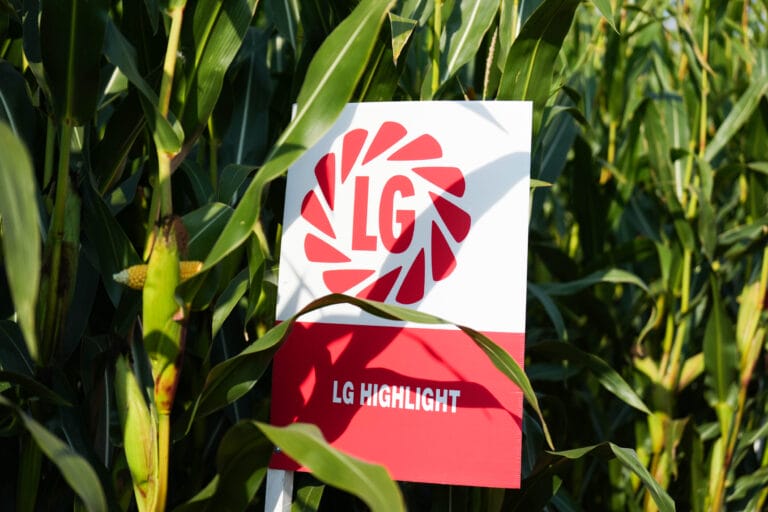
In 2026, which has been a challenging season due to significant periods of drought, he has grown the new ultra early variety LG 31.152, alongside Prospect and LG Highlight, across 70 acres of maize in total. All three have been bred by Limagrain Field Seeds and trialled through an extensive UK breeding programme, with LG 31.152 by far the highest yielding for an ultra-early variety, and also delivering excellent feed quality due to enhanced cell wall digestibility.
“We averaged around 17 tonnes to the acre across all of our maize, despite the periods of dry weather,” he says, “and the LG 31.152 was the stand-out variety.
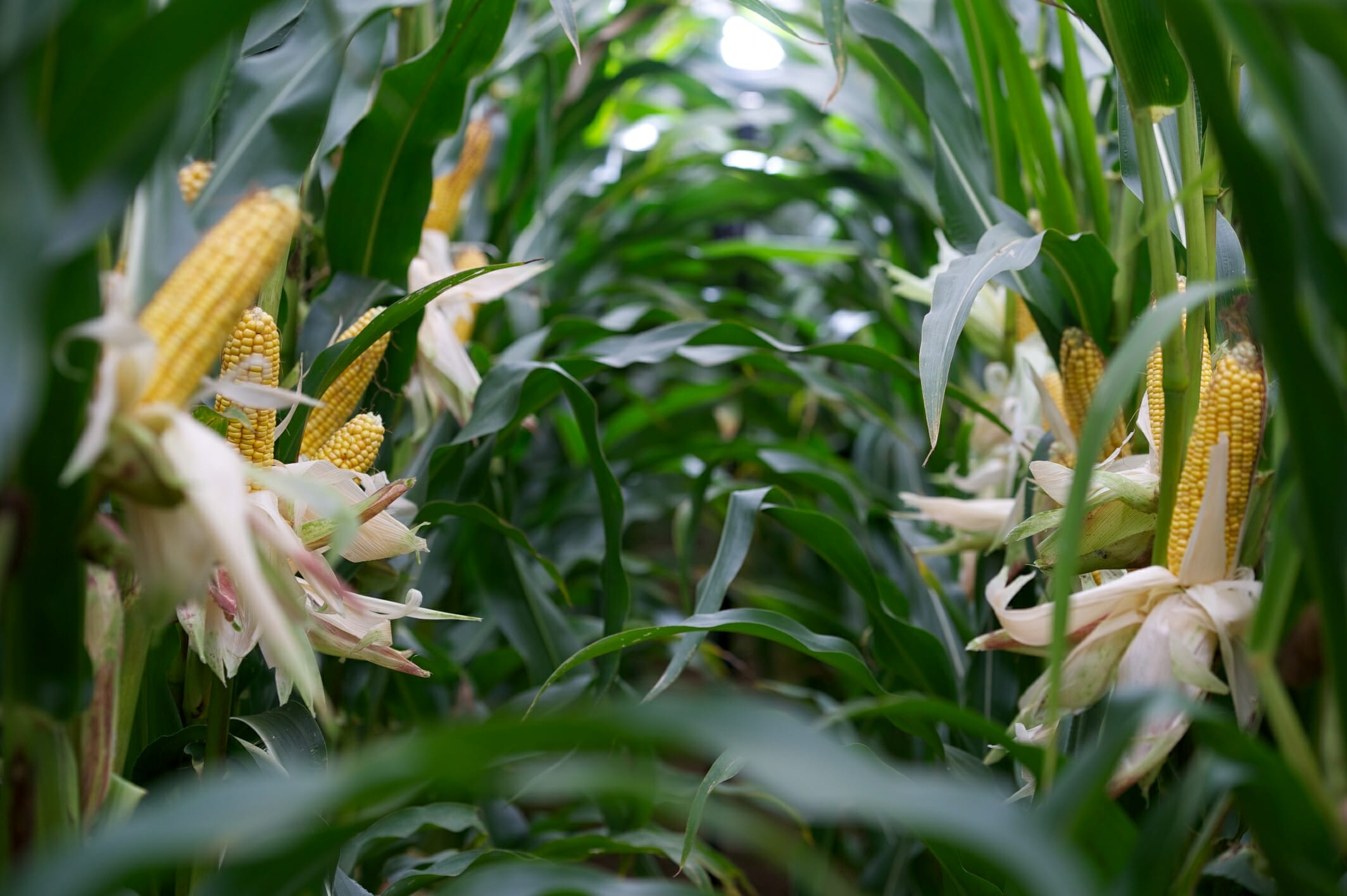
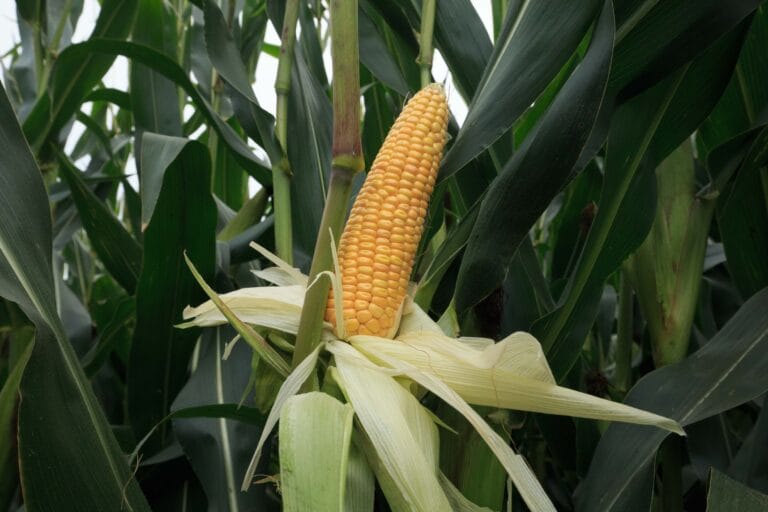
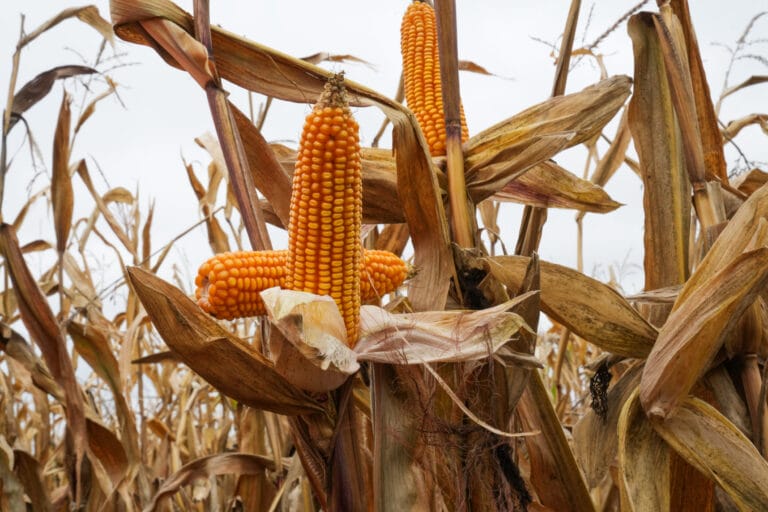
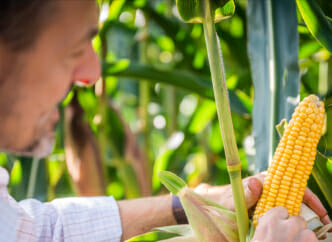
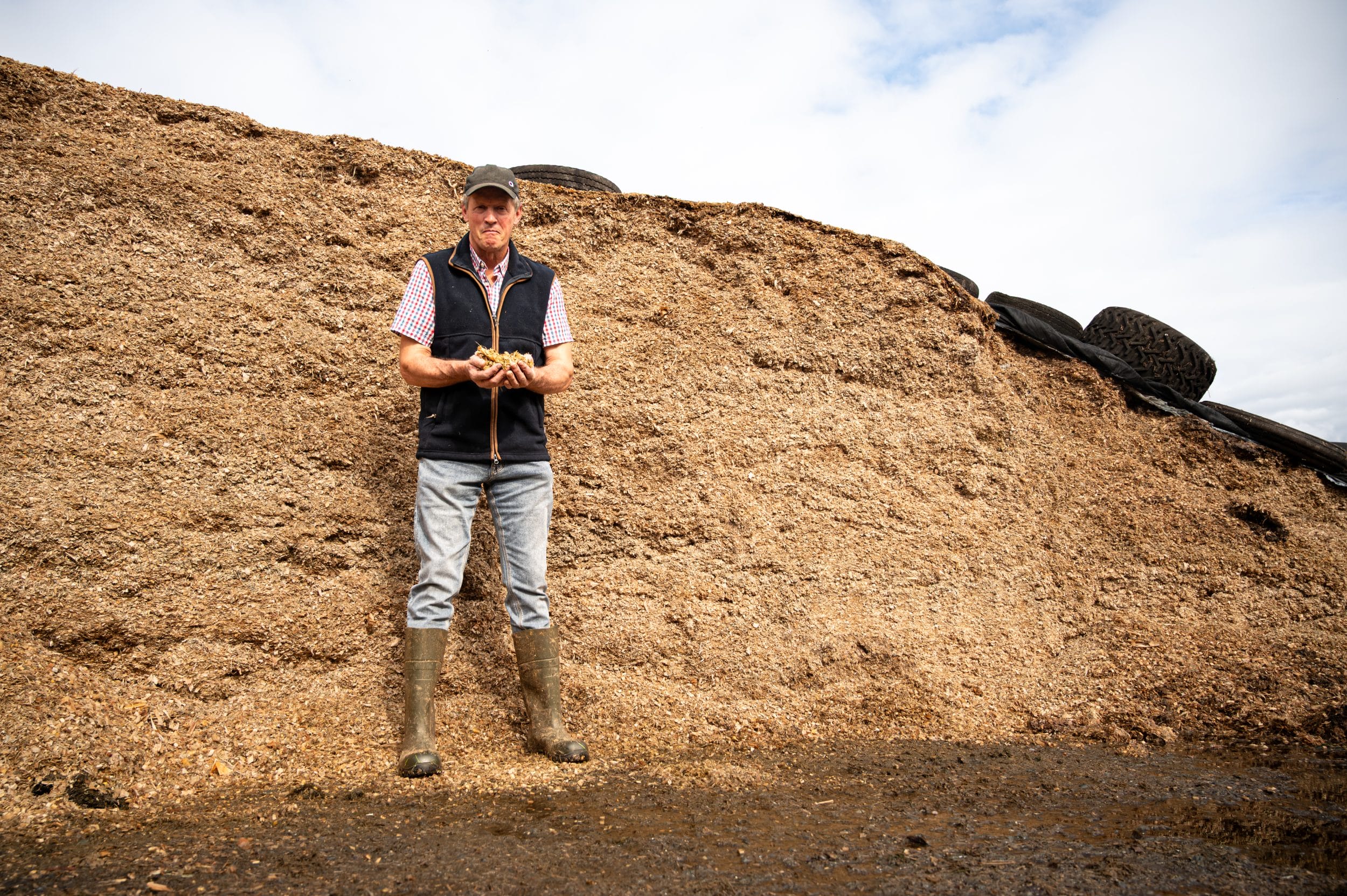
“The crop was ready to harvest in the first week of September, with really big hard cobs but with still plenty of green in the plant. We are waiting for the forage analysis, but it looks like the kind of silage that will deliver the high starch feed that will keep the cows milking.”
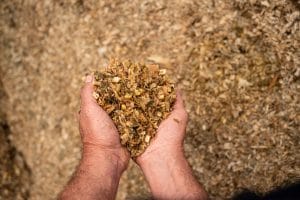
Tony is confident the maize silage will deliver a high starch feed for his feed.
The early harvest has allowed an Italian ryegrass / Westerwolds ‘fast-grass’ crop to be established at an optimum time, which could provide winter keep for sheep, as well as multiple silage cuts next year. It’s also important in avoiding bare fields over winter, which would put the land at risk of soil erosion and nutrient leaching.
“It’s far kinder to the land if you can establish a crop after maize, and the earlier maturing varieties allow us to do that relatively easily in most years,” adds Mr Wilson.
The maize crops at Church Farm always benefit from plentiful applications of slurry and yard manure in the spring, with this being followed by ploughing, sub-soiling and power harrowing before drilling in the first week of May.
“Making full use of the slurry and muck that we have on the farm allows us to grow maize with relatively low levels of artificial fertilisers,” says Mr Wilson. “We do use some specialist fertilisers ‘down the spout’, which includes some trace elements, but don’t apply any artificial nitrogen.”
Other inputs are kept to a minimum, with only a pre-emergence herbicide applied routinely, with any post-emergence sprays used in a small proportion of crops, when required.
Growing a variety like LG 31.152 also removes disease risks that can impact on harvest, as it has been bred with good resistance to common threats such as fusarium, smut and eyespot.
“By growing maize, as efficiently as we can, we are underpinning the ration with a highly cost-effective feed,” Mr Wilson concludes. “Furthermore, maize is giving cows that extra level of high starch nutrition that ensures we are maximising our yields. Without maize, we’d be buying in a lot more from off the farm to replace it, at great cost.”