









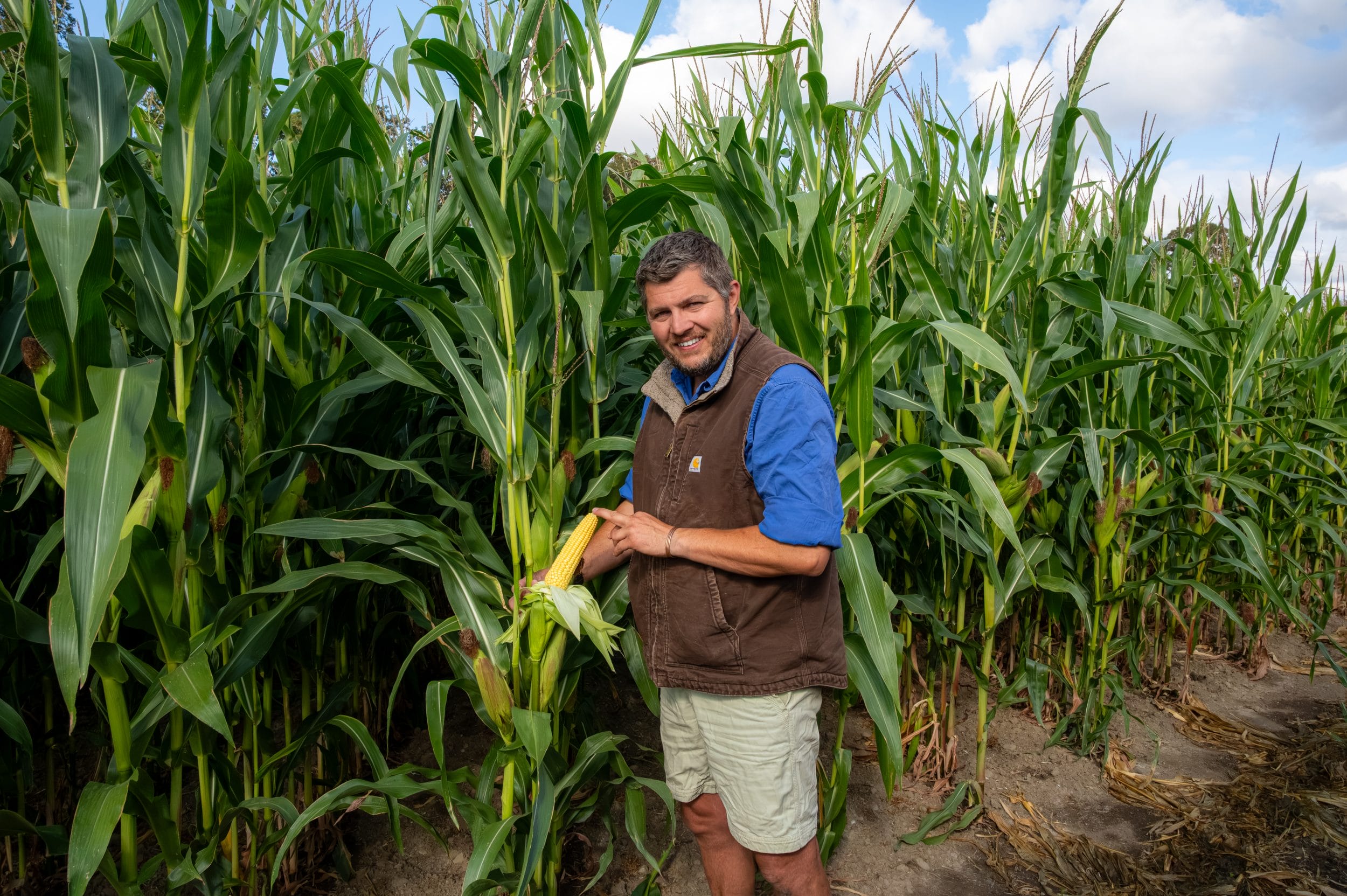
Maize is at the heart of a successful collaboration between the in-hand farming operation and tenanted farms on the Wynnstay Estate, near Wrexham, with modern varieties being key to delivering the significant benefits that are keeping both parties committed.
Two tenanted dairy farms now buy up to 250 acres of standing crop from the estate land managed by Agrii agronomist Ben Burgess, allowing them to focus on growing grass in the knowledge their alternative forage supply is in good hands.
As a grower, Ben is content having a market close to hand, whilst recognising the benefits within his rotation of an effective break crop.
A price per acre is agreed each year, once a crop is established, with all the seasonal variables taken into account. As with any negotiation, there has to be give and take, but mutual respect and understanding, as well as the crucial benefits of maize to both businesses, are making sure the arrangement continues.
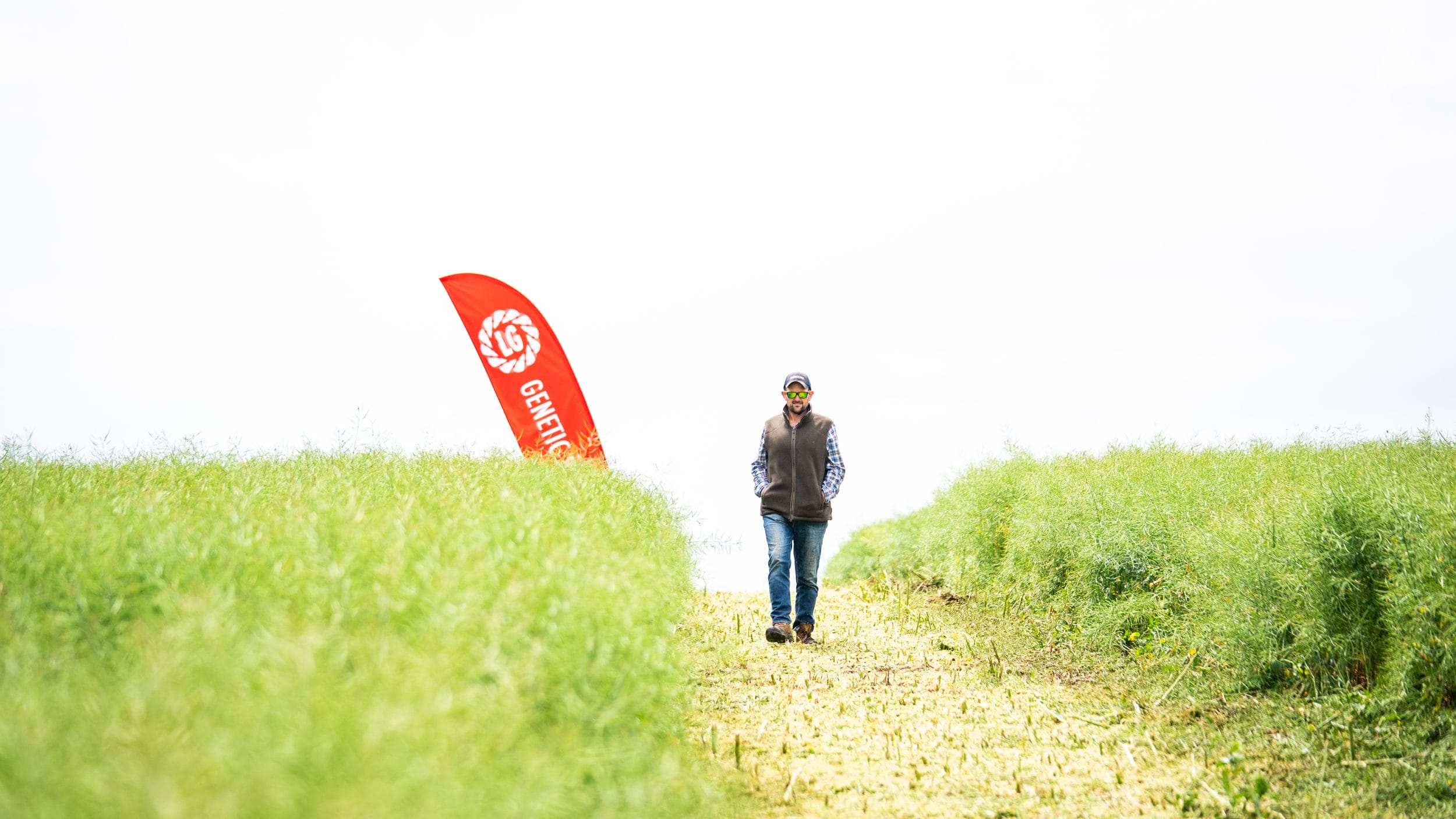
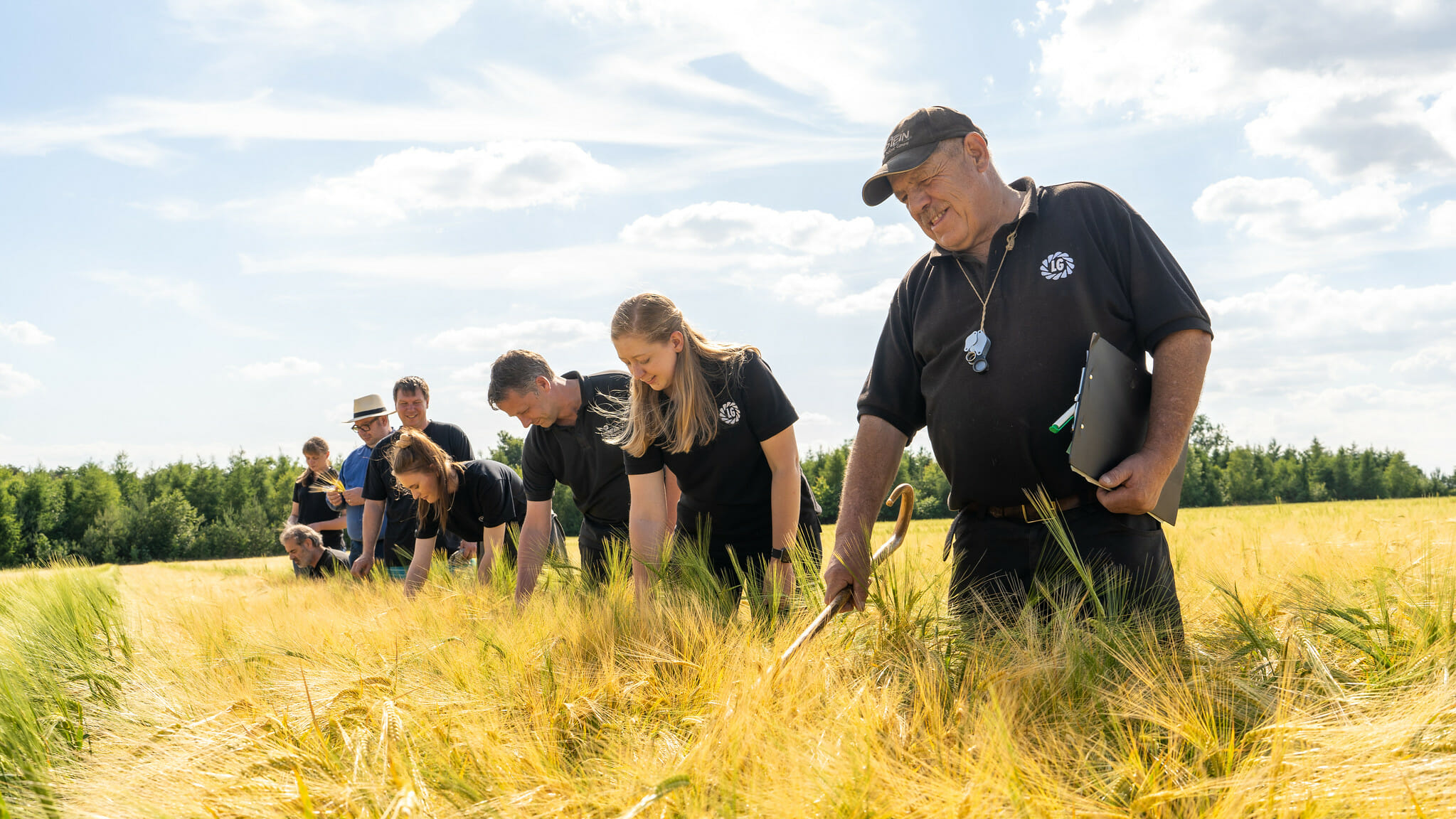
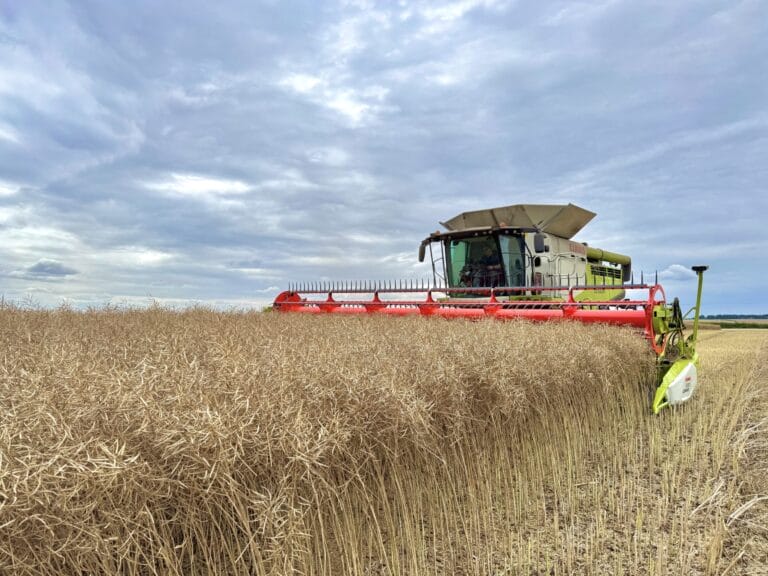
Ben, who manages around 600 acres of the non-tenanted land on the Wynnstay Estate, first considered maize as a cropping option to replace oilseed rape in his rotation.
“Flea beetle was an increasing problem with oilseed rape, so we were looking for an alternative,” he says. “Maize was an option, and the fact that two dairy farms on the estate had demand for forage made it more attractive.
“We’ve now replaced all the oilseed rape, and oats, with maize, growing around 250 acres each year, alongside a similar acreage of first wheats. It’s working well, alternating the two crops, with the box muck and slurry that we get back as part of the agreement doing a lot for soil fertility.”
Successfully establishing winter wheat following maize is an important element, so Ben – who advises on everything from cultivation techniques to cropping options within the rotation on his managed land – initially prioritised very early maturing varieties. He has in the past few years, however, moved to slightly later maturing options, achieving a better all round outcome.

Ben chose Harmony based on its strong performance in trials.
“First and foremost, the aim is to grow the biggest and best quality crop of maize,” he says, “but it needs to be off in time to get the wheat in. We found with some very early maturity material that we weren’t achieving the yields, and – whilst we are paid for a standing crop rather than yield – we still strive to offer the purchasers the best crop we can. As a result, we’ve now moved to Limagrain varieties that deliver both the early harvest and a bumper crop.”
Initially growing Limagrain’s Gema, Ben has now turned to the new variety Harmony, which has performed to everyone’s satisfaction in the 2025 and 2026 seasons, despite drought conditions.
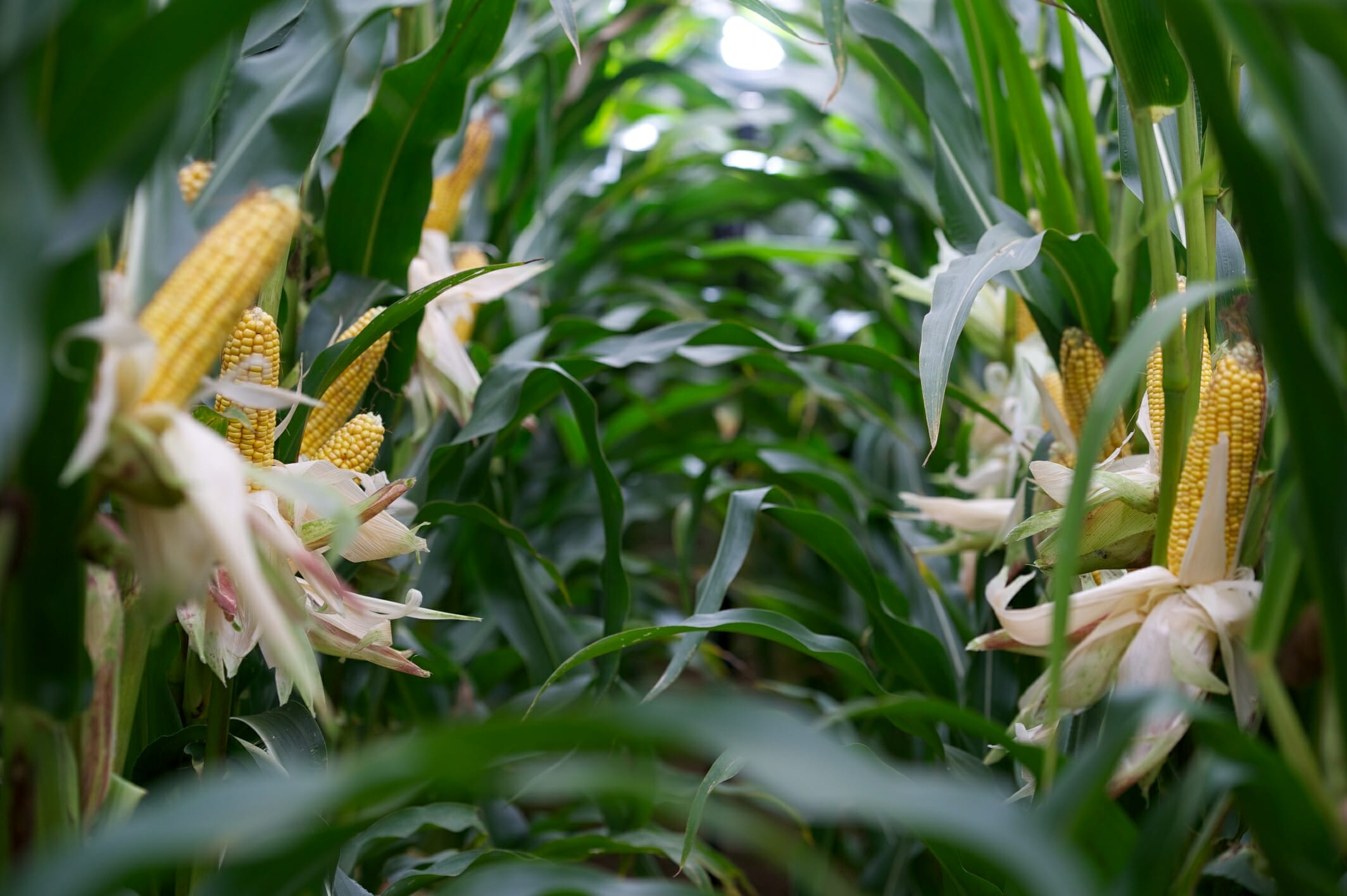
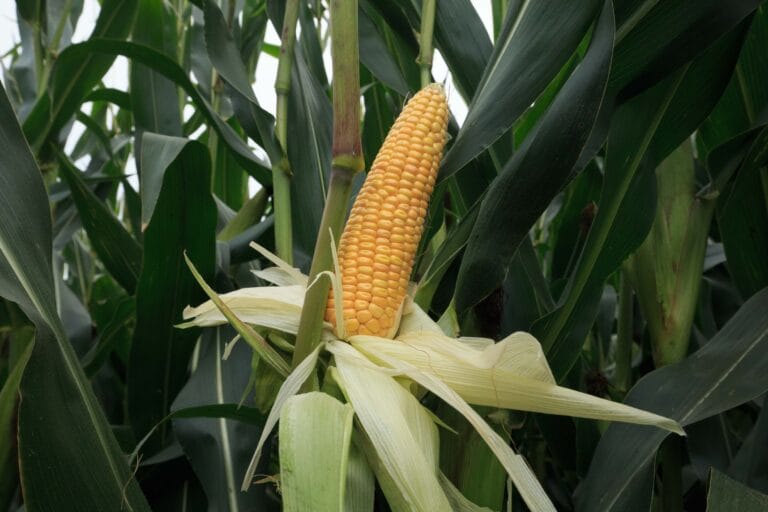
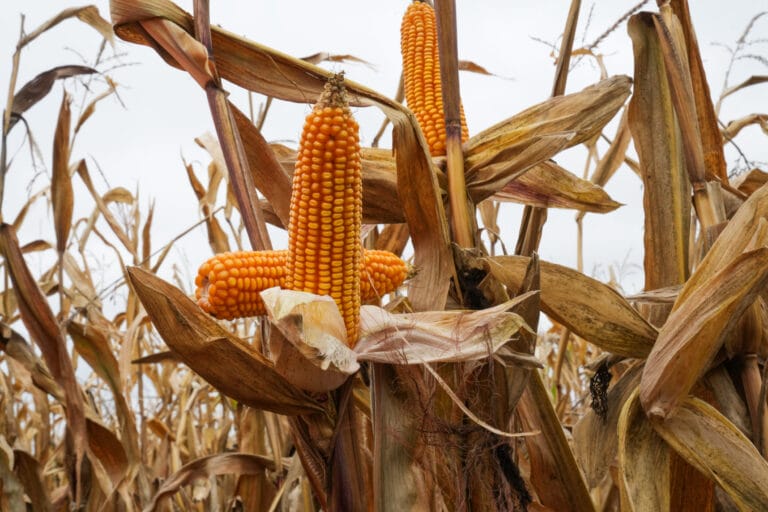
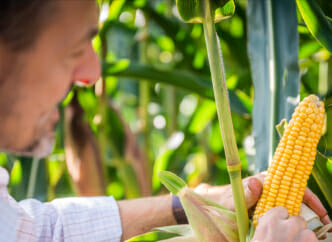
“Harmony is not one of the ultra-early varieties, having an FAO of 170, but from what I had seen in trials I was pretty confident it would do what we all needed,” he adds. “In the field, it has shown good early vigour, with the plants getting up and out of the ground quickly, and in the past two seasons it was ready to harvest by mid-September, producing big and fully mature cobs with the plants still retaining some greenness. The mid-September harvest meant we could drill winter wheat in good time, by the end of that month.
“Despite another dry year in 2026, the Harmony has averaged around 15-16t/acre, well above the UK average for this year. It’s a variety that could easily do 20t/acre, even 24-25t/acre, when conditions are favourable.”
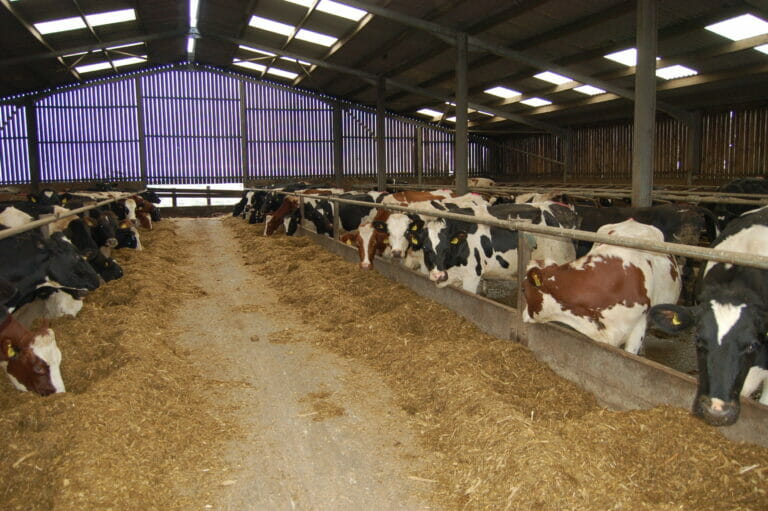
Yield is of course important for the purchasing tenants, but so is the feeding quality. One of the recipient farms milks around 300 cows, yielding just over 9,500 litres/lactation, and maize silage plays an increasing role in the milking ration.
It has been fed alongside grass silage at around a 60:40 ratio in favour of grass, but the maize component is increasing to closer to half the ration.
Analyses are still to be carried out on the 2026 crop, but are anticipated to be similar to the high starch forage achieved in 2025, which – alongside high quality grass silage – helped to underpin production, pushing butterfat levels above 4.5%.

Despite the drought, Harmony averaged around 15-16t/acre, well above the UK average for this year.
Maize has become a key component of the milking ration, but is also fed to the youngstock. With everything retained on the farm, either as dairy replacements or for beef, there are 900-1,000 head of cattle on the farm, so there is high demand for quality forage. This also means the farm produces a lot of muck and slurry, a lot of which is going back onto the maize ground.
As Ben acknowledges, the manure delivers a lot back to the soil, not only feeding the maize but also helping the first wheats that follow produce the best gross margins.
“Having the slurry and box muck is a big advantage, providing a level of soil nutrition that we can then build on and balance with other inputs,” he adds. “This typically includes a microgranular fertiliser in the seedbed and foliar-applied formulations, including some slow-release nitrogen as well as manganese, zinc, magnesium and potash for example.
“With the weed control, we’re typically targeting thistle and crane’s bill, for example, but also blackgrass, which is helping to minimise the challenge in the wheat.”
As an experienced agronomist, Ben will continue to fine-tune his maize growing methods, seeking the optimum seed rate to suit a given variety, considering variable rate drilling, and exploring how best to manage ground over the winter months.
For the 2027 season, he’ll certainly be growing Harmony again, such has been it’s performance over the last two challenging seasons.

About The Author

Tim Richmond
Maize Product Manager