


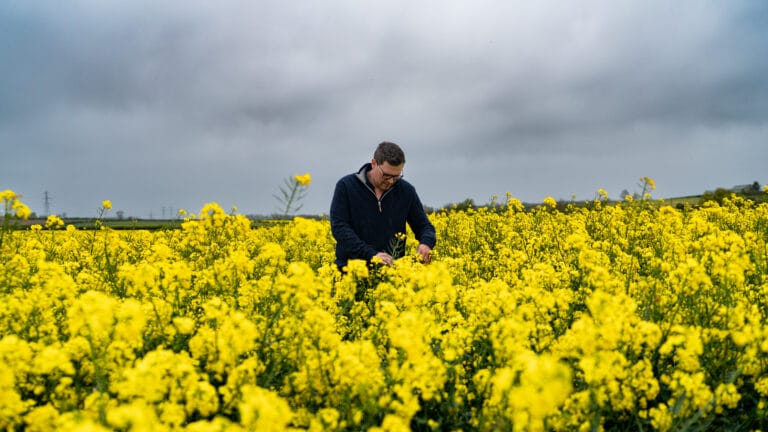




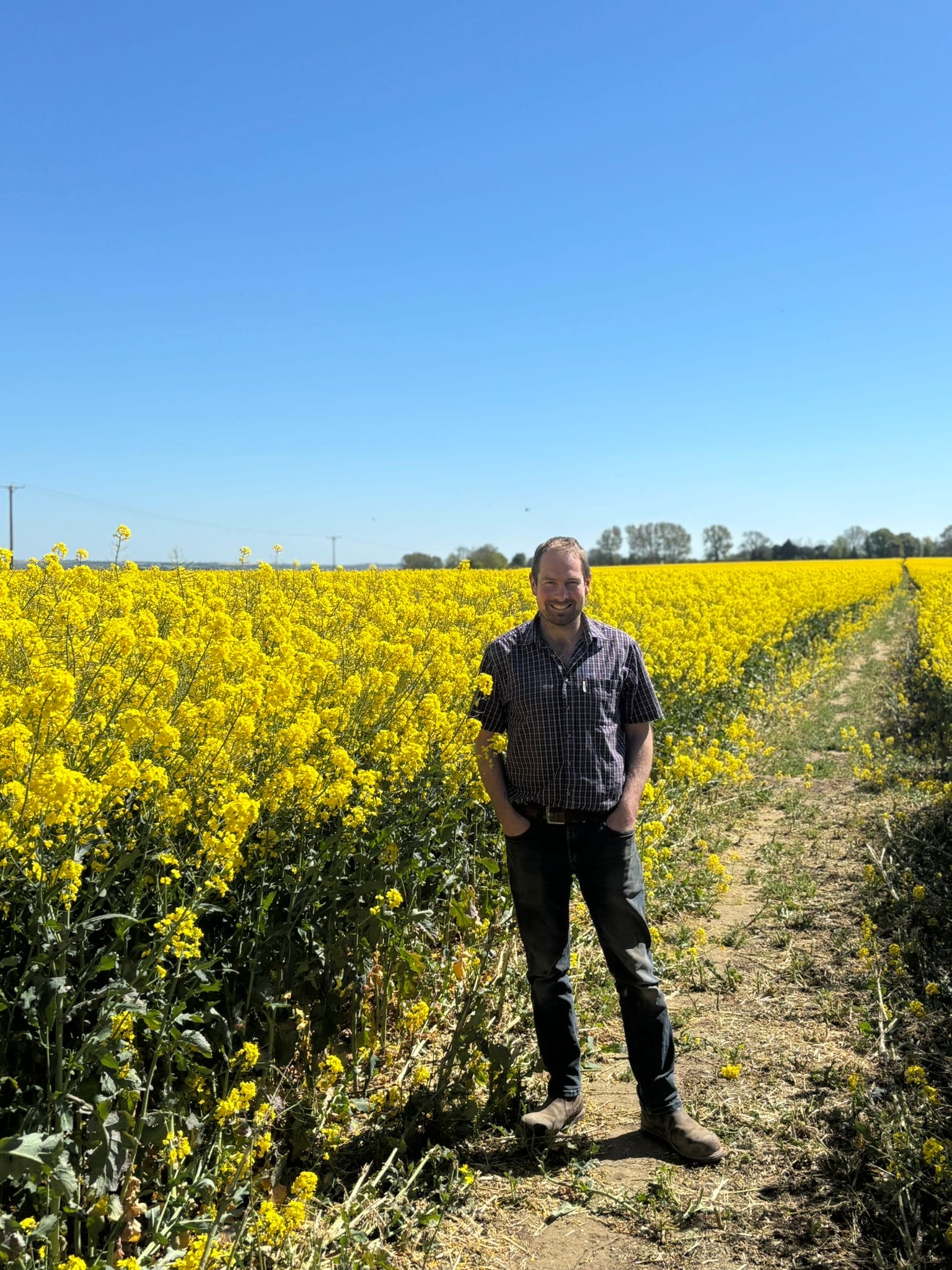
With a first oilseed rape harvest in three years safely in storage, Lincolnshire grower David Bristow is pleased with the outcome and has already committed to at least maintaining his acreage for 2026-27.
Like so many growers, he was forced to take a break from the crop following years of battling flea beetle, but has been tempted back by plant breeding developments, including greater resilience to CSFB.
He has grown 52ha of LG Avenger, recording a finally verified yield of 4.04t/ha, with moisture content between 7 and 9%. Whilst being at the lower end of his mid-season expectations, he’s very satisfied, not least given the impact of the exceptionally hot and dry conditions leading up to harvest.
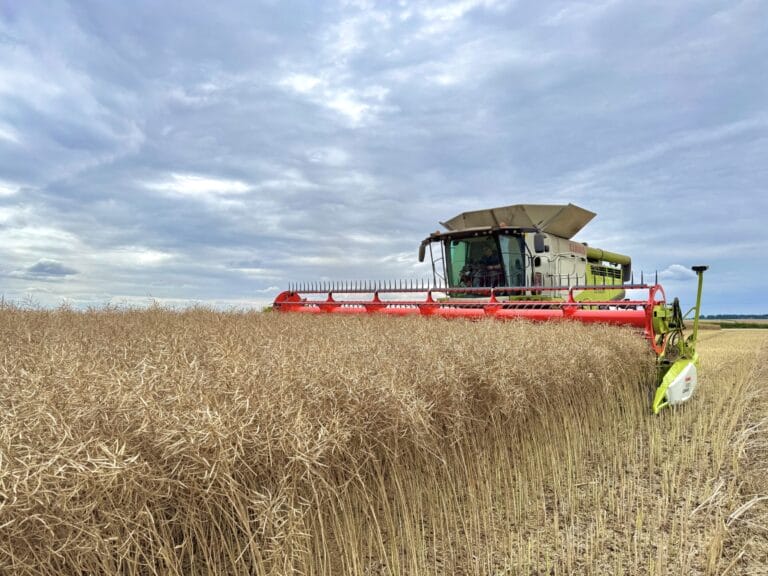
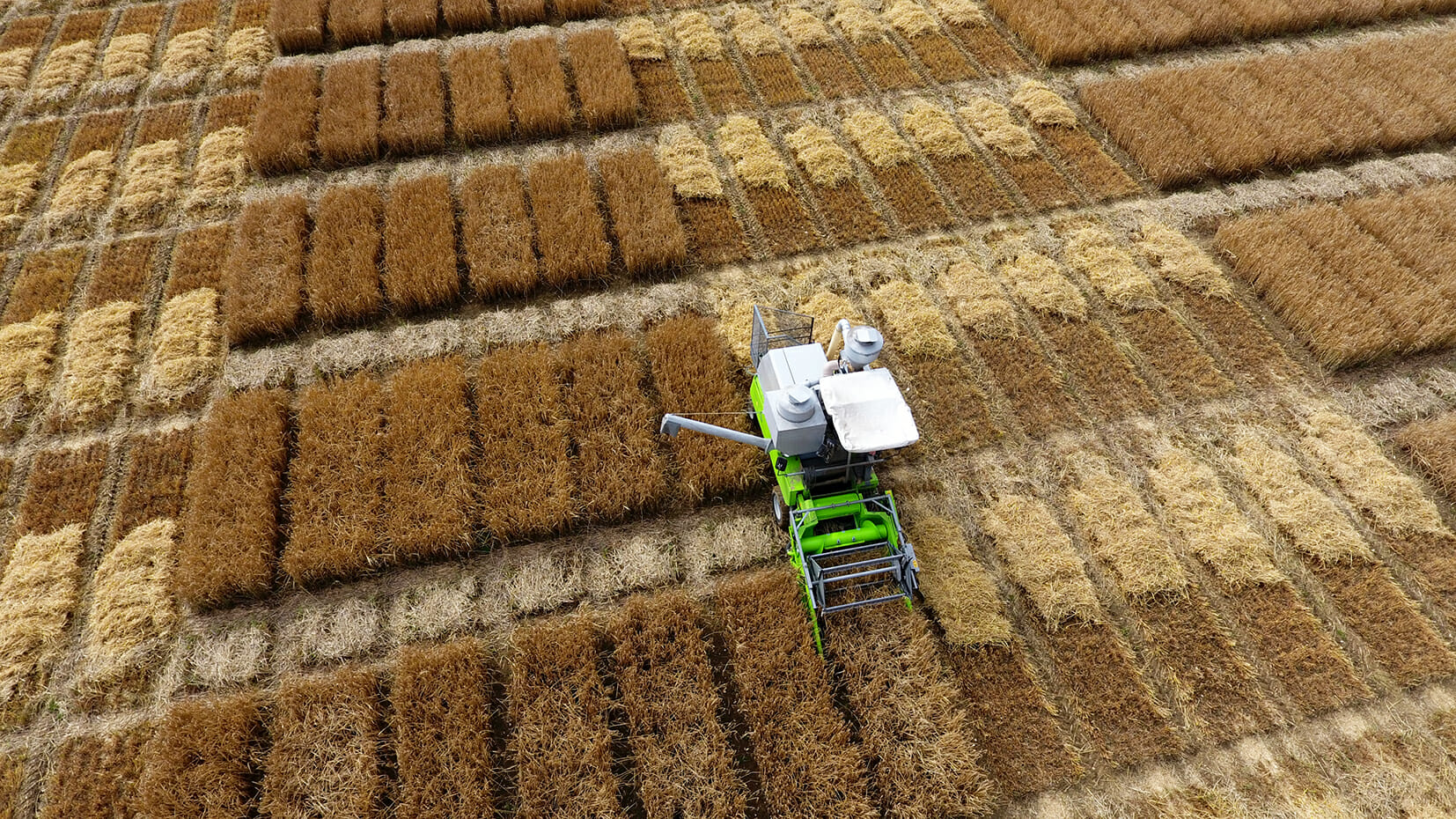
“We harvested the oilseed rape on the 10th and 11th of July, which would be a week to ten days earlier than normal for us,” he reports. “Given the rate at which the crop dried, which may have caused some issues with the desiccation, it was a relatively easy harvest.”
Farming at the 650ha Stourton Estate, on the edge of the Lincolnshire Wolds, David is pleased to have a viable oilseed rape crop back in his rotation.
Following winter barley, the crop was drilled in the last week of August. Stubbles were cultivated with a low disturbance subsoiler before drilling with the farm’s Horsch Avatar at 2.6 kg/ha, alongside a companion crop of buckwheat (5 kg/ha) and a surface dressing of 150 kg/ha of DAP fertiliser.

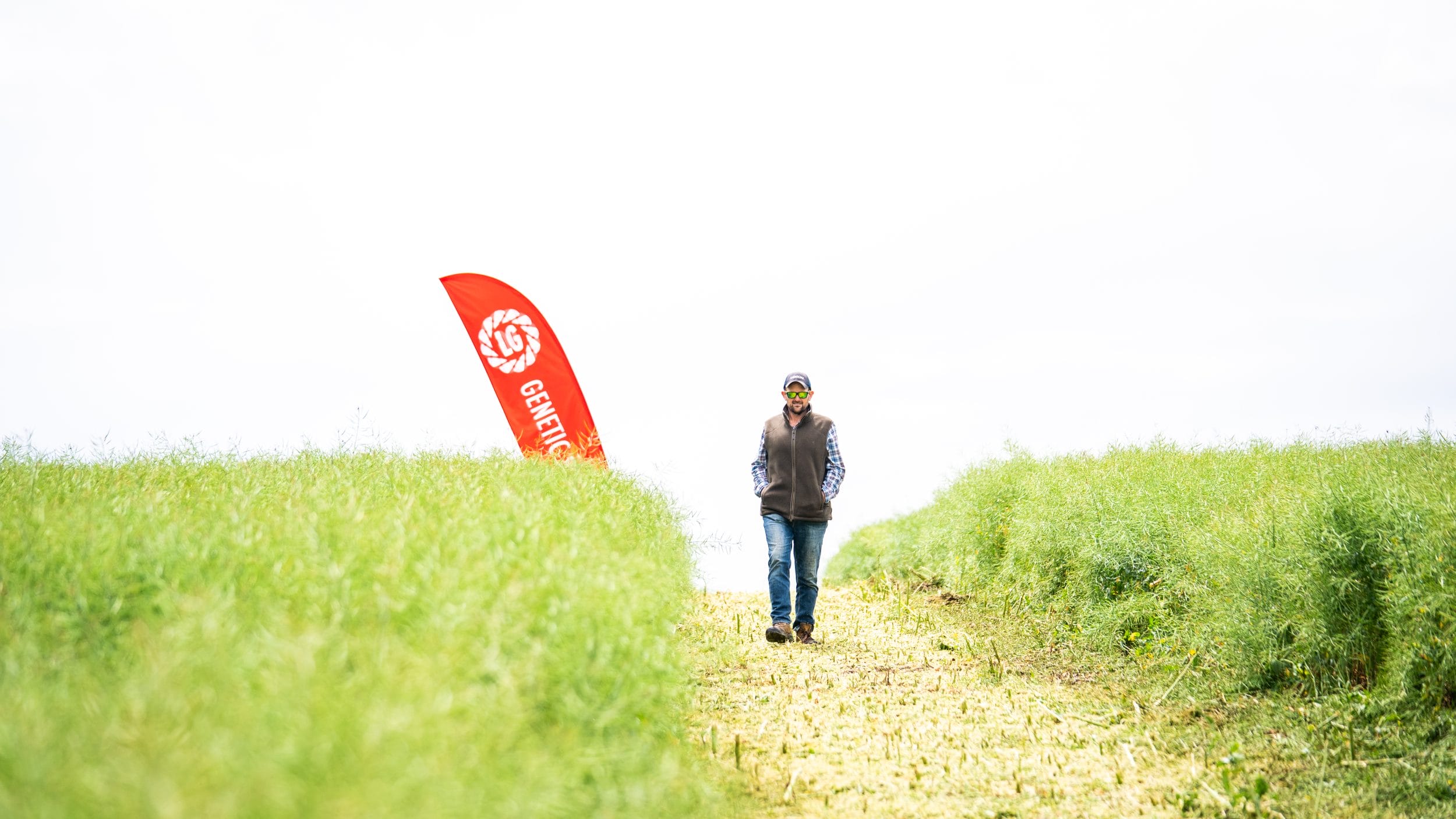
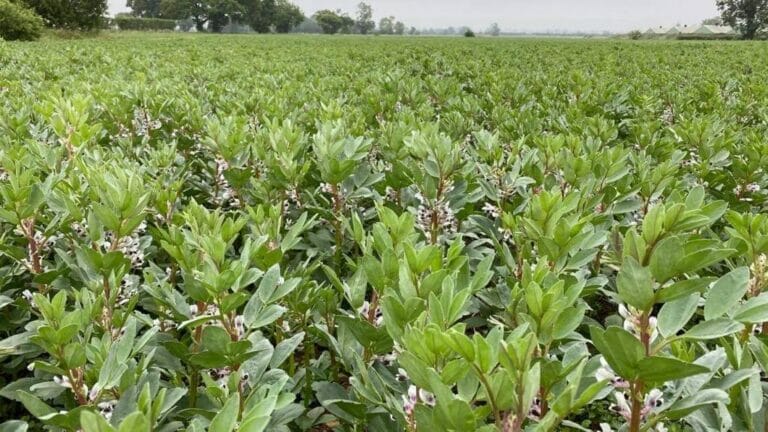
LG Avenger established quickly and evenly at Stourton Estate, helping Mr Bristow achieve a successful return to oilseed rape.
Waiting for moisture before drilling paid dividends, as the LG Avenger was up and away quickly, with the drill achieving an even seed depth and excellent establishment.
An absence of the classical ‘shot-holing’ in the autumn was noted, and – as larval assessments in the spring confirmed – CSFB pressure was generally fairly low. This was despite no insecticides being used on the farm for the past six years, with a large area now under the SFI no insecticide action (CIPM4).
Nevertheless, Mr Bristow is very aware that CSFB remains a threat to oilseed rape, so has been keen to do all he can to mitigate the risks when coming back into the crop. This includes selecting LG Avenger, for it’s CSFB resilience, alongside the other management practices.
“A number of small things around establishment have added up to make a significant difference,” he says, “as has the right nutrition to boost spring growth.”
“We only applied two fungicides in the spring, and nothing last autumn, as the combination of LG Avenger’s phoma resistance and our careful disease monitoring was enough. Crops just never reached the threshold for treatment.”
Pod shatter resistance is another trait Mr Bristow has valued, especially as the tractor and trailed sprayer used for desiccation lack the ground clearance of self-propelled machines.
“LG Avenger has been a nice variety to grow, yielding well from a relatively easy harvest,” he concludes, “so we’re happy to be growing it again next year.”
About The Author

Florentina Petrescu
OSR Product Manager