




High-Quality Maize is Driving Exceptional Dry Matter Intakes in UK Dairy Herds
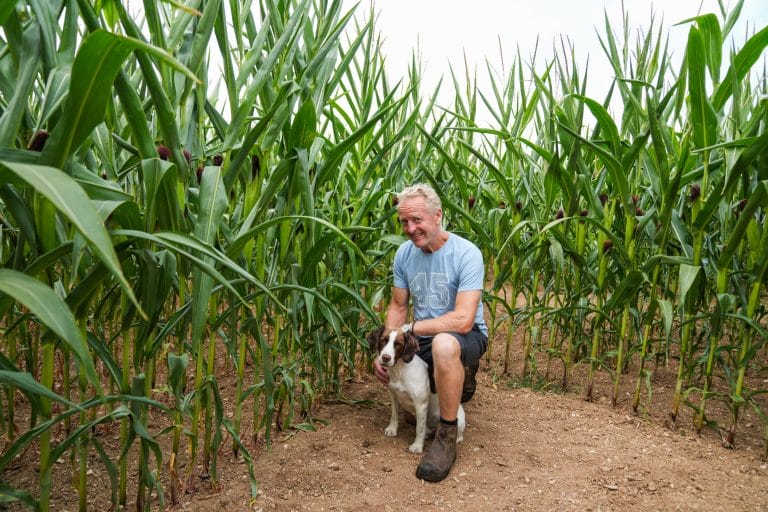
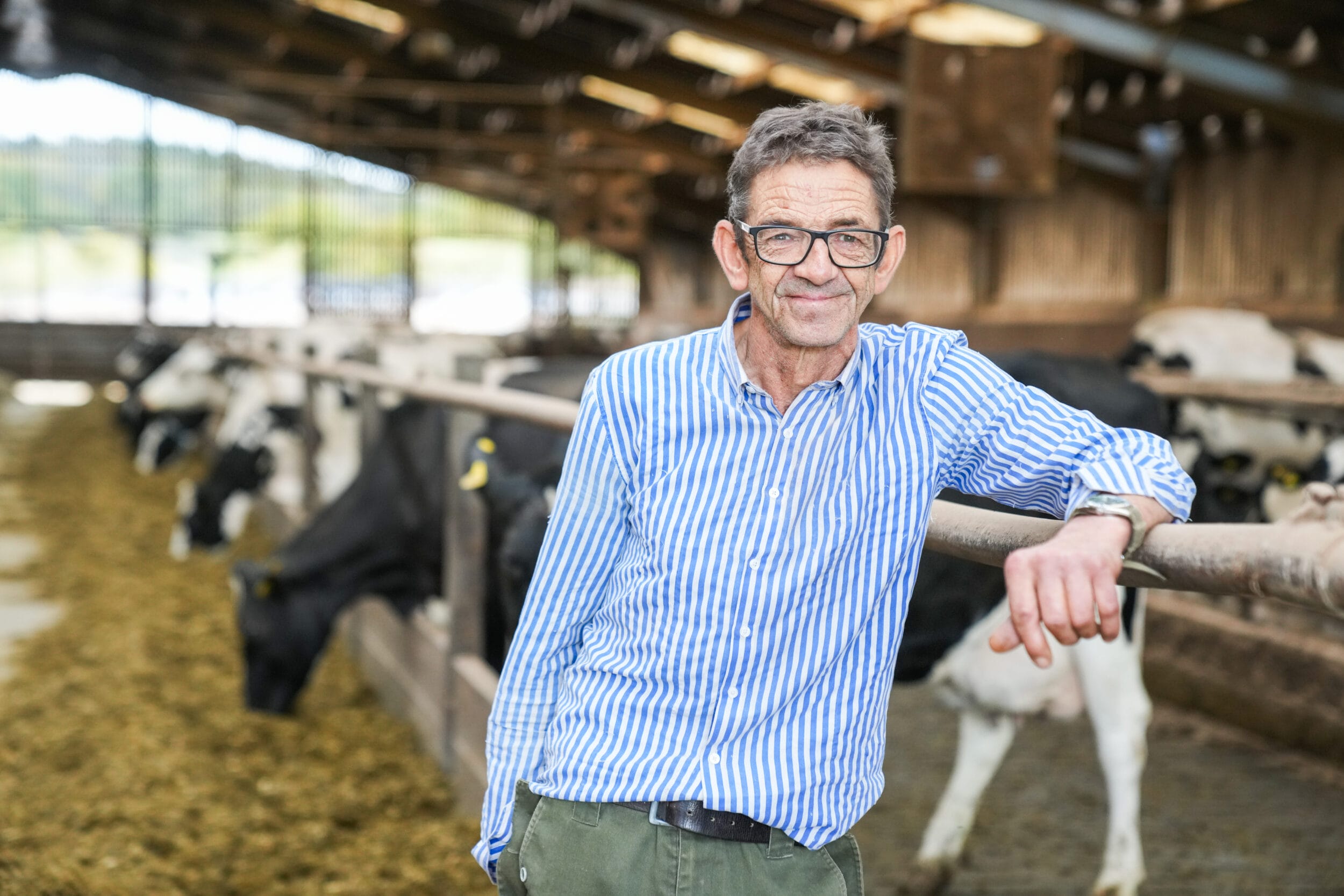
For Somerset dairy farmer Andrew Bristol, dry matter intake is the key parameter as he seeks to maintain performance in his 240-cow high yielding Holstein Friesian herd.
At an impressive 27.1 kg DM/cow/day with the full ration included, he is on target, driving yields of 11,400 litres/cow and with an improving milk from forage figure sitting close to 3,500 litres/cow.
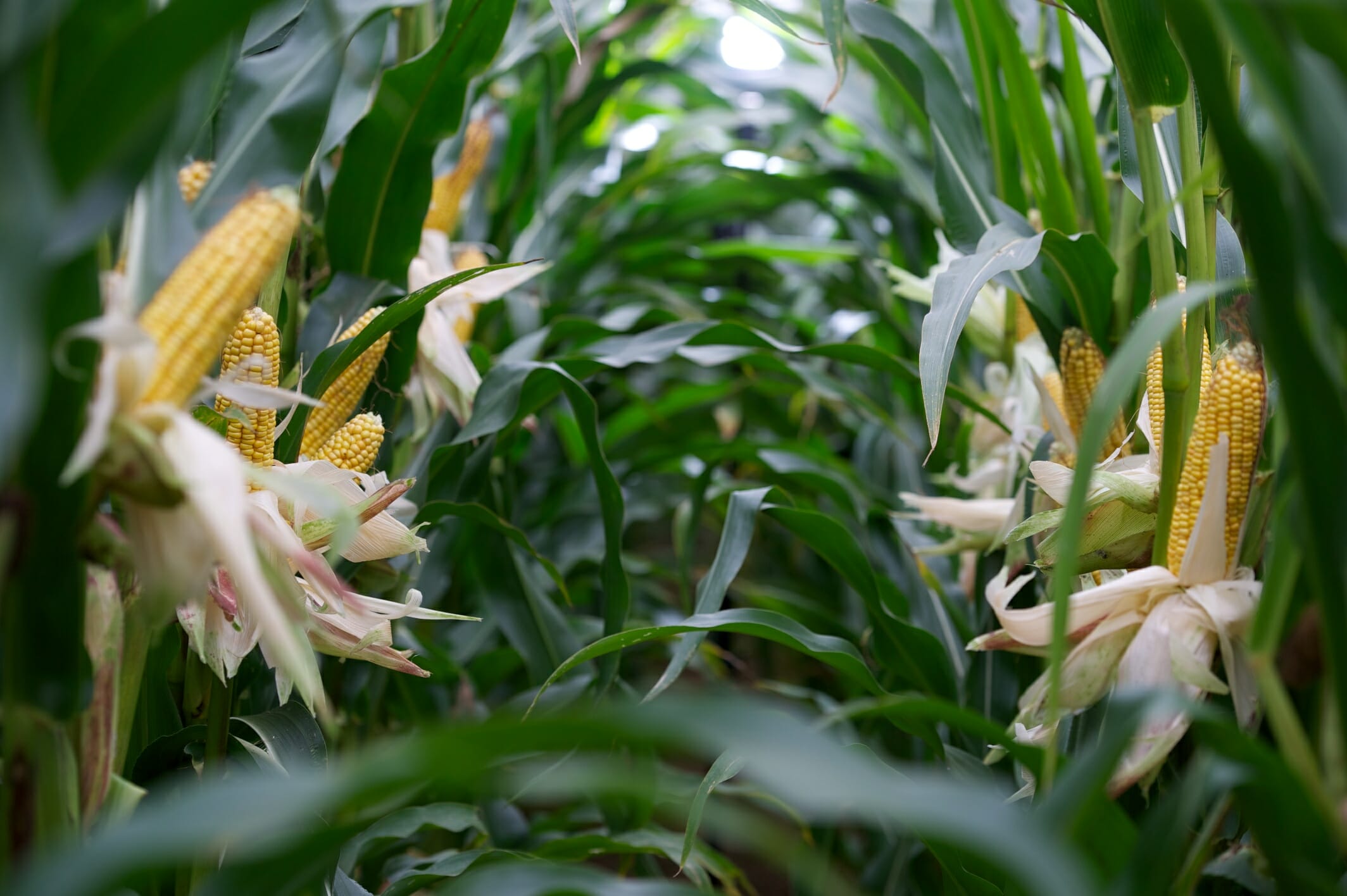
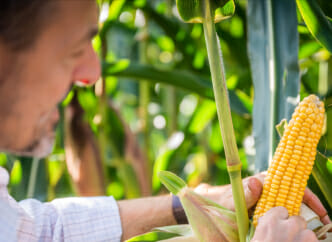
Though it makes up only around twenty percent of the dry matter in the ration, high quality maize is an essential element, giving much needed balance alongside grass silage, and boosting the energy levels of the forage component.
“Intakes, intakes, intakes … that’s my mantra,” says Andrew. “I am a great believer in giving the cows variety in order to stimulate intakes, and maize certainly delivers that, and more. If we could grow more maize and increase the proportion in the ration, we would, but most of our land is simply too heavy. Improvements in maize breeding are certainly helping, so the contribution is growing, and perhaps in the future we’ll be able to increase from current levels.”
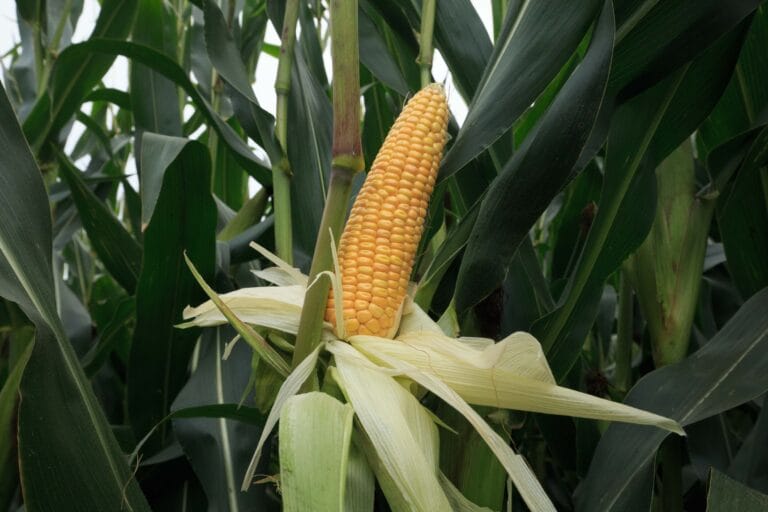
Maize is an essential part of the milking ration, offering an ideal balance to the grass silage and helping to drive intakes.
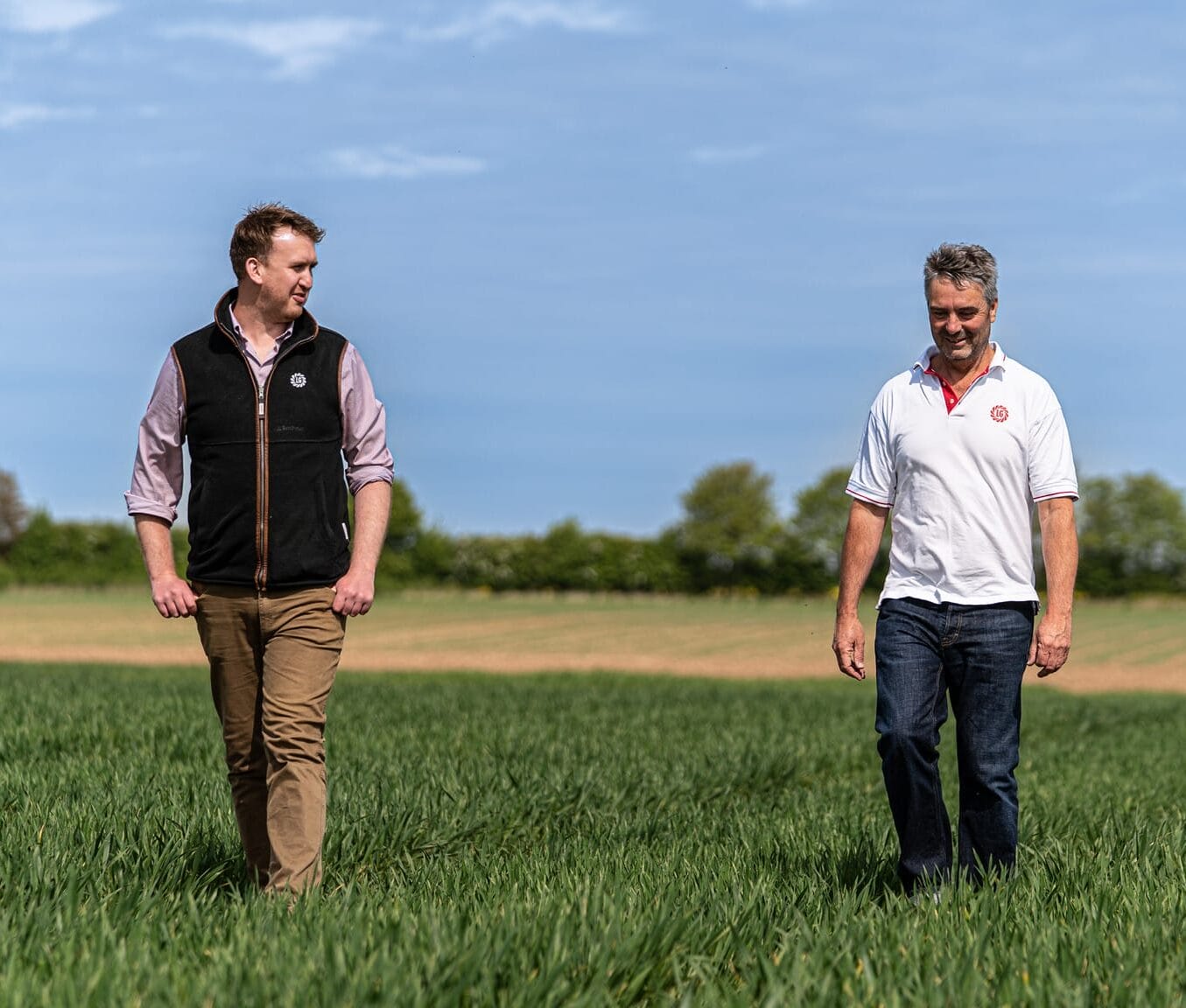
Based at Greenlands Farm, near Wincanton, Andrew operates a relatively simple dairying system, with just himself and one herdsman employed. Running a flying herd, and calving all year round, with grazing only for the later lactation cows, the focus is primarily on management of the cows and their housed ration, with full reliance on contractors when it comes to maize growing, for example. Andrew also works with Pearce Seeds agronomist Ben Allard, who is involved not only in maize variety selection but also has a valued input throughout the growing process.
“Given the heavy wet clay soil type on most of this farm, we are looking for very early varieties in order to achieve a mature crop in the shortest window, to avoid harvesting in wet conditions that can result in soil damage and erosion,” says Ben. “On Andrew’s heaviest ground, we grew Limagrain’s new ultra early variety LG 31.152, the earliest he’s ever grown. This variety yields very well and also benefits from good early vigour, so the crop was up and out of the ground very quickly, resulting in a good start that proved particularly important this season. On the lighter ground, we grew the slightly later variety Dignity, another Limagrain variety with good early vigour and strong agronomic characteristics, and very high yielding.”
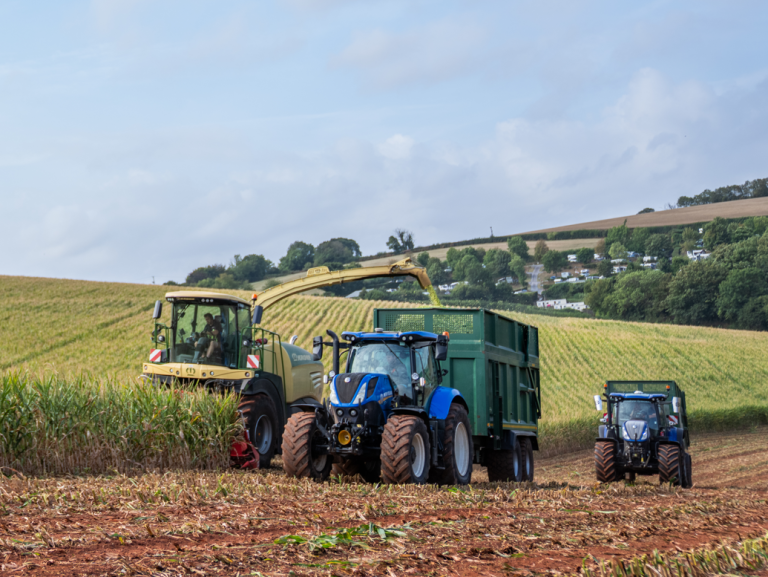
The good start culminated in a very impressive outcome, with maize being harvested at the end of August, a full month earlier than usual, and the overall average yield across the farm’s sixty acres averaging around 18 tonnes per acre.
“Our yields were slightly up on what we normally expect,” reveals Andrew, “and the LG 31.152 most certainly contributed to that, despite being a very early variety. From an early forage analysis, the dry matter percentage is a little lower than optimal at 29.0%, but a starch level of 33.4% and ME of 11.7% are where we want them to be.”
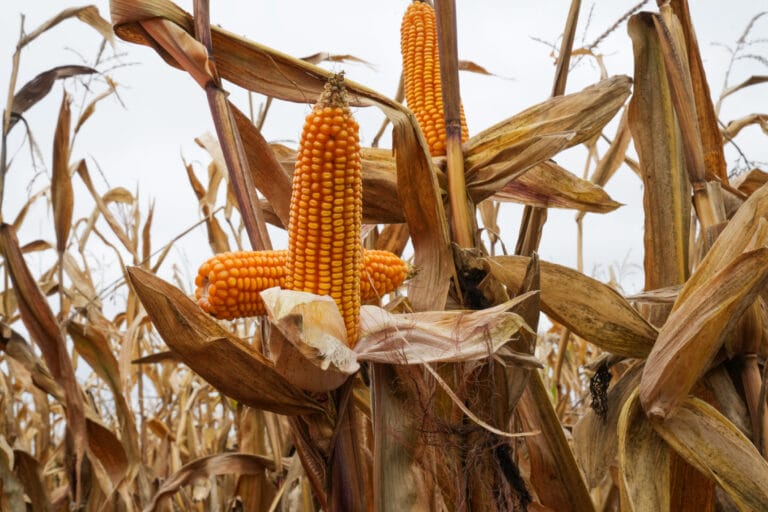
Maize yields at Andrew Bristol’s Greenlands Farm were higher than usual from a harvest that was around a month earlier than the norm.
Another factor that impressed Andrew was the stay-green characteristic of the varieties, something that has been a feature of Limagrain’s breeding programme for many years as it strives for better and better nutritional value in forage maize.
“To have a good hard mature cob whilst the leaves and stem are still green is a real benefit,” he says. “It means the crop ensiles better and the end result is a more stable and palatable forage for the cows. You can see it on the clamp face and in the cows’ intakes.”
Maize is grown as part of a rotation at Greenlands Farm that includes wheat, which all goes into the milking ration either rolled or caustic-treated. The ground destined for maize receives around 6,000 gallons/acre of slurry and 10 tonnes/acre of farmyard manure in the spring before being ploughed. Two passes with a power harrow are usually sufficient before drilling, with the heavier ground also being sub-soiled when necessary. Maize was drilled in 2025 on 26th April, when soils were still moist. Apart from pre- and post-emergence herbicides, the only other input is nitrogen fertiliser applied to the seedbed at 60 units N/acre.
The summer of 2025 proved to be a good one for growing maize, at least in Andrew’s area, but it was still a surprise to have a mature crop as early as the end of August. The fact that yields were slightly up on the norm underlines how modern maize breeding can deliver earlier maturity without compromising significantly on output.
Andrew began feeding the maize almost immediately, including it in a mixed ration alongside grass silage, a rape meal and protected rape blend, rolled and caustic treated wheat, minerals and yeast, fed once a day.
“It’s a key ingredient in the ration so I don’t like to be without it,” he adds. “There’s no doubt that having earlier varieties that deliver high yields is making the crop more viable on a heavy land farm like ours, which could in future mean we are able to grown more. In addition, qualities like stay-green help to add value when it comes to feeding out, not least in helping to drive those all-important intakes.”
Table: Typical fresh weight milking ration at Greenlands Farm
| Fresh weight (kg/cow/day) | |
| Grass Silage | 40.0 |
| Maize Silage | 17.0 |
| Rape meal / protected rape blend | 4.0 |
| Caustic Wheat | 4.0 |
| Rolled Wheat | 2.5 |