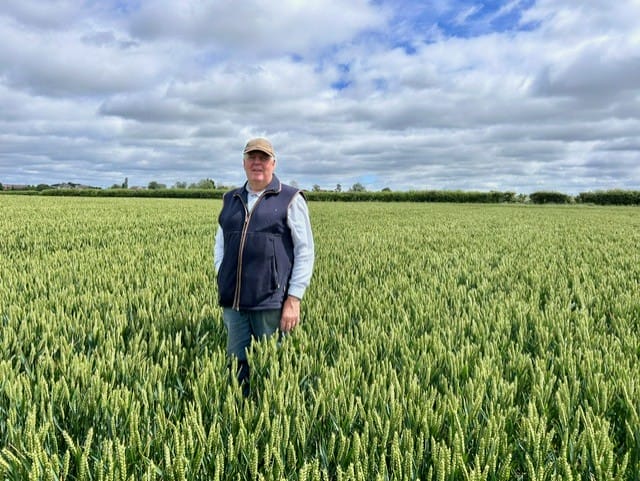
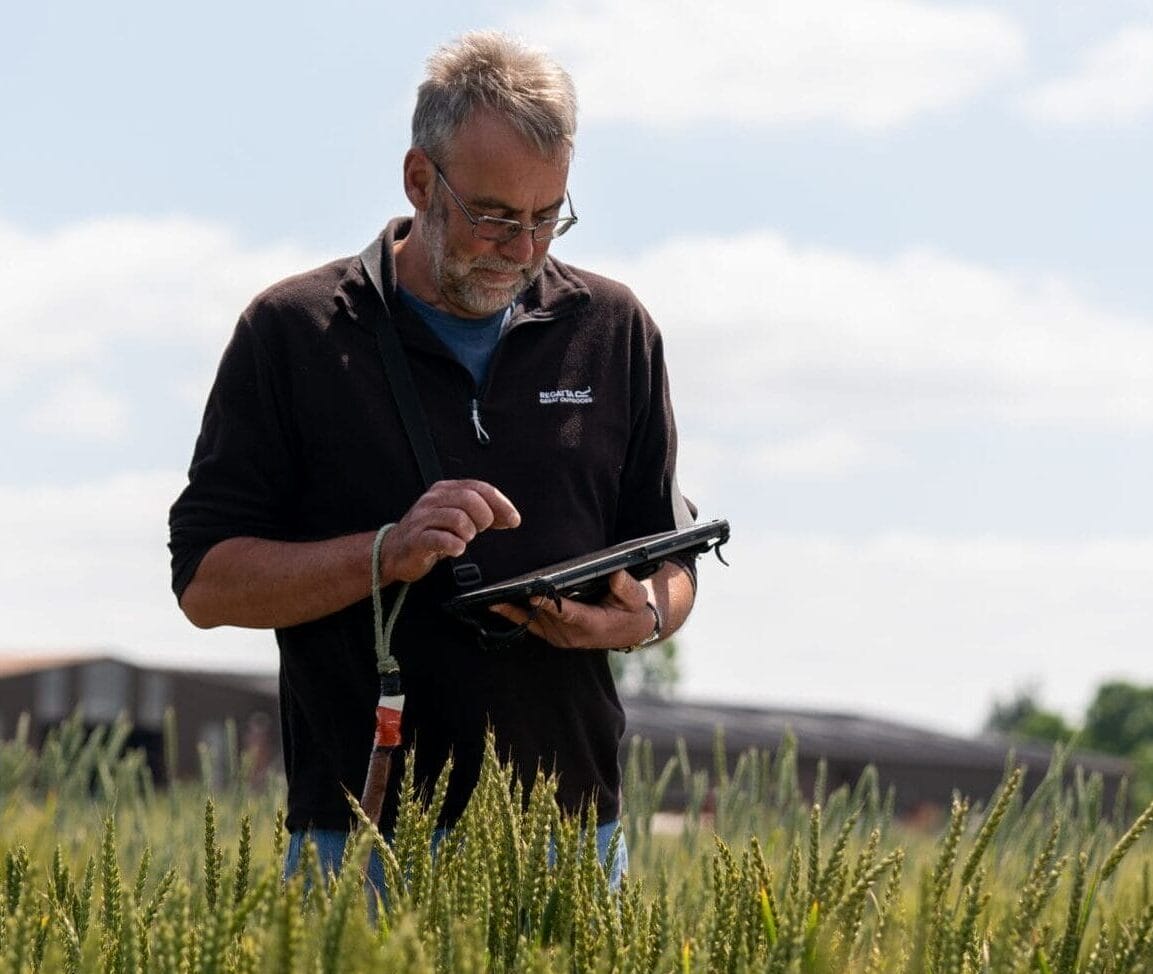
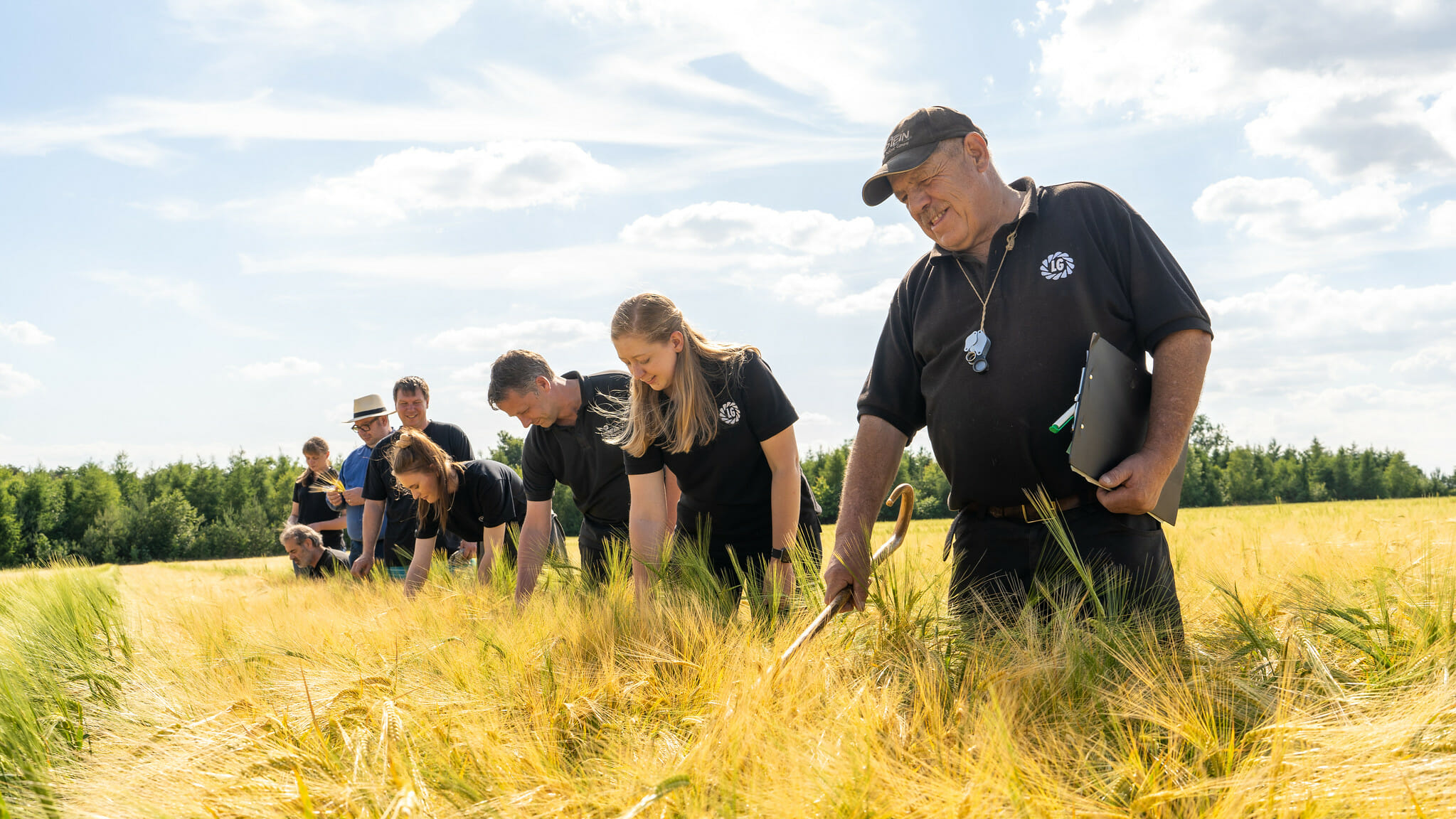







Independent crop consultant Pat Thornton, farms 150ha’s of arable land at Low Melwood Farm, Owston Ferry, North Lincolnshire, and has grown cereal and pulse seed crops for Limagrain for the last six years.
We asked him about the pros and cons of growing crops for seed.
What are the main benefits of growing crops for seed?
Growing crops for seed adds value to what I already grow across the rotation. It gives me a premium on top of a standard feed crop. One of the most exciting aspects is seeing new genetics in action before they become widely available. It’s great to be part of that development process and see how these new crops perform in real farm conditions. I have direct access to the breeder, which is invaluable for understanding the crop and getting expert advice. Seed crops are also collected relatively quickly at harvest, helping to move crops on faster; and this helps with cash flow.
Are there any challenges associated with growing crops for seed?
Yes, growing seed crops requires stricter quality control and attention to detail. There are specific requirements for purity and disease management, which means I must follow precise guidelines to meet standards. We have to be extra vigilant about weeds like wild oats, which can be an issue, and blackgrass, which is a particular challenge on my heavier soils. To manage this, I tend to grow seed crops on my cleaner fields.
Is storage capability an issue?
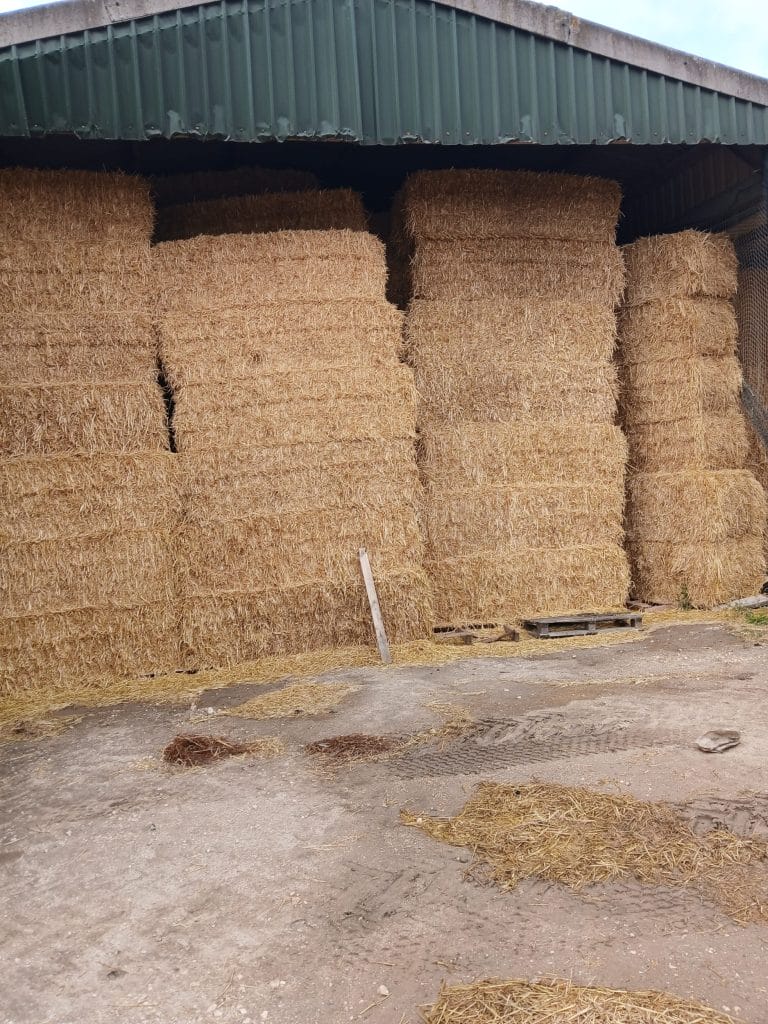
Storage is an important consideration because seed crops need to be kept separately to maintain purity. This means having dedicated storage space and ensuring it is well-managed to meet seed quality standards.
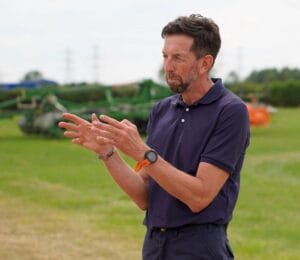
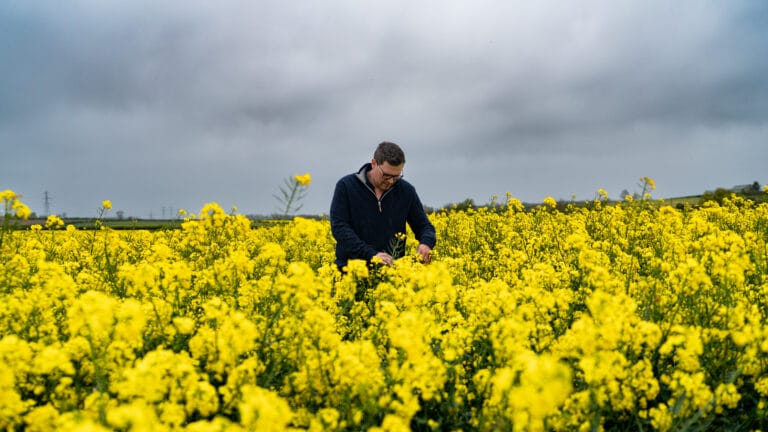
Pat Thornton of Low Melwood Farm.
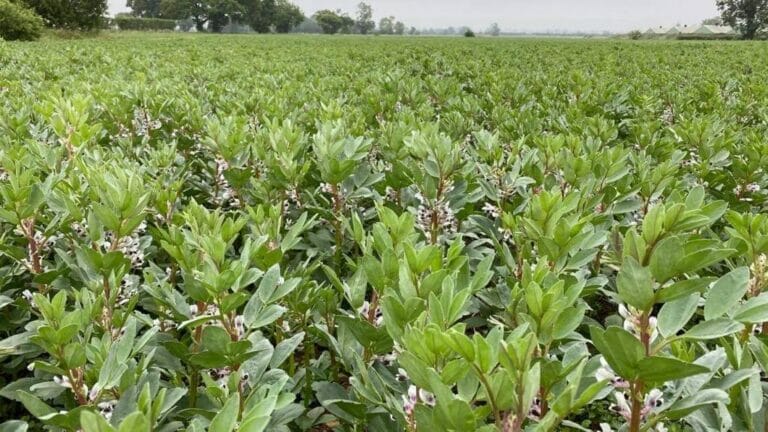
This year Pat is growing LG Beowulf and Tundra winter beans. Pat has grown Tundra for a few years now and is looking forward to seeing the new genetics coming out of the LG pulses breeding programme.
Find out how becoming an LG seed contract grower can benefit you. Contact Victoria Smith on:
T: +44(0)1472 370159
E: victoria.smith@limagrain.co.uk
This article is featured in the June 2025 edition of GatePost. Click here to read the full edition.
About The Author
Victoria Smith
Field Contractor