










Maximising methane output is the primary objective when running an anaerobic digester and, for the Channing family, that means growing the most consistent and high-quality maize feedstock across 1,000 variable acres. Good advice, on-farm analysis and growing the best varieties all play a part in success.
Consistency is key to maximising ad feedstock value
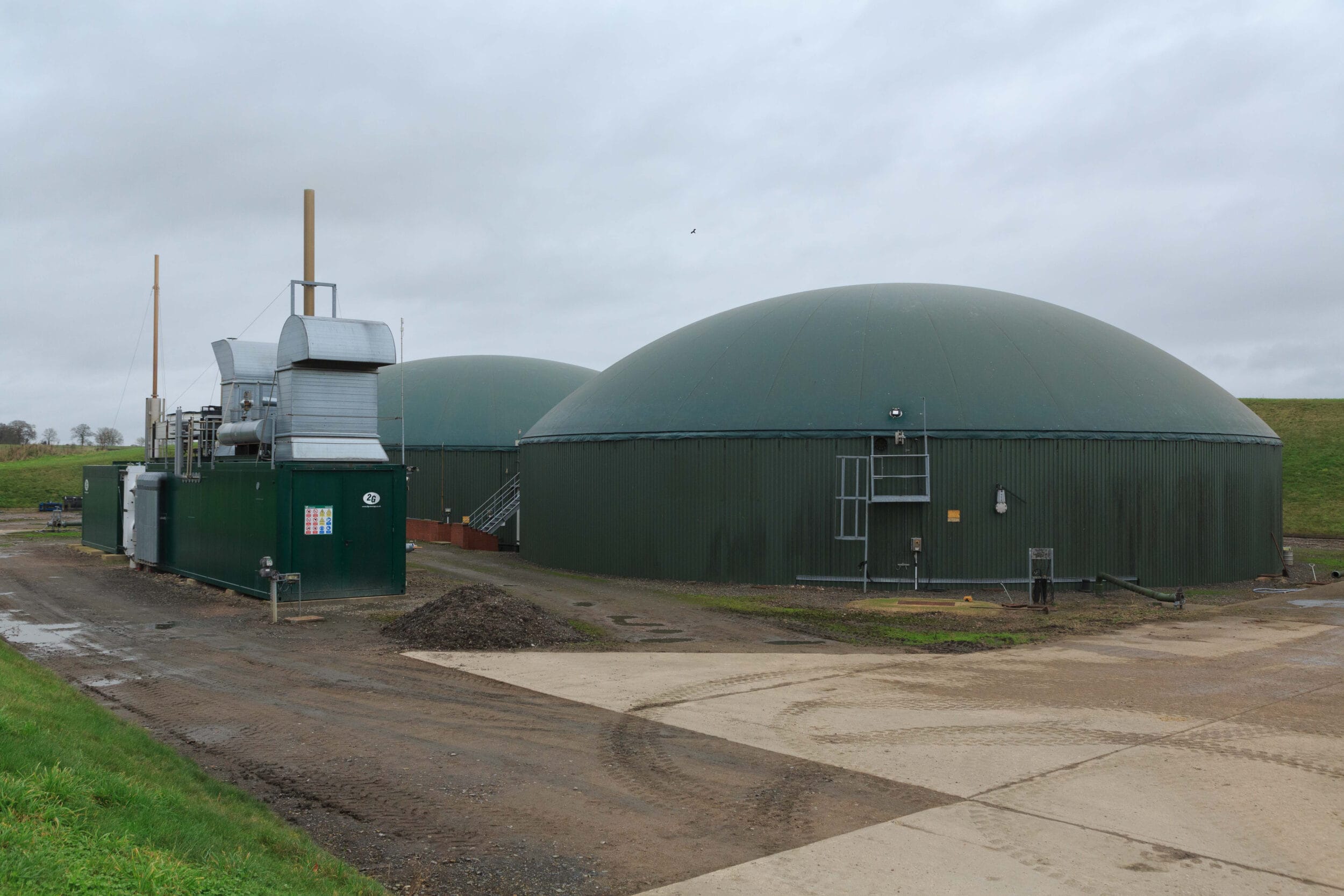
Running a 500kW anaerobic digester fuelled solely by maize, Alistair Channing has – over the past nine years – learned more about growing the crop than most.
From soils to crop sample analysis, he’s left no stone unturned to achieve not only high yields, but also consistency and quality, all in a remarkably short harvest window.
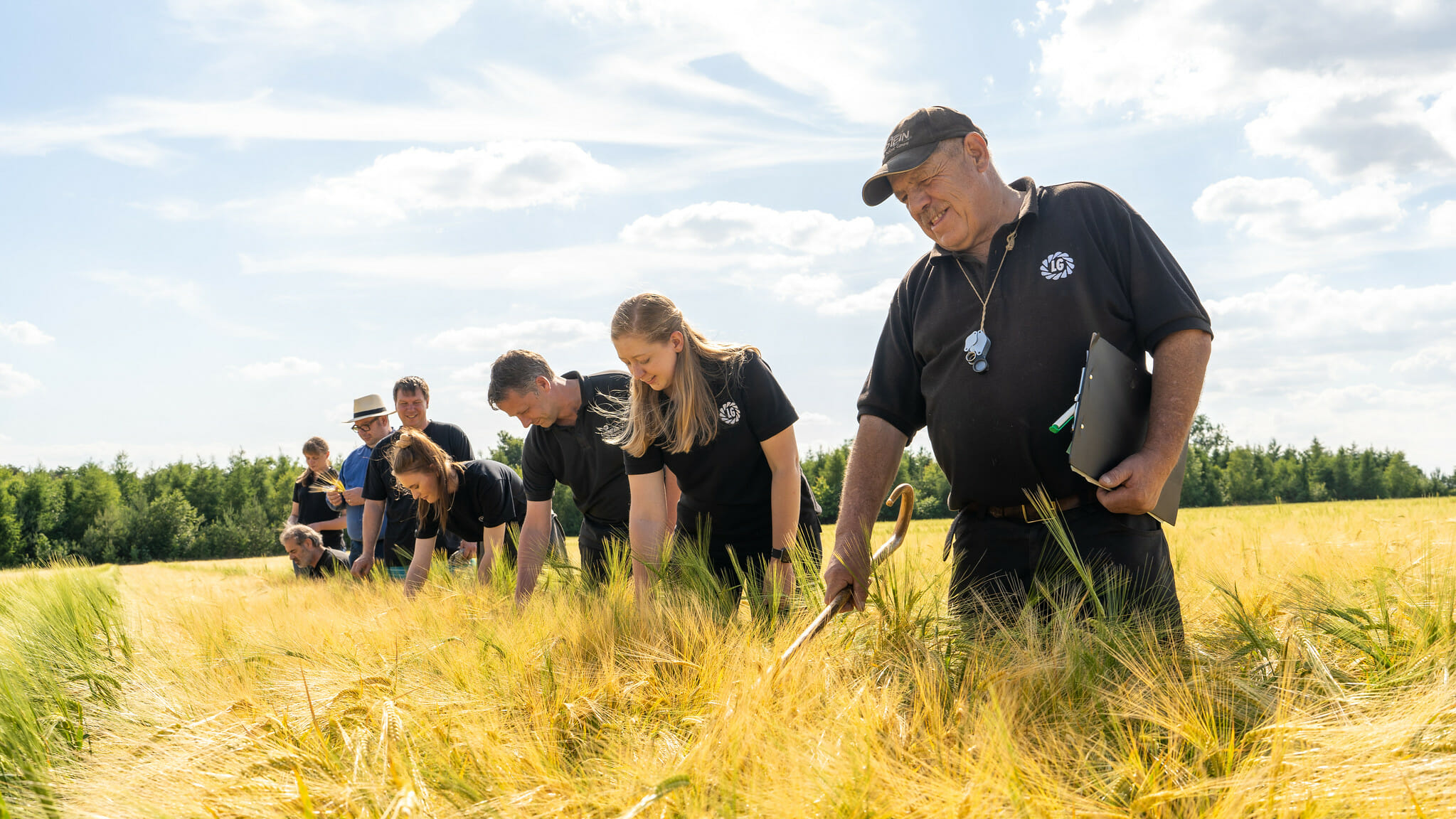
For most of this time, he has worked collaboratively with the specialist maize team at Limagrain, benefiting from agronomic advice, using an assortment of their varieties, and even hosting crop trials.
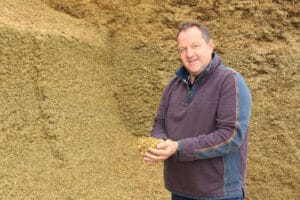
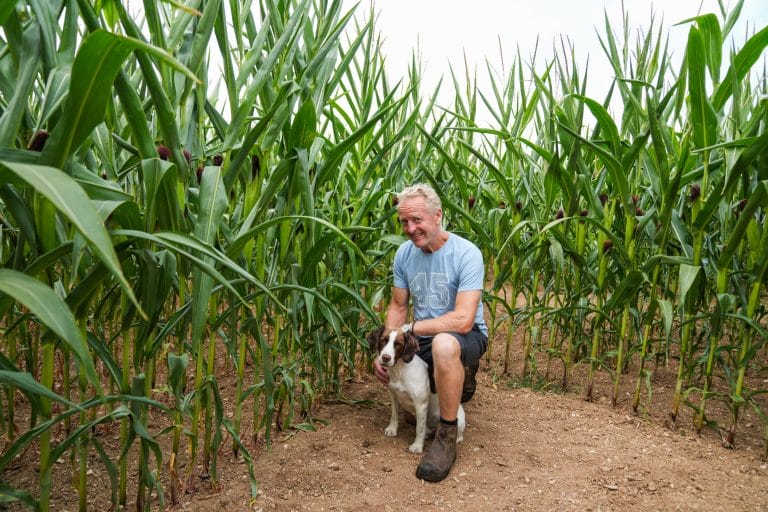
Alistair Channing grows 1,000 acres of maize as the sole source of feed for his 500kW AD
“We’re growing 1,000 acres of maize in total, half on our own land and half coming from six neighbouring farms,” explains Alistair. “There is naturally a variation in soil types and soil fertility across this acreage, not least because maize is a break crop on most of the neighbouring farms, so the challenge is to have it all, as far as possible, reaching optimum maturity at the same time.
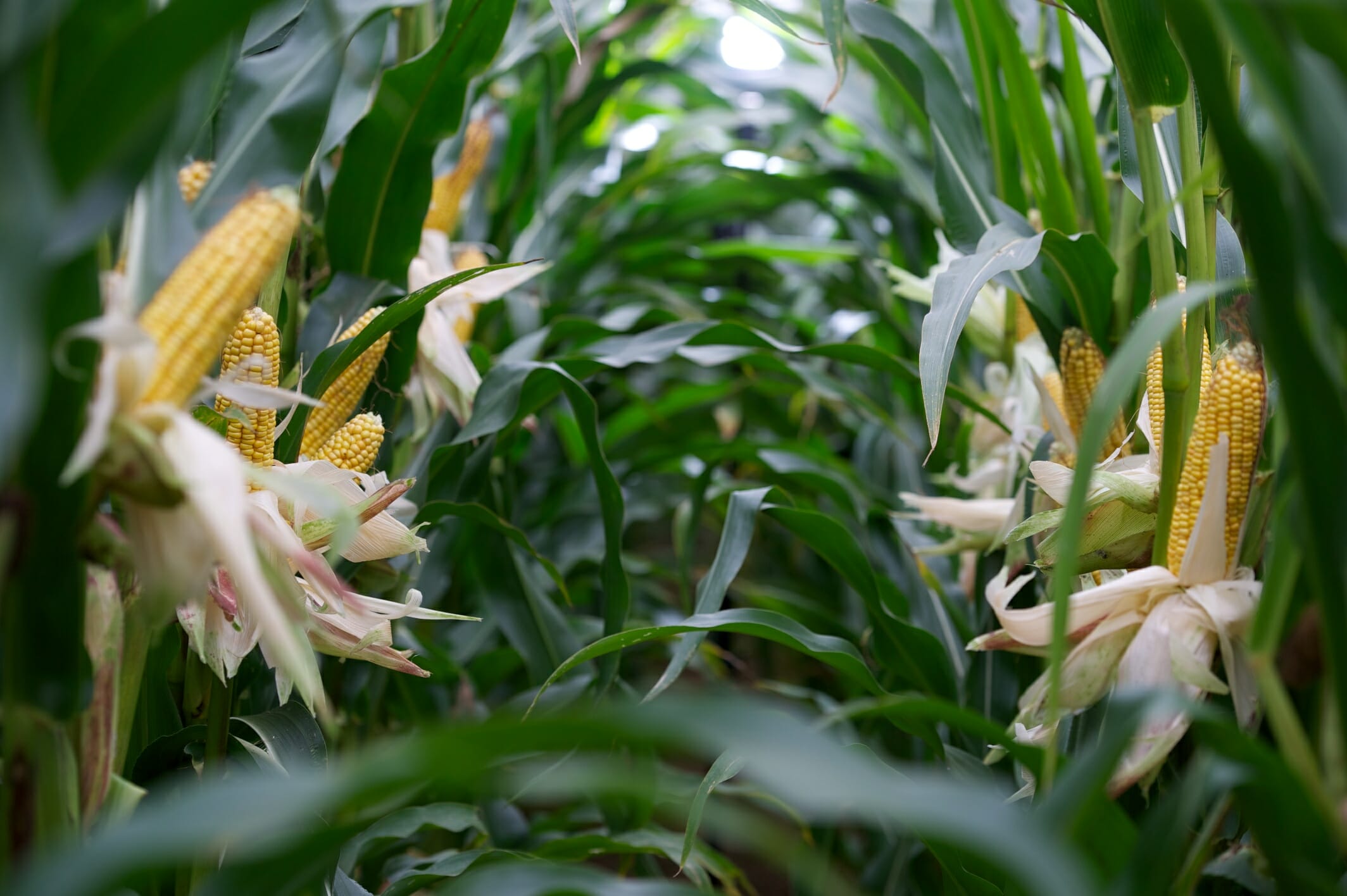
“At one time we grew maize for dairy cows and growing for AD is basically the same. We want an optimum dry matter of 32% and good levels of starch and digestibility in order to maximise the methane output.
“Over the last eight years, average yields on our home ground sit at 18.8t/acre, compared with 17.35t/acre on the other farms.”
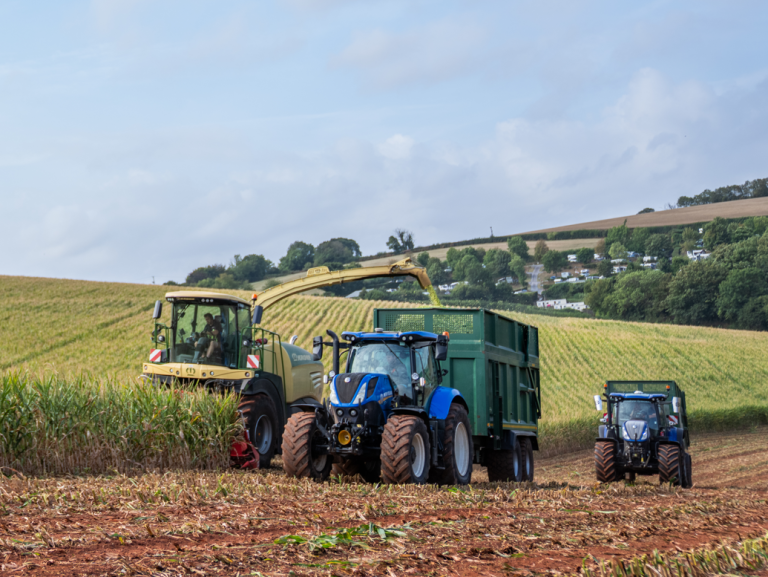
In 2024, the 1,000 acre maize harvest for Channing Digester was completed between the 2nd and 6th October, this being at the better end of their target of 5-7 days.
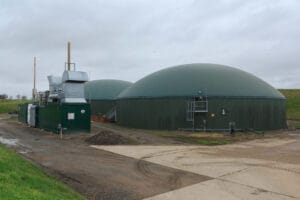
A dry matter of 32% and good levels of starch and digestibility help to maximise methane output from maize.
“Firstly, we select varieties to suit the soil type and the soil fertility, generally earlier maturing types but it depends on the fields, and this helps to achieve consistent maturity dates,” Alistair continues. “This year harvest was a little later than the norm, largely due to conditions in the spring forcing later drilling, but we were still ahead of most other growers. Working with a reliable contractor that runs two full teams is certainly a big part of hitting our objectives.”
At the Channing’s own farm at Brandon Grange near Coventry, where they once grew a lot of potatoes, the sandy loam soils are generally well-suited to growing maize. Varieties this year have included relatively late maturing types, such as LG31.207, but also one of the newer very early varieties, Promise. By matching varieties to soil type and fertility, the aim is to have everything mature at the same time, as close to 32% dry matter as possible.
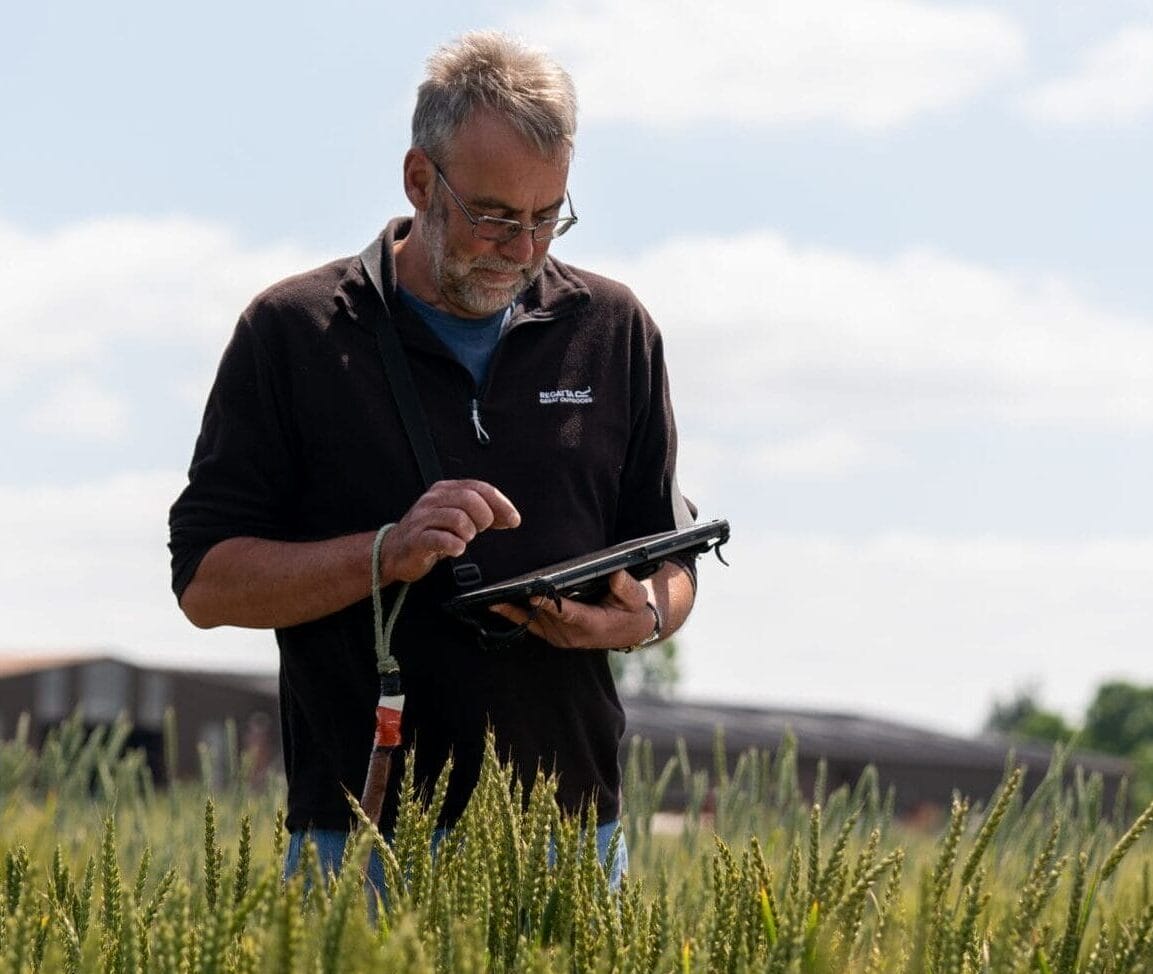
“Every trailer goes over a weighbridge and we sample every second or third load to measure the dry matter,” says Alistair. “We have our own mobile laboratory to carry out NIR (near infra-red) spectroscopy and also check dry matters in an oven. Payments are made on weights adjusted to 32% dry matter and we want to be scrupulously fair to all parties.”
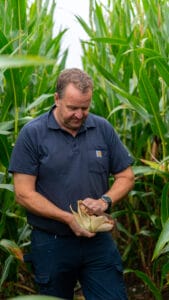
Yields range from 17.35 to 18.8t/acre depending on soil type and fertility across the farmed acreage.
Consistency in crop yields and maturity is also achieved with a standardised approach to growing, as far as possible. All maize grown for Channing Digester now has to be sown with a maize drill, with DAP (diammonium phosphate) applied down the spout, and there is a collaborative approach to variety selection. At Brandon Grange Farm, maize is now grown with tramlines, allowing digestate to be used between the rows and the application of late nitrogen. Foliar applied nutrition has also been used.
“We’re constantly looking to improve the way we grow maize, with developments such as slow-release nitrogen under consideration,” adds Alistair.
Growing maize sustainably has always been a priority for the Channings, and the early harvest is important as it allows the establishment of a cover crop, which now enables the farm to qualify for an SFI payment.
“We usually use a mixture of spring oats and mustard, which we seek to establish soon after the maize comes off,” concludes Alistair. “We see this as a green manure, and destroy it mechanically, preferring not to use glyphosate, usually in February. This leaves ample time to apply digestate before preparing the ground for the next crop.
“It’s all about doing the job the best way that we can.”
ROBUST CROPPING PLAN ESSENTIAL
With the government’s Green Gas Support Scheme open to applications until March 2028, interest in growing maize as an important part of the feedstock for biomethane plants remains high.
According to Tim Richmond, Maize Manager for Limagrain Field Seeds UK & Ireland, AD plants are increasing in scale, but the principles around growing a crop remain very much the same.
 “Whatever the size of the operation, maximum efficiency will be achieved when all the maize is harvested at the optimum dry matter, and as early in the season as possible,” he says. “A robust cropping plan is even more important for someone that may be harvesting as much as 10,000 acres to supply a biomethane plant.
“After a harvest like 2024, the importance of early maturing varieties cannot be emphasised enough. Avoiding a wet and muddy harvest should be a priority within that cropping plan. Furthermore, early harvests will allow the establishment of cover crops, which is first and foremost best practice but now has the added benefit of an SFI payment.”
When it comes to the suitability of varieties for AD, Limagrain does test varieties for gas output, but as important is the anecdotal evidence coming back from the many plants that the company is working with.
“Often the advice is to grow a range of varieties, tailored to soil type and conditions, that will deliver 32% dry matter within a safe harvest window, with the starch level and cell wall digestibility to maximise gas production,” he adds. “We have a lot of experience of supporting biomethane plant operators, not just in choice of varieties but also how to grow maize to achieve the best outputs.”
Find out more
Download the Maize Variety Selection Guide here


About The Author

Tim Richmond
Maize Product Manager