



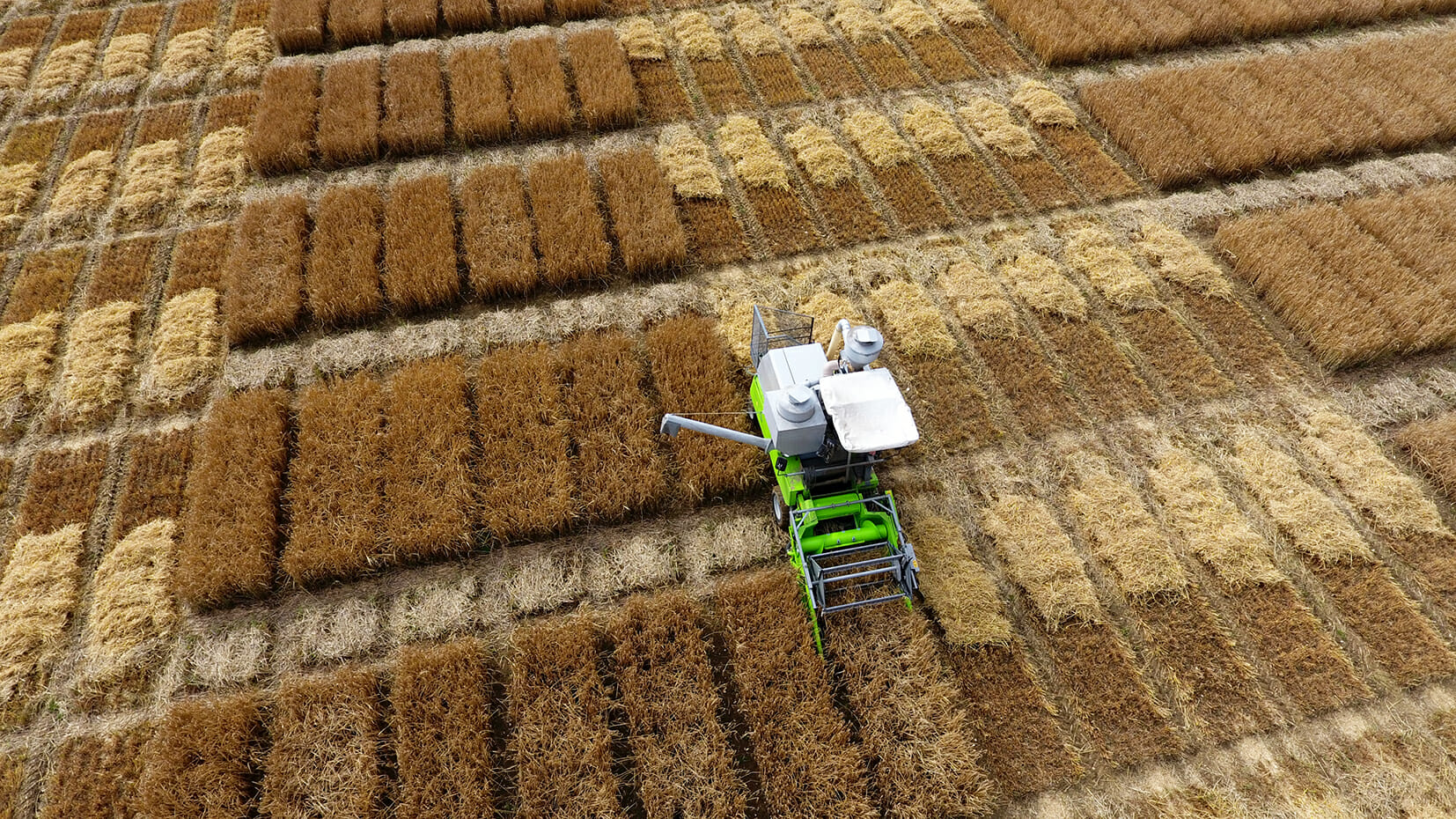
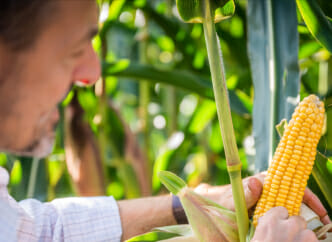
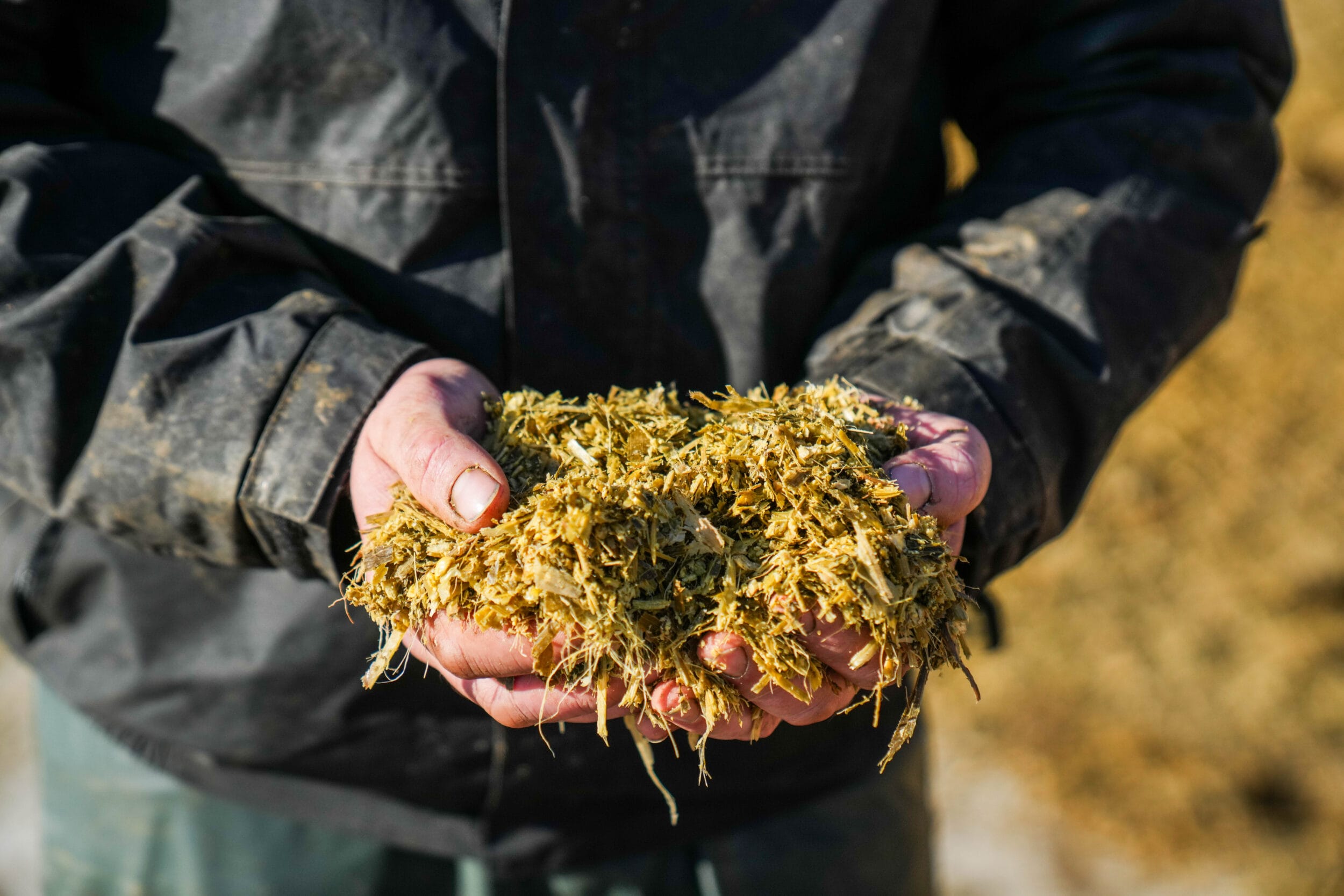
For Devon dairy farmer Jono Mock, growing early maturing maize varieties is as much about feed quality as it is about harvest date, establishing following crops, soil health or environmental benefits.
All are important, but most notable in terms of the direct impact on the performance of his high-yielding Holstein Friesian herd, is the fact that he knows he is maximising the digestibility of starch from the day he opens his maize silage clamp.

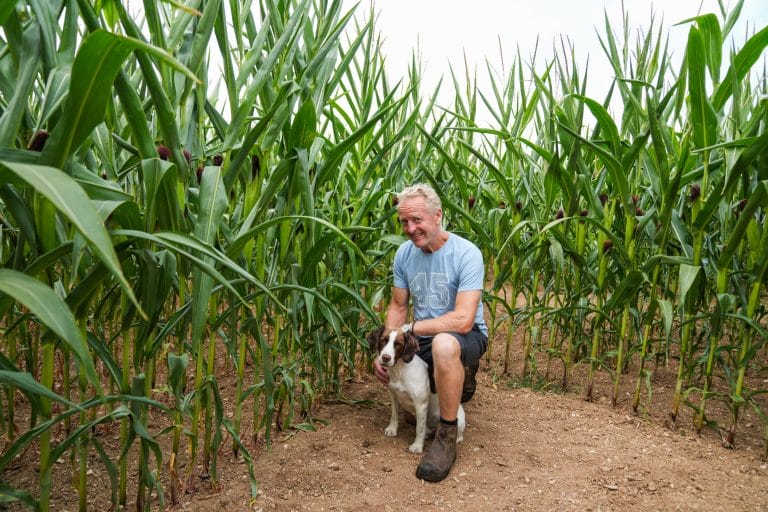
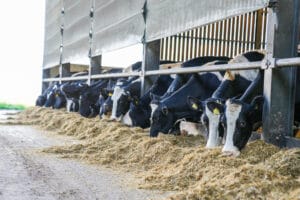
Jono Mock is in the process of expanding his Devon based herd of high yielding Holstein Friesians from 180 to 220 cows.
That’s particularly important for his forage-based dairy system, where maize typically makes up fifty percent of the dry matter of the herd’s ration.
“I remember times when our maize harvest would be later, and we’d often be opening the clamp before the crop was fully fermented,” he says. “The silage would go right through the cows, and we knew we were not making the most of the forage. Now, we’re able to keep the clamp closed for at least four weeks after harvest, possibly longer, and it makes a big difference.”
Farming at Bircham Farm, Burrington, Jono is in the process of expanding from 180 up to 220 cows next year, with a new rapid exit parlour due to come online early in 2025. The farm is in mid-tier Countryside Stewardship, which includes the SW5 Enhanced Management of Maize Crops option. Amongst the requirements are that the crop is harvested before 1st October, and that a cover crop is drilled within two weeks.
Very early varieties that have helped the farm to successfully achieve these objectives in recent years have included Limagrain’s Pinnacle, Ambition and Dignity, and for the last two years he has grown Skipper.
“I first saw Skipper at one of Limagrain’s pre-harvest trial days and it really stood out,” recalls Jono. “We pre-ordered it there and then, and it performed extremely well in 2023, yielding up to 21 tonnes/acre.
This year has been more challenging, with overall yields being nearer to 17 tonnes/acre, but we’ve still harvested a fully mature crop before the end of September and we’re very pleased with the quality.”
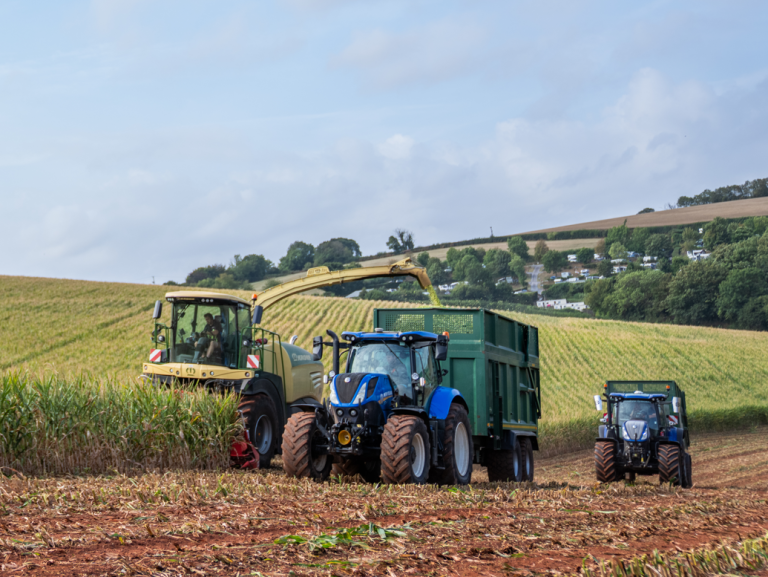
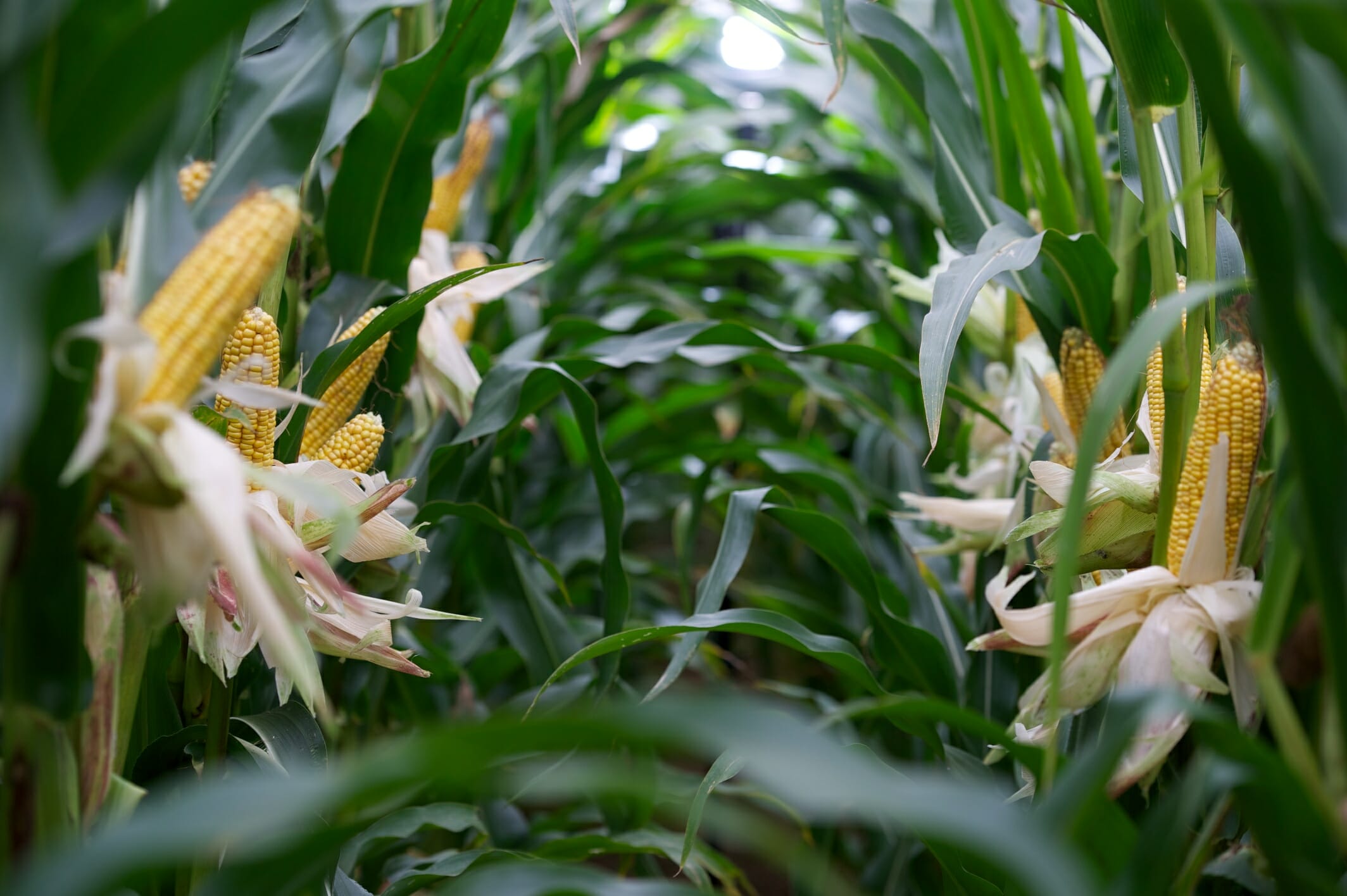
Maize makes up 50% of the dry matter of the herd’s ration, with LG Skipper being used to ensure the crop is harvested before 1st Oct
Milk yields currently average around 9,000 litres from a ration of maize and grass silage, with a blend also fed to provide nutritional balance. Going forward, cows will receive supplementary feeding in the parlour, on a feed-to-yield basis, and Jono expects yields to rise.
Calving all year round, the herd is typically at grass for five months during which time quality grass and white clover leys play an important part. Long-term dual-purpose leys, such as the LG Sinclair McGill Castlehill mixture, are integral to both grazing and silage output.
Since growing cover crops after maize, Jono has noted a definite improvement in soil health. He usually grows Humbolt forage rye, though has also grown an Italian ryegrass this year. “We take the cover crop as an early silage cut, around the first week of April, and this ground will either go back into maize or into grass,” he adds.
At Bircham Farm, creating the optimum seedbed is one of the main priorities when growing maize, to ensure the best soil-to-seed contact.
“It does take time to prepare a good seedbed, and often it will mean two passes with the power harrow,” says Jono, “but it’s not an area where we want to take shortcuts.”
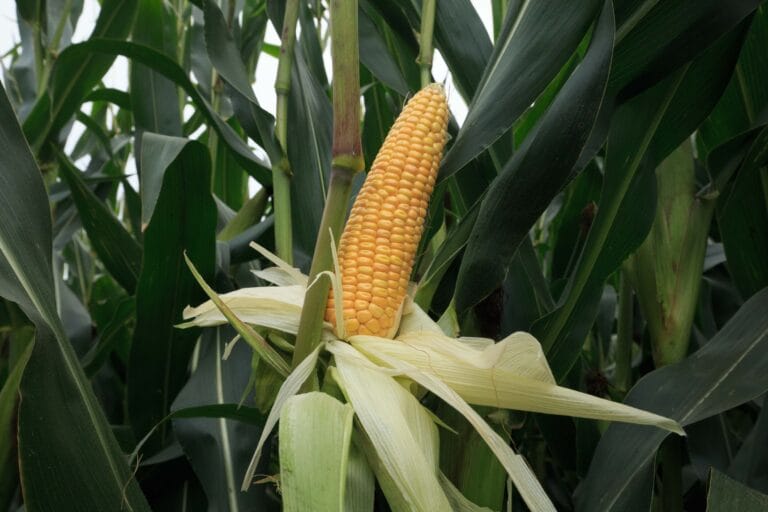
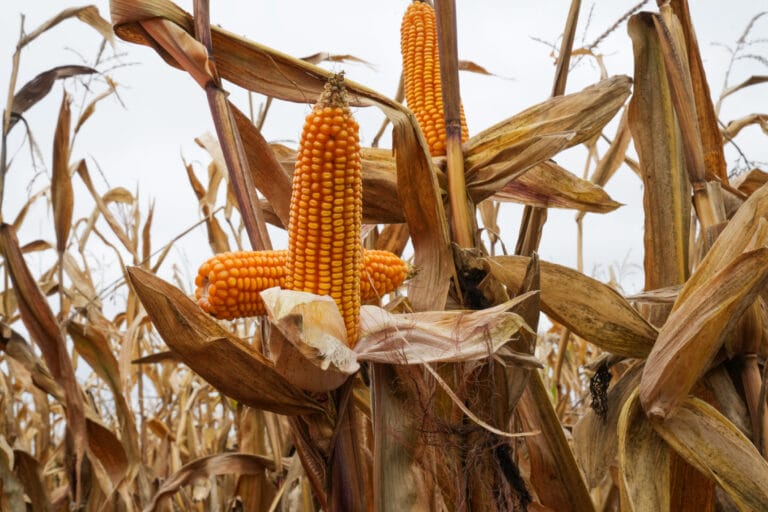
Selecting maize varieties which are very early maturing ensures the crop is fully fermented before the clamp is opened.
Drilling typically takes place at the end of April, or the first week of May, but like so many in the cold and wet spring and early summer of 2024, this year it was as late as mid-May. A contractor drills the maize, with an available phosphate source applied in the seedbed. The ground at Bircham Farm is relatively clean, but a pre-emergence herbicide is used if possible, as well as a post-emergence spray as a routine.
Support from Limagrain’s Graham Parnell has proven invaluable over the years, according to Jono, both in terms of variety selection and also in forecasting optimum harvest dates. Maize is most certainly a cornerstone of milk production at Bircham Farm, and is only likely to become more important as the herd expands. Another very early variety, Duke, new to the Descriptive List for 2025, is now on Jono’s radar: noted for its high starch content and good digestibility, it has all the attributes to suit his system.
“We had a five-year period operating organically, when it was just too difficult to grow maize, and we really missed it,” Jono concludes. “We wouldn’t be without it in our current set up and, because we are growing within an agreement where an early harvest and post-harvest cover cropping are essential, I believe we are making the best of the crop by using early varieties.”
Download the Maize Variety Selection Guide here


About The Author

Tim Richmond
Maize Product Manager