

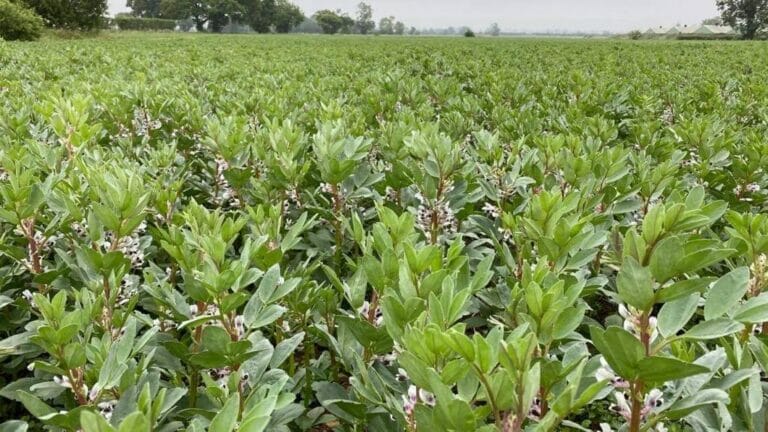

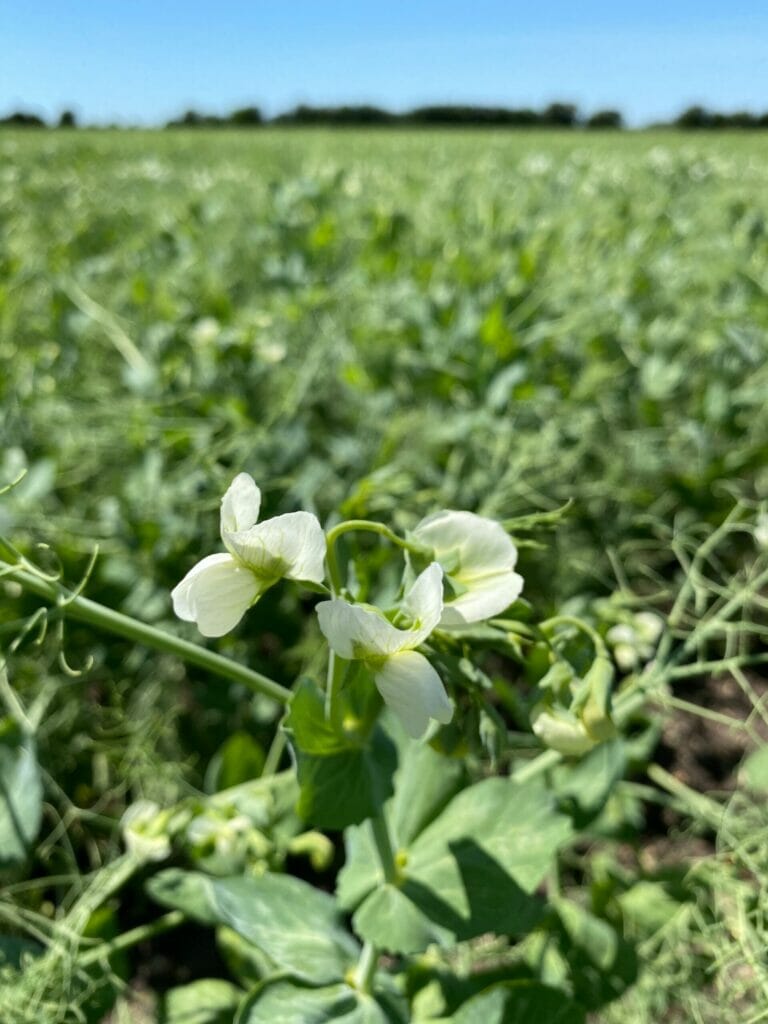








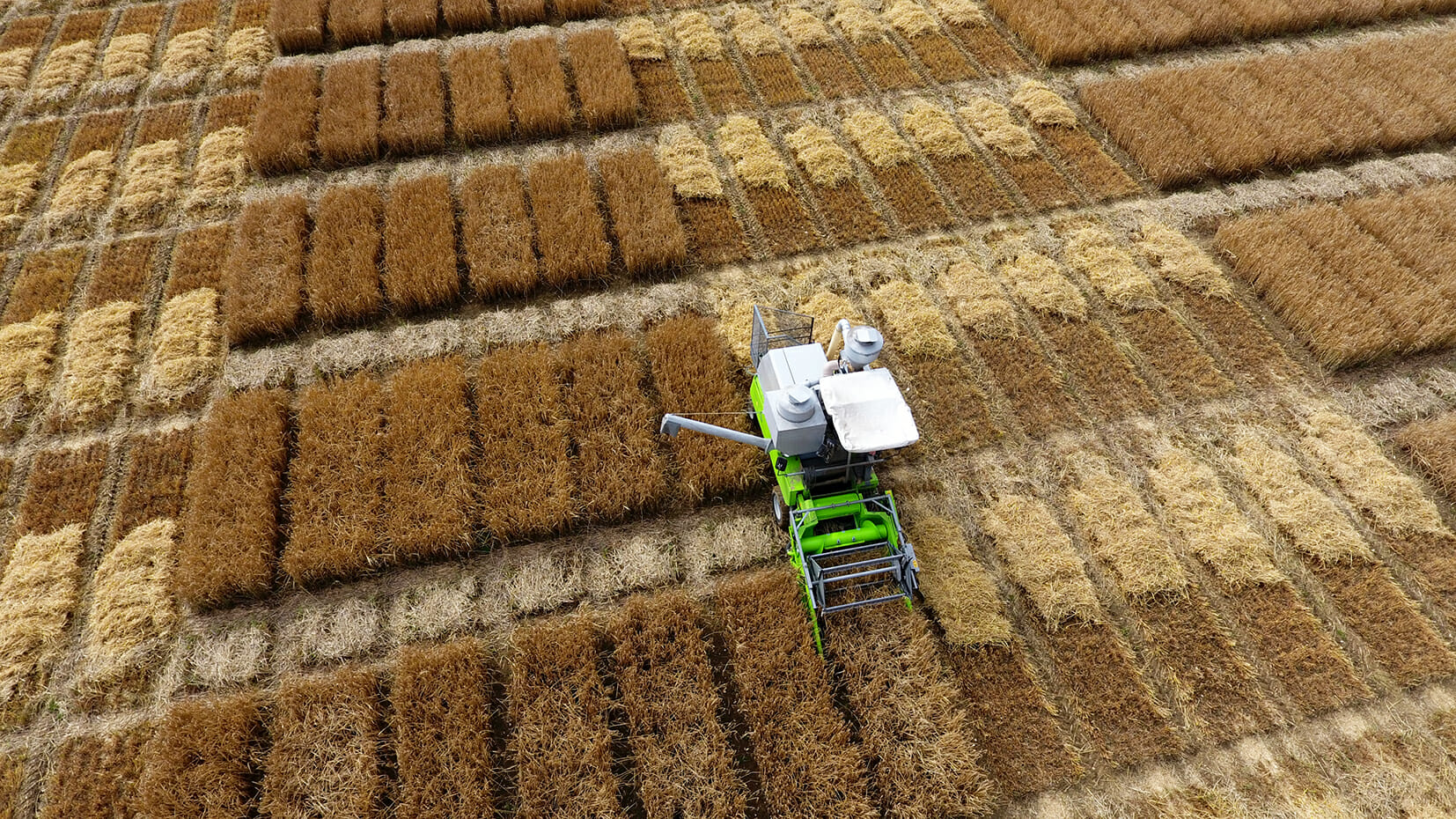

Greater resilience in forage cropping comes from improving output per acre of quality forages with proven feed value.
Monitoring and managing soil health and pest and weed protocols is vital.
And there’s mileage in rethinking rotations and using the ‘best’ crops between grass crops to break the pest cycles and to improve soil health, and to avoid leaving the land fallow but instead increase output of forages per acre.
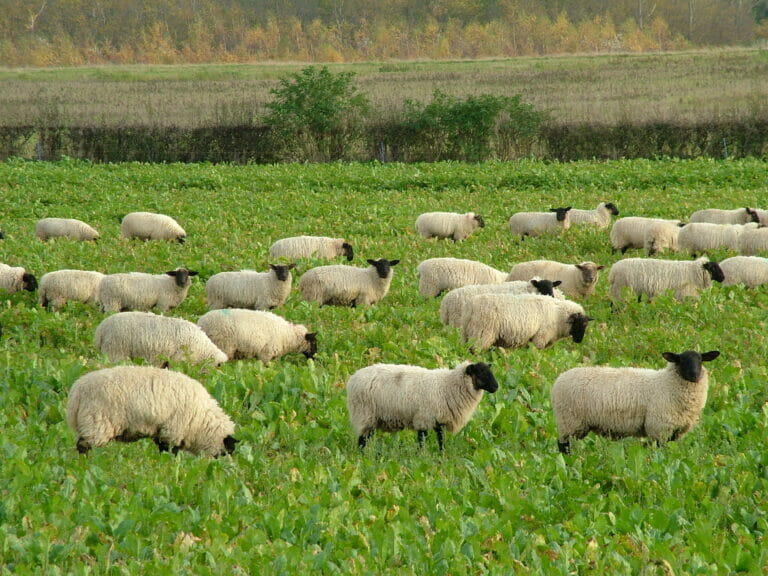
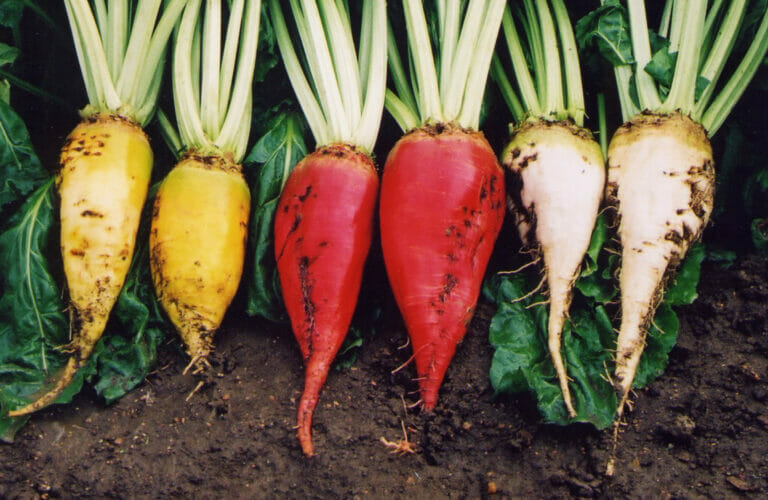
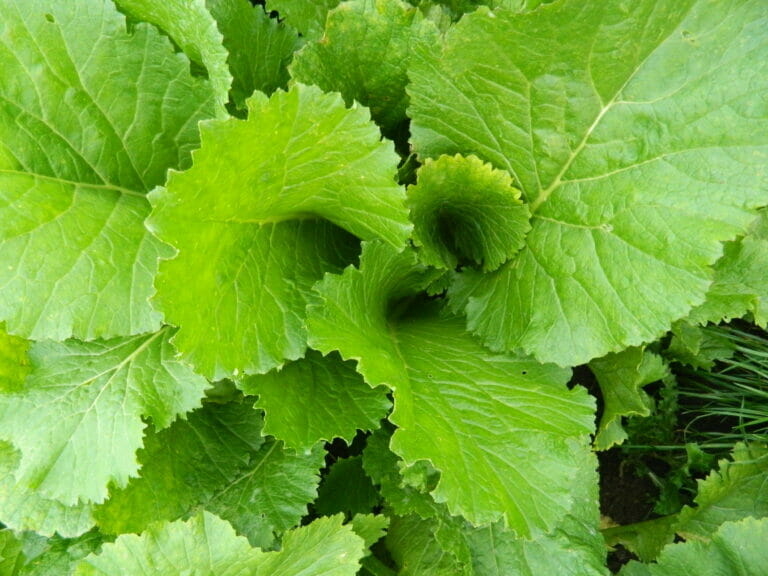
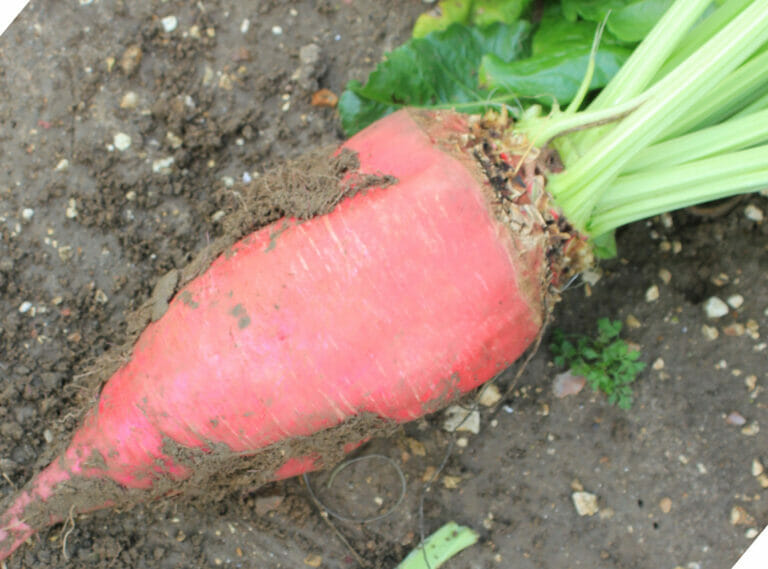
Forage brassica and fodder beet are good options. Fodder beet can be grazed or lifted to give a consistent high energy feed and can be sown from late March to late April. Sown in May, Skyfall bounce back brassica provides regrowth after grazing every three to six weeks from mid-July. Sown in June/July, stubble turnips are grazed in autumn and early winter.
Reseeding regularly adds resilience with significant increases in output per acre. This can be boosted even more with high performance grass seed mixtures based on proven UK trial data, and by selecting the right mixture for the job in hand. Trying to save a few £ on seed mixtures, which is a small proportion of the reseeding costs, is false economy.
Herbal leys and clovers are in vogue. Introducing these mixtures is incentivised with payment rates for CSAM3 herbal leys of £382/ha and £102/ha for CNUM2 Legumes on improved grassland.
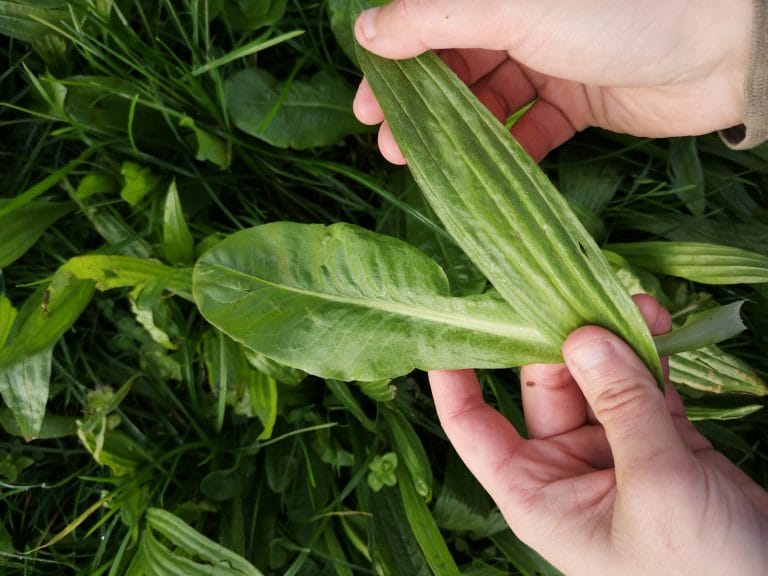
But a word of warning. Too many growers are choosing least cost mixture options with ‘unknown’ species varieties. While these mixtures might comply with the rules, they don’t give the production benefits that can be achieved from specifically designed mixtures with a track record. For example, varietal choice of plantains and chicory can make a big difference to production.
Download the grass mixture selection guide here


About The Author

John Spence
Forage Crops Product Manager