





In this article we’re talking about the impact of digital in our sector. In today’s fast-paced digital landscape, even sectors as traditionally rooted as agriculture need to embrace technology and the best web design practices to stay relevant. For agricultural brands and businesses catering to rural markets, having an online presence is essential to meeting the needs of your customers. This global farming insights report highlights this fact. One way to achieve this is through custom digital solutions such as web portals that deliver personalised content to your audiences. Leveraging methodologies like composable architecture and headless website builds can set these brands apart by enhancing user experience, increasing engagement, and ensuring scalability.
The Need for Tailored Digital Experiences in Agriculture
Agricultural businesses often face unique challenges when engaging with their target audiences. Customers in this sector expect easy access to product information, technical support, and educational resources, often from remote or rural locations. Traditional websites may struggle to meet these expectations due to limited customisation options and slower response times.
This is where custom web portals come in. A web portal tailored specifically for an agricultural brand can serve as a central hub where customers access personalised content, including product updates, expert webinars, and how-to guides. The result? A seamless, user-friendly experience that fosters customer loyalty and streamlines their decision-making process.
Embracing Composable Architecture and Headless Website Builds
A key approach to modern website design for agricultural brands is adopting composable architecture and headless builds. These strategies provide several advantages:
- Flexibility: Composable architecture allows for a modular setup where different functionalities can be built, added, or updated independently. This means an agricultural brand can scale its web portal incrementally based on the changing needs of its customers.
- Customisation: Headless website builds separate the back-end content management from the front-end presentation, offering more freedom to design unique, responsive, and mobile-friendly interfaces. This is particularly beneficial for agriculturally focused brands, where visualising complex data or integrating third-party tools is crucial.
- Performance: Decoupled systems, characteristic of headless architecture, ensure faster load times and more efficient data delivery. This is a game changer for customers in rural areas who may experience slower internet speeds.
A Real-World Example: LG Seeds
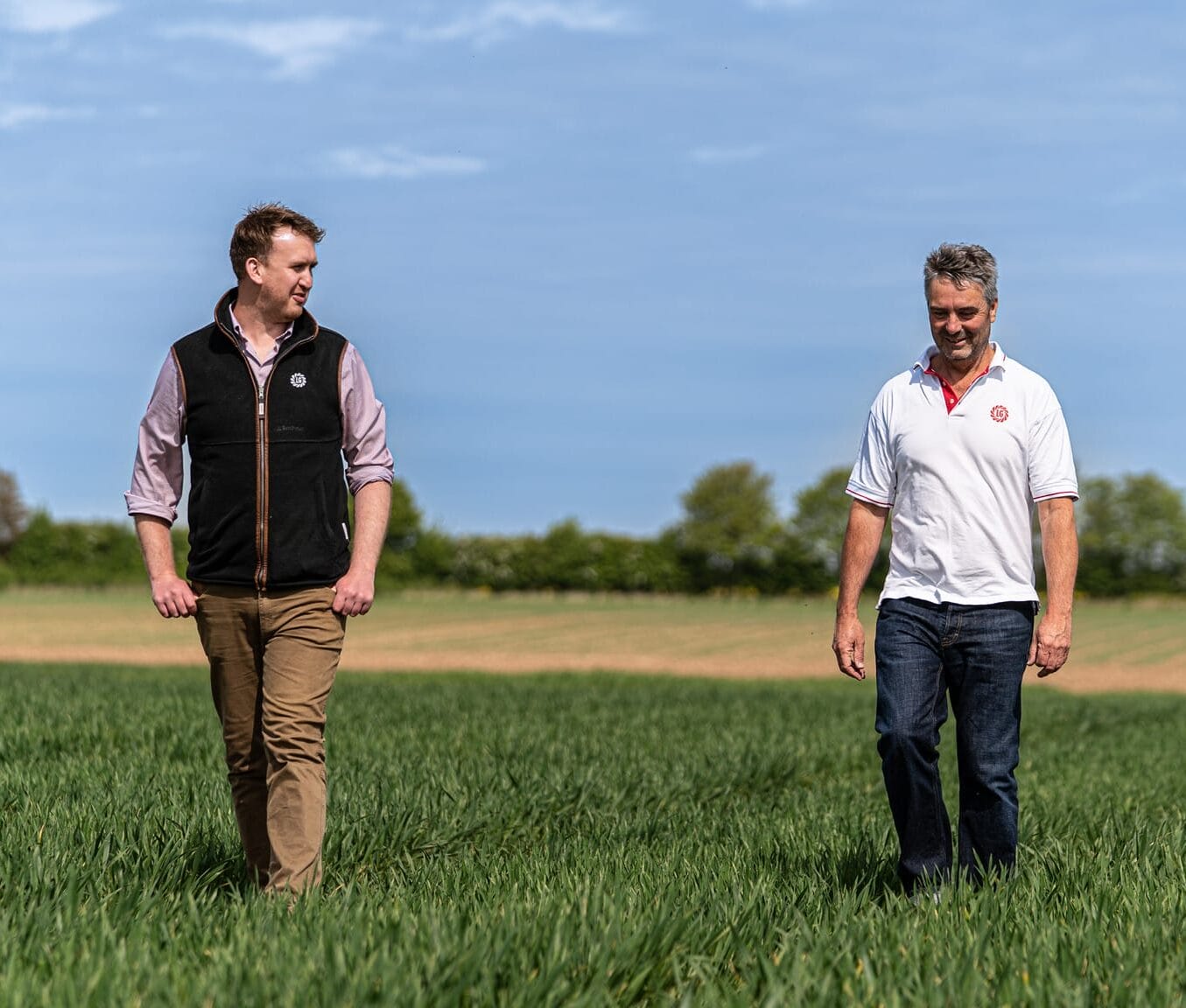
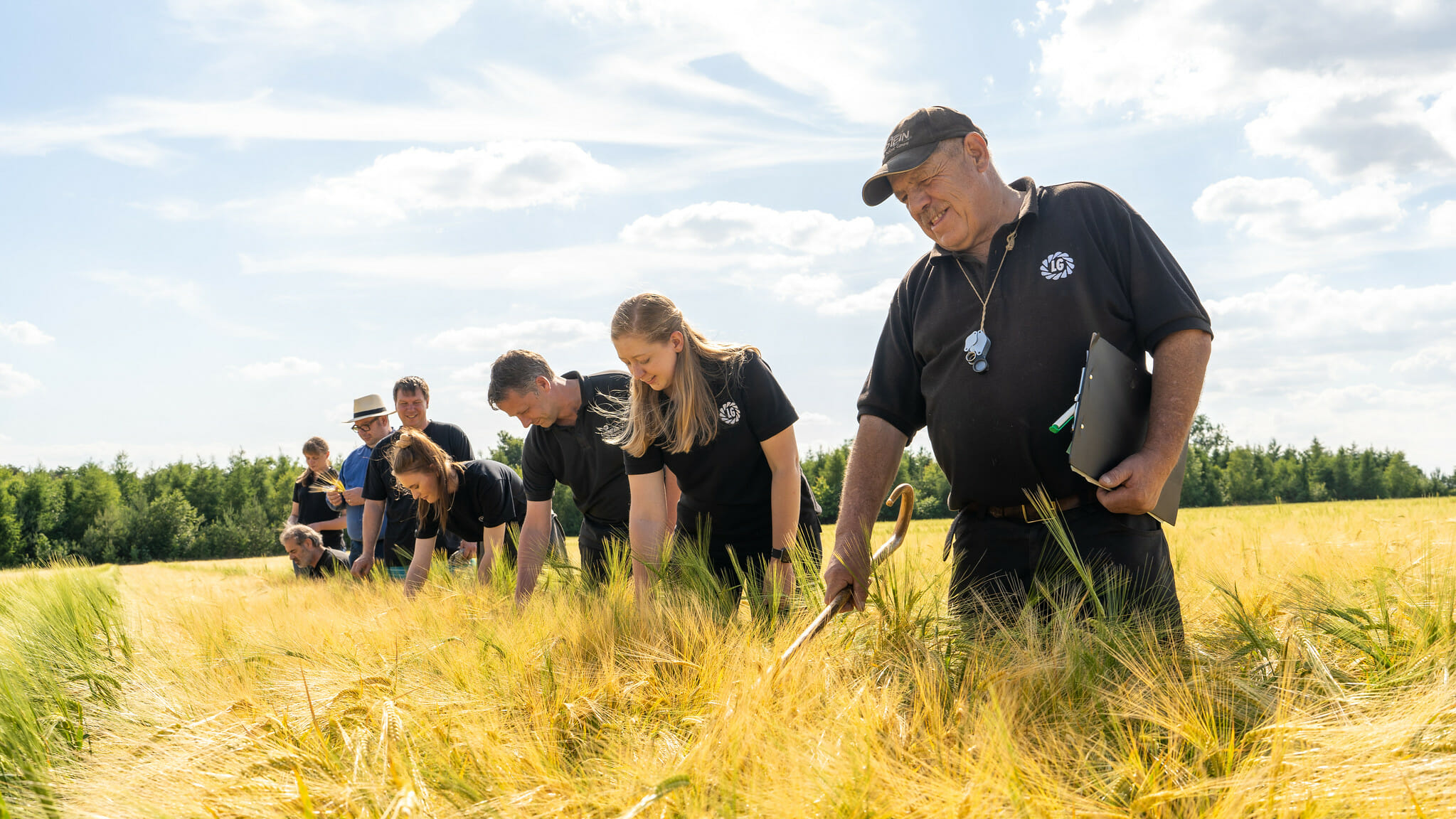
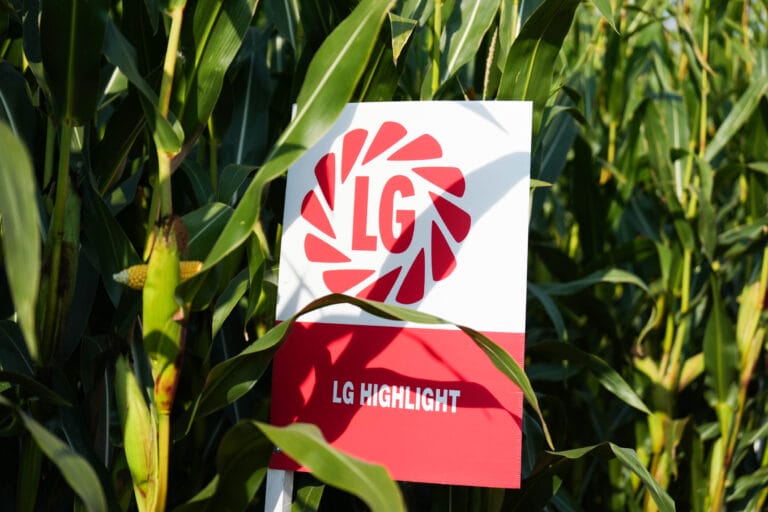
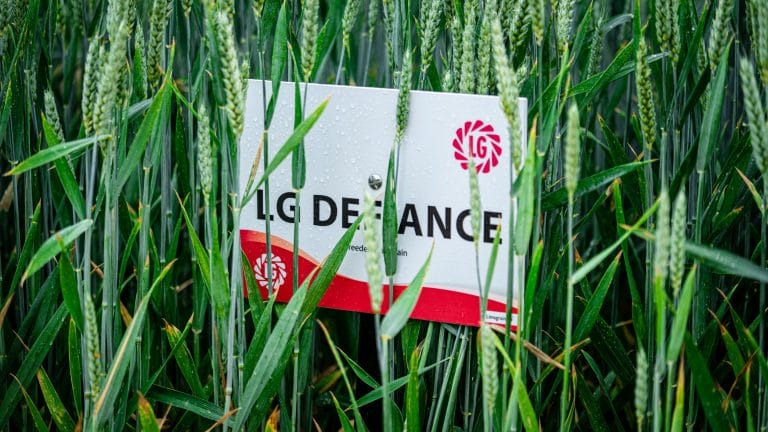
To illustrate the effectiveness of these approaches, we can look at LG Seeds’ collaboration with Show + Tell to launch their new, state-of-the-art website. The project aimed to create a robust, user-centric platform where customers could access up-to-date product information and engage with expert-led webinars. By implementing a headless CMS and composable architecture, LG Seeds transformed their online presence into an interactive and highly informative space.
The result has been overwhelmingly positive. Customers can now easily navigate through educational materials, explore detailed product specifications, and register for webinars tailored to their interests. This modernised web experience has not only improved customer satisfaction but has also strengthened LG Seeds’ market position.
For more insights on digital strategies and how your brand can implement similar approaches, check out our digital agency in Yorkshire, Show + Tell’s expertise in digital solutions.
Conclusion
As agriculture continues to embrace technological advancements, brands serving this industry must prioritise a modern, personalised digital presence. Investing in custom web portals with composable architecture and headless builds can dramatically improve the customer experience, ensuring that even the most rurally located businesses stay informed and engaged. By following the example set by innovative brands like LG Seeds, agricultural companies can position themselves for long-term success.