




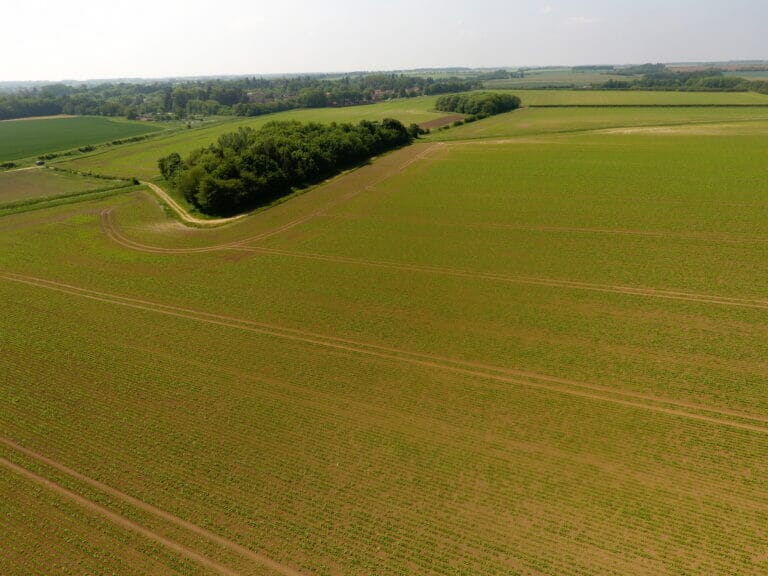
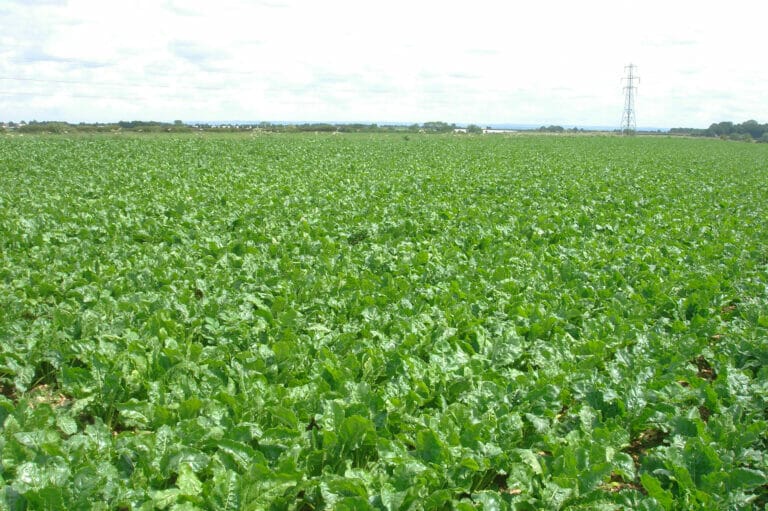
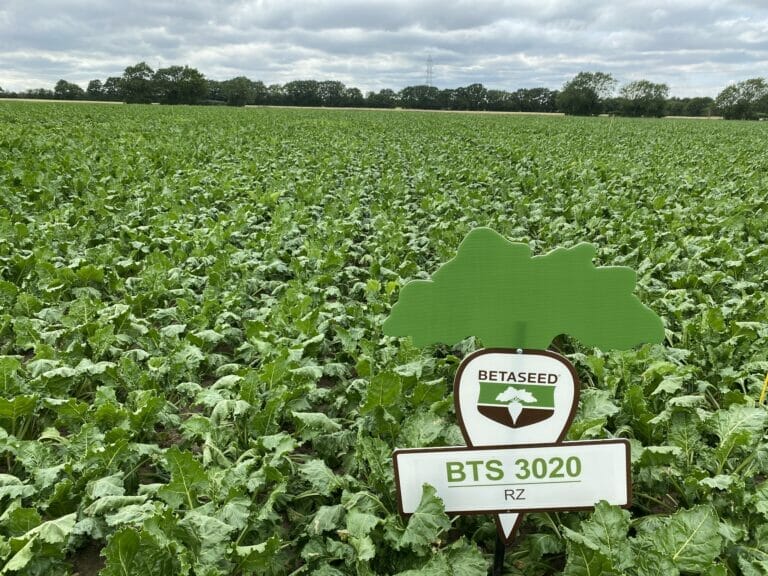
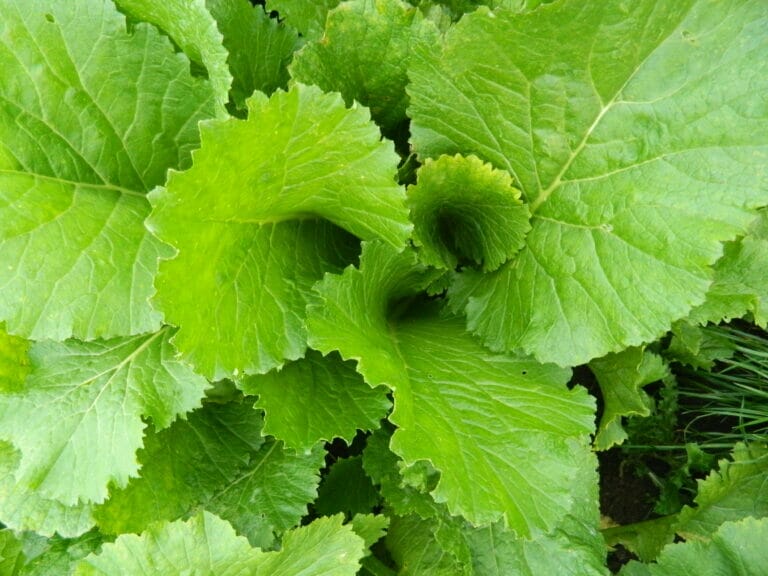
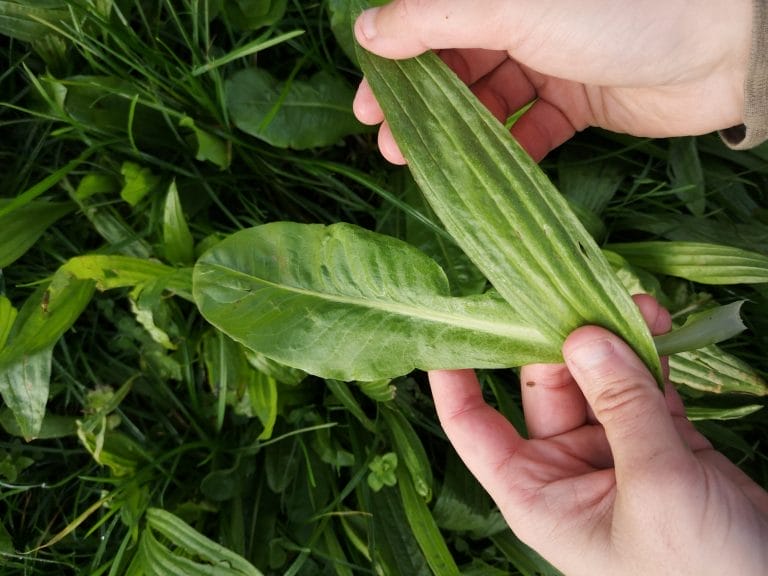
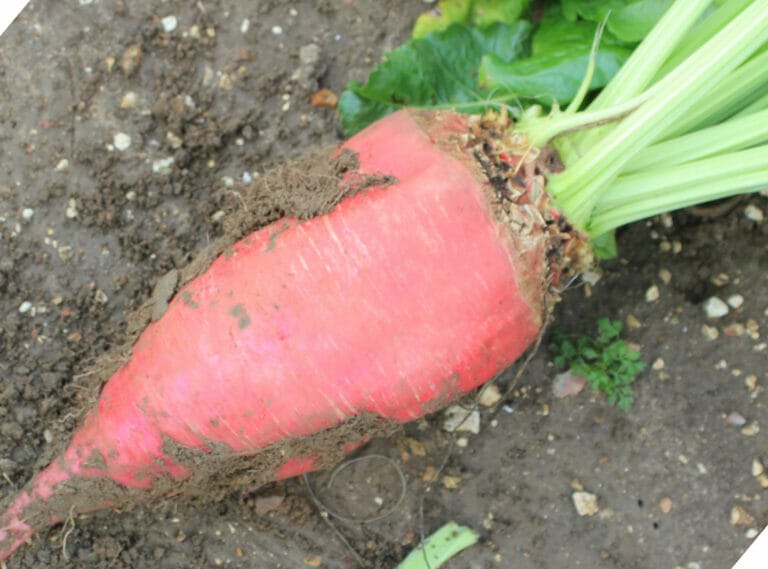
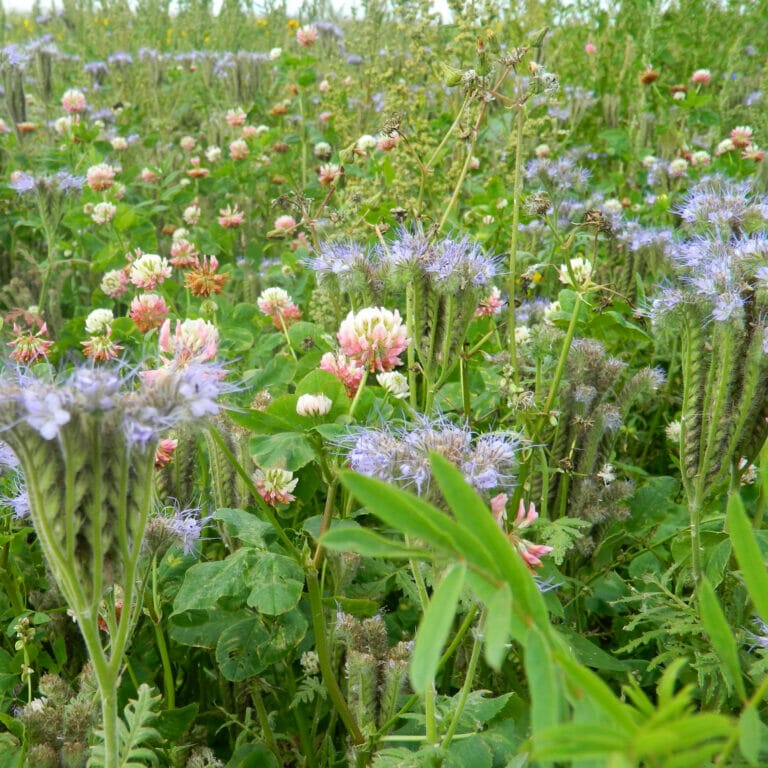




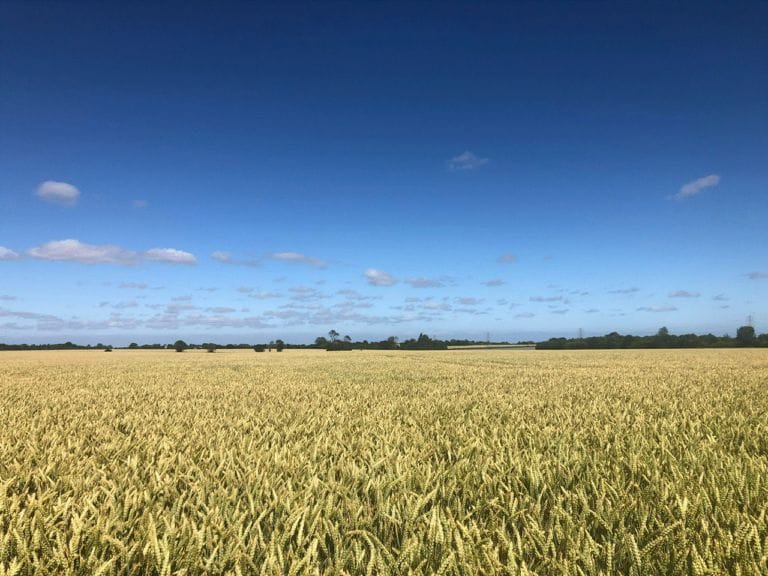


As growers continue to face increasing agronomic and environmental pressures, the value of cover and companion cropping is clearer than ever. These practices not only support sustainable farming systems but also deliver real performance benefits across the rotation – improving soil health, nutrient efficiency, and pest management.
Establishing a cover crop over the winter months helps minimise nutrient leaching and erosion, whilst also benefitting soil structure and biology. Companion cropping offers a strategic way to enhance crop resilience and field performance. They can act as a trap crop for pests, help suppress weeds, protect soils and increase nutrient efficiency, as well as provide improved habitat for wildlife.
There are various options for SFI-eligible crops for integrated pest management CIPM3 – companion crops on arable and horticultural land, worth £55/ha for those already accepted into the scheme, such as;
• Clover understories
• Cereal with Crimson/Berseem clover
• Oilseed with Berseem clover/Fenugreek
• Trap crops to divert pest activity
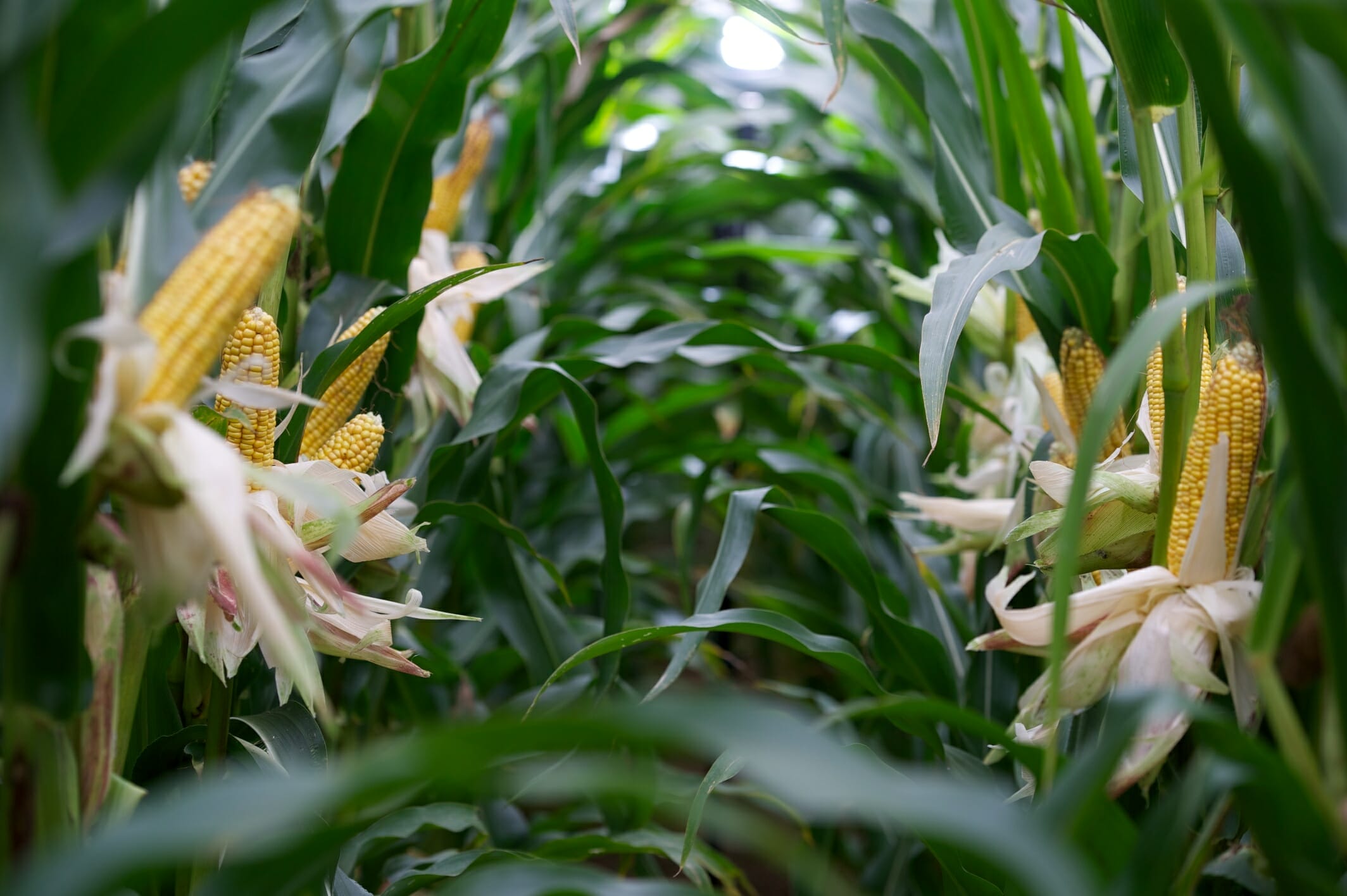
• Undersown maize
• Cereals undersown with grass
Companion cropping with Oilseeds
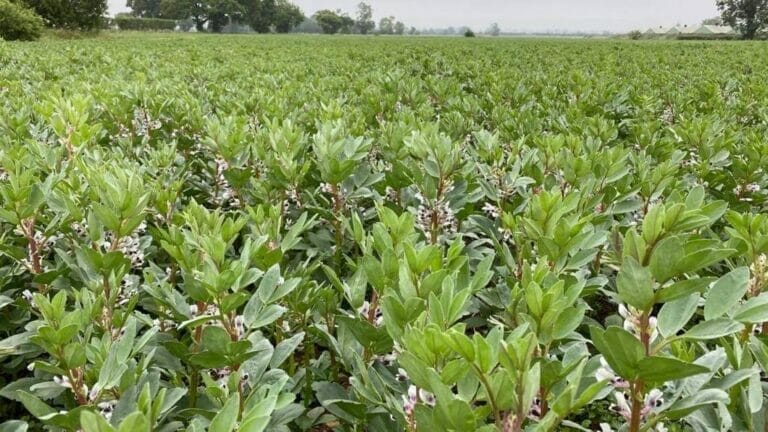
Companion plants are sown alongside a primary crop to improve its agronomic behaviour. Some of the benefits of growing a legume-based companion crop with oilseed rape are:
• Improve the oilseed rape yield
• To ensure an improved Nitrogen supply in late winter by combining it with selected N fixing legumes (typically, 30-40 units of N/ha after destruction)
• Help reduce weed competition
• To help improve soil aeration in the top 20cm of the soil
• Insect attack rate is consistently lower in the presence of a companion crop, especially in Autumn, where egg-laying activity is disrupted
• Sensitivity to diseases specific to oilseed rape, such as sclerotinia and club root, does not increase when companion crops are used
As with any crops, fields containing high weed pressure are not suitable for companion cropping, as the combination of weeds and companion crop will inhibit the oilseed plants.
Vetch and berseem clovers are easy to drill and will create rapid soil coverage and good Autumn plant development, maximising biomass potential. They can produce excellent Nitrogen replenishment for the oilseed rape plants after crop destruction. Fenugreek may offer some repellence against insect pests.
When should I sow/terminate?
The best companion crops are sown in August; the earlier the better as to increase frost sensitivity of the companion crop and to get the crop to the most advanced stage. Some companion crops can be drilled 2 weeks earlier, allowing drilling of the oilseed rape seed into a standing companion crop. In a typical winter, the companion crop should be killed by winter frosts.

SFI Mixture Options
- Multispecies Cover Crop
- • Fast-growing short term cover crop mixture, for sowing in Spring or Summer
• Produces high levels of organic matter
• Includes a range of species with differing rooting depths to benefit soil structure
• Good canopy to protect the soil surface and minimise soil run-off
• Includes; White Mustard, Buckwheat, Common Vetch, Crimson Clover
- Sow at 20kg/ha, April-Aug Suitable for SOH2, SOH3
Lift N Fix
- • 80% Humbolt Forage Rye – fast-growing, lifts and holds Nitrogen preventing leaching, forms dense cover
• 20% Vetch – fixes Nitrogen ready for the subsequent crop
• Helps penetrate compacted soils and provides excellent weed smothering properties
• Perfect for sowing after cereals
Sow at 70-80kg/ha, Sept-Oct Suitable for CSAM3, SOH4
This article is featured in the June 2025 edition of GatePost. Click here to read the full edition.
Oilseed – Integrated Pest Management ExplainedAn Integrated Pest Management (IPM) strategy for oilseed rape combines multiple practices to combat pests, disease and weeds. UK growers are aware of oilseeds susceptibility to a variety of pests. Notably, cabbage stem flea beetle, but crops can also fall prey to aphids and slugs to name but a few, as well as a range of diseases like verticillium, sclerotinia and clubroot.
Ever tightening legislation on chemical controls and increasing resilience to Pyrethroids, means a comprehensive IPM strategy is essential for managing these threats, while reducing reliance on chemical pesticides.
1. Cultural Practices
Cultural control methods are the first line of defence. Lengthening the crop rotation is one of the most effective strategies, as it disrupts pest life cycles and reduces the build-up of soil-borne diseases. Growing oilseed rape in a longer rotation with non-host crops, such as cereals or legumes, helps to break pest and disease cycles – particularly for pests like cabbage root fly or cabbage stem flea beetle. Rolling an oilseed crop shortly after drilling helps to create good seed to soil contact, ensuring good efficacy of any pre-emergent herbicide by breaking down any remaining clods of soil, as well as reducing the risk of slug damage.
Additionally, sowing and harvesting at optimal times can avoid the peak periods of pest pressure. For instance, early sowing can give the plant enough biomass to survive a CSFB attack, whereas, delaying sowing can help reduce the early-season damage caused by CSFB. Choosing pest-resistant varieties, such as those resistant to TuYV or with high disease rating,
further bolster the crop’s resilience. Appling early fertiliser to give the crop enough nutrition to get it up, away and through winter, is also critical to a successful crop.
2. Monitoring and Early
Detection Regular monitoring of the crop is essential for early detection and intervention. Growers should visually inspect damage/disease or use sticky traps to monitor pest populations. Aphid and CSFB populations can be monitored to track thresholds for application. Additionally, using pheromone traps for species such as diamondback moth or cabbage root fly, can help
track population dynamics. Incorporating decision support systems enables farmers to predict pest pressure, ensuring that the most effective control measures are used at the right time. Early detection ensures that these are targeted and effective methods.
3. Biological Control
Biological control leverages natural predators and parasitoids, to reduce pest populations; natural enemies like parasitic wasps can help manage aphid populations. Farmers can encourage beneficial organisms by maintaining habitats, such as wildflower strips or hedgerows, which support a diverse range of species.
4. Chemical Control
Chemical control can be used where necessary, focusing on selective and targeted applications. Farmers should monitor pest populations and apply pesticides only when thresholds are met, ensuring the chemicals maximum efficiency. Selective use of insecticides and herbicides can target specific pest species while minimising harm to beneficial insects and crops. To prevent pesticide resistance, it’s essential to rotate chemistry where options are available, avoiding repeated use of the same chemicals. Timing is critical – applying pesticides when pests are most vulnerable or actively targetable, i.e. not within the stems or hidden under foliage, is key to improving efficacy and reducing overall number of applications.
5. Resistant Varieties and Genetic Innovations
Genetically resistant and resilient varieties of oilseed rape are a valuable tool within IPM strategy. These varieties are bred to combat specific pests and diseases, reducing the need for chemical interventions. Varieties resistant to clubroot for instance, are widely used in areas where clubroot is a known problem. Genetic innovation can be massively impactful in terms of general disease resistance, whilst improved agronomic characteristics contribute to the overall sustainability of the crop. Most recently, LG have identified flea beetle resilience within oilseed rape, which works within a wider IPM strategy, to curtail this devastating pest. If opting to drill late suits your IPM strategy, a genetically vigorous variety is required for faster speed of development.
Early drilling on the other hand, requires a variety that is slightly slower out of the blocks.
6. Weed Management
Weed management is another key component of oilseed rape IPM. Weeds can pose a significant challenge, so a combination of cultural, mechanical, and chemical control methods are employed. Crop rotation with different modes of action, help to manage weed control, while techniques like the use of cover crops or stale seedbeds, can suppress weed growth. Mechanical control, such as using weed harrows or inter-row cultivation, also aids in weed management – especially during the early stages of crop growth, and can also reduce the reliance on chemical methods.
This article is featured in the June 2025 edition of GatePost. Click here to read the full edition.
The Benefits of Winter Barley in a UK Crop RotationThe inclusion of winter barley can significantly enhance productivity, as well as economic and environmental sustainability on farm. Unfortunately, in recent years, there has been a decline in the winter barley area planted, similar to oilseed rape, likely due to depressed commodity prices.
The versatility of winter barley, particularly in combination with oilseed rape, should not be overlooked. This is especially relevant with the launch of Limagrain’s Cabbage Stem Flea Beetle resilience oilseed varieties this Autumn.
Improved Soil Health
Winter barley has a positive impact on soil health. It acts as a cover crop, protecting the soil from erosion and nutrient leaching during the winter months. Its root system improves
soil structure, increases organic matter, and enhances water infiltration, all of which contribute to long-term soil fertility.
Weed Suppression
Winter barley is effective at suppressing weeds. Its rapid establishment and dense canopy outcompete many weed species, reducing the weed seed bank and minimising
herbicide use. This lowers production costs and promotes sustainable farming by reducing inputs.
Flexibility, Pest & Disease Management
Incorporating winter barley into the rotation can break the cycle of pests and diseases. For example, it reduces the incidence of take-all and eyespot. Staffordshire farmer Rob Atkin mentions that “being able to drill varieties with high yield potential, like LG Caravelle, means we can drill early. Early September drilling helps take the pressure off, and we’ve grazed forward winter barley crops with sheep for extra feed into winter.”
Limagrain’s Cereals & Pulses Product Manager emphasises that winter barley requires earlier foliar applications than winter wheat. This consolidation of workload allows for more effective attention to crop needs.
Newly Recommended variety LG Carpenter and RL Candidate LG Catapult are both BYDV tolerant. BYDV in severe cases can lead to significant crop losses, up to 50% in severe cases, reduced tillering, yellowing and stunted growth, and delayed maturity. LG Catapult is a competitive two-row feed variety, with short straw, good standing, a robust disease package, and high yield potential; a clear step forward in winter barley breeding.
Yield Stability and Early Harvest
Winter barley is less affected by adverse weather compared to spring-sown crops, ensuring reliable yields even in challenging growing seasons. Additionally, it matures earlier, allowing for an earlier harvest, which frees up time and resources on farm. Helping to spread workloads and save costs. Varieties like LG Capitol, which performed well on Luke Palmer’s farm, near Cambridge, yielded 9.5t/ha in 2024. The years of breeding, attention to detail, and collaboration between farmers and breeders, are showcasing excellent results.
Economic Benefits
Due to adverse weather in Autumn 2023, many farmers planted spring barley in 2024, leading to depressed prices. Over the last decade, winter barley has been a profitable addition for farmers. Its early harvest provides early cash flow, and the straw offers an additional income stream. The reduced need for inputs also lowers production costs.
Environmental Benefits
Winter barley plays an essential role in reducing soil erosion, improving soil health, and lowering input needs, making it a key part of a sustainable farming system.
Conclusion
Winter barley offers numerous benefits, including improved soil health, weed suppression, pest and ” disease management, yield stability, and economic and environmental advantages. For these reasons, it should remain a valuable addition to any crop rotation.
This article is featured in the June 2025 edition of GatePost. Click here to read the full edition.
Wise Variety Choice Builds Yield SecurityFrom unpredictable weather, to evolving disease threats, there are numerous risks to crop profitability; some of which can be managed,
or at least mitigated, with careful variety selection, says our arable technical manager, Ron Granger.
Yield remains a top priority when choosing what to grow, but the key is selecting proven varieties that deliver “yield security” across multiple, often very different seasons, by combining yield potential with agronomics and disease resistance, suited to specific situations.
Yield security is something Limagrain is providing, with a range of exciting hard wheat varieties, including LG Typhoon, LG Beowulf, LG Rebellion, and two new Candidates for 2025, LG Challenger and LG Defiance.
LG Typhoon has been on the RL for three years, and has proven popular with many agronomists and farmers, especially those drilling early and with wider-row
regen-type systems. It has an excellent disease resistance profile, especially for yellow rust (9) and Septoria tritici (7.2). This, combined with orange wheat blossom midge (OWBM) resistance, good specific weight and agronomic characteristics of a slow, prostrate, growth habit, and high tillering ability, all suit such situations.
These characteristics make LG Typhoon a great all-round package, but it should not just be considered as an early drilling variety. It has proven to be a great all-rounder, showing good results when drilled later, affording extra flexibility should the weather disrupt plans.

LG Beowulf takes genetic gains further, building on its strong Costello x Gleam parentage. It offers robust disease resistance, rated 9 for yellow rust, and 6.6 for Septoria tritici, stiff straw, strong tillering, OWBM resistance and excellent grain quality, particularly specific weight. LG Beowulf has all the key agronomic attributes for securing yield potential, with proven performance across different situations, soil types, drilling dates, and regions. It is a variety that offers great all-round flexibility, suiting most on-farm situations, and is certainly one for consideration this Autumn. It also has faster Spring growth than LG Typhoon, which could make it a better option for those concerned about black-grass and wanting to maximise crop competition. Another variety with variety with growth is LG Rebellion. Although not on the RL, it has performed consistently well over the past three years in official trials and Limagrain remains fully committed to it for the coming Autumn, confident that it offers a differential package to many other hard feed wheats. LG Rebellion capitalises on its KWS Extase parentage, offering more rapid Spring growth, high untreated yield potential, and good grain characteristics, with the bonus of Pch1 eyespot resistance.
Early maturity is a particularly valuable asset for spreading harvest date and the potential for land preparation or an early entry into oilseed rape.
LG Rebellion is more suited to the main and late drilling window, performing well on all soil types, but probably warrants special consideration for more testing, lighter and medium-bodied soils where varieties with faster growth, earlier maturity, and good specific weight are considered beneficial. It also suits growers wanting to sow a hard wheat after late-lifted root crops, veg,
and maize. Yellow rust is something to watch out for on-farm, but recent seasons show all varieties – even those with the highest resistance ratings – should be monitored, given the pathogens constantly evolving nature.

Raising the Bar
The two exciting new Candidate varieties, LG Challenger and LG Defiance, promise to raise the yield potential bar further, backed up by high untreated yields. They mark the latest results of ongoing Limagrain breeding development, bringing new hard wheats to the UK market.
LG Defiance builds on its Gleam x KWS Extase parentage, offering the second-highest treated yield of all Candidate varieties (111); slightly ahead of three-way cross, LG Challenger (108). LG Defiance is more of a KWS Extase-plant type, but with a slower Spring growth, suiting the mainstream to late drilling window.
LG Challenger, in contrast, sits tighter to the ground and tillers better, which is likely to make it a more suited option for earlier drilling and Northern regions, based on limited data.
Both have OWBM resistance and good grain quality, although LG Challenger has a slight edge on specific weight and Hagberg.
With hard feed wheats accounting for around half the UK wheat market and likely to feature heavily again this Autumn, selecting a variety that fits your situation and offers yield security is key to maximising returns, whatever next season throws at us!
This article is featured in the June 2025 edition of GatePost. Click here to read the full edition.
Varietal resilience is another tool in CSFB battleThe launch of a new hybrid oilseed rape variety with resilience to cabbage stem flea beetle (CSFB) promises a big step forward in helping growers overcome one of the biggest challenges to growing the crop.
LG Avenger is the culmination of almost a decade of work by breeders Limagrain Field Seeds, and is the first to be commercially available in the UK with the LG CSFB Resilience characteristic.

Florentina Petrescu OSR Product Manager LGUK
“LG Avenger is the result of our new methods of breeding oilseed rape varieties, which consider all limiting factors for crop development, including the threat from CSFB,” says Florentina Petrescu, Limagrain UK OSR Product Manager.
“It is the only variety with LG CSFB Resilience on the 2025/26 AHDB Recommended List, alongside many other valuable characteristics, including high yield, pod shatter resistance, high oil content and a very good disease package, including a light leaf spot rating of 7 and sclerotinia tolerance.”

Ron Granger – Arable Technical Manager LGUK
The introduction of LG CSFB Resilience is the latest in a long line of developments that have helped improve yields in LG’s ‘fully loaded varieties’, Arable Technical Manager, Ron Granger adds. Other features include TuYV and pod shatter resistance, Sclero-flex technology (Sclerotinia tolerance), and the N-Flex nitrogen efficiency trait.
“Limagrain has been at the forefront of OSR breeding for the past decade, and we remain fully committed to the crop, despite the reduction in the UK area witnessed over that time.”
CSFB has been a big factor in the declining area, which has fallen by around 500,000 ha from its peak in 2011/12, to approximately 235,000 ha this season, he notes. Defra figures show average yields for England have also fallen over the past decade, from 3.9 to 2.7 t/ha, although in Scotland, where CSFB is not yet a major issue, yields have risen, reflecting varietal improvements, he says.
“There are success stories where growers are trying new things, and going forward, there needs to be a change to the traditional practices to make OSR succeed. Variety choice is part of that.”
What is CSFB Resilience?
Mrs Petrescu describes LG CSFB Resilience as “a novel genetic approach that tackles CSFB at key crop stages, as part of an effective integrated pest management strategy on farm”.
Resilient varieties feature a series of characteristics that make them better adapted to escaping damage during two crucial periods in the autumn and spring, so it is not just about a single genetic trait, she says.
These characteristics include:
- Strong autumn dynamic growth to help developing crops escape the early “shot holing” damage caused by adult flea beetles feeding on cotyledons and first leaves, which can result in significant leaf loss and complete crop failure in extreme cases
- Rapid stem elongation in the spring to improve the plant’s resilience to damage caused by larvae mining into petioles and stems
- A capacity in some varieties (e.g. LG Avenger) to limit the number of larvae that develop within the stems – the exact reasons for this are still being identified
- Reduced CSFB larvae damage severity – e.g. stunted, bushy plants.
Reducing the severity of CSFB damage has a direct benefit on final yield, Mrs Petrescu adds. Indeed, AHDB research suggests one additional larvae per plant can cost 50-70 kg/ha in lost yield.
Feeding damage by adults and larvae has other implications too, such as increasing the entry points for disease, uneven flowering and variable pod maturity. Varieties with LG CSFB Resilience, such as LG Avenger, therefore also include characteristics like pod shatter resistance, and a strong disease profile to help mitigate these risks, she says.
Independent backing
CSFB is a major issue in many other European countries, including France, where CSFB resilience has been a characteristic on the French Recommended List for the past six years. Independent data from the French equivalent of AHDB (Terres Inovia) puts LG Avenger as one of the highest rated varieties for resilience on this list.
This backs up three years’ worth of Limagrain Europe assessments in 2022-2024, where LG Avenger significantly outperformed the sensitive control variety and came close to the most resilient control, LG Aviron.

“Oilseed rape ticks so many boxes as a break crop, both in terms of gross margin, inputs, equipment required, workloads, and agronomy. But in order to grow oilseed rape successfully, growers may need to think differently about how they do it.”
Limagrain UK has produced a white paper covering the work behind the resilience trait and how to optimise it as part of an IPM programme. Visit http://bit.ly/42nP6dV
No silver bullet
While varietal resilience is a welcome addition to the toolbox needed to tackle CSFB, it is no ‘silver bullet’ and must be used as part of an integrated pest management strategy, built around 10 key areas:
- Rotation/proximity to the previous year’s OSR crop – adults emerge from OSR stubbles for up to six months after harvest, peaking in mid-September. Risk is often higher in crops grown close to a previous OSR crop, although work is ongoing to identify how far adult CSFB can fly. Cultivation of the previous oilseed rape stubble straight after harvest has shown to significantly reduce the number of adults emerging from the soil through the autumn
- Variety choice – grow hybrids with CSFB Resilience and consider regional performance
- Companion/trap crops – growing a companion crop (e.g. buckwheat, berseem clover) can help to disguise emerging OSR from CSFB. Leaving long stubbles from the preceding crop can also help
- Seedbed preparation – good seed-to-soil contact and soil moisture retention are key to rapid establishment, so drill by conditions, not date. Consolidate well and avoid cultivations that may dry the soil out too much before drilling
- Crop establishment – consider all ways to boost establishment, such as placing nutrition close to seed
- Weather forecasting – key to determining drilling conditions
- CSFB monitoring to assess risk – stem larval sampling is simple and cheap to do on farm
- Record keeping – drilling dates, conditions, pest numbers, yields, etc
- Evaluate the effectiveness of management practices
- Insecticide application – use only where necessary once thresholds are met, but recognise that widespread resistance means pyrethroids may have little impact on CSFB, and may damage beneficial populations
Regenerative farming has become a bit of a polarising subject amongst growers in recent years. There are those who reject the term completely and others who have embraced it in its entirety. Generally, growers are adapting Regen ideas and practices in a way that fits their existing system, with a watchful eye on yields and overall profitability. Equally, breeders and machinery manufacturers alike are paying attention to this trend and innovating accordingly.
“The question we often get asked is whether we are creating the right varieties for regenerative farming systems,” says Ron Granger, arable technical manager at Limagrain.
Though untreated yield figures and disease resistance ratings are useful, there’s no data on varieties grown in wide rows and established by direct-drilling, both of which are typical of the approach. Similarly, the use of inter-row cultivations or companion cropping with wheat may require plants with a specific growth habit and speed of development.
Ron remarked, “What was interesting was the finding that 43% of growers we surveyed in a recent re-gen poll said the RL data isn’t extensive enough for selecting varieties for these systems. It was a real ‘could do better’ moment.”

Factors like consistency, yield and disease resistance have always been integral to the development of new varieties. These are even more important when you consider a variety suitable for regen. Ron also lists attributes such as tillering ability and plant growth habit as well as rooting and grain quality as key considerations.
Cultivation is a basic tenant of regen practice and increasingly farmers are looking for varieties that work with their latest machinery purchase and suit the no or minimal tillage approach.
“From HORSCH’s perspective, it is encouraging to see seed breeders developing and trialling new seed varieties specifically designed for direct drilling and minimum tillage practices. While HORSCH offers a comprehensive range of seeding and tillage equipment, recent trends have shown a shift towards low-disturbance and direct drilling methods. As a result, the outcomes we have observed with LG Typhoon are particularly promising.“
Limagrain have been proactive in testing varieties on farm in a Regen situation. This has resulted in internal endorsements for LG Typhoon and LG Redwald, with the newer varieties LG Beowulf and LG Rebellion also under testing and in the running for consideration for the future.
Join The RebellionThe AHDB Recommended List has traditionally served as a catalogue for wheat growers when it comes to selecting varieties for the coming season. Breeder’s compete for the top rankings in this publication each year. With increasingly tough growing conditions, ever tighter margins on farm and stricter legislation on nutrition and chemical inputs. Some farmers take a more granular approach when it comes to varietal selection, 43% of growers in a survey conducted by Limagrain said the RL data isn’t extensive enough for selecting varieties.
“Whilst recommended varieties are often suitable for the more conventional farming systems, there’s a case to be made for selecting varieties tailored towards less orthodox systems” suggests Ron Granger, LG’s arable technical manager.
As a plant breeder at the forefront of food production, we believe good genetics are the backbone of our agricultural economy in the UK, and it appears farmers agree! We received 900 responses to our survey of wheat growers, with further thoughts and ideas gathered during focus groups and stakeholder interviews it was made abundantly clear that disease and pest resistance is key when selecting a variety. Other agronomic features such as good grain quality and high, stable yields were also highlighted.
Ron Granger – Arable Technical Manager
Senior wheat breeder, Phil Tailby confirms, “this is very much aligned with the strategy and key objectives of the Limagrain breeding programme in the development of new varieties.
LG Rebellion, despite its unlisted status has demonstrated a very consistent high treated yield over both seasons and regions (UK 106%) This is backed up by an impressive untreated yield (93%), performing consistently across three contrasting high pressure disease years. Although the variety has a good disease resistance profile and has shown very high untreated yield, Yellow Rust was seen in some regions on the variety in 2024 and Limagrain’s technical team suggest that this should be monitored, and if present, treated accordingly to maintain high yield potential on farm.
LG Rebellion has the desirable attribute of early maturity, breaking the trend for later maturing varieties delivering the highest yields. With increasingly unpredictable weather patterns, and the shift in climactic conditions over the past few harvests, this has proved a great attribute on farm. The opportunity to spread both harvest period and workload, offers growers increased flexibility when it comes to things like land preparation and future cropping opportunities.
LG Rebellion has many of the desirable attributes of key consideration to growers. A high yielding feed wheat that demonstrates strong and consistent performance on farm, backed up by an earlier maturity and with excellent grain quality characteristics of a high hagberg and specific weight. On top of this, the variety has a wide drilling window and shows good results from October sowing onwards through to December, giving growers flexibility for sowing after root crops and maize
Limagrain considers this variety worthy of its place both on farm and in the market
#JOINTHEREBELLION
Ask The Breeder – Rachel Goddard-
Genetic resistance has become a more important factor for varietal selection, how do you think this will develop over years to come?
With increasingly challenging weather conditions and the potential for stricter legislation of chemical inputs, genetic resistance is likely to become an even greater focus in future. However, we need to ensure that the genetic resistance in our varieties remains effective in the face of highly dynamic pathogens such as Yellow rust and Septoria tritici. This is where multi-gene resistance is important. By combining several resistance genes to the same pathogen in a single variety, we provide additional layers of protection and increase the ability of the variety to withstand pathogen attack. Varieties such as LG Rebellion, which perform consistently across several years of high disease pressure, benefit from multi-gene resistance.

How have you, collectively as a team, developed the multi resistance programme at LG, and what are your plans for the future?
It’s important to recognise that not all resistance gene combinations provide the same level of protection. At Limagrain, we routinely assess the effectiveness of hundreds of different gene combinations in trials across the UK, to identify those which provide the best level of resistance. Through the use of genetic markers, we can quickly and efficiently select breeding lines which have the right genes and ensure that these lines also have other important traits such as good grain quality. To further protect against rapidly evolving pathogens, we’re also continually assessing and introducing new sources of resistances into the breeding program. As our understanding of the mechanisms of resistance continues to increase, we’ll be able to design more multi-gene combinations that work at different stages of the plant life-cycle and through different modes of action.

Rachel Goddard, Cereals Pathologist
We know that fast even establishment is a key defence against adult cabbage stem flea beetle, so it’s important to start with good seedbeds, whatever the drilling date
If you are planning some of your area to hybrid varieties then Clearfield® varieties justify serious consideration. Many have the valued traits of TuYV tolerance, and resistance to pod shatter and canker. Hybrid vigour is also a given but in addition Clearfield® varieties are tolerant to soil residues of commonly used sulphonyl urea (SU) broadleaved and grassweed herbicides in the previous cereal crop. Some of these SUs require ploughing prior to oilseed rape, else germination and early growth can be affected. Fortunately Clearfield® varieties are unaffected and grow away strongly.
Clearfield® varieties are designed to be used with the post-emergence Clearfield® herbicide Cleravo® plus adjuvant Dash®. Cleravo® has the widest weed spectrum of any herbicide, including the brassica weeds such as charlock and runch. Plus the bonus of volunteer cereal control. It can be used from cotyledon of the crop, allowing flexible timing to target weed size of 2-4 true leaves. Competitive weeds such as charlock, chickweed and cranesbill get big quickly, particularly in early drilled crops and need timely removal. Volunteer rape will also be removed, so avoiding over-thick plant populations to manage in the spring
With high populations of charlock or runch, it is tempting to wait for all to emerge, but it is better to get the majority at the correct growth stage, both in terms of weed control & protecting yield.
Note: Clearfield® herbicides must ONLY be used on Clearfield® varieties (name has CL suffix).
For early drilled crops, if they reach 4-6 leaves before mid-October, they should be treated with the PGR Caryx® at that 4-6 leaf stage. This will prevent premature stem extension which will make them vulnerable to frosts and to lodging in the spring.
The risk from Phoma and Light Leaf Spot will depend on variety resistance and drilling date.. Varieties with good Phoma resistance can delay the Phoma epidemic and a later single fungicide against both Phoma and Light Leaf Spot may be enough. Target timing for Light Leaf Spot is in early-mid November, and for this disease the early drilled crops are most at risk.
Targeting ‘Balanced’ Nutrition to make OSR a success.Benefits of balanced nutrition
Avoiding nutrient deficiencies
Improvement of crop tolerance to adverse conditions
Increase of crop yield per area
Optimization of economic benefit per area
Improvement of nutrient use efficiency
Establishment & Autumn Crop Nutrition
Oilseed rape establishment is influenced by autumn nutrition. Autumn fertiliser, particularly nitrogen and phosphate significantly increase both emergence and establishment of the oilseed crop. Early root growth is key to rapid emergence, and this is stimulated by readily available phosphate and nitrogen which in turn allows the plant to develop a bigger more efficient root system.

Once successfully established ensuring adequate nutrition of oilseed rape crops is vital to maximise yield and profitability. Good crop development before winter is the basis for high and stable yields. Oilseed rape needs to develop a strong, deep reaching main root with root collar diameter of about 8 mm and 8 to 10 leaves before winter. There are several nutrients the crop requires over and above nitrogen, phosphate, potassium and sulphur. YaraVita Brassitrel Pro was developed specifically for the oilseed rape crop. It contains Boron, Molybdenum, Magnesium, Manganese, Nitrogen and Calcium, all the essential nutrients in an easy-to-use formulation. A fully replicated trials programme conducted over 6 years (2016 – 2021) showed that two applications, applied once in the autumn and again in the spring just prior stem extension, delivered an average yield increase of 0.29 t/ha. It’s so easy – all the essential nutrients your OSR crop needs, in one can.
2 Key Reasons for Autumn Foliar Nutrition Applications
1) Provides nutrients straight into plant to maintain crop growth and improve winter hardiness
- 2) Loads the plant up with nutrients ready for spring growth – maintaining momentum!

Spring Crop Nutrition
Oil seed rape canopy management begins with plant population and can then be manipulated with nitrogen fertiliser and if necessary, plant growth regulators.The yield of oilseed rape is a function of producing an optimal number of seeds/m2. This can be derived from developing a canopy that has the optimal number of pods / m2 and seeds / pod. AHDB funded research has concluded that this number should be 6 – 8000 pods/m2. At this density pods will typically contain 10-15 seeds giving around 100,000 seeds/m2, the amount required for a yield of 5 t/ha. The target canopy size to achieve this can be described by the Green Area Index (GAI – the ratio of green plant material relative to a square metre of soil). The target is to grow a canopy of a GAI of 3.5 during flowering and seed fill. In the example below you can see how achieving an optimum canopy size delivers a higher seed yield than an overly large canopy.
Canopy Size effects on yield

Source: ADAS
Nitrogen & Nitrogen Timing
Assessing the green area index of oil seed rape before spring growth is a good starting point to planning the nitrogen applications the crop will require. In replicated trials Yara found a seed yield of more than 4 t/ha requires 180 – 240 N per ha. Understanding the amount of nitrogen that is already in the crop and an assessment of what will be available from the soil will avoid excessive applications of nitrogen which can reduce seed yield and oil content by increasing protein level. Applying all the Nitrogen early will often over-shoot optimum canopy size (Particularly for crops with large GAI) so we need to plan to apply some Nitrogen later. Split applications at the beginning of vegetation and early stem elongation have been found to be the most efficient approach. Nitrate form of Nitrogen also resulted in higher yield compared to other sources of Nitrogen fertiliser.
Sulphur & Sulphur timing
Atmospheric deposition has been declining for many years and Sulphur is known to improve yield, quality and increases nitrogen fertiliser efficiency. Leaf area index and rate of photosynthesis are considerably increased by the sulphur. Sulphate is as mobile as Nitrate, therefore highly leachable so we need to plan to apply the crops requirements as close to early spring development as possible. Most sulphur is absorbed from soils by plants in the sulphate form. A lack of sulphur in the stages of early development reduces yield so the application of sulphur in spring should be at the start of the vegetative period ideally in the Sulphate form rather than the Elemental form. A delay to the availability of Sulphur can lead to lower seed yields and lower oil content.
Don’t forget about Potassium
Potassium is involved in activation of several enzymes that control formation of proteins, carbohydrate metabolism, transpiration, and production & translocation of assimilates. It provides strength to plant cell walls and promotes oil synthesis therefore it optimizes growth and development of oilseed rape. Potassium uptake by oil seed rape is significant in the spring as can be seen in the below chart. Having sufficient potash available to the crop is therefore essential to maximise yield potential. In Yara’s trials production of about 3 – 3.5 t seed per ha requires 80 – 120 kg K per ha and increasing K application rate resulted in increase of oil content.
Nutrient uptake during growth stages of oilseed rape

Pod shatter resistance should be one of the first things on a grower’s mind when selecting the right OSR variety. This early choice combats the potential risk of losing seed just before harvest when the majority of the investment in the crop has already been made. The pod shatter resistance trait provides genetic security and helps protect that investment.
In the season of 2024, due to the weather in July the risk of pod shatter was not as high as it had been in previous years. This doesn’t alter the fact that at the time of varietal selection, we have no idea what the weather conditions are going to be 11 months down the line when the crop is at the most risk. Increasingly unpredictable UK weather systems mean we never know when the next high wind or unseasonably high rainfall will occur. It makes sense that growers protect themselves against the risk of significant yield loss from the start, by choosing a pod shatter resistant variety.
Limagrain tests their varieties every year using a lab-based technique where the force used to break the pods is measured in Newtons. This provides a robust quantifiable data set over multiple years. The pod shatter resistant varieties in some cases can require up to 3 x more force to break than non-pod shatter resistant varieties, making it far and away the most effective option for preventing pod shatter and limiting yield loss at harvest.
The effect of pod shatter on a crop can be observed in the field, The shelled out white pods are easy to spot, especially when the OSR volunteers appear after harvest. As the shattered seed germinates, the resulting increase in volunteer OSR has a secondary consequence. It creates a ‘green bridge’ for issues such as disease and pest’s and increasing the burden of weed control. This means that the initial pod loss doesn’t just impact the yield of the current crop. It directly impacts the next crop in the rotation, and possible future planting.
In OSR where margins are unquestionably tighter than ever, pod shatter resistance is key to profitability. Choosing a variety with genetic resistance can make a difference of around half a tonne per hectare at harvest. Success with OSR is increasingly contingent on grower’s mindset, as year on year growing it becomes more challenging and costly. This must now be viewed as a technical crop and as such varietal selection is key, the question I would pose to anyone looking to drill this Autumn is, why would you choose a variety without pod shatter resistance?

Ryan Kemp, Senior Trials Officer
Despite traditionally being regarded as a niche crop in Scotland due its requirement for warm soils and long hours of sunshine, an increasing number of growers north of the border are successfully harvesting maize as a reliable source of winter forage for livestock.
“With careful planning and attention to detail, early maturing maize varieties can produce consistently high yields of dry matter, starch and easily metabolisable energy,” explains Tim Richmond, Maize Manager for Limagrain Field Seeds UK and Ireland.

The latest generation of ultra early varieties means maize is now a viable forage crop for some Scottish growers.
“Thanks to significant investment in maize breeding programmes, Scottish growers now have the option to grow maize without having to drill crops under plastic and without automatically having to sacrifice yield or crop quality in order to secure a safe and early harvest.
“In fact, many growers in Scotland, typically in the Borders but also further north, have achieved good yields from varieties such as Gema, Dignity and Skipper, all of which are able to produce cost-effective crops in a shorter growing season. In the right conditions, all three can be drilled in May and harvested successfully in October, leaving sufficient time for a following catch crop such as forage rye to be grown before the next maize cycle begins. And with the next generation of ultra early varieties such as Duke which has an even shorter growing season, yield, quality and earliness of harvest are even easier to achieve.”
In addition to a variety which matures early and can therefore be harvested in favourable conditions, and which has a high lodging resistance rating to enable it to cope with unfavourable weather conditions, the key to growing a good crop of maize in Scotland is to ensure crops are drilled into a well-prepared seedbed which has warmed to at least 8oC for at least five consecutive days.
“How well a crop performs at harvest ultimately comes down to how it was cared for in its infancy,” Tim continues. “Even the very best genetics can’t compensate for poor soil preparation, a lack of nutrients or seed which hasn’t been drilled to the correct depth, so attention to detail and selecting the right location is vital to ensuring the crop’s success.
“A sheltered location with free draining soils and preferably with a south facing aspect will be beneficial, with growers also advised to work with an experienced maize contractor and agronomist before jumping into growing maize for the first time,” Tim adds. “And growers should also do their own homework to make sure they’re using a suitable variety. The first port of call should be to study the independent data provided by the BSPB/NIAB Forage Maize Descriptive List to create a shortlist of potential varieties, but growers can also access free tools such as the LG Seeds Maize Manager App to determine which variety or varieties are suited to their specific location.”

The LG Maize Manager App simplifies the decision about which variety to grow.
The Maize Manager App uses the latest trials data and postcode-specific Met Office data to calculate Ontario Heat Unit accumulations for the specified location and processes this information to recommend relevant varieties. In doing so, growers can easily select the optimum variety for their location. The App also features a Sowing Manager tool which calculates the optimum seeding rate for the chosen variety, and a Maturity Manager to determine if the selected location is likely to receive sufficient heat units to grow maize and to advice the optimum date for harvest.
“Growers can also find most of the information they need in the LG Maize Variety Selection Guide,” Tim concludes. “As well as making maize variety choice simple, this handy guide also provides a wealth of crop establishment and nutritional advice, as well as some key pointers in terms of bird, insect and disease control.”
More info
For the BSPB/NIAB Forage Maize Descriptive List, click here
To download the LG Maize Manager App from Apple, click here
To download the LG Maize Manager App from Google Play, click here
To view the 2025 LG Maize Variety Selection Guide, click here
