


An Integrated Pest Management (IPM) strategy for oilseed rape combines multiple practices to combat pests, disease and weeds. UK growers are aware of oilseeds susceptibility to a variety of pests. Notably, cabbage stem flea beetle, but crops can also fall prey to aphids and slugs to name but a few, as well as a range of diseases like verticillium, sclerotinia and clubroot.
Ever tightening legislation on chemical controls and increasing resilience to Pyrethroids, means a comprehensive IPM strategy is essential for managing these threats, while reducing reliance on chemical pesticides.
1. Cultural Practices
Cultural control methods are the first line of defence. Lengthening the crop rotation is one of the most effective strategies, as it disrupts pest life cycles and reduces the build-up of soil-borne diseases. Growing oilseed rape in a longer rotation with non-host crops, such as cereals or legumes, helps to break pest and disease cycles – particularly for pests like cabbage root fly or cabbage stem flea beetle. Rolling an oilseed crop shortly after drilling helps to create good seed to soil contact, ensuring good efficacy of any pre-emergent herbicide by breaking down any remaining clods of soil, as well as reducing the risk of slug damage.
Additionally, sowing and harvesting at optimal times can avoid the peak periods of pest pressure. For instance, early sowing can give the plant enough biomass to survive a CSFB attack, whereas, delaying sowing can help reduce the early-season damage caused by CSFB. Choosing pest-resistant varieties, such as those resistant to TuYV or with high disease rating,
further bolster the crop’s resilience. Appling early fertiliser to give the crop enough nutrition to get it up, away and through winter, is also critical to a successful crop.
2. Monitoring and Early
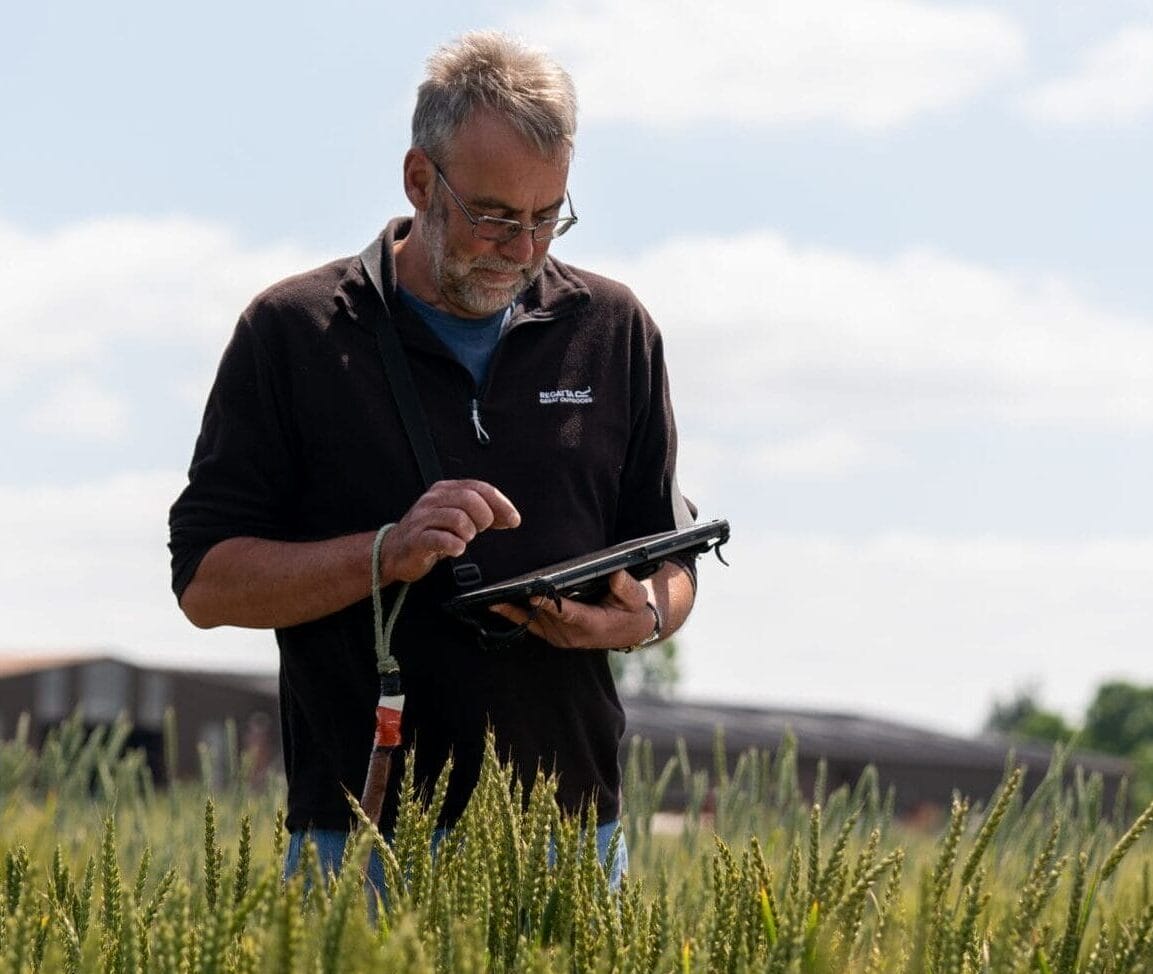
Detection Regular monitoring of the crop is essential for early detection and intervention. Growers should visually inspect damage/disease or use sticky traps to monitor pest populations. Aphid and CSFB populations can be monitored to track thresholds for application. Additionally, using pheromone traps for species such as diamondback moth or cabbage root fly, can help
track population dynamics. Incorporating decision support systems enables farmers to predict pest pressure, ensuring that the most effective control measures are used at the right time. Early detection ensures that these are targeted and effective methods.
3. Biological Control
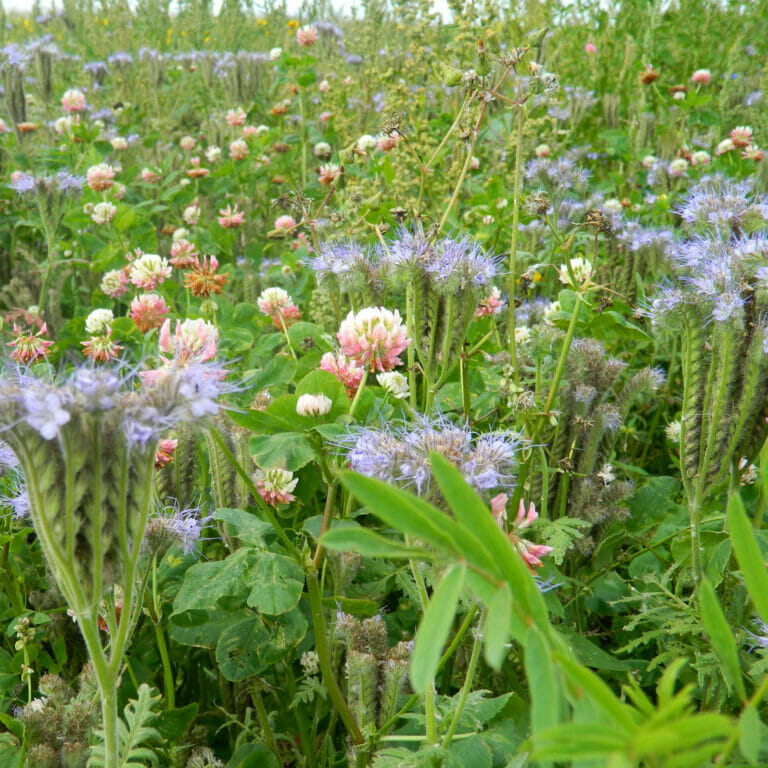
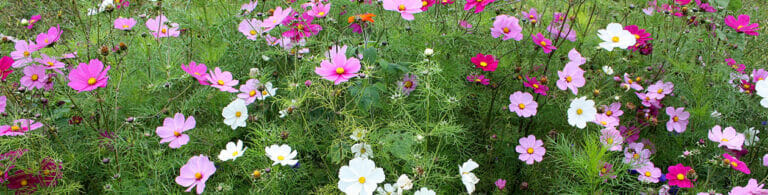
Biological control leverages natural predators and parasitoids, to reduce pest populations; natural enemies like parasitic wasps can help manage aphid populations. Farmers can encourage beneficial organisms by maintaining habitats, such as wildflower strips or hedgerows, which support a diverse range of species.
4. Chemical Control
Chemical control can be used where necessary, focusing on selective and targeted applications. Farmers should monitor pest populations and apply pesticides only when thresholds are met, ensuring the chemicals maximum efficiency. Selective use of insecticides and herbicides can target specific pest species while minimising harm to beneficial insects and crops. To prevent pesticide resistance, it’s essential to rotate chemistry where options are available, avoiding repeated use of the same chemicals. Timing is critical – applying pesticides when pests are most vulnerable or actively targetable, i.e. not within the stems or hidden under foliage, is key to improving efficacy and reducing overall number of applications.
5. Resistant Varieties and Genetic Innovations
Genetically resistant and resilient varieties of oilseed rape are a valuable tool within IPM strategy. These varieties are bred to combat specific pests and diseases, reducing the need for chemical interventions. Varieties resistant to clubroot for instance, are widely used in areas where clubroot is a known problem. Genetic innovation can be massively impactful in terms of general disease resistance, whilst improved agronomic characteristics contribute to the overall sustainability of the crop. Most recently, LG have identified flea beetle resilience within oilseed rape, which works within a wider IPM strategy, to curtail this devastating pest. If opting to drill late suits your IPM strategy, a genetically vigorous variety is required for faster speed of development.
Early drilling on the other hand, requires a variety that is slightly slower out of the blocks.
6. Weed Management
Weed management is another key component of oilseed rape IPM. Weeds can pose a significant challenge, so a combination of cultural, mechanical, and chemical control methods are employed. Crop rotation with different modes of action, help to manage weed control, while techniques like the use of cover crops or stale seedbeds, can suppress weed growth. Mechanical control, such as using weed harrows or inter-row cultivation, also aids in weed management – especially during the early stages of crop growth, and can also reduce the reliance on chemical methods.
This article is featured in the June 2025 edition of GatePost. Click here to read the full edition.
About The Author
Ryan Kemp
Senior Trials Officer