





A longer growing season, better quality grass and improved pest control support overall forage production, and they are all advantages of following regenerative agriculture principles.
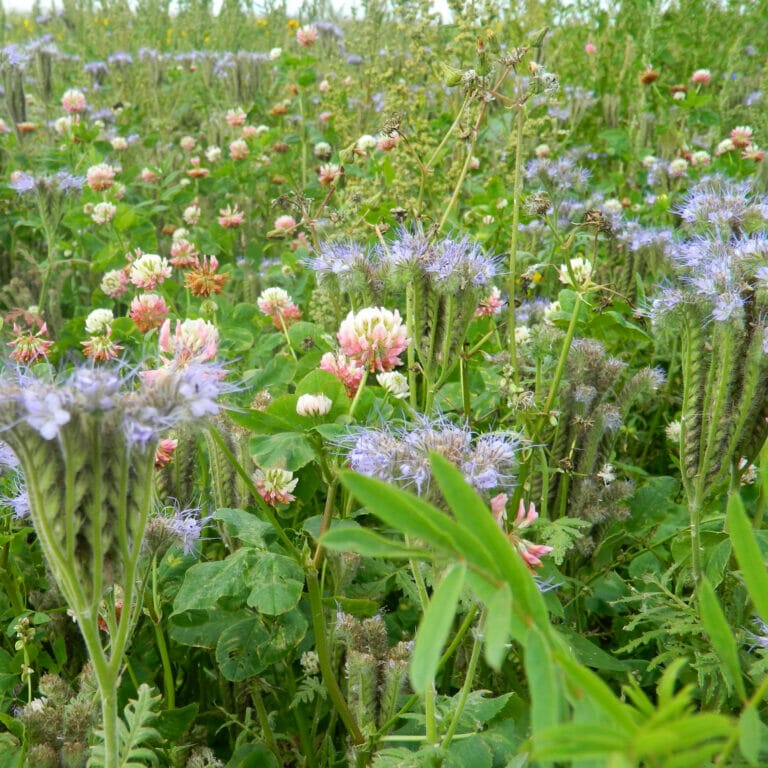
“One key pillar of regenerative agriculture is greater plant diversity,” says Limagrain’s forage crop manager John Spence. “And it’s an area where grassland farmers can reap the benefits by growing mixtures with more species that widen the growing period and help to combat more variable climate conditions.
“For example, clovers continue to grow in mid-summer when ryegrass varieties slow up. This increases the growing season. Clover also offers nitrogen-fixing benefits.”
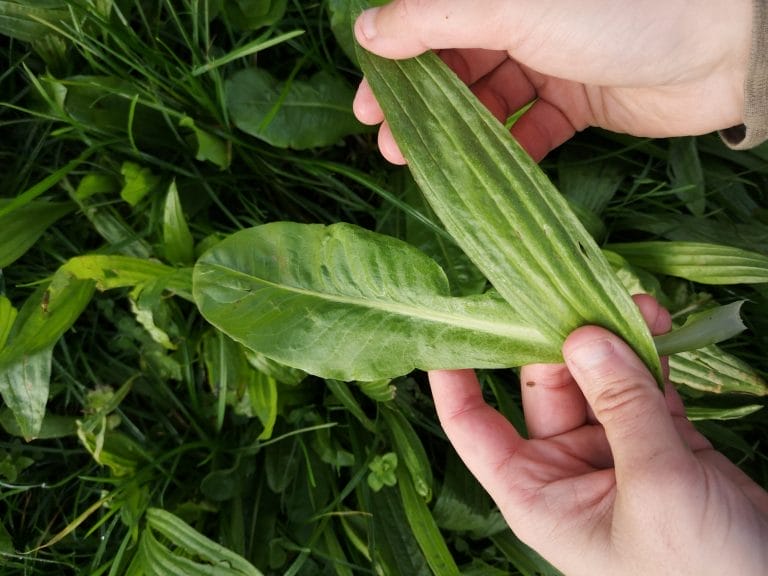
Likewise, deeper rooted plants included in multi-species mixtures, such as chicory and plantain, will be more productive in drought conditions whilst also improving soil structure and health.
Improve ground cover
Keeping soil covered is another regenerative pillar – and one to focus on for improved grassland productivity. “Mixtures with improved ground cover, dense swards and few bare patches are less prone to poaching in winter on wet land,” he adds. “Including clovers and herbs alongside highly productive ryegrass varieties ensures mixtures are more robust in dry summers with good ground cover, as well as increased forage output and quality.
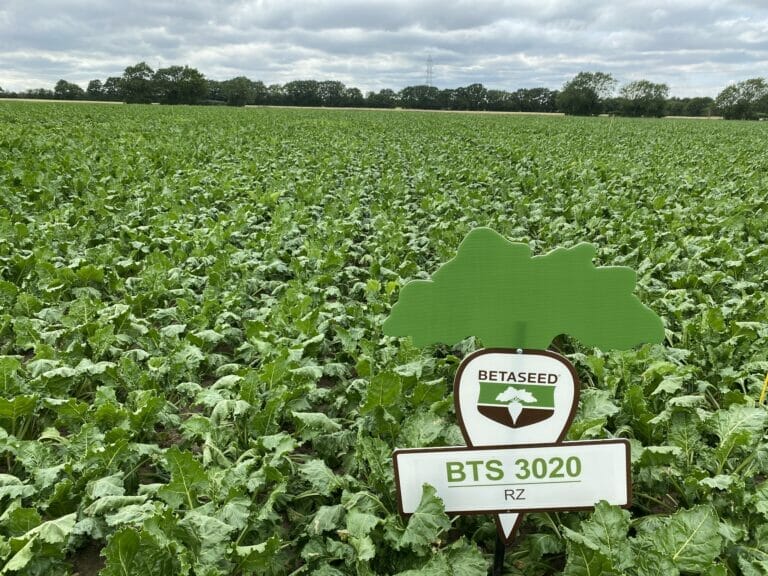
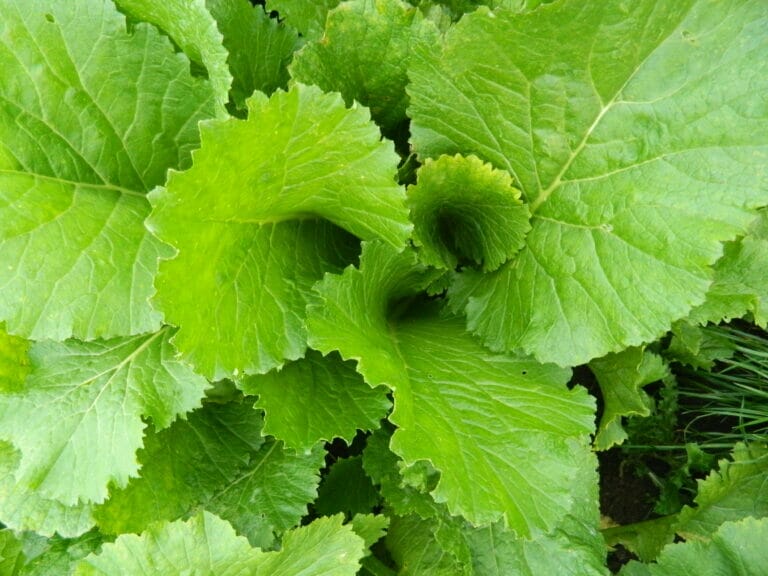
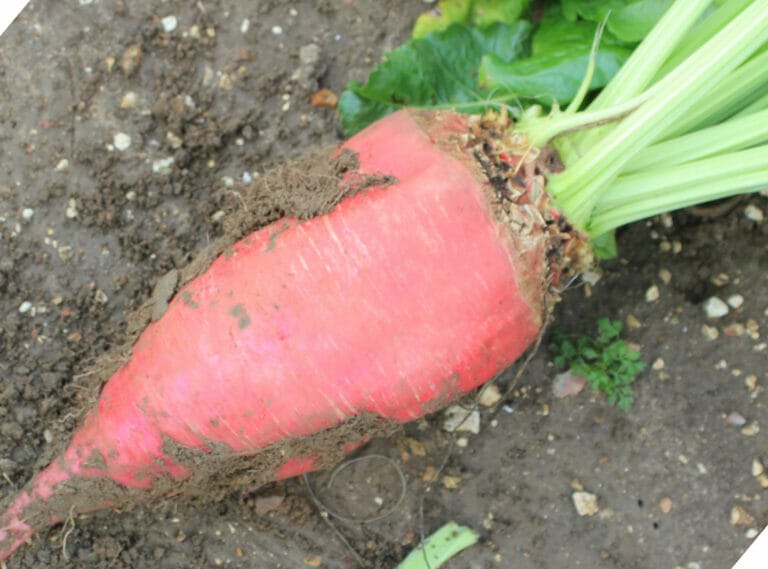
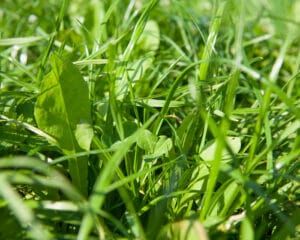 He encourages grassland farmers to avoid leaving swards fallow between reseeds. “We recommend that farmers avoid following grass with grass immediately, particularly if there’s a pest problem, and a six-month break is good. Instead, a winter forage crop such a stubble turnips and forage rape will maintain ground cover, help to break the pest cycle, and provide extra much-needed forage for livestock.”
One of the main regenerative agriculture pillars is avoiding soil disturbance. “For grassland farmers this means direct drilling of new leys, minimum soil cultivation, and avoiding ploughing where possible. Overseeding is a good way of increasing productivity without cultivation”.
“Mixtures with tetraploid ryegrasses are good here as they complete well with existing grasses.”
Grassland farmers are already following many of the regenerative farming principles, but there’s more to be gained – specialist mixtures, forage break crops and improved practices will both support soil health and add to grassland productivity.
Financial support?
And there’s the added support from new SFI rules that could offer cash payments for making certain improvements, such as “NUM2: Legumes on improved grassland,” which offers £102/ha for introducing legumes such as white clover into existing temporary grass swards.
“It’s a win-win for many grassland farmers – more output from grassland and increased support for regenerative principles will support their businesses’ longer-term sustainability.”
Find out more about our grass mixtures here
Back your grasslandGrassland improvement is always a wise investment and despite some hikes in input prices there’s still no question on the payback from a reseed or repair.
Early summer is a key time in the grassland calendar. It’s when ‘big’ decisions are made – like timing of silage cuts to achieve the best quality or to maximise yield to fill the clamp.
“But it’s also time to assess sward and grass quality and make some decisions,” says Limagrain UK’s forage crops product manager John Spence. 
So once first cut is completed, a visual assessment of the swards, together with yield and initial quality details, will give a good indication of whether silage targets have been met.
Fertiliser ‘fix’
If yields are down and the silage clamps are low after first cut then sward growth should be maximised in the short term.
“It might be a hard pill to swallow this year, but even with high input prices, the additional grass yield gained from fertilizer applications is worthwhile and more cost-effective than making up the shortfall in dietary energy with bought-in feed,” says Mr Spence.
Whilst reducing fertiliser applications might seem like an attractive idea, a 25% cut in nitrogen from an annual rate of 250kg/ha to around 185kg/ha is likely to reduce grass yields by around 2t/ha equivalent to a reduction in energy of around 22,000MJ/ha. This might save around £80/ha in fertiliser costs but the loss in energy from grass will cost around £600 to replace from energy in bought-in concentrates.
“And remember, concentrate feed prices are still high, so most farmers will see maximising milk from high quality forage as even more important this year.”
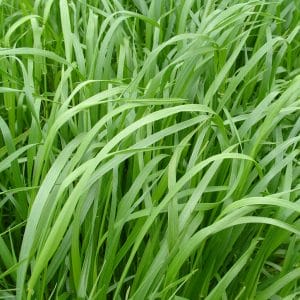 Oversowing the sward with a grass seed mixture – or clover – is another short to medium term grass improvement option, and soon after first cut is a good time to do this on any swards needing some ‘repair’.
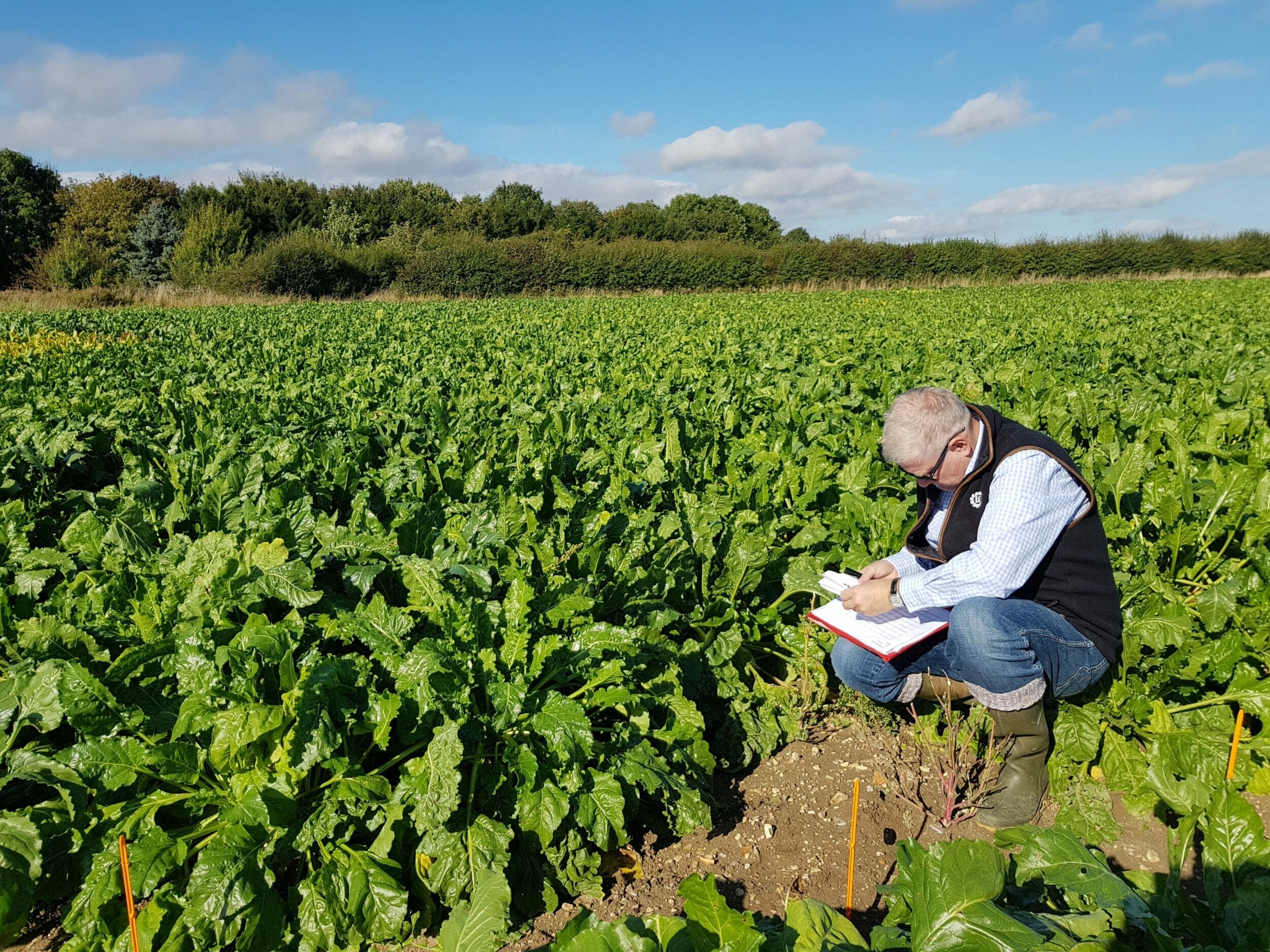
“Have a walk around the sward a few days after cutting it,” adds Mr Spence. “Look for gaps and broadleaved weeds. But also look at the grasses. There’s no need to worry about identifying the individual grass weeds but look for the proportion of ryegrass in a sward.”
Ideally, 70% of the grass plants should be ryegrass. If there’s less, productivity begins to be significantly compromised. “Examine a metre square area and work out the ryegrass population,” he adds. “If there’s between 70% and 80% perennial ryegrass content then overseeding – rather than a full reseed – can renovate a ley and extend its productive life.”
Correct mixture choice for overseeding is important as the newly sown grasses need to compete with the existing sward. A high inclusion of Tetraploid grasses is recommended as they tend to be larger seeded and more competitive with the established plants.
“Overseeding is also a great way of introducing or increasing the clover content in the sward,” he adds. “Sowing clover in May and June, when soil temperatures have warmed up, means the clover should establish quickly and be able to better compete with surrounding grasses. A pelleted clover, with a mix of clover leaf sizes, gives best results.”
Grass ‘shelf-life’
Grass leys are at their most productive in their first year – so a sward sown in 2023, should be at its most productive in 2024. “Fall off is gradual but inevitable. By year five, a ley’s productivity could be just 60% of year two and the dry matter yield from a grass sward can decrease by about five tonnes/ha from year 1 to year 4.
Ideally, 20% of grassland should be reseeded each year. This keeps grassland on a five year rota and offers the opportunity to maximise sward productivity. 
Even with higher fertiliser and fuel prices, Mr Spence says that the cost of a reseed is easily justified and will pay for itself in improved output from the sward in little over a year.
“It costs between £550 a hectare and £850 a hectare to reseed, depending on whether it’s an overseed or a full reseed,” he says. “But the dry matter output and forage quality should be significantly improved. The new ley should produce more than 33,000MJ per hectare of energy, which is enough to produce 6300 litres of milk. At 40p a litre, this is more than £2500 in milk value. So there’s no issue over justifying the cost.”
He points out the value of choosing a high quality tried-and-tested grass seed mixture suited to the farm and the sward’s purpose makes economic sense.
“It costs the same to sow an average grass seed mixture and a high quality proven mixture. Between 25% and 30% of the reseed cost will be spent on seed, if you opt for a high quality mixture, or around 20% for a standard mixture” he says.
“So there’s a marginal difference in price but on farm trials with new varieties and mixtures show a big difference in yield and feed value which farmers can take advantage of.”
Reseed timing
Reseeding in spring tends to be less popular than in autumn, primarily because it means taking a field out of production during peak grass growing time, despite warmer conditions favouring good establishment and less chance of competition from weeds.
“Less availability of pesticides has altered reseeding decisions. We can’t rely on their use in reseeds, so instead we’re looking more to a rotation to break the bug cycle to help ensure a successful reseed.”
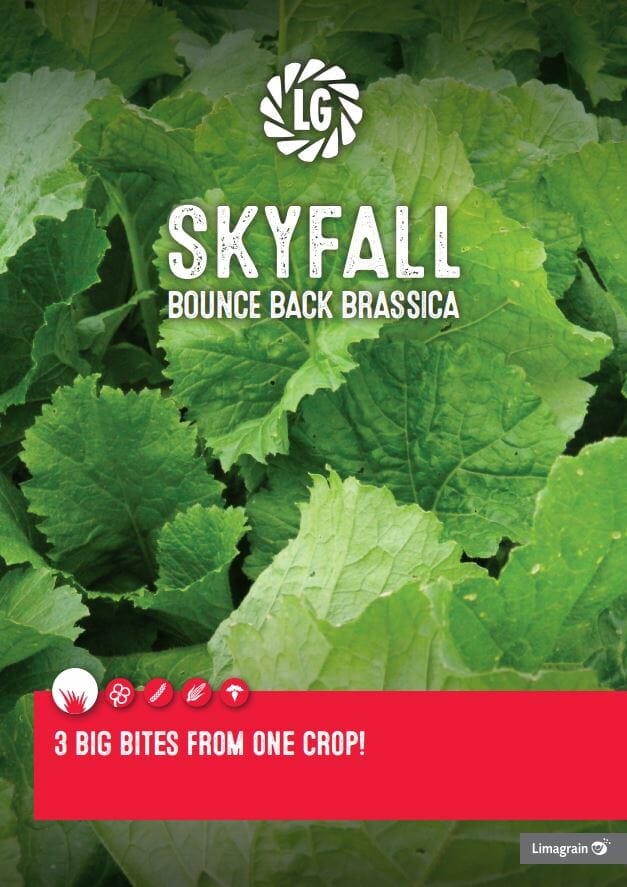
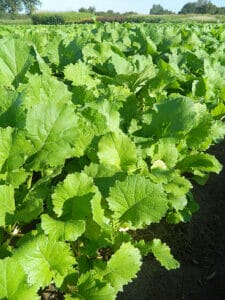 One option may be a quick growing brassica such as Skyfall, sown in May after first cut silage and giving several high protein rounds of grazing, starting as early as late July when the grass growth has slowed down. “We call this crop a bounce-back brassica as it can be grazed, closed up and after an eight-week regrowth, re-grazed ahead of an autumn reseed.”
For those looking for a second cut or grazing round prior to a reseed, a kale or brassica hybrid or stubble turnips sown in July or August will provide a grazing crop in autumn and winter ahead of a spring reseed.
“There are lots of options when it comes to maximising output from grassland, and cutting costs in this area is false economy. There are many other areas to look at before making cuts here.
“And bear in mind that reseeding, oversowing and fertiliser use go together. Younger, healthier grasses will make better use of fertiliser applications than older swards, which means that more fertiliser is turned into grass and feed value in a healthy fresh grass sward.”
Find out more
To see the full range of Sinclair McGill mixtures and find your nearest distributor, click here
To download the Sinclair McGill Grass and Forage Handbook, click here
To find out more about LG Skyfall Bounce Back Brassica, and download a free Growers’ Guide.