Limagrain donates valuable bird feed to the Turtle Dove Trust
The Turtle Dove Trust is a registered charity, based in north Suffolk, that breeds turtle doves in captivity, with the aim of releasing birds back into the wild.
Turtle doves are an endangered species; the UK population has declined by almost 90% during the last 30-40 years, and captive breeding will help to ensure that this beautiful species of dove does not face extinction, explains Trevor Lay of the East Anglia branch of the Turtle Dove Trust.
“A key part of the project is to feed the released doves until they migrate in the autumn. Ideally this will reduce the need for them to migrate to parts of Europe and North Africa, where they are still actively hunted.”
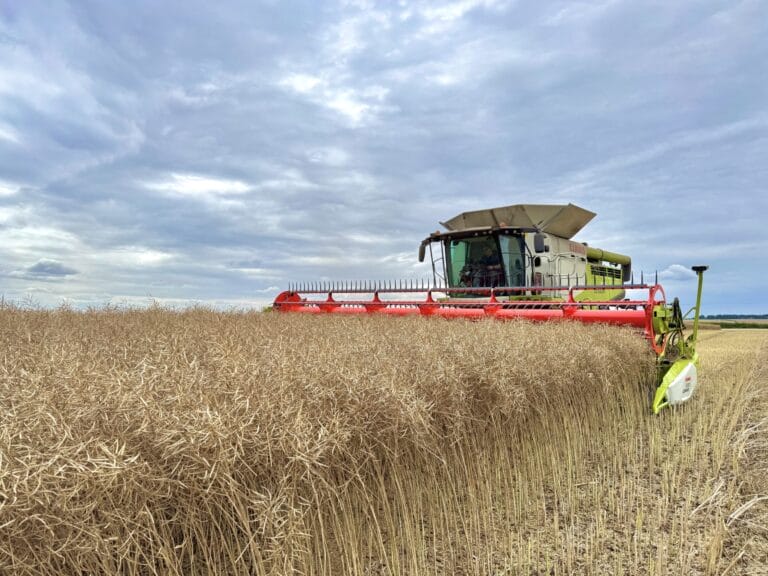
This is where Limagrain was able to help the Trust. Earlier this year, the company donated several tonnes of oilseed rape screenings, which has provided supplementary feeding for the released birds in gateways, tracks and headlands, as they adjust to foraging for their natural diet.
As a charity, the Trust has very limited funds Trevor explains, so we are always delighted when companies and individuals step up to the mark to help the project. Anyone wanting to find out more about the Trust, please contact him via email on: waveneywildlife@gmail.com
Maize Manager App optimises return on investment in feed or AD
The Maize Manager app from LG Seeds has drawn together the latest information to help growers significantly improve return on investment by optimising decision making at all the key stages in producing a quality crop.
“Decisions about which variety to grow, the appropriate seed rate and the optimum harvest date greatly influence the return on investment in a maize crop. Our new app helps growers make the best decisions, whether they’re growing for forage or AD,” comments Tim Richmond. LG Maize Manager UK and Ireland.
Suitable for android and IOS phones, and downloadable from both the Apple and Google Play stores, the app is designed to be quick and easy to use and is subdivided into four sections.
Of immediate interest, as growers decide on their varieties for 2021 is the Feed Manager section which provides users with the ability to compare individual varieties for their energy output and milk production potential within a similar maturity range. The Feed Manager tool also gives a potential additional return on investment from using a specific variety for AD or livestock feed.
“With the top variety on the NIAB/BSPB list producing £774 per hectare more potential milk production than the average and with the poorest variety producing a return of £600 per hectare less milk than average, the impact of variety choice on performance and profitability can be considerable.
“By selecting varieties proven to support high milk production, farmers can reduce purchased feed costs to boost margins. The saving between the top and bottom varieties is around 2.25 tonnes of purchased feed saved per hectare of maize grown.”
The Maturity Manager section uses Ontario Heat Unit data to provide a recommended FAO range, from which varieties can be chosen to be successfully grown at the farm’s postcode.
The Sowing Manager provides a recommended seed rate and calculates the number of seed bags required for the hectarage to be drilled.
Finally, the Harvest Manager uses information on the maturity of the cob and the dry matter of the stem to determine the date when a crop will be ready for harvest, giving the farmer a more informed guide and advanced warning as to when to book his contractor.
“Using the app, growers will be able to use data to determine the optimum variety, drilling rate and harvest date to help maximise ROI from their maize through a high yield of a quality forage to drive milk production or AD performance,” Mr Richmond concludes.
Henry Louth has joined Limagrain UK’s commercial team as key account manager for forage crops in the Midlands and northern England.
Henry Louth has joined Limagrain UK’s commercial team as key account manager for forage crops in the Midlands and northern England. He will also promote Limagrain’s environmental crops and advise on the options for cover crops and stewardship schemes.
From a Lincolnshire family farming business, Henry studied countryside management at Harper Adams University. He worked in the family’s fresh produce packaging business then, after graduating, he had a sales role with Boston Seeds, marketing grass seed, wildflower seeds and forage crops.
Henry is based in Lincolnshire. A country pursuits enthusiast, Henry also enjoys working Labradors and conservation.
Plant breeder Limagrain expands UK commercial team
Limagrain has expanded its UK commercial team with the appointment of two new national roles. John Spence is the company’s new forage crops product manager and Tom Barker joins Limagrain UK as cereals and pulses product manager.
John Spence
John Spence brings nearly 20 years’ agronomy experience to his new role. He joined Limagrain in 2006 and held the role of forage crops seed sales specialist in the Midlands and northern England.
From a Lincolnshire arable farming family, John studied agriculture at the University of Nottingham. He then spent five years with Eurofins UK as trials agronomist for arable and forage crops before joining Limagrain. In his new role, John will manage Limagrain’s grass seed brands; Monarch and Sinclair McGill.
Tom Barker
Tom Barker has more than 12 years’ trading experience in the UK arable sector and working as an assistant seed manager. He is from a Suffolk-based farming family.
Based at Limagrain’s wheat breeding centre at Woolpit near Bury St Edmunds, Tom’s focus will be on growing the business with proven varieties such as; LG Skyscraper, LG Spotlight, Tundra and LG Diablo, and with the launching of new varieties.
Commenting on their appointments, Limagrain’s business area director for north west Europe, Jonathan Tann says: “Both John and Tom have wide experience in their sectors to bring to their new roles. Limagrain is best placed of all the plant breeders and seed suppliers to recognise and respond to many of the issues facing UK growers now and over the next 10 years. By strengthening our commercial teams we will make sure we bring the latest developments and provide the technical support to our customers.”
Use Data to Select Optimum Variety
Our new Maize Variety Selection Guide for 2020 will help farmers identify the most suitable maize variety and help increase the return on investment in the crop.
“With maize costing around £800/ha to grow it is vital that farmers maximise the return on this investment,” comments Tim Richmond, Maize Manager, UK and Ireland with LG Seeds.
“Whether you are in a favourable or less favourable area, there are basically three core objectives. The first is to grow a variety that will mature early on increasing the prospect of getting it harvested in good time and allow a successor crop to be established. The second is to ensure to produce the best yield of high-quality feed, and finally you want feed available to include the diet as early as possible in the autumn. All these are driven by variety selection.”
With big developments in plant breeding including improvements in feed parameters like Cell Wall Digestibility, Mr Richmond says there are big benefits from looking to grow some of the newer varieties on the list.
The LG Maize Variety Selection Guide 2020
The Maize Variety Selection Guide contains data on all the varieties on the 2020 BSPB/NIAB descriptive lists with data presented in easy to understand charts, allowing quick comparison between varieties.
Tables provide information on quality characteristics including cell wall digestibility and starch content, enabling choices to be made to maximise the total feeding quality of maize silage. Vital agronomic information such as lodging, maturity and early vigour data is also included.
“The objective is to choose the varieties best suited to the farm situation which will maximise the nutrients available to feed stock next winter,” he continues.
“When making the decision, farmers have to consider a wide range of factors including maturity date, agronomic factors, yield and quality which can make it a challenging decision with a significant range of varieties available. Getting the choice right can have a major impact on the quality and quantity of forage produced which will have a significant effect on performance and margins.”
He says the benefits of growing one of the best new varieties can be significant. Prospect which combines early maturity for a reliable harvest with exceptional yields and feed value can produce an extra 2500 litres of milk per hectare compared to the average variety, giving an additional £700/ha return from the crop.
“New varieties like Trooper, Gema and Resolute also deliver an exceptional return while longer established varieties like Glory still allow farmers to make an excellent return by delivering high quality feed combined with early maturity.”
Limagrain has been involved in PCGIN since its creation and has benefited from the excellent research into the genetic improvement of the pulse crop. The next event is on 14th Nov in Grantham and open for registration now…
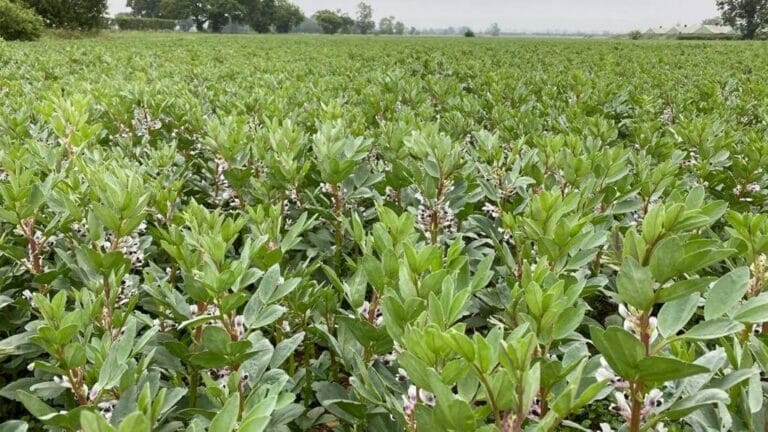
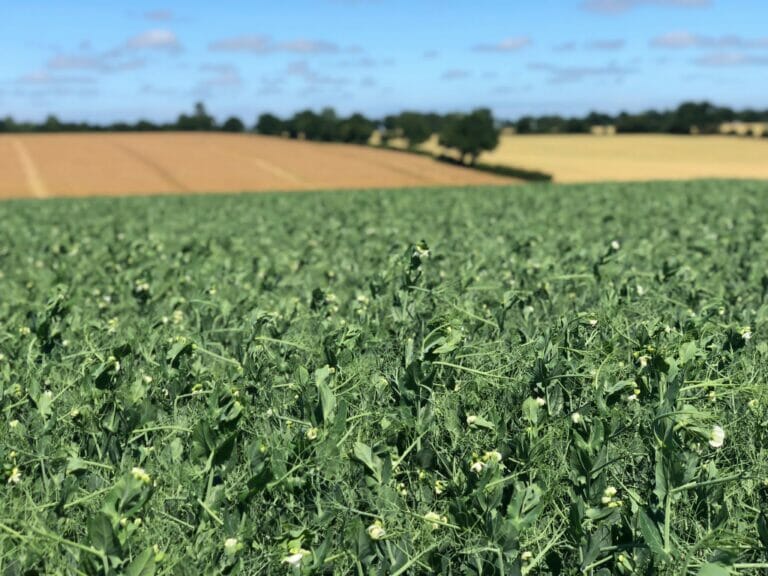
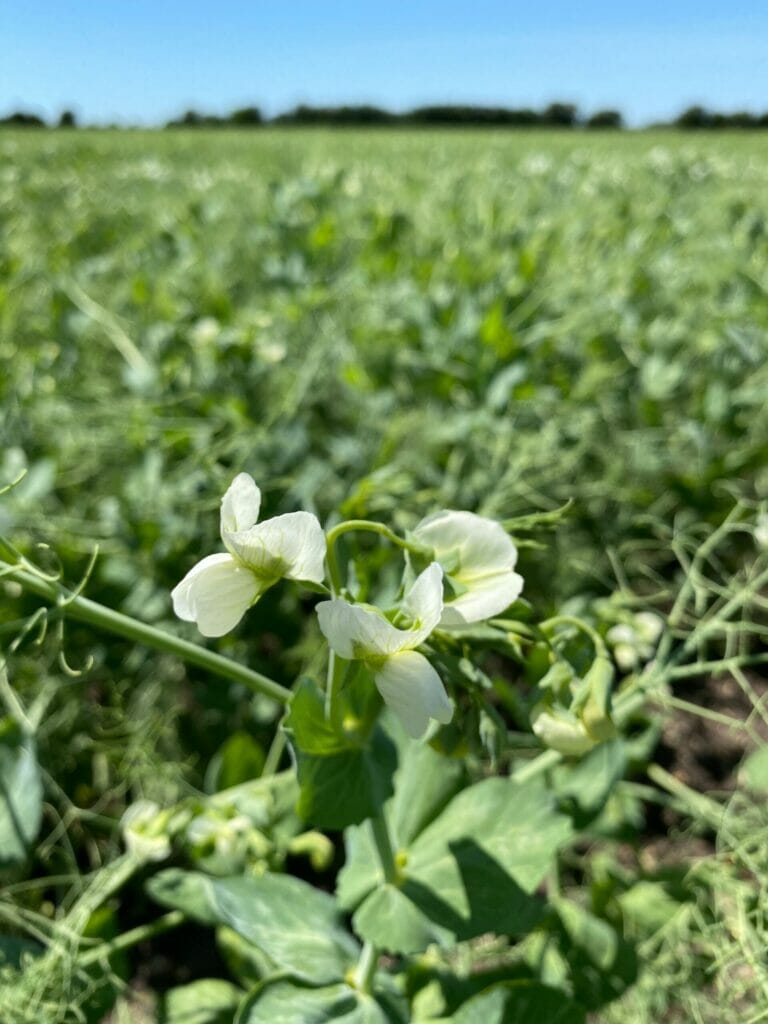
Limagrain has been involved in PCGIN since its creation and has benefited from the excellent research into the genetic improvement of the pulse crop. In particular, the work on seed quality has helped in colour retention in large blue and marrowfat pea breeding.
The next event is the PCGIN 2019 stakeholder meeting and will be held on 14th November in Grantham, Lincolnshire.
This industry-led stakeholder meeting will present perspective talks on future market opportunities and relevant international developments, within the context of the latest developments in genetic research on UK pulse crops (PCGIN 2018-2023). There will be time for interactions over lunch.
We are very grateful to Agrii and Limagrain for their sponsorship of this meeting.
Programme
10:30 Arrival, tea & coffee
Welcome & introductions (Peter Smith, Agrii; Will Pillinger, Limagrain)
Chair: Peter Smith, Agrii
11:20 Overview of industry-academic exchanges – Marketplace of Ideas (Donal O’Sullivan, Reading)
11:25 The industry perspective, 2019 (12 minutes each speaker)
• Andy Bury, Frontier: Challenges for trading UK pulse crops
• Paul Sheldrake, Healy Group: Rising opportunities for vegetable proteins and UK pulses – Technical & Nutritional Challenges
• Nick Saltmarsh, Hodmedods: Opportunities for existing and novel legume crops in the UK
• Chris Harrison, Novofarina: Food product development and genetic targets in pea.
• The role of Pulses UK
12:45 LUNCH with poster* viewing
Chair: Will Pillinger, Limagrain
13:40 Flash presentations from junior scientists (5 minutes each speaker)
Tom Reynolds, NIAB: Evidence for sexual reproduction of the faba bean pathogen B. fabae in the UK
Gabriel Robinson, JIC: A nutritional review of UK pulses
Vicky Tagkouli, UoR: Selection schemes for small-scale faba bean breeding Jake Moscrop, NIAB/UoCam: Enhancing pollination in the field bean, Vicia faba
Ahmed Warsame, UoR: Identifying and quantifying the most important faba bean seed proteins
14:15 Legume crops and international activities (Pete Iannetta, The James
Hutton Institute)
Curation of legume crop germplasm (Noam Chayut, JIC)
14:40 Perspectives & open discussion on priorities (growers, NFU, Defra,
industry & scientists)
15:00 Wrap up & depart
*Poster presentations:
• Genotyping tools for faba bean (Deepti Angra, Reading)
• Towards saturation mutagenesis in faba bean (Tom Harvie, Deepti Angra, Reading)
• Improved management of viruses (Becky Howard, PGRO; FERA)
• Exploring soybean germplasm (Tony Miller, JIC)
• Nitrate sensors and uptake of nitrate by crops (Tony Miller, JIC)
• Favuleux – developing faba beans as a sustainable source of high-quality protein for food through optimised genetics, farming and processing (Thomas Wood, NIAB)
• Identification of a QTL conferring partial resistance to downy mildew on faba bean, Vicia faba (Anne Webb, Krystyna Gostkiewicz, Jane Thomas and Thomas Wood, NIAB)
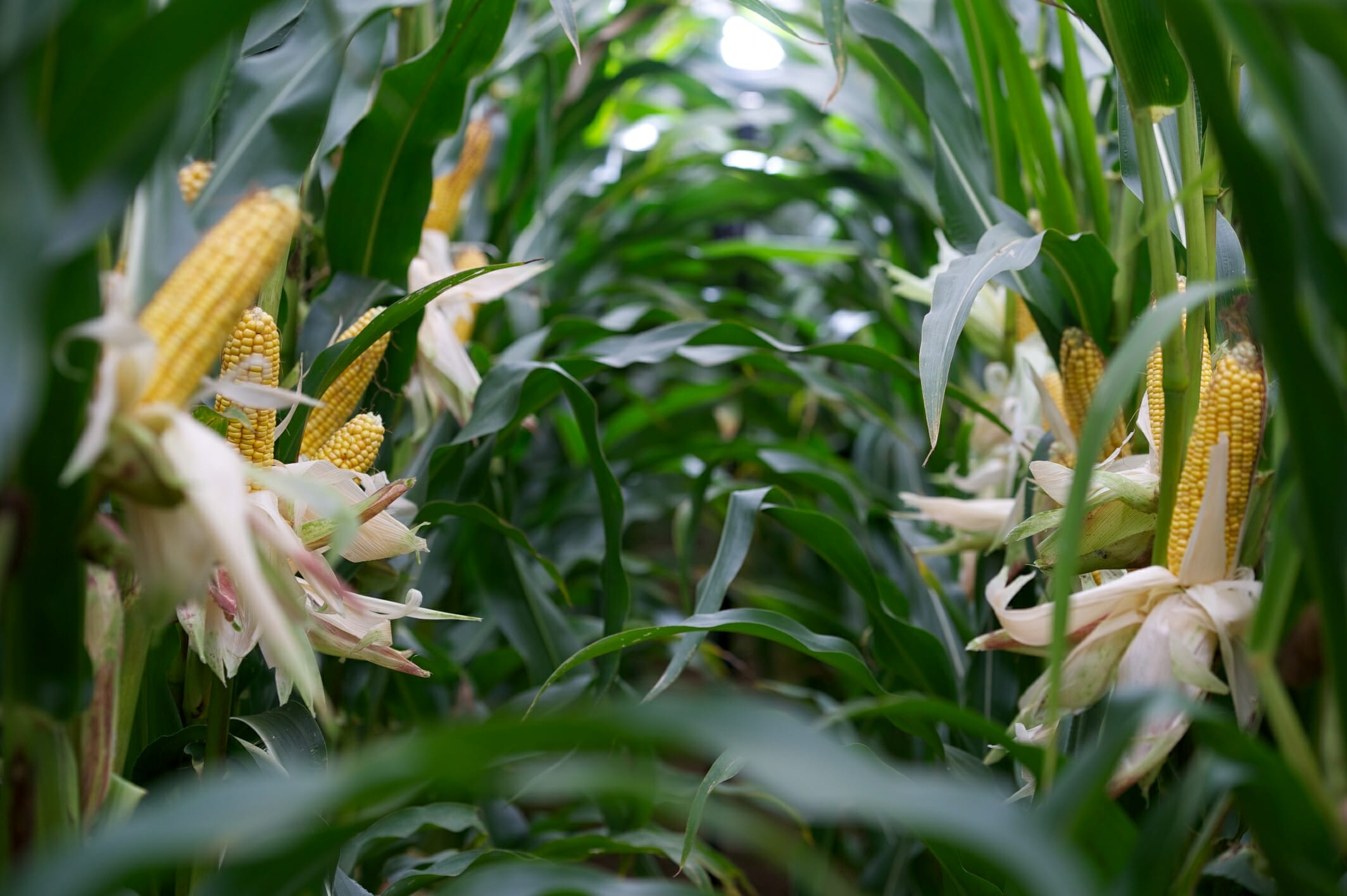
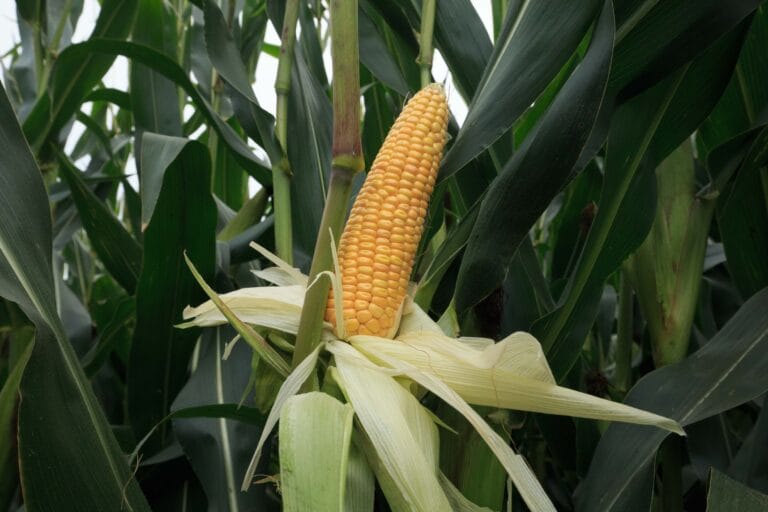
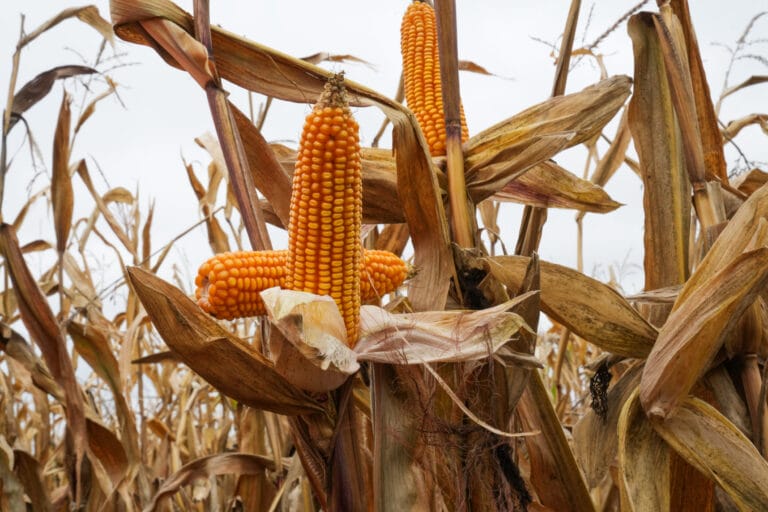









 Of immediate interest, as growers decide on their varieties for 2021 is the Feed Manager section which provides users with the ability to compare individual varieties for their energy output and milk production potential within a similar maturity range. The Feed Manager tool also gives a potential additional return on investment from using a specific variety for AD or livestock feed.
 From a Lincolnshire family farming business, Henry studied countryside management at Harper Adams University. He worked in the family’s fresh produce packaging business then, after graduating, he had a sales role with Boston Seeds, marketing grass seed, wildflower seeds and forage crops.


