Limagrain UK is pleased to announce that the impending ban on maize seed treatments has been lifted following a successful lobbying campaign, with the granting of Emergency Authorisations allowing seed treated with three key seed treatments to be imported into and grown in the UK in 2024.
The future viability of maize being grown in the UK has been in question due to an impending ban on seed treatments not registered for use in the UK. These include Korit (ziram) bird deterrent, Redigo M (prothioconazole + metalaxyl) fungicide and Force 20 CS (tefluthrin) insecticide, with the use of all three products due to be banned from 31st December 2023. After this date it would have been illegal to import, sell or sow any seed which has been treated with any of these products, putting into doubt the future viability of maize grown for livestock forage or as a feedstock for anaerobic digestion (AD) plants.
Tim Richmond
“Without a suitable bird repellent, insecticide and fungicide, there’s a substantial risk that newly drilled crops could be completely wiped out by corvid grazing, or seriously hindered by insect damage and soil-borne pathogens,” explains Tim Richmond, Maize Manager for Limagrain Field Seeds in the UK and Ireland.
“To counter the ban, which has threatened the industry as a result of the UK’s departure from the EU, Limagrain set up and spearheaded an industry working group to lobby the Government into taking action. We can now announce that all three products have been granted an Emergency Authorisation, meaning that treated seed will be allowed to be imported into, and used in the UK next year.”
But the campaign doesn’t end here Mr Richmond continues. “Whilst the emergency use authorisations are a significant win for the industry, they are by no means a permanent solution. We are therefore continuing to lobby on behalf of all UK maize growers to secure a more sustainable solution in the form of a longer-term delay on the ban which will require a change in UK law, and will encourage the CRD (Chemicals Regulation Division) to ensure the next generation of maize seed treatments are approved at a regulatory level as quickly as possible.”
Limagrain provides feed for endangered bird species
The campaign to increase numbers of turtle doves in the UK and stave off extinction of this endangered species is benefitting from feed supplies from seed company Limagrain UK.
Donations of small seeds typically turnips and peas and oilseed rape screenings from the company’s seed plant in Norfolk, that would otherwise be wasted, are supporting birds on the independent Turtle Dove Breeding Project. This project, co-ordinated by Trevor Lay of Waveney Wildlife, supplies all the captive bred birds to the Turtle Dove Trust for release purposes.
“We use mostly domestic, fostering Java Doves and we also encourage the Turtle Doves to rear at least one or two broods themselves,” says Trevor.
The breeding project supplies around 500 turtle doves each year, free of charge. The majority to the Turtle Dove Trust, and to other conservationists or release projects.
Trevor puts the seed material on a range of different ground surfaces such as scrubby grass, gravel, different sand types, ballast and granite chippings, so the young birds get used to foraging for all their seeds. “They are then familiar with searching on different terrain when they are released.
“We aim to release over-wintered birds once the oilseed rape and barley harvest is well underway, so the birds have plentiful feed supplies locally and are not tempted to migrate.”
The UK population has declined by almost 90% during the past 40 years. Captive breeding is helping to ensure that this species of dove does not face extinction. But it relies on donations and so we are always delighted when companies and individuals step up to the mark to help the project.
Maize breeder optimistic of a reprieve for seed treatments
Limagrain UK is optimistic that treated maize seed will still be available for the upcoming season as hope grows that the impending ban on seed treatments will be delayed following a successful lobbying campaign.
The future viability of maize being grown in the UK – either for use as livestock forage or as a feed source for AD (anaerobic digestion) plants – has been in question due to an impending ban on all seed treatments including Korit (ziram) bird deterrent, Redigo M (prothioconazole + metalaxyl) fungicide and Force 20 CS (tefluthrin) insecticide.
As it currently stands, from 31st December 2023 it would be illegal to import, sell or sow any seed which has been treated with any of these products, leaving crops at significant risk of failure.
“Without a suitable bird repellent, insecticide and fungicide, there’s a substantial risk that newly drilled crops could be completely wiped out by corvid grazing, or seriously hindered by insect damage and soil-borne pathogens,” explains Tim Richmond, Maize Manager for Limagrain Field Seeds in the UK and Ireland.
“Corvids are highly intelligent birds, and quickly understand seed drilling patterns, with any attempt to drill seed deeper to prevent bird damage likely to exacerbate the risk of seedling blight, making the application of a fungicide seed treatment such as Redigo M even more critical.”
To counter the ban, which has threatened the industry as a result of the UK’s departure from the EU, an industry working group – spearheaded by Limagrain UK – has been set up to lobby the Government into taking action.
“Limagrain has taken a leading role in this sector-wide campaign which has also included the MGA, AIC and NFU,” Mr Richmond continues. “A number of emergency authorisation (EA) applications have been made to the regulators for the continued use of these treatments for sowing in spring 2024, with a decision on whether the ban will be withdrawn or delayed due imminently.”
The Expert Committee on Pesticides is scheduled to meet in September, with a final announcement are expected to be made before the end of the month.
“As things currently stand, we’re confident that our ongoing discussions with the Farming Minister, the Rt. Hon. Mark Spencer MP, will have a favourable outcome and that all three seed treatments will still be available for use in 2024 – either as a result of the Emergency Authorisations being granted, or because of a change in the law to delay the withdrawal date.”
Despite the imminent announcement there remains significant uncertainty amongst UK maize growers, with some already suggesting they are preparing to sow an alternative crop such as wholecrop winter wheat.
“We appreciate that the clock is ticking and that for some growers any announcement might come too late,” Mr Richmond adds. “But until a concrete decision has been made, we’d urge growers not to rush into making any changes to next year’s rotation.
“We will know more in a relatively short timeframe and will announce the Committee’s decision as soon as it has been made known to us. In the meantime, we are continuing to lobby for the new generation of maize seed treatments to be registered with the CRD as quickly as possible to ensure maize remains a viable crop in the UK in the long-term.”
Limagrain UK will be exhibiting at the UK Dairy Day in Telford on Wednesday 13th September. Please feel free to visit stand H120 to discuss the latest situation with a member of the LG team.
Ian Foot: a pioneer in bringing quality wheats to market
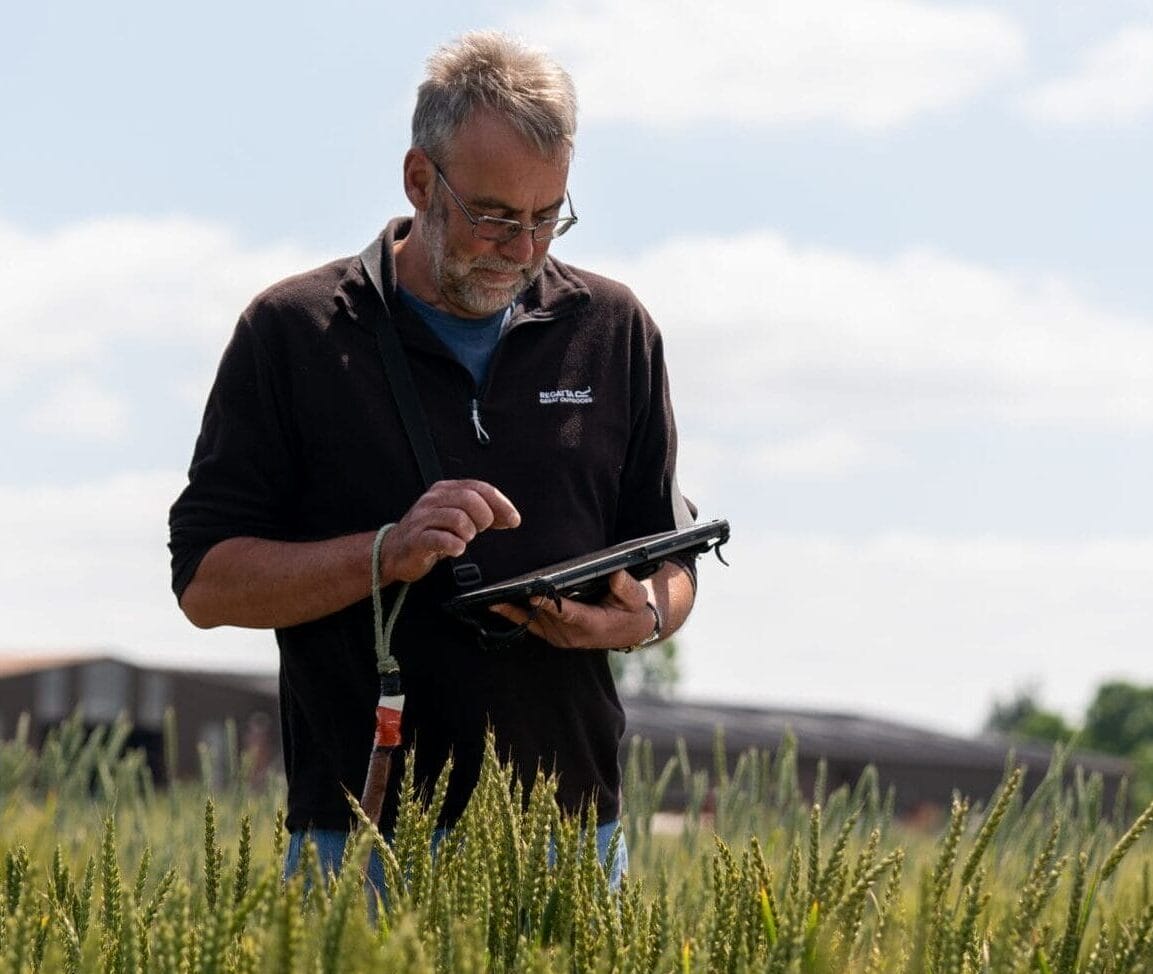
Quality wheat breeding is losing a renowned figure as Ian Foot retires from the world of flour functionality and baking at leading plant breeders Limagrain UK, where he has headed up the quality wheat programme for the last 30 years.
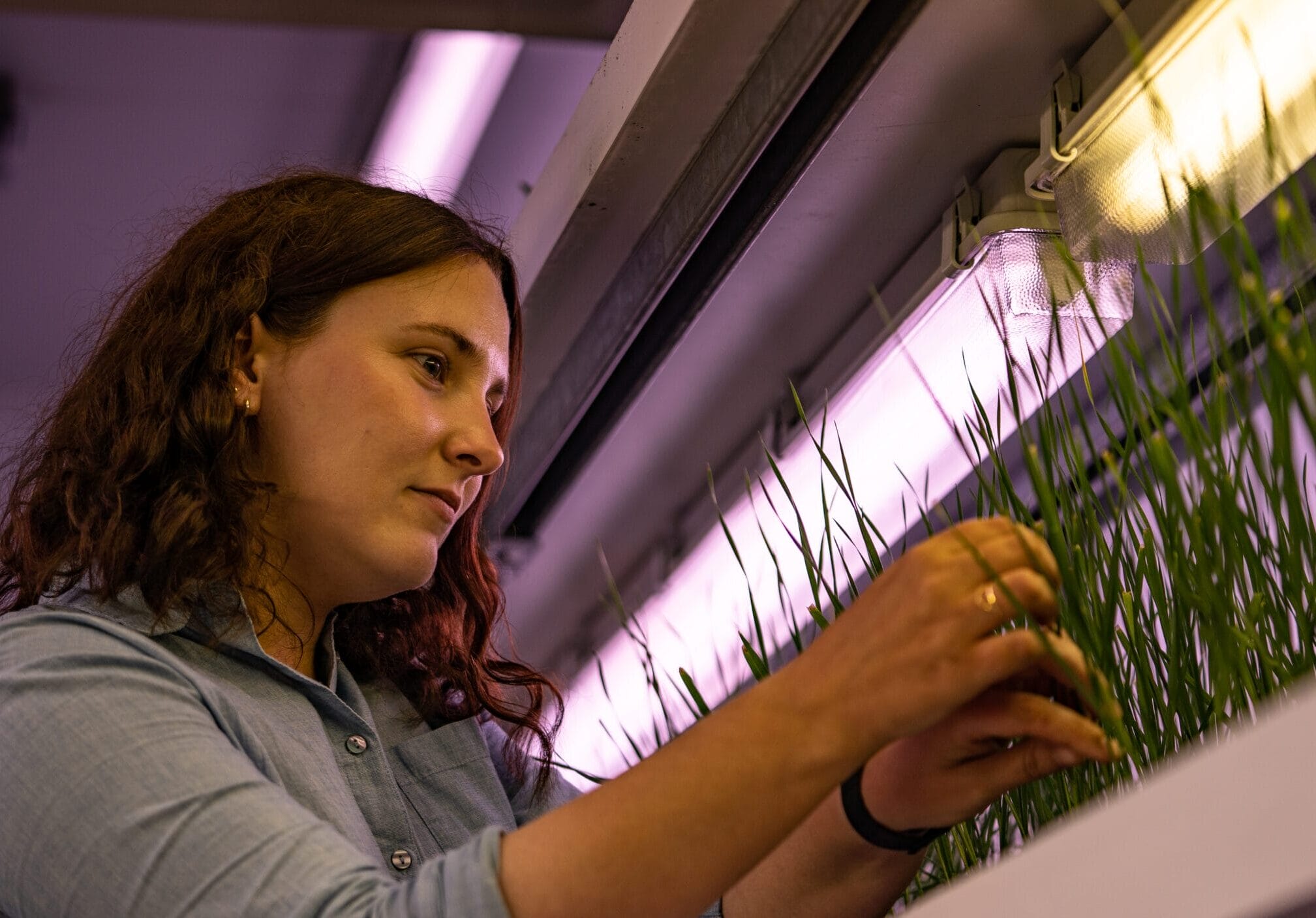
Whilst Ian Foot’s retirement marks the end of an era, it also marks the beginning of a new chapter, led by a passionate and skilled successor. As the torch is passed on to Ewa Lagowska, the spirit of innovation and excellence in wheat quality breeding continues to thrive at Limagrain UK.
Ian had an unconventional start to his journey in science. He didn’t like his history teacher at school, so he opted to take biology instead!
This led him to pursue biology at higher education, firstly at the Northeast Surrey College of Technology and subsequently at the West of Scotland Agricultural College, where Ian’s six-month industrial placement turned into a transformative few years at Throws Farm.
During this time, Ian not only gained valuable practical knowledge but also discovered his true calling. He returned to his studies with newfound zeal and completed a degree in agriculture, specialising in Crop Production. Armed with his newly acquired knowledge, he landed a position at Twyford Seeds, where he managed seed quality and pathology labs.
However, it was all change in the early 1990’s, when he found himself working for plant breeders Nickerson, who at that time had recently been acquired by Limagrain. Here he had the privilege of working under the mentorship of the esteemed wheat breeder, Bill Angus. Under Bill’s guidance, Ian honed his skills and became deeply involved in quality wheat breeding.
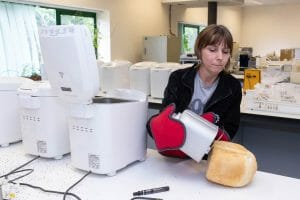
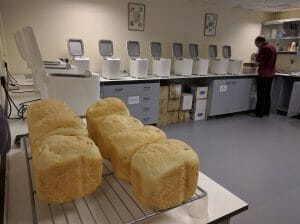
Ian took on the role of quality wheat manager, where he played a crucial role in developing quality programs that bridged the gap between end-user requirements and wheat breeding for the bread and biscuit sectors.
Working closely with wheat breeder Ron Granger, Ian spearheaded the development of the leading milling variety, Crusoe. Collaborating with the baker, Warburtons, Ian and his team had set out to find a wheat variety that could potentially replace the popular variety, Hereward. This variety had to meet Warburtons’ stringent quality requirements, including the quality of the flour, its functionality, baking performance and colour. For a variety to make a Group 1, it needs to deliver all this consistently.
The creation of Crusoe was a triumph. It not only met Warburtons’ high standards but also proved to be a resounding success in the market.
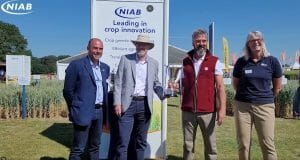
Today, more than a decade later, Crusoe remains one of the leading quality wheats, a testament to Ian’s visionary work and it has just been awarded the NIAB Variety Cup.
Ian Foot remains modest about his achievements and acknowledges the challenges of quality wheat breeding. The complexity of the task, with numerous independent variables to consider, makes it rare for a variety to tick all the boxes and endure in the competitive market.
Nevertheless, Ian’s passion for science, dedication to his craft, and commitment to improving agriculture have left a lasting impact on the industry and earned him a well-deserved place among the pioneers of quality wheat breeding.
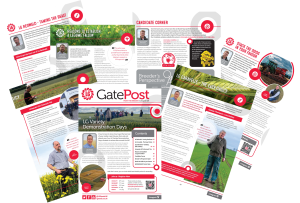
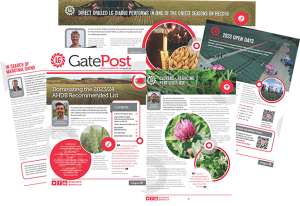
LG GatePost Newsletter – June 2023
The June 2023 issue of LG GatePost is now available to download.
This edition features articles about our newest wheat addition to the 2023-24 AHDB Recommended List, LG Redwald, as well as LG Caravelle, our excellent 2-row winter feed barley.
You can read about and view our Live Panel event which was a round table discussion on Varieties, Soils and Policy with industry experts.
We discuss the new Sustainable Farming Incentives and the new ‘actions’ involved, with an article about why to consider establishing a legume fallow.
There is also information about our upcoming Demo Days and a link to register.
Forage maize seed used in the UK is produced and pre-treated in Europe, with an appropriate fungicide to safeguard it against root zone diseases such as seedling blight, and a bird repellent to discourage corvids from taking the seed.
As part of the European Union free market, seed treated with a crop protection product has free movement across Member State boundaries. Now that the UK is no longer a member of the EU, such rules do not apply and, as of 31 December 2023, it will be illegal to import, sell or sow treated seed with Korit (ziram) bird deterrent, Redigo M (prothioconazole + metalaxyl) fungicide and Force (tefluthrin) insecticide, since the products are not licenced by the UK CRD/HSE.
The Impact
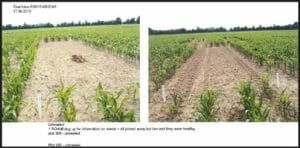
A lack of suitable bird repellent can result in the total loss of the crop. Corvids are intelligent birds and quickly understand seed drilling patterns. In the photograph below, the crows were able to identify which plots were untreated taking almost all of them.
Any attempt to drill the seed deeper to avoid bird damage exacerbates the issue of seedling blight, making application of a fungicide seed treatment such as Redigo M more critical.
Alternatives
Current alternatives include the use of bird scarers, with the accompanying noise pollution, or control of corvids by shooting; neither of which make sense in today’s agriculture.
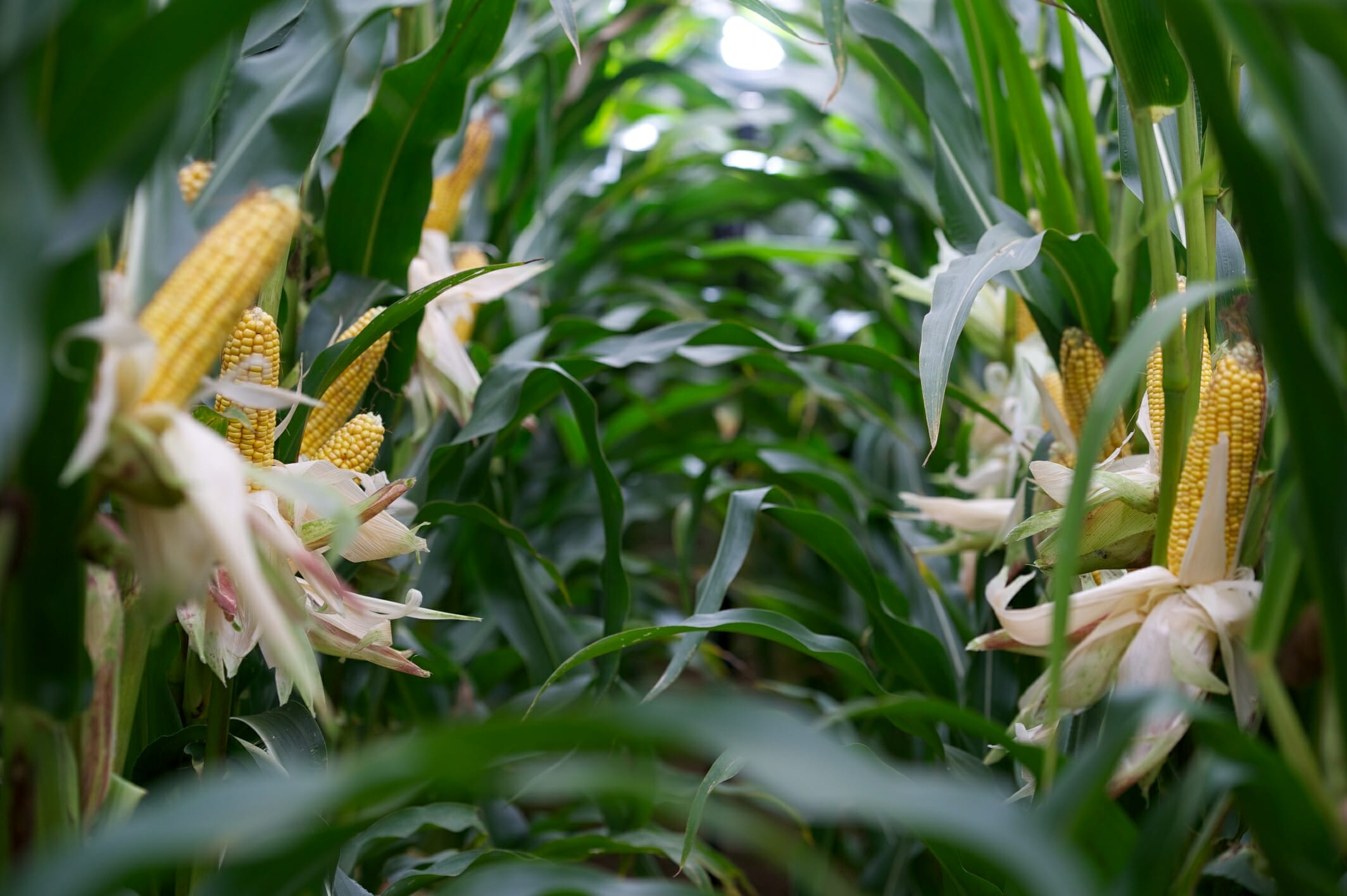
The danger is that farmers and growers turn away from the growing of forage maize, a high-density nutritious feedstock both for the dairy and livestock sectors, and for the anaerobic digestion industry for energy production.
What are we doing about it?
Limagrain, along with a number of other seed breeders have initiated a working group which has successfully galvanised the NFU, AIC and other parts of the industry into action. Letters to MPs, Select Committees and Ministers have either been sent or are in the process of being sent. Civil servants have been contacted and the media “activated”.
How You could Help
We are keen that as many MPs as possible are aware of this issue:
1. Complete this survey put together by the MGA and NIAB which will give a deeper insight into the issue and who it’s affecting
2. Would you consider writing to your local MP on this subject?
3. Can you raise the problem with their local NFU representatives?
4. Evidence: we are definitely on the hunt for photos of where untreated seed has been planted and anecdotes thereof. Have you seen this problem in action?
Survey reveals variety decisions driven by regional trials information
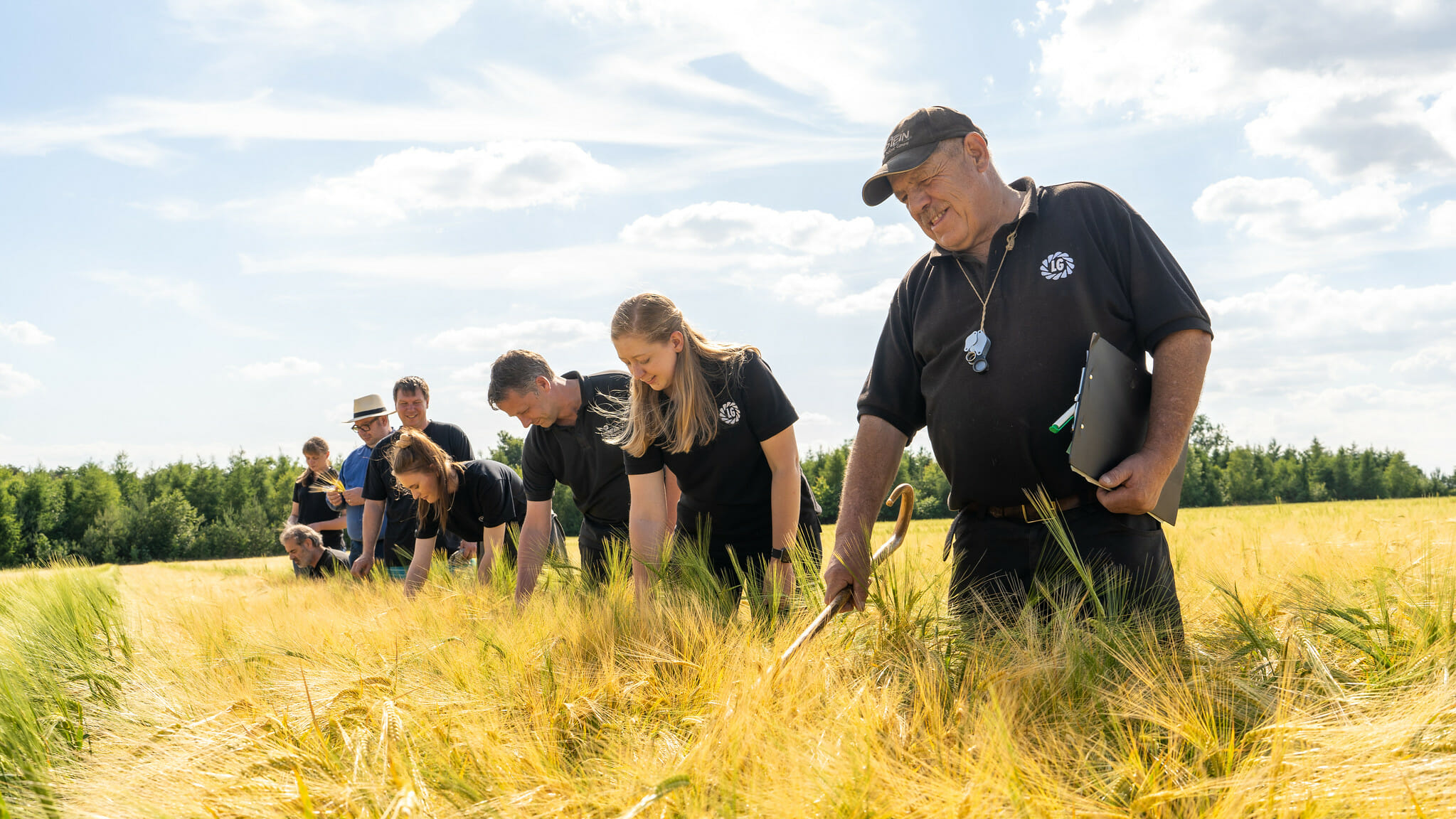
Arable farmers favour local variety trials over national demonstrations when making crucial decisions about what varieties to grow next season, a survey by plant breeders Limagrain UK reveals.
The online questionnaire shows the overwhelming majority (86%) regard the information they gain from regional variety demonstrations as being more relatable than from national events.
Tom Barker, Cereals and Pulses Product Manager
“This is mainly because local events offer the chance to see how new and existing varieties perform in local soils, climate, and disease situations,” comments Limagrain UK cereals and pulses product manager, Tom Barker.
“Indeed,43% of farmers responding to the survey have attended a regional event with variety trials in the past 12 months, compared with just 28% that have attended a national event, such as Cereals or Arable Scotland.”
“Around one quarter have taken part in an online trials webinar, such as those organised by AHDB, or NIAB TAG.”
“Three-quarters of growers are prepared to travel up to an hour or more to attend a regional variety trial, and alongside location and practical considerations, such as date and time, the quality of technical information on offer is a major factor influencing the decision to attend,” he says.
This shows growers value the opportunity to gather technical information on individual varieties, and how to grow them, he points out, although of particular interest is the ability to compare treated and untreated plots to see first hand how varietal characteristics stand up to seasonal pressures.
“Other areas of interest include; late versus early drilling comparisons, different methods of establishment, alternative fungicide programmes, and trace element/ micronutrient work.”
“It is also clear from the survey that, while growers take information from a range of sources when making variety decisions, including independent bodies, breeders, agronomists, and seed merchants, the vast majority (93%) would confidently select a variety based on what they had seen or learned at a variety trial,” says Mr Barker.
“We organised the survey to find out what growers want from trials events, and how we can tailor them to their needs in the future.”
“It shows that growers base their varietal decision making on what they see or learn at demonstrations and trials, with regional events once again proving their worth as a place growers can go to gain knowledge and understanding of varieties.”
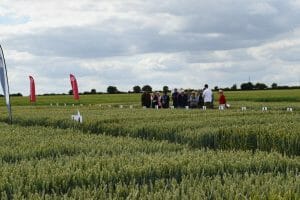
Summer Demo Days
Recognising the importance of local information when making variety choices, Limagrain UK hosts a series of events around the country every year.
This summer’s programme during June and July features five locations, from our milling wheat demonstration on the Essex coast near Maldon, up to the Perth winter wheat trials in central Scotland (see panel for details of all events).
Every demonstration will showcase a range of new and existing varieties, alongside five new Candidate wheat varieties currently going through Recommended List approval. These include two potential biscuit wheats, LG Arkle and LG Grendel, and two hard feed wheats, LG Beowulf – the highest yielding feed wheat Candidate – and LG Redrum.
Limagrain UK’s Rothwell site will also feature the new winter barley Candidate LG Capitol, plus the highest yielding two-row feed, LG Caravelle, which joined the RL this year.
Plant breeder Limagrain UK has strengthened its arable marketing team with the appointment of Liam Wilkinson to position of Oilseed rape product manager.
In his new post, Mr Wilkinson takes on the responsibility for the marketing of Limagrain’s highly successful oilseed rape portfolio which has been driven by its trait-loaded offering – bringing valuable traits and characteristics to the market, such as TuYV, Pod Shatter and Stem Health.
Limagrain’s hybrid Aurelia, is the UK’s most widely sown variety, whilst Ambassador is the number one variety grown in Europe – illustrating the strength of the breeder’s UK and European portfolio.
Limagrain is a farmer owned international co-operative group, specialising in both agricultural and horticultural seeds. As the fourth largest breeder and seeds marketing company in the world, it employs 10,000 people with a turnover of more than 2.5 billion euros annually.
Mr Wilkinson worked as a trials officer for Frontier, and latterly NIAB, before joining Limagrain in early 2020.
He has extensive experience of the oilseed rape crop; previously holding the position of arable technical officer for oilseed rape, with the breeder.
“Limagrain’s oilseed rape varieties have dominated the UK AHDB Recommended List for several years and continue to do so,” says Mr Wilkinson.
Liam Wilkinson
“There are obvious challenges for OSR growers around climate and pests, however it’s very encouraging to see the progress breeders are making by building further on the trait-stacked approach – which has helped many growers return to oilseed rape, by offering on-farm security through robust genetics.”
“We’ve already started with the introduction of Attica and LG Wagner this year, and I look forward to introducing more varieties in the coming years. Infact, it’s a really exciting time to be involved in OSR genetics.”
LG GatePost Newsletter – Feb 2023
The February 2023 issue of LG GatePost is now available to download.
This edition features articles about our exciting new Wheat, Winter Barley and Oilseed Rape varieties that are taking leading positions across the 2023/24 AHDB Recommended List.
You can read about how moving to direct drilling of LG Diablo Spring Barley has proven successful for Berwickshire grower, Neil White and watch our Spring Barley agronomy series of videos that give you all the technical know-how to successfully grow your Spring Barley crop.
There is also information about our upcoming Trials Events, and online Technical Webinar.
New guide provides comprehensive blueprint to conservation and gamecover crops
Limagrain UK has introduced new formulations of crop mixtures that meet the latest Countryside Stewardship (CSS) options. These are included in its 2021 HiBird Conservation & Game Cover Crops guide, published recently.
This 36-page guide includes crops for attracting farmland birds and pollinators, as well as grass field margins and in wildflower areas. It has a comprehensive section for gamecover crops including maize, sorghums, kale, and autumn sown catch crop options.
Importantly, the guide has a clear two-page summary to the crops that fulfil each Countryside Stewardship Scheme (CSS) options, and a table that gives an instant snapshot of each HiBird product, its use, sowing time and seed rate and pack size. And to suit demand, Limagrain is now offering HiBird seed in 0.5 ha pack sizes. Another new addition to is the inclusion of a seed treatment on its game cover maize to prevent bird damage.
“The Government intends removing it’s three greening requirements in 2021 in England so the focus will be on the Countryside Stewardship Scheme to replace some of these areas. The new ELM scheme is currently under evaluation, but options look likely to include whole field options, as well as the traditional margin areas,” says Limagrain UK Forage Marketing Director Martin Titley.
“We think this is the junction when farmers and growers will need to review their conservation areas and see what works well for them, so they can make changes that best meet CSS and that will also help them in the transition to the new ELM scheme.”
Limagrain’s HiBird Conservation & Gamecover crops brochure 2021 is available from Laura Davey on 01472 370151, laura.davey@limagrain.co.uk or downloaded below
The Limagrain Plant Breeding Hub at Croptec 2021
Croptec 2021 is a must-attend for anyone looking to make their farm business more efficient, productive, and ultimately more profitable
Already shaping up to be a great two days, the show is a must-attend for anyone looking to make their farm business more efficient, productive, and ultimately more profitable.
With a carefully curated roster of talks, from a diverse range of speakers, we’re offering a platform to industry professionals, whose experience lays at the forefront of innovation in British agriculture.
Wed 24th November, LG Plant Breeding Hub Speaker Programme
Join us on Wednesday 24th November at 10.20-10.55am to hear Limagrain UK’s Pulse Breeder, Will Pillinger talk about the latest developments in pulse breeding. He will explain how increasing pulse crop yields through plant breeding can potentially improve output and reduce risk on-farm.
At 12.00-12.25pm, Dr Emma Wallington of NIAB, will discuss what gene editing is and how this could be adopted in the UK.
Liam Wilkinson, Arable Technical Specialist at Limagrain UK concludes the Day 1 programme at 1.20-1.55pm with a presentation on trait focused oilseed breeding and how this forms the basis of IPM strategy when managing the crop.
Thurs 25th November, LG Plant Breeding Hub Speaker Programme
On Thursday 25th November, we open our Day 2 programme at 10.20-10.55am with Farmacy Agronomist Charles Wright, who will be sharing his first-hand experience of the impact of varietal resistance on agronomic decision-making in a farm environment.
At 12.00-12.25pm, we will benefit from a farmers’ perspective with Jonny Hodgson, who will talk about the importance of plant breeding in a regenerative agricultural system.
We end the speaker programme for the day at 1.20-1.55pm with Limagrain UK Cereals Pathologist, Rachel Goddard. Rachel will go into detail on breeding diverse disease resistance in wheat and discuss what wheat breeders can do to stay one step ahead of pathogen evolution.
We aim to showcase the latest innovations in UK plant breeding at the LG Plant Breeding Hub. We are also keen to talk with growers about the challenges currently facing the industry, from climate change to price pressures. Our experts will be on hand throughout the day with farm ready advice and a wealth of both practical knowledge and technical insight.
It’s been 2 long years since the last Croptec event, and if the free resources are not enough to tempt you, we have tea and coffee on LG stand, PLUS a scratch card giveaway with a host of great prizes.
Get your FREE tickets today
If you’ve not already registered for free tickets, please put the dates in your diary and click here to do it now. We look forward to seeing you on the LG Plant Breeding Hub stand.
Scratchcard competition
Politics meets Plant Breeding
Bury St. Edmunds MP Jo Churchill, visited Limagrain UK to see how plant breeding is helping UK farmers to be more sustainable.
On Friday 5th November, politics and plant breeding came together as Jo Churchill – MP for Bury St Edmunds, who is also Parliamentary Under Secretary of State and Minister for Agri-Innovation and Climate Adaptation within DEFRA, visited Limagrain UK’s wheat breeding centre at Woolpit, Suffolk.
Jo Churchill, watering wheat plants in the vernalization chamber
Limagrain is a fast growing farmer owned international co-operative group, specialising in both agricultural and horticultural seeds, and in cereal products. As the fourth largest breeder and seeds marketing company in the world, it employs 9,000 people with a turnover of more than 1.98 billion euros annually.
During the visit, Mrs Churchill received a presentation from Jonathan Tann, Limagrain Business Area Director for NW Europe, on the company from an International and UK perspective, followed by a tour of the research and development facility by Ed Flatman, Limagrain’s Head of European Wheat Research, along with Phillip Tailby, Limagrain UK’s Senior Wheat Breeder.
One of the most important issues currently facing plant breeders are the pressures and rules regarding the importing and exporting of seed. Mrs Churchill was aware of the latest situation and appreciated that there were still problems to resolve.
Current hot issues surrounding plant breeding, such as gene editing and agri-food innovation, were also discussed along with the challenge of energising young people to engage with the opportunities within agriculture.
Mrs Churchill was joined by Oli Wilson, DEFRA, and Lesley Canham, Constituency Office Manager.
From left – Ed Flatman, Phil Tailby, Oli Wilson, Jo Churchill and Jonathan Tann










 Whilst Ian Foot’s retirement marks the end of an era, it also marks the beginning of a new chapter, led by a passionate and skilled successor. As the torch is passed on to Ewa Lagowska, the spirit of innovation and excellence in wheat quality breeding continues to thrive at Limagrain UK.
 This led him to pursue biology at higher education, firstly at the Northeast Surrey College of Technology and subsequently at the West of Scotland Agricultural College, where Ian’s six-month industrial placement turned into a transformative few years at Throws Farm.
 However, it was all change in the early 1990’s, when he found himself working for plant breeders Nickerson, who at that time had recently been acquired by Limagrain. Here he had the privilege of working under the mentorship of the esteemed wheat breeder, Bill Angus. Under Bill’s guidance, Ian honed his skills and became deeply involved in quality wheat breeding.