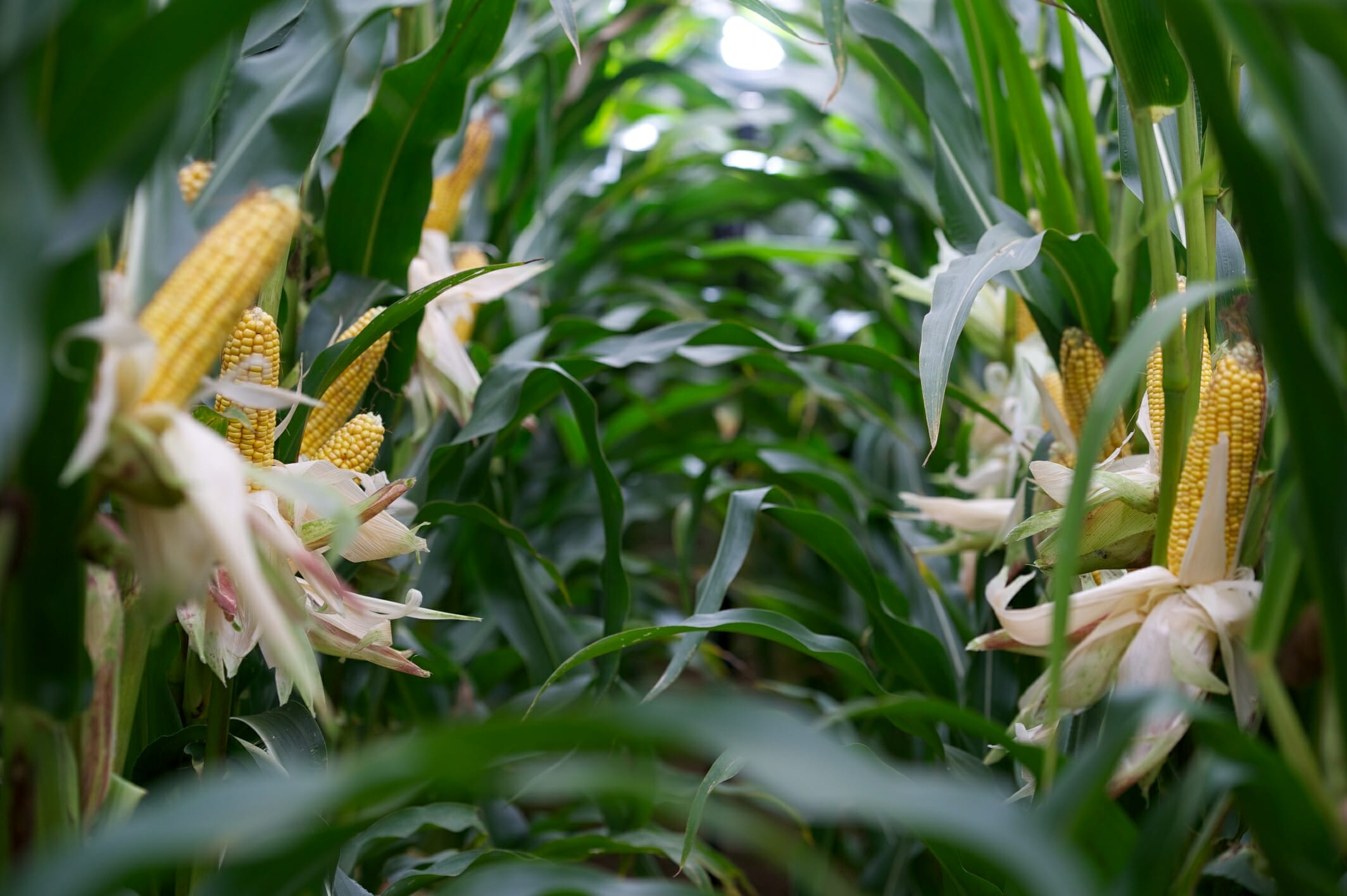
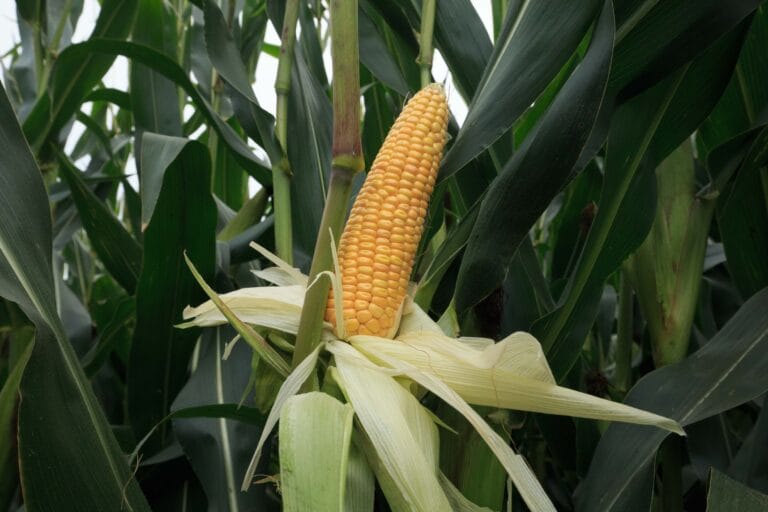




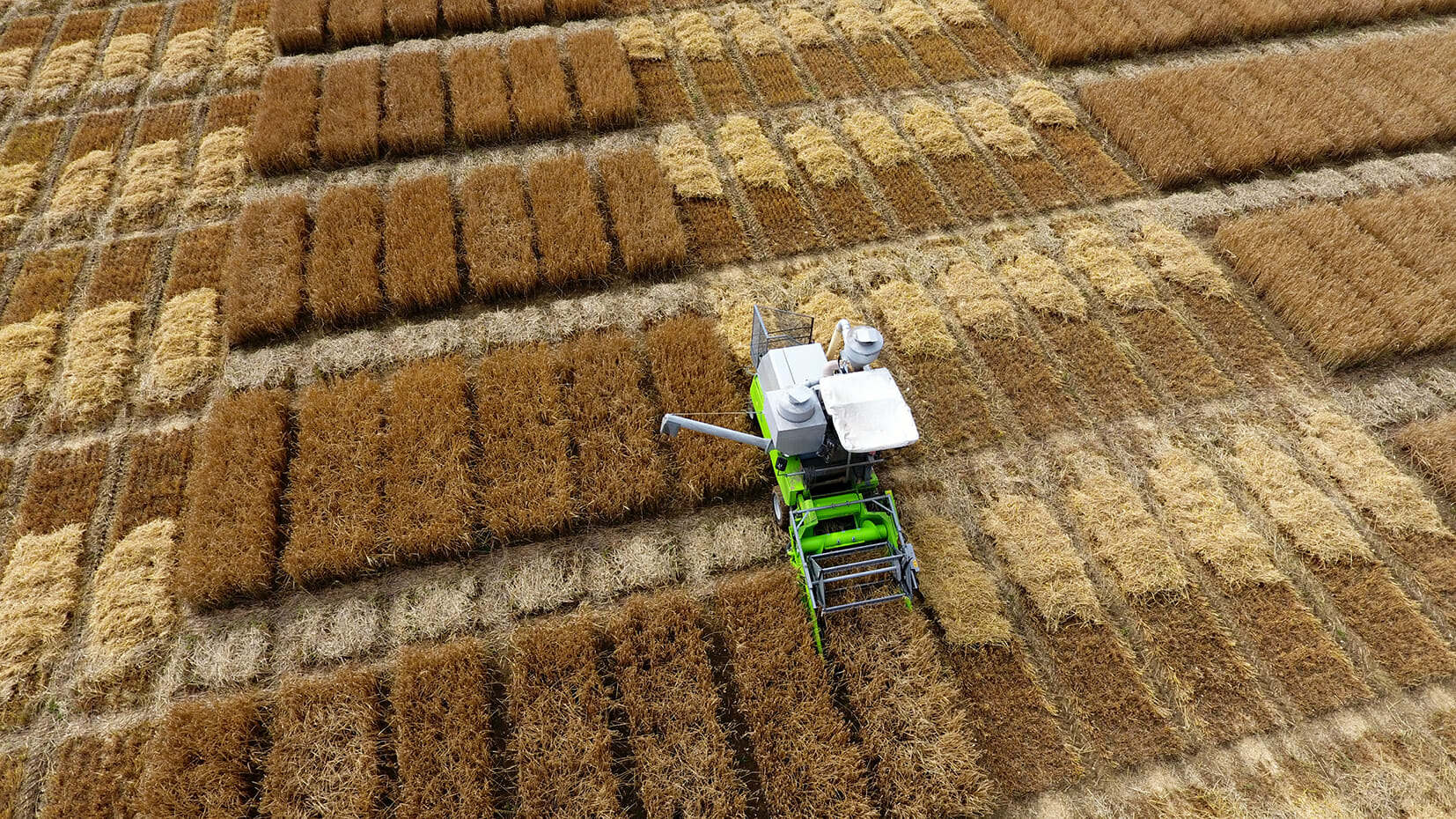

LG Typhoon – Flying onto the Recommended List

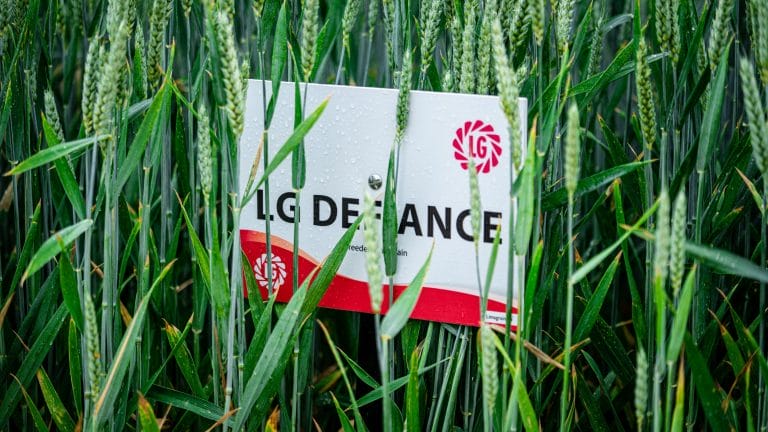
LG Typhoon is a high yielding group 4 hard wheat, that joins the 2022-2023 AHDB Recommended List, from breeders Limagrain UK.

LG Typhoon offers UK growers the package that they have been asking for in a hard wheat; a clean, consistent and resilient variety, with a solid all-round disease package and OWBM resistance.

It has shown excellent consistency of performance, yielding 102% across very differing climatic seasons and across the varying regions of the UK.

Yield consistency

    Regions Years
  UK East West North 2019 2020 2021
LG Typhoon 102 102 102 [102] 102 [102] 102

[ ] = limited data.  

“LG Typhoon offers growers flexibility in the rotation, across both sowing date and soil type,” says Ron Granger, Limagrain UK’s arable technical manager. “The variety exhibits a genuine suitability for the earlier sowing situation, endorsed by its combination of desirable agronomic characteristics – and this is reflected in its very high yield performance at this drilling window.” “LG Typhoon also excels as a second wheat.”

  Rotation Sowing Date Soil Type
  First cereal Second cereal Early Sep (before 25Sept) Trials sown (25Sept-31Oct) Late (after 1Nov) Light Soils Heavy Soils
LG Typhoon 101 104 [105] 102 [101] [102] 101
Graham 102 101 100 102 100 102 101

[ ] = limited data.  

The reason for LG Typhoon’s consistent performance comes down to its excellent all-round foliar disease resistance, explains Mr Granger. “This is shown by an untreated yield that is above many of the RL feed varieties, supported by a resistance rating of 7 for Septoria – which significantly comes from a combination of sources different to those in current RL varieties,” he says. “LG Typhoon offers excellent yellow rust resistance, with a RL rating of 9 combined with YR seedling resistance – a valuable tool regarding fungicide programmes and timings.” “The variety offers more than excellent yellow rust ratings; it is an attractive proposition with good ratings for all the diseases, including (6) for eyespot and Fusarium, and the very valuable bonus of Orange Wheat Blossom Midge (OWBM) resistance.” Mr Granger adds: “In terms of grain quality, LG Typhoon offers a good specific weight (76.3 kg/hl), certainly equal or indeed better than many of the feed wheats on the new RL.”

Limagrain UK’s wheat breeder, Phil Tailby, summarises the main traits of LG Typhoon

Lessons learned throughout a challenging season

Tom Barker, Cereals and Pulses Product Manager for Limagrain UK, believes varieties must be as reliable as a farmer’s telehandler.

Tom Barker

Growers are unlikely to look back on the 2019/20 season with many happy memories. It was a crop year of extremes in heat and rainfall coupled with cold and wind, which all combined to challenge every UK farming business.

Specific weather events included the hottest summer’s day on 25th July at 38.7°C in Cambridge, the 5th warmest April since 1884, and autumn rainfall records being broken in areas such as Lincolnshire, Nottinghamshire and South Yorkshire.

The combinations of these factors made autumn plantings extremely challenging, leading to the changing of cropping plans. All autumn plantings were significantly lower with wheat down by 25% and barley 34%. Conversely, spring barley was up by 52% to over 1 million hectares.

Agronomists had a testing year for advice, recommendations and field walking. Toby Clack from Farmacy says “the push to drill later due to black grass and pest pressure, narrowed the winter drilling window. We then had the wettest autumn for many seasons which meant conditions were completely unfavourable for good establishment of winter cereals. Crops went into the spring with poor rooting and were hampered further by unseasonal dry weather.”

What lessons could growers take from such a challenging year? Ed Flatman, Limagrain UK’s Senior Wheat Breeder has drawn some conclusions on the importance of consistency and robustness in varieties, particularly LG Skyscraper. “The driver is not only the ease of production,” Ed says, “it’s as much about having flexibility and reassurance when conditions constrain the grower’s ability to manage the crop.”

“Disease resistance works together with the chemistry, but when weather delays spraying, genetic resistance buys some time and limits yield loss. Growers with large areas to cover or dispersed blocks of land, can give priority to varieties that need more attention, leaving more secure ones lower down the spray list.”

“There is generally greater variability in seasons with prolonged periods of wet or dry, with the most reliable varieties being able to be more tolerant and still perform. It largely comes down to security, whether it is too wet to travel or the wrong conditions for the chemistry to be safely and effectively applied.”

“In general, the most consistent varieties tend not to be extreme for speed of development, tillering or ear emergence but sit in the middle ground.”

“Good indicators of consistency are bold high specific grain weight and the ability to yield well as a second wheat; key attributes of LG Skyscraper. The ability to establish in a difficult seed bed, have good resistance to diseases carried over in the stubble, and develop a strong root system, are also important,” Ed adds.

LG Skyscraper has been a standout performer for consistency since its recommendation, and has yielded 103-105% above control varieties, with a specific weight between 77 and 78 kg/hl.

Suffolk farmer Peter Over was very pleased with his crop of LG Skyscraper. “In a difficult year, it was one of the plus points,” Peter says. “The variety got away well, stood up to the drought and looked good all year. I was pleased with the yield of straw and will be growing it again.”

The 2019/20 season will live long in the memory. If the climate continues to shift towards hotter, drier summers and cooler, wetter winters, varieties that perform consistently over several seasons through different environmental factors will become key.

Like the telehandler that starts first time, operates effortlessly in every situation and isn’t constantly in the workshop, varieties need to be equally as reliable, dependable and consistent.

 
Importance of specific weight in wheat

In a good year, grain quality is important but in a bad year its even more crucial not just to ensure a market but as an indicator that a variety is truly robust. However, specific weight itself tells us more about the variety than simply the plumpness of the grains.

As a measure of grain quality, specific weight is a standard and well understood trading measure. Whichever end-market grain is being sold into, there is a threshold to meet. Varieties with an inherent higher level give more security in meeting that requirement. However specific weight itself tells us more about the variety than simply the plumpness of the grains. Varieties with a higher specific weight generally tend to be the more consistent, especially in difficult situations and in years of prolonged or repeated stress.

JB Diego gained a strong following based not only on yield potential, but also on consistency, and physical grain quality was a strong determinant in that. LG Spotlight is another example that offers very high yields coupled with superb grain quality, a very high specific weight and excellent Hagberg/resistance to sprouting. Traditionally, soft wheats have tended to have slightly lower specific weight than the best hard wheats, mainly due to more strict requirements for bread wheat. However, there is no physical or genetic reason why soft wheats cannot have high specific weights well into the 80’s.

As the wheat plant develops, ear number and potential grain number are set, then post flowering the grains fill and therefore grain size becomes a major determinant of final yield. However, when grain fill is disrupted due to low light, high temperature or other stresses, the grains will not achieve their full potential. Often this results in grain being less plump with the smallest grains at the top of each spikelet either being lost over the back of the combine or taken out post-harvest as screenings during processing. As a grain develops, the length is set first and then it fills outwards to determine the width and final size. If this process is interrupted then grains will be thinner than normal, often with a more pronounced crease and in extreme cases grains can become “boat shaped”. All of this reduces the packing density of the sample and hence reduces the specific weight. Varieties like LG Spotlight and JB Diego will give the most consistent sample and reliable yields, because they can produce an optimal number of grains of the right size range that can be filled consistently, under an array of conditions.

Ed Flatman, Senior Wheat Breeder for Limagrain

Grain size will vary as a function of available resources; more optimal conditions of high light intensity, temperature in the mid 20’s and adequate moisture supply – will lead to the highest yields and increased grain size. However, when any of these factors are compromised, these varieties will produce slighter smaller but still well-filled grains, whereas in other varieties grains can be less well shaped or become pinched and this easily knocks points off the specific weight. High Hagberg and very good resistance to sprouting also ensure bushel weights are maintained, especially in catchy harvests. Here, the alternate wet and dry can cause grains to swell and then contract, even if there is only a hint of pre-germination, then this affects grain shape and hence specific weight. Ear disease, such as fusarium, causes infected grains to be pinched or shrivelled, having the same negative effect on the sample quality.